Painted Leopard
Painted Leopard is a specialty coffee shop in San Francisco focused on El Salvador single-origin coffees, served as pour-overs and cold brew. It occupies a niche within the city's third-wave coffee scene where origin specificity and brew method discipline define the offering, placing it closer to a focused tasting-room format than a general-purpose café.
Pearl is the En Primeur Club membership app — saves, bookings, and concierge access live there. Same editors, same standards.
- Address
- San Francisco, United States
- Directions
- Get directions
 Saves & bookings on Pearl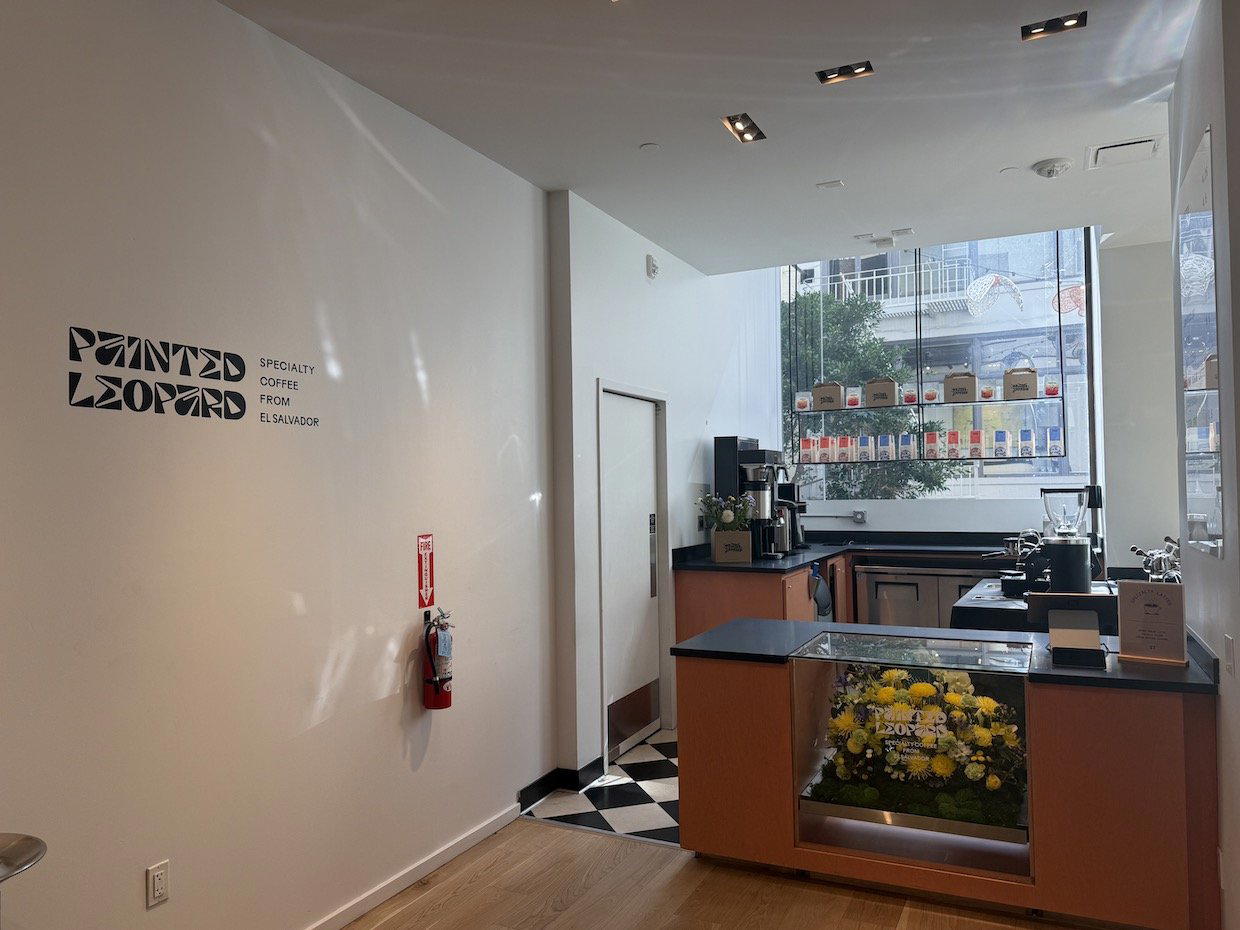
El Salvador in the Cup: How Single-Origin Focus Shapes the Experience
San Francisco's specialty coffee scene has, over the past decade, fractured into distinct tiers. At one end sit the high-volume roaster-retailers moving beans by the pound; at the other, a smaller cohort of shops that treat the counter more like a tasting room, where the origin conversation matters as much as the pour itself. Painted Leopard is a Coffee Shop in San Francisco, California. Its menu architecture is built around El Salvador coffee, and that specificity is the editorial statement the shop makes before a single cup is pulled.
El Salvador occupies an instructive position in the specialty coffee world. For years, Salvadoran beans were treated as blending stock, valued for body and sweetness but rarely featured as the centerpiece of a single-origin program. The country's Bourbon and Pacamara cultivars, grown at altitude in volcanic soil, have since attracted serious attention from roasters looking for fruit-forward acidity and structural complexity that holds up under both filter and cold-extraction methods. A shop that anchors its entire menu to that origin is making a considered bet on the producer's end of the supply chain, not just the barista's end.
The pour-over and cold brew formats on offer reflect that same discipline. Pour-over preparation gives a trained barista the highest degree of control over extraction variables: grind size, water temperature, flow rate, and bloom time can all be adjusted to coax different aromatic registers from the same bean. Cold brew, by contrast, rewards patience and precision in a different way, running extraction over a longer period at lower temperature to produce a concentrate where sweetness and body dominate over brightness. Offering both formats against a single origin means the menu is effectively inviting comparison: what does this Salvadoran coffee become when heat-brewed versus cold-extracted? That is a more sophisticated question than most café menus ask of their customers.
Where Painted Leopard Sits in San Francisco's Coffee Tier
San Francisco has produced particularly influential coffee programs in the United States. The city's engagement with third-wave methodology, traceability, and barista technique places it alongside Portland, Seattle, and New York as a reference point for how specialty coffee evolves at the retail level. Within that frame, shops anchored to a single producing country or even a single farm represent a narrower, more specialized format.
That positioning matters to a reader planning a San Francisco visit who already knows the difference between a commodity café and a specialty program. If the city's fine-dining tier, from tasting menus at Benu and Atelier Crenn to the progressive American formats at Lazy Bear and Saison, represents a certain level of sourcing and technique consciousness, then Painted Leopard is applying the same logic to the coffee counter. The price tier is low, but the origin work behind the cup still carries greater weight.
For context on how that sits regionally: the kind of tasting-room coffee discipline practiced at shops like Painted Leopard shares intellectual DNA with the farm-to-table sourcing philosophy that has defined Northern California's food culture for thirty years. Single Thread Farm in Healdsburg applies a similar producer-first logic to its ingredients; here, it is applied to green coffee. The comparison is not about scale or price tier but about the shared commitment to tracing what is in the cup or on the plate back to where it came from.
Planning Your Visit
The city's specialty coffee shops vary in their midweek versus weekend schedules, and a focused single-origin counter of this type may operate on tighter hours than a general café. The restaurant is walk-in friendly.
San Francisco's coffee culture rewards the visitor who treats it with the same intention they might bring to a meal at Quince or a wine visit to The French Laundry in Napa. The price of entry is lower, but the same sourcing consciousness is at work. The restaurant's El Salvador focus makes it a readable example of where that consciousness lands when it is applied to a single origin with real specificity.
The Short List
Comparable venues nearby, for context on price, style, and recognition.
| Venue | Cuisine | Price | Notes |
|---|---|---|---|
| Painted LeopardThis venue — the venue you are viewing | Soma, Coffee Shop | $ | Not listed |
| 18 Reasons | Not listed | $ | Mission, Cooking Classes & Pop-up Dinners |
| Ritual Coffee Roasters | Mission, Specialty Coffee Roasters | $ | Not listed |
| Blue Bottle Cafe | Not listed | $$ | .null, Specialty Coffee & Cafe |
| Roli Roti Gourmet Rotisserie | Not listed | $ | Financial District/South Beach, Gourmet Rotisserie |
| La Cumbre Taqueria SF | Mission, Mission-Style Taqueria | $ | Not listed |
Continue exploring
More in San Francisco
Restaurants in San Francisco
Browse all →
Bars in San Francisco
Browse all →
Hotels in San Francisco
Browse all →
At a Glance
- Casual Hangout
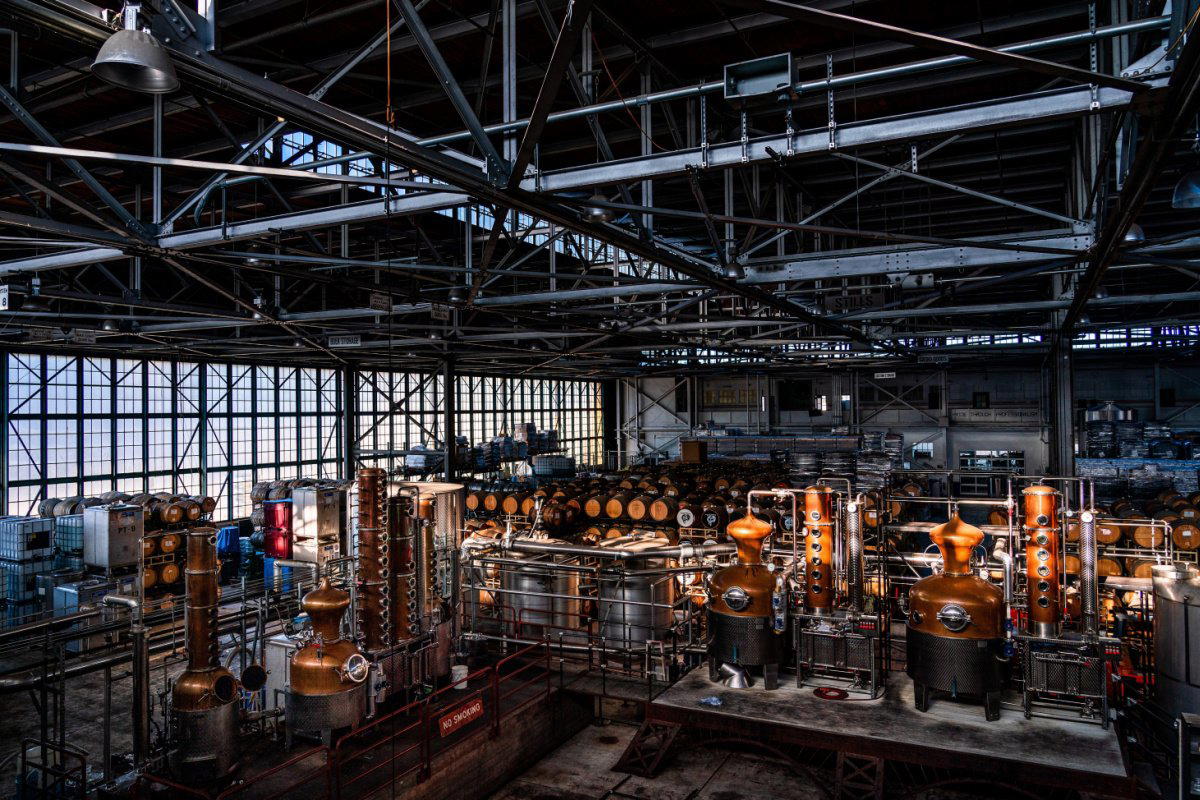
Airy and open layout.