Paia
Our verdict
Paia, on Maui's North Shore, anchors a dining scene shaped by proximity to working farms, deep Pacific waters, and a surf-town culture that prizes freshness over formality. From open-air fish shacks to globally inflected kitchens, the town punches well above its size.

Pearl is the En Primeur Club membership app — saves, bookings, and concierge access live there. Same editors, same standards.
- Address
- Hawaii
- Phone
- (808) 579-8030
- Website
- paiafishmarket.com
- Directions
- Get directions
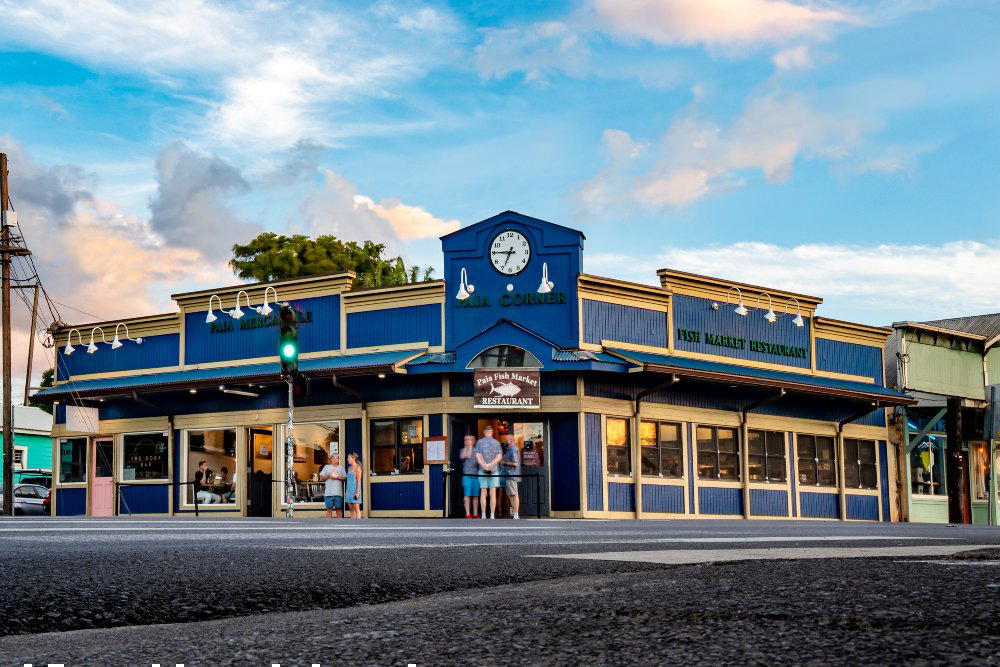
The menu
What to order
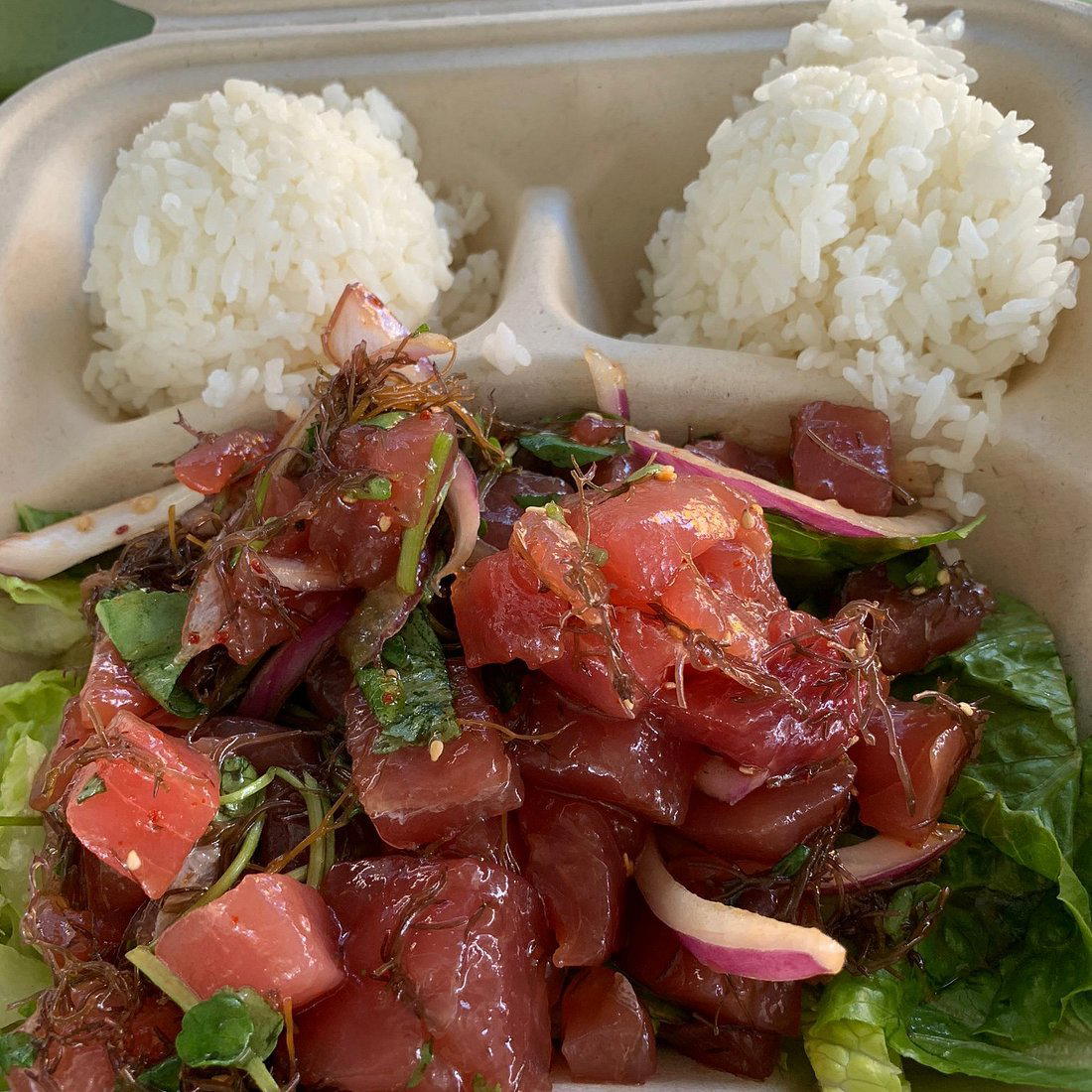
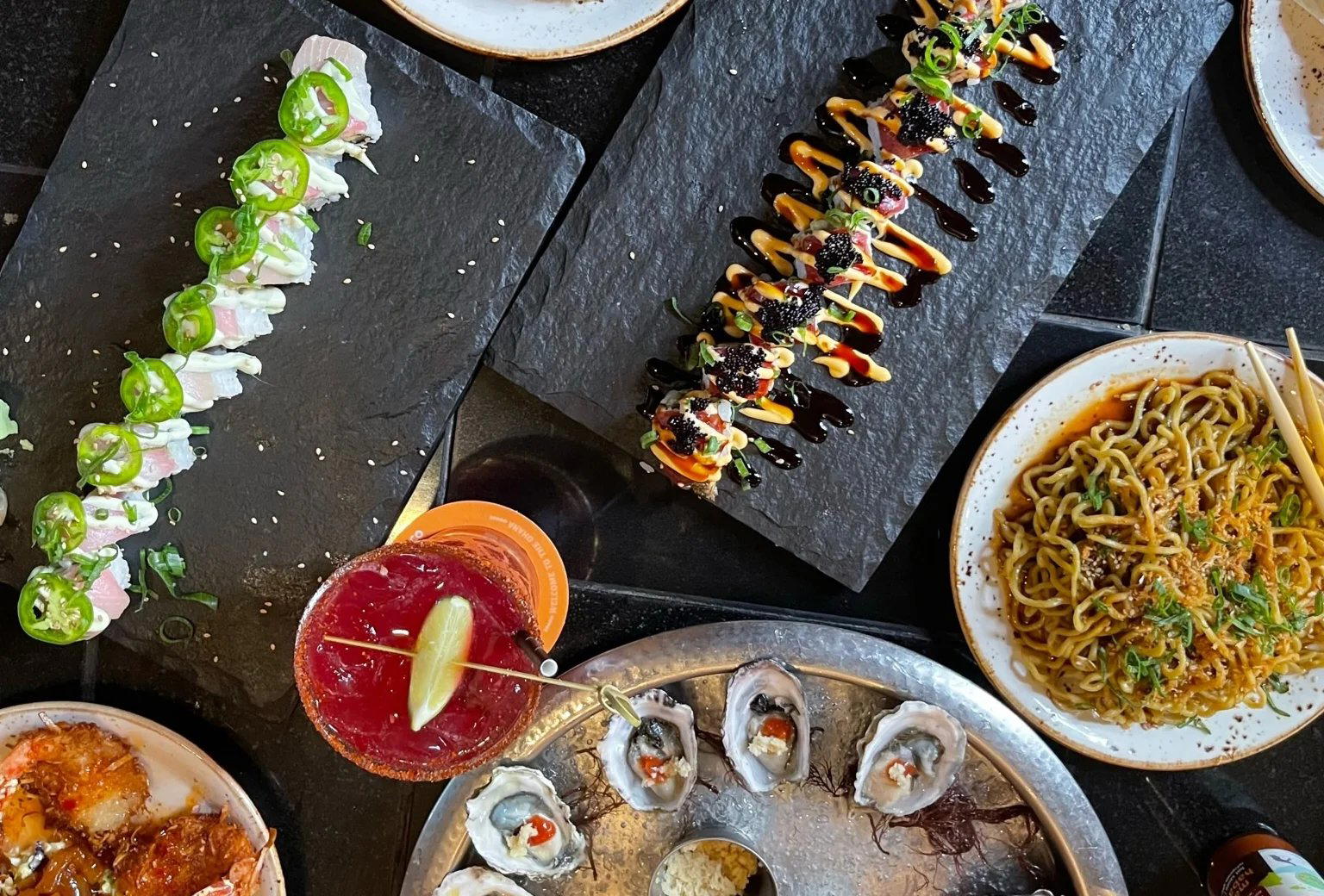
- Fish Tacos
- Grilled Mahi Mahi Plate
- Blackened Sashimi
- Ceviche
Where the Road Narrows and the Food Gets Serious
Approaching Paia along the Hana Highway, the landscape shifts before the town does. Sugar cane fields give way to roadside fruit stands, and the salt-heavy air arrives about a mile before the first stoplight. Paia is small enough that most visitors pass through it on the way to somewhere else, which is precisely why its dining scene rewards those who stop. The town's kitchens operate under a particular kind of pressure: the sourcing is right there, in the water and on the hillside farms above town, and diners who live here year-round know the difference between food that uses that proximity and food that merely benefits from the backdrop.
This is not a destination built around a single famous restaurant, though Mama's Fish House, a few miles east along the coast, has drawn the kind of attention that recalibrates how visitors think about Hawaiian fish cookery. Paia's broader dining character is something more distributed: a cluster of kitchens, from Cafe Mambo to Café Des Amis to Flatbread Company, that each represent a distinct approach to cooking in a place where the raw material is often extraordinary. For a fuller map of what the town offers, our Paia restaurants guide covers the range across cuisine type and price point.
The Sourcing Logic Behind North Shore Cooking
Hawaii's ingredient story is genuinely complicated. The state imports roughly 85 to 90 percent of its food, a dependence that makes the farms and fisheries that do supply locally all the more consequential. On Maui's North Shore, that gap between what is possible and what is practiced narrows considerably. Upcountry farms above Makawao and Kula supply greens, root vegetables, and specialty produce to Paia kitchens at a frequency that mainland restaurant supply chains rarely match. The drive from field to plate can be under an hour.
The Pacific fishery is the other half of that equation. Ahi tuna, mahi-mahi, and opah caught by local dayboat fishermen arrive in a fundamentally different condition than fish that has traveled through a multi-day distribution chain. The flavor difference between a piece of ahi landed that morning and one that has been on ice for four days is not subtle. Kitchens in Paia that take sourcing seriously are drawing on one of the more direct farm-and-sea-to-table supply chains available anywhere in the United States. That places them in interesting company: operations like Single Thread Farm in Healdsburg and Blue Hill at Stone Barns in Tarrytown have built entire editorial identities around proximity-to-source, at price points and formality levels well beyond anything Paia reaches. The North Shore version of that argument is less formal and, in some ways, more direct.
How the Scene Sits Within American Fine Dining
The upper register of American fine dining has consolidated around a recognizable set of reference points: the produce-driven tasting menu model associated with places like The French Laundry in Napa and Smyth in Chicago, the seafood-first technical precision of Le Bernardin in New York City and Providence in Los Angeles, and the chef-as-cultural-translator format that venues like Atomix in New York City and Atelier Moessmer Norbert Niederkofler in Brunico have refined. Paia operates entirely outside that register. Its restaurants are casual to mid-range in format, community-facing in orientation, and built around a different kind of ambition.
That is not a criticism. The most interesting food towns in the United States are not always the ones with the most Michelin stars. Addison in San Diego, Lazy Bear in San Francisco, and Emeril's in New Orleans each represent formal ambition applied to regional ingredients. Paia's contribution to that conversation is different: it demonstrates what happens when exceptional sourcing meets a low-formality, high-turnover dining culture shaped by surfers, kite boarders, and long-term residents who eat out frequently and have clear opinions about quality. The result is a town where a wood-fired pizza at Flatbread Company can be made with Maui-grown produce, and where a breakfast bowl at Island Fresh Café reflects the same farm-proximity logic as a tasting menu elsewhere.
The comparison that perhaps applies most directly is to The Inn at Little Washington in Washington, not in register or price, but in the principle that serious cooking does not require urban density. Small towns with access to good land and water can anchor a food culture that matters on its own terms.
Planning a Meal in Paia
The town's dining day starts early, which reflects the surf culture that shapes its rhythms. Breakfast and lunch draw the largest crowds, particularly on weekends when visitors from Kahului and Wailea make the drive north. The dinner window is quieter, which means tables at mid-range spots are often easier to secure in the evening than at noon. For Mama's Fish House specifically, reservations need to be made weeks or months in advance depending on the season; the restaurant operates on a fixed allocation and does not hold walk-in space. Most other Paia kitchens operate on a first-come basis, though calling ahead on busy weekends is worth the effort.
Paia sits on the north shore of Maui, roughly nine miles east of Kahului Airport, making it a logical first or last stop for travelers moving between the airport and the Road to Hana. Parking on Baldwin Avenue, the main commercial street, fills quickly on weekend mornings. Arriving before 9am or after 2pm avoids the worst of it.
Frequently asked questions
How do I find Paia?
Paia is located at Hawaii, Paia.
Is Paia worth visiting just for food, or is it primarily a stop along the Hana Highway?
Paia sits at the start of the Hana Highway on Maui's North Shore and functions as a legitimate food destination in its own right, not merely a refueling point. The town has developed a concentrated set of independent food operators whose sourcing standards run ahead of most Hawaii resort areas. Travelers treating it as a through-stop on the way to Hana routinely underestimate what the local dining circuit offers as a standalone half-day.
What do regulars order at Paia?
Paia's North Shore setting means breakfast and lunch drive most of the repeat traffic, with fresh fish and locally sourced produce appearing across menus. The surf culture that shapes the town's rhythms favors high-protein, casual-format plates built around whatever is seasonal and close to shore. Specific dish names vary by venue, but the throughline is Pacific ingredient focus over imported protein.
What's the best way to book Paia?
Most of Paia's dining operates on a walk-in basis, reflecting the town's casual, surf-culture tempo rather than a reservation-driven fine dining model. Arriving early for breakfast or before the midday lunch rush at popular spots is the standard local approach. Check individual venue websites or call ahead for any counter that has moved to a reservation format.
What's the defining dish or idea at Paia?
The organizing idea in Paia is proximity: to the ocean, to a small but committed network of Maui farms, and to a community that eats early and eats seriously. Hawaii imports roughly 85 to 90 percent of its food statewide, which makes the restaurants and stalls here that do source locally a meaningful counterpoint to that norm. The result is a food scene defined less by a single dish and more by a sourcing ethic.
What if I have allergies at Paia?
Because Paia spans multiple independent venues rather than a single restaurant, allergy protocols vary considerably from place to place. Communicating dietary restrictions directly to staff at each venue before ordering is the practical approach, particularly given the fish-forward and tropical-fruit-heavy character of North Shore cooking. No centralized allergy policy covers the town as a whole.
Does Paia justify its prices?
Pricing across Paia reflects both Hawaii's high cost of living and the genuine sourcing costs involved when restaurants work with local farms and dayboat fish rather than cheaper imported alternatives. For visitors coming from the continental United States, meal costs will read as modest to mid-range against comparable quality in major cities. The value argument is strongest at breakfast and lunch, which is also when the town is at its most characteristic.
A Quick Peer Check
| Venue | Cuisine | Price |
|---|---|---|
| PaiaThis venue — the venue you are viewing | Fresh Island Seafood & Casual Dining | $20–30 |
| Mama’s Fish House | Hawaiian Seafood | $100–150 |
| Vana Paia | Japanese-Hawaiian Fusion | $50–100 |
| Café Des Amis | Mediterranean & Indian Fusion Crepes and Curries | $20–30 |
| Cafe Mambo | Modern Australian Cafe | $20–30 |
| Flatbread Company | Organic Wood-Fired Flatbread Pizza | $20–30 |

Details
- Bohemian
- Lively
- Casual Hangout
- Family
- Group Dining
- Brunch
- Terrace
- Waterfront
- Local Sourcing
- Sustainable Seafood
- A La Carte
- Craft Cocktails
- Pisco
- Vegetarian Friendly
- Vegan Options
- Pescatarian Friendly
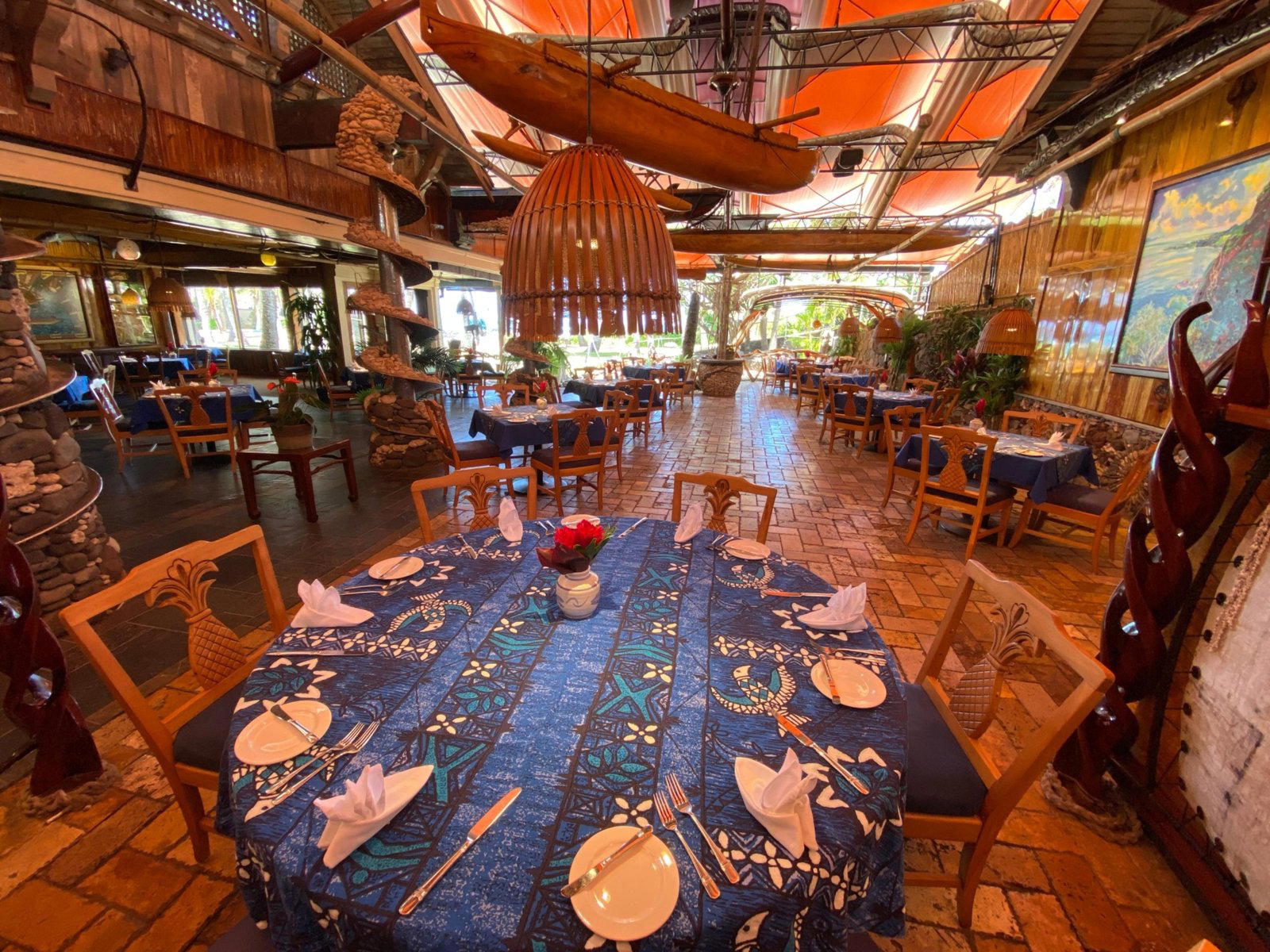
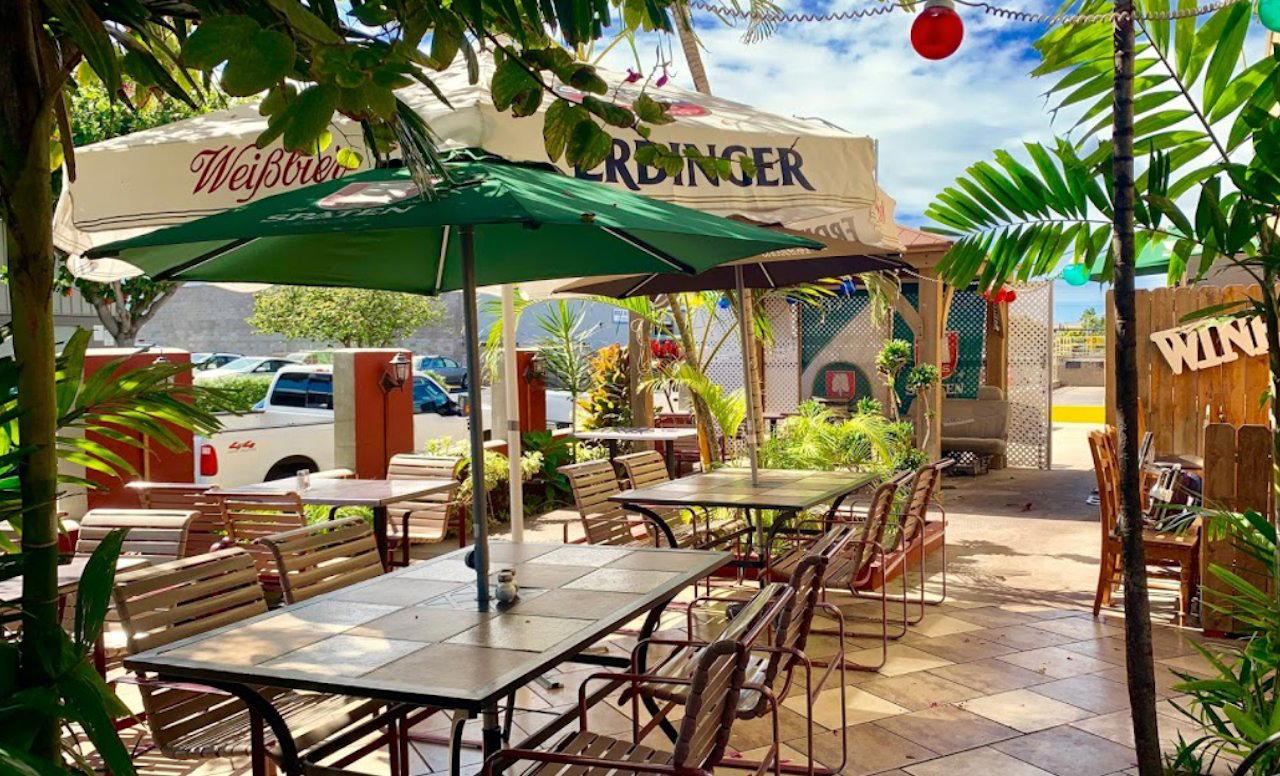
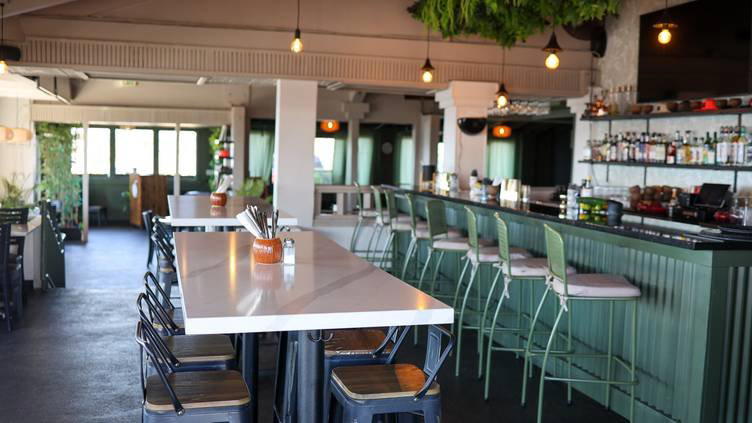
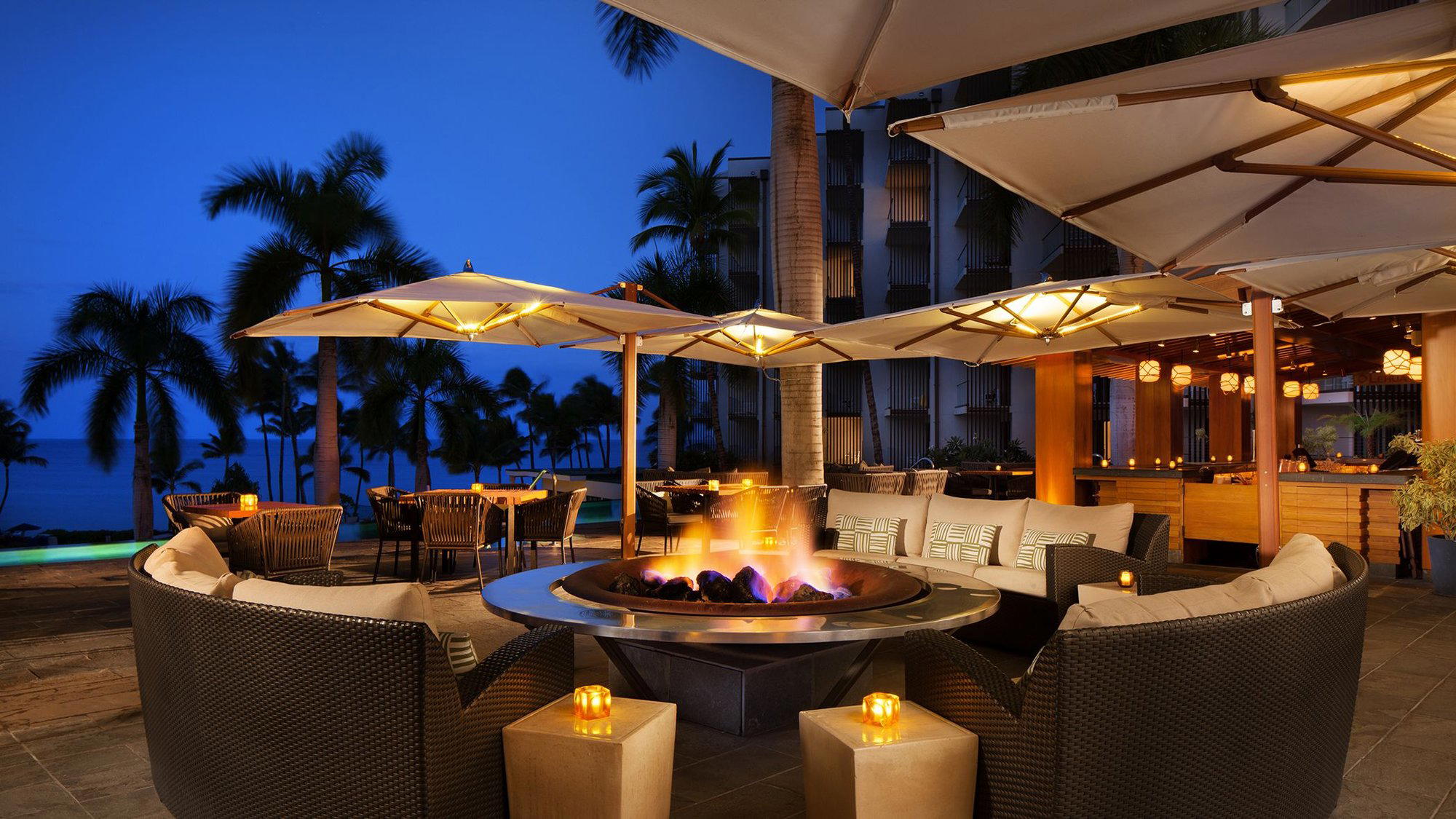
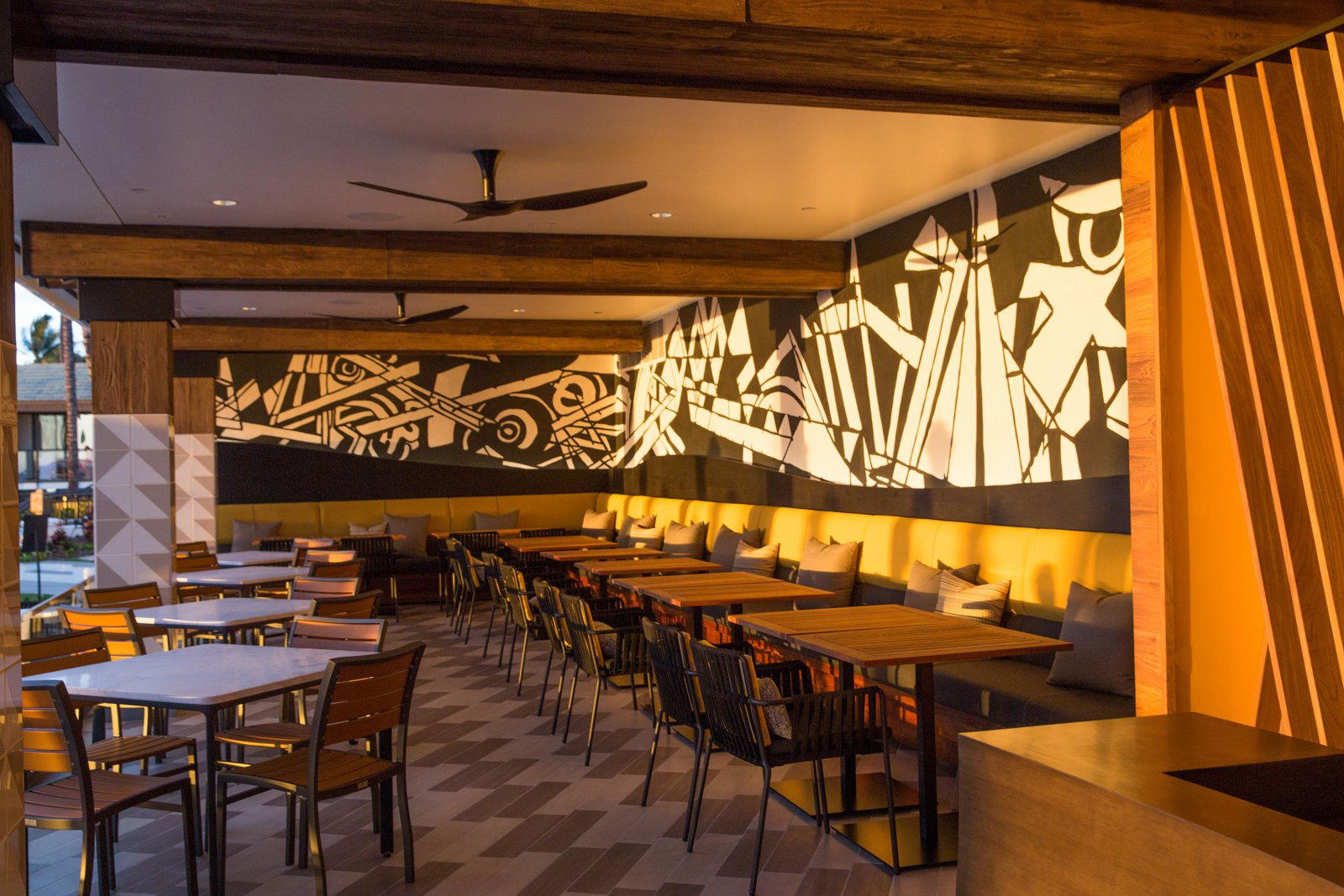
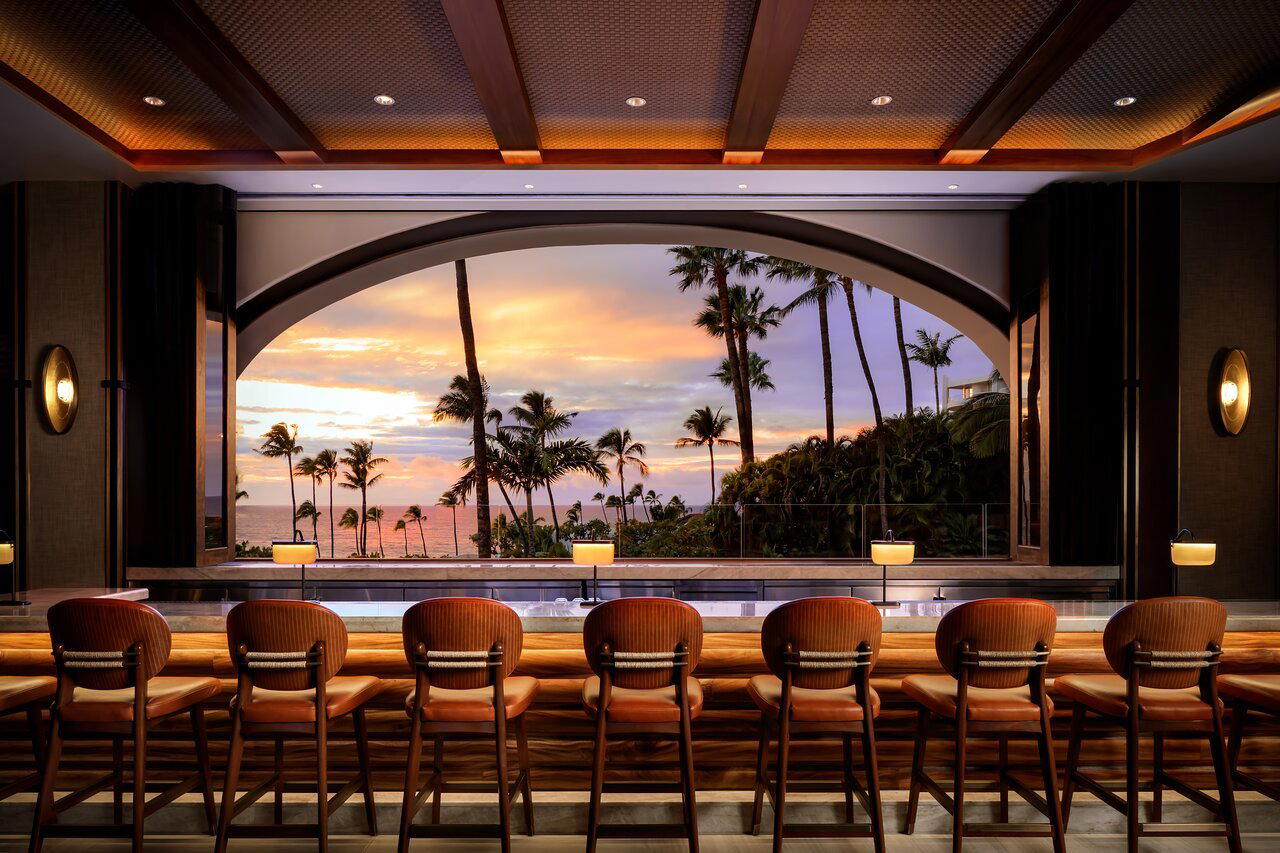
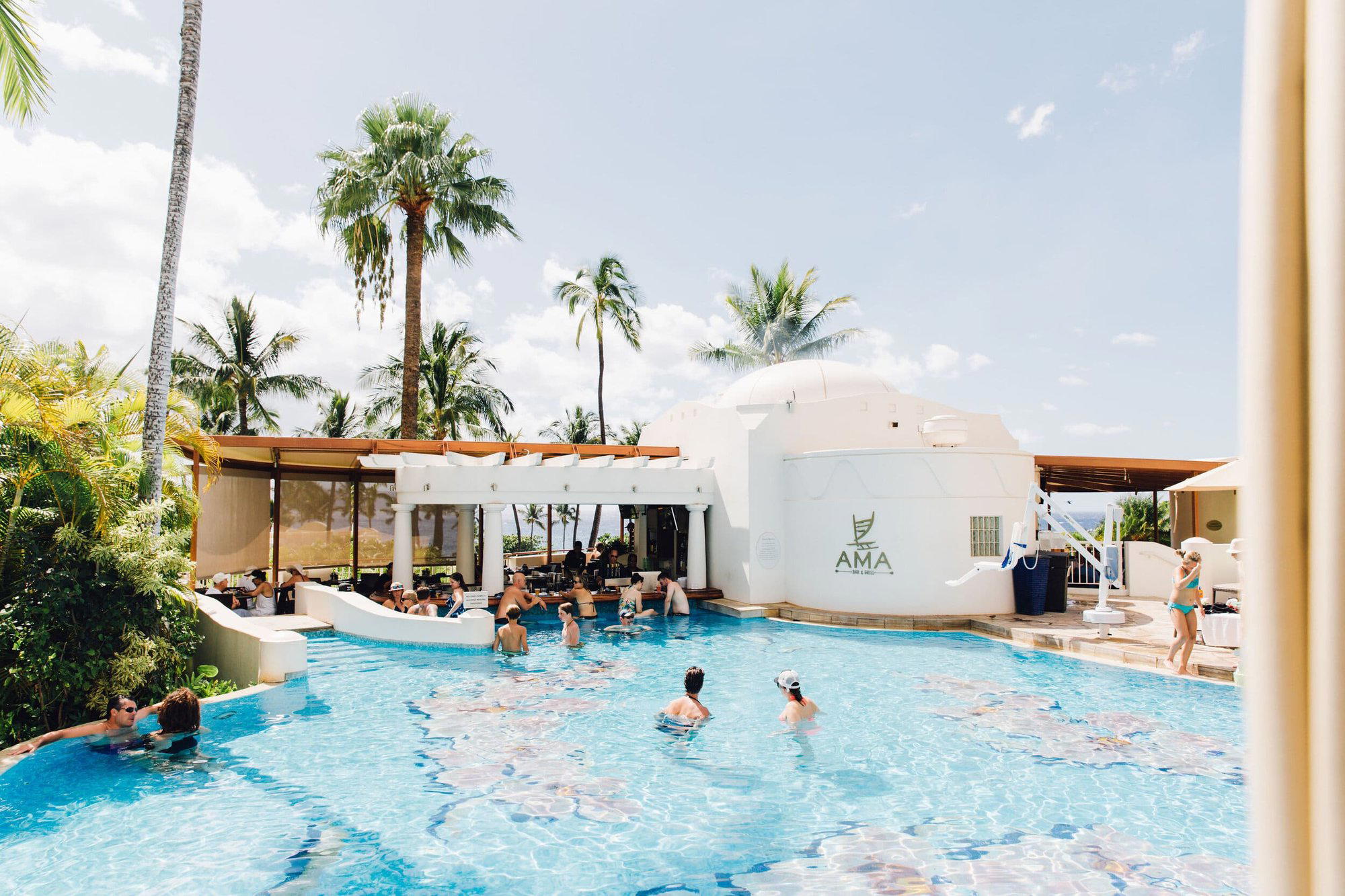
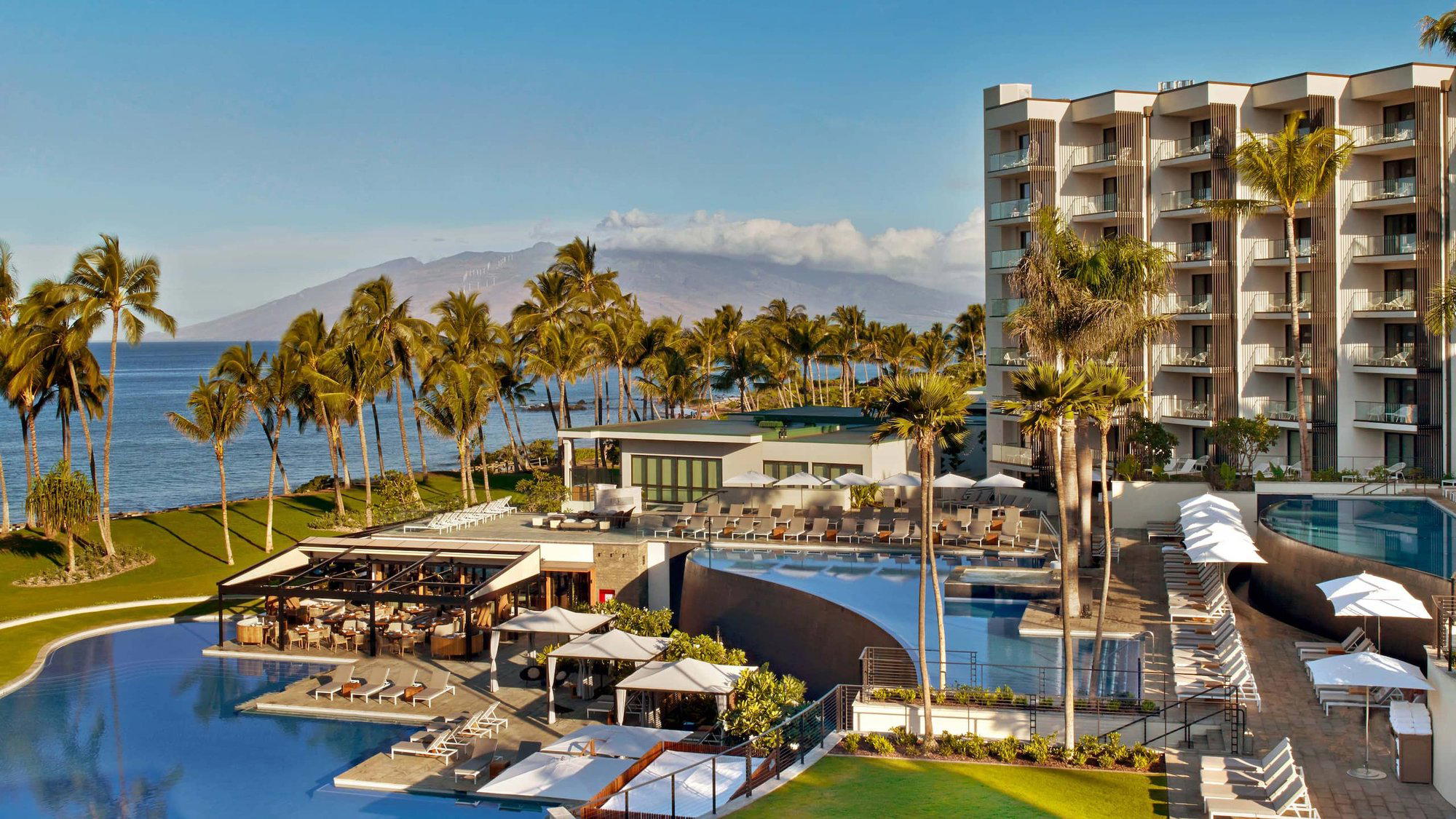
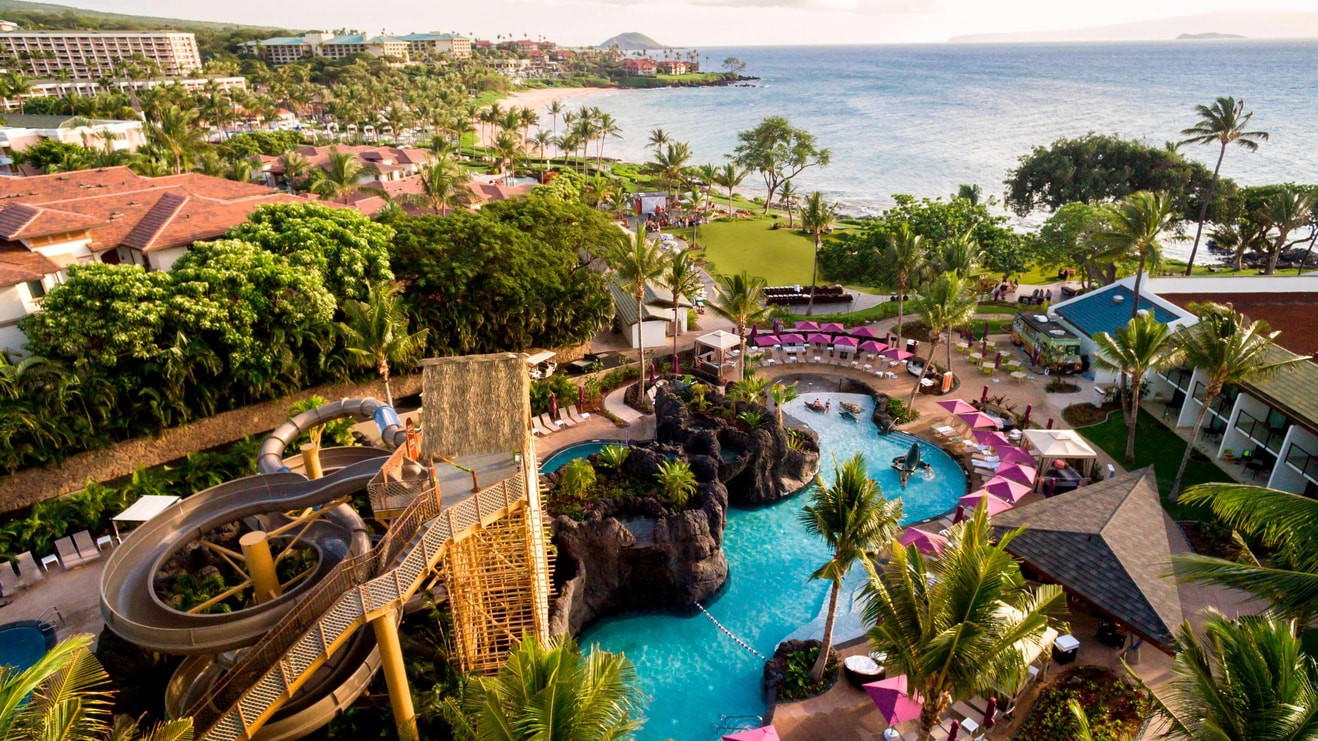
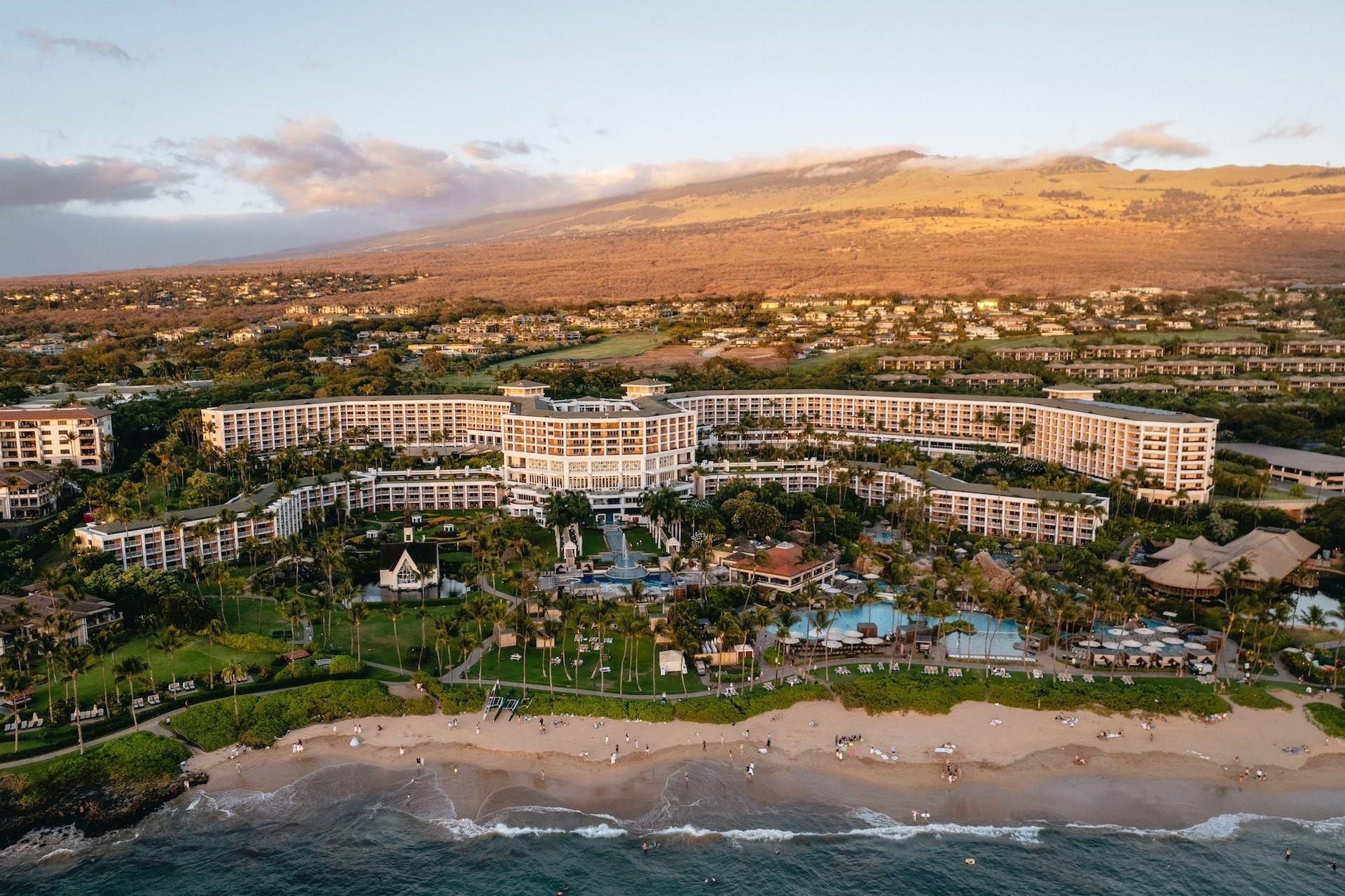
Casual, open-air alfresco setting with street-front patios and relaxed island vibes; bright natural lighting in spacious outdoor areas.