Our verdict
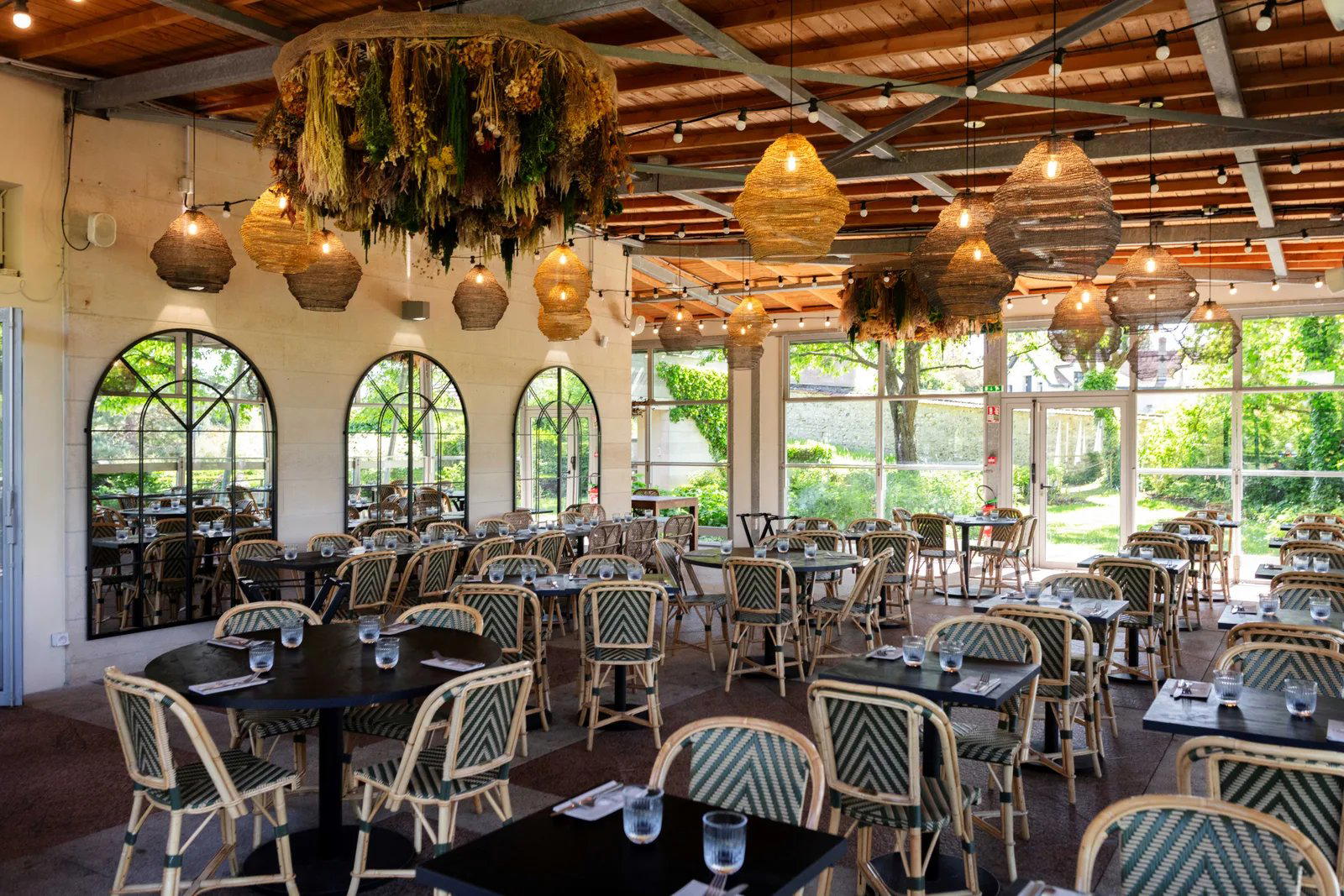
On the Rue Claude Monet in Giverny, Oscar sits within one of France's most visited villages, where the pressure to trade on tourist footfall is constant. The kitchen's sourcing approach resists that pull, anchoring the menu in Norman and Seine Valley produce at a moment when garden-to-plate credentials matter more than ever to serious diners visiting the region.

Pearl is the En Primeur Club membership app — saves, bookings, and concierge access live there. Same editors, same standards.
- Address
- 99 Rue Claude Monet, 27620 Giverny, France
- Phone
- +33610383049
- Hours
- Mon–Fri 10 AM–6 PMSat 10 AM–9 PMSun 10 AM–6 PM
- Website
- oscargiverny.com
- Directions
- Get directions
- Booking
- Book on Zenchef
Rue Claude Monet and What It Demands of a Kitchen
Giverny operates under a particular kind of pressure. The village draws visitors by the hundreds of thousands each year, most of them passing through Claude Monet's gardens and moving on before dinner. The restaurants that endure here tend to do so for one of two reasons: they serve the tourist volume efficiently, or they give the smaller number of visitors who actually slow down a reason to linger. Oscar, at 99 Rue Claude Monet, sits on the village's main artery at an address that could easily lean toward the former. The more interesting question is what the kitchen does with the Norman terroir surrounding it.
The Seine Valley and the broader Norman hinterland represent one of the more productive agricultural zones in northern France. Orchards, dairy farms, market gardens, and river produce all sit within close reach of Giverny, which places any serious kitchen here in a strong position for sourcing. The challenge in a village of this scale is consistency: building the supplier relationships that allow a menu to reflect seasonal availability rather than what a cash-and-carry can deliver on a Monday morning. That supply chain discipline is what separates destination dining in small French villages from the merely convenient.
The Ingredient Logic of the Seine Valley
French provincial cooking at its most coherent is rarely about invention for its own sake. The tradition running through restaurants like Bras in Laguiole or Auberge du Vieux Puits in Fontjoncouse is rooted in a specific geography, where the kitchen's identity comes from what grows, grazes, or swims within a defined radius. The Eure department, where Giverny sits, is not a region with the same culinary mythology as Alsace or the Aveyron, but it is not without material. Apples and pears from the Pays d'Auge, cream and butter from Norman dairy, freshwater fish from the Seine and its tributaries, and root vegetables from the plateau farms all constitute a coherent larder.
Kitchens that work with this produce intelligently tend to keep their menus short and subject to change. A menu that doesn't shift through the spring and summer season in this part of France is usually drawing from a wider, less local supply base. The sourcing question matters here not as a marketing claim but as a structural one: does the kitchen's output actually change when the asparagus season ends and the stone fruit begins? That rhythm, or its absence, tells you a great deal about how a restaurant is operating.
For comparison, the discipline required to source locally at the level that earns sustained recognition is evident in kitchens across France, from Flocons de Sel in Megève to Christopher Coutanceau in La Rochelle, where the ocean's seasonal patterns dictate the menu rather than the other way around. The village-scale restaurant faces a different version of the same challenge, with smaller margins and less purchasing power, which makes the commitment more notable when it holds.
Giverny's Dining Tier and Where Oscar Sits
Giverny is not a restaurant destination in the way that Vonnas is with Georges Blanc, or that Illhaeusern is with Auberge de l'Ill. Those villages exist largely because of their restaurants. Giverny exists because of Monet, and the dining scene follows from that tourism pattern rather than leading it. The result is a village where serious cooking has to be sought rather than assumed, and where the gap between tourist-volume establishments and something more considered is wider than in villages with a deeper culinary identity.
Within Giverny's actual dining options, the differentiation that matters is between kitchens calibrated for turnover and those calibrated for produce quality. Le Jardin des Plumes operates at the creative end of the local offer, with a format and price positioning that places it in a national reference set. La Musardière occupies a more accessible tier. Oscar's address and the context of its location suggest a kitchen aware of both the tourist volume and the expectations of visitors who arrive with more demanding criteria. Our full Giverny restaurants guide maps the village's dining options across formats and price points for those planning a longer stay.
The Broader French Provincial Reference
The question of where provincial French cooking sits in 2024 is not a simple one. The Paris benchmark, represented by kitchens like Alléno Paris au Pavillon Ledoyen or the technically demanding work at AM par Alexandre Mazzia in Marseille, pulls in one direction. The deep regional tradition, where a kitchen's identity is inseparable from its geography, pulls in another. The restaurants that have held the clearest reputations over time, from Paul Bocuse's Auberge du Pont de Collonges to Troisgros in Ouches, have tended to combine both: a clear regional grounding and a technical ambition that places them in national conversation.
For a kitchen in Giverny, the regional grounding is the more accessible half of that equation. The Norman terroir is there. The question is whether a given restaurant chooses to build its identity around it. That choice shapes everything from the menu length to the relationships with suppliers to the way the room prices itself against comparable formats in Vernon or Rouen. Visitors arriving from Paris, where restaurants like Assiette Champenoise in Reims or Au Crocodile in Strasbourg set regional benchmarks, will bring those comparisons with them.
Planning a Visit
Giverny's peak season runs from April through October, aligned tightly with the Monet gardens' opening calendar. During those months, the village's restaurants operate under sustained pressure from day-visitor traffic, and the gap between a table booked in advance and one sought on arrival is significant. Oscar's address on the Rue Claude Monet places it in the main visitor corridor. Arriving without a reservation during the April-to-October window is a gamble that experienced visitors to the village tend not to take. Lunch service on weekdays draws a slightly lower-pressure crowd than weekend lunch or dinner; those wanting a more considered pace should factor that into their timing. Giverny is reachable from Paris via Vernon, roughly 75 minutes by train from Gare Saint-Lazare, with the village itself a short taxi or bicycle ride from Vernon station.
Frequently asked questions
Can I bring kids to Oscar?
Giverny draws a family-oriented visitor base given the Monet gardens, so restaurants along Rue Claude Monet generally accommodate younger guests. Nothing in the available record for Oscar indicates a policy against children. Given the village's tourist profile, a relaxed family lunch is a reasonable expectation, though confirming directly before visiting is advisable.
How would you describe the vibe at Oscar?
Oscar sits at 99 Rue Claude Monet in a village that operates almost entirely around the Monet gardens calendar, which shapes the rhythm of the dining room from April through October. Expect a setting where the pace is set by the surrounding landscape rather than urban energy — provincial, unhurried, and tied to the agricultural seasons of the Seine Valley. Outside peak tourist months, the atmosphere shifts to something quieter and more local.
Is Oscar in Giverny open year-round, or does it follow the Monet gardens' seasonal calendar?
Giverny's visitor economy is tightly linked to the Monet gardens, which run from April through October, and most restaurants in the village calibrate their operating seasons accordingly. Travellers planning a visit outside the April-to-October window should verify opening periods directly before making the trip, as off-season closures are common across the village.
What should I order at Oscar?
What French provincial cooking in the Seine Valley consistently prioritises is seasonal produce, dairy from the Norman hinterland, and river fish — the ingredient logic that connects kitchens across this part of France. Asking the front of house for daily specials is the most reliable approach, particularly during the April-to-October season when local supply is at its most active.
Where do I go for Oscar?
Oscar is located at 99 Rue Claude Monet, 27620 Giverny, France, Giverny.
Can I walk in to Oscar?
No reservations policy is documented for Oscar in the available record. During Giverny's peak season — April through October, when the gardens draw visitors by the hundreds of thousands — walk-in availability at any restaurant on Rue Claude Monet is narrow around midday. Contacting the venue directly or arriving outside the post-garden lunch rush significantly improves the odds.
In Context: Similar Options
Comparable venues nearby, for context on price, style, and recognition.
| Venue | Cuisine | Price | Awards | Notes |
|---|---|---|---|---|
| OscarThis venue — the venue you are viewing | Bistronomic French | $30–50 | Not listed | Not listed |
| La Musardière | Bistronomic Norman French | $50–100 | Michelin Plate | Giverny |
| Le Jardin des Plumes | Modern French Cuisine d'Auteur | $150–200 | 1 Michelin Star · Star Wine List | Giverny |
| Gill Côté Bistro | Traditional French Bistro with Norman Specialties | Not listed | Not listed | Vieux Marché |
| Youpi au Théâtre | French Bistro with Seasonal Local Ingredients | Not listed | Not listed | Grésillons |
| Biche | Classic French Bistro | $30–50 | Not listed | 8th arrondissement |
Continue exploring
More in Giverny
More from Chef David Gallienne
Browse all →
Restaurants in Giverny
Browse all →
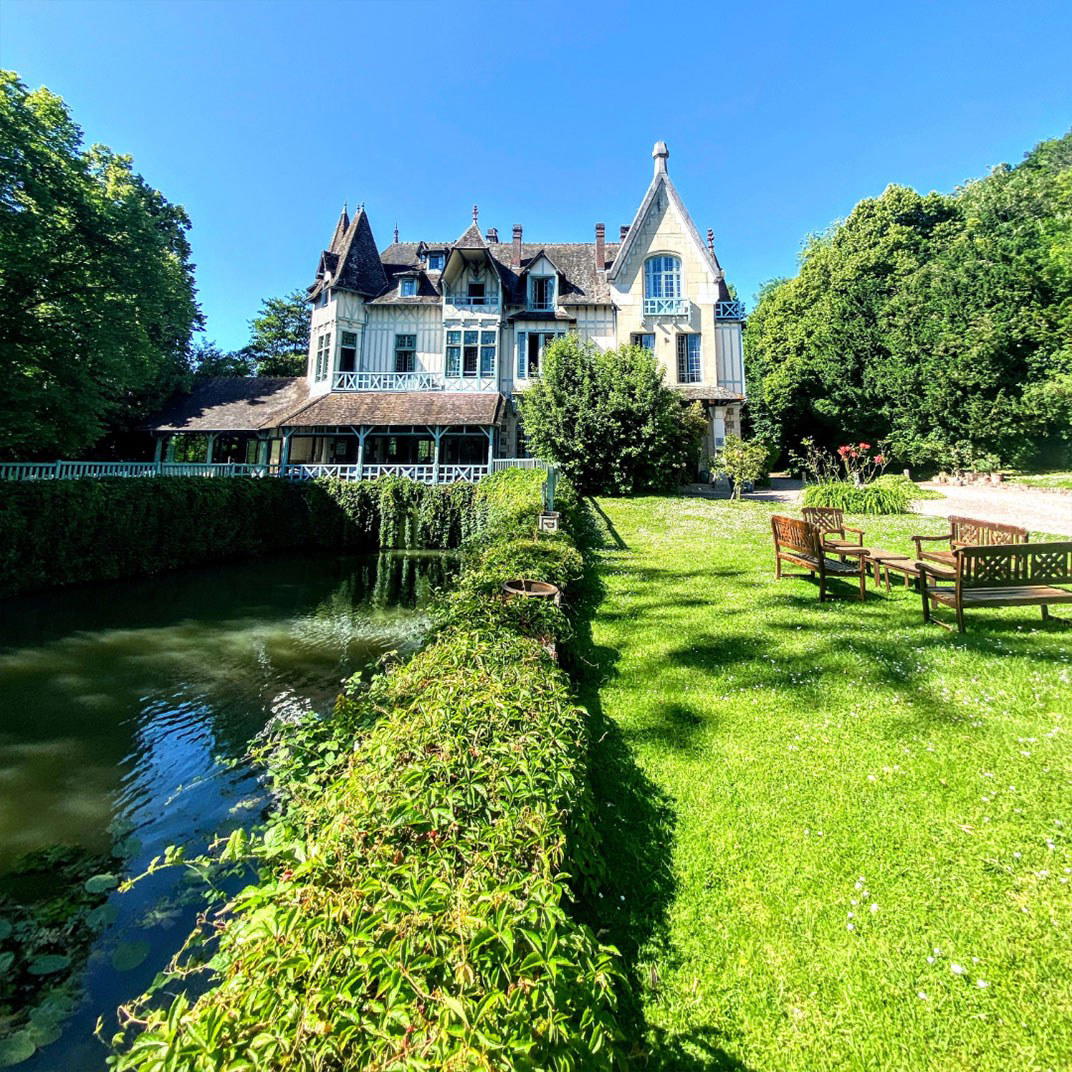
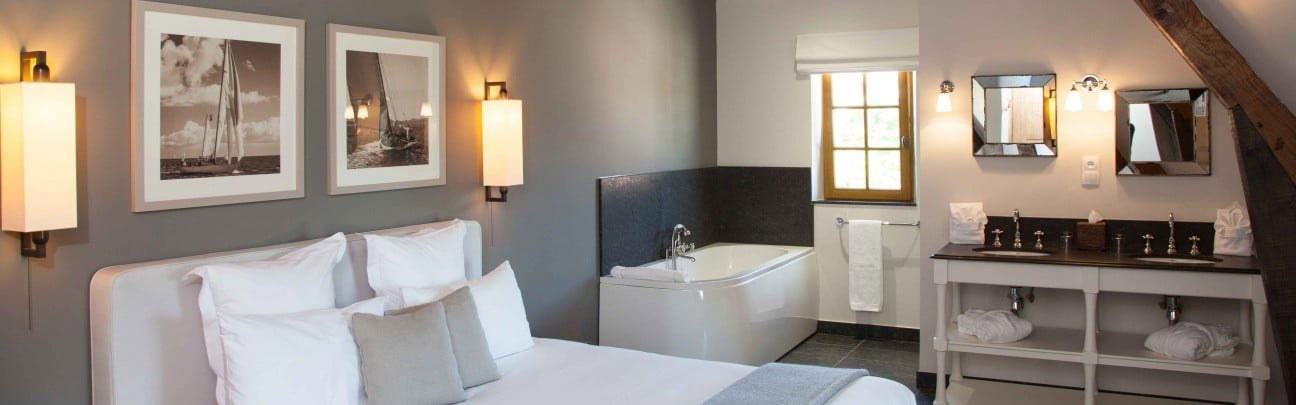
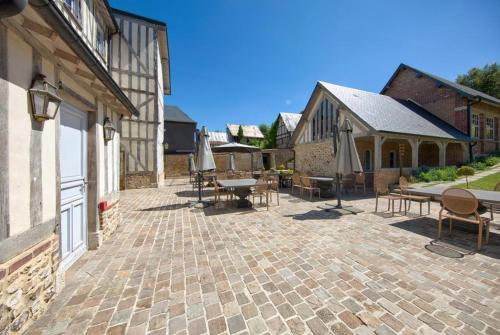
Hotels in Giverny
Browse all →
Wineries in Giverny
Browse all →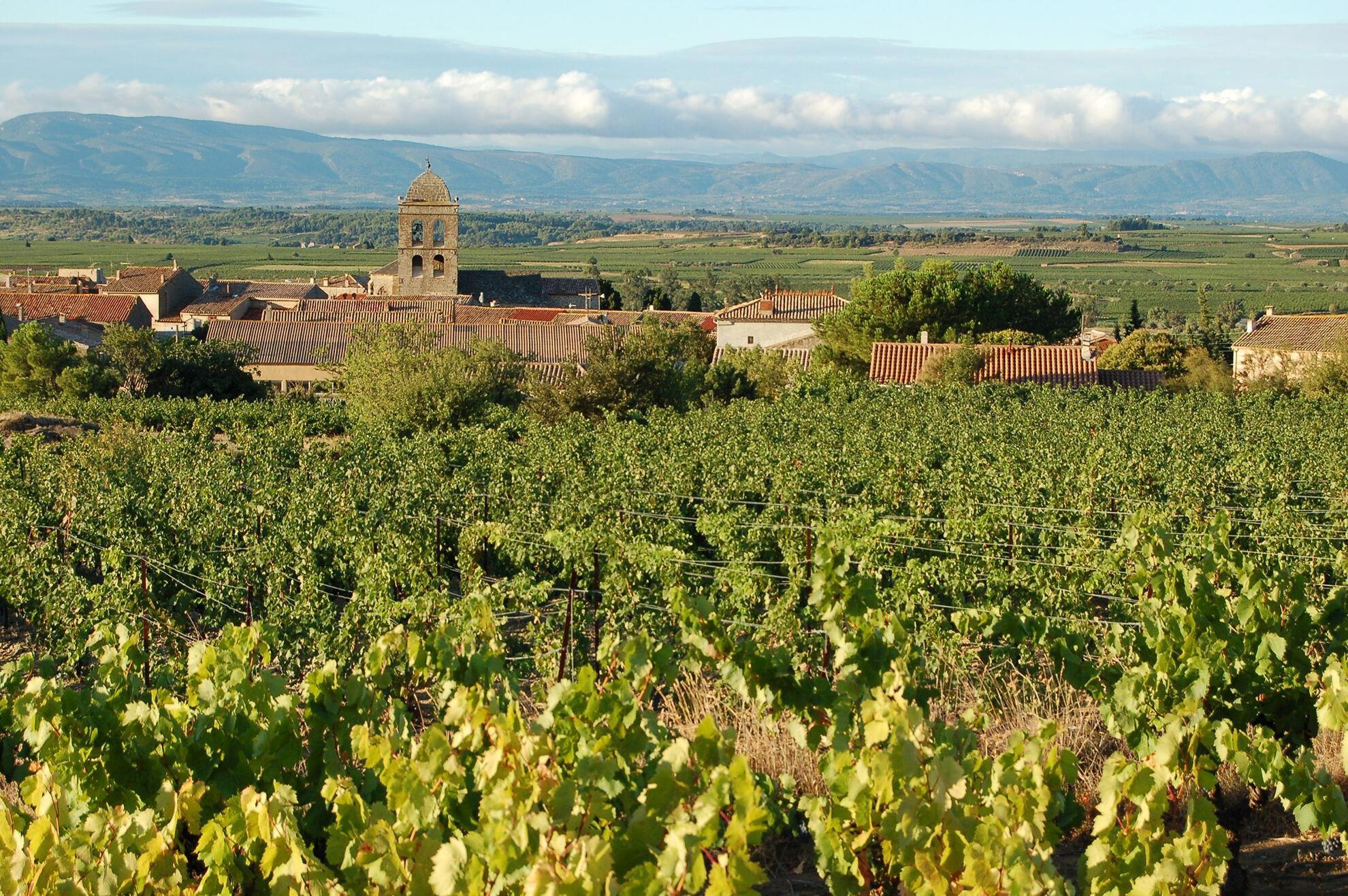
Details
- Lively
- Cozy
- Elegant
- Special Occasion
- Garden
- Terrace
- Local Sourcing
- Garden
- A La Carte
Current opening hours
- Monday
- 10 AM–6 PM
- Tuesday
- 10 AM–6 PM
- Wednesday
- 10 AM–6 PM
- Thursday
- 10 AM–6 PM
- Friday
- 10 AM–6 PM
- Saturday
- 10 AM–9 PM
- Sunday
- 10 AM–6 PM
Hours can change for holidays and private events. Last verified .
Festive and vegetal-filled space with veranda and terrace overlooking the museum's flower-filled French garden, blending art, conviviality, and sensory awakening.