Our verdict
On a quiet street a few blocks from the Cours Saleya market, Origines sits in Nice's creative dining tier with a positioning that reads as genuinely sourcing-led rather than declaratively so. The address places it within easy reach of the old town while operating at a remove from the city's more tourist-facing restaurant circuit. It belongs to a growing cohort of French restaurants where market availability shapes the menu rather than supplementing it.

Pearl is the En Primeur Club membership app, where members save venues, book tables and use the concierge.
Where Rue Tonduti de l'Escarène Meets a Quieter Kind of Ambition
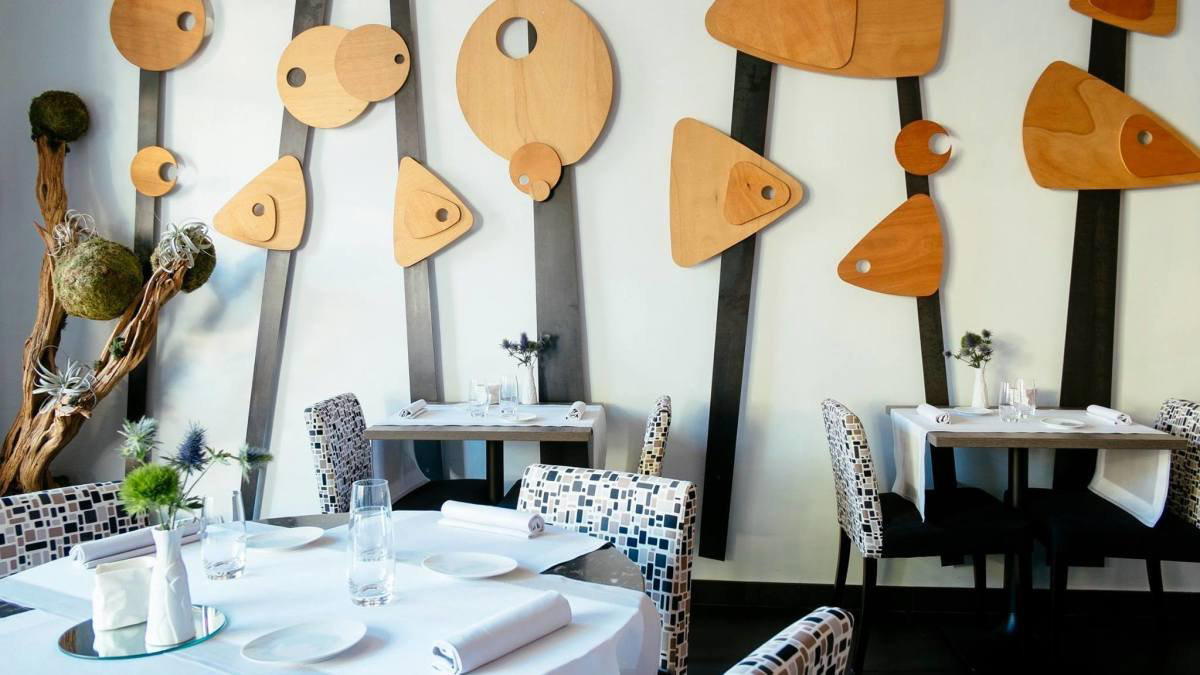
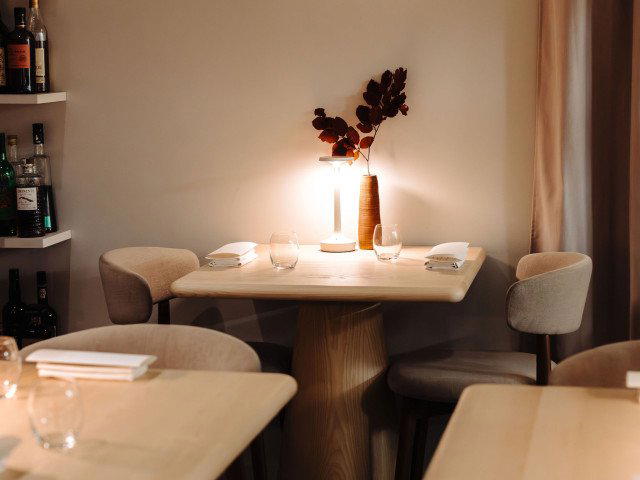
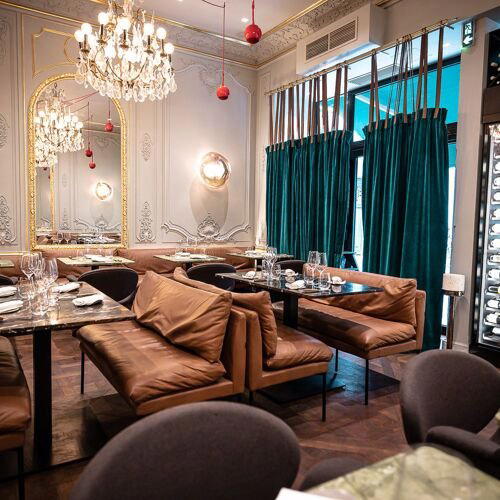
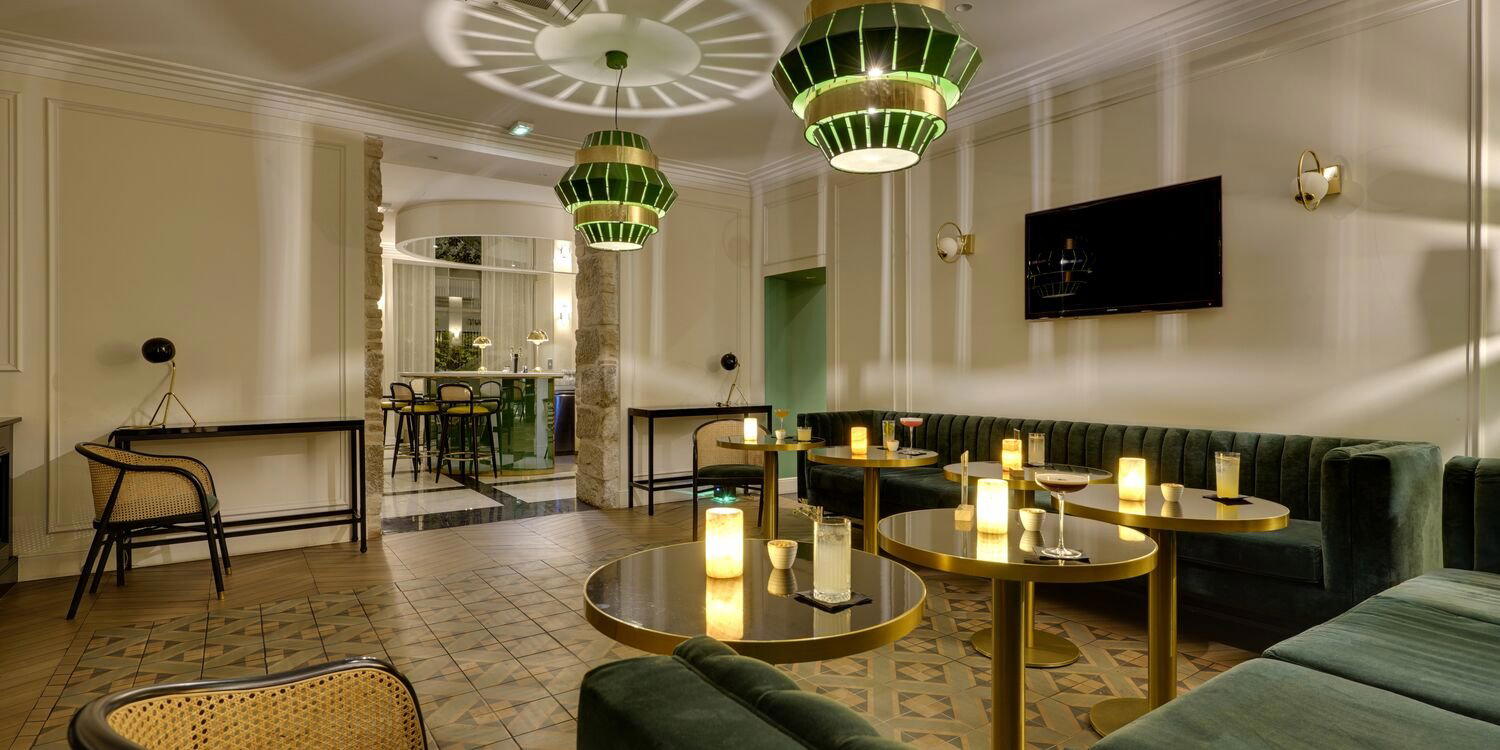
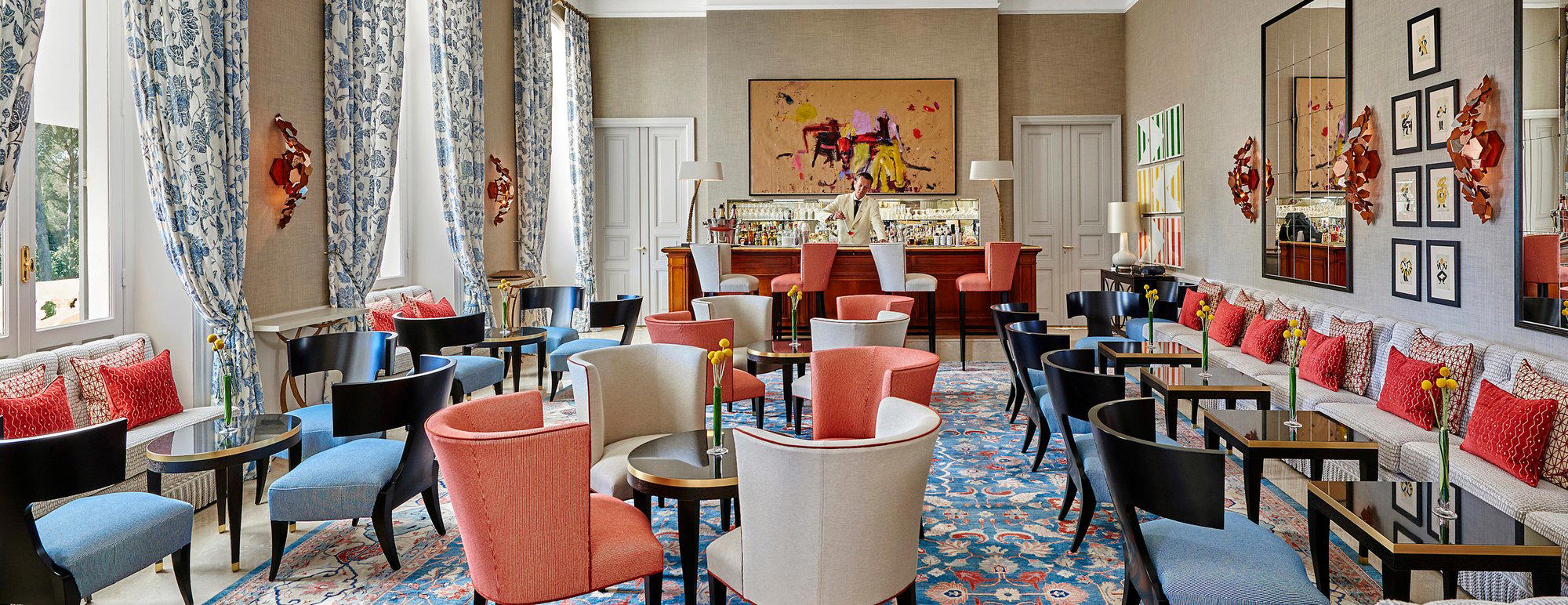
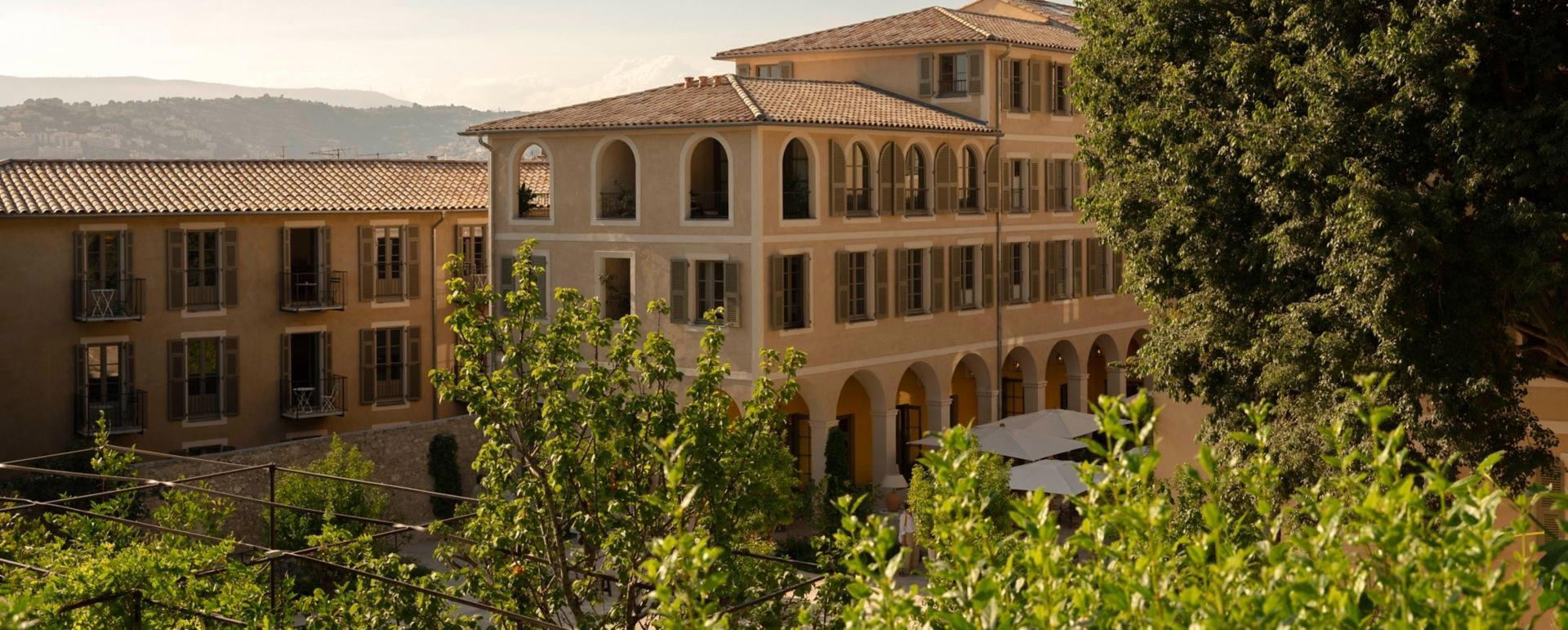
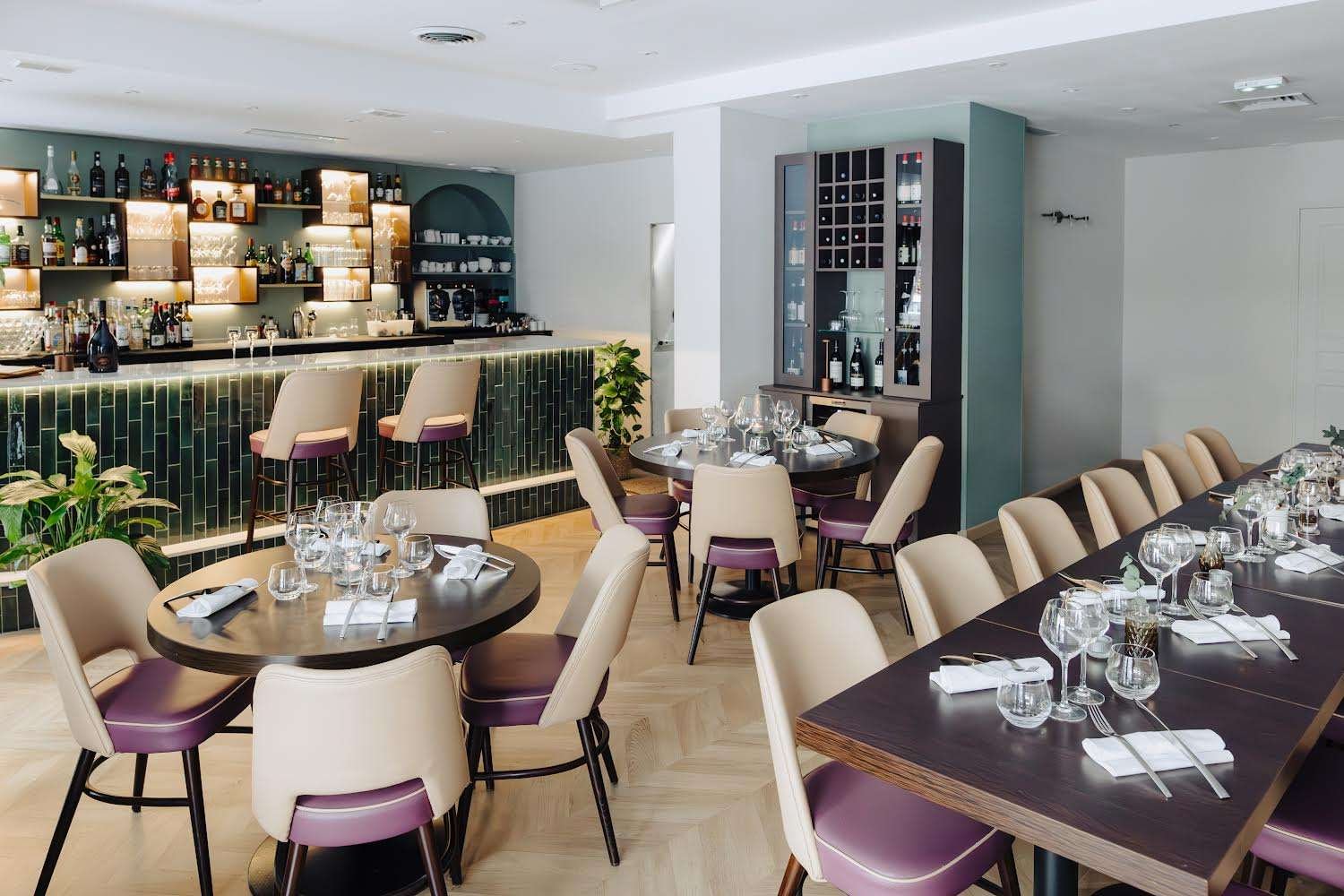
The street that leads to Origines sits a few blocks east of the Cours Saleya market, in a part of Nice where the tourist circuit thins out and the neighbourhood reasserts itself. The approach is unhurried: narrower pavements, ochre-washed facades, and the low hum of a city that has not yet been optimised for convenience. The room itself follows the same logic. There is no theatrical entrance or design statement calibrated to photograph well. What you find instead is a space that seems to have decided its job is to stay out of the way of the food and the conversation around it.
Nice sits at a productive tension point for contemporary French cooking. It is close enough to the Ligurian border that olive oil, chickpea flour, and fresh anchovies feel like native ingredients rather than imports, and close enough to the Alpine foothills that mountain herbs and river fish arrive without travelling far. Restaurants that understand this geography tend to cook more precisely than those that ignore it. Origines, at 15 Rue Tonduti de l'Escarène, occupies that knowing position within the city's dining conversation.
Sourcing as Editorial Position
Across French fine dining, the sourcing story has become almost obligatory, mentioned in press kits, printed on menus, repeated in interviews. At the better end of the spectrum, it functions as something more than language: it shapes what actually arrives on the plate, determines what is offered on which day, and constrains the kitchen in ways that discipline the cooking. Origines reads as a restaurant where provenance is a structural principle rather than a marketing posture.
The broader movement in which a restaurant like this sits has clear precedents in the French south. Mirazur in Menton, the highest-ranked restaurant on the Côte d'Azur by most international measures, built its reputation in part on a kitchen garden that determined what was served rather than supplementing an already-fixed menu. Further north in France, Bras in Laguiole spent decades articulating a philosophy of ingredient humility and local flora that influenced a generation of chefs working in regional rather than metropolitan contexts. These are not models that every restaurant can credibly claim as lineage, but they establish what the committed version of this approach looks like in practice.
In Nice specifically, the restaurants working in creative or modern registers tend to fall into two broad camps: those that use the city's Mediterranean pantry as colour and reference, and those for whom it is the actual grammar of the menu. Flaveur and L'Aromate have both earned sustained recognition in the first bracket, operating with the rigour that €€€€ pricing requires. Les Agitateurs represents a more restless, experimental strand. Origines appears to be making a different argument: that ethical sourcing and waste-conscious cooking are not constraints to be worked around but the conditions that make precise cooking possible.
The Sustainability Argument in Southern French Kitchens
The move toward waste reduction and ethical sourcing in serious restaurants is not a recent phenomenon in France, though it has accelerated considerably in the last decade. What has changed is the degree to which these commitments have shifted from back-of-house practice to front-of-house identity. Restaurants now lead with their composting protocols, their relationships with named producers, and their rejection of out-of-season imports in ways that were, a decade ago, considered too operational to mention at the table.
This shift has produced a recognisable restaurant type in French cities: mid-to-small format, menu driven by market availability rather than fixed dishes, wine list that skews natural or low-intervention, interiors that communicate restraint rather than expense. The format works particularly well in Nice because the supply infrastructure is already there. The Cours Saleya market, running every morning except Monday, aggregates producers from across the Alpes-Maritimes and provides a direct sourcing channel that larger restaurants with standardised menus cannot easily exploit. A small kitchen committed to day-specific cooking can use that market in a way that a 150-cover operation simply cannot.
ONICE and Le Chantecler represent the other end of the Nice fine dining spectrum: larger, more formal, with the infrastructure that sustained Michelin attention requires. Origines occupies a different register, where the editorial position is not about scale or classical rigour but about specificity of sourcing and the discipline that comes from working with what the season and the market actually provide.
For wider context on how French restaurants have handled this shift at the highest level, Alléno Paris au Pavillon Ledoyen, Troisgros in Ouches, and Flocons de Sel in Megève each demonstrate how the commitment plays out at different price tiers and geographic contexts. Across the French south, AM par Alexandre Mazzia in Marseille shows what happens when Mediterranean ingredients meet a kitchen willing to take serious technical risks. And for those tracking how similar sourcing narratives translate to non-French contexts, Atomix in New York offers a useful counterpoint in how provenance and restraint operate in a completely different culinary tradition.
Historical anchors for the sustainability argument in classical French cooking can be found at Paul Bocuse's Auberge du Pont de Collonges, Auberge de l'Ill in Illhaeusern, and Au Crocodile in Strasbourg, institutions that defined what French regional cooking owed to its immediate geography long before the language of sustainability entered the dining room. And for a transatlantic comparison of how sourcing rigour drives reputation, Le Bernardin in New York remains the clearest example of what absolute ingredient commitment looks like when applied to a single product category over decades. Assiette Champenoise in Reims similarly demonstrates how regional identity and ingredient discipline compound into sustained critical recognition.
Planning Your Visit
Origines is at 15 Rue Tonduti de l'Escarène in central Nice, walkable from the old town and the Cours Saleya market. Given the restaurant's apparent commitment to market-driven, day-specific cooking, menus are likely to shift with availability, which makes advance booking advisable rather than optional. For a broader view of where Origines sits within the city's dining options, our full Nice restaurants guide maps the range from traditional Niçoise to the current generation of creative formats.
Frequently asked questions
What part of town is Origines in?
Origines is located at 15 Rue Tonduti de l'Escarène, 06000 Nice, France, Nice.
Is Origines in Nice suitable for a meal focused on regional French produce?
Origines sits a few blocks east of the Cours Saleya market in central Nice, positioning it squarely within reach of some of the best Provençal and Ligurian produce available in the city. The kitchen's stated orientation toward sourcing and sustainability places it in the same conversation as France's broader provenance-led restaurant movement, though applied to a specifically southern French context. For diners whose interest is in how a restaurant handles local ingredients rather than in a fixed tasting format, Origines on Rue Tonduti de l'Escarène is worth investigating.
What do people recommend at Origines?
In a city as well-provisioned as Nice, with the Cours Saleya market a short walk away, that approach tends to produce menus that shift with season and supply rather than holding fixed signatures. First-time visitors should ask the team what has come in that week rather than arriving with a specific dish in mind.
What's the best way to book Origines?
No phone number or booking website is currently listed for Origines at 15 Rue Tonduti de l'Escarène, Nice. For restaurants of this scale in France, walking in during off-peak hours to enquire directly, or checking third-party platforms such as TheFork, is usually the most reliable approach. Given the restaurant's apparent size and neighbourhood positioning, reservations are advisable rather than optional.
Where It Fits
Comparable venues nearby, for context on price, style, and recognition.
| Venue | Cuisine | Price | Notes |
|---|---|---|---|
| OriginesThis venue (the venue you are viewing) | Creative Italian Bistro | $30–50 | Not listed |
| Le terre del sud | Southern Italian Trattoria | $30–50 | Cœur de Nice |
| Spark LiveFire Restaurant | Live-Fire Fusion Kitchen | $30–50 | Nice Historique |
| La Langouste | French Seafood Mediterranean | $50–100 | Cœur de Nice |
| Chez Félix | Traditional Niçoise Cuisine | $10–20 | Nice Historique |
| Le Bistrot des Serruriers | Niçois Bistro | $30–50 | Nice Historique |