A live-fire concept on Rue Centrale in Nice, Spark LiveFire Restaurant positions itself within a city dining scene where wood and flame cooking has become an increasingly serious editorial subject. The address places it in a neighbourhood where contemporary formats sit alongside deep-rooted Niçoise tradition, and the cooking format signals a kitchen built around heat management and char rather than classical French brigade technique.
Pearl is the En Primeur Club membership app — saves, bookings, and concierge access live there. Same editors, same standards.
- Address
- 3 Rue Centrale, 06300 Nice, France
- Phone
- +33760925132
- Website
- sparklivefire.com
- Directions
- Get directions
 Saves & bookings on Pearl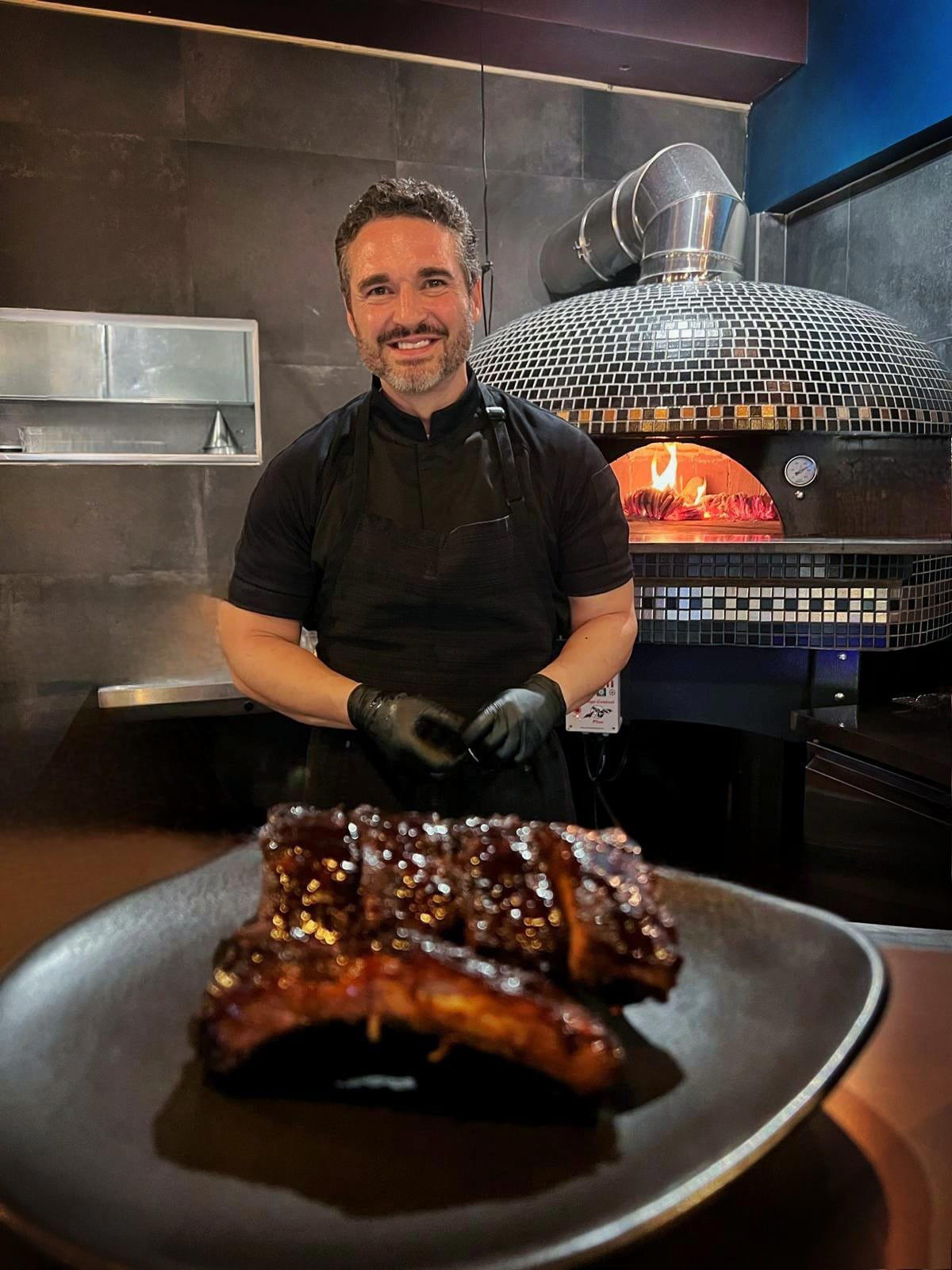
Fire as a Menu Architecture
In the broader conversation about how contemporary European restaurants organise their menus, live-fire cooking has moved from technique to taxonomy. Where a kitchen once listed dishes by ingredient or course, the open-flame format imposes its own logic: the fire dictates pacing, temperature gradients, and the sequence in which proteins, vegetables, and grains reach the pass. That structural shift is not cosmetic. It changes what a menu can promise and what a cook must deliver, night after night, without the safety net of a conventional oven's consistency.
Spark LiveFire Restaurant, at 3 Rue Centrale in Nice, operates inside this format. The address sits in the 06300 postal zone, a part of Nice that holds the tension between the city's classical dining tradition and the newer wave of technically focused restaurants that have reshaped the upper tiers of the local scene over the past decade. That tension is productive. Nice is a city where Flaveur and L'Aromate have demonstrated that creative modern cooking can earn serious Michelin attention without abandoning the Mediterranean idiom. Into that context, a live-fire concept introduces a different kind of discipline: the menu architecture is not driven by classical French technique or by the region's herb-and-olive-oil vocabulary alone, but by the relationship between fuel, flame, and protein.
What the Format Reveals
Live-fire menus across Europe have split into two recognisable camps. The first borrows the Argentine asado tradition and runs it through a European fine-dining filter: long rests, dry-aged cuts, and a wine list weighted toward bold reds. The second takes a more restless approach, using embers and wood smoke as flavour tools applied across vegetables, fish, and grain as readily as meat, and pacing the menu in smaller courses that move quickly. The menu architecture of either approach tells you something important about the kitchen's ambitions before a single dish arrives.
In a city like Nice, where the Mediterranean coastline supplies the kitchen with the kind of fish and shellfish that reward lighter, faster applications of heat, the second camp has a logical claim on the format. The Côte d'Azur's dining register, running from the Mirazur in Menton down through Nice's own creative addresses, tends toward precision and restraint rather than the blunt force of large-format grilling. A live-fire kitchen in this city that leans into that restraint, using fire to coax rather than dominate, sits in a more interesting competitive position than one that simply imports a steakhouse grammar.
Nice's Current Dining Register
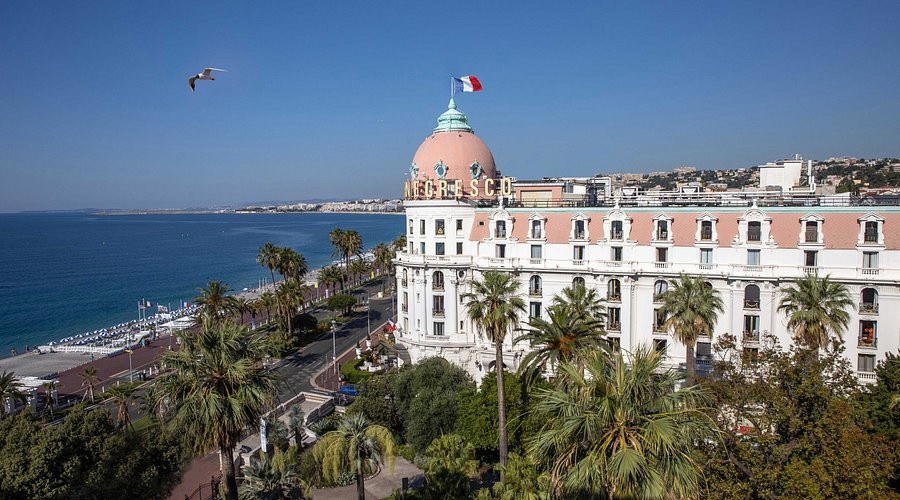
Understanding where Spark fits requires a brief account of where Nice stands. The city's top tier is organised around a handful of addresses that have earned Michelin recognition for creative modern cooking: Le Chantecler at the Hôtel Negresco carries the institutional weight of the city's grand hotel tradition, while Les Agitateurs and ONICE represent the more recent generation of tightly formatted creative restaurants that have made Nice a more interesting destination for serious diners than it was fifteen years ago.
Below that recognised tier sits a layer of concept-driven restaurants that are harder to categorise but increasingly relevant to how the city's dining identity is developing. Live-fire cooking belongs to this middle register in Nice: technically ambitious, format-driven, and positioned to attract the kind of diner who moves easily between a classic Niçoise table and a restaurant with a more international cooking vocabulary. That dual appetite is a feature of the city's visitor base, which skews toward the well-travelled and food-literate during the spring and autumn shoulder seasons when serious diners tend to prefer Nice to the peak-summer crowds.
For those mapping Nice against the wider French fine-dining circuit, the comparative references are useful. AM par Alexandre Mazzia in Marseille has shown how a southern French address can build international credibility through a tightly authored tasting format. Further north, the tradition runs through addresses like Flocons de Sel in Megève, Bras in Laguiole, and Auberge de l'Ill in Illhaeusern, each of which has built a distinct regional identity rather than importing a metropolitan template. The lesson from those addresses is that format and place must be in conversation, not in conflict.
Reading the Room at Rue Centrale
The address on Rue Centrale is specific enough to matter. Nice's central streets carry a different dining energy than the seafront promenade or the tourist-facing perimeter of the old town. A restaurant choosing a central address is typically pitching to a local and repeat-visitor clientele rather than walk-in tourist traffic, which implies a different expectation around booking, menu format, and price tolerance. That kind of address self-selects for a guest who has done some research, which in turn gives the kitchen more latitude to take the menu somewhere less obvious.
Live-fire formats reward that kind of guest. The cooking is inherently variable in ways that classical French brigade work is not, and a diner who understands that variability as a feature rather than a flaw will get more from the experience. The leading live-fire restaurants in Europe, from Etxebarri in the Basque Country to the generation of wood-fire rooms that followed it, have always depended on a guest base willing to surrender a degree of predictability in exchange for the particular quality of flavour that only open flame and good fuel produce.
Where Spark Sits in the Broader Fire
Across France, live-fire cooking has gained traction at multiple price points simultaneously, which has made the format harder to read from the outside. At the upper end, addresses aligned with the ambition level of Alléno Paris au Pavillon Ledoyen or Assiette Champenoise in Reims treat fire as one tool among many within a sophisticated tasting architecture. At the more accessible end, wood-grill bistros have proliferated to the point where the format carries no automatic quality signal. What separates the serious live-fire room from the trend-following one is usually menu discipline: whether the kitchen uses the format to edit and focus its offer, or simply to add a theatrical element to a menu that could function without it.
For diners planning a Nice itinerary that extends beyond the obvious addresses, Spark LiveFire Restaurant represents the format as it has been adopted by a city with strong culinary instincts of its own. See our full Nice restaurants guide for a complete account of where the city's dining scene sits across price points and formats, including comparisons with the creative addresses at Flaveur and Les Agitateurs. For reference points further afield, the international live-fire conversation connects to addresses like Le Bernardin in New York and Atomix, both of which have developed distinct menu architectures around a single dominant technique, and both of which demonstrate what sustained commitment to a format can produce at the highest level.
Know Before You Go
- Address: 3 Rue Centrale, 06300 Nice, France
- Cuisine format: Live-fire cooking
- Booking: Advance booking recommended given the format's growing following in Nice; walk-in availability is not confirmed
- Leading season: Shoulder seasons (April–May, September–October) when serious diners favour Nice over the peak-summer period
- Neighbourhood context: Central Nice, away from the tourist perimeter of the old town; suits diners who have researched the city's dining options
- Phone / website: Not currently listed; check local booking platforms for current availability
Continue exploring
More in Nice
Restaurants in Nice
Browse all →
Bars in Nice
Browse all →
Hotels in Nice
Browse all →

At a Glance
- Trendy
- Modern
- Cozy
- Intimate
- Date Night
- Special Occasion
- Open Kitchen
Current opening hours
- Monday
- Closed
- Tuesday
- 7–9 PM
- Wednesday
- 7–9 PM
- Thursday
- 7–9 PM
- Friday
- 7–9 PM
- Saturday
- 7–9 PM
- Sunday
- Closed
Hours can change for holidays and private events. Last verified .
Intimate and welcoming atmosphere in a tiny family-run space centered around the open live-fire kitchen.
Know Before You Go
- Getting there
- 3 Rue Centrale, 06300 Nice, France