

Michelin Plate
Our verdict
From the team behind Oncle Lee, this Old Montréal spot doubles down on Mandarin-style grilling—lamb skewers with cumin, five-spice duck, grilled sea bream with Sichuan sauce—served under red lanterns in a format built for sharing. The kitchen glazes wok-fried vegetables with soy and maple syrup, a nod to Québec staples that quietly anchors every plate.

Pearl is the En Primeur Club membership app — saves, bookings, and concierge access live there. Same editors, same standards.
- Address
- 112 rue McGill, Montréal, Quebec, H2Y 2E5, CAN
- Phone
- (514) 303-1100
- Website
- restaurantonclelee.com
- Directions
- Get directions
The menu
What to order
- Whole grilled seabream in fiery Sichuan-style broth
- Cumin-rubbed lamb skewer
- Grilled Cornish hen glazed with soy and maple syrup
- Shrimp and kimchi toast
- Five-spice duck platter
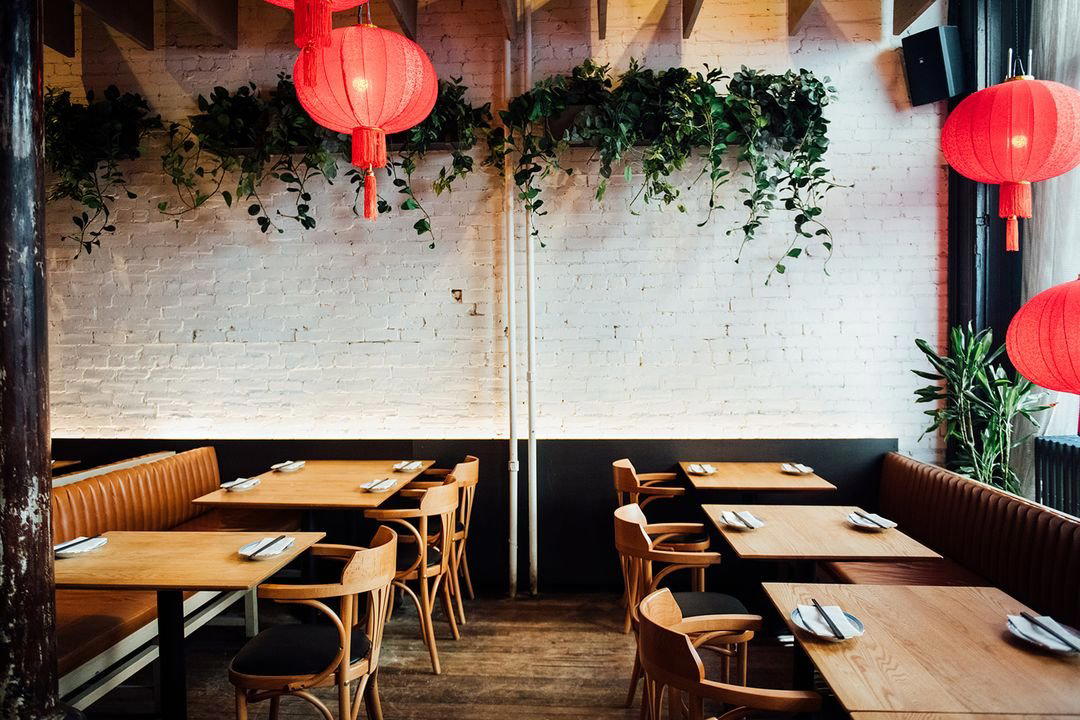
Red lanterns hang low over communal tables on rue McGill, casting a warm glow that signals what Oncle Lee Kăo is: a departure from the tasting-menu formality that defines much of Montréal's contemporary dining conversation. The name translates to "grill" in Mandarin, and the menu delivers exactly that, skewers, whole birds, and fish cooked over direct heat, served family-style in portions sized for two or more. The team behind the original Oncle Lee opened this second location to focus on a narrower technique, and the result reads less like a spin-off than a deliberate refinement.
Grilling traditions across China vary widely by region, cumin-heavy lamb skewers trace to Xinjiang, while Sichuan technique leans on chili oil and fermented bean pastes. Oncle Lee Kăo pulls from both, layering spice blends and heat sources rather than committing to a single regional playbook. Lamb skewers arrive with shishito peppers and a generous dusting of cumin; grilled beef tataki offers a choice of spicy or straight preparation; octopus comes glazed with lap cheong sausage, a Cantonese cured pork that adds sweetness and salinity. The kitchen also leans into Québec terroir in unexpected ways: wok-fried vegetables get a glaze of soy sauce and maple syrup, and the grilled Cornish hen, rubbed with five-spice and cooked until the skin crisps, follows the same maple-soy finish. It's a quiet acknowledgment of local ingredient culture, and it works.
Sourcing and Technique
The menu's emphasis on grilling means sourcing matters more than it would in a wok-heavy or steamed-dumpling program. Cornish hen, duck, and sea bream all benefit from high, direct heat, and the kitchen source whole birds and fish rather than pre-portioned cuts. Five-spice duck, a staple of Cantonese roasting, arrives with enough fat rendered to suggest proper temperature control; sea bream with Sichuan sauce balances the fish's delicate texture against the numbing heat of Sichuan peppercorns. The octopus preparation, grilled rather than braised, requires careful timing to avoid toughness, and the lap cheong glaze adds enough richness to mask minor variation in texture.
Maple syrup as a glaze component isn't traditional in Mandarin grilling, but it functions as a local alternative to maltose or honey, both of which appear in Cantonese char siu and Beijing duck. The soy-maple combination on wok-fried vegetables and the Cornish hen creates a caramelized crust without the cloying sweetness that sometimes accompanies North American fusion attempts. It's a pragmatic choice that respects both the grilling technique and the Québec supply chain.
The Room and the Format
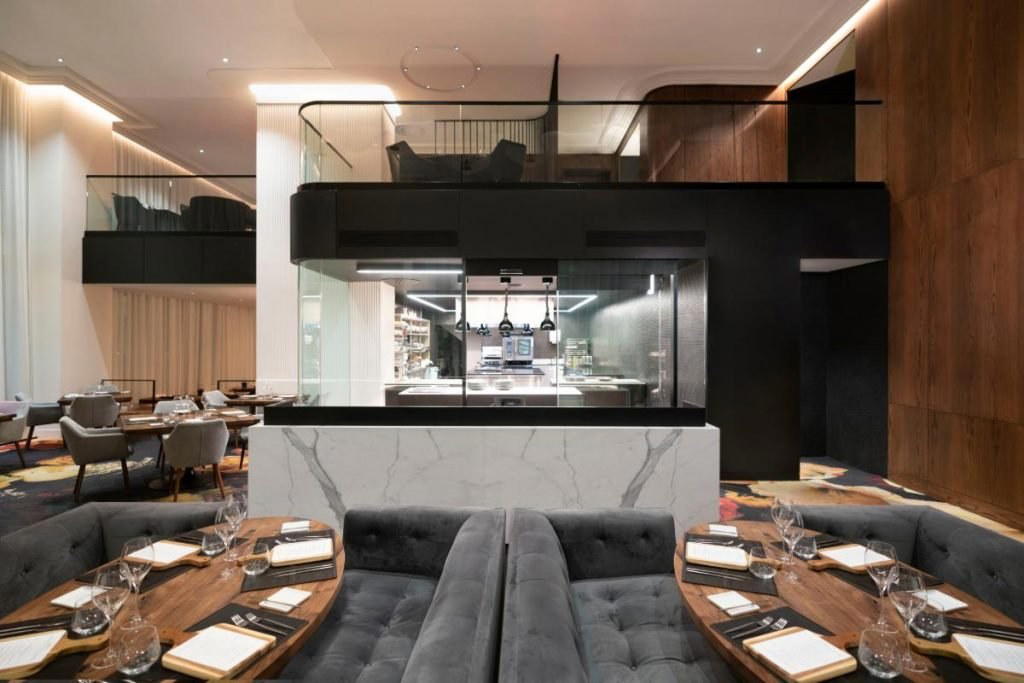
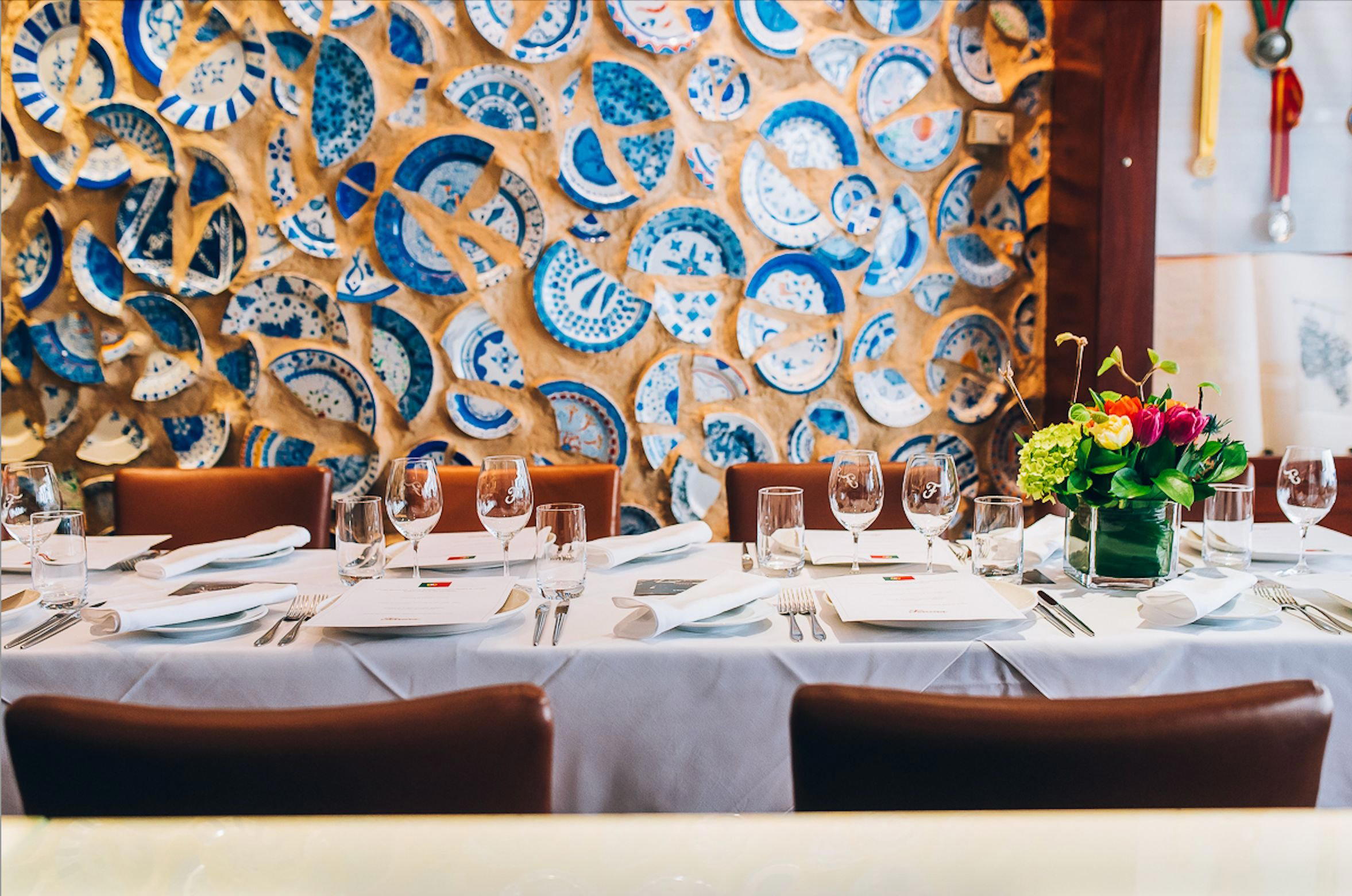
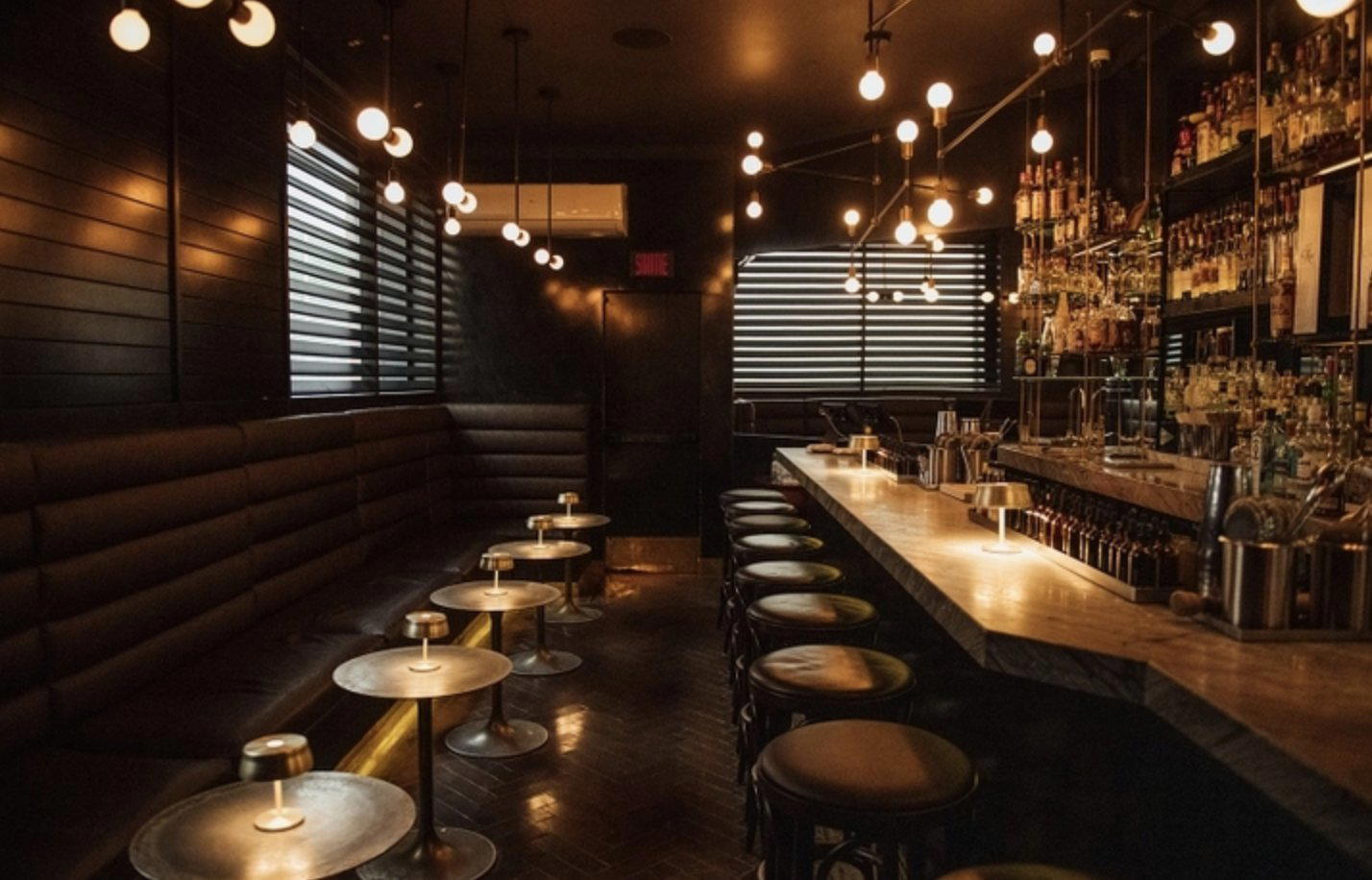
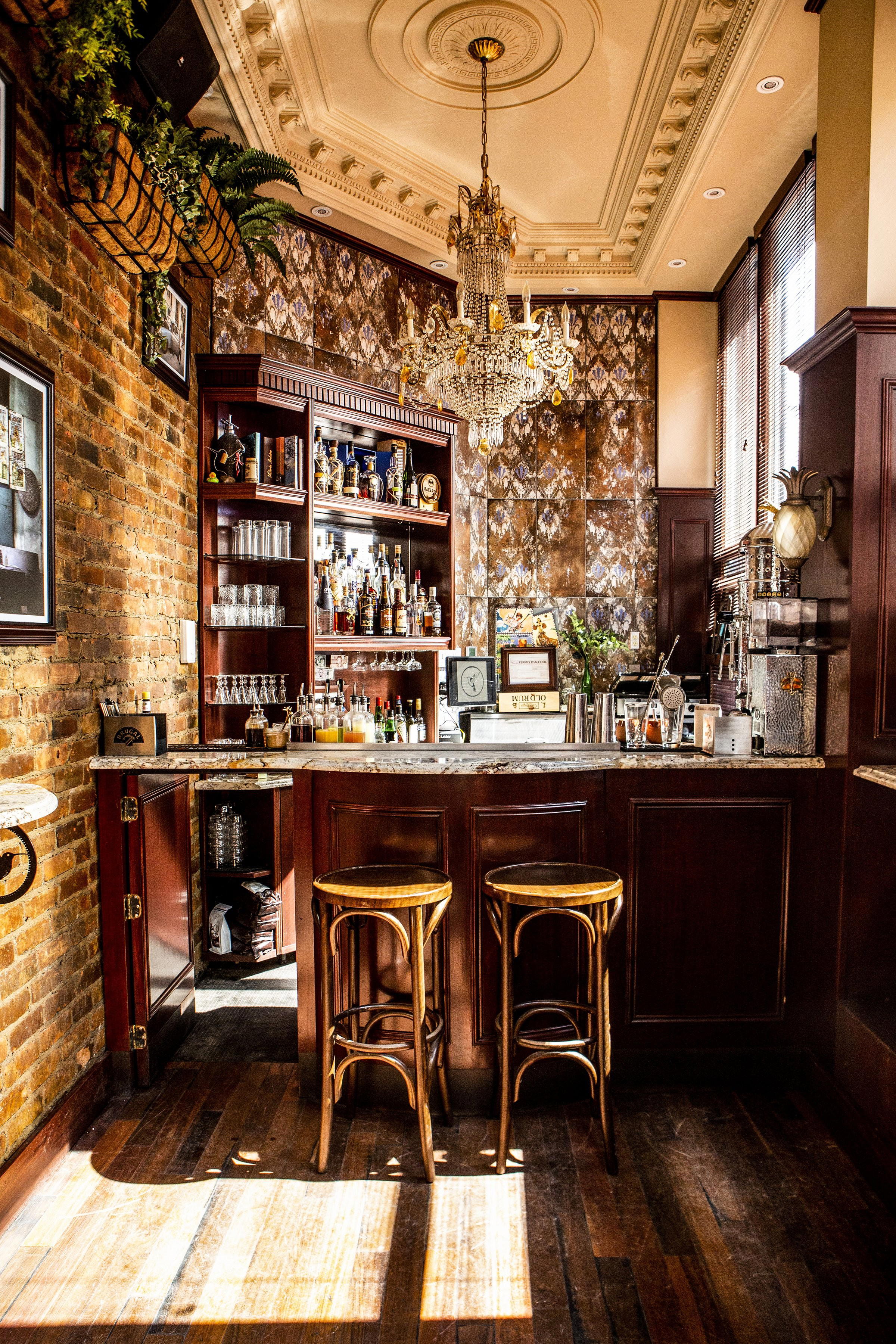
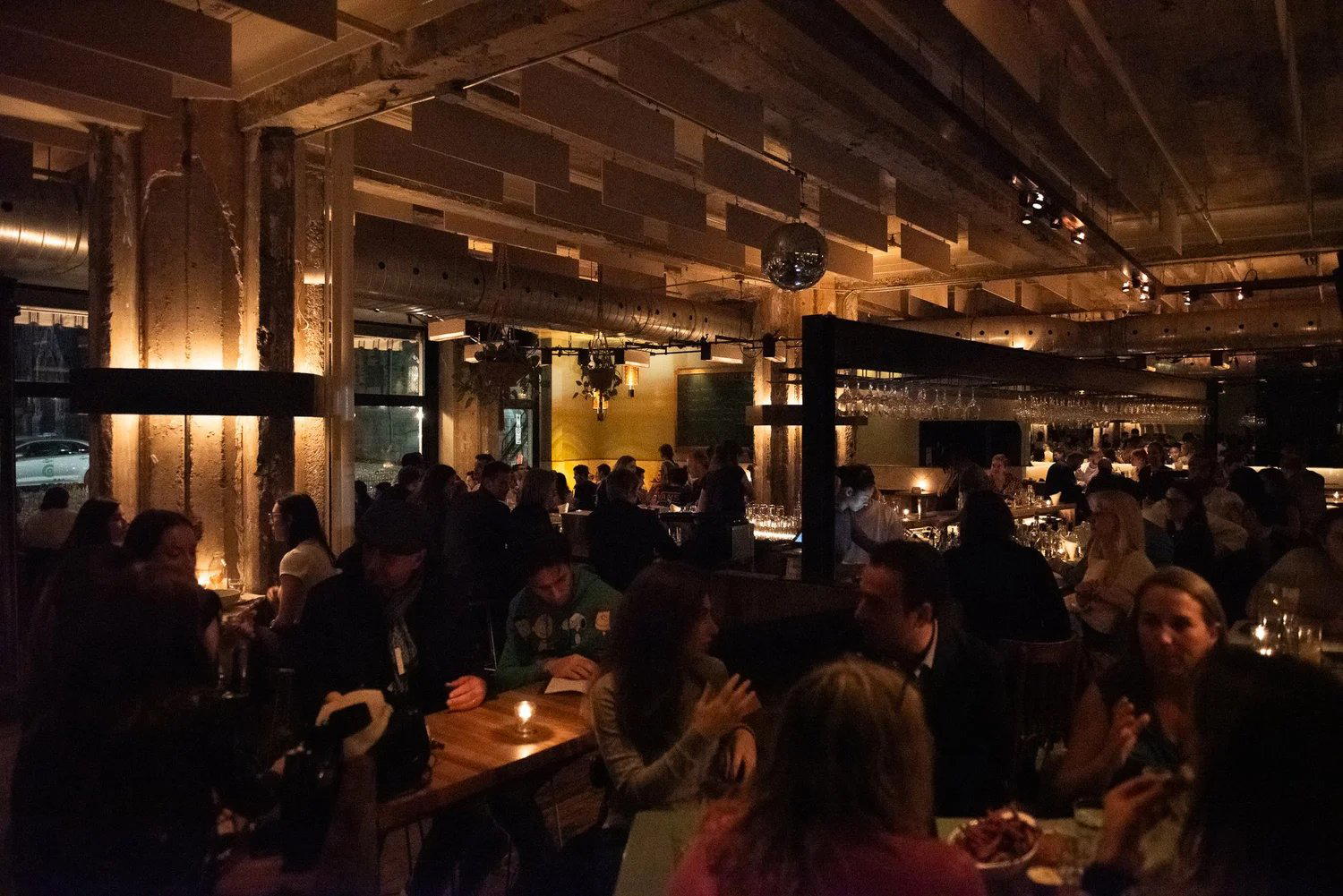
The space reads as casual but considered. Red lanterns provide most of the ambient light, and tables are set for sharing rather than individual plating. The format assumes guests will order multiple dishes and pass plates, a structure that favors groups of three or four over couples dining alone. Solo diners can move through the menu, but portions skew large enough that leftovers become inevitable. The atmosphere skews lively, conversations echo off exposed brick, and the open kitchen adds a steady hum of wok clanging and grill smoke. It's not a quiet room, and that's part of the intent.
Old Montréal's dining landscape has shifted toward higher-check formats in recent years, with restaurants like Alma Montreal and 3 Pierres 1 Feu anchoring the tasting-menu tier. Oncle Lee Kăo occupies a different segment, less expensive, more casual, but still ingredient-focused. The kitchen doesn't announce farm partnerships or fermentation labs, but the cooking suggests attention to sourcing and technique that goes beyond fast-casual grilling. Compare it to Agrikol, which also emphasizes shared plates and bold spice, though in a Haitian rather than Mandarin context. Both restaurants prioritize generosity over precision, and both succeed because the cooking backs up the format.
Montréal's Chinese dining scene has historically centered on Cantonese dim sum and Sichuan hot pot, with grilling formats occupying a smaller niche. Oncle Lee Kăo's focus on kăo, direct-heat cooking with spice rubs and glazes, positions it closer to the skewer-centric restaurants in Toronto's Chinatown than to the wok-heavy programs that dominate Place Versailles. The original Oncle Lee remains open and continues to serve a broader menu; this second location narrows the scope to grilling and benefits from the discipline that comes with a tighter brief.
For travelers comparing options across Canada, the grilling format here aligns more closely with Vancouver's ¿CóMO? Taperia, another shared-plate, fire-forward program, than with Toronto's 1 Kitchen, which leans toward refined plating and smaller portions. Oncle Lee Kăo's generosity and noise level make it a better fit for groups than for business dinners, and the lack of a tasting-menu option means the experience remains flexible rather than choreographed.
Getting to 112 rue McGill requires a short walk from Place-d'Armes or Square-Victoria metro stations, both less than ten minutes on foot. The address sits Old Montréal's restaurant corridor, a block south of rue Saint-Paul and close enough to the waterfront that post-dinner walks become an easy option. The neighborhood skews tourist-heavy in summer, but the dining room fills with locals year-round, a signal that the cooking holds up beyond the novelty of red lanterns and cumin-rubbed lamb.
For a broader look at Montréal's dining landscape, see our full Montréal restaurants guide, or explore the city's bar scene at our full Montréal bars guide. Lodging options nearby are covered in our full Montréal hotels guide.
Frequently asked questions
Can I bring kids to Oncle Lee Kăo?
The format at 112 rue McGill centers on sharing grilled dishes in a lively room lit by red lanterns, which works well for families comfortable with passed plates and moderate noise. Many items, lamb skewers, glazed Cornish hen, wok-fried vegetables, appeal to younger palates, though the Sichuan pepper and chili thread through much of the menu.
What's the overall feel of Oncle Lee Kăo?
Red lanterns supply most of the ambient light, tables are set for group sharing, and the volume rises as the dining room fills. The room reads as casual but considered, built for passing platters of grilled lamb, duck, and sea bream rather than plated solo courses.
Does Oncle Lee Kăo have a Michelin star or similar recognition?
Oncle Lee Kăo has received recognition including: From the team behind Oncle Lee, this restaurant with subdued lighting from red lanterns focuses on grilled dishes (kăo is Mandarin for "grill"): lamb skewers with cumin and shishito peppers, spicy or grilled beef tataki, five-spice duck, se….
Where is Oncle Lee Kăo located?
Oncle Lee Kăo is located at 112 rue McGill, Montréal, Quebec, H2Y 2E5, CAN, Montréal.
Should I book Oncle Lee Kăo in advance?
The lively atmosphere and sharing format suggest walk-ins may find space early in the week, but weekend and prime-hour availability narrows quickly. A reservation secures a table without wait, particularly for groups planning to order the full spread of grilled lamb, Cornish hen, and octopus.
What has Oncle Lee Kăo built its reputation on?
The restaurant centers on live-fire technique, lamb skewers with cumin, five-spice duck, sea bream with Sichuan sauce, rooted in the kăo tradition (Mandarin for "grill"). The maple-glazed Cornish hen, wok-fried vegetables finished with soy and syrup, and generous portions designed for sharing distinguish the menu from lighter dumpling or noodle programs.
Comparison Snapshot
Comparable venues by cuisine and price in the same metro.
| Venue | Cuisine | Price | Awards |
|---|---|---|---|
| Oncle Lee KăoThis venue — the venue you are viewing | Modern Chinese Grill | $30–50 | Michelin Plate |
| Restaurant Pastel | Modern French Fine Dining with Canadian Influences | Not listed | Not listed |
| Jellyfish Montreal | Modern Crudo + Charbon Grill | $50–100 | Not listed |
| Yubari | Modern Japanese Sushi | Not listed | Not listed |
| Graziella | Northern Italian Fine Dining | $50–100 | Not listed |
| Moretti William | Modern Italian Pizzeria | $50–100 | Not listed |
Recognition history
Dated appearances from independent guides and award organizations, with the underlying list record or original source where available.
Michelin Plate
Michelin
Chinese Restaurant Awards — Top 50 Honouree Canada: Top 50 Honouree Canada
Chinese Restaurant Awards
Full recognition history (4 entries)
Chinese Restaurant Awards — Top 50 Honouree Canada: Top 50 Honouree Canada
Chinese Restaurant Awards
Chinese Restaurant Awards — Elite 30 Canada: Elite 30 Canada #24
Chinese Restaurant Awards

Details
- Lively
- Cozy
- Trendy
- Intimate
- Date Night
- Group Dining
- Casual Hangout
- After Work
- Celebration
- Open Kitchen
- Design Destination
- Standalone
- Craft Cocktails
- Beer Program
- A La Carte
- Small Plates
- Cocktails
- Beer
- Wine
- Vegetarian Friendly
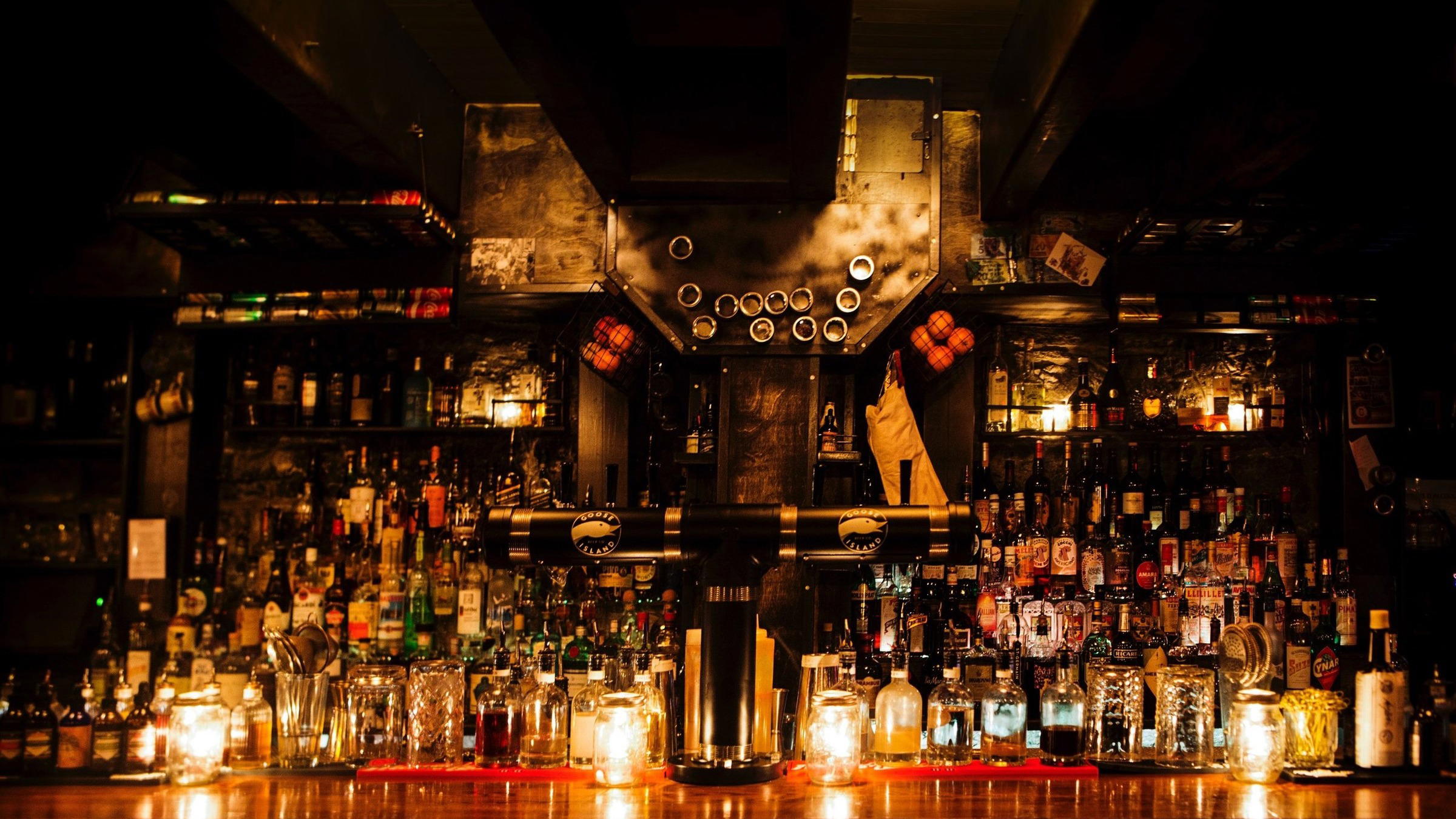
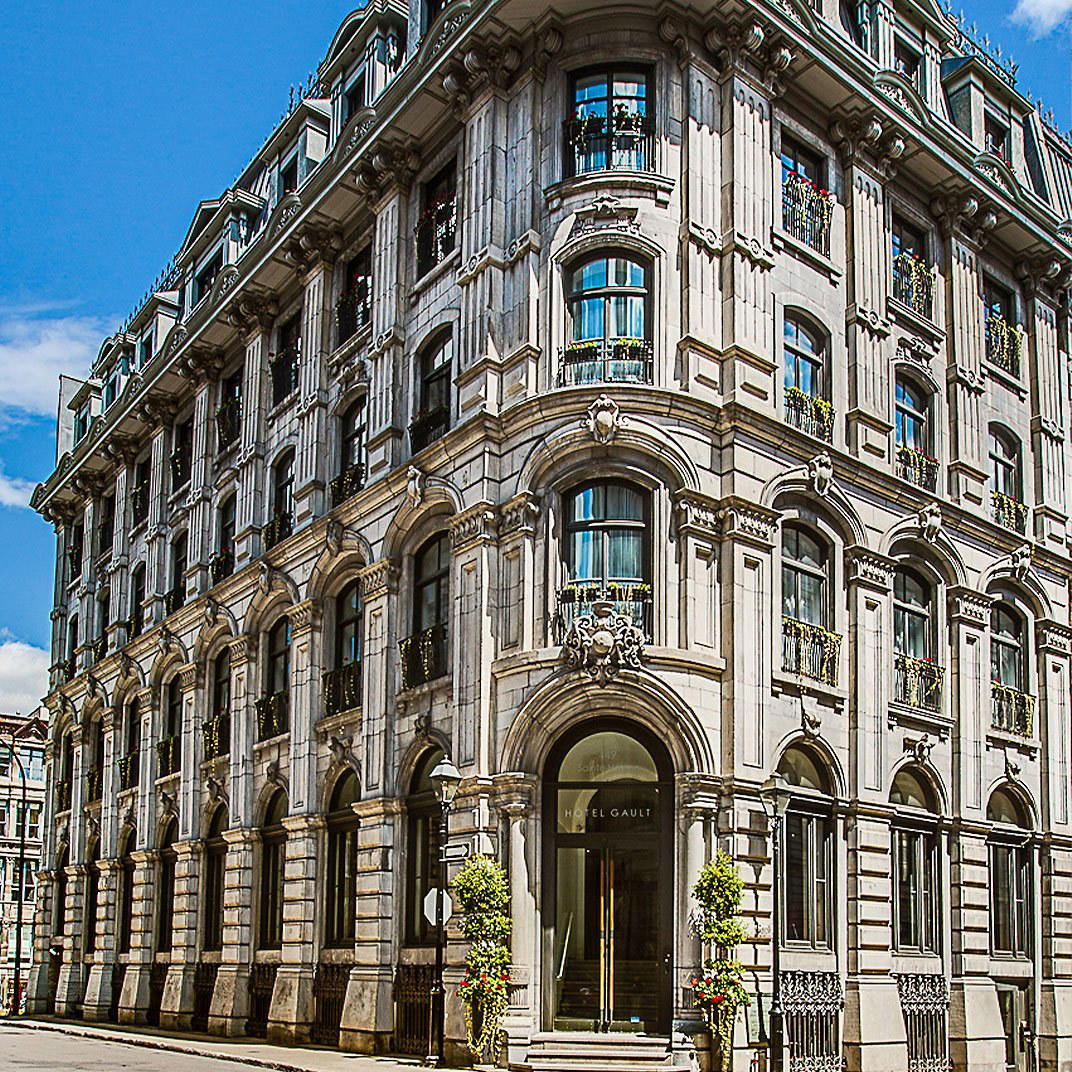
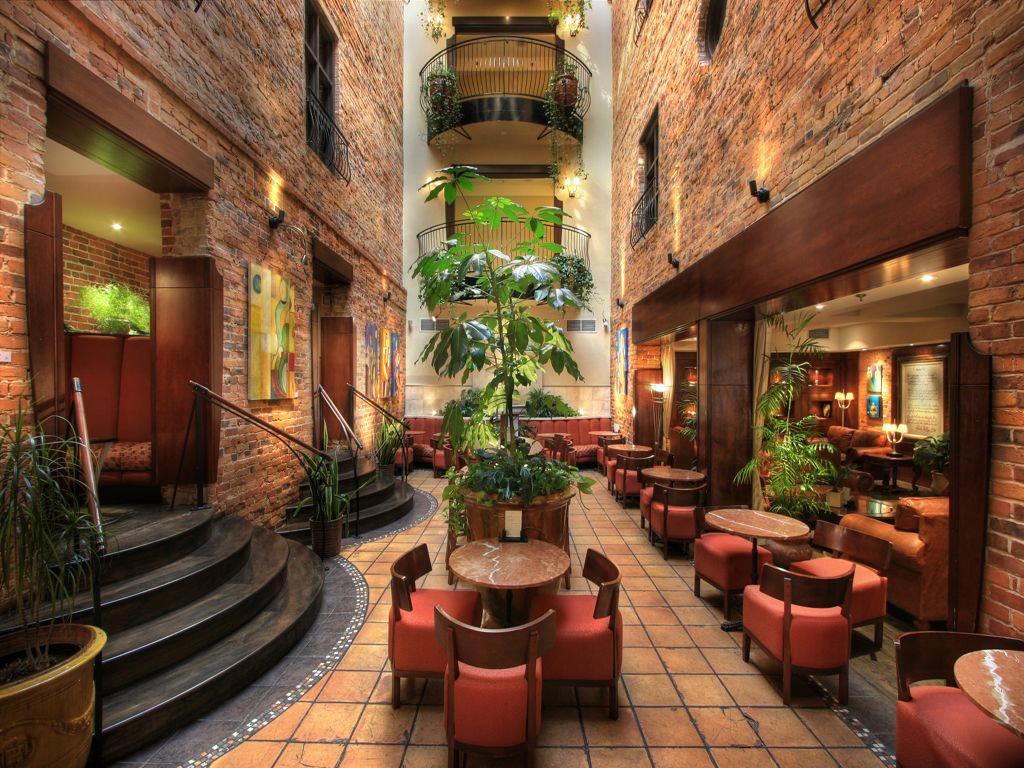
A lively, festive room in a heritage stone building, with subdued lighting, red lantern glow and an energetic, celebratory atmosphere suited to sharing plates and groups.