Bar Flâneur occupies a downtown Montréal address on Rue Mansfield, placing it in the city’s business-district drinking circuit rather than the Plateau or Old Montréal bar trail. With limited public detail on menu, pricing, hours, or awards, it reads as a venue to approach through setting and comparison: a central cocktail stop whose value depends on current programming, booking access, and how it fits a wider Montréal bar night.
Pearl is the En Primeur Club membership app — saves, bookings, and concierge access live there. Same editors, same standards.
- Address
- 2050 Rue Mansfield, Montréal, QC H3A 1Y9, Canada
- Phone
- +1 514-985-6072
- Website
- germainhotels.com
- Directions
- Get directions
 Saves & bookings on Pearl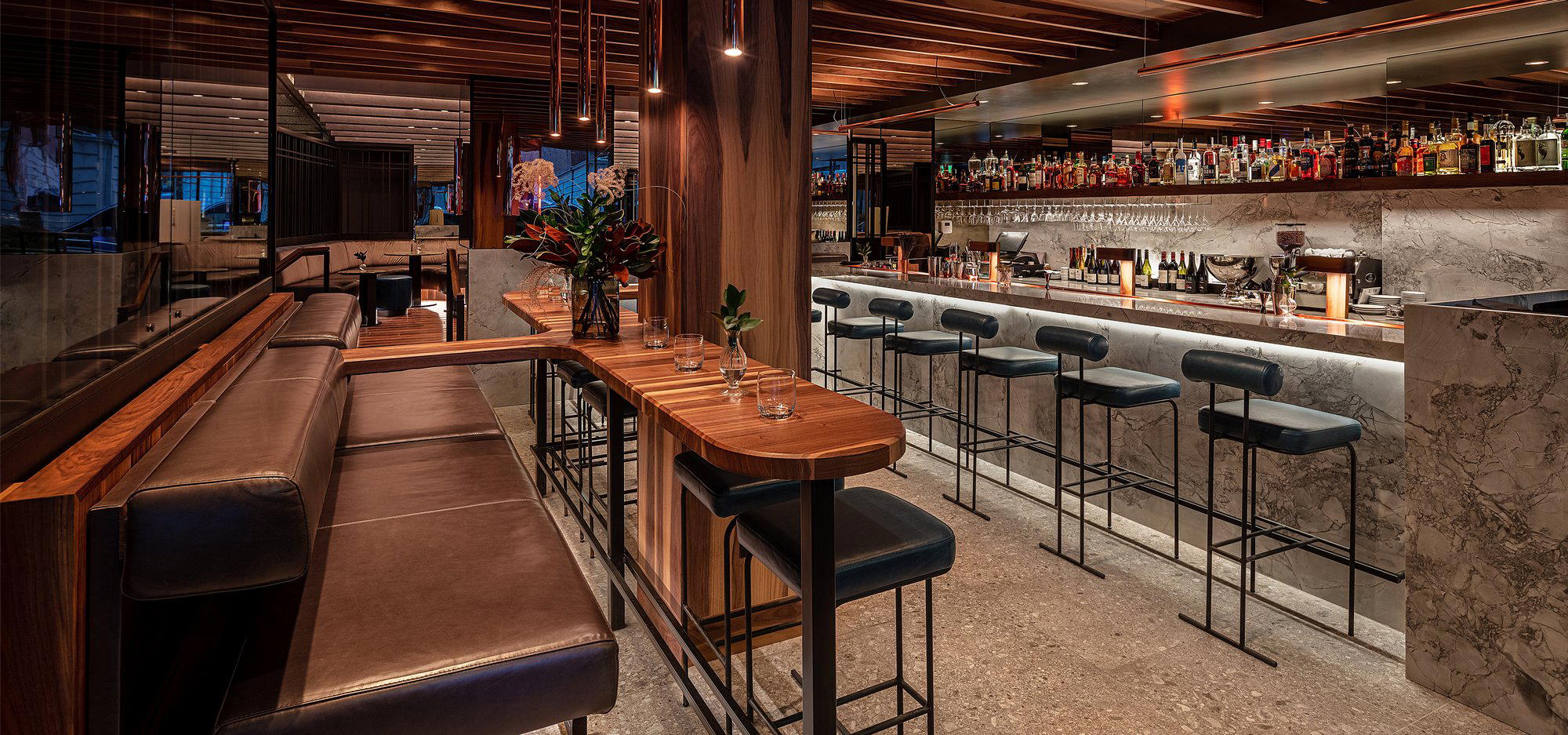
Downtown Montréal, seen through the bar door
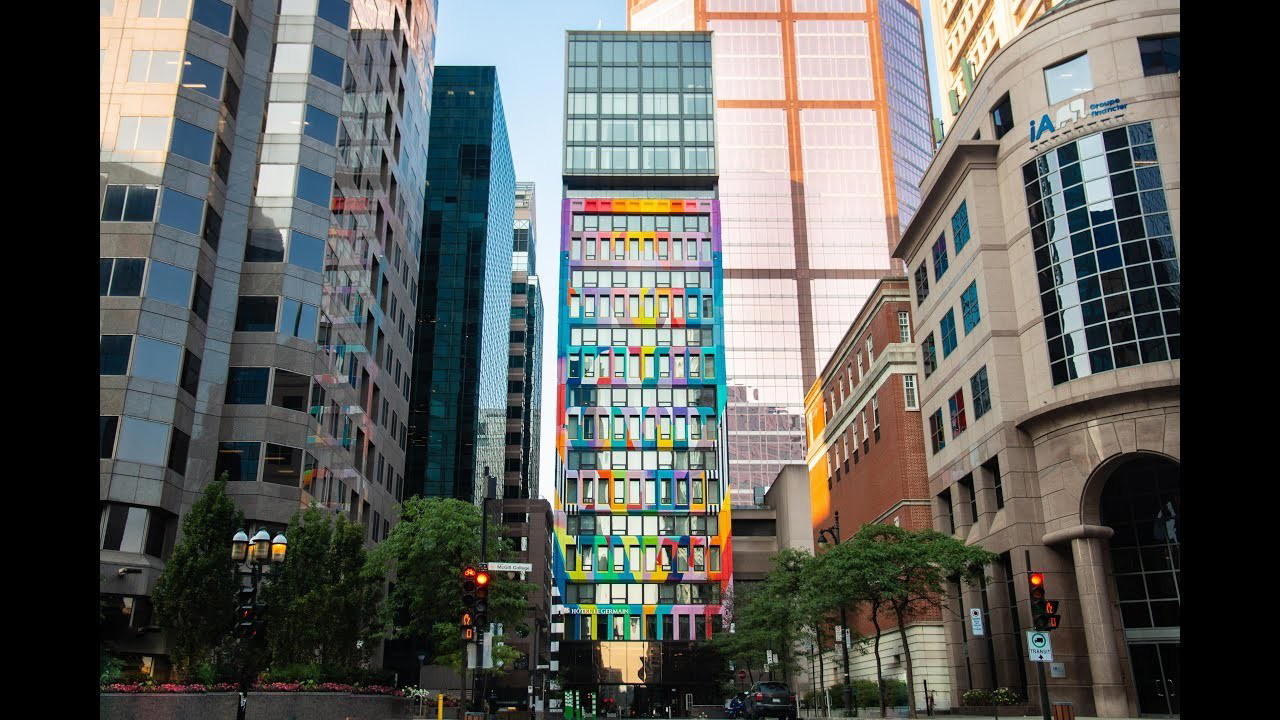
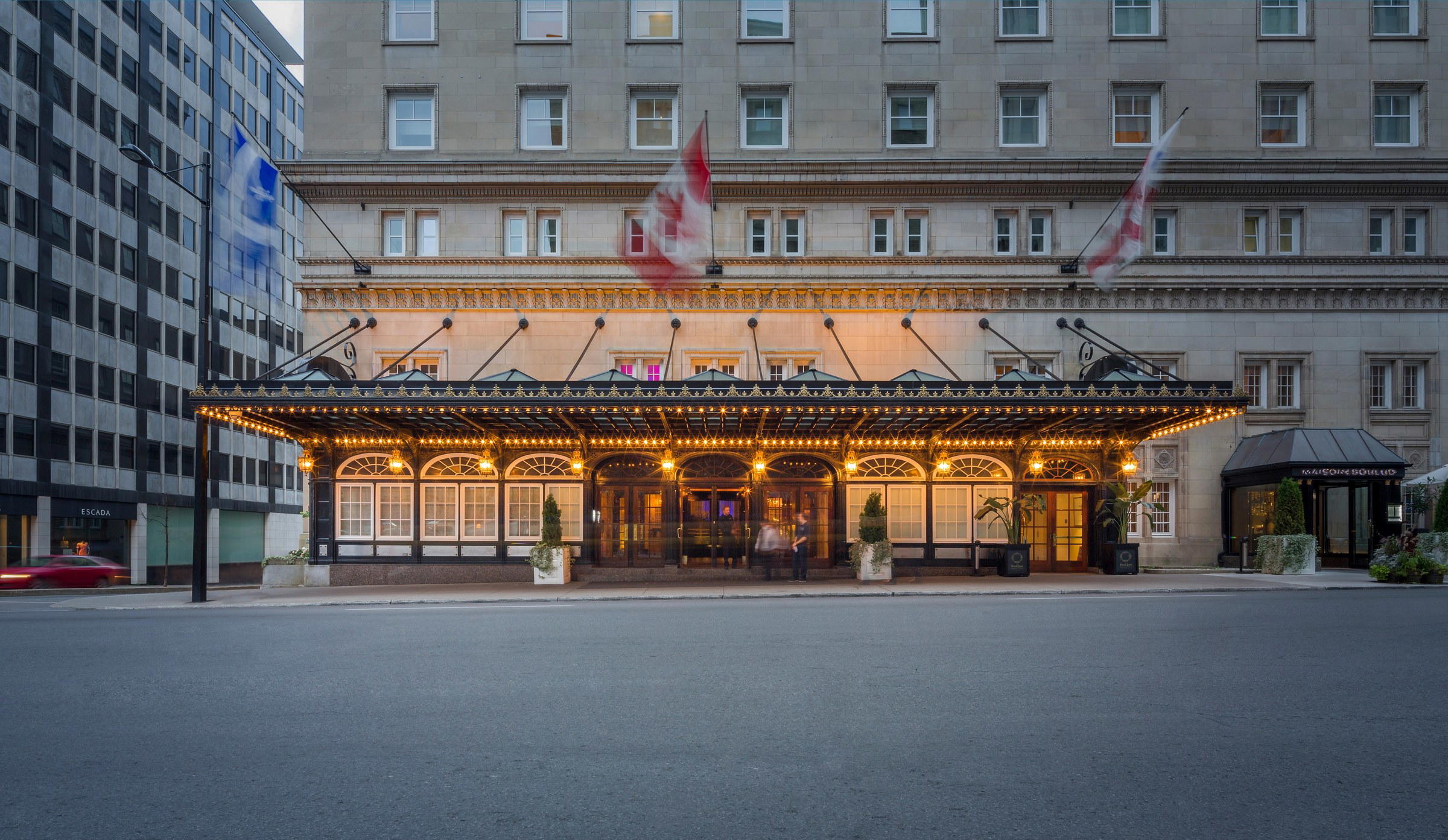
Rue Mansfield gives Montréal a different drinking rhythm from the city’s better-known evening districts. This is downtown Montréal: office towers, hotel lobbies, conference foot traffic, shopping corridors, and the quick change in pace that happens after work when the business grid begins to hand itself over to bars. A cocktail room at 2050 Rue Mansfield sits in that practical middle ground, closer to hotel guests and centre-city dinners than to the late-night circuits of Mile End, Little Burgundy, or the Plateau. That address matters because it shapes expectation before the first drink appears. Downtown bars are judged less by neighbourhood romance and more by execution, pacing, comfort, and whether they can turn a central location into a proper evening rather than a convenient stop.
Bar Flâneur belongs to that downtown category. The name suggests wandering, but the address is not vague or peripheral: 2050 Rue Mansfield, Montréal, QC H3A 1Y9. In a city where cocktail culture often carries strong neighbourhood identities, a Mansfield Street bar has to compete on clarity. It needs a drinks programme that can satisfy guests arriving from nearby hotels, diners crossing over from Golden Square Mile restaurants, and locals who already know where to drink in Little Burgundy or Old Montréal. That mix usually rewards bars with disciplined menus, bartenders who can read the room quickly, and enough range to handle both a first aperitif and a later, slower drink.
Montréal’s modern cocktail scene has moved well beyond the old binary of speakeasy theatre versus hotel-bar polish. The city now supports several distinct models: concealed rooms, loud social bars, design-led aperitivo addresses, restaurant-adjacent counters, and technical cocktail rooms that treat dilution, texture, and garnish as seriously as the base spirit. For readers mapping the city by bar style, the comparison set is useful. Atwater Cocktail Club represents the city’s stronger appetite for late-night energy and hidden-door atmosphere, while Cloakroom shows how Montréal has long made intimacy and precision part of its cocktail identity. A downtown address such as this sits between those poles: accessible, central, and dependent on whether the programme offers enough detail to justify choosing it over a more established drinking district.
The cocktail programme as the real test
The useful question is narrower: what should a serious cocktail programme in this part of Montréal prove? In the current market, it is not enough to pour a correct Negroni and call the room polished. Strong city bars now show their hand through menu architecture. A concise list can signal confidence when the classics are well handled and the original drinks have a clear grammar. A longer list can work when it is organized by flavour, spirit, technique, or mood rather than by decorative names. The bar’s name may imply drift and leisure, but a strong programme cannot drift. It needs intention.
Technique is where contemporary cocktail bars separate themselves from attractive rooms with ordinary drinks. Montréal drinkers have become familiar with clarified citrus, low-ABV aperitif structures, bitter French and Italian references, local fruit cordials, savory infusions, and the clean service style that lets technical work disappear into a glass rather than announce itself. None of those elements should be attributed here without a verified menu, but they define the competitive standard. A Mansfield Street bar entering that conversation is judged against venues where the drink list has a point of view: not only what spirits are used, but why the drinks are arranged in a certain order, whether the non-alcoholic options receive equal thought, and whether the classics are treated as a foundation rather than an afterthought.
The creative vision in a cocktail bar is often misunderstood as biography. A bartender’s personal story matters less to the guest than the discipline visible on the menu and in service. Montréal’s stronger bars tend to make their perspective legible through repeatable choices: a house preference for bright aperitifs, a deeper bench of stirred drinks, a culinary approach to garnish, a sharper focus on Québec producers, or a menu that changes with measurable restraint instead of constant novelty. For Bar Flâneur, those are the lenses that matter.
How it fits Montréal's wider drinking map
Montréal is a serious cocktail city because it has several bar cultures working at once. Little Burgundy and Saint-Henri carry the energy of restaurants, music, and younger late-night drinking. Old Montréal leans into destination rooms, hotel traffic, and design. The Plateau and Mile End reward regulars, smaller rooms, and bars that feel woven into daily neighbourhood life. Downtown is less easily romanticized, which is precisely why a bar there needs sharper editorial assessment. Convenience can fill seats once; a clear drinks programme brings people back.
The useful peer comparison is not only within Montréal. Canadian cocktail culture has become more nationally legible in the past decade, with serious rooms outside Toronto and Montréal earning attention from travellers who plan nights around bars. Prophecy in Vancouver reflects the West Coast’s appetite for moody, design-led drinking rooms, while Shelter in Calgary shows how smaller Canadian markets have built ambitious cocktail identities without relying on old dining hierarchies. Montréal’s advantage is density: visitors can assemble a night from aperitif bar to dinner to late room without treating the cocktail stop as an isolated event. A central address can be powerful in that sequence, especially for travellers staying downtown or moving between restaurants and hotels.
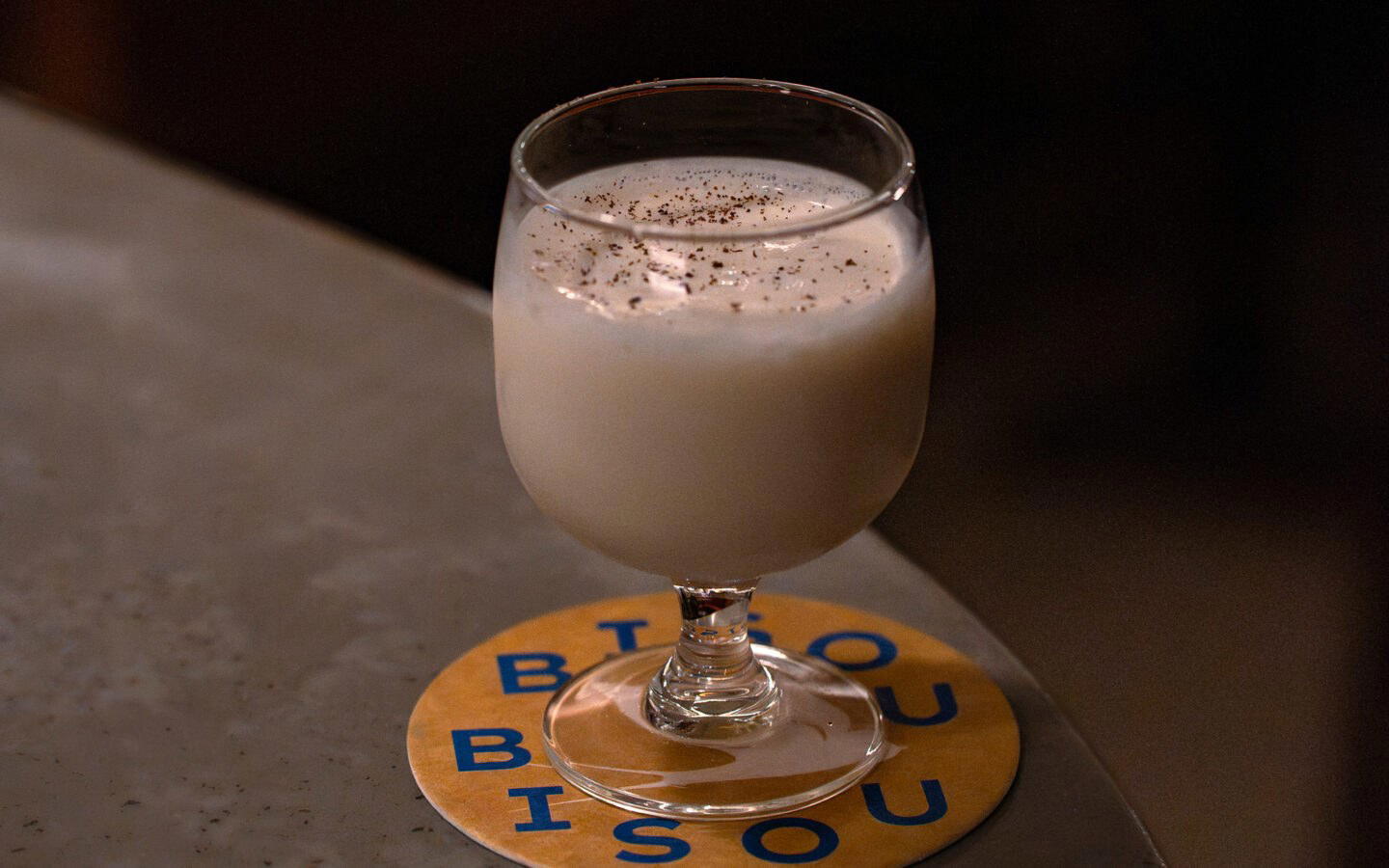
Within the city, style matters. Bar Bello and Bar Bisou Bisou speak to Montréal’s affection for bars that understand atmosphere as part of the drink, not decoration around it. The difference between a good-looking bar and a serious cocktail bar is measured in small operational choices: the ice programme, the speed of greeting, the balance of shaken drinks, the glassware temperature, the way the menu guides guests who do not arrive with a preferred spirit. The absence of public data is itself a planning signal.
What the setting suggests, and what it does not prove
A downtown Montréal setting offers certain advantages. It is useful before dinner, easier to fold into a hotel stay, and generally more practical for visitors who do not want to cross the city between reservations. The Mansfield address places the bar near the central business and shopping core, which suits a drink before a restaurant booking or after an event. This is logistical intelligence, not a claim about quality. Location helps with flow; it does not validate a cocktail list.
The stronger editorial stance is to treat the venue as a candidate for a specific kind of night. It is likely to be more relevant to travellers staying downtown than to drinkers building a bar crawl around Little Burgundy or the Plateau. It may also make sense as a first stop when the group’s dinner address is nearby and transport time matters. That is a legitimate role in Montréal, where distances between neighbourhoods can turn a casual plan into a sequence of taxis. A central bar with a confident programme can solve that problem elegantly. A central bar without one becomes merely convenient.
Price is not listed in the available record, and no awards are attached to the venue data. That matters for how readers should assess value. In cities with mature cocktail cultures, published recognition from guides, bar awards, or established editorial outlets can help position a room against its peers. In the absence of those trust signals, value has to be judged through visible, current information: menu pricing, the seriousness of the drink list, service format, and whether reservations or walk-ins are handled in a way that suits the evening. The address is verified; the rest needs confirmation through current public channels or direct contact if available.
Planning a night around it
That creates a practical constraint. Travellers should not assume walk-in availability, late service, or a particular reservation system. The safest planning approach is to verify opening hours and booking access through current public listings before committing the bar to a tightly timed evening. For a downtown Montréal itinerary, allow the venue to function as a flexible stop rather than the immovable centre of the night unless the current reservation channel confirms otherwise.
That flexibility is especially useful when pairing drinks with dinner. The city’s dining map is broad enough that a cocktail stop can be chosen by geography as much as by reputation. For restaurant planning beyond the immediate downtown grid, Our full Montréal restaurants guide is the better place to build the meal first, then add a bar according to timing. Hotel choice also changes the logic of the night. Readers staying in the centre may find a Mansfield Street drink easier to justify than a cross-town detour; Our full Montréal hotels guide helps make that geography clearer.
For a broader drinking route, compare the venue against the city list rather than treating one address in isolation. Our full Montréal bars guide gives the necessary range, from intimate cocktail counters to louder late rooms. Visitors who build trips around wine, restaurants, and cultural programming can widen the frame through Our full Montréal wineries guide and Our full Montréal experiences guide. The value of a central cocktail bar is strongest when it fits the surrounding plan cleanly: before a nearby dinner, after a hotel arrival, or as a low-friction drink between commitments.
Comparisons beyond Canada
Montréal’s cocktail identity is often more European in cadence than many North American cities, with aperitif culture, French service references, and a tolerance for slower evenings that do not need to become club nights. At the same time, the city is not frozen in old-world manners. Technical drinks, compact menus, and high-design rooms all belong to the current scene. Looking outside Canada, Café La Trova in Miami offers a useful contrast: a bar culture built around music, Cuban tradition, and theatrical hospitality. Montréal’s downtown bars tend to succeed with a cooler register, where the drink programme and room control carry more weight than overt performance.
That comparison is helpful because it prevents the wrong expectation. A traveller looking for a high-volume spectacle should choose differently from a traveller looking for a composed drink near the hotel corridor. The Mansfield address points toward the second use case. The name adds a literary, strolling quality, but the editorial question remains practical: does the current programme justify the stop over the city’s more established cocktail rooms? With no awards or published price range in the record, the answer depends on live menu evidence. That is not a weakness if the bar is operating with focus; it simply means the decision should be made with current information rather than inherited reputation.
At a Glance
- Elegant
- Sophisticated
- Modern
- Cozy
- Intimate
- Date Night
- After Work
- Special Occasion
- Casual Hangout
- Solo
- Terrace
- Design Destination
- Hotel Bar
- Seated Bar
- Lounge Seating
- Outdoor Terrace
- Conventional Wine
- Classic Cocktails
- Street Scene
Current opening hours
- Monday
- 4–11 PM
- Tuesday
- 4–11 PM
- Wednesday
- 4–11 PM
- Thursday
- 4–11 PM
- Friday
- 4–11 PM
- Saturday
- 4–11 PM
- Sunday
- Closed
Hours can change for holidays and private events. Last verified .
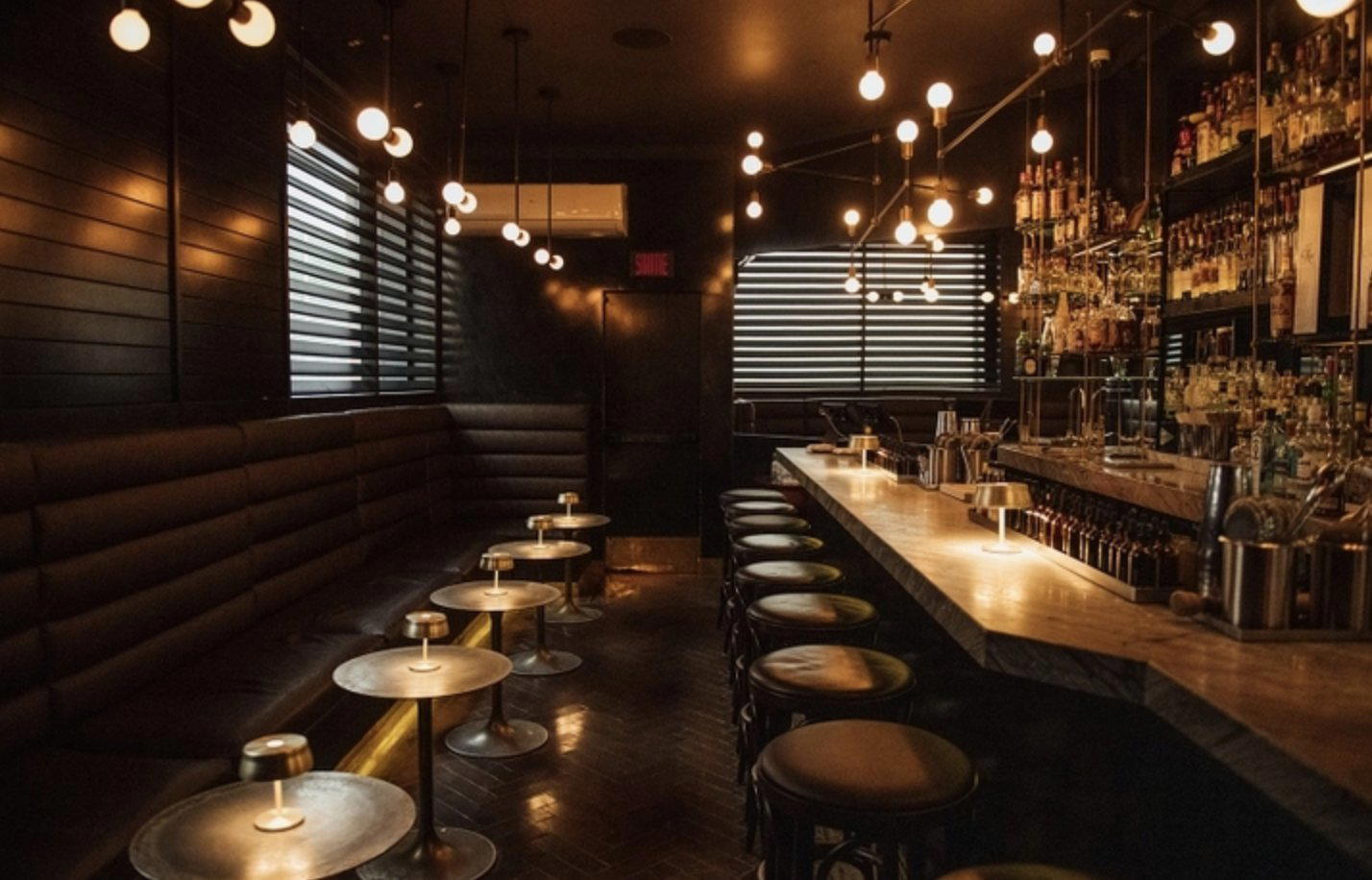
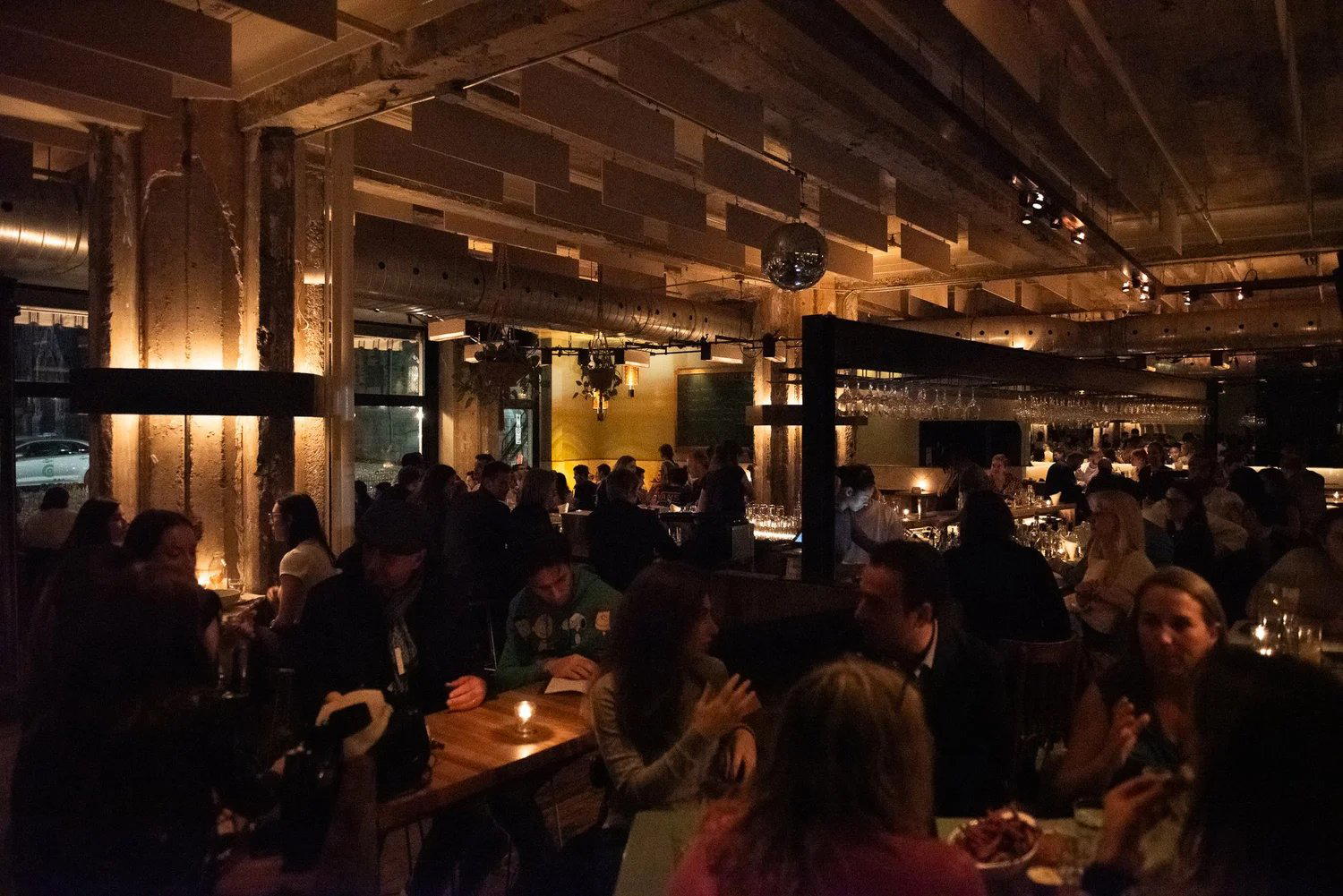
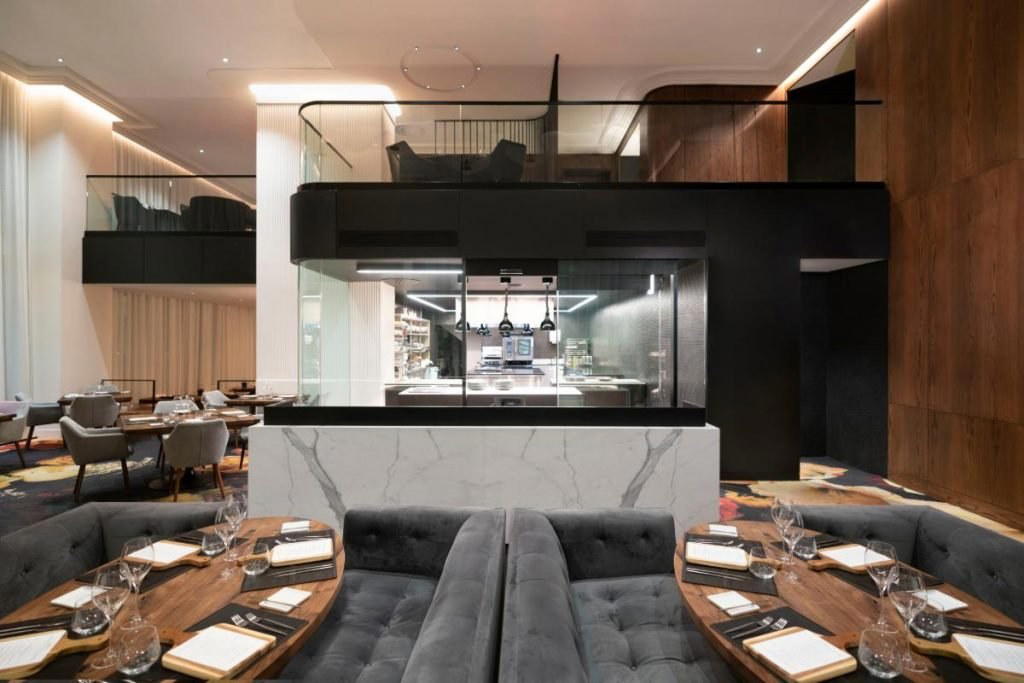
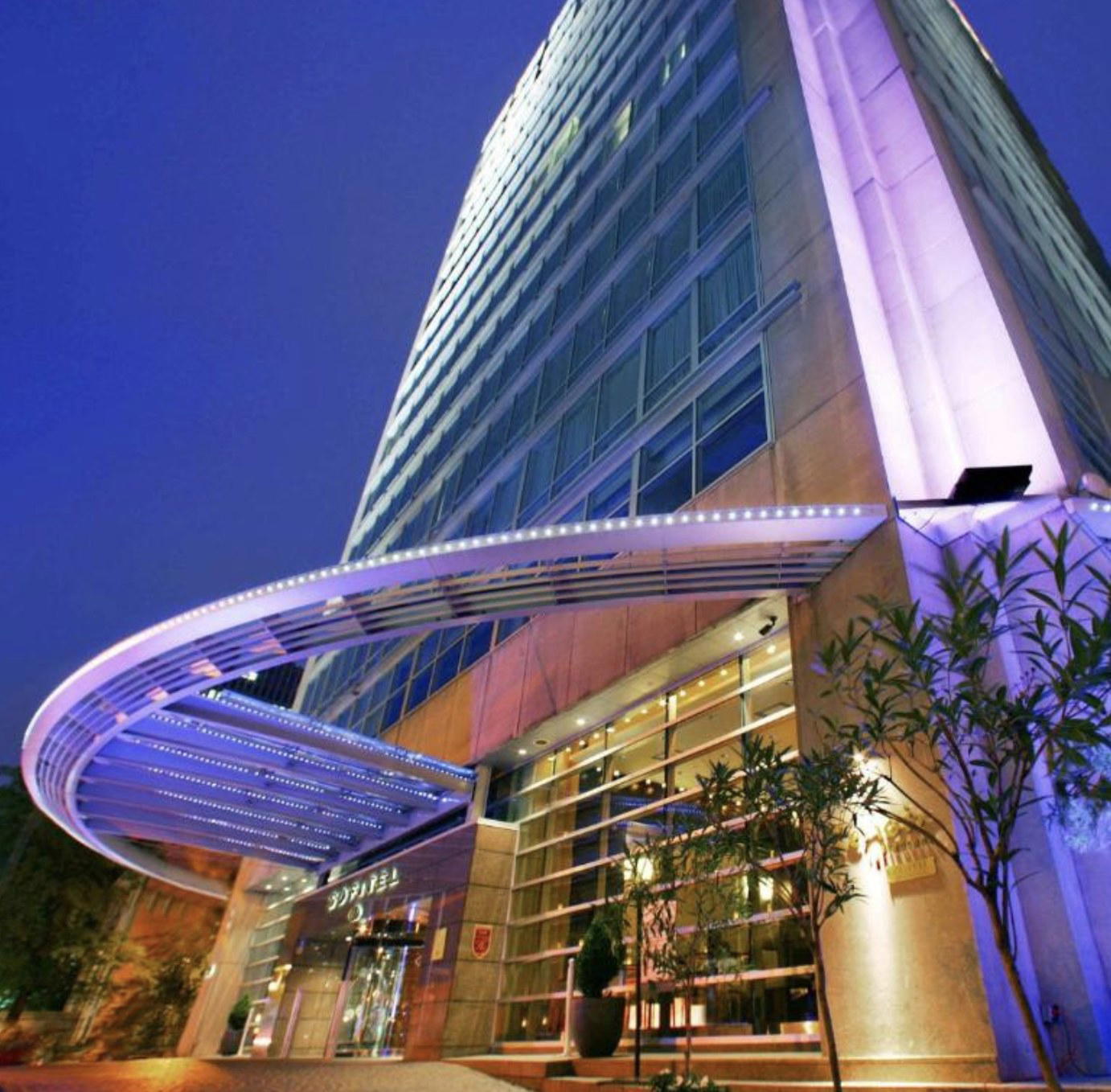
Warm, refined, and relaxed hotel-lounge atmosphere with design-forward interiors, soft lighting, and a calm, unhurried mood ideal for apéritifs, tête-à-têtes, and a last drink.
Know Before You Go
- Getting there
- 2050 Rue Mansfield, Montréal, QC H3A 1Y9, Canada