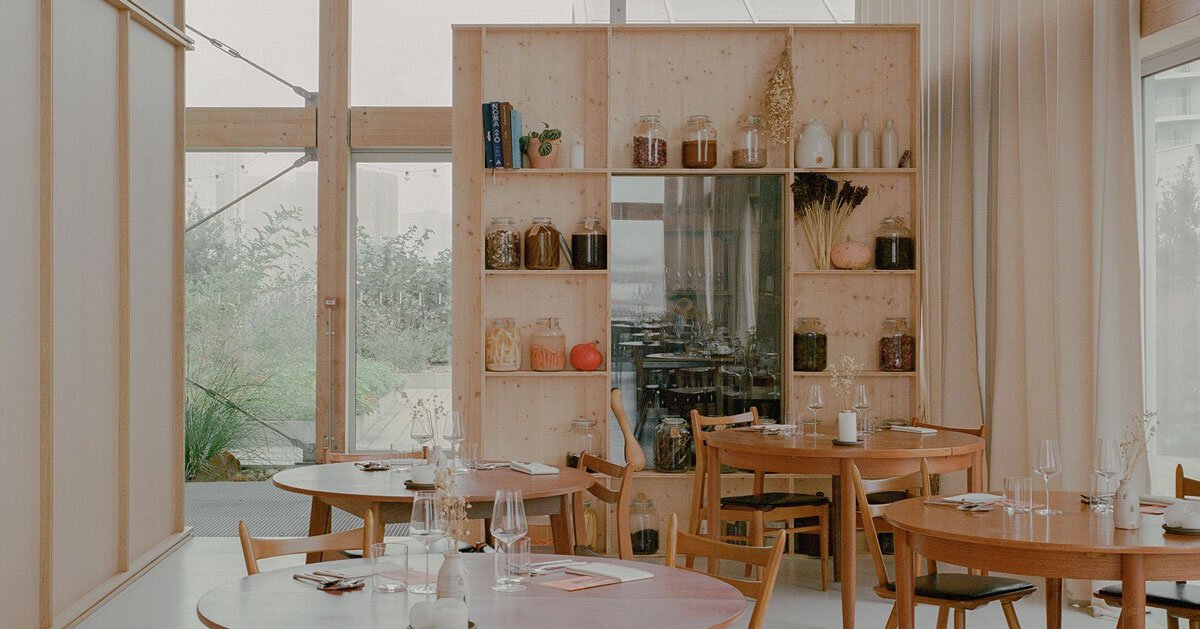
Omija sits on Rue Fouré with a creative surprise menu built around organic and traceable produce, from shrimp hauled off Oléron Island to line-caught pollack from Atlantic waters. Chef Romain Bonnet frames his cooking through the five flavours of the Korean omija berry, drawing confident acidic and spicy contrasts that have earned Michelin recognition. The room runs warm and informal, with service precise enough to match the kitchen's ambition.
 Discover on Pearl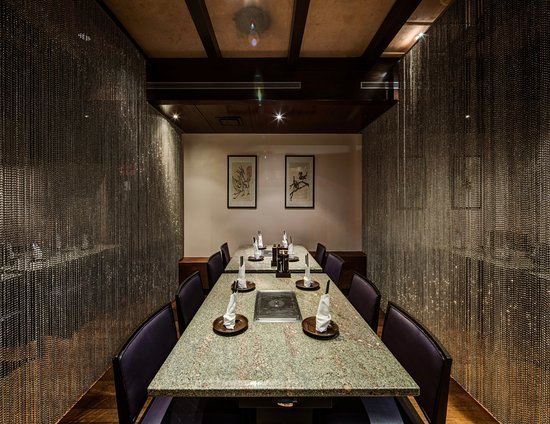
Where Atlantic Sourcing Meets a Korean Flavour Framework
Nantes sits at a productive intersection for creative cooking: close enough to the Atlantic to access serious seafood, with a regional produce network that stretches across the Vendée and the Pays de la Loire. The city's mid-range creative scene has grown steadily around that geography, and a cluster of €€€ restaurants now work the same territory — notably Freia and Sépia, both operating at broadly comparable price points with contemporary French foundations. What sets the most considered of these kitchens apart is not proximity to good ingredients — that is table stakes in this region , but the conceptual framework used to organise them.
At Omija, on Rue Fouré, that framework comes from an unexpected reference point: the omija berry, a Korean ingredient recognised for expressing all five tastes , sweet, sour, salty, bitter, and spicy , within a single fruit. It is a structuring idea, not a gimmick, and it shapes how the surprise menu moves between registers. Romain Bonnet, who has held Michelin-recognised experience before opening here in 2019, uses it as a licence to push acidic and spicy notes harder than most French creative kitchens would risk.
A Sourcing Ethic Built Into the Menu's Architecture
The sustainability argument in creative fine dining often runs as an afterthought: a line on the menu about local farmers, a photo of a fishing boat. At Omija, the sourcing is structural. The kitchen sources common shrimp from la Cotinière on Oléron Island , a specific provenance choice, not a generic "Atlantic seafood" claim. Line-caught pollack replaces species with extraction pressure. Vendée squab appears when the season supports it. The produce base is predominantly organic.
This specificity matters because it constrains the menu in ways that generate rather than limit creativity. When the kitchen commits to a particular shrimp from a named origin, the dish has to be built around what that shrimp can do , its texture at different temperatures, the salinity it carries from cold Atlantic water, how it interacts with acids. The radish and seaweed gnocchi paired with those shrimp, with acidity playing against a measured spicy note, is an example of the kitchen using sourcing discipline as a compositional tool rather than a marketing position.
Across France, the strongest argument for ingredient traceability has always been gastronomic rather than ethical: provenance-specific produce performs differently, and a kitchen skilled enough to exploit those differences produces more compelling food. Mirazur in Menton made the biodynamic garden its central creative engine. Bras in Laguiole built an entire culinary identity on the plateau's flora. Omija operates at a different scale, but the underlying logic is consistent: knowing where the ingredient comes from allows the cook to do something specific with it that a generic supply chain cannot.
The Room and the Rhythm of a Meal
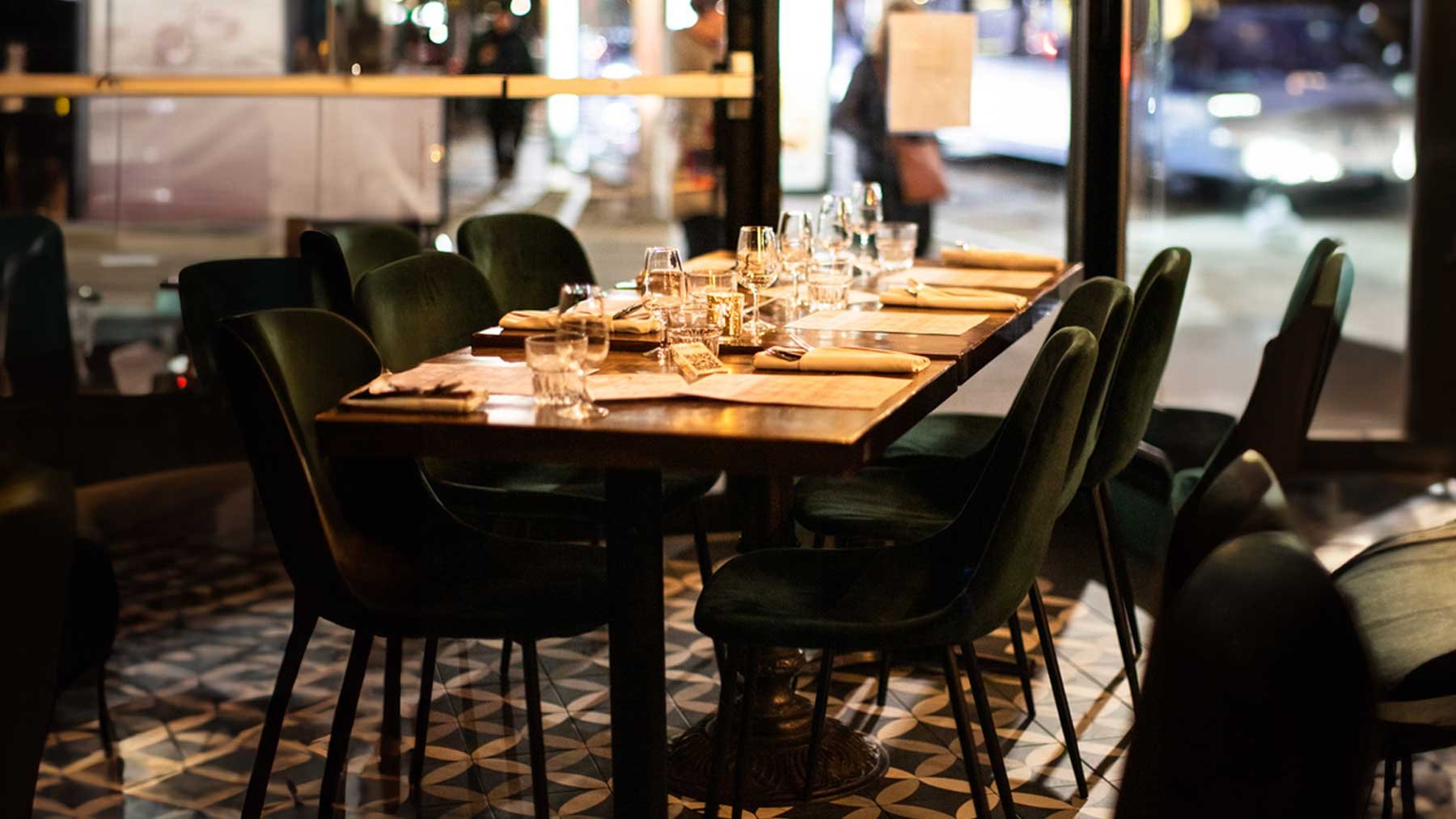
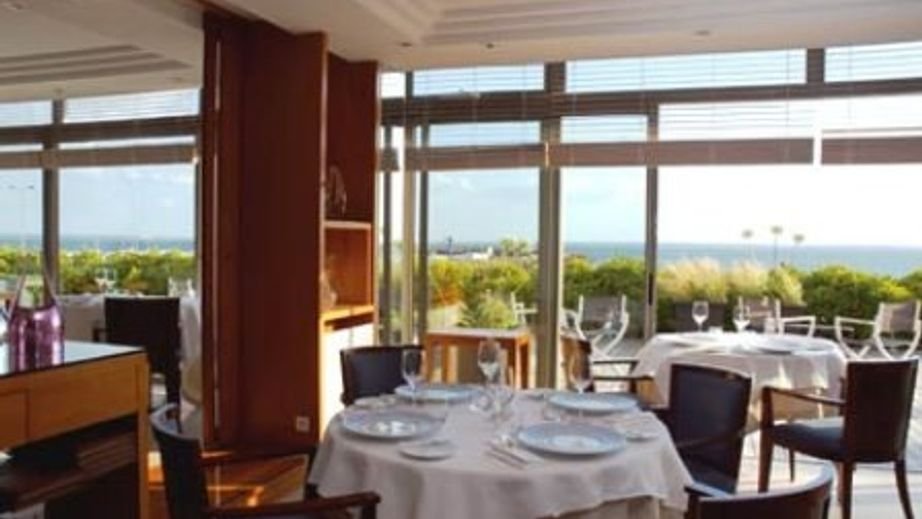
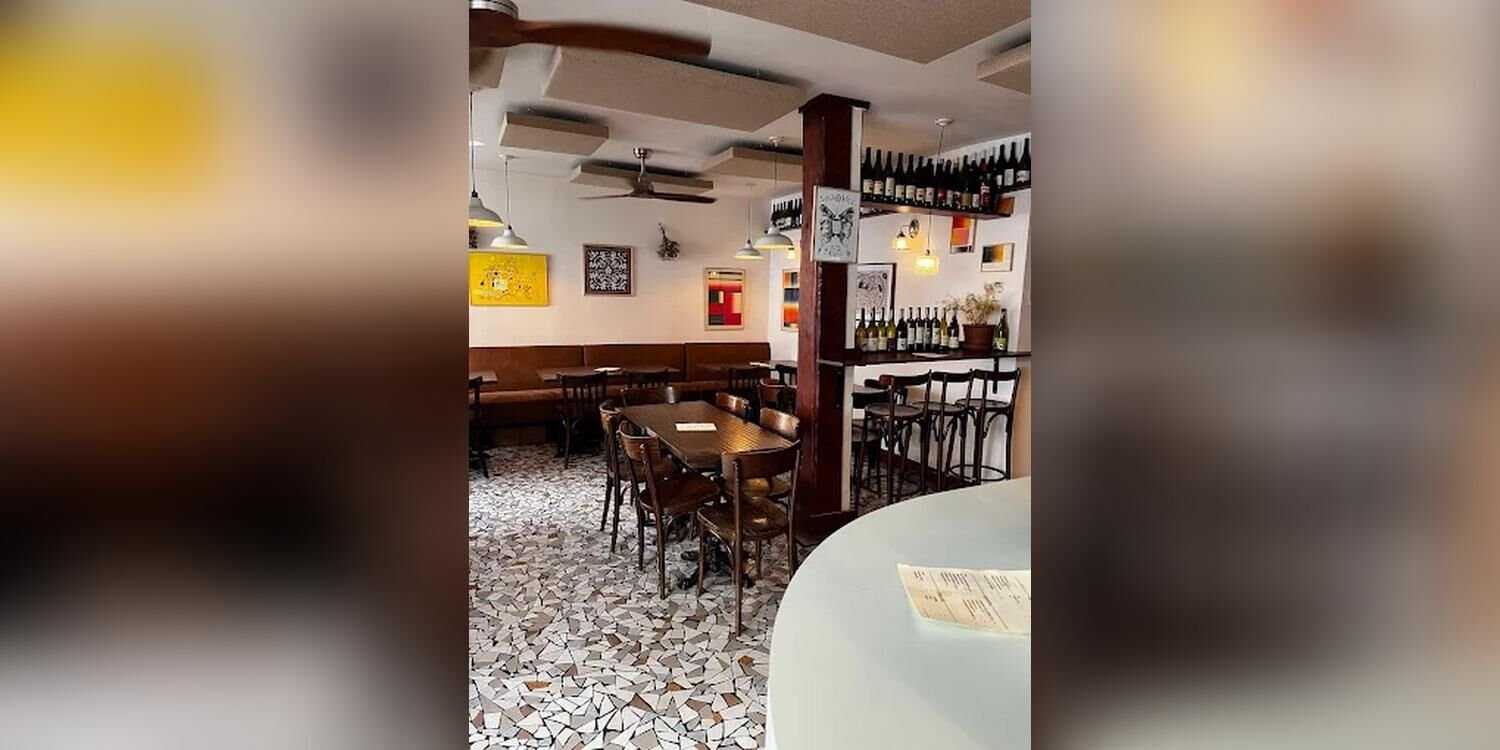
The physical space on Rue Fouré reads as deliberately unintimidating. The Michelin record describes it as infectiously cosy, and the service as unstarched yet seamless , a combination that positions Omija closer to the engaged neighbourhood restaurant than to the formal fine dining room. That tone is a deliberate choice in Nantes's current creative tier, where restaurants at the €€€ level increasingly compete on warmth as much as technique. The contrast with the more architecturally formal L'Atlantide 1874 - Maison Guého, which operates at €€€€ with a longer institutional history, illustrates the split: Omija is not trying to project grandeur, it is trying to make a complex, surprise-driven menu feel approachable.
The format is a creative surprise menu, which removes the negotiation of à la carte and places the kitchen in control of sequence and pacing. This is now standard practice across France's Michelin-adjacent creative tier , from Flocons de Sel in Megève to smaller rooms like Les Cadets in Nantes itself , and it suits a sourcing-driven kitchen where daily availability shapes what reaches the pass. When the shrimp from Oléron is there, it goes on. When it is not, something else takes its place.
Within Nantes's Creative Scene
Nantes has assembled a creative dining tier that punches above what a mid-sized French regional city might be expected to sustain. The 2024 Michelin Plate for Omija sits alongside recognitions elsewhere in the city, and the broader restaurant map , which you can read in our full Nantes restaurants guide , shows a scene with enough depth to support multiple visits. Song, Saveurs & Sens and Meraki operate at lower price points and cover Asian-inflected territory, but without the same sourcing infrastructure or the surprise menu format that gives Omija its structural coherence.
The creative restaurant category across Europe has been exploring the tension between French technique and Asian flavour logic for some years. Enrico Bartolini in Milan and JAN in Munich represent different national versions of the same creative conversation. Within France, the lineage runs from Troisgros through Alléno Paris au Pavillon Ledoyen and other kitchens that have used Japanese technique and Korean fermentation traditions to sharpen French culinary vocabulary. Paul Bocuse's Auberge du Pont de Collonges represents the classical pole of that tradition. Omija occupies a more exploratory position, using the omija berry's five-flavour model as a compositional lens for produce that is firmly rooted in the Loire-Atlantique region.
Planning a Visit
Omija operates Tuesday through Friday for both lunch and dinner, with an unusually compressed service window: the lunch sitting runs from noon to 1 PM, dinner from 8 PM to 9:15 PM. Saturday and Sunday are closed. The narrow time slots suggest a small team working at full concentration rather than a large operation managing multiple covers, which is consistent with the cosy room described in the Michelin record. For those building a broader Nantes itinerary, our full Nantes hotels guide, bars guide, wineries guide, and experiences guide cover the wider city. The address is 54 Rue Fouré, 44000 Nantes. Given the tight service windows and the Michelin Plate recognition, booking ahead is advisable , Monday is also open for lunch.
Comparable Spots
A quick peer list to put this venue’s basics in context.
| Venue | Cuisine | Price | Notes |
|---|---|---|---|
| Omija | Creative | €€€ | This venue |
| L'Atlantide 1874 - Maison Guého | Modern Cuisine | €€€€ | Modern Cuisine, €€€€ |
| Freia | Creative | €€€ | Creative, €€€ |
| La Mandale | Farm to table | € | Farm to table, € |
| Meraki | Modern Cuisine | €€ | Modern Cuisine, €€ |
| Song, Saveurs & Sens | Asian Contemporary | €€ | Asian Contemporary, €€ |
Continue exploring