O'Blend occupies a direct address on Avenue du Dr Jean Laigret in the heart of Blois, placing it within easy reach of the Loire Valley's dense concentration of serious restaurants.
Pearl is the En Primeur Club membership app — saves, bookings, and concierge access live there. Same editors, same standards.
- Address
- 6 Av. du Dr Jean Laigret, 41000 Blois, France
- Phone
- +33254798925
- Website
- oblend.fr
- Directions
- Get directions
 Saves & bookings on Pearl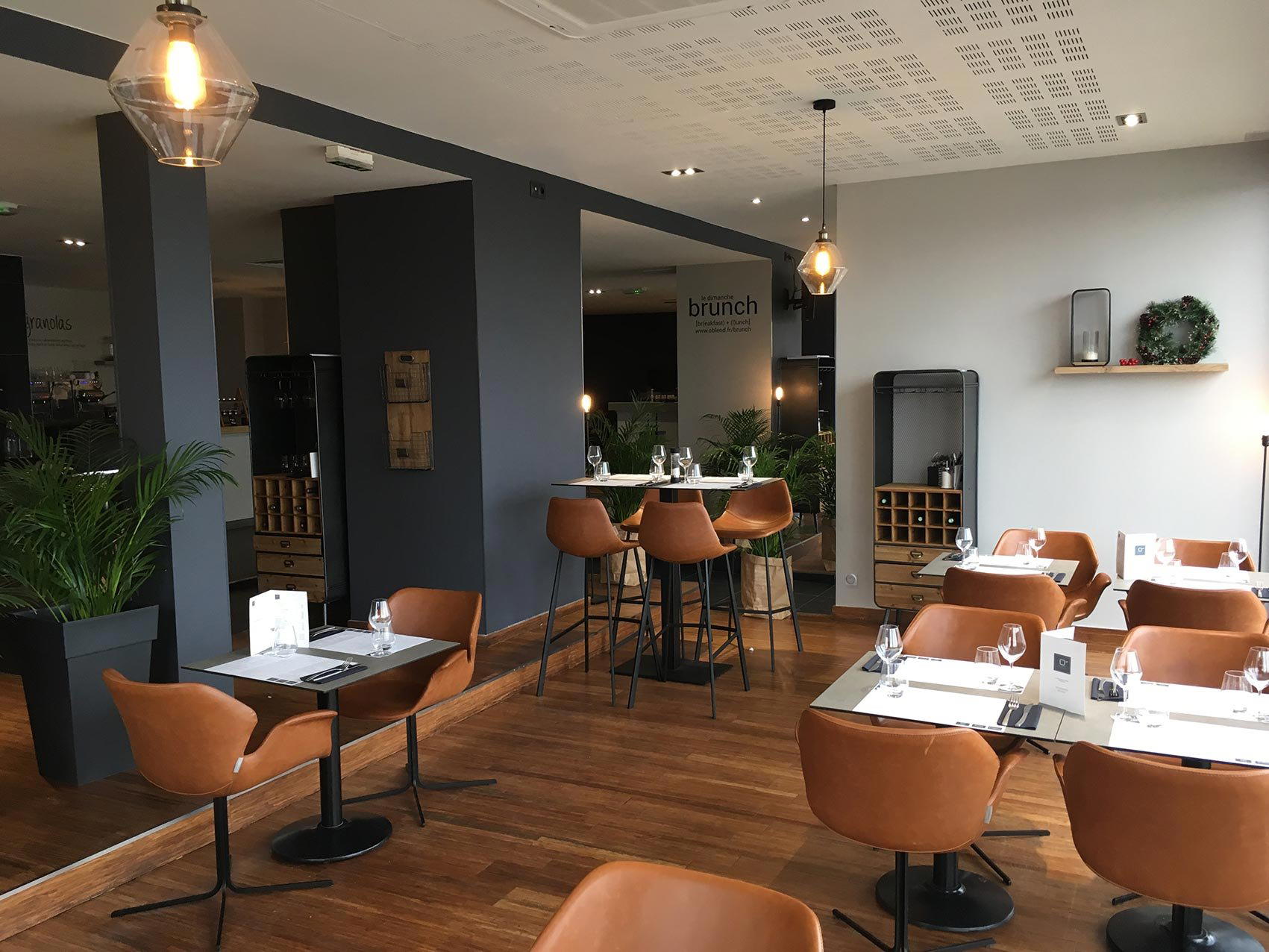
Where Blois Keeps Its Quieter Tables
Avenue du Dr Jean Laigret runs through one of Blois's more functional stretches, connecting the train station axis to the old town's edge. It is not a dining street in the way that certain Parisian arrondissements or Lyon's bouchon corridors carry an immediate gastronomic signal. O'Blend, at number 6, fits that pattern.
Blois itself occupies an interesting position within the Loire Valley's dining ecosystem. There is a concentration of serious cooking here, from the multi-Michelin ambition of Christophe Hay - Fleur de Loire at the summit of the market, to creative mid-market addresses like Assa and classically grounded options such as Au Rendez-vous des Pêcheurs. O'Blend sits somewhere within that spectrum, though its precise positioning in terms of price, format, and ambition is not documented publicly in a way that allows confident bracketing.
Reading a Menu Without a Script
The menu structure signals its intentions. French provincial restaurants in this price tier have broadly followed one of two paths over the past decade. The first is the carte blanche tasting format, where the kitchen controls the sequence and the guest surrenders choice in exchange for a more curated arc of dishes. The second is the traditional à la carte model, which rewards regulars who know what to order and preserves the autonomy that many French diners still prefer. Blois has examples of both: Bro's operates at the accessible end of the modern cuisine bracket, while Amour Blanc takes a more structured contemporary approach at the €€€ tier.
A restaurant named O'Blend invites a particular kind of reading. The name suggests combination, confluence, or synthesis, a framing that in contemporary French dining often points toward menus that draw on multiple traditions or techniques rather than operating inside a single regional or stylistic boundary. Whether that intention is carried through in the actual cooking is something the venue's limited public record does not allow us to verify. What can be said is that in the Loire Valley context, blending is a concept with deep local resonance: this is, after all, a wine region built on assemblage and on the productive friction between grape varieties, soils, and vintages. The idea of mixing as a virtue rather than a compromise is embedded in the valley's gastronomic DNA.
The Loire Valley's Mid-Market Moment
France's broader fine dining ecosystem has changed significantly in recent years, as costs and expectations have shifted. Restaurants at the three-Michelin-star tier, like Alléno Paris au Pavillon Ledoyen or Mirazur in Menton, operate in a different economic register from the established regional houses such as Auberge de l'Ill or Bras in Laguiole. Below that, the mid-market tier in provincial France has quietly become one of the more interesting places to eat, precisely because the cost pressures that have forced creativity at the leading end have also pushed intelligent cooking downward into formats that are more accessible without being less serious.
Blois benefits from this trend. A visitor working through the city's dining options would do well to map them against this broader pattern: the highest-investment meal at Fleur de Loire sits alongside a set of genuinely capable mid-market addresses that do not require tasting-menu budgets or three-month advance bookings. For visitors planning time in the region, the full Blois restaurants guide offers a structured way to allocate meals across the price tiers available.
Other landmarks in French regional fine dining illustrate what provincial ambition can look like at its most sustained: Flocons de Sel in Megève, Troisgros - Le Bois sans Feuilles, and Paul Bocuse's Auberge du Pont de Collonges each represent a different model of how French restaurants outside Paris build and sustain a reputation over decades. O'Blend operates in a different register from any of these, but the structural questions they raise about format, identity, and regional grounding apply at every level of the market.
Planning a Visit
The restaurant is located at 6 Avenue du Dr Jean Laigret, 41000 Blois, a short walk from both the old town and the main rail connection, which makes Blois direct to reach from Paris via TGV in under ninety minutes. For visitors building a Loire Valley itinerary around food, the city works well as a base: the concentration of restaurants across different price points means that multiple consecutive meals of genuine quality are possible without a car. Booking ahead is advisable for any sit-down dinner in Blois, particularly in the spring and summer months when château tourism increases demand across the city's dining options. The restaurant is recommended for reservations and typically serves lunch Tuesday through Saturday and dinner Tuesday through Saturday; it is closed Monday and Sunday.
O'Blend at a Glance: Questions Answered
- Would the restaurant be comfortable with kids?
- Blois's mid-market restaurants generally accommodate families more easily than their tasting-menu counterparts, where long sequences and quiet room dynamics can make children a complicated fit. If the restaurant operates in a brasserie-adjacent or informal bistro format, as its address and name suggest it might, it is more likely to be family-tolerant than a prix-fixe room.
- How would you describe the vibe at the restaurant?
- Blois does not have many restaurants that perform theatrics for their own sake. The city's dining culture runs toward the serious and the local, which tends to produce rooms that are warm without being casual and professional without being stiff. The restaurant's address on a functional arterial avenue rather than a showcase dining street suggests an atmosphere that prioritises the plate over the setting. For reference points, compare this with the more architecturally considered rooms at Fleur de Loire or the creative informality at Assa.
- What do regulars order at the restaurant?
- What can be said is that restaurants in this part of the Loire Valley tend to anchor their menus around local produce: river fish, game from the Sologne, Valençay and Selles-sur-Cher cheeses, and vegetables from the market gardens that supply the region's kitchens. Regulars at comparable Blois addresses tend to favour whatever the kitchen is doing with seasonal protein at the centre of the plate.
- Is the restaurant reservation-only?
- In Blois's mid-market dining tier, walk-ins are possible at lunch on weekdays but dinner bookings are generally advisable, especially between April and September when Loire Valley tourism is at its highest. Whether the restaurant operates a strict reservation system or accepts walk-ins at the bar or counter cannot be confirmed from available data. Contacting the venue directly before your visit is the safest approach.
- What do critics highlight about the restaurant?
- No documented critical coverage of the restaurant is available in the public record at the time of writing. The restaurant has no Michelin recognition. For context on what critics have focused on in the Blois dining scene more broadly, the decorated addresses in the city such as Fleur de Loire and the creative work at Assa have drawn sustained attention. The restaurant sits outside that documented tier, which positions it as a local option rather than a destination draw for food-focused travellers arriving specifically for the table.
- What kind of wine list does the restaurant likely offer, given its Loire Valley location?
- Restaurants in Blois almost universally lean into the Loire's own appellations, and any serious wine list in this city will anchor around Vouvray, Sancerre, Pouilly-Fumé, Chinon, and Bourgueil at minimum. The valley's range across white, red, and sparkling styles gives Loire-focused lists a depth that rivals more celebrated regions. Comparable mid-market French addresses outside the region, such as Assiette Champenoise in Reims or Au Crocodile in Strasbourg, tend to draw heavily on their local geography for wine identity, and Blois restaurants follow the same logic. Whether the restaurant has a dedicated sommelier or a more direct regional list is not confirmed.
Accolades, Compared
Comparable venues nearby, for context on price, style, and recognition.
| Venue | Cuisine | Price | Awards | Notes |
|---|---|---|---|---|
| O'BlendThis venue — the venue you are viewing | Modern French Brasserie | $$$ | Not listed | Not listed |
| Les Banquettes Rouges | Traditional French Bistro | $$ | Not listed | Saint-Nicolas |
| Mimosa | French Bistronomique | $$ | Not listed | pedestrian precinct |
| Brut maison de cuisine | Bistronomique French | $$ | Michelin Plate | centre ville |
| Amour Blanc | Modern French Gastronomic with Loire Valley Focus | $$$ | Michelin Plate | Quai Villebois-Mareuil |
| Restaurant Christophe HAY | Modern Loire Valley French Fine Dining | $$$$ | Not listed | Not listed |
Continue exploring
More in Blois
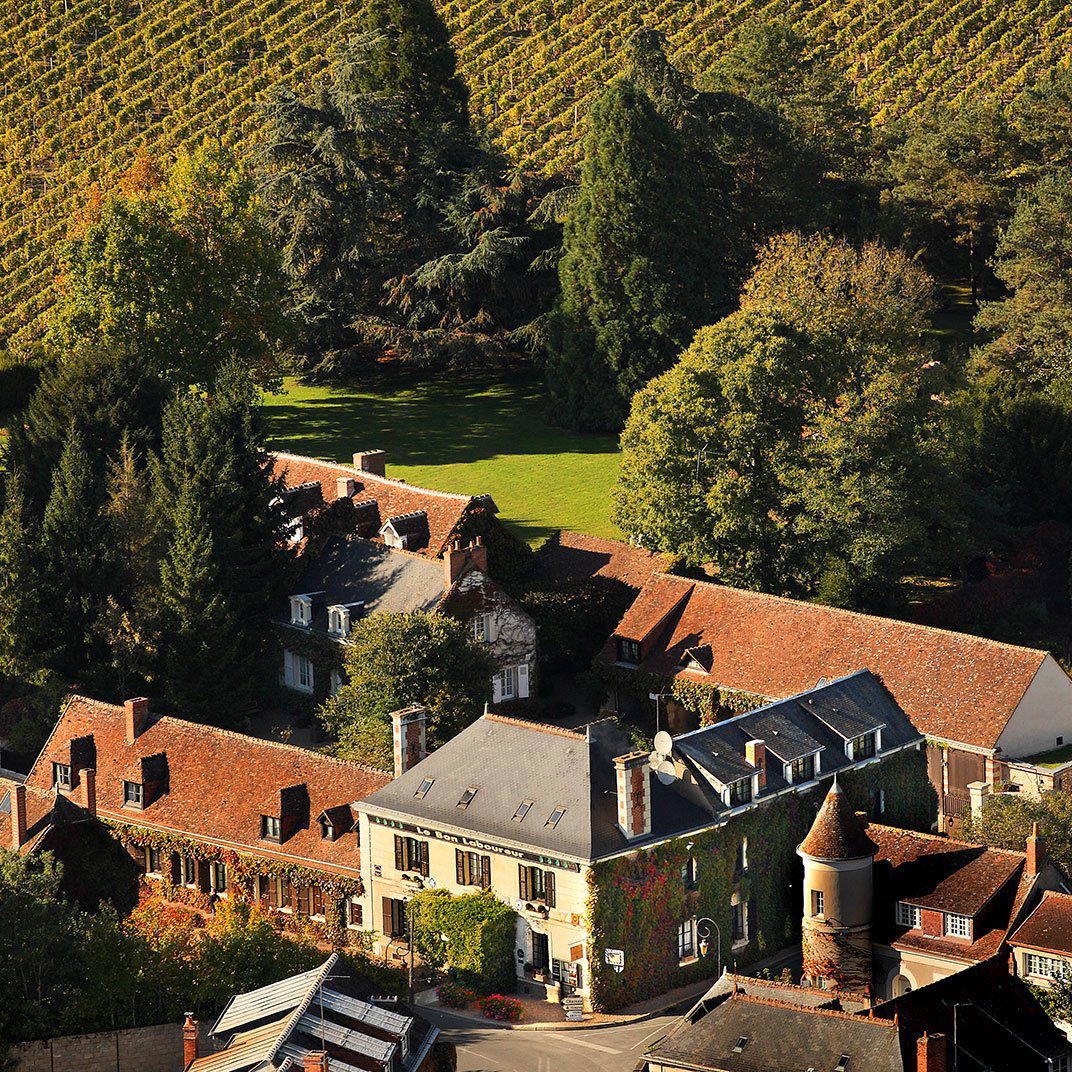
Restaurants in Blois
Browse all →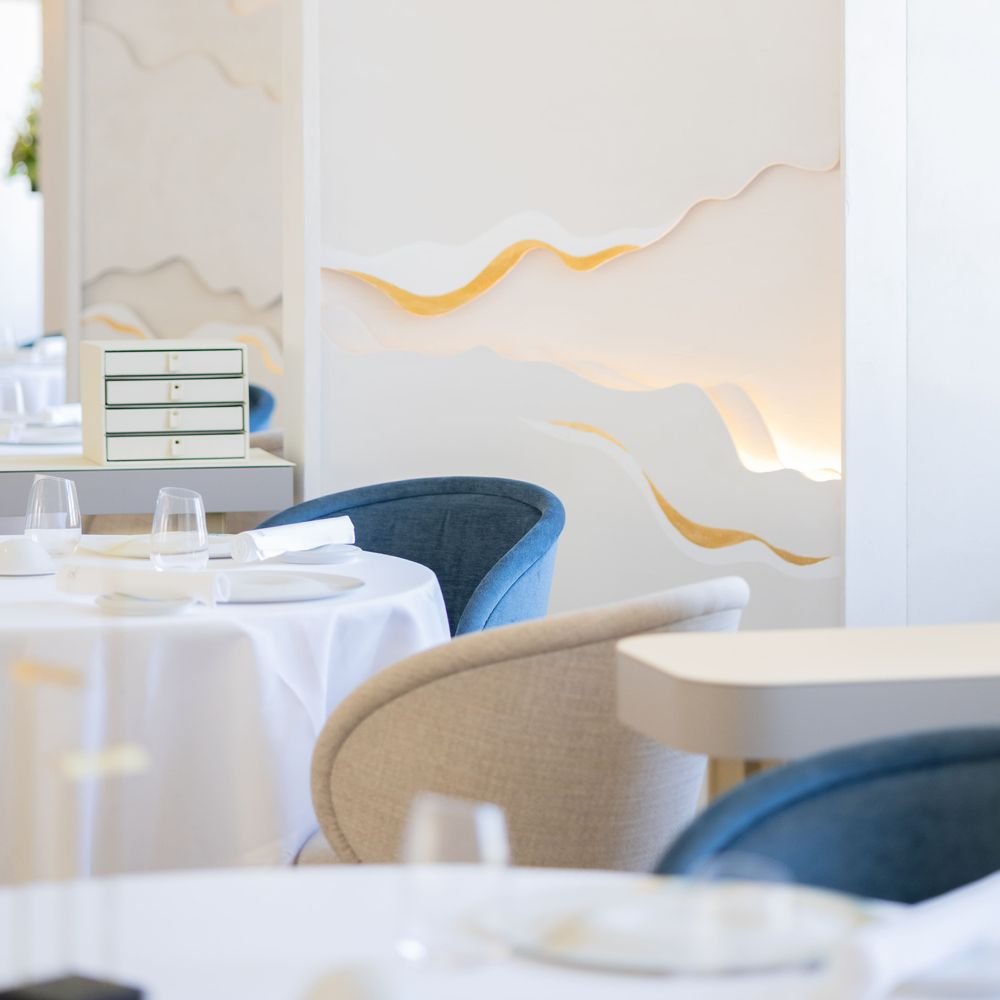
Bars in Blois
Browse all →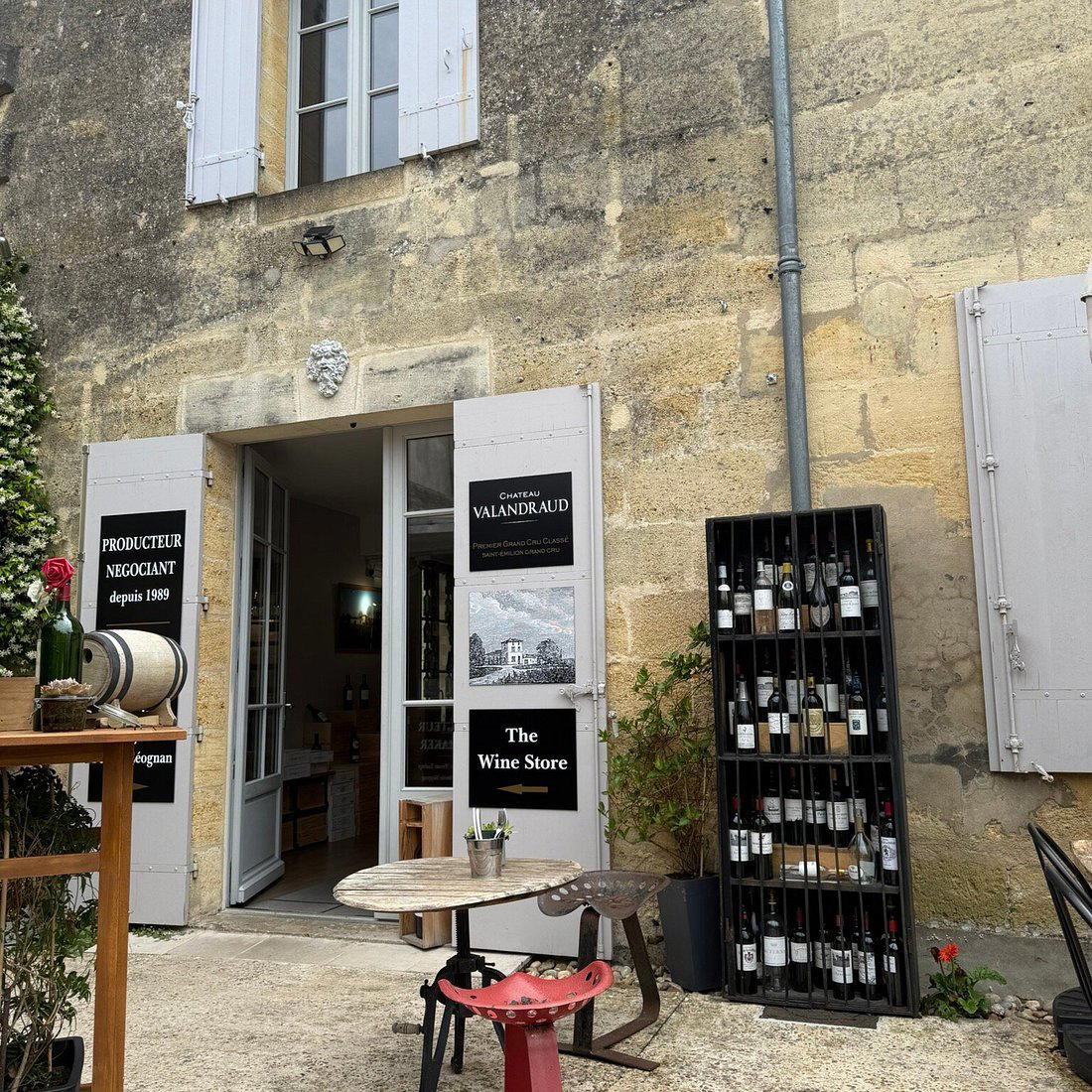
Hotels in Blois
Browse all →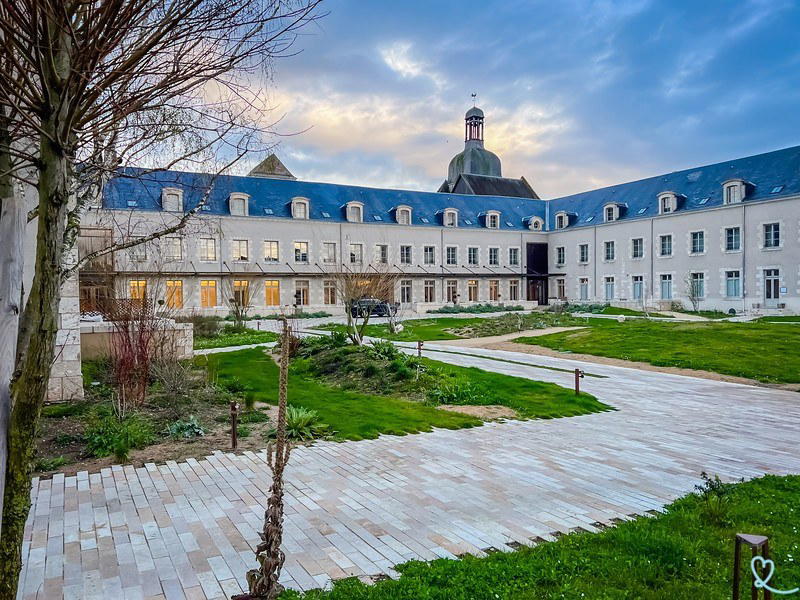

At a Glance
- Elegant
- Modern
- Sophisticated
- Business Dinner
- Open Kitchen
Current opening hours
- Monday
- Closed
- Tuesday
- 12–1:30 PM, 6–11 PM
- Wednesday
- 12–1:30 PM, 6–11 PM
- Thursday
- 12–1:30 PM, 6–11 PM
- Friday
- 12–1:30 PM, 6–11 PM
- Saturday
- 12–1:30 PM, 6–11 PM
- Sunday
- Closed
Hours can change for holidays and private events. Last verified .
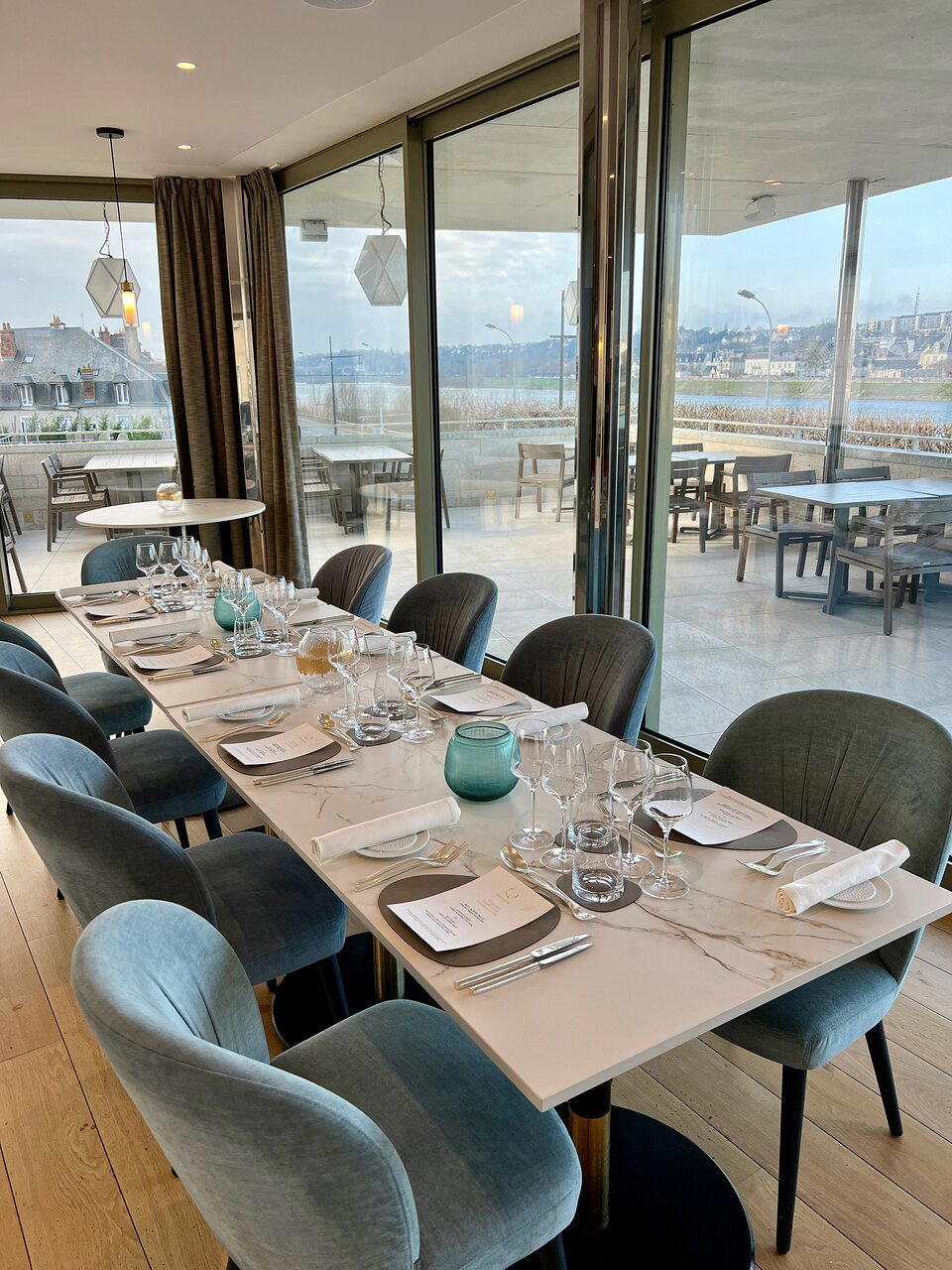
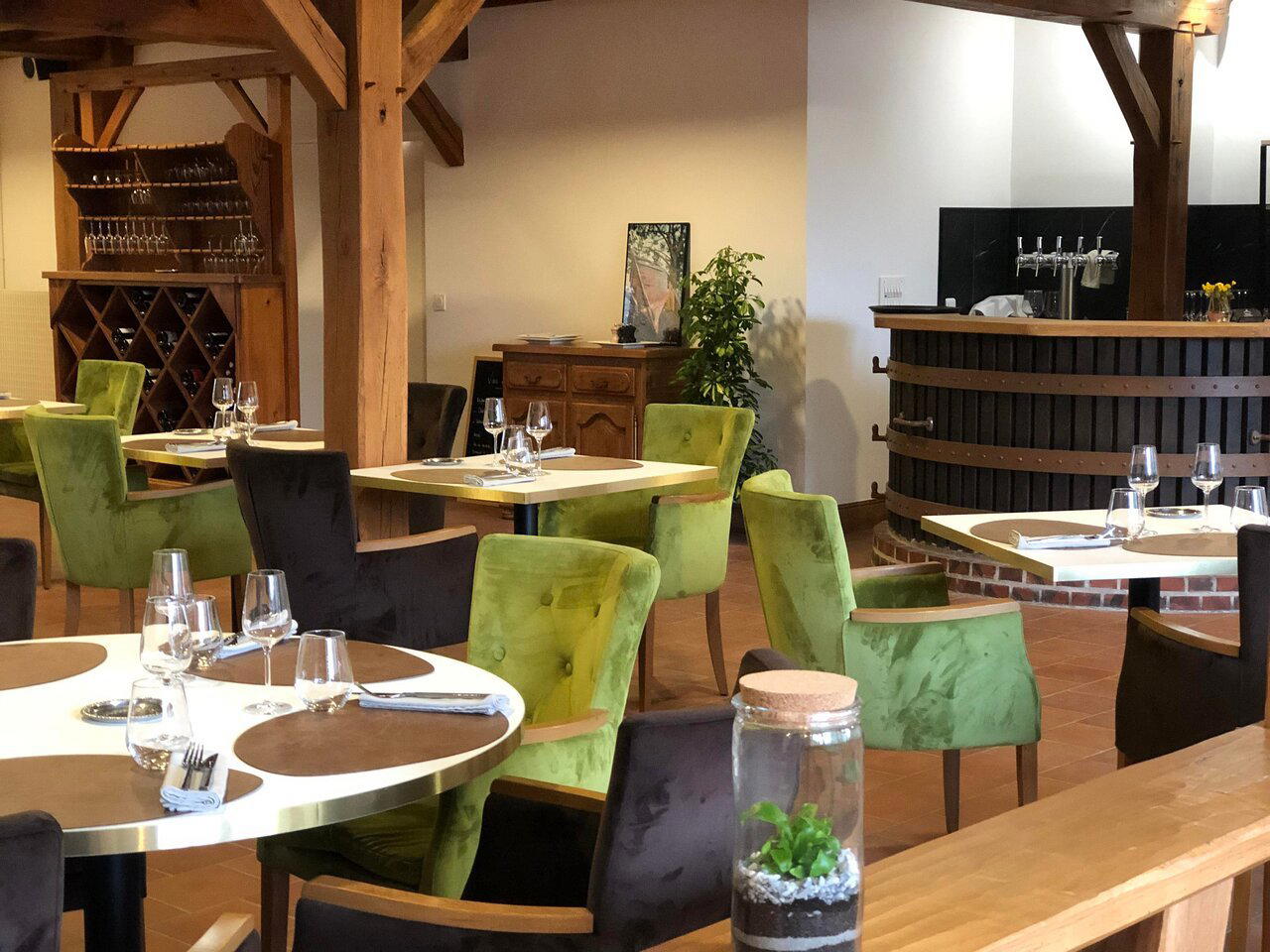
Elegant setting with subdued lighting, beautiful materials, clean lines, and a modern leafy atmosphere.