


World's 50 Best #42 · We're Smart World 4 Radishes · World's Best Wine Lists Awards WBWL 3-Star
Our verdict
Oaxen Krog brings Magnus Ek's nature-led Nordic cooking from a remote island to Stockholm's Djurgården peninsula, with five appearances on the World's 50 Best Restaurants list between 2006 and 2010 anchoring its reputation. Seasonal produce from Scandinavian producers, vegetable-forward plating, and a drinking culture rooted in snaps and aquavit make this one of the city's most coherent expressions of the Nordic fine dining tradition.

Pearl is the En Primeur Club membership app, where members save venues, book tables and use the concierge.
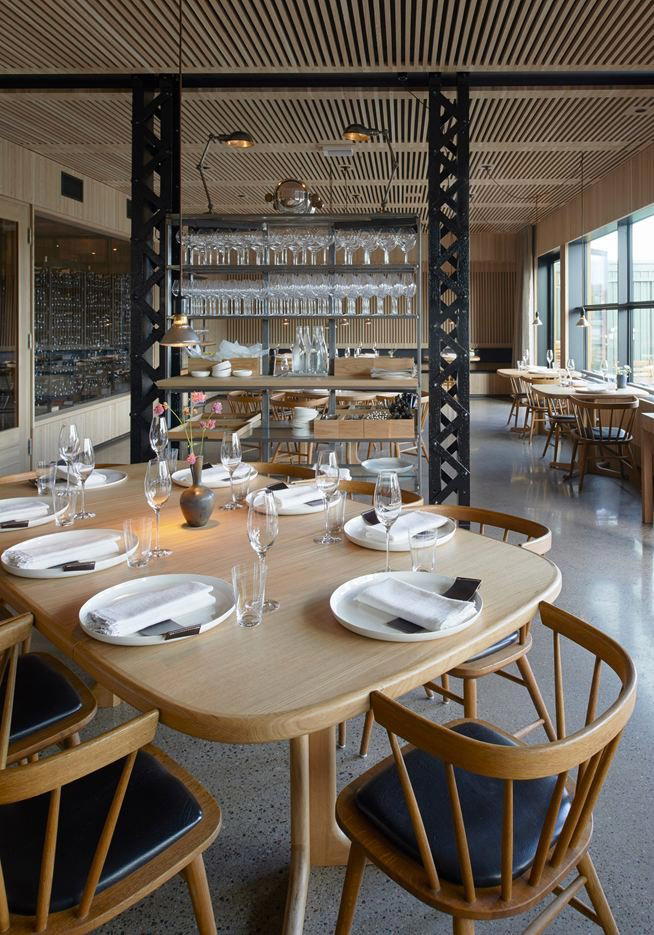
Water, Wood, and the Weight of a Former Island Restaurant
Stockholm's fine dining scene has consolidated around a handful of addresses that now compete on an international stage. Frantzén holds three Michelin stars and a place in the upper tier of the global 50 Best rankings. AIRA and Aloë have entered the conversation more recently. But Oaxen Krog predates almost all of them in the international record books. Between 2006 and 2010, the restaurant appeared five consecutive times on the World's 50 Best list, peaking at number 32 in 2009. At the time, Nordic cuisine was only beginning its climb toward global recognition, and Oaxen was already deep in that work, operating from an island an hour's drive from Stockholm, accessible only by ferry, open just six months of the year.
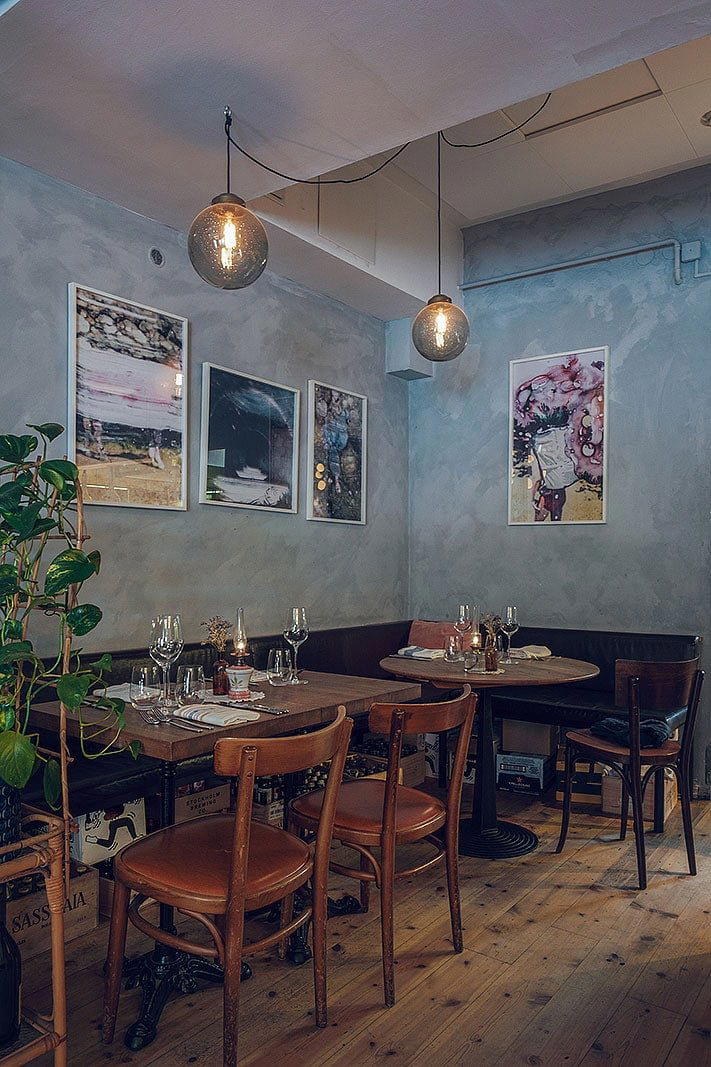
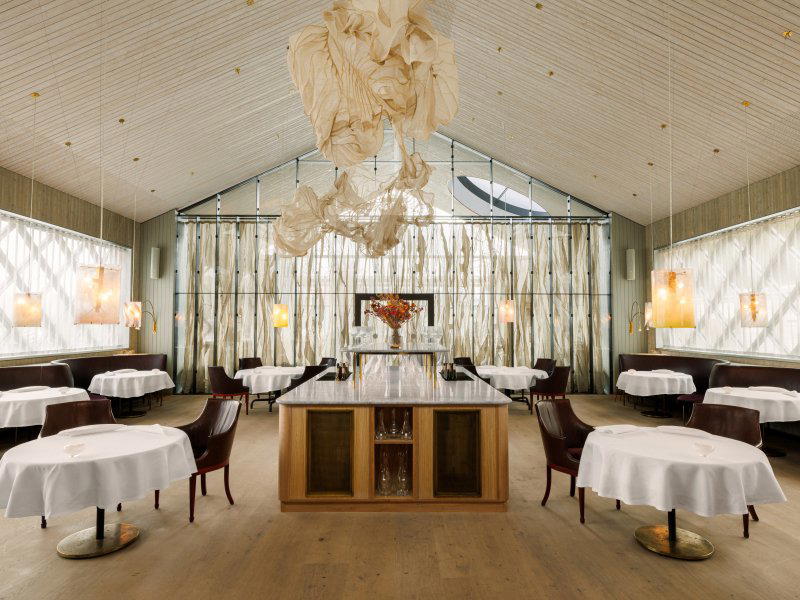
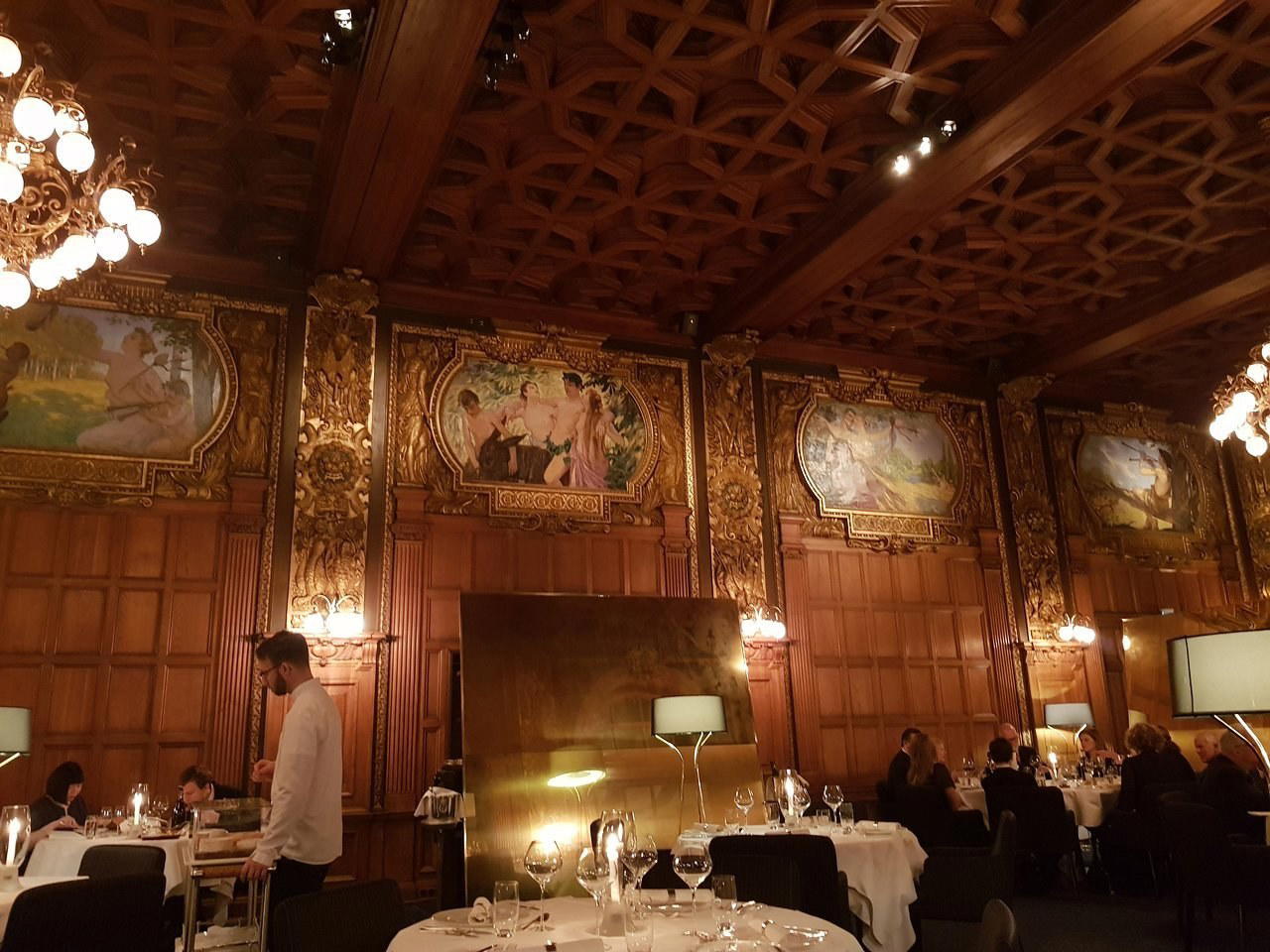
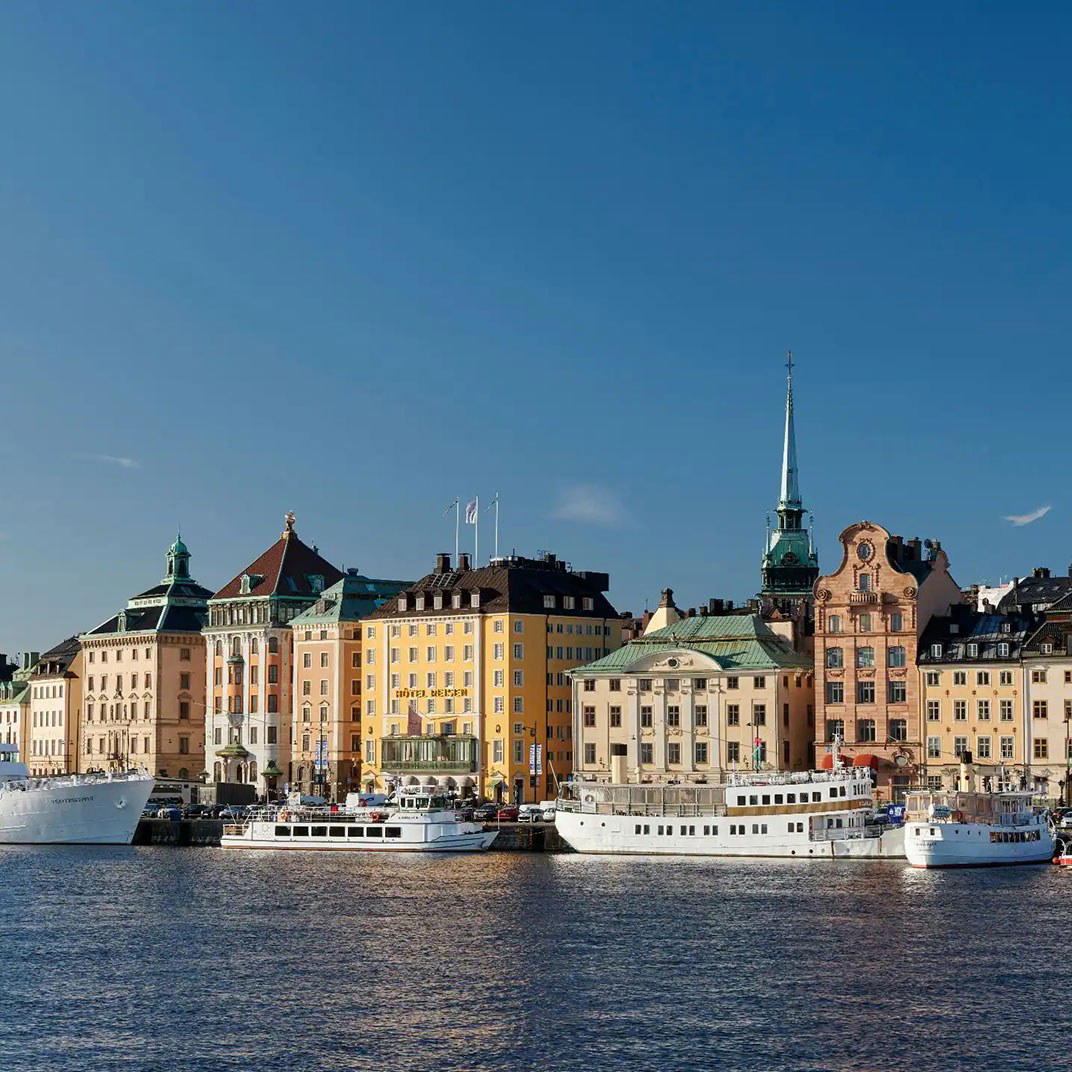
That origin matters because it shapes what you find at the current address on Beckholmsvägen 26, on the Djurgården peninsula. Approaching from the water side, the setting retains the character of the original: industrial maritime infrastructure softened by the proximity of trees and the Stockholm archipelago light. The restaurant is not performing rusticity. It is simply the continuation of a project that was always rooted in landscape, season, and the specific agriculture of Scandinavia's northern edges.
The Nordic Table as an Argument About Produce
The broader story of Nordic fine dining over the past two decades is largely a story about sourcing philosophy becoming culinary identity. What Magnus Ek built at Oaxen, first on the island, now in Stockholm, belongs to that tradition, but with a particular emphasis: vegetables are not a supporting element here. They are often the structural logic of a dish, used to frame and clarify fish or meat rather than to accompany it. This places Oaxen in a different bracket from Nordic kitchens that lean heavily on protein and preservation technique as their primary vocabulary.
The sourcing radius extends to the borders of Scandinavia, with producers selected on criteria that include sustainable agriculture and what the kitchen describes as human livestock farming. This is not ornamental localism. It reflects the same reasoning that drove the original Oaxen operation: that the quality of an ingredient at the northern edge of Europe is determined by the conditions under which it was raised or grown, and that those conditions are worth communicating through the cooking itself. For comparison, Adam/Albin takes a similarly rigorous New Nordic approach in Stockholm, while Operakällaren works within the older Swedish classical tradition, making Oaxen's position in the city's fine dining map relatively clear: it occupies the intersection of institutional credibility and ongoing commitment to ingredient-led Nordic cooking.
Aquavit, Snaps, and the Architecture of a Nordic Meal
To understand how a meal at Oaxen Krog is structured, it helps to understand that Nordic drinking culture is not incidental to the dining experience. It is one of the organizing principles. The snaps tradition, in which small glasses of aquavit punctuate a meal at specific moments, reflects a centuries-old relationship between distilled spirit and food. Aquavit, made from grain or potato and flavoured with caraway, dill, or fennel, has a botanical register that aligns precisely with the herb-and-vegetable forward cooking that defines kitchens like Oaxen's.
The toast tradition, known as skål, carries social weight that goes beyond ceremony. It is a pacing mechanism as much as a ritual. At a table in a Nordic fine dining room, snaps are not poured continuously but offered at intervals that correspond to the rhythm of courses. This gives the meal a cadence distinct from French or Japanese tasting-menu formats, where wine pairing typically drives the drinking tempo. Here, a brisk, cold aquavit between courses acts as a palate reset, caraway cutting through fat, dill echoing the herbaceous notes in a dish. The effect, when the kitchen and the drinks program are aligned, is a meal that drinks as coherently as it eats.
Oaxen Krog holds a Michelin star, and within Stockholm's starred tier, the aquavit and snaps selection functions as a genuine signal of a kitchen's Nordic commitment, not decoration. At peer restaurants such as Signum in Mölnlycke or Vollmers in Malmö, similar drinking culture underpins similarly serious cooking. Across Sweden, from VYN in Simrishamn to PM & Vänner in Växjö, the spirit-and-food pairing tradition varies in formality but rarely disappears entirely. At the more remote end of the spectrum, Knystaforsen in Rydöbruk integrates local aquavit into a foraging-led format that parallels the original Oaxen model in interesting ways.
Placing Oaxen in the International Frame
The five World's 50 Best appearances between 2006 and 2010 are not just historical footnotes. They represent Oaxen's entry into a peer group that, at that moment in time, included kitchens redefining what fine dining could mean outside France and Japan. For context, Le Bernardin in New York and Atomix, also in New York, represent different expressions of that same international tier, in which technique, sourcing philosophy, and cultural coherence together determine a restaurant's standing. Oaxen's credibility in that company was earned at a remote island address with a six-month operating window. Its move to Stockholm did not represent a commercial compromise so much as a logical extension: more guests, a longer season, the same underlying values.
That move also placed it in direct dialogue with the city's other serious Nordic addresses. 28+ in Gothenburg occupies a comparable position in Sweden's second city. Within Stockholm, the reference set now includes Frantzén at the very best of the market, alongside AIRA, Aloë, and Adam/Albin as the active field of Nordic-influenced fine dining. Oaxen sits within that group as the address with the longest documented international track record, though the rankings period that established that record is now fifteen years past.
Planning a Visit
Oaxen Krog is located at Beckholmsvägen 26, on the Djurgården peninsula, reachable by tram from central Stockholm. The move from the original island location means the restaurant now operates year-round, removing the seasonal access constraints that characterized the first chapter of its history. Reservations are strongly advised given the kitchen's profile and the limited capacity typical of fine dining rooms at this level. Dress code expectations align with the broader Stockholm fine dining norm: considered rather than formal, but not casual. For broader planning across Stockholm's dining and hospitality options, the EP Club guides cover restaurants, hotels, bars, wineries, and experiences across the city.
What Regulars Order at Oaxen Krog
Given the kitchen's documented philosophy, regulars returning to Oaxen tend to orient toward the menu's vegetable-forward courses, where the kitchen's sourcing argument is most legible, dishes in which seasonal produce from Scandinavian producers is used structurally rather than decoratively, framing rather than accompanying the fish or meat element. The snaps selection, linked to the Nordic toast tradition described above, functions as the drinking anchor for most tasting-menu sittings, with aquavit pairings often providing more coherence with the flavour profile of the food than a standard wine flight would. The restaurant's awards history and its chef's documented values point toward a menu where restraint and ingredient clarity are the governing principles rather than technical spectacle. First-time visitors to this tier of Stockholm dining who want comparison points should also consider the approaches at Adam/Albin and AIRA, which represent adjacent but distinct takes on the same Nordic fine dining tradition.
Frequently asked questions
What style of cooking does Oaxen Krog do?
Which chef is Oaxen Krog associated with?
The chef associated with Oaxen Krog is Magnus Ek.
What do regulars order at Oaxen Krog?
Regulars at Oaxen Krog tend to follow the kitchen's stated philosophy and pay close attention to the vegetable-forward courses, where Magnus Ek's sourcing logic, local and Scandinavian producers selected for sustainable agriculture and quality of flavour, is most visible. Fish and meat appear as primary ingredients, but the surrounding vegetable work is where the kitchen's argument about produce is made most clearly. Specific menu items rotate with the seasons, in keeping with Ek's nature-driven composition approach.
What part of town is Oaxen Krog in?
Oaxen Krog is located at Beckholmsvägen 26, 115 21 Stockholm, Sweden, Stockholm.
Price Lens
A short peer table to compare basics side-by-side.
| Venue | Cuisine | Price | Awards | Notes |
|---|---|---|---|---|
| Oaxen KrogThis venue (the venue you are viewing) | Modern Nordic Fine Dining | $200–300 | World's 50 Best #42 · We're Smart World 4 Radishes | Not listed |
| Operakällaren | Modern Scandinavian Fine Dining | $150–200 | 1 Michelin Star · World's 50 Best #27 | Swedish, Modern Cuisine |
| AIRA | Modern Nordic Seasonal Tasting Menu | $200–300 | 2 Michelin Stars · La Liste Top Restaurants | Modern European, Modern Cuisine |
| Adam / Albin | Modern Scandinavian Fine Dining | $100–150 | 1 Michelin Star · La Liste Top Restaurants | New Nordic |
| Ekstedt | Wood-Fire Nordic Fine Dining | $200–300 | 1 Michelin Star · La Liste Top Restaurants | Progressive Asador, Grills |
| Etoile | Creative International Fine Dining | $300–500 | 1 Michelin Star · Star Wine List | Contemporary French, Creative |
Recognition history
Dated appearances from independent guides and award organizations, with the underlying list record or original source where available.
World's 50 Best Restaurants #42
World's 50 Best
White Guide Nordic Restaurants - Global Masters Level
White Guide
We're Smart World 4 Radishes
We're Smart World
World's Best Wine Lists Awards WBWL 3-Star
World's Best Wine Lists Awards
Full recognition history (8 entries)
World's 50 Best Restaurants #32
World's 50 Best
World's 50 Best Restaurants #48
World's 50 Best
World's 50 Best Restaurants #39
World's 50 Best
World's 50 Best Restaurants #48
World's 50 Best