Oak & Amber
Oak & Amber brings wood-fired steakhouse cooking to the heart of San Antonio's downtown, at 222 S Alamo St. The format centres on live-fire technique and aged beef, placing it in a tier of Texas restaurants where the grill is both method and philosophy. It sits within walking distance of the city's main cultural corridor, making it a practical anchor for an evening in the area.
Pearl is the En Primeur Club membership app — saves, bookings, and concierge access live there. Same editors, same standards.
- Address
- 222 S Alamo St, San Antonio, TX 78205
- Phone
- (210) 714-8200
- Website
- themonarchsa.com
- Directions
- Get directions
 Saves & bookings on Pearl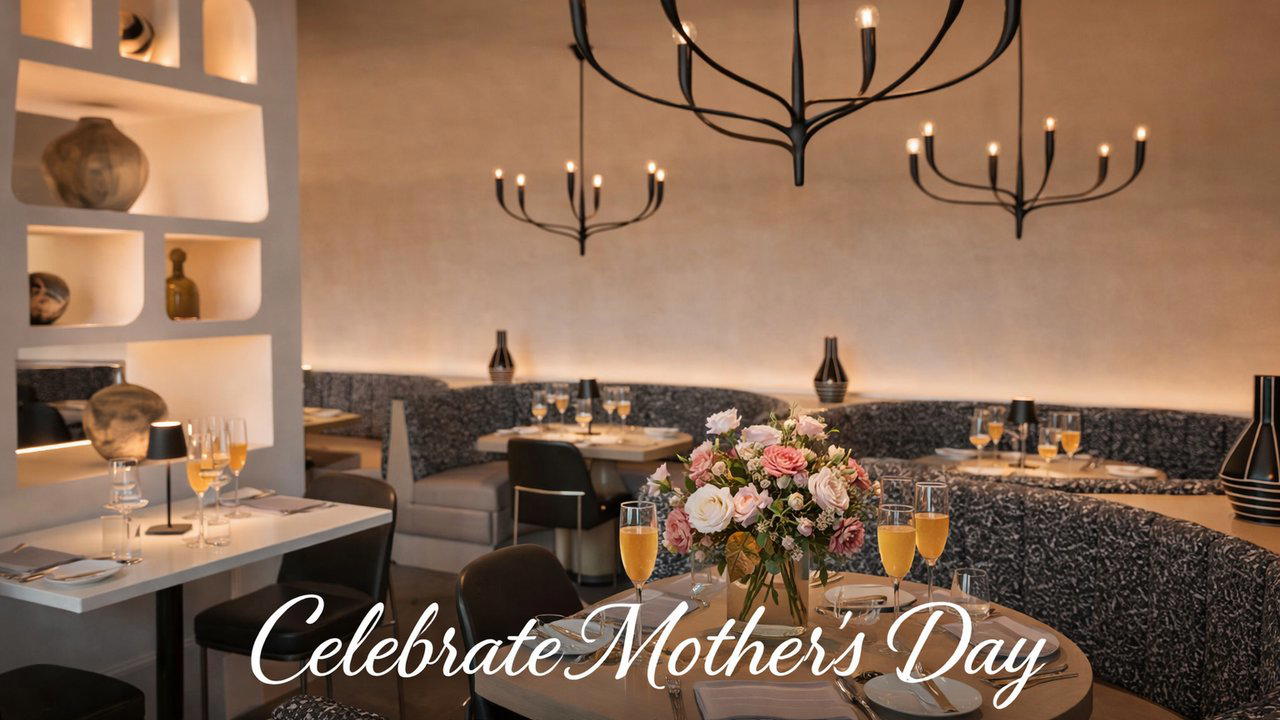
Wood and Smoke on Alamo Street
The address alone sets the frame. Sitting at 222 S Alamo St, Oak & Amber occupies a position at the geographic and cultural centre of San Antonio, a block from the River Walk and a short walk from the city's museum district. That placement matters in a city where dining has historically clustered around tourist infrastructure but is now pushing toward a more considered, ingredient-led model. The wood-fired steakhouse format, which Oak & Amber works within, represents one strand of that shift: a return to technique-first cooking where the heat source is as important as the cut.
San Antonio's restaurant scene has matured considerably over the past decade. The city that once leaned heavily on Tex-Mex and chain dining now sustains a range of serious independent restaurants, from the austere, reservation-only tasting format at Mixtli to the fire-and-smoke driven craft at 2M Smokehouse. Wood-fired steakhouses occupy a specific niche within this, one that bridges the regional reverence for beef with a more technique-conscious execution than the traditional Texas chop house.
The Case for Dry-Aging in a Fire-First Kitchen
The relationship between aging and heat matters most at a wood-fired steakhouse. Dry-aging is not merely a preservation technique; it is a flavour development process. Over the course of days or weeks, moisture evaporates from the surface of a cut, concentrating the beef's natural glutamates and producing the characteristic nutty, almost funky depth that separates a properly aged steak from a commodity piece of protein. The longer the hang time, the more pronounced the flavour transformation, though the outer crust, called the pellicle, must be trimmed before service, which means waste increases alongside complexity.
Wood fire adds a second layer of chemistry. The Maillard reaction, the browning process that creates crust, proceeds differently over hardwood coals than over gas or induction. Temperature spikes are less controllable but more intense. The smoke contributes volatile aromatic compounds that interact with the aged beef's existing flavour profile. The result, when the two techniques are applied well, is a steak that reads in distinct stages: first smoke, then char, then the concentrated, almost mineral depth of the aged meat itself.
This is the tradition Oak & Amber works within. The name signals the two key elements: oak as the primary fuel choice, amber as a reference to the colour of a properly rendered fat cap or, more likely, the amber tones of a rested, aged cut under warm light. Both choices are deliberate in a kitchen serious about its source material.
Where Oak & Amber Sits in the San Antonio Tier
San Antonio's current dining tier can be mapped roughly by format and price point. At the lower end, strong value exists in the barbecue and taqueria traditions, with places like Barbecue Station holding their own against better-known names. Mid-tier covers a broad range of neighbourhood restaurants and river-adjacent casual dining. Above that sits a smaller cluster of serious independent restaurants where cooking ambition and price reflect each other more accurately.
Wood-fired steakhouses typically land in the upper-mid to premium tier, not because of tablecloth formality but because the cost structure of dry-aged beef and live-fire maintenance makes lower price points difficult to sustain. Comparable formats in other Texas cities, and in cities like New York and San Francisco where places such as Lazy Bear have pushed fire-cooking into the fine-dining conversation, tend to price at a level that reflects both ingredient quality and the labour intensity of the technique. Oak & Amber, at its Alamo Street location, sits within that competitive set locally, alongside more cuisine-specific destinations like Aleteo, which takes a different approach to ingredient sourcing through its Yucatán-influenced menu.
For diners calibrating expectations against national benchmarks, the wood-fired steakhouse genre has reference points at every tier. At the high end nationally, places like The French Laundry and Le Bernardin represent the ceiling of American fine dining, while restaurants like Single Thread Farm show how live-fire and produce-driven cooking can coexist at a serious level. Oak & Amber operates in a different register, one grounded in Texas beef culture rather than modernist precision, but the underlying craft conversation is the same.
Neighbourhood and Timing
The S Alamo St corridor runs through the southern edge of downtown San Antonio, connecting HemisFair Park to the north end of King William, one of the city's older residential districts. The block density here is higher than the River Walk's tourist-facing strip, and the mix of residents, arts visitors, and hotel guests creates a more varied dining crowd than the purely tourist-dependent restaurants a few blocks east.
Evenings on this stretch tend to start earlier than in comparable neighbourhoods in larger Texas cities. San Antonio diners, particularly those attending shows at the nearby Tobin Center or events at the McNay, often eat at 6:30 or 7pm rather than the later 8pm window common in Austin or Dallas. For a wood-fired kitchen, this matters, since the fire takes time to build and maintain at the right temperature, and early service windows can sometimes mean the grill is still finding its rhythm. Visiting on a Thursday or Friday evening, when kitchen throughput is higher and the fire has more consistent demand, tends to produce better results at this style of restaurant.
For visitors building a wider itinerary around San Antonio's dining scene, the broader picture is available through our full San Antonio restaurants guide. Those looking to extend an evening might also consult our full San Antonio bars guide for post-dinner options nearby. Overnight stays in the area are covered in our full San Antonio hotels guide, and for those interested in the broader Texas wine conversation, our full San Antonio wineries guide covers the Hill Country producers within range. Cultural programming and guided experiences are detailed in our full San Antonio experiences guide.
Other restaurants worth comparing in the San Antonio independent scene include Isidore, which works a different part of the Texan culinary tradition.
A Pricing-First Comparison
Comparable venues nearby, for context on price, style, and recognition.
| Venue | Cuisine | Price | Notes |
|---|---|---|---|
| Oak & AmberThis venue — the venue you are viewing | Not listed | $$$ | Not listed |
| J-Prime Steakhouse | Far North Central, Modern Steakhouse | $$$$ | Not listed |
| Mencius' Gourmet Hunan Restaurant | Northwest, Gourmet Hunan Chinese | $$$ | Not listed |
| Frederick's Bistro | Shavano Park, French-Asian Fusion Bistro | $$$ | Not listed |
| TARDIF'S AMERICAN BRASSERIE | Not listed | $$$ | The Dominion, French Brasserie with Texas Flair |
| Moda Fare | Not listed | $$$ | Convention Center District, Modern Italian |
Continue exploring
More in San Antonio
Restaurants in San Antonio
Browse all →
Bars in San Antonio
Browse all →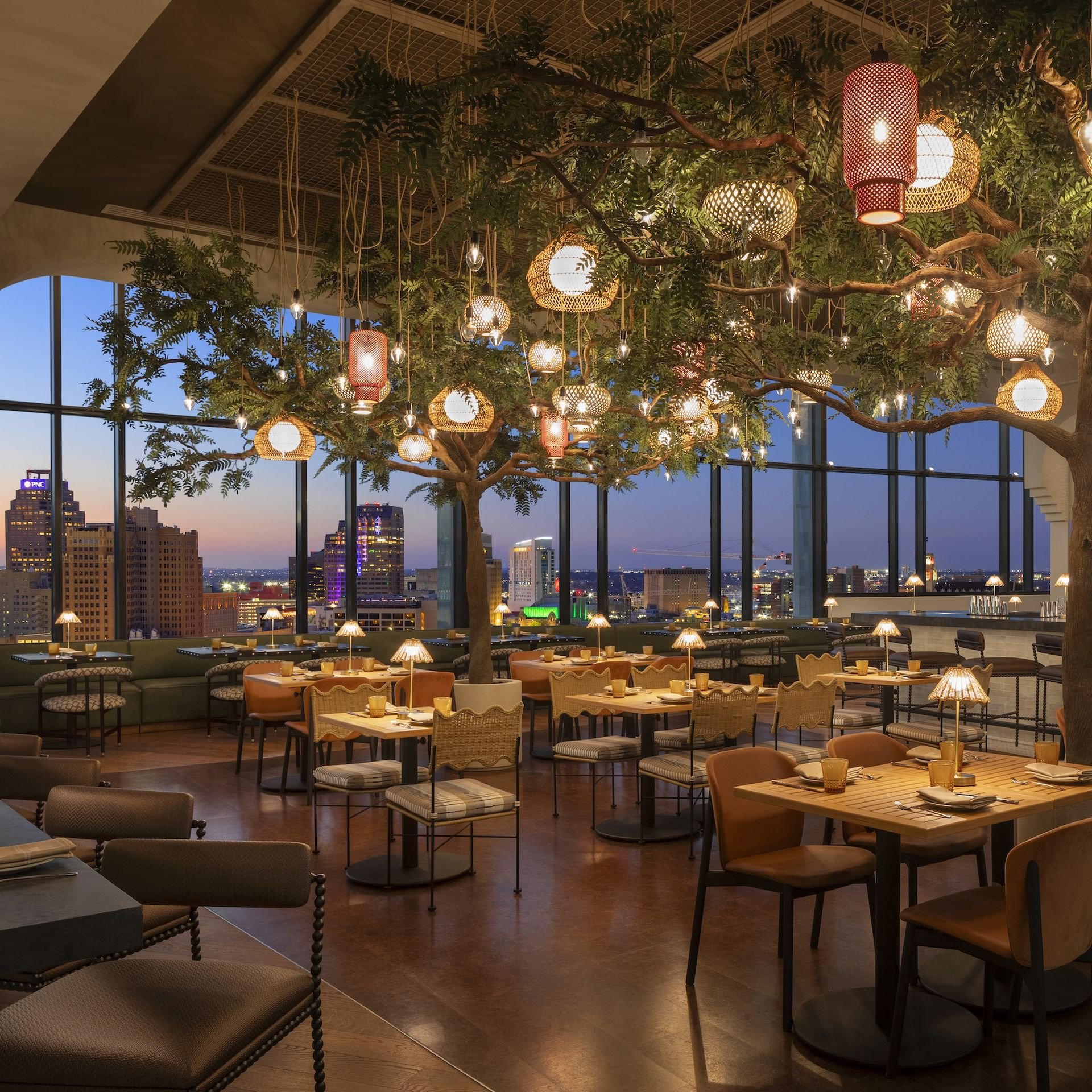
Hotels in San Antonio
Browse all →
Wineries in San Antonio
Browse all →
At a Glance
- Elegant
- Intimate
- Modern
- Sophisticated
- Date Night
- Special Occasion
- Business Dinner
- Open Kitchen
- Extensive Wine List
- Local Sourcing
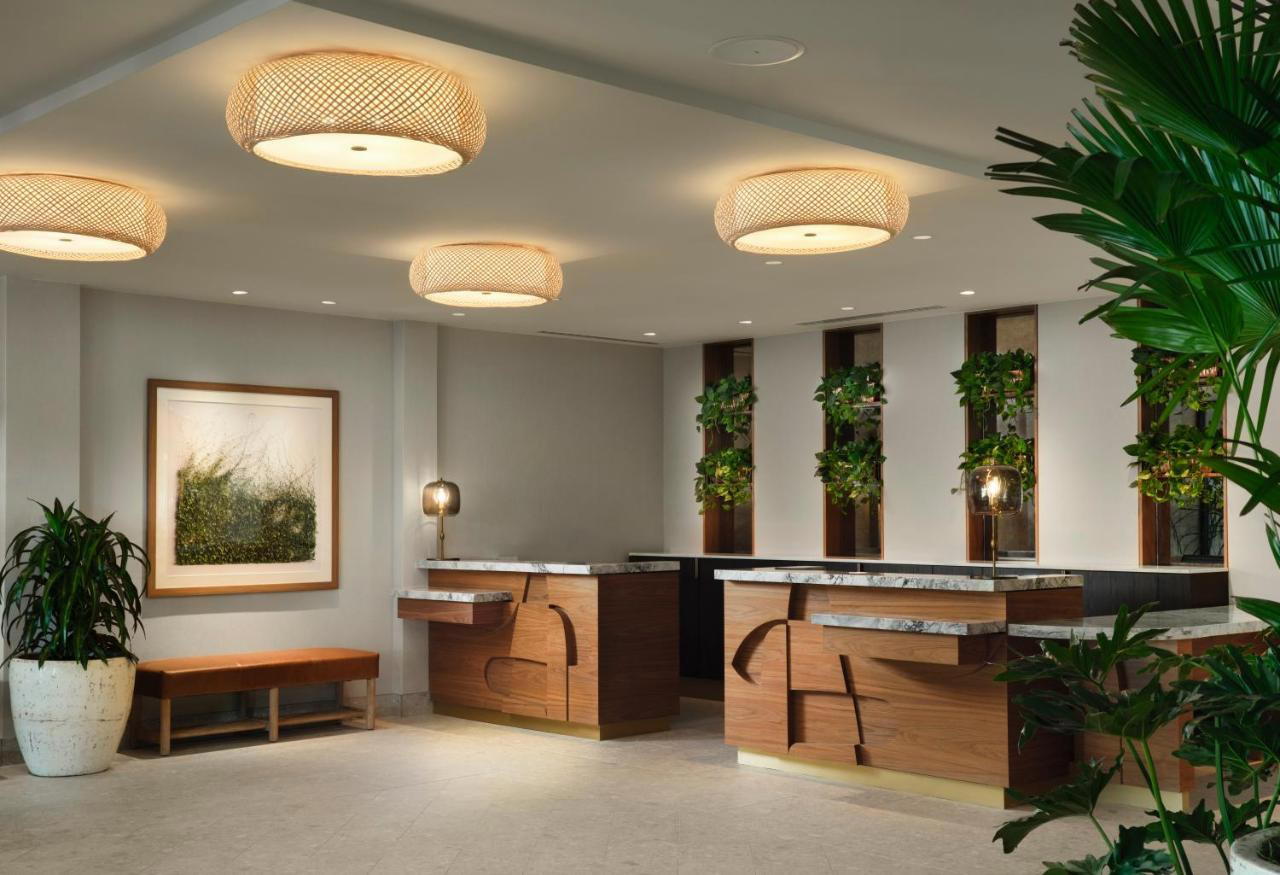
Warm amber-lit space with light neutral tones and curved architectural details creating a luminous and inviting atmosphere.