
Tabelog 100 #59
Our verdict
Nukazuke Kobo nipote Misasa honten brings Hiroshima’s yoshoku conversation into the grammar of rice-bran pickling rather than sauce-heavy nostalgia. The small counter-led room in Nishi Ward uses nukazuke across vegetables, fish, meat, oysters and fruit, with Tabelog 100 Yoshoku WEST 2025 recognition placing it among the region’s notable Japanese-Western kitchens.

Pearl is the En Primeur Club membership app, where members save venues, book tables and use the concierge.
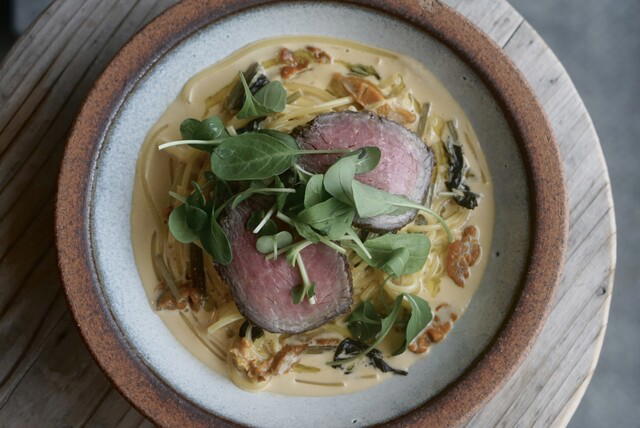
The menu
What to order
- 旬の野菜盛り合わせ
- エビとイカのビスク
- 赤鶏のロティ
- 和牛もも肉のタリアータ
A focused yoshoku restaurant changes the rhythm of a meal before the first plate arrives. Instead of presenting Japanese-Western cooking as broad comfort food alone, Nukazuke Kobo nipote Misasa honten invites attention to seasoning, balance and the quieter adjustments that can make a compact Hiroshima meal feel purposeful.
Hiroshima dining is often introduced through okonomiyaki, oysters and sake, but smaller specialist rooms make the city more interesting. Nukazuke Kobo nipote Misasa honten belongs to that register. Its name points toward nukazuke, the everyday Japanese practice associated with rice-bran pickling, while its listed category places it in yoshoku, Japanese-style Western cuisine. That matters because yoshoku is already a cuisine of translation: Western forms filtered through Japanese appetite, pantry and pacing. Here, the useful frame is a local, fermentation-minded reading rather than a claim to a grand tasting-menu spectacle.
Rice-bran pickling becomes a useful lens, not just a garnish
Nukazuke usually appears quietly: pickled vegetables beside rice, a small palate-reset plate, a domestic technique with deep roots and little ceremony. In a yoshoku setting, even the idea can feel more assertive. At Nukazuke Kobo nipote Misasa honten, the name gives diners a clear conceptual hook, making preservation and seasoning part of how many visitors will read the restaurant rather than a mere supporting detail. The point is not spectacle, but a disciplined way of thinking about Japanese-Western cooking in a more local, more Japanese register.
That makes the restaurant useful for travellers who have eaten the city’s obvious signatures and want to see how Hiroshima cooks work at smaller scale. Compared with casual Hiroshima staples such as MINOYA, NIKUTAMA Yokogawa hiroshima honten and LOPEZ, this is more specialised: narrower in theme, more dependent on interest in technique, and less about covering every possible craving. The price band places it above everyday lunch stops and below many formal special-occasion meals, giving it a clear role in a Hiroshima itinerary: serious enough to plan around, not necessarily a ceremony.
The Tabelog Hyakumeiten Yoshoku recognition for 2025 is the clearest external signal. Tabelog’s Hyakumeiten lists tend to reward genre-specific depth rather than international luxury cues, and yoshoku is a category where regional interpretation matters. A 3.61 Tabelog score suggests a restaurant being judged on focus rather than scale. For Hiroshima’s wider range, compare it with other dining rooms in the city, where the conversation may move toward contemporary cooking, baking, cafés, drinking culture or more familiar local comfort food.
The ritual is quiet: sit close, follow the sequence, let acidity do its work
The meal’s logic is not about grand theatre. It is better approached as a sequence of small adjustments: salt against sweetness, sharpness against richness, and yoshoku’s familiar comfort against a more restrained Japanese sense of balance. The etiquette is simple: order with curiosity, do not treat the pickled or seasoned elements as peripheral, and let the pacing show how each flavour resets the next.
That split identity is the attraction. Yoshoku can lean generous and nostalgic, while the nukazuke reference brings restraint, acidity and a sense of Japanese domestic technique into the way the restaurant is understood. This is not a generic all-purpose restaurant; the appeal lies in how a familiar category can be tightened by a single organizing idea. Diners who enjoy fermentation, seasoning and contrast will understand the point faster than those looking only for a broad menu.
Hiroshima’s better specialist dining often rewards targeted planning. Other Hiroshima dining rooms point toward the city’s drinking-and-dining culture, while local bakeries, cafés and sweet specialists show how one item can carry loyalty across generations. Together, these formats argue against treating Hiroshima as a one-dish city. Build a day around category contrasts: a bakery or cake stop, a focused restaurant meal, a sake-led evening, then a separate slot for okonomiyaki rather than forcing everything into one narrative.
How to place it in a Hiroshima dining plan
The practical case is strongest for diners wanting a compact, technique-led meal in Hiroshima rather than a long formal dinner. The restaurant’s Tabelog Hyakumeiten Yoshoku 2025 recognition gives it a current signal, and the listed budget helps set expectations: lunch is JPY 2,000 to JPY 2,999, while dinner is JPY 5,000 to JPY 5,999. That spread makes it useful for travellers who want a meal with a clear point of view without treating it as the only major booking of the trip.
The Hiroshima setting also shapes the decision. This is a local specialist choice, not a monument-chasing stop. It suits travellers comfortable making time for a smaller, more focused restaurant rather than staying only with the most obvious sightseeing-and-dining circuit. Approach it as one part of a broader Hiroshima plan: a place to consider how yoshoku can be sharpened by fermentation-minded seasoning and local appetite.
For a fuller trip, use Our full Hiroshima restaurants guide alongside Our full Hiroshima hotels guide, Our full Hiroshima bars guide, Our full Hiroshima wineries guide and Our full Hiroshima experiences guide. Travellers extending the same food-first lens across Japan can compare regional specialist formats generically: tightly focused counters, single-theme casual restaurants, local bakeries, curry rooms, drinking-led dining and other compact formats that make sense because the idea is clear. The useful comparison is not a list of famous names, but the discipline of choosing one theme and carrying it through.
The verdict is concise: choose Nukazuke Kobo nipote Misasa honten for a Hiroshima meal framed by yoshoku, seasoning and a fermentation-minded reading of its name. It is less suited to diners wanting broad menu sprawl or ceremony, and better for those who want a focused local argument on the plate.
Frequently asked questions
What are the opening hours for Nukazuke Kobo nipote Misasa honten?
Opening hours for Nukazuke Kobo nipote Misasa honten should be checked directly with the restaurant before visiting.
How much does it cost to eat at Nukazuke Kobo nipote Misasa honten?
Pricing at Nukazuke Kobo nipote Misasa honten is listed as dinner: JPY 5,000 - JPY 5,999; lunch: JPY 2,000 - JPY 2,999.
Where exactly is Nukazuke Kobo nipote Misasa honten?
Hiroshima.
What's the defining dish or idea at Nukazuke Kobo nipote Misasa honten?
Nukazuke Kobo nipote Misasa honten is listed in the yoshoku, Japanese-style Western cuisine, category and was selected for Tabelog Hyakumeiten Yoshoku in 2025.
Is Nukazuke Kobo nipote Misasa honten good for vegetarians?
Vegetarian suitability should be checked directly with the restaurant. The appeal of Nukazuke Kobo nipote Misasa honten is its focused yoshoku identity in Hiroshima.
Cuisine-First Comparison
Comparable venues by cuisine and price in the same metro.
| Venue | Cuisine | Price | Awards | Notes |
|---|---|---|---|---|
| Nukazuke Kobo nipote Misasa hontenThis venue (the venue you are viewing) | Nukazuke-focused Yoshoku (Japanese-style Western) | $30–50 | Tabelog 100 #59 | Not listed |
| Soraya | Japanese Standing Bar | $10–20 | Tabelog 100 #28 | Naka |
| Denko Sekka (電光石火) | Hiroshima-style Okonomiyaki | $10–20 | Not listed | Hiroshima Station area |
| Stand Loki | Japanese Standing Bar | $10–20 | Tabelog 100 #50 | Naka |
| Butter Cake no Nagasaki Do | Japanese Butter Cake Shop | $10–20 | Tabelog 100 #6 | Naka |
| Ichigo Ichie | Hiroshima okonomiyaki & teppanyaki | $30–50 | Tabelog 100 #73 | Naka |
Recognition history
Dated appearances from independent guides and award organizations, with the underlying list record or original source where available.
Tabelog 100 #59 · No. 59
Tabelog · Tabelog 100 - Yoshoku - WEST - 2025
Continue exploring
More in Hiroshima
Restaurants in Hiroshima
All restaurants in Hiroshima →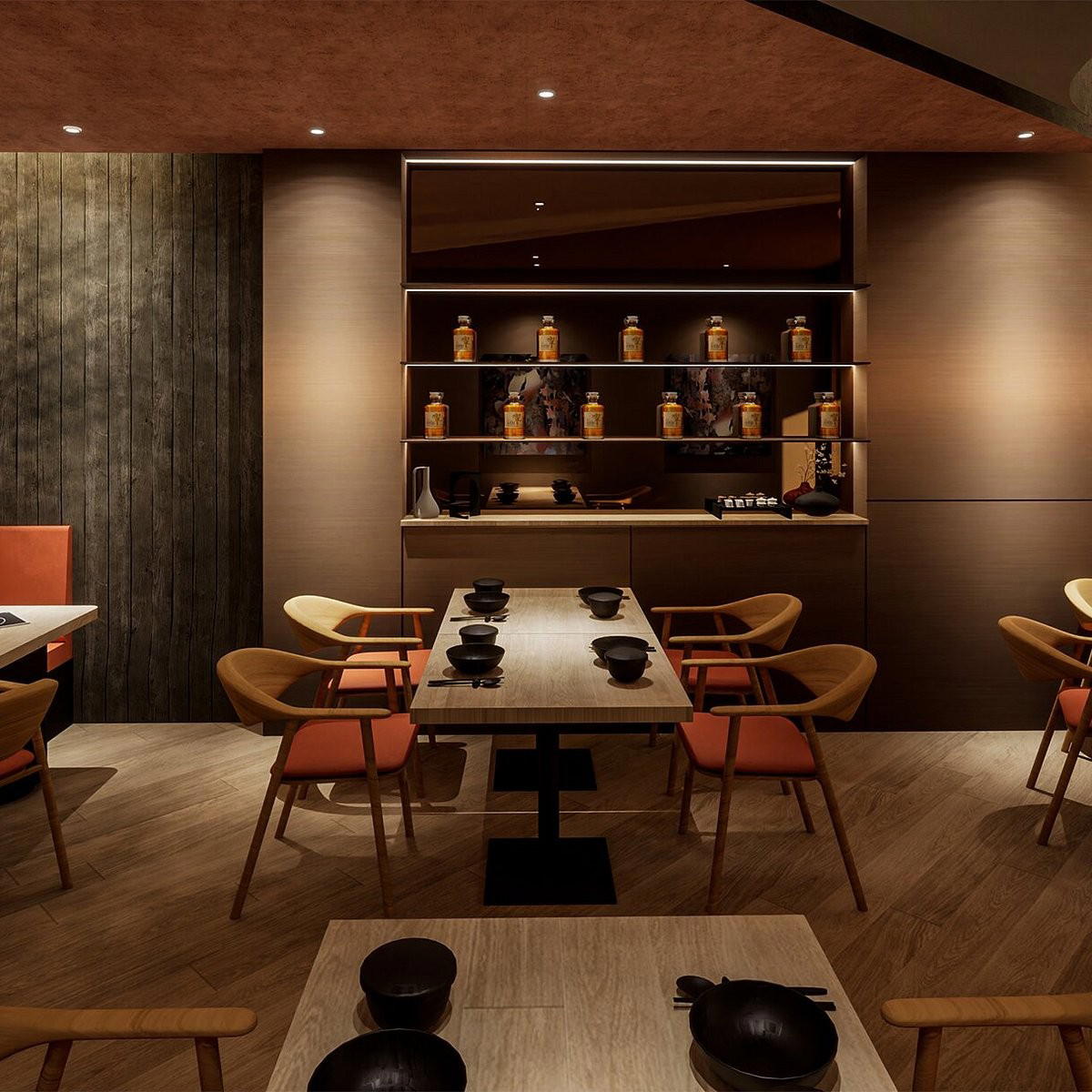
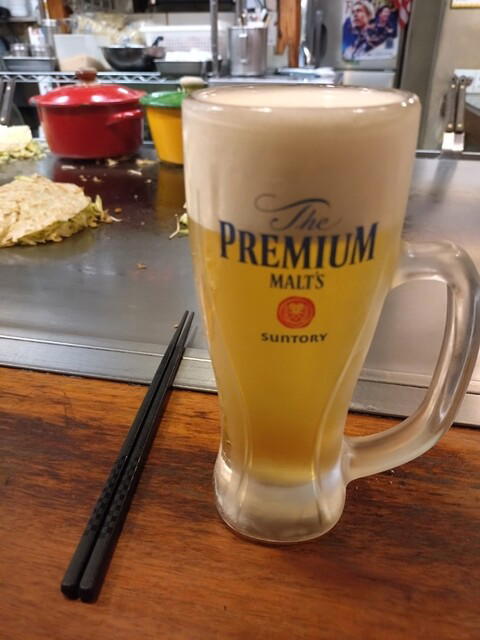
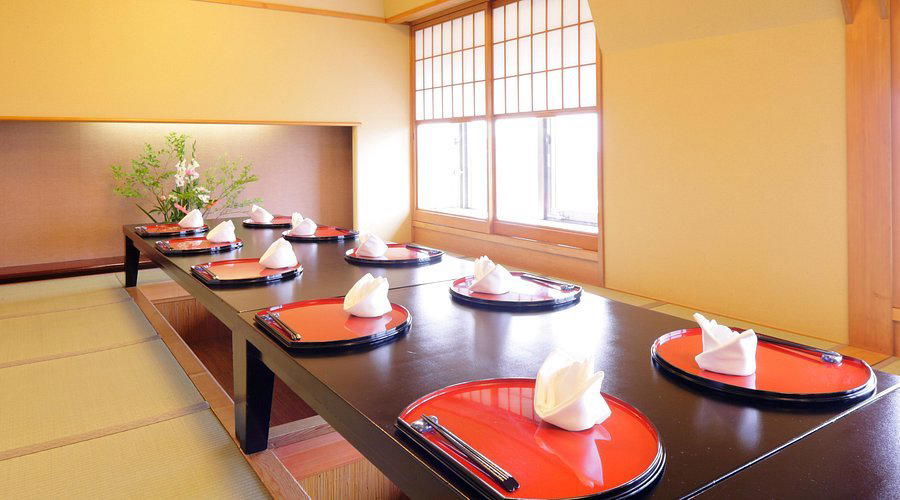
Bars in Hiroshima
All bars in Hiroshima →
Details
- Cozy
- Modern
- Intimate
- Date Night
- Casual Hangout
- Group Dining
- Solo
- Standalone
- Design Destination
- Local Sourcing
- A La Carte
- Set Menu
- Pescatarian Friendly
Current opening hours
- Monday
- 12–2:30 PM
- Tuesday
- Closed
- Wednesday
- Closed
- Thursday
- 12–10 PM
- Friday
- 12–10 PM
- Saturday
- 12–10 PM
- Sunday
- 12–10 PM
Hours can change for holidays and private events. Hours as of .
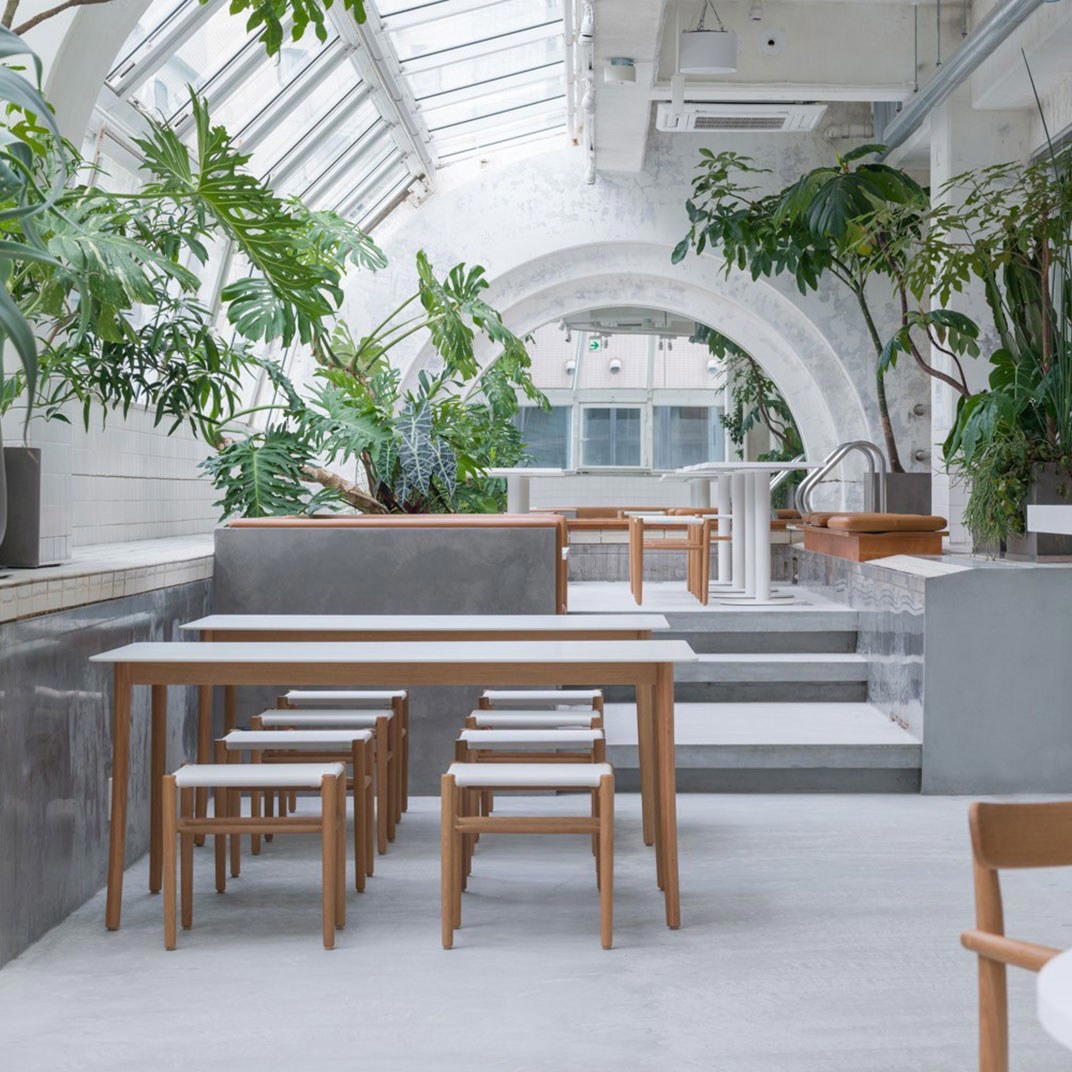
A small, modern yoshoku dining room in residential Nishi-ku with a warm, nostalgic but contemporary feel, where guests linger over course-style lunches and dinners centered on inventive nukazuke dishes.