

Michelin Plate · World's 50 Best #93
Our verdict
Housed inside Shopping Light in São Paulo's Centro Histórico, NOTIÊ is a Michelin Plate-recognised restaurant where Paraíba-born chef Onildo Rocha translates Brazil's biomes into structured tasting menus. The format places native ingredients and regional technique at the centre, drawing from Northeastern pantries, Amazonian produce, and the Cerrado. It sits in the mid-to-upper tier of São Paulo's contemporary Brazilian dining circuit, priced at $$$ and reviewed at 4.4 across 1,673 Google responses.

Pearl is the En Primeur Club membership app — saves, bookings, and concierge access live there. Same editors, same standards.
The menu
What to order
- Cashew and black tucupi custard with fish eggs
- Coffee-crusted lamb
- Brioche with mate
- Oxtail with Brazilian nuts
- Caju with fish roe
A Different Entry Point into São Paulo's Centre
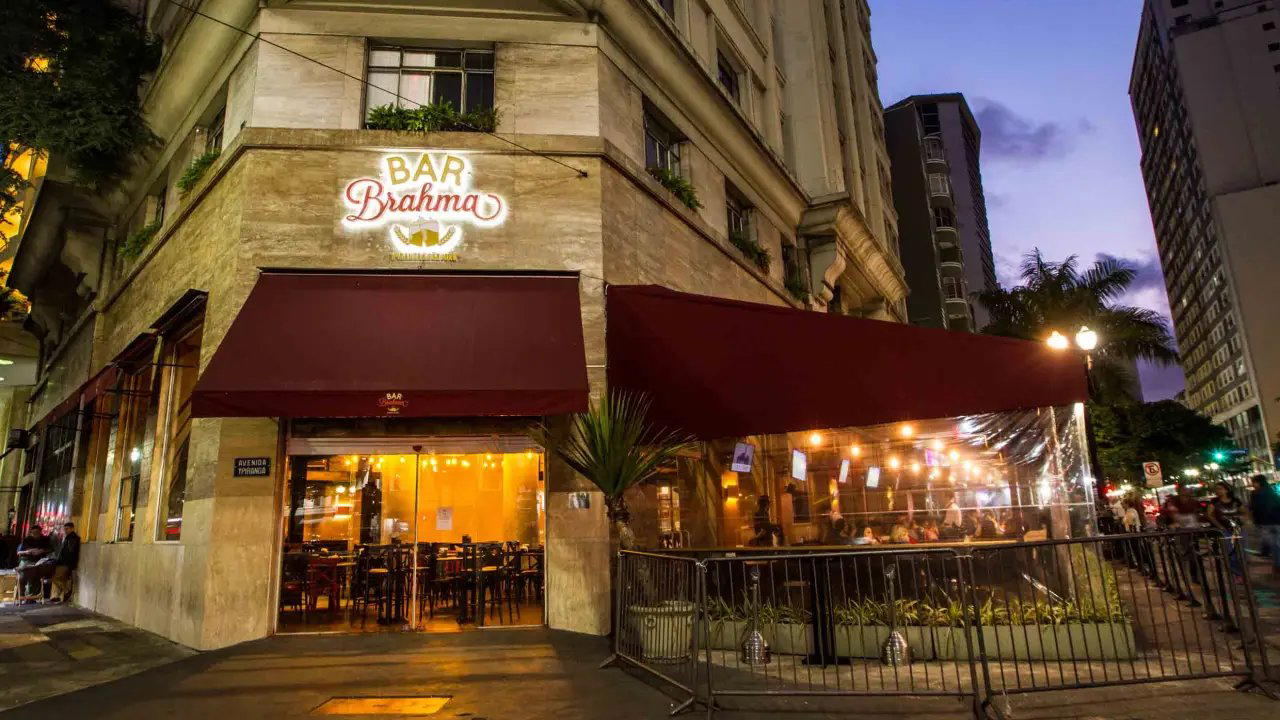
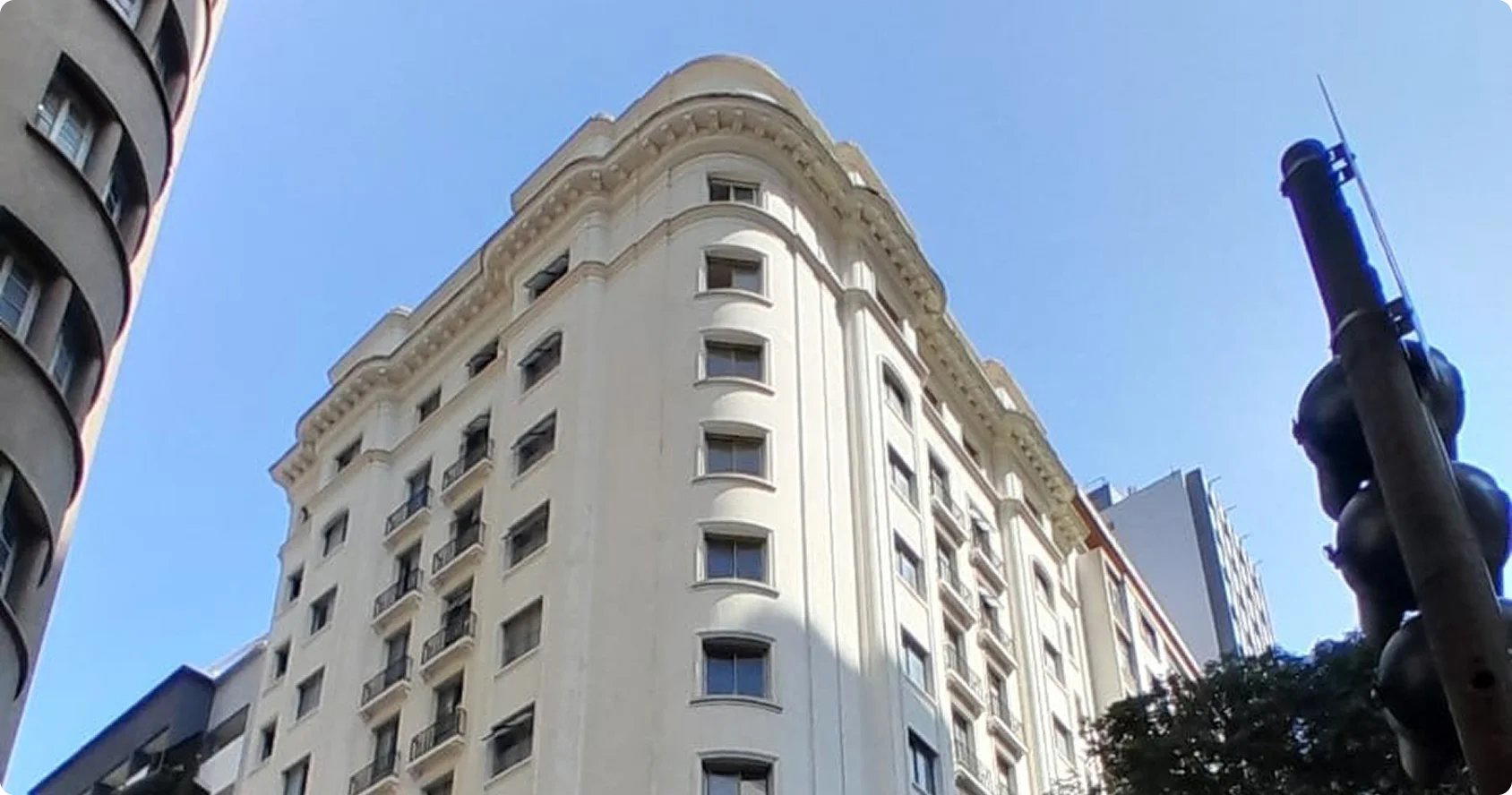
Most visitors arrive at Shopping Light through the main entrance on Praça da Sé, but NOTIÊ is accessed from the car park side, off Rua Formosa, 157. That detail matters: the approach frames the experience before you sit down. The Centro Histórico is not where São Paulo's restaurant scene is typically concentrated — Pinheiros, Vila Madalena, and Jardins dominate that conversation — so a Michelin Plate holder operating inside a heritage shopping complex in the old city centre represents a specific editorial choice about audience and identity.
São Paulo's contemporary Brazilian dining circuit has, over the past decade, split into two broad tendencies. One group works in the Itaim Bibi and Vila Nova Conceição corridor, pricing against international fine-dining peers. The other reaches back into Brazilian regional traditions, the Nordeste, the Amazon basin, the Cerrado, and uses tasting-menu format to make that argument more coherently. NOTIÊ, with its Paraíba-rooted identity and biome-led structure, belongs firmly to the second group. At $$$, it prices below the top tier occupied by venues like D.O.M. ($$$$) and Evvai ($$$$), and alongside peers like Maní, which occupies a similar $$$ band with a Brazilian-international creative approach.
The Mole Parallel: What Complexity Looks Like in Brazilian Cooking
The editorial angle most useful for understanding NOTIÊ is not unique to Mexico, though the mole tradition offers the clearest parallel. Mole, particularly Oaxacan negro or manchamanteles, is built on the principle that complexity comes from accumulation: thirty or more ingredients, multiple chilli varieties, roasted seeds, chocolate, and fermented elements, all slow-cooked into a single sauce that resists easy description. The technique demands that no single ingredient dominate. The result is a dish where provenance and process are inseparable from flavour.
Brazilian cooking has its own version of this logic, though it is less codified internationally. The moquecas of Bahia, the tucupí-based preparations of Pará, and the tapioca-and-coalho constructions of the Nordeste all share the same underlying principle: flavour depth that comes from knowing a specific geography. Chef Onildo Rocha, born in Paraíba, works from this position. His tasting menus at NOTIÊ are structured around Brazilian biomes, the Caatinga, the Atlantic Forest, the Amazon, the Cerrado, treating each as a distinct pantry with its own logic of ingredient combination. That approach requires the same discipline as mole-making: restraint in how elements are combined, precision in sourcing, and enough confidence in the regional identity to let it carry the menu without international reference points.
The Michelin Plate recognition in both 2024 and 2025 signals that the format is being executed consistently, not as a one-season achievement. Diners who have eaten at Banzeiro, São Paulo's most-discussed Amazonian address, will recognise the structural similarity: both kitchens use the tasting-menu format to present a single region's ingredients as a complete argument rather than an exotic detour.
São Paulo's Regional Brazilian Dining Tier
Understanding where NOTIÊ sits requires mapping the broader São Paulo scene. A Casa do Porco ($$) makes the case for Brazilian pork and regional technique at high volume and low price. D.O.M. ($$$$) operates at the internationally-cited apex of modern Brazilian cuisine. NOTIÊ at $$$ occupies the middle register, where the price point is serious enough to signal a tasting-menu commitment without requiring the full fine-dining outlay. That positioning gives it access to a wider audience than the top tier while maintaining the structural integrity of a multi-course format.
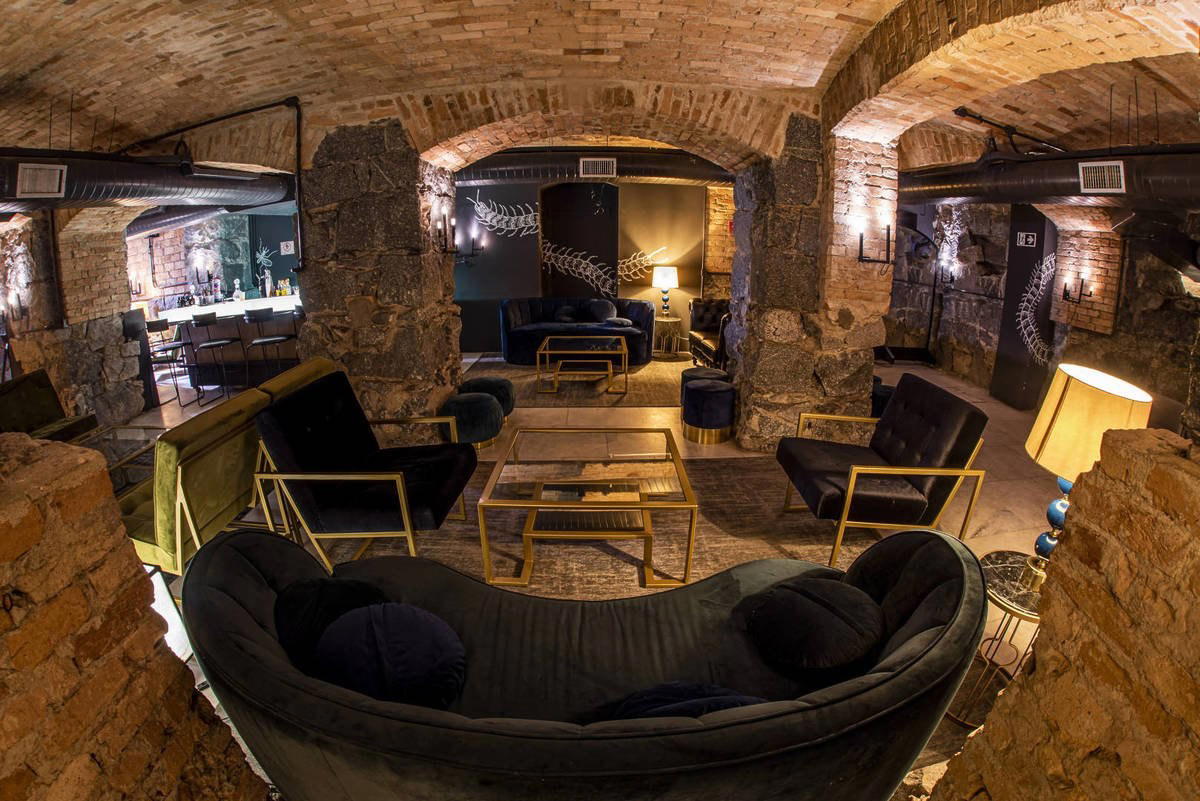
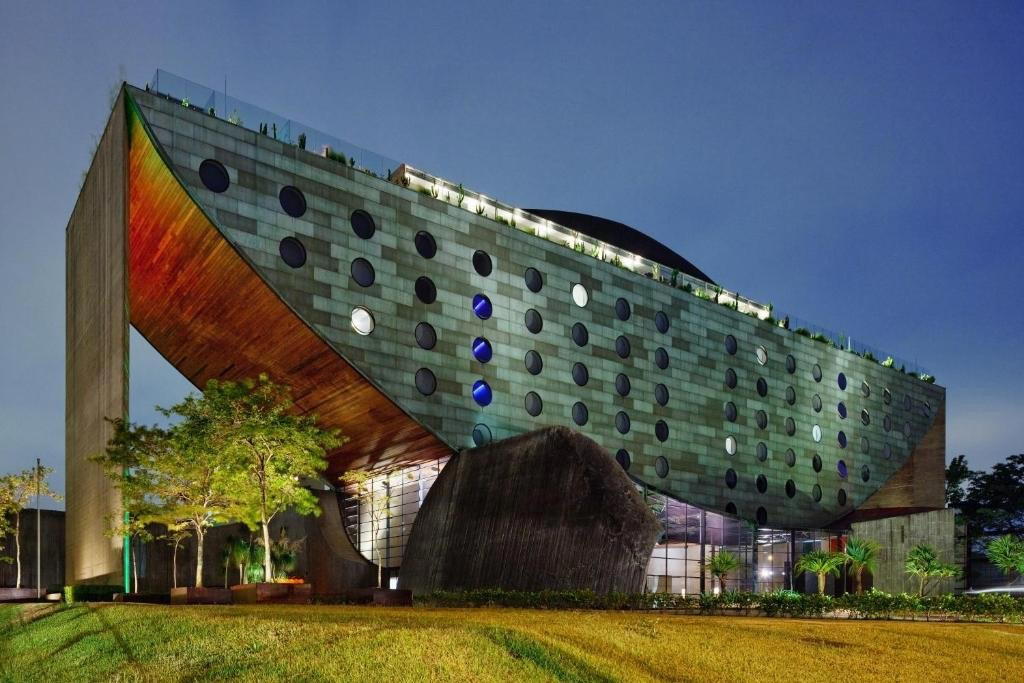
The Centro Histórico setting adds a layer not available to Pinheiros restaurants: proximity to São Paulo's architectural and civic history. Shopping Light occupies one of the city's landmark early-20th-century buildings. Dining in that context, particularly when the kitchen is drawing on Brazilian regional identity, creates a different resonance than the same meal served in a contemporary Itaim fit-out. Whether that resonance matters to a given diner is a question of priorities, but it is not incidental to how NOTIÊ positions itself.
For broader context on how São Paulo's regional Brazilian restaurants compare across price tiers and neighbourhoods, see our full São Paulo restaurants guide. Other relevant addresses in the city include A Baianeira for Bahian-rooted cooking, AE! Café & Cozinha, Balaio IMS, and Casa Rios.
Brazil Beyond São Paulo: The Biome Argument in Other Cities
The biome-led approach that defines NOTIÊ's format appears with different regional inflections across Brazil. Manga in Salvador works from a Bahian base with comparable seriousness. Orixás in Itacaré addresses the Atlantic Forest and coastal Bahia. Lasai in Rio de Janeiro and Rudä in Rio both work within a similar structure of place-anchored tasting menus in a southern Brazilian context. Aconchego Carioca in Rio takes a less formal but equally ingredient-committed approach. Further south, Mina in Campos do Jordão, Primrose in Gramado, and Castelo Saint Andrews in Gramado demonstrate how the regional-identity argument plays in cooler, European-influenced southern Brazilian contexts. Taken together, these addresses suggest that the biome-as-menu-structure approach is not an isolated São Paulo phenomenon but a coherent national tendency in premium Brazilian dining.
São Paulo also offers significant depth beyond restaurants. See our full São Paulo hotels guide, our full São Paulo bars guide, our full São Paulo wineries guide, and our full São Paulo experiences guide for the wider picture.
Know Before You Go
- Address: Shopping Light, access via car park, Rua Formosa, 157, Centro Histórico de São Paulo, SP 01049-000
- Price range: $$$
- Awards: Michelin Plate 2024 and 2025
- Kitchen focus: Brazilian tasting menus structured around regional biomes; Paraíba-rooted culinary identity
- Booking: Confirm current reservation method directly with the venue; no online booking link confirmed in
- Access note: Enter via the car park entrance on Rua Formosa, not the main shopping centre facade
- Neighbourhood context: Centro Histórico, plan transport in advance, as the area has different taxi and app-car dynamics than Pinheiros or Jardins
Frequently asked questions
Can I bring kids to NOTIÊ?
At the $$$ price tier in São Paulo's tasting-menu category, the format — multi-course, paced, biome-focused — is designed for extended seated dining rather than flexible, family-style eating. Contacting the venue directly before booking with children is advisable.
What is the atmosphere like at NOTIÊ?
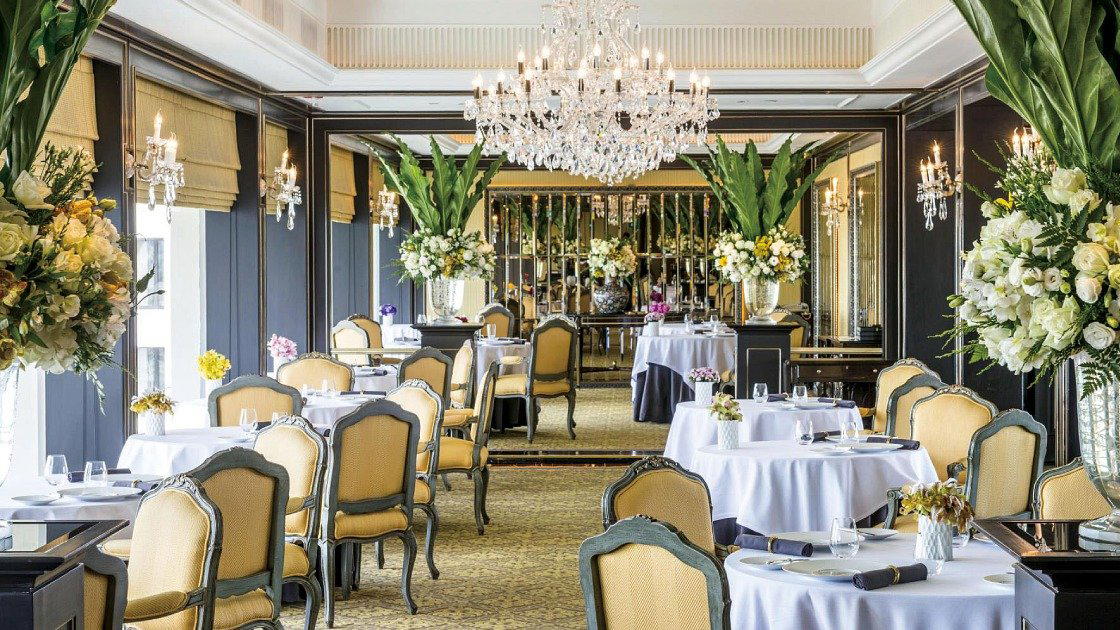
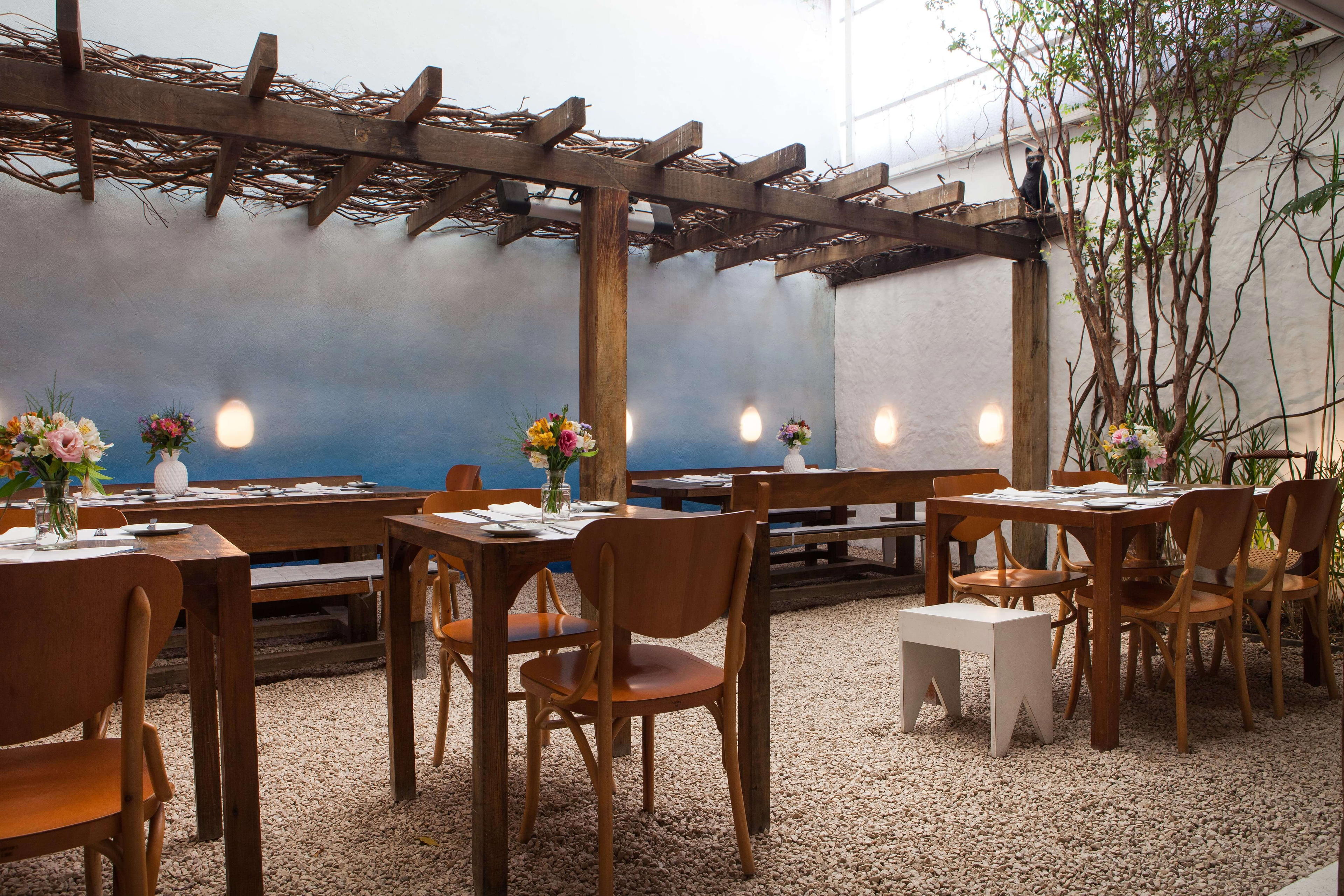
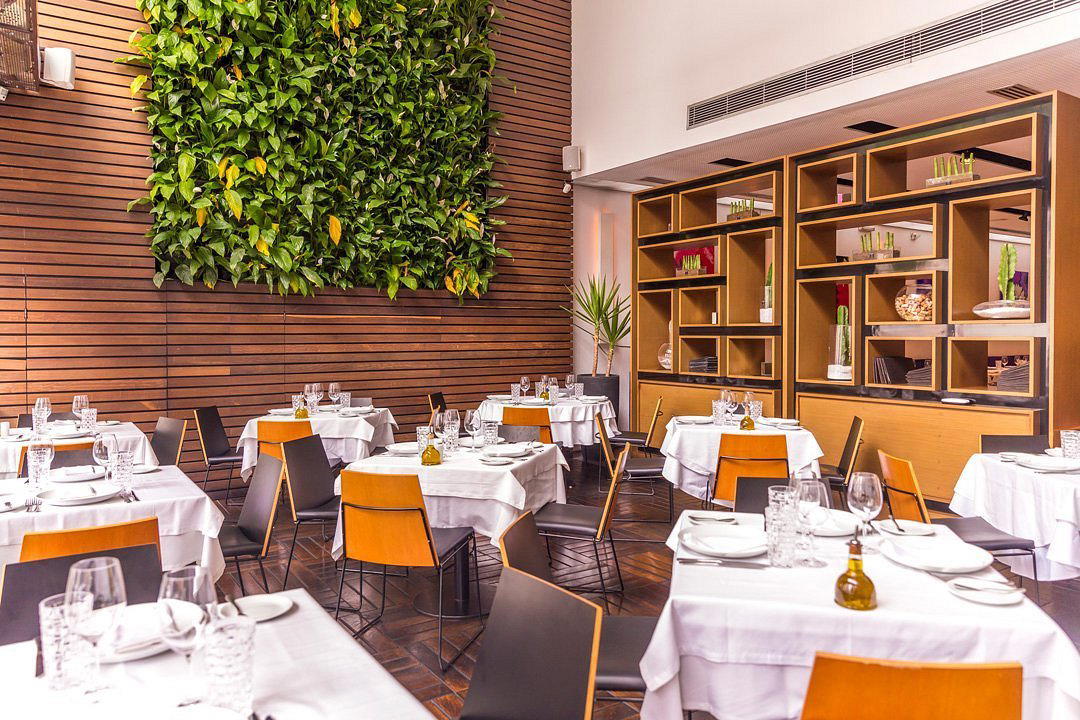
NOTIÊ occupies a space inside Shopping Light, a heritage commercial building in São Paulo's Centro Histórico, accessed from the car park entrance on Rua Formosa rather than the main plaza-facing doors. That approach sets the tone: the setting is more considered than the mall context suggests, framing a $$$-tier tasting menu experience within a building that carries genuine architectural history. Expect a deliberate, course-led pace rather than a casual drop-in atmosphere.
What kind of recognition has NOTIÊ received?
NOTIÊ has received recognition including: Michelin Plate (2025); Notiê, a creation by Paraíba-born chef Onildo Rocha, offers a multisensory experience deeply rooted in Brazilian biomes. Rocha's tasting menus celebrate the diverse landscapes of his home country.; Michelin Plate (202….
What should I eat at NOTIÊ?
The tasting menu is the format NOTIÊ is built around, and the one that earned Michelin Plate recognition in both 2024 and 2025. Chef Onildo Rocha structures each menu around Brazil's regional biomes, drawing on ingredients and traditions from across the country rather than a single culinary canon.
Peers Worth Knowing
| Venue | Cuisine | Price | Awards | Notes |
|---|---|---|---|---|
| NOTIÊThis venue — the venue you are viewing | Modern Brazilian Regional Biome Tasting Menu | $50–100 | Michelin Plate · World's 50 Best #93 | Not listed |
| Evvai | Modern Italian-Brazilian Fusion | $200–300 | 3 Michelin Stars · World's 50 Best #95 | Contemporary Italian, Modern Cuisine |
| D.O.M. | Modern Brazilian Amazonian Fine Dining | $150–200 | 2 Michelin Stars · World's 50 Best #74 | Modern Brazilian, Creative |
| Maní | Modern Creative Brazilian | $50–100 | 1 Michelin Star · World's 50 Best #67 | Brazilian - International, Creative |
| Jun Sakamoto | Japanese Omakase | $100–150 | 1 Michelin Star · La Liste Top Restaurants | Sushi, Japanese |
| A Casa do Porco | Modern Brazilian Pork-Centric | $30–50 | Michelin Bib Gourmand · World's 50 Best #25 | Regional Brazilian, Brazilian |
Recognition history
Dated appearances from independent guides and award organizations, with the underlying list record or original source where available.
Michelin Plate
Michelin
World's 50 Best Latin America's Best Restaurants #93
World's 50 Best
Full recognition history (3 entries)
Michelin Plate
Michelin
Continue exploring
More in São Paulo
Restaurants in São Paulo
All restaurants in São Paulo →
NOTIÊ
The wine
- Wine program
- Curated wine list
- Sommelier-led
- Craft cocktails
Details
- Elegant
- Intimate
- Sophisticated
- Scenic
- Date Night
- Special Occasion
- Celebration
- Rooftop
- Open Kitchen
- Panoramic View
- Historic Building
- Design Destination
- Terrace
- Craft Cocktails
- Sommelier Led
- Local Sourcing
- Skyline
- Tasting Menu
- Brazilian Wine Producers
- Global Wine Pairings
- Craft Cocktails
Current opening hours
- Monday
- 12–3:30 PM
- Tuesday
- 12 PM–12 AM
- Wednesday
- 12 PM–12 AM
- Thursday
- 12 PM–1:30 AM
- Friday
- 12 PM–1:30 AM
- Saturday
- 12 PM–1:30 AM
- Sunday
- 12–5:30 PM
Hours can change for holidays and private events. Last verified .
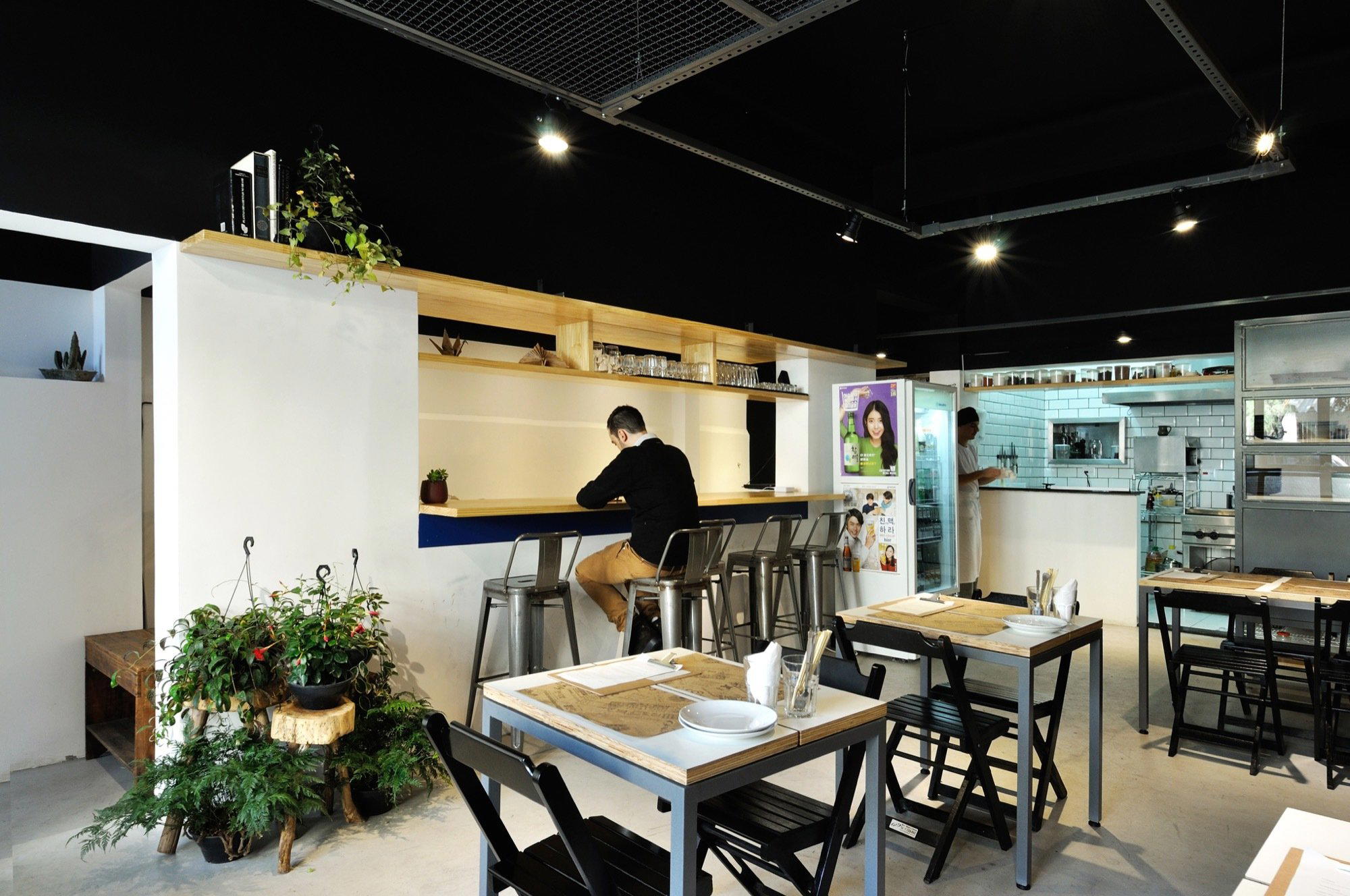
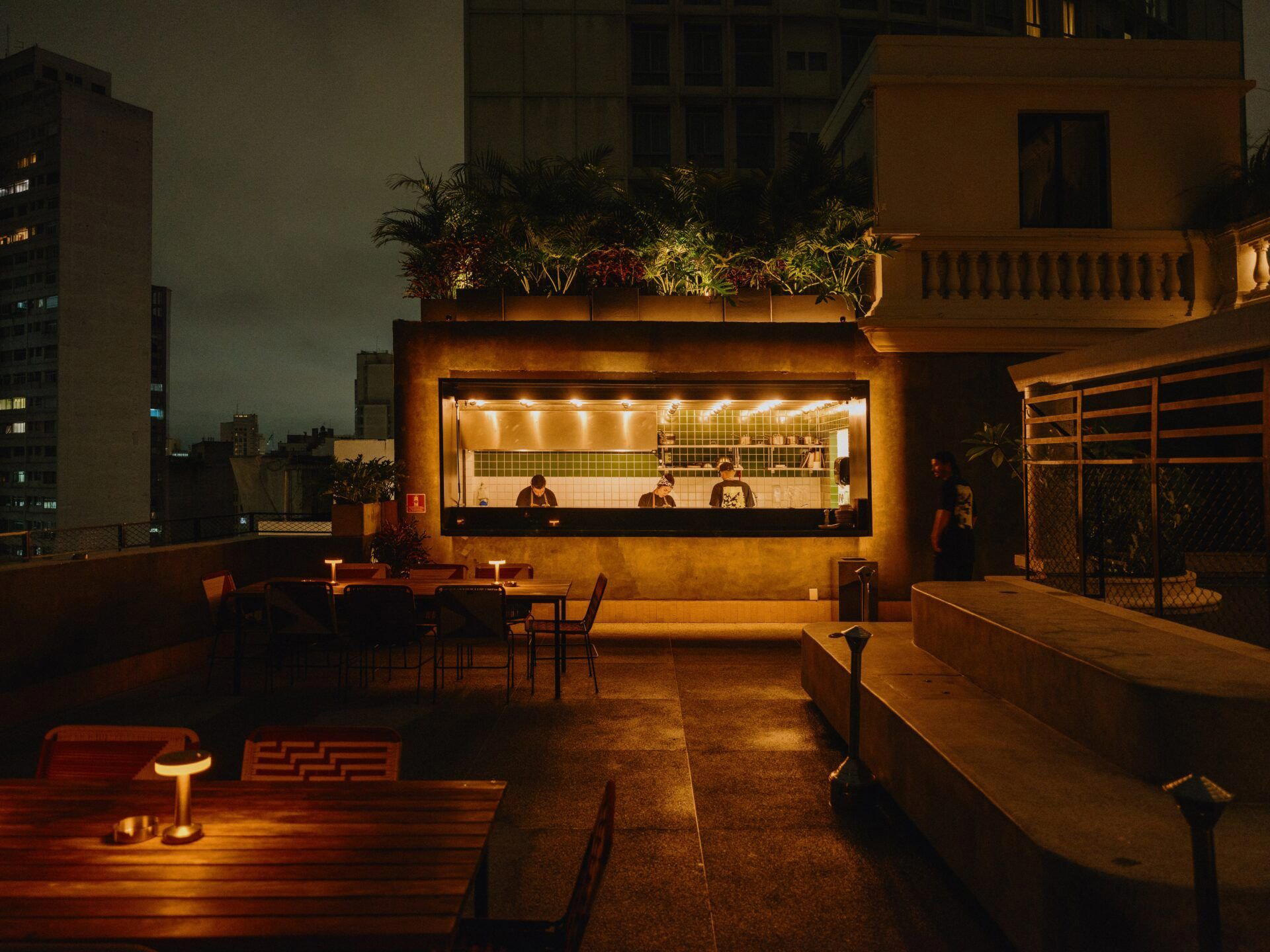
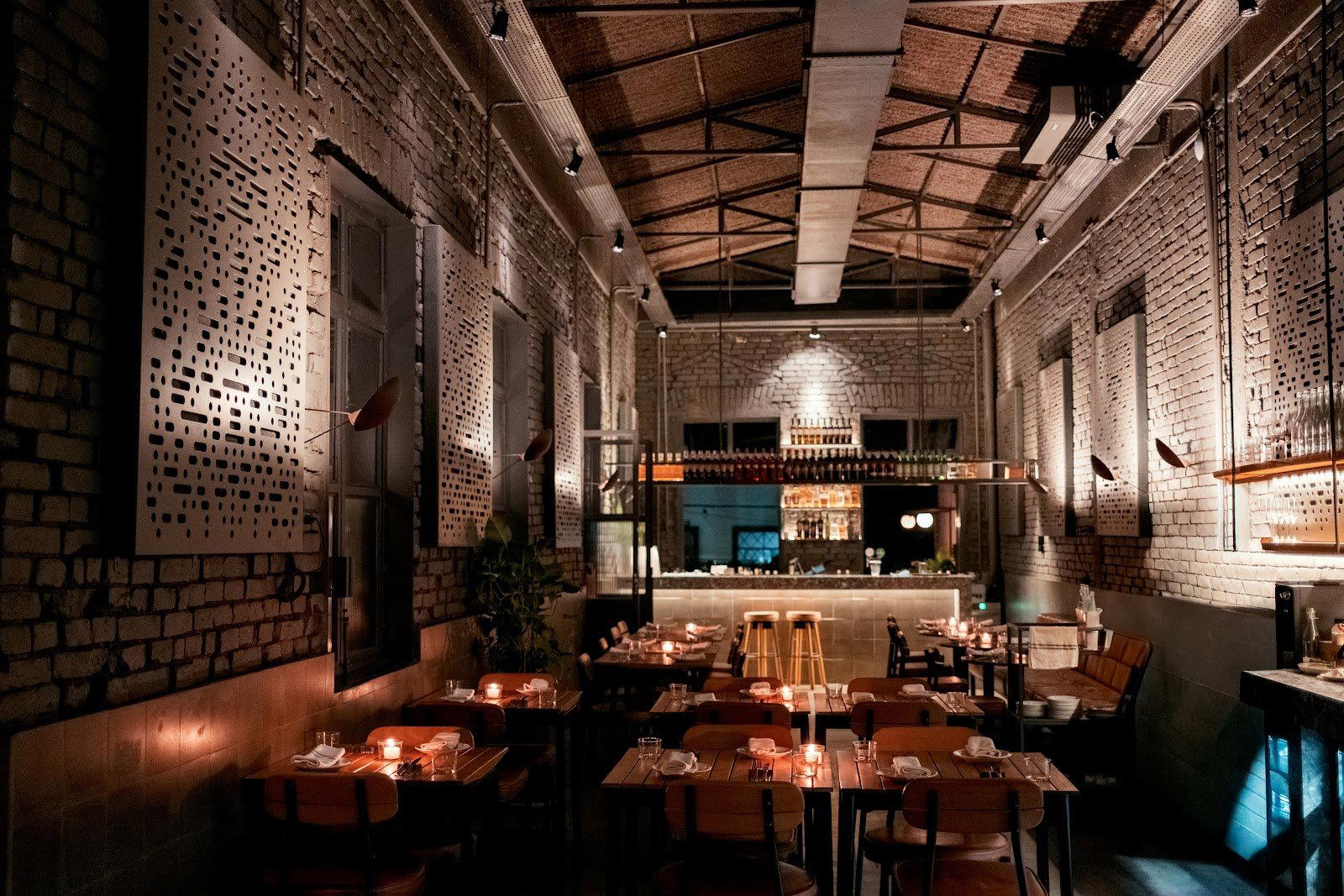
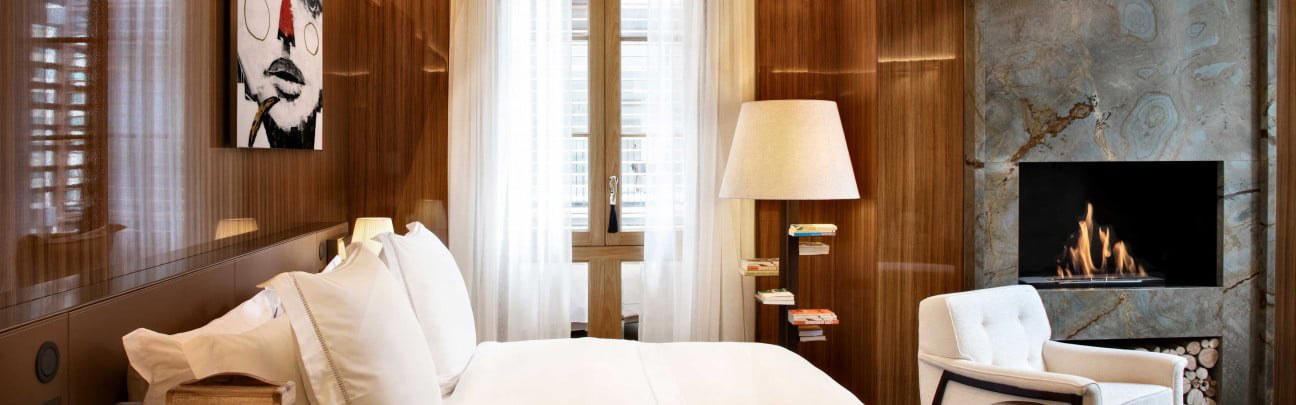
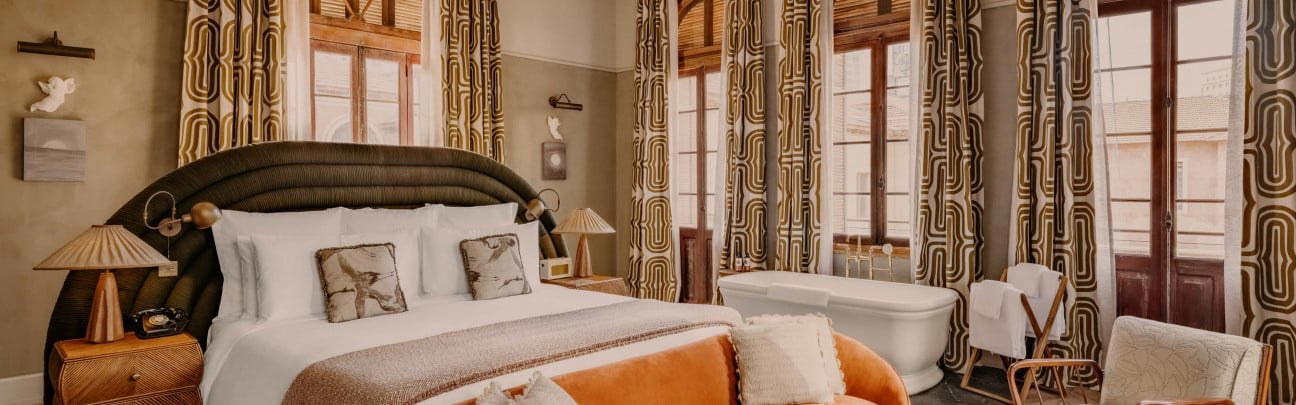
Sunlit with yellow tones, light-drenched and intimate; an 18-meter botanical ceiling panel creates a rainforest canopy effect; glass-fronted kitchen provides theatrical views of the culinary team at work.