

Michelin Plate · Wine Spectator Award of Excellence
Our verdict
A green-painted heritage house on Sukhumvit Soi 33, North brings Northern Thai cooking to Bangkok with a calm, well-appointed setting that reads as a deliberate counterpoint to the city's louder dining rooms. The menu balances refined Lanna flavours across lunch à la carte and a seasonal dinner set. Michelin Plate recognition in both 2024 and 2025 confirms its standing in the city's regional-cuisine tier.

Pearl is the En Primeur Club membership app, where members save venues, book tables and use the concierge.
A Northern House in a Southern City
Bangkok's premium Thai restaurant scene has, over the past decade, sorted itself into recognisable tiers. At the leading sit ambitious tasting-menu formats like Sorn (Southern Thai) and Baan Tepa (Thai contemporary), both carrying Michelin stars and four-symbol price tags. Below them, a smaller cohort of restaurants focuses on regional specificity rather than conceptual ambition, charging in the ฿฿฿ bracket and earning Michelin Plate recognition for consistency rather than spectacle. North sits in that second group, and the distinction matters: its purpose is to deliver Northern Thai cooking with clarity and restraint, not to reinvent it.
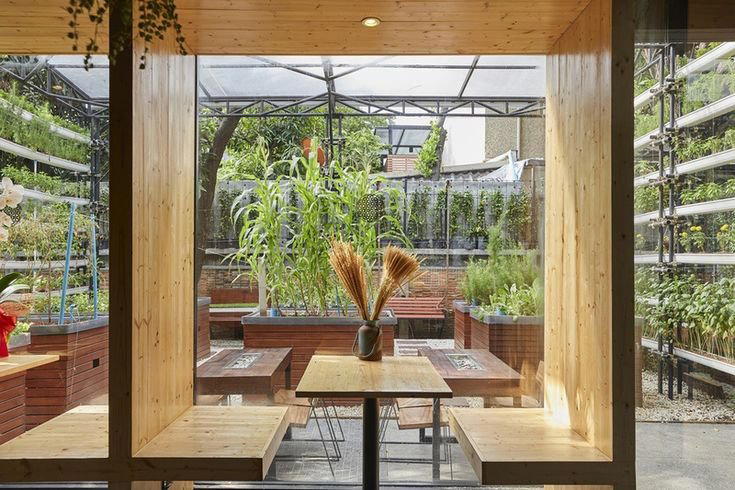
On Sukhumvit Soi 33, a street that mixes mid-range hotels with neighbourhood restaurants, the physical approach to North sets the tone before you reach the door. The building is painted green, set back behind a front garden that provides a genuine buffer from the soi's traffic. In a part of the city where most dining rooms are either basement spaces or glass-fronted shophouses, a traditional Thai house with grounds around it functions as an architectural statement about pace and register. Entering feels like stepping down a gear.
The Four Pillars of Northern Thai Flavour
Thai cooking is often described through the balance of four flavour registers: sweet, sour, salty, and spicy. Northern Thai cuisine, sometimes called Lanna cooking after the ancient kingdom centred on Chiang Mai, applies those pillars with a different weighting than Bangkok's central Thai tradition. Dishes from the North tend toward earthier, more fermented profiles, with less of the palm sugar sweetness common in central Thai cooking and more reliance on dried chilli heat, fermented fish paste, and the sour brightness of tamarind or lime. The spice level is often described as milder than the fiery southern tradition, but the depth comes from technique and layering rather than raw heat.
North's menu reflects that temperament. The kitchen's approach is described as mild and refined, which within a Northern Thai context means the fermented and funky elements are present but handled with precision rather than assertiveness. A starter of yam som-o with free-range chicken and fermented crab sauce illustrates the approach: pomelo provides the sour-bitter counterweight, the crab sauce brings the fermented salt dimension, and the chicken anchors the dish. It is a technically specific expression of how Northern Thai cooking constructs flavour from contrast rather than from any single dominant register. For diners more familiar with central Thai food, the profile will read as more complex and less sweet. For those who have eaten through Aeeen in Chiang Mai or Busarin Cuisine or Chum (Saraphi), two Chiang Mai addresses rooted in the same regional tradition, North will feel like a credible Bangkok translation of that idiom.
Format and Structure
The service format changes by meal. Lunch runs à la carte, which gives diners the flexibility to construct a lighter meal around two or three dishes. Dinner shifts to a seasonal set menu, with ingredients drawn from various Thai regions. That regional sourcing is not incidental to the Northern Thai brief: Lanna cooking historically absorbed influences from trade routes connecting present-day Thailand, Myanmar, and Yunnan, and the kitchen's use of ingredients from across the country fits within a tradition that has always been more porous than Bangkok's central Thai canon.
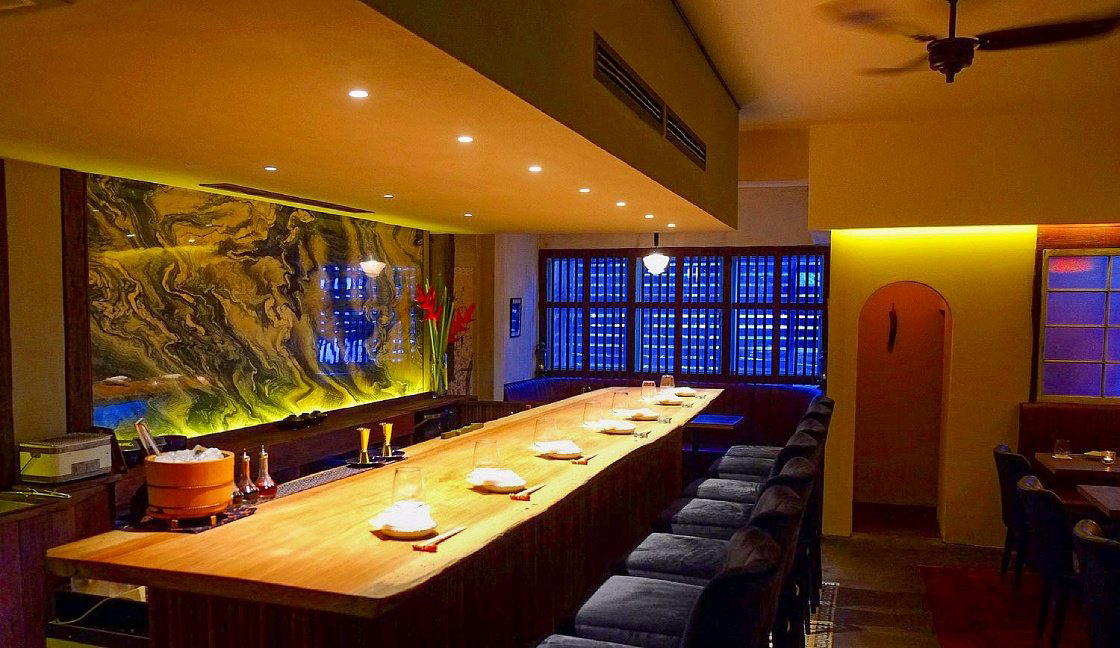
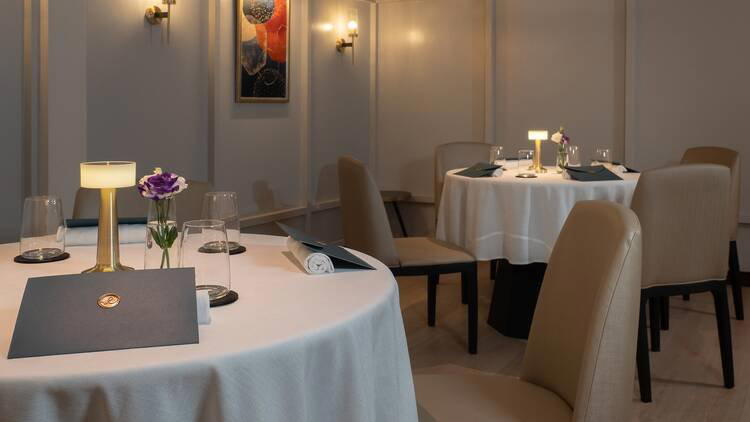
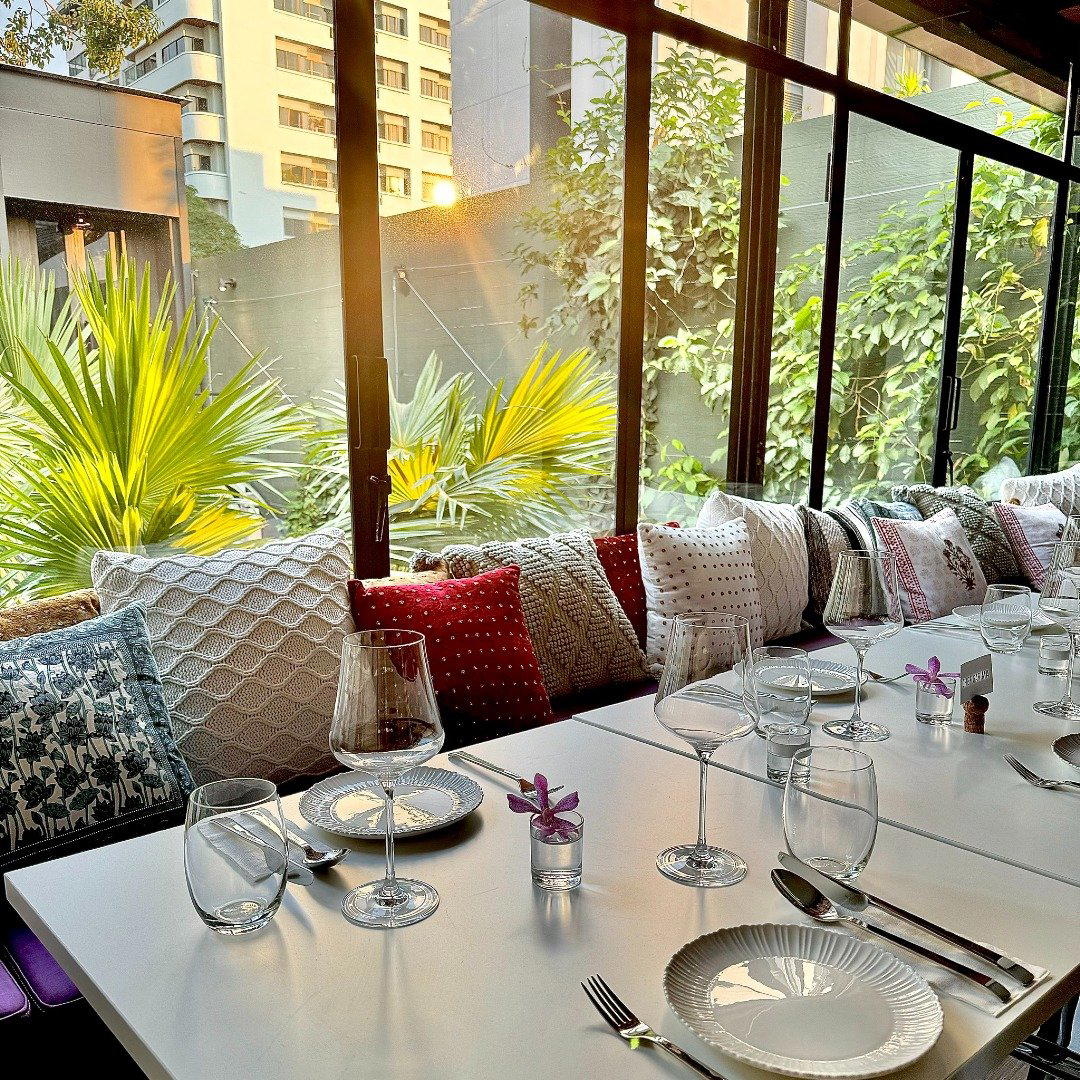
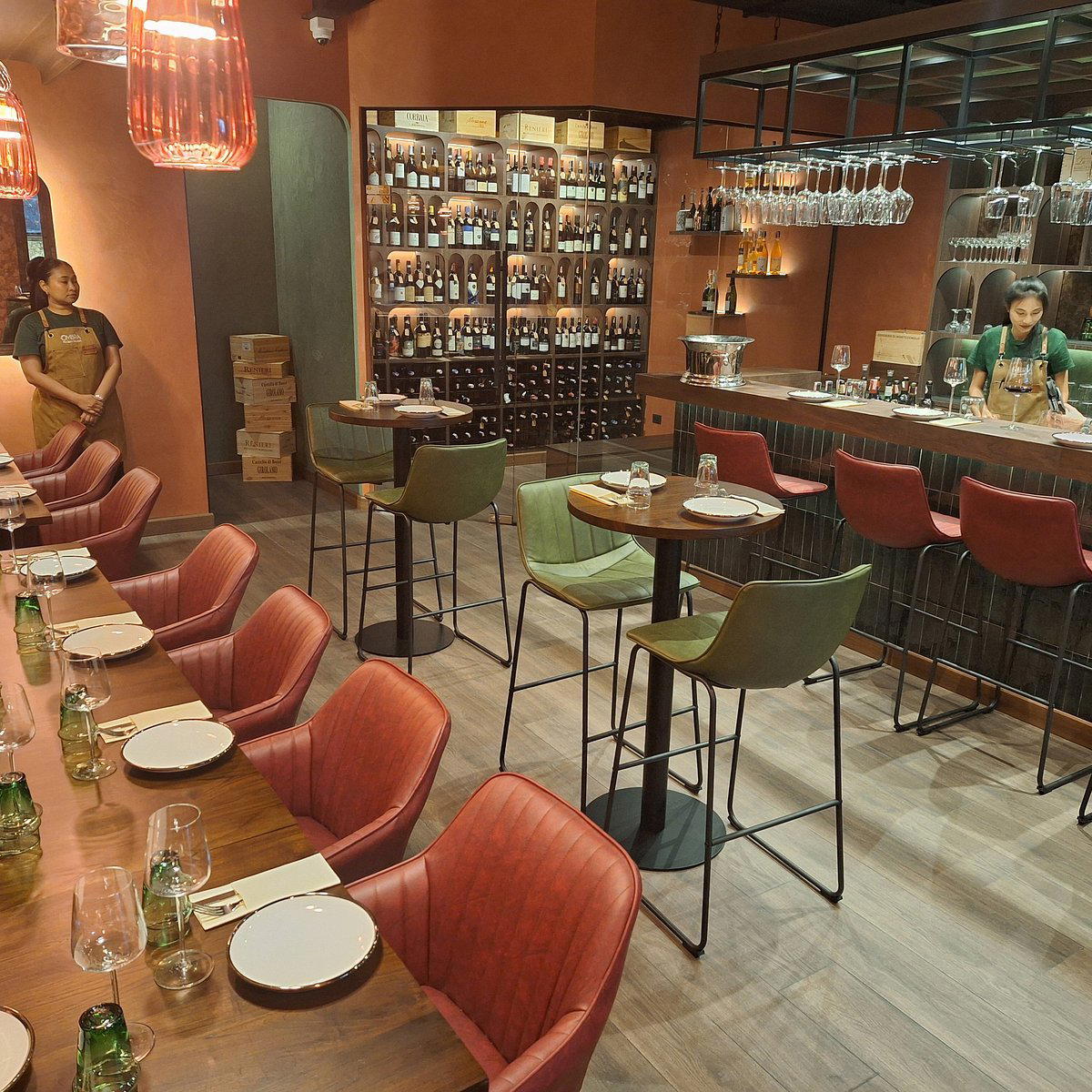
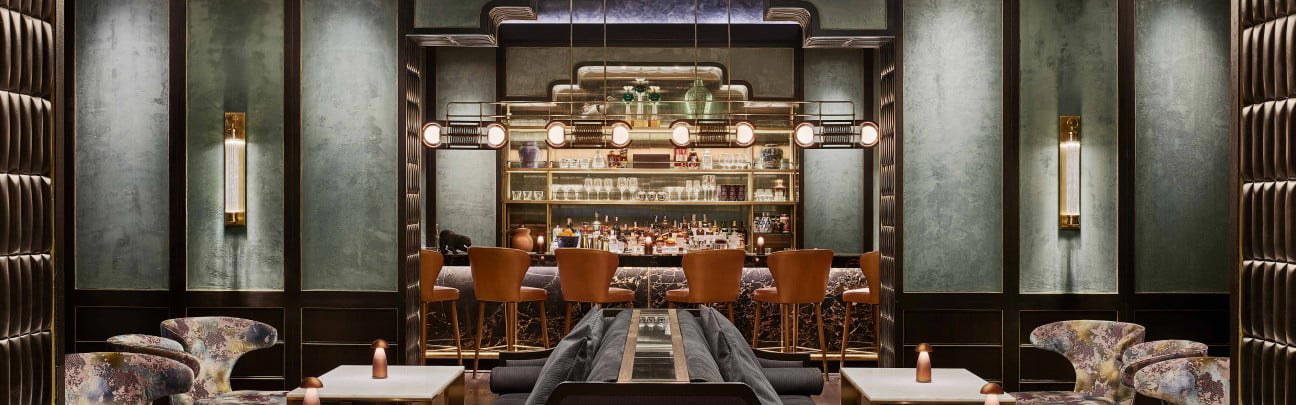
The interior matches the building's external register. The design blends traditional elements with what is described as a modern Lanna touch, achieving a calm and well-appointed environment. That phrase carries some weight in a Bangkok context, where many restaurants at this price point compete through visual drama or density of décor. The contrast with louder peers like Maze is implicit in the room's tone.
Wine at This Address
Wine program at North is more substantial than the regional-Thai-house format might suggest. The list spans roughly 130 selections with approximately 450 bottles in inventory, with a focus on France and Italy. Pricing sits in the $$$ bracket, meaning the list carries meaningful representation above the 100-dollar mark. A corkage fee applies for guests bringing their own bottles. In the context of Bangkok's current Thai-restaurant wine culture, where serious wine programs have become a marker of ambition in the ฿฿฿ and ฿฿฿฿ tiers, North's list signals that the restaurant is pitching to a wine-literate clientele rather than treating wine as an afterthought.
Where North Sits in Bangkok's Regional Thai Picture
Bangkok's treatment of regional Thai cuisines has matured significantly. Southern Thai cooking has its flagship in Sorn, a two-star operation that has probably done more than any other Bangkok restaurant to establish the credibility of regional Thai at the highest price point. Northern Thai, by contrast, remains less represented at the premium level in the capital. Huen Lamphun (Taling Chan) and Maan Muang address the same regional cuisine.
That context matters for the reader deciding where to spend a meal. If you want to understand how Northern Thai cooking functions at a careful, mid-luxury level in Bangkok, without the commitment of a full tasting menu or the higher prices that come with starred operations, North makes a coherent case. The ฿฿฿ price band sits below the ฿฿฿฿ tier of Sorn and Baan Tepa, while the Plate recognition signals that quality standards have been reviewed and confirmed by Michelin inspectors across two consecutive years.
For a broader view of dining options across the city, our full Bangkok restaurants guide maps the full range. Elsewhere in Thailand, PRU in Phuket and AKKEE in Pak Kret represent different regional and conceptual approaches worth noting. For trip planning beyond restaurants, see our Bangkok hotels guide, bars guide, wineries guide, and experiences guide.
Know Before You Go
- Address: 8 Sukhumvit 33 Alley, Khlong Tan Nuea, Watthana, Bangkok 10110
- Cuisine: Northern Thai (Lanna tradition)
- Price range: ฿฿฿
- Awards: Michelin Plate 2024 and 2025
- Lunch format: À la carte
- Dinner format: Seasonal set menu
- Wine list: 130 selections, approx. 450 bottles; France and Italy focus; corkage fee available
- More Bangkok options: Full Bangkok restaurant guide
Frequently asked questions
How would you describe the vibe at North?
Given the Michelin Plate recognition across two consecutive years and the ฿฿฿ price positioning, North occupies a calm, unhurried register that distinguishes it from Bangkok's more theatrical dining rooms. The setting is a traditional green-painted house with a garden, which creates a pace and atmosphere more consistent with a destination lunch or an early dinner than a high-energy evening out. The interior is described as well-appointed with a modern Lanna touch: composed rather than minimal, with enough visual warmth to feel considered without becoming a distraction from the food. Guests familiar with Bangkok's louder, high-design Thai restaurants will find the tone notably different.
What is the recommended dish at North?
The Michelin-recognised kitchen's recommended starter is yam som-o with free-range chicken and fermented crab sauce. In Northern Thai cooking, that combination is a direct expression of the cuisine's approach to the four flavour pillars: the pomelo brings sour and slight bitterness, the fermented crab sauce introduces the salty, funky depth that distinguishes Lanna flavour profiles from central Thai, and the free-range chicken grounds the dish with protein that carries the dressing without competing against it. For diners new to Northern Thai cuisine, it is a useful entry point into how the regional tradition constructs balance differently from Bangkok's mainstream Thai cooking.
Pricing, Compared
| Venue | Cuisine | Price | Awards | Notes |
|---|---|---|---|---|
| NorthThis venue (the venue you are viewing) | Modern Lanna Northern Thai | $50–100 | Michelin Plate · Wine Spectator Award of Excellence | Not listed |
| Sorn | Fine Southern Thai | $200–300 | 3 Michelin Stars · World's 50 Best #12 | Southern Thai, ฿฿฿฿ |
| Côte by Mauro Colagreco | Riviera Mediterranean Fine Dining | $200–300 | 2 Michelin Stars · World's 50 Best #91 | Mediterranean, Modern Cuisine, ฿฿฿฿ |
| Baan Tepa | Creative Thai Fine Dining | $150–200 | 2 Michelin Stars · World's 50 Best #53 | Thai contemporary, ฿฿฿฿ |
| Gaa | Modern Indian Fine Dining with Thai Influences | $150–200 | 2 Michelin Stars · World's 50 Best #95 | Modern Indian, Indian, ฿฿฿฿ |
| Sühring | Modern German Fine Dining | $200–300 | 3 Michelin Stars · World's 50 Best #18 | German, ฿฿฿฿ |
Recognition history
Dated appearances from independent guides and award organizations, with the underlying list record or original source where available.
Michelin Plate
Michelin
Wine Spectator Award of Excellence
Wine Spectator
Full recognition history (4 entries)
Michelin Plate
Michelin
Michelin Plate
Michelin

Continue exploring
More in Bangkok
Restaurants in Bangkok
All restaurants in Bangkok →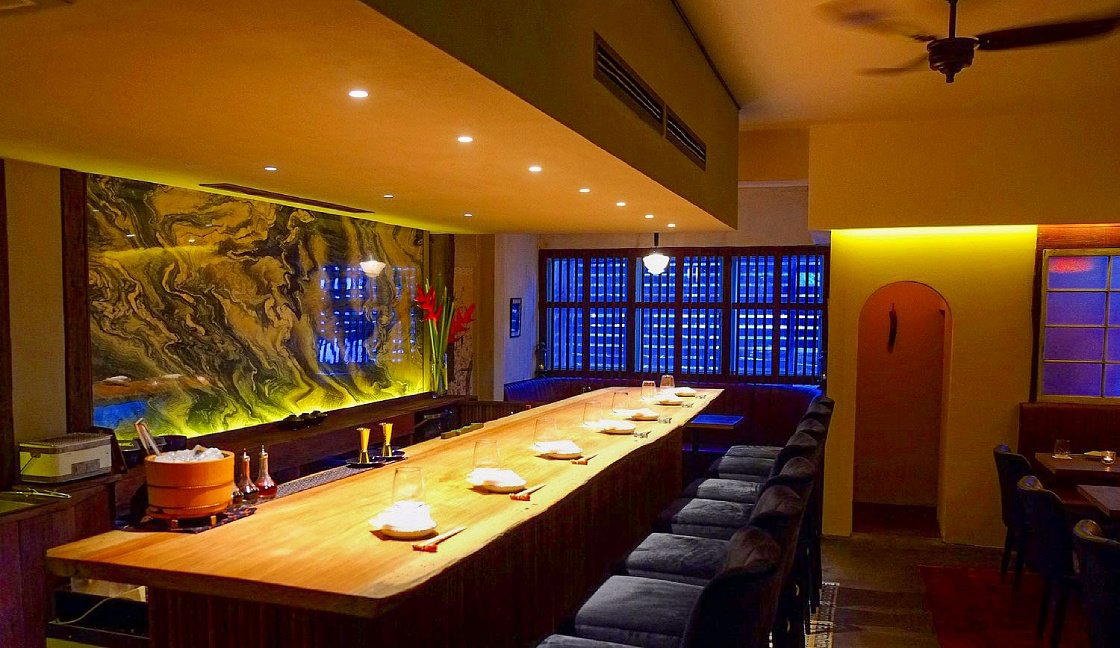
Bars in Bangkok
All bars in Bangkok →
North
The wine
North holds the Wine Spectator Award of Excellence, which Wine Spectator gives to lists of usually 90 or more selections.
- Wine Spectator
- Wine Spectator Award of Excellence
- Selections
- 130
- Bottles in cellar
- 450
- List strengths
- France, Italy
- Wine director
- Chaturong Chailert
Details
- Elegant
- Cozy
- Modern
- Intimate
- Sophisticated
- Date Night
- Special Occasion
- Historic Building
- Local Sourcing
- Garden
- Set Menu
- A La Carte
Current opening hours
- Monday
- 11:30 AM–2:30 PM, 6–10 PM
- Tuesday
- 11:30 AM–2:30 PM, 6–10 PM
- Wednesday
- 11:30 AM–2:30 PM, 6–10 PM
- Thursday
- 11:30 AM–2:30 PM, 6–10 PM
- Friday
- 11:30 AM–2:30 PM, 6–10 PM
- Saturday
- 11:30 AM–2:30 PM, 6–10 PM
- Sunday
- 11:30 AM–2:30 PM, 6–10 PM
Hours can change for holidays and private events. Hours as of .
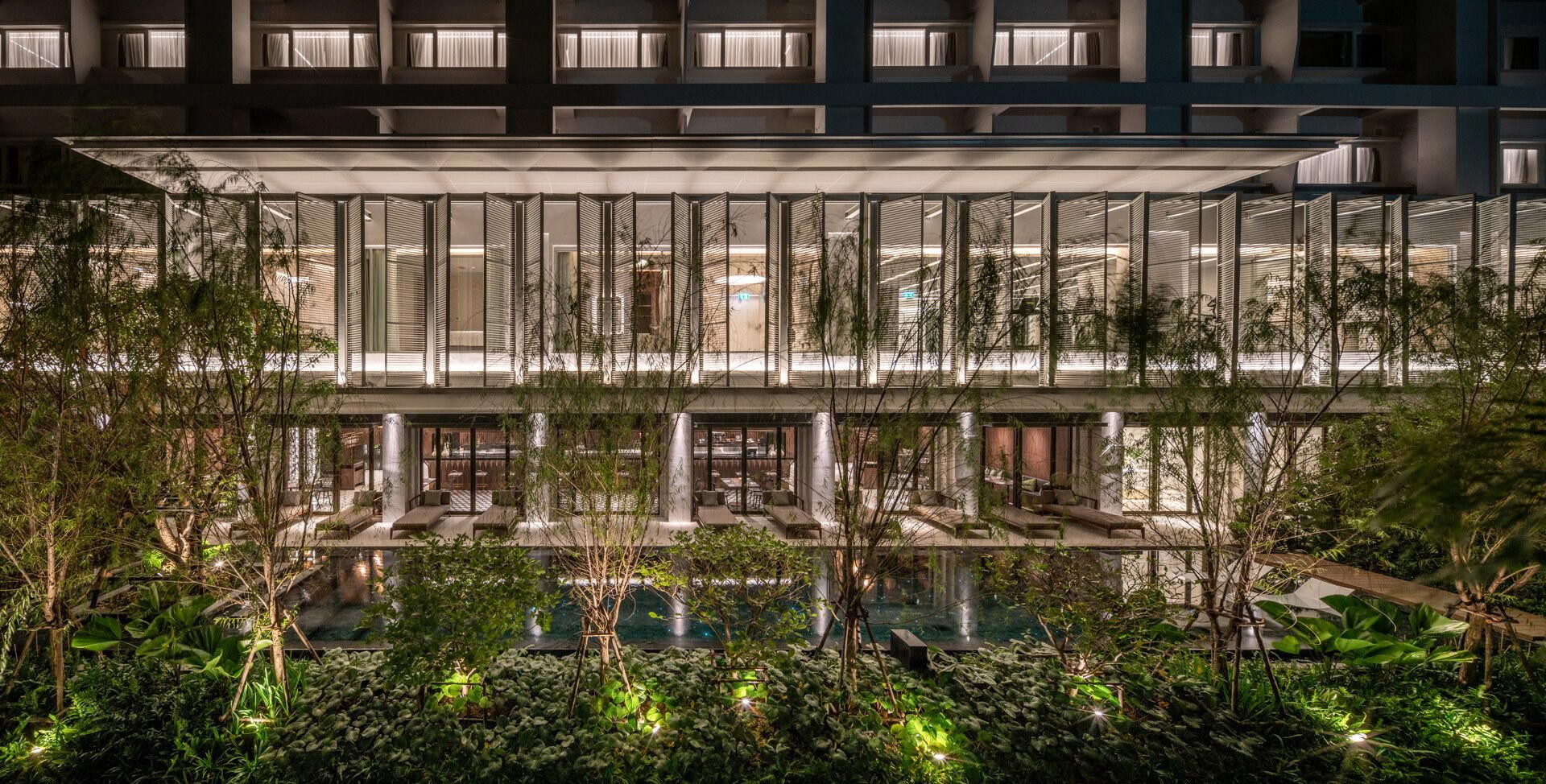
Warm wood-tone furniture, soft lighting, lush garden exterior creating a calm, luxurious, and sensual harmony of tradition and modernity.