Norio's Japanese Steakhouse & Sushi Bar
Our verdict
On the Kohala Coast of Hawaii's Big Island, Norio's Japanese Steakhouse and Sushi Bar brings together teppanyaki tradition and Japanese-inflected seafood in a resort setting that draws both hotel guests and islanders making the drive from Waimea. The format follows a rhythm familiar to serious Japanese steakhouse diners: communal tableside cooking, a sushi counter running parallel, and a pacing that rewards those who lean into the ritual rather than rush it.
The menu
What to order
- Crispy Salmon
- Kulana Farms Rib Eye
Where the Big Island Meets the Japanese Steakhouse Tradition
The Kohala Coast does not look like the kind of place that would sustain serious Japanese steakhouse dining. The landscape is volcanic scrub and ocean horizon, with resort clusters anchoring the few stretches of accessible beach. Yet that geography has produced a dining corridor of some consequence, where resort restaurants punch above their category and the distance from Honolulu has, paradoxically, encouraged a kind of culinary self-sufficiency. Norio's Japanese Steakhouse and Sushi Bar, addressed at 1 North Kaniku Drive in Waimea, sits within this corridor, drawing on the teppanyaki format that American diners have associated with celebratory occasions since the mid-twentieth century, while pairing it with a sushi counter that reflects Hawaii's long and genuinely rooted relationship with Japanese culinary tradition.
The teppanyaki dining ritual is one of the more deliberately theatrical formats in the Japanese steakhouse repertoire, and that theatricality is intentional rather than incidental. Communal tables arranged around a flat iron griddle place the cook at the center of the experience, and the pacing of a teppanyaki meal is controlled not by the diner but by the sequence of the grill. Protein arrives when the heat is ready. Vegetables are timed to the protein. The meal moves at the kitchen's tempo, which is a useful corrective in an era when diners increasingly expect to set their own schedule. At venues across the country that follow this format, from urban steakhouse chains to resort-embedded properties like this one, the communal table structure means strangers often share the experience, a feature that either enhances or complicates the evening depending on the group dynamic.
The Sushi Counter as a Parallel Register
What distinguishes properties that combine teppanyaki with a dedicated sushi operation is the degree to which the two formats are treated as separate disciplines rather than interchangeable parts of a Japanese restaurant menu. Hawaii's relationship with Japanese cuisine runs deeper than the mainland's: a significant percentage of the state's population traces Japanese ancestry, and local sushi culture predates the mainland's omakase boom by decades. That context shapes expectations in a way that mainland resort sushi rarely contends with. Diners here are often more fluent in what good nigiri should feel like than their counterparts in, say, a landlocked resort market.
The sushi counter format, when executed with discipline, operates on a different register than the teppanyaki room. It is quieter, more focused, and rewards a different kind of attention. The leading analogues on the mainland, venues like ITAMAE in Miami, which approaches Japanese-Peruvian fish cookery with genuine technical seriousness, or Atomix in New York City, which brings Korean precision to the counter format, demonstrate what happens when a secondary format is given full kitchen resources rather than treated as an upsell. Whether Norio's counter operates at that level of specificity is a question the venue's data does not resolve, but the structural ambition of running both formats simultaneously is worth noting as an editorial point about what resort restaurants on the Kohala Coast have come to expect of themselves.
Dining Ritual and the Pace of a Teppanyaki Evening
The etiquette of a teppanyaki meal is worth understanding before you arrive. Communal seating is the default configuration, which means you may be sharing a griddle with guests you have not met. Arrival time matters more than at a conventional restaurant, because the cook sequences the table as a group. Arriving late disrupts the pacing for everyone at the surface, not just your own party. This is a feature of the format rather than a quirk of any particular venue, and it applies equally whether you are at a modest neighborhood teppanyaki house or a resort property on the Big Island.
Meal itself typically moves through a structured sequence: soup or salad, an appetizer course, the theatrical preparation of the main protein on the griddle, and a rice or noodle component timed to the protein's finish. The performance elements, knife work, flame, the controlled drama of the hot surface, are genuine craft, not mere entertainment, though they function as both. Guests who engage with the cook as a participant in the experience rather than an observer tend to have a better time. The format rewards presence.
For those arriving from outside the resort, the address at 1 North Kaniku Drive places Norio's within driving distance of Waimea town, and the Kohala Coast is accessible from Kona International Airport in roughly 30 to 45 minutes depending on traffic. The resort setting means parking is generally available, and the surrounding Kohala corridor, which includes neighbors like Brown's Beach House and Lava Lava Beach Club, makes the area worth planning as a dedicated dining evening rather than a single stop. For a fuller picture of the area's options, the EP Club Puako restaurants guide maps the corridor in more detail.
Where Norio's Sits in the Broader Conversation
Resort-embedded Japanese steakhouses occupy a specific tier in the American dining hierarchy, neither the austere counter format of destination omakase, nor the casual roll-and-teriyaki register of neighborhood sushi. They draw comparison less to venues like Le Bernardin in New York City or The French Laundry in Napa than to the category of resort dining that takes its format seriously and prices accordingly. Closer regional comparisons might include Providence in Los Angeles, which treats Pacific seafood with the same geographic logic that Hawaii-based Japanese kitchens have long applied, or the farm-sourced discipline of Single Thread Farm in Healdsburg and Blue Hill at Stone Barns in Tarrytown, where local provenance is the organizing principle of a tasting format. Norio's does not operate in that tier, but the comparison is useful for placing it: this is resort dining that uses a genuine culinary format rather than a generic hotel menu, and on the Kohala Coast, that distinction carries weight.
Other reference points across the country, Lazy Bear in San Francisco, Smyth in Chicago, Addison in San Diego, Emeril's in New Orleans, The Inn at Little Washington, Frasca Food and Wine in Boulder, The Wolf's Tailor in Denver, and Atelier Moessmer Norbert Niederkofler in Brunico, share the quality of having a defined format that structures the guest experience before a single dish arrives. Norio's teppanyaki model does the same work in a different key: the format is the experience, and understanding that going in changes the evening considerably.
Practical Notes for Planning Your Visit
Given the resort setting and the communal format of teppanyaki dining, booking ahead is advisable, particularly during peak travel periods to the Big Island, which run from late December through early January and again through the summer months. The teppanyaki format is well-suited to groups of four to eight, as the communal table works well when a single party fills or nearly fills a griddle station. Parties of two may be seated with others, which is the norm rather than the exception across the format. The sushi counter, if available for individual seating, offers a quieter alternative for those who prefer the discipline of the counter over the performance of the griddle.
Frequently asked questions
Where do I go for Norio's Japanese Steakhouse & Sushi Bar?
Norio's Japanese Steakhouse & Sushi Bar is located at 1 N Kaniku Dr, Waimea, HI 96743, Puako.
Is Norio's Japanese Steakhouse & Sushi Bar suitable for groups visiting the Kohala Coast?
The communal teppanyaki format at Norio's, located in Puako on the Big Island, suits groups well because the shared griddle table naturally organizes multiple diners around a single theatrical cooking surface. This makes it a functional option for celebrations, family dinners, or group travel without requiring private room arrangements. The sushi counter offers a quieter alternative for those in the same party who prefer a different pace.
What should I order at Norio's Japanese Steakhouse & Sushi Bar?
The teppanyaki format centers on a protein selection cooked tableside, and the Big Island's proximity to Pacific fishing grounds makes seafood a practical focus alongside beef options. The sushi counter runs as a parallel operation, so visiting both formats in the same meal is a reasonable approach rather than a novelty. Arriving with a preference for either the griddle or the counter will help structure your evening.
Should I book Norio's Japanese Steakhouse & Sushi Bar in advance?
The Kohala Coast resort corridor around Puako and Waimea runs at high occupancy during Hawaii's primary travel windows, which cover winter escapes and summer family trips. Teppanyaki seating is inherently capacity-limited because the griddle format sequences seatings around communal tables rather than turning individual covers freely. Booking ahead by at least several days during peak periods is a practical minimum; a week or more is safer for weekend evenings or holiday travel.
Category Peers
| Venue | Cuisine | Price | Awards | Notes |
|---|---|---|---|---|
| Norio's Japanese Steakhouse & Sushi BarThis venue (the venue you are viewing) | Japanese Steakhouse & Sushi Bar | Not listed | Not listed | Not listed |
| Le Bernardin | French Seafood Fine Dining | $300–500 | 3 Michelin Stars · World's 50 Best #13 | French, Seafood |
| Lazy Bear | Modern American Tasting Menu | Not listed | 2 Michelin Stars · World's 50 Best #25 | Progressive American, Contemporary |
| Atomix | Modern Korean Tasting Menu | $300–500 | 2 Michelin Stars · World's 50 Best #7 | Modern Korean, Korean |
| Per Se | French Fine Dining Tasting Menu | $300–500 | 3 Michelin Stars · World's 50 Best #40 | French, Contemporary |
| Masa | Traditional Japanese Omakase | $500+ | 2 Michelin Stars · World's 50 Best #27 | Sushi, Japanese |
Continue exploring
More in Puako
Restaurants in Puako
All restaurants in Puako →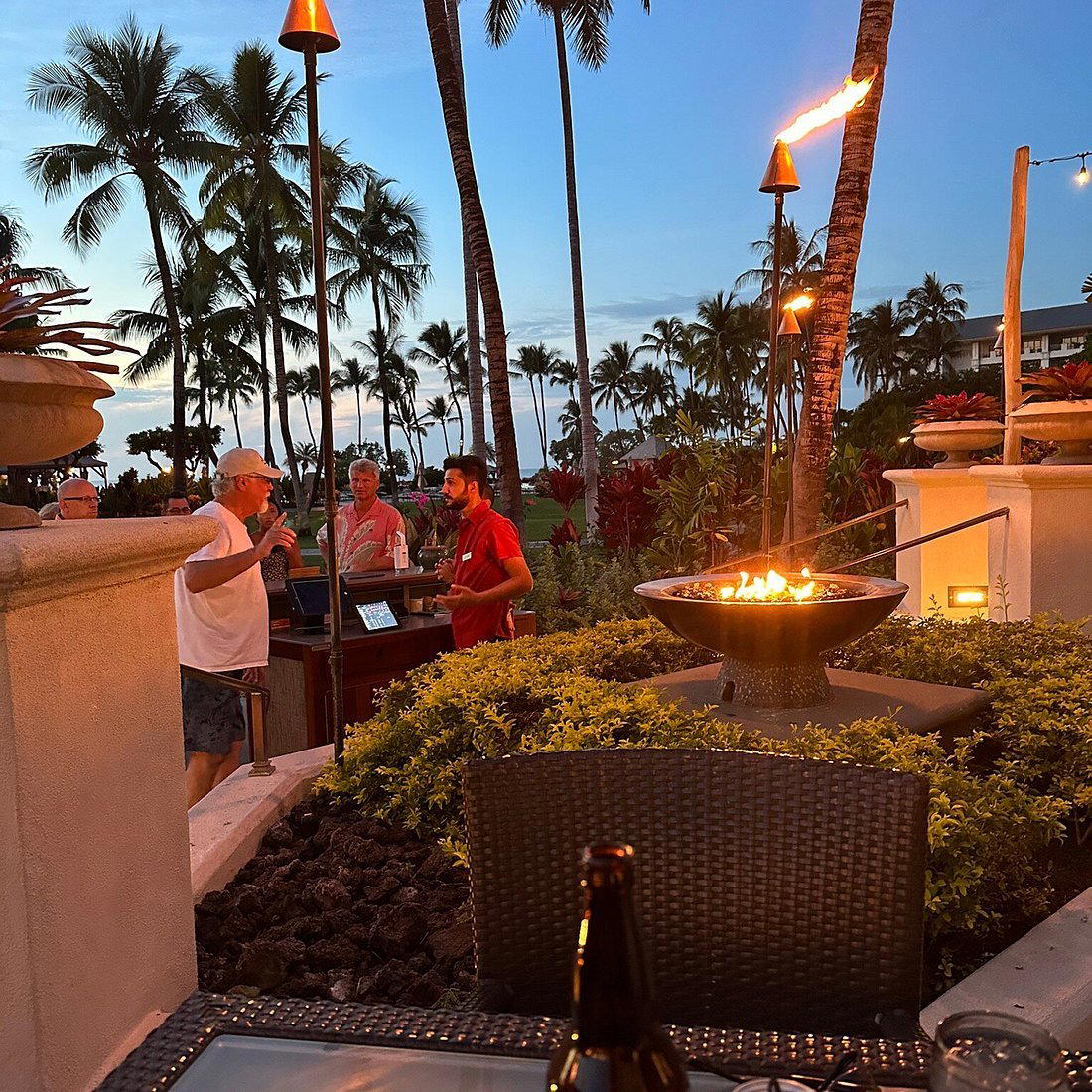
Bars in Puako
Browse all →
Details
- Elegant
- Sophisticated
- Date Night
- Special Occasion
- Open Kitchen
- Sake Program
- Local Sourcing
- Sustainable Seafood
- A La Carte
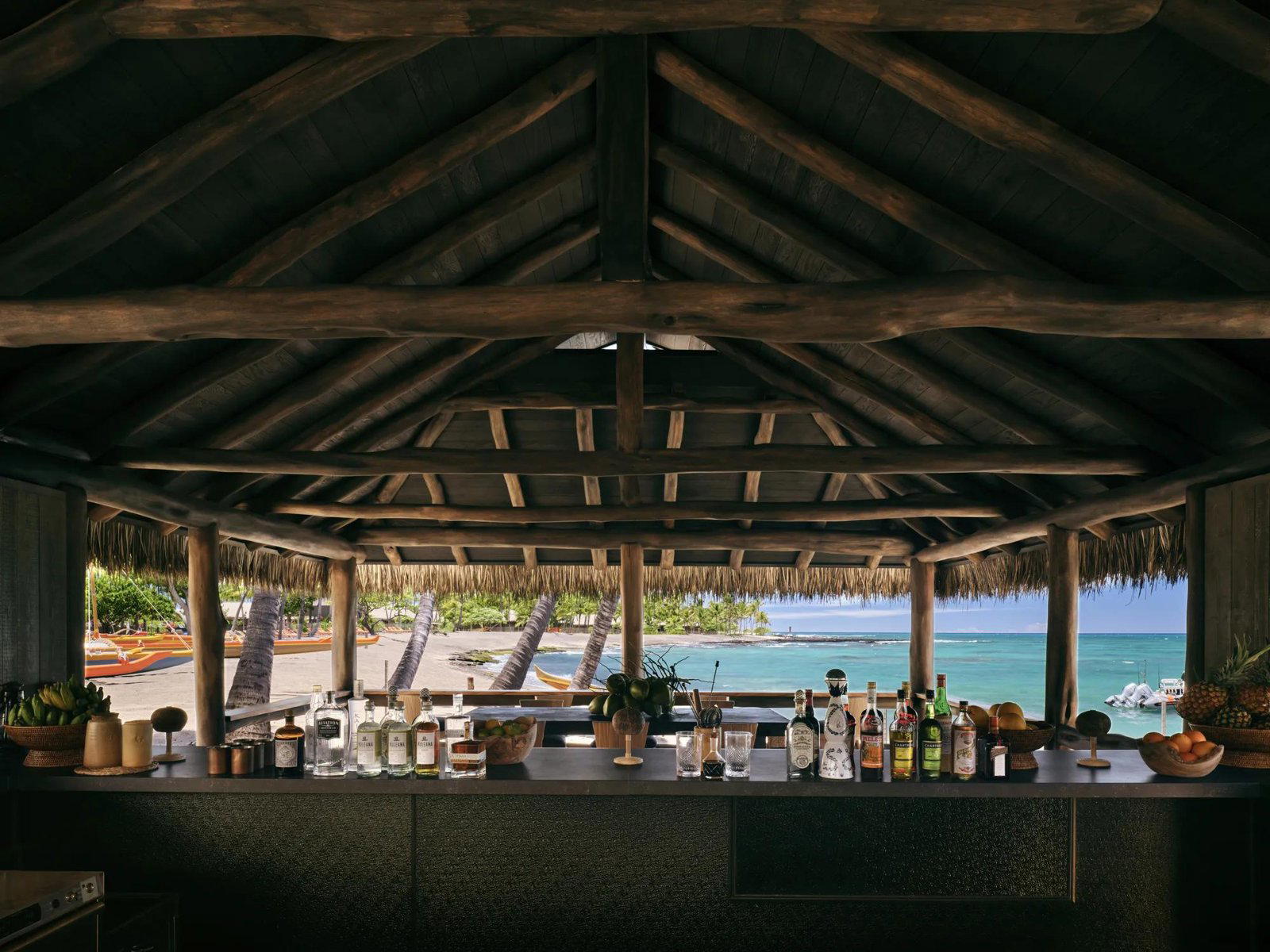
Upscale atmosphere with indoor and outdoor seating around a traditional sushi bar.