Nonno Leo
On a quiet Vieux-Port side street, Nonno Leo brings an Italian-inflected sensibility to La Rochelle's Atlantic larder. The address sits outside the city's prestige seafood tier but works within the same coastal supply chain, applying European technique to Charente-Maritime produce. For visitors working through La Rochelle's broader dining scene, it offers a distinct counterpoint to the French-forward mainstream.
Pearl is the En Primeur Club membership app — saves, bookings, and concierge access live there. Same editors, same standards.
- Address
- 18 Rue Bletterie, 17000 La Rochelle, France
- Phone
- +33986487317
- Website
- nonnoleo.fr
- Directions
- Get directions
 Saves & bookings on Pearl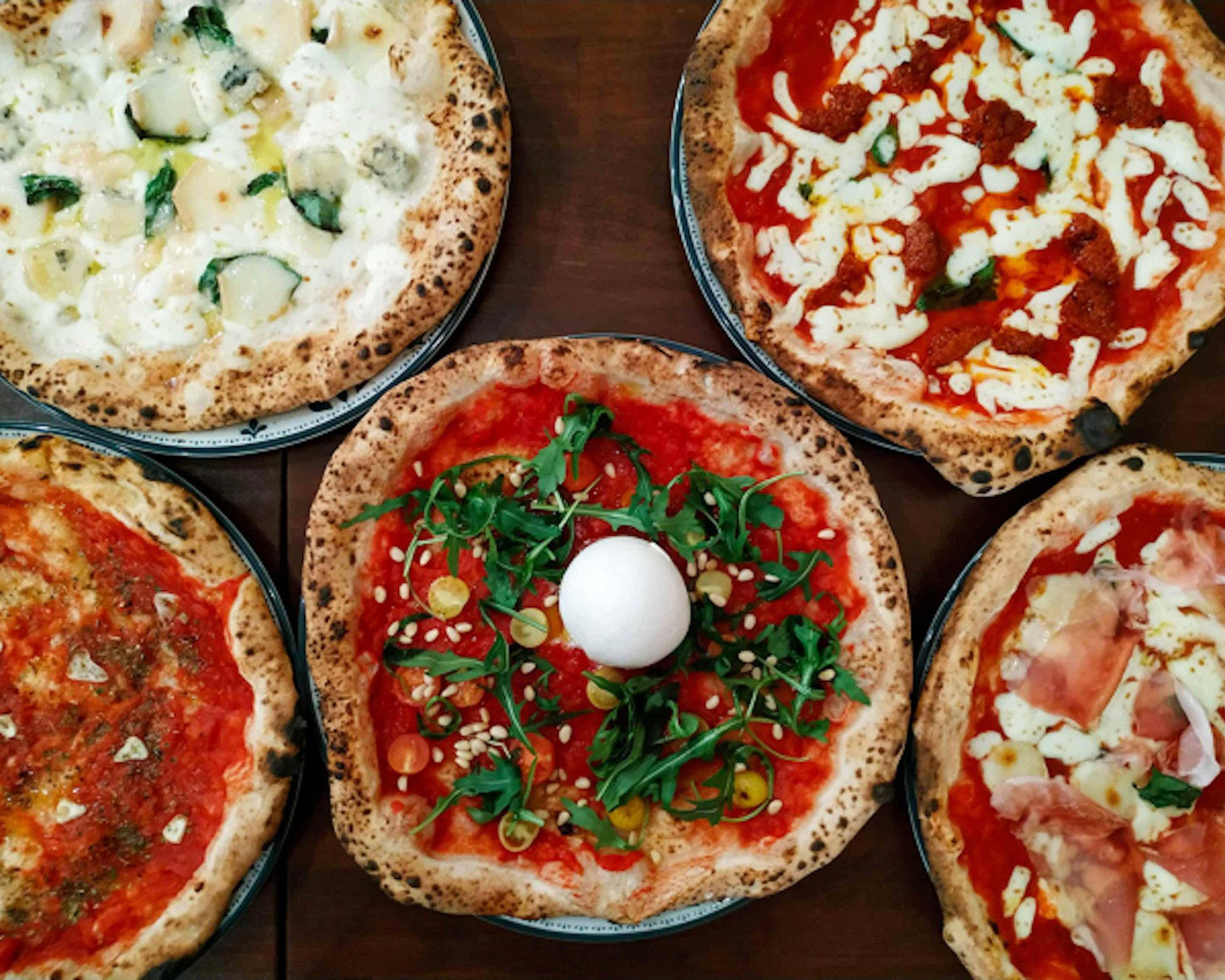
Where Atlantic Ingredients Meet a Different Kitchen Logic
Nonno Leo is a restaurant in La Rochelle serving Authentic Neapolitan Pizza at about $20 per person. The port defines what arrives in kitchens each morning, and the city's most decorated restaurants, including Christopher Coutanceau, have made their reputations by treating that maritime supply chain as the whole argument. But a smaller set of addresses in the Vieux-Port quarter takes a different position: importing a culinary grammar from elsewhere and applying it to the same local ingredients. Nonno Leo, on Rue Bletterie, belongs to that category.
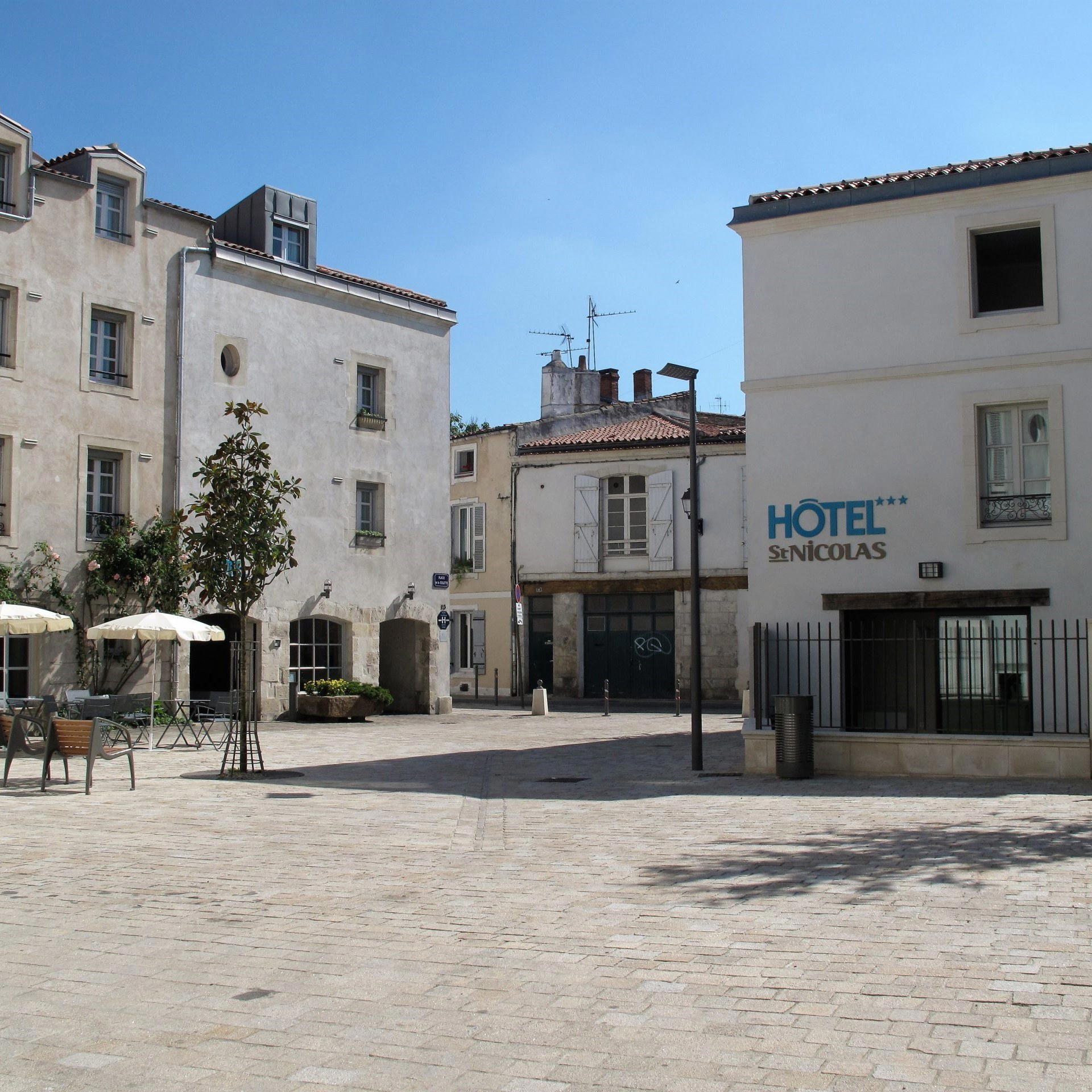
The street itself is quieter than the port-facing terraces. Walking along Rue Bletterie, away from the tourist drag that runs parallel to the towers, the built environment shifts: narrower facades, fewer menus posted in windows, a rhythm that suggests neighbourhood use rather than visitor capture. That physical remove is part of what defines the venue's register before you even consider what's on the plate.
Italian Technique in a Charente-Maritime Context
France's Atlantic coast has historically resisted strong foreign culinary influence. The regional tradition runs through claire oysters, moules de bouchot, and the butter-and-cream logic of the Charente. What makes addresses like Nonno Leo editorially legible is the tension they create: an Italian-inflected kitchen framework brought into contact with an ingredient base that is resolutely local and Atlantic.
Across French coastal cities, this intersection of imported method and indigenous produce has become one of the more productive fault lines in contemporary dining. In Marseille, AM par Alexandre Mazzia has built a Michelin three-star argument around exactly this kind of cross-referencing, where Mediterranean ingredients are processed through techniques that have no single national allegiance. Further north in Alsace, Au Crocodile in Strasbourg has long demonstrated how a French regional identity can absorb German influence without losing coherence. The pattern holds across the country's dining geography: particularly interesting addresses tend to occupy a border between traditions rather than reproducing one cleanly.
The restaurant's Italian framing, suggested by the name and reinforced by the address's positioning, places it in a lineage that reaches into the northern Italian trattoria tradition. That tradition values ingredient legibility, restrained seasoning, and a certain informality in service that contrasts with the ceremony of French grande cuisine. Brought into contact with Charente-Maritime produce, it produces a register that is neither French bistro nor Italian import, but something more specific to this city and this street.
La Rochelle's Dining Tiers and Where This Address Sits
The city's restaurant market stratifies clearly. At the leading sits Coutanceau, operating at a price and ambition level that places it alongside France's most serious coastal kitchens, in a peer group that includes Mirazur in Menton and the broader canon of French fine dining represented by houses like Auberge de l'Ill in Illhaeusern and Troisgros in Ouches. A middle tier covers modern French addresses, including Annette and André, which work at a more accessible price point while maintaining contemporary technique. Below that sits a larger category of casual port-facing addresses oriented toward tourism volume.
The restaurant operates outside all three of those lanes. Its Italian framing gives it a distinct competitive position in a city where most kitchens are working a French idiom. For a visitor who has already covered the prestige tier, or who finds the modern-French middle category predictable, the Italian-inflected option at this address offers a different kind of meal. It is not competing with Coutanceau on ceremony or with Arco or Arkham on format experimentation. It is making a different argument entirely: that the local larder is interesting when read through a foreign lens.
This is a position that some of France's most discussed kitchens have taken to considerable critical acclaim. Flocons de Sel in Megève applies Alpine logic to mountain produce in a way that is regionally specific but not regionally confined. Le Bernardin in New York City built its entire identity on transporting French seafood technique into a different geography. The premise transfers: technique and ingredient base need not share the same national passport.
Planning a Visit
The address at 18 Rue Bletterie places the restaurant within the Vieux-Port neighbourhood, walkable from the main port towers and the central market. For visitors using La Rochelle as a base to cover the region's dining range, the location is practical: the street sits between the tourist-heavy port frontage and the quieter residential blocks to the east, accessible on foot from most central accommodation.
La Rochelle's dining scene rewards advance planning in summer months, when the coastal tourism surge puts pressure across all price tiers.
For context on where French dining ambition currently operates at its most extended reach, the houses at Alléno Paris au Pavillon Ledoyen, Paul Bocuse in Collonges-au-Mont-d'Or, and Assiette Champenoise in Reims represent the standard against which all serious French regional kitchens are implicitly measured. The restaurant is not operating in that register, nor is it attempting to. Its value is in the specificity of its position: Italian grammar, Atlantic ingredients, a Vieux-Port side street, and a dining room that reads as local rather than destination-oriented. Within that frame, it fills a gap the rest of La Rochelle's market leaves open.
Atomix in New York City and Bras in Laguiole represent two different expressions of what happens when a kitchen's internal logic departs from the regional mainstream. The restaurant, in its quieter way, is working the same basic question on Rue Bletterie.
City Peers
Comparable venues nearby, for context on price, style, and recognition.
| Venue | Cuisine | Price | Notes |
|---|---|---|---|
| Nonno LeoThis venue — the venue you are viewing | Authentic Neapolitan Pizza | $$ | Not listed |
| Chez Gaspard | French Crêperie & Waffles | $$ | Vieux Port |
| La Fleur de Sel | French Coastal Bistro | $$$ | Saint Jean du Pérot |
| Le Mail | French Bistronomique Seafood Brasserie | $$$ | Allée du Mail |
| Verre Bouteille | Modern French Bistro | $$$ | Saint-Nicolas |
| Lerouge aux Lèvres | French Bistro with Natural Wine Focus | $$$ | La Rochelle |
Continue exploring
More in La Rochelle
Restaurants in La Rochelle
Browse all →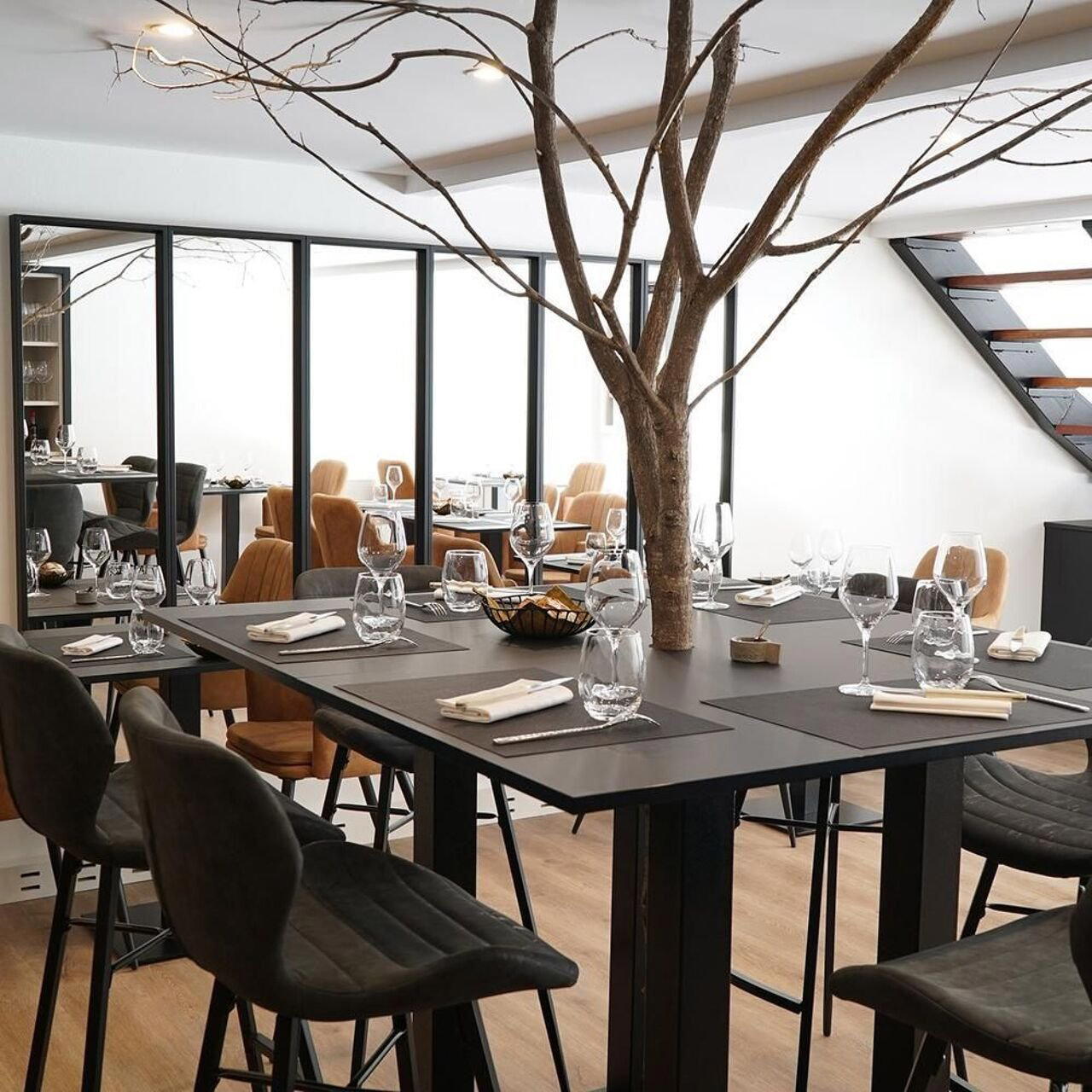
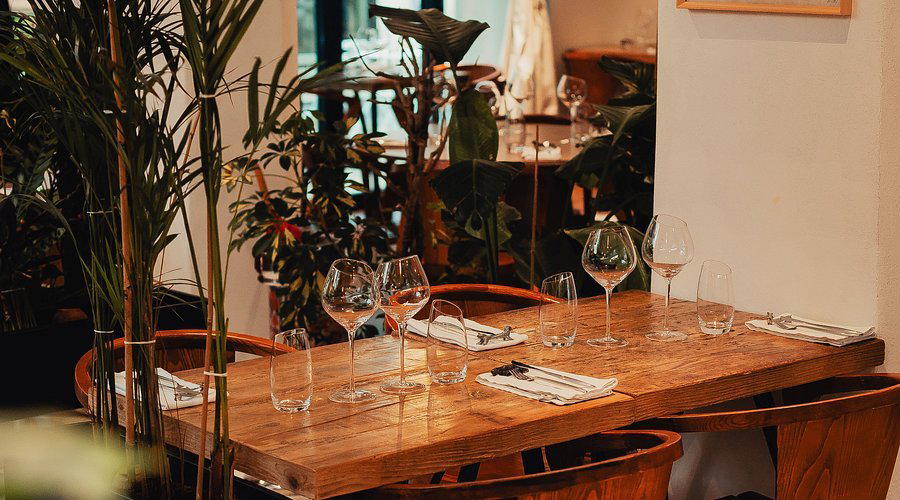
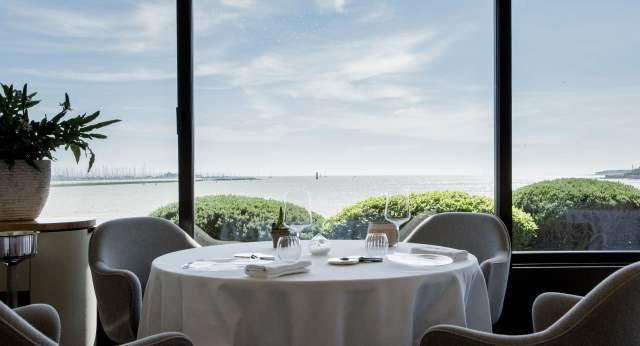
Bars in La Rochelle
Browse all →
At a Glance
- Cozy
- Rustic
- Family
- Casual Hangout
- Terrace
- Beer Program
- Street Scene
Current opening hours
- Monday
- Closed
- Tuesday
- Closed
- Wednesday
- 12–2 PM, 7–9:30 PM
- Thursday
- 12–2 PM, 7–9:30 PM
- Friday
- 12–2 PM, 7–9:30 PM
- Saturday
- 12–2 PM, 7–9:30 PM
- Sunday
- 12–2 PM, 7–9:30 PM
Hours can change for holidays and private events. Last verified .
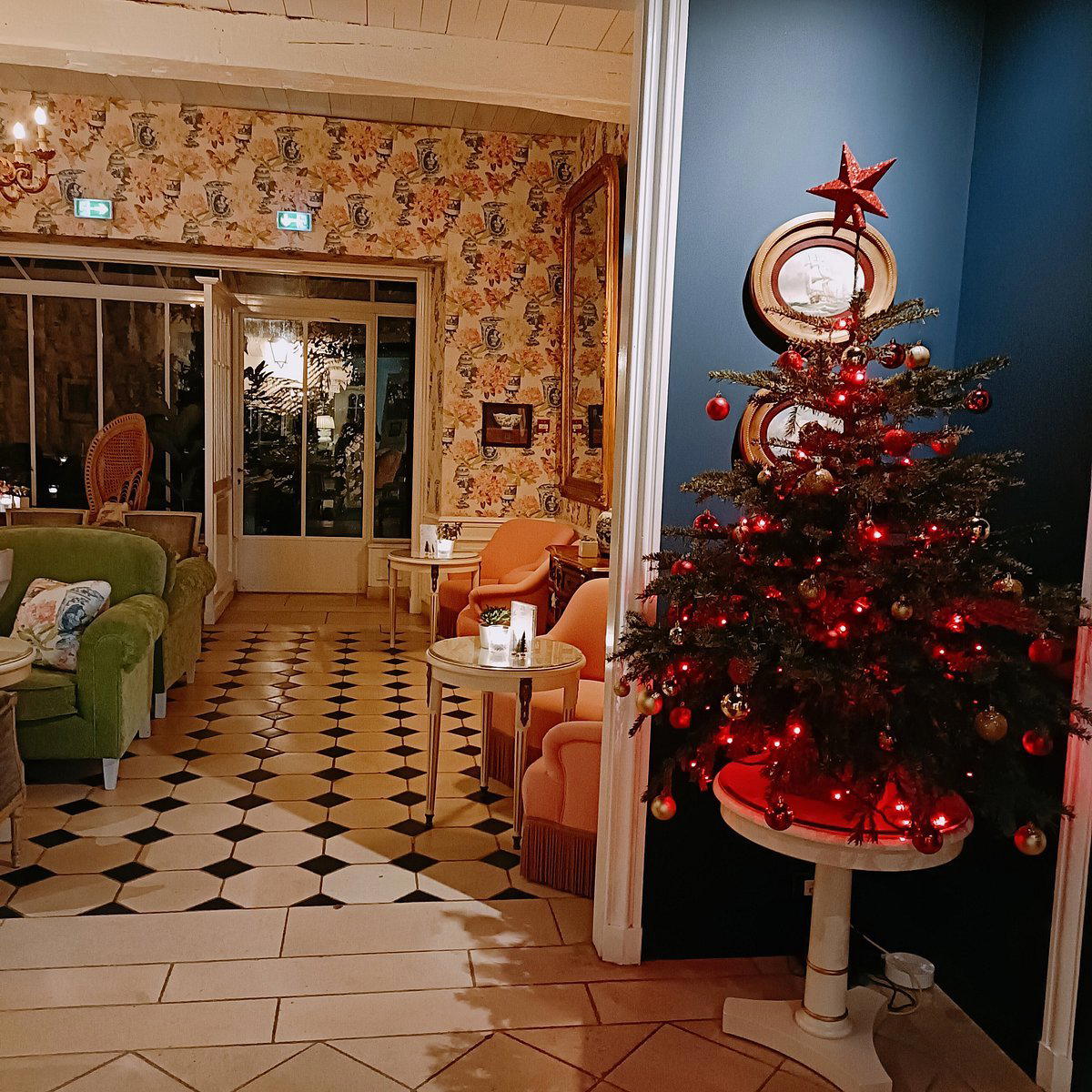
Cozy and warm family-friendly atmosphere with a charming terrace.