
Star Wine List
Our verdict
Noé occupies a quiet address on Rue Legendre in Paris's 17th arrondissement, holding a White Star recognition from Star Wine List — a signal that its wine program carries serious weight. The 17th sits at the intersection of neighbourhood dining culture and serious gastronomy, and Noé positions itself within that current: a table where the cellar is as considered as the kitchen.

Pearl is the En Primeur Club membership app — saves, bookings, and concierge access live there. Same editors, same standards.
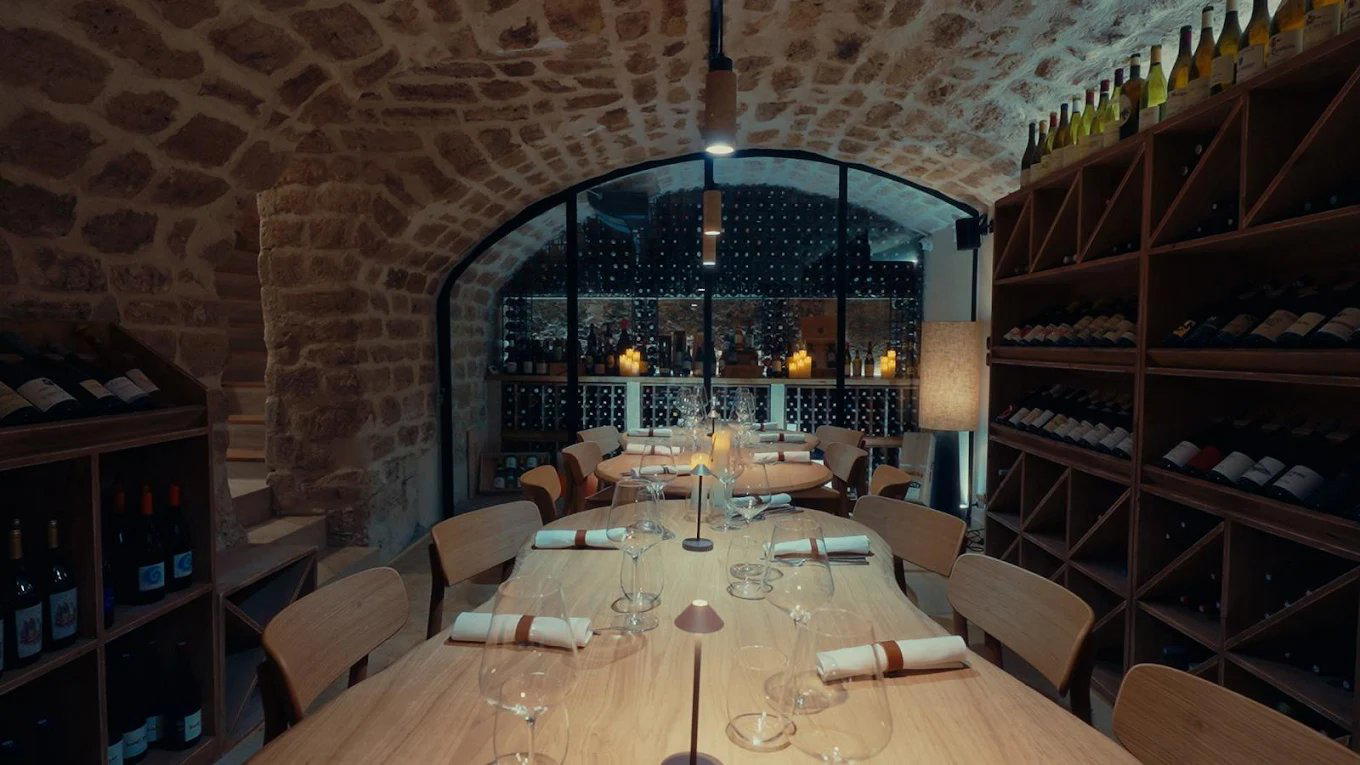
Rue Legendre and the 17th's Shift Toward Serious Tables
Paris's 17th arrondissement has spent the past decade quietly repositioning itself. The broad avenues near Batignolles and the tighter streets feeding into the 8th have attracted a wave of restaurants that operate outside the grand-boulevard logic of the Right Bank's more famous dining corridors — tables where the room is modest, the ambition is not, and the wine list is often the first thing a regular will mention. Rue Legendre, which cuts through the residential heart of the arrondissement, belongs to that pattern. The street reads as a neighbourhood thoroughfare rather than a destination address, which is precisely why tables along it tend to draw a local following before any wider recognition arrives.
Noé, at number 34, fits that profile. The address is residential-scaled — the kind of frontage you pass without ceremony, and that physical restraint signals something about what the restaurant prioritises inside. In a city where theatrical room design has become its own credential, a table that anchors its identity in the glass and the plate rather than the setting occupies a distinct position within the broader Parisian dining hierarchy.
Wine as Primary Language
Star Wine List awarded Noé a White Star, published in February 2026. That recognition places Noé within a specific tier of Parisian wine-forward restaurants: not the grand hotel cellars of properties like Le Cinq at the Four Seasons George V, with their multi-thousand-bottle reference lists, but also not the natural-wine neighbourhood bistro operating on instinct and producer loyalty alone. The White Star category on Star Wine List identifies restaurants where the wine program shows genuine depth and editorial coherence, where selections are made with a point of view rather than assembled to satisfy a price bracket.
Paris has several reference points for this kind of program. The wine culture at tables like Arpège is inseparable from the kitchen's identity; at Alléno Paris au Pavillon Ledoyen, the cellar functions as an extension of the cuisine's intellectual ambition. Noé operates at a different scale, in a neighbourhood that rewards specificity over spectacle, which shapes what a coherent wine program means in that context: focus, authority, and likely a list that rewards guests who engage with it rather than defaulting to the familiar.
The Intersection of Technique and Terroir
The editorial angle that defines contemporary French dining at this level is not nouvelle cuisine's legacy or the classical brigade model, both of which are well-documented at addresses like L'Ambroisie in the Marais, but rather the conversation between imported method and domestic product. French kitchens have spent twenty years absorbing influences from Japan, from Scandinavia, from the fermentation tradition, and then routing those techniques back through specifically French ingredients: Loire Valley vegetables, Brittany shellfish, Alpine dairy, Pyrenean lamb. The result is cooking that is identifiably French in its material but technically plural in its approach.
This pattern shows up across regional French tables recognised for their precision: Flocons de Sel in Megève and Bras in Laguiole both anchor their cooking in local product while drawing on technical vocabularies that extend well beyond their immediate geography. At the urban end of the same continuum, Kei in Paris makes the cross-cultural technique explicit, with Japanese training applied directly to French ingredients. Noé, operating in a neighbourhood context that values restraint, likely sits within this broader shift toward cooking where the sourcing argument and the technical argument are made simultaneously.
That alignment between ingredient provenance and global technique has become one of the defining signatures of serious French cooking in the 2020s. It appears in the emphasis on specific farms and regions that now appears on menus across Paris, in the fermentation programs at destination restaurants including Mirazur in Menton, and in the multi-generational commitment to a single terroir at tables like Auberge de l'Ill in Illhaeusern. Paris absorbs these regional signals and filters them through its own density and competition. A restaurant in the 17th that earns independent wine recognition is working within that framework, whether the menu foregrounds it explicitly or not.
The comparison class for Noé is not the palace restaurants of the 8th arrondissement or the three-star addresses that draw international visitors on a pilgrimage itinerary. Those tables, Paul Bocuse, Troisgros, the grands classiques, operate within a different economy of scale and reputation. Le Bernardin in New York offers a useful transatlantic comparison, a restaurant whose wine program and kitchen precision reinforce each other without the room itself being the argument. The dynamic is different at that scale, but the principle of coherence between what's poured and what's plated is the same.
Within Paris, the 17th's dining culture is less documented than the 6th or the 11th, which makes White Star recognition from a specialist platform more informative than it might be in a more saturated arrondissement. It suggests a program that wine professionals have evaluated and found to hold its own against the city's reference lists.
Planning a Visit
Noé is located at 34 Rue Legendre in the 17th arrondissement, reachable by Metro lines serving the Villiers, Malesherbes, or Brochant stations depending on direction. For a restaurant earning specialist wine recognition, booking ahead is the practical baseline, Paris tables at this level of seriousness rarely operate with much walk-in capacity, and the neighbourhood setting means there is no tourist-traffic buffer to absorb unplanned demand. Website and phone details are not listed in public directories at time of writing, so reservations are leading pursued through third-party booking platforms that list the address.
For a broader view of where Noé sits within the city's dining and drinking scene, our full Paris restaurants guide covers the range from neighbourhood tables to grand addresses. If the wine program is the draw, our Paris wineries guide provides further context on the city's wine culture. Those planning a longer stay can find accommodation and bar recommendations through our Paris hotels guide, our Paris bars guide, and our Paris experiences guide. For those interested in French dining beyond the capital, Emeril's in New Orleans offers a point of comparison for how French-influenced technique travels across different culinary cultures.
Frequently asked questions
at Noé?
What the White Star recognition from Star Wine List does confirm is that the wine program is the primary credential here, a restaurant earning that classification in Paris has demonstrated a list with depth and editorial coherence. At tables where the wine program anchors the identity, the practical approach is to let the list guide the meal rather than arriving with a fixed order in mind. For cuisine type and current menu specifics, checking directly with the restaurant before visiting is advisable. Comparable Paris addresses with documented menus include Kei and L'Ambroisie.
Is Noé reservation-only?
No booking policy is confirmed in public records, but the practical logic of a wine-focused neighbourhood restaurant in Paris that has earned specialist recognition points toward advance booking being necessary. Paris restaurants at this level of seriousness, particularly those outside the high-tourist-density arrondissements, tend to fill through regulars and word-of-mouth rather than walk-in traffic. If the White Star classification signals a program with a dedicated following, that following typically means limited availability on short notice. Booking through a third-party platform that lists the Rue Legendre address is the most accessible route until direct contact details are confirmed.
What do critics highlight about Noé?
The documented recognition for Noé comes from Star Wine List, which awarded a White Star classification, published in February 2026. Star Wine List specialises in evaluating wine programs rather than restaurants in aggregate, so that recognition speaks specifically to the cellar's quality and curatorial discipline. No Michelin, Gault&Millau;, or major print-publication reviews are confirmed in the available record. For a Paris restaurant in the 17th arrondissement to surface in specialist wine media before broader critical recognition, it suggests a program that wine professionals encounter through industry channels, the kind of table that earns a reputation among sommeliers and collectors before it becomes a general editorial subject. That sequencing is characteristic of wine-led neighbourhood restaurants across Paris.
Comparable Spots, Quickly
Comparable venues nearby, for context on price, style, and recognition.
| Venue | Cuisine | Price | Awards | Notes |
|---|---|---|---|---|
| NoéThis venue — the venue you are viewing | Contemporary French Bistro | $50–100 | Star Wine List | Not listed |
| Le Drugstore | Modern French Brasserie | $50–100 | We're Smart World 1 Radish | Étoile |
| Ô Château | French Wine Bar & Bistro | $50–100 | Star Wine List · Wine Spectator Best of Award of Excellence | 1st Arrondissement (Les Halles) |
| Jaïs | Modern French Bistro | $30–50 | Not listed | Gros-Caillou |
| L'Absinthe | Modern French Bistro | Not listed | Not listed | 1st Arrondissement |
| Café de l'Esplanade | French Brasserie with Asian Fusion | $50–100 | Not listed | 7e Arr. |
Recognition history
Dated appearances from independent guides and award organizations, with the underlying list record or original source where available.
Star Wine List
Star Wine List
Continue exploring
More in Paris
Restaurants in Paris
All restaurants in Paris →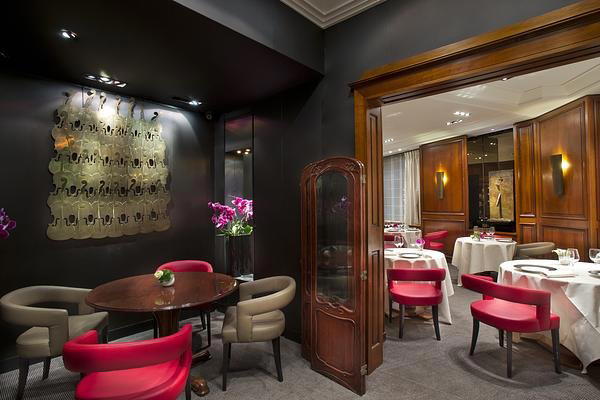
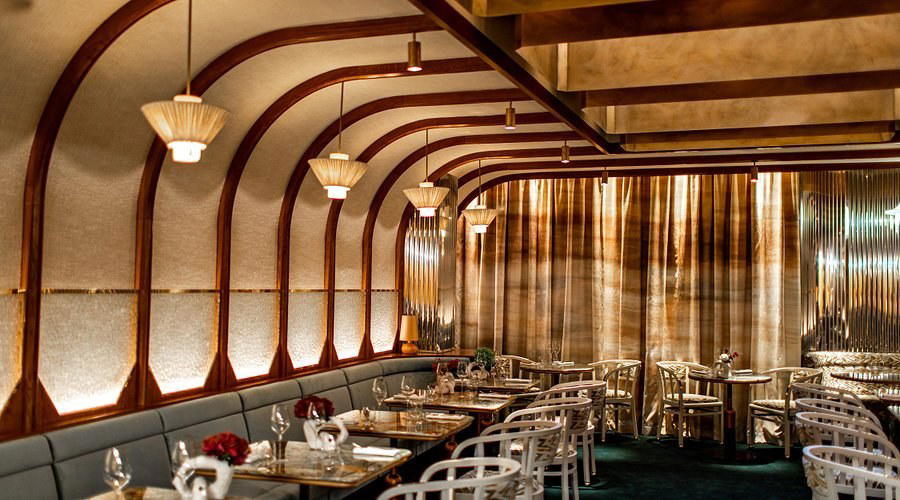
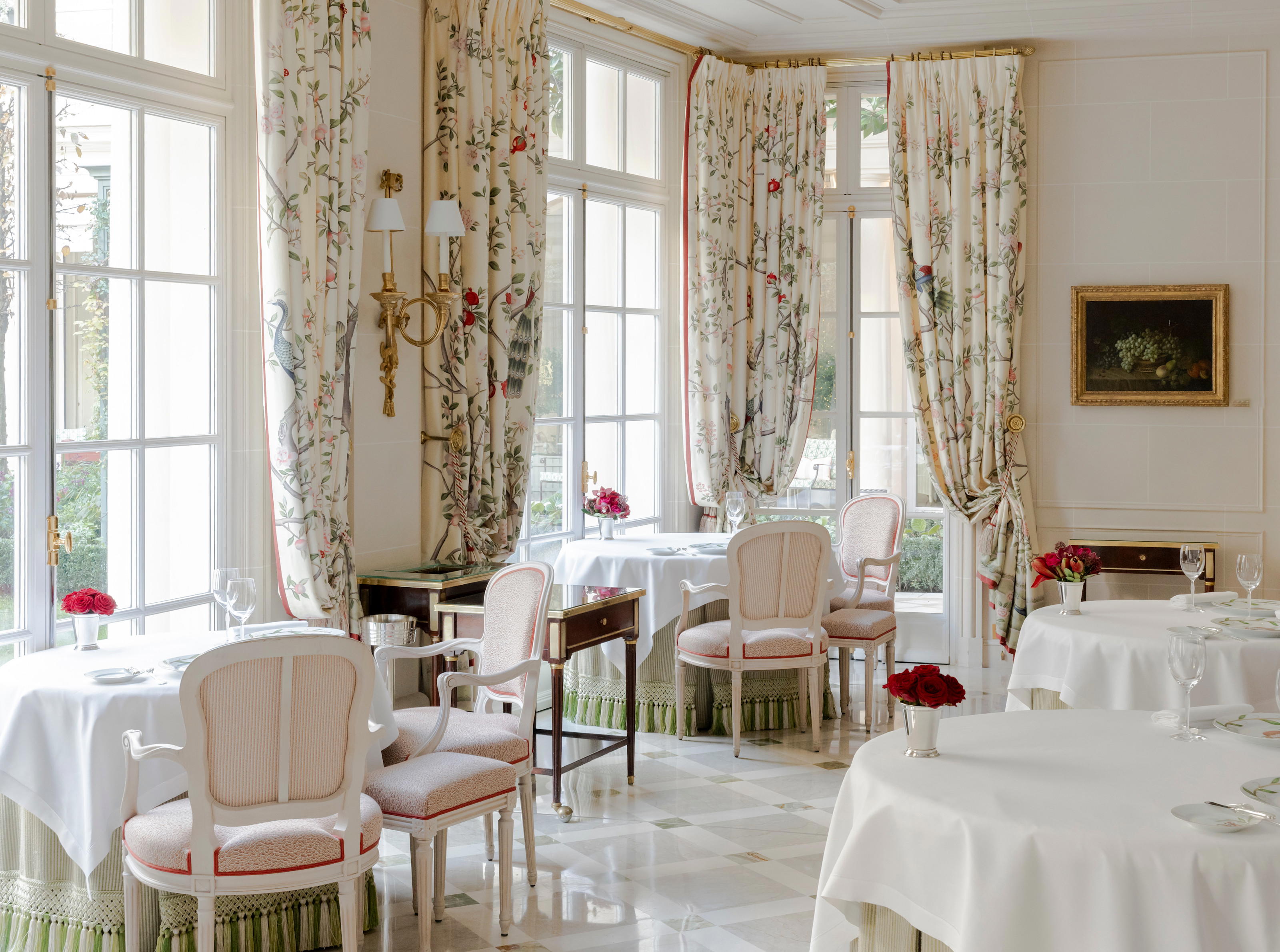

Bars in Paris
All bars in Paris →
Details
- Elegant
- Sophisticated
- Modern
- Date Night
- Special Occasion
- Standalone
- A La Carte
Current opening hours
- Monday
- Closed
- Tuesday
- 12–2 PM, 7–10 PM
- Wednesday
- 12–2 PM, 7–10 PM
- Thursday
- 12–2 PM, 7–10 PM
- Friday
- 12–2 PM, 7–10 PM
- Saturday
- 7–10:30 PM
- Sunday
- Closed
Hours can change for holidays and private events. Last verified .
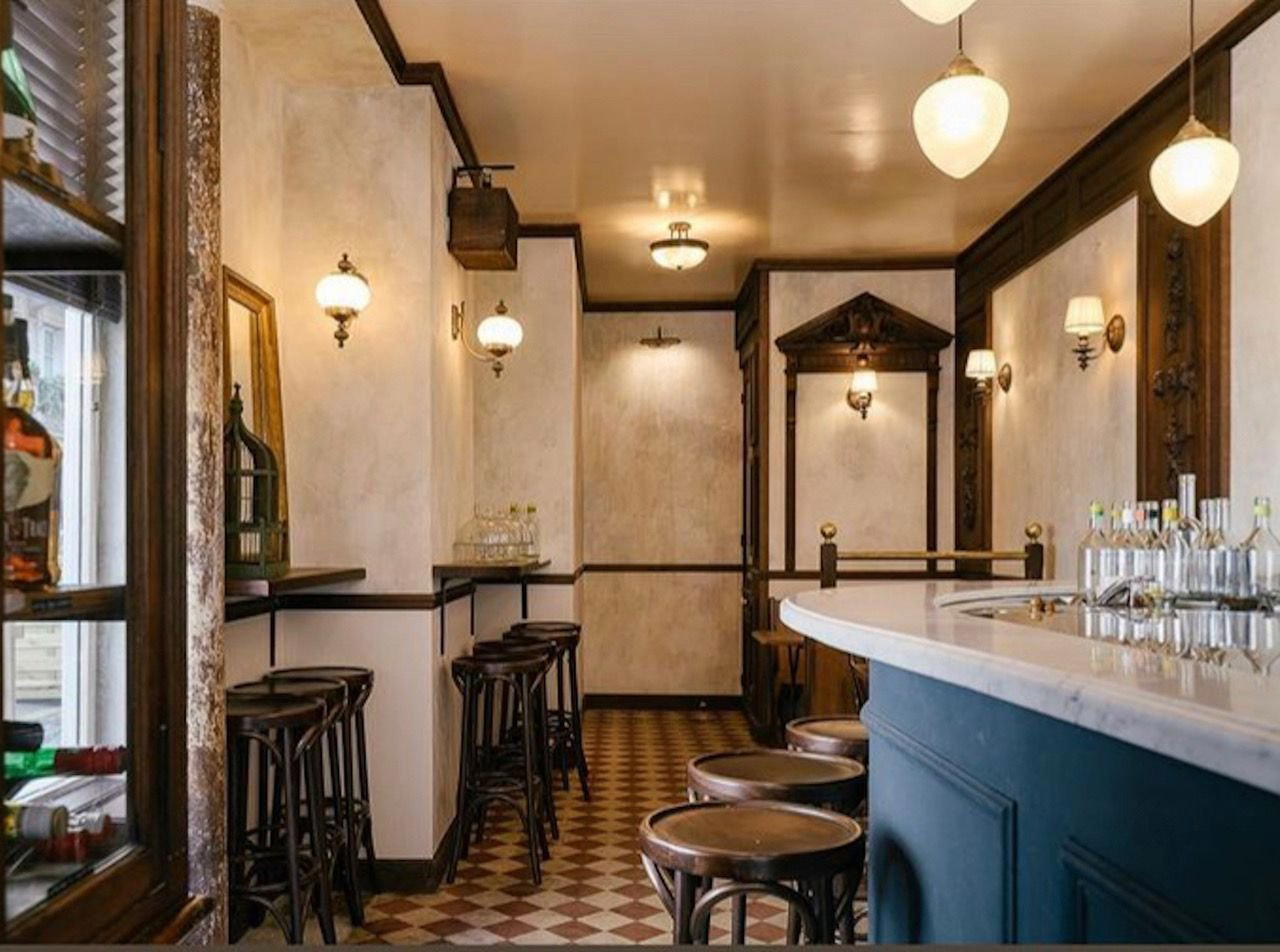
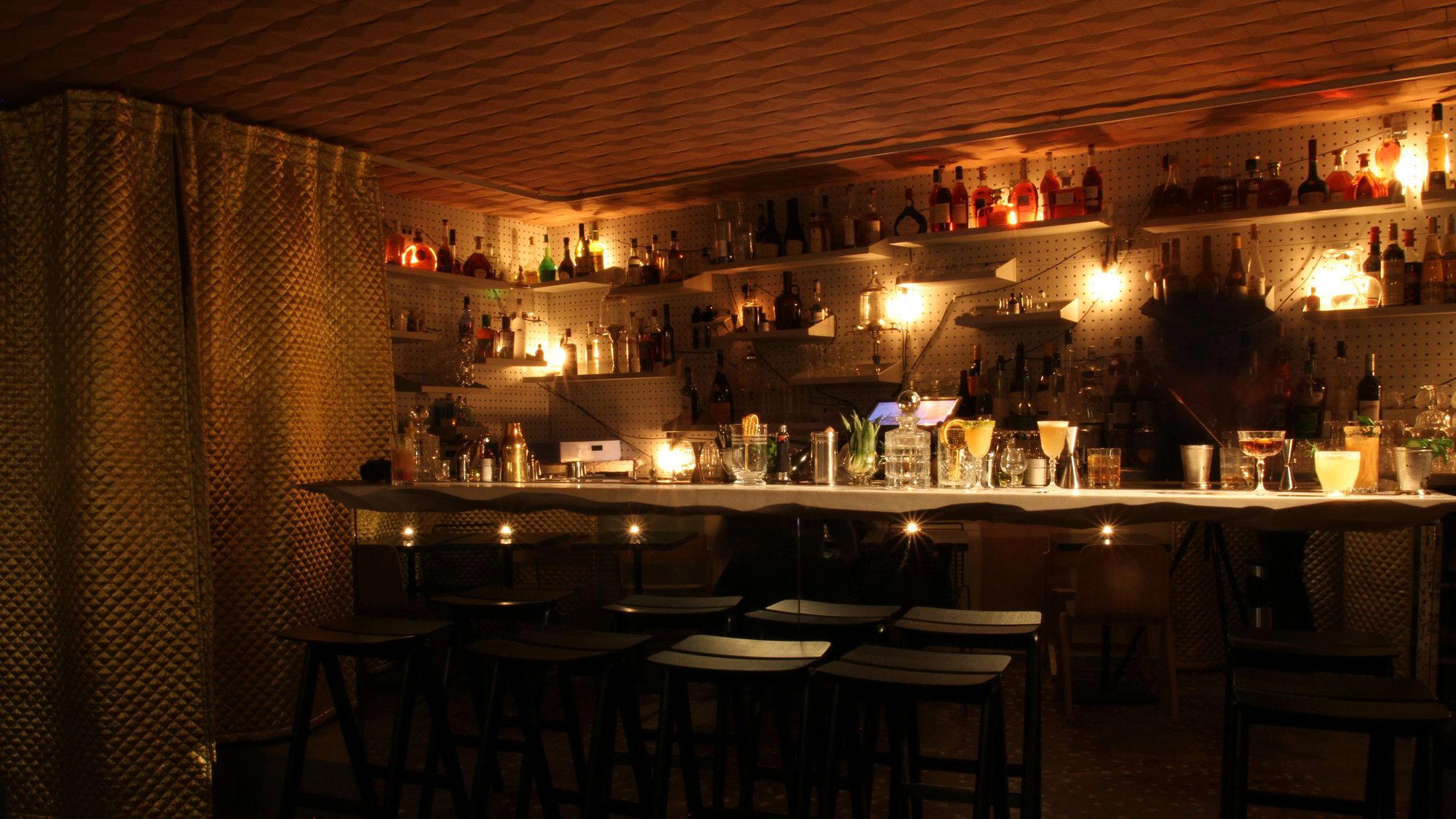
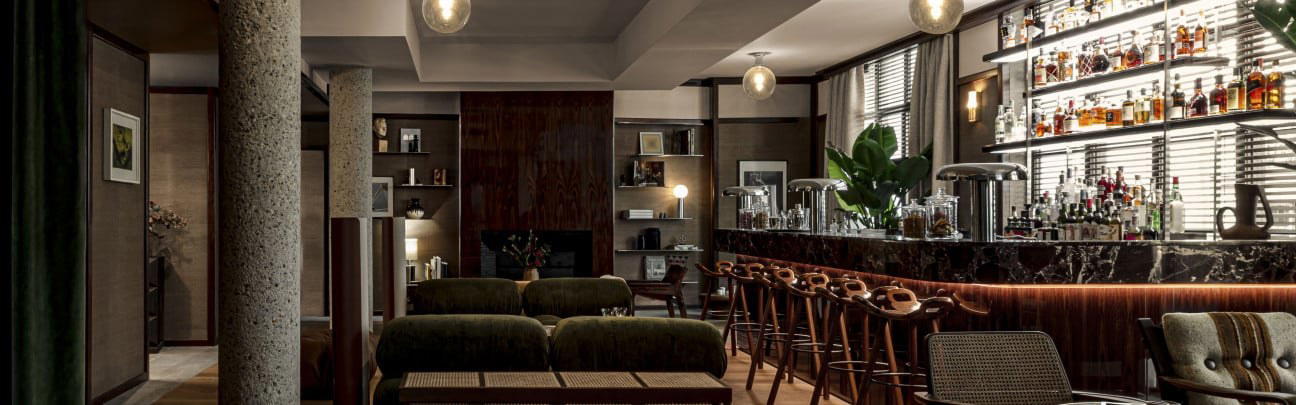
Chic and intimate atmosphere with refined lighting and sophisticated decor befitting an upscale Parisian bistro.