Nobu Lana'i
Nobu Lanai occupies a rare position in Hawaii's dining scene: a globally recognized Japanese-Peruvian brand rooted in one of the Pacific's most isolated and ingredient-rich islands. Situated at the Manele Bay resort on Lana'i, it draws on the same sourcing instincts that define Nobu's broader reputation while operating in a setting where the ocean is both backdrop and pantry.
Pearl is the En Primeur Club membership app — saves, bookings, and concierge access live there. Same editors, same standards.
- Address
- 1 Manele Rd, Lanai City, HI 96763
- Phone
- +18085652832
- Website
- noburestaurants.com
 Saves & bookings on Pearl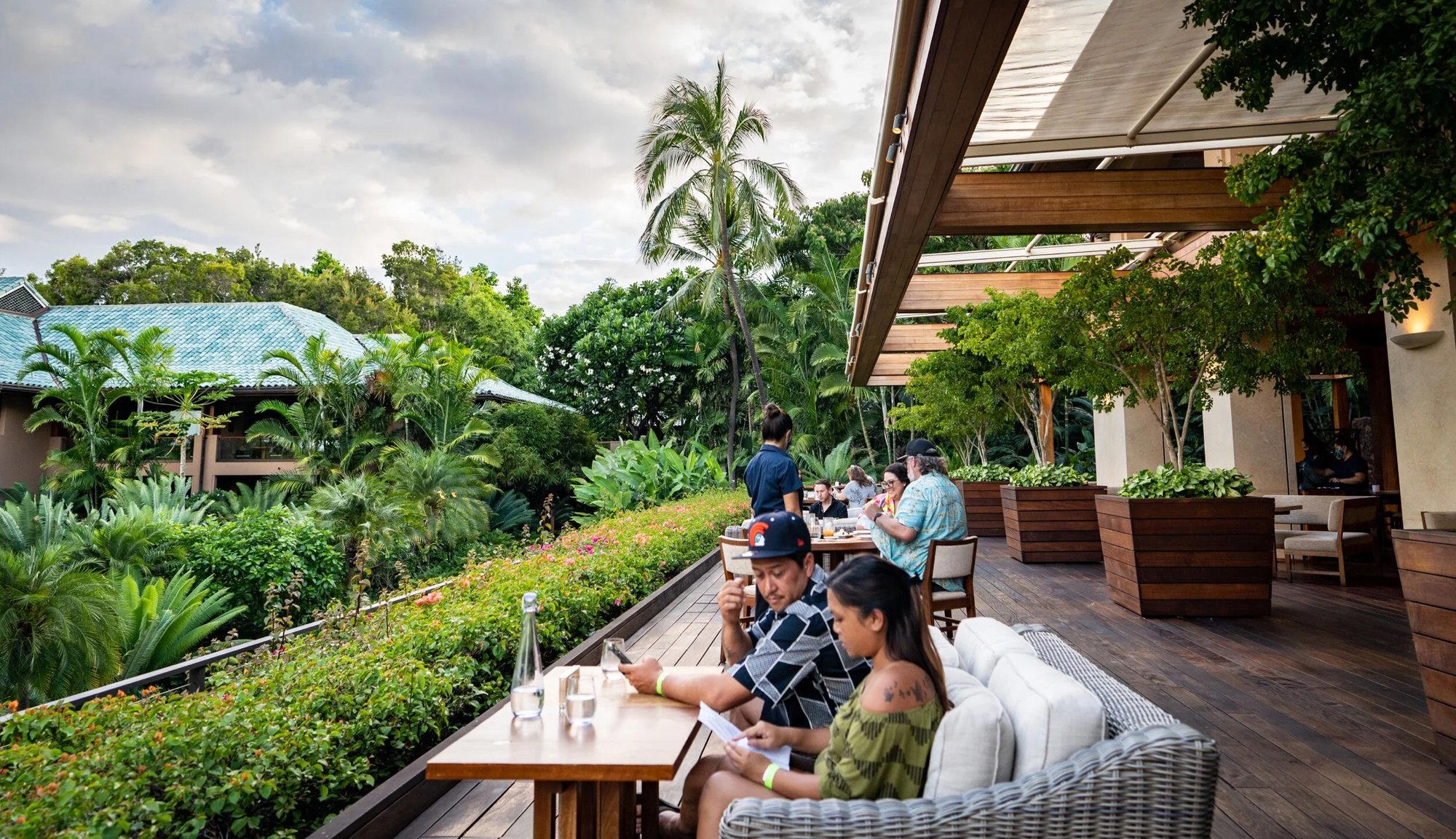
Where the Pacific Becomes the Pantry
Nobu Lanai is a restaurant in Lanai City, Hawaii, serving New-Style Japanese with Peruvian Influences at a price point of about $250 per person. Arriving at Manele Bay on Lana'i, the geography does most of the talking before a single dish arrives. The island sits roughly nine miles off Maui's western shore, separated from the main tourist circuits of Oahu and the Big Island by a short but meaningful stretch of open water. That distance is not a liability for a restaurant built around ingredient sourcing, it is the entire premise. The Pacific here is not decorative. It is operational.
Nobu, as a global format, has always positioned its kitchens close to high-quality fish supply chains. In Tokyo, that means Tsukiji and Toyosu market access. In Malibu, it means California coastal waters. On Lana'i, the calculus shifts: the island's own surrounding reef systems and the broader Hawaiian archipelago's seafood ecology become the immediate reference point. What arrives at the Manele Bay kitchen does not travel the same distances as ingredients at a continental outpost, and that compression matters for a cuisine where freshness is not a preference but a structural requirement.
The Nobu Format in an Isolated Setting
Nobu's signature culinary framework, Japanese technique applied to Peruvian ingredient logic, with a particular emphasis on raw preparations, citrus-forward sauces, and miso-based marinades, was developed for cosmopolitan markets. New York, London, Las Vegas. The move to Lana'i introduces a different pressure: a small island with limited import infrastructure and a guest base that skews toward resort visitors rather than urban dining regulars. That constraint, in practice, tends to produce menus that lean harder on what is locally abundant rather than what is globally fashionable.
The broader Nobu network includes properties in dining cities where ingredient sourcing is competitive and supply chains are dense. Le Bernardin in New York City operates inside one of the world's most sophisticated seafood supply ecosystems. Providence in Los Angeles has built its identity around California and Pacific sourcing. Addison in San Diego draws from Baja and Southern California producers. The Lana'i context is different: smaller scale, greater geographic specificity, and a more captive relationship between the kitchen and what the surrounding waters actually yield.
Hawaii's Sourcing Logic and Why It Matters Here
Hawaiian cuisine has been shaped, over the past two decades, by a sustained farm-to-table movement that responded to the islands' historical over-reliance on imported goods. At peak import dependency, Hawaii was bringing in roughly 85 to 90 percent of its food supply from the mainland and abroad, a vulnerability that drove local chefs and policymakers toward island-grown and island-caught alternatives. Lana'i, privately controlled and less densely developed than Maui or Oahu, occupies a particular position in that shift. Its agricultural and fishing outputs are smaller in volume but relatively unencumbered by the industrial pressures that affect more populous islands.
For a kitchen operating in the Nobu idiom, this matters because the cuisine's Japanese-Peruvian fusion grammar is genuinely flexible about protein source. The yellowfin tuna that appears in Nobu's signature preparations worldwide is a species abundant in Hawaiian waters. Local ono, mahi-mahi, and various reef fish translate naturally into the format's raw and lightly cooked applications. The miso-based marinades that define dishes like black cod miso, a preparation closely associated with the Nobu brand globally, work just as effectively with locally landed species as with their continental equivalents.
Restaurants that operate at the intersection of a strong global brand identity and a strong local sourcing context tend to produce particularly interesting versions of their cuisine. Blue Hill at Stone Barns in Tarrytown and Single Thread Farm in Healdsburg are two North American examples where the sourcing constraint has become the defining creative engine. The Lana'i context asks a similar question of Nobu: what does this format produce when it cannot default to global supply chains?
Lana'i's Dining Scene and Where Nobu Sits Within It
The island's restaurant options are deliberately limited, a function of its low population, resort-centric development model, and the Four Seasons' dominant role in the local hospitality infrastructure. Lana'i City Grille and Pele's Other Garden serve the Lana'i City township with a more casual, locally oriented approach. ONE FORTY and VIEWS at Manele Golf operate within the same Four Seasons resort complex, each occupying a different price tier and format.
Nobu Lanai, situated at 1 Manele Rd within the resort grounds, occupies the premium dinner tier in that context. For visitors on the island, it is a familiar dining name in a market where repeat-visit dining culture is limited by the island's guest volume. The guest profile here is not the urban omakase regular who visits Nobu Tokyo or Atomix in New York City as part of an established dining circuit. It is more likely a traveler for whom the Nobu brand functions as a quality anchor in an unfamiliar geography.
That positioning is not a criticism. Restaurants that serve resort markets perform a different function than urban destination restaurants like Alinea in Chicago, The French Laundry in Napa, or The Inn at Little Washington. The comparison set is different, and the success metrics are different. A Nobu on Lana'i is not competing with Lazy Bear in San Francisco or Bacchanalia in Atlanta for the same diner. It is competing with the alternative of not having a globally coherent dining option on an island with nine miles of water between it and its nearest neighbor.
Planning a Visit
Lana'i is accessible primarily by ferry from Lahaina on Maui or by small aircraft into Lana'i Airport, which handles commuter and charter flights. The island's scale means that most visitors are based at the Four Seasons resort, and dinner at Nobu Lanai is most naturally approached as part of that stay. Given the resort context and the island's limited dining alternatives, reservations are essential. Guests should check current hours and availability before visiting.
A Quick Peer Check
Comparable venues nearby, for context on price, style, and recognition.
| Venue | Cuisine | Price | Notes |
|---|---|---|---|
| Nobu LanaiThis venue — the venue you are viewing | New-Style Japanese with Peruvian Influences | $$$$ | Not listed |
| VIEWS at Manele Golf | Modern American Pub with Ocean Views | $$$$ | Manele |
| Osteria Mozza Lanai | Traditional Italian with Hawaiian Influences | $$$$ | Manele |
| Pele's Other Garden | Casual Italian-American Deli & Bistro | $$ | Lanai City |
| ONE FORTY | American Steakhouse with Hawaiian Seafood | $$$ | Lanai City |
| Osteria Mozza Residency | Traditional Italian with Hawaiian Influences | $$$$ | Manele |
Continue exploring
More in Lanai
Restaurants in Lanai
Browse all →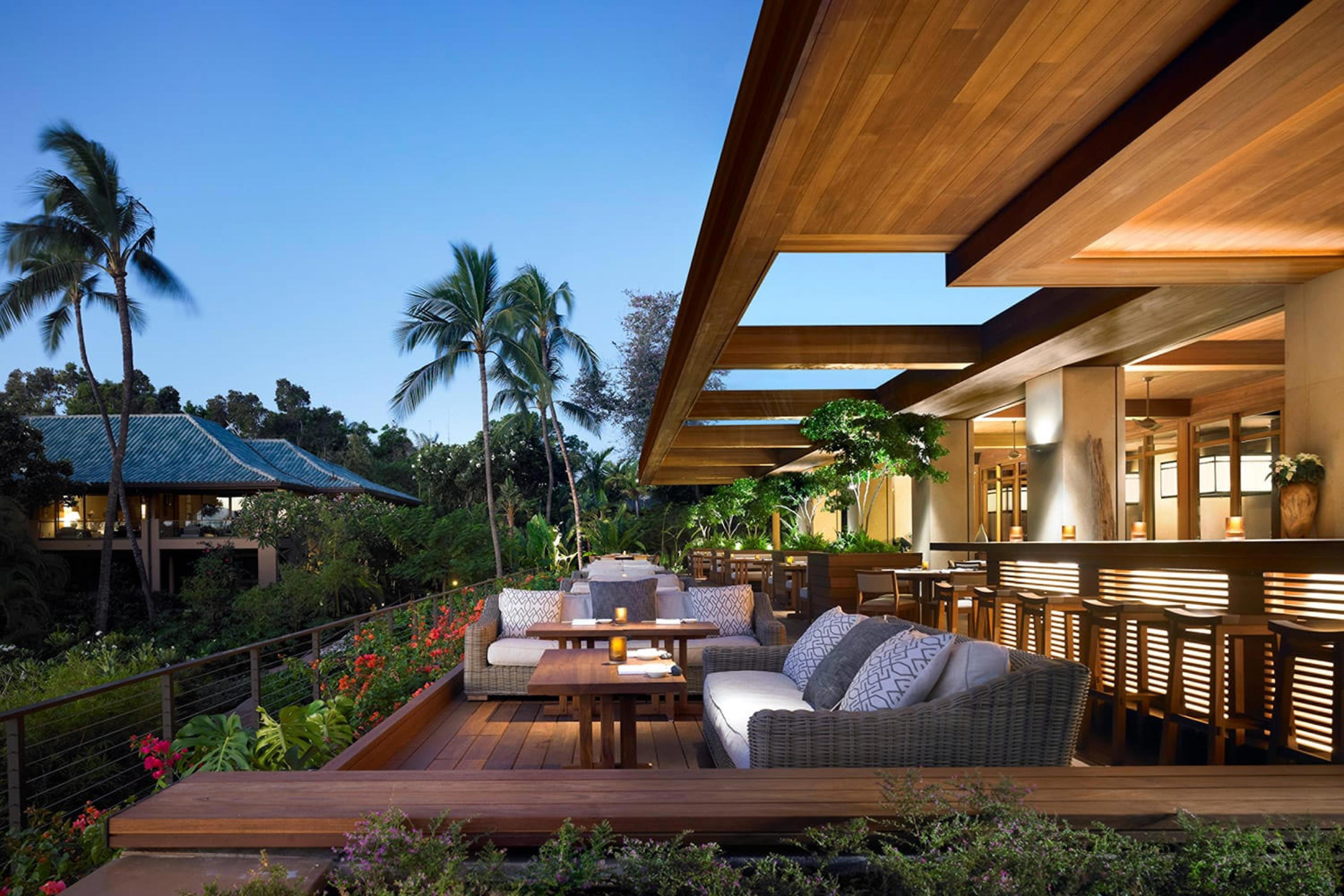
At a Glance
- Elegant
- Sophisticated
- Scenic
- Date Night
- Special Occasion
- Waterfront
- Hotel Restaurant
- Open Kitchen
- Sake Program
- Extensive Wine List
- Local Sourcing
- Waterfront
Current opening hours
- Monday
- 5:30–9 PM
- Tuesday
- 5:30–9 PM
- Wednesday
- 5:30–9 PM
- Thursday
- 5:30–9 PM
- Friday
- 5:30–9 PM
- Saturday
- 5:30–9 PM
- Sunday
- 5:30–9 PM
Hours can change for holidays and private events. Last verified .
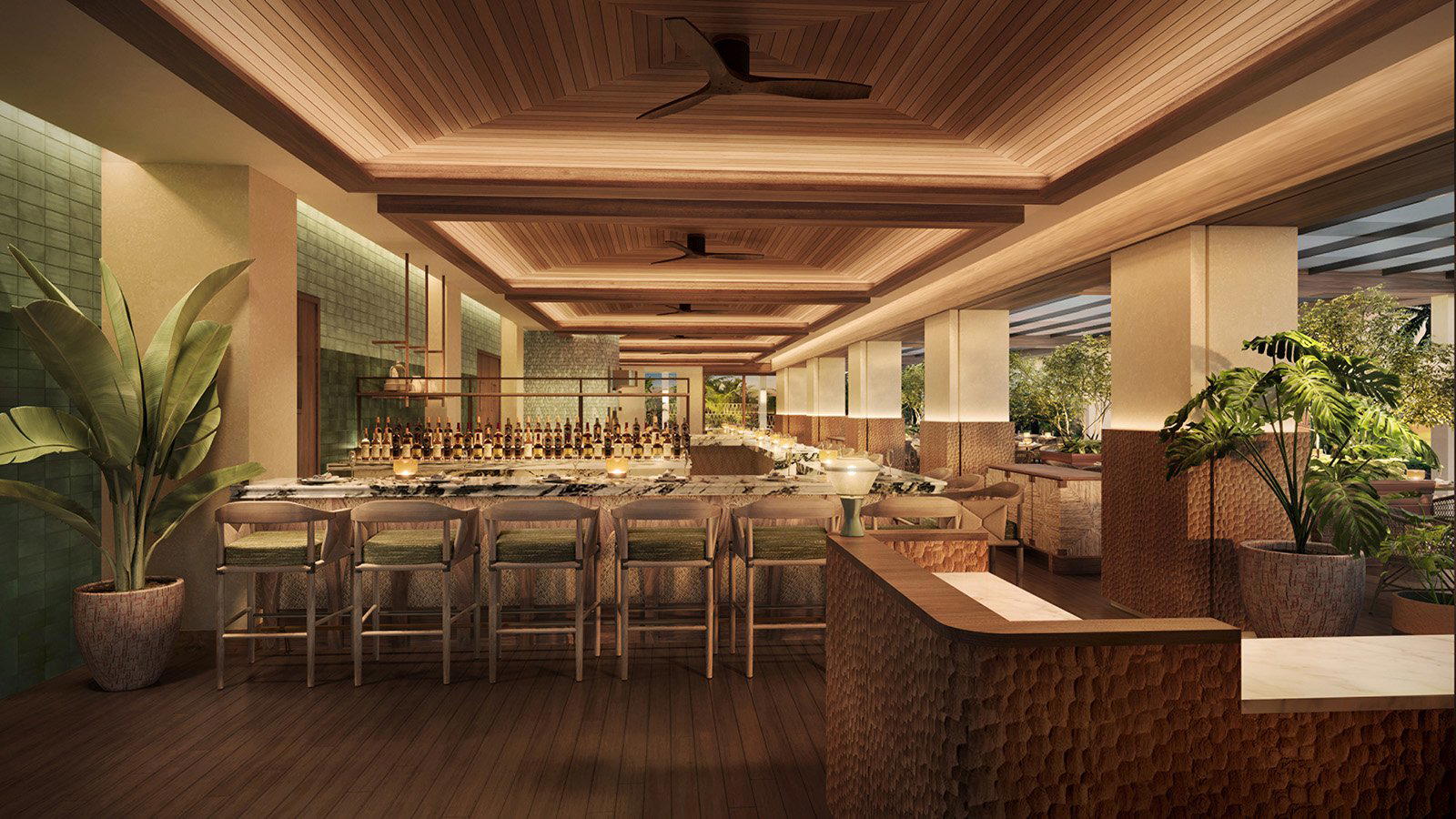
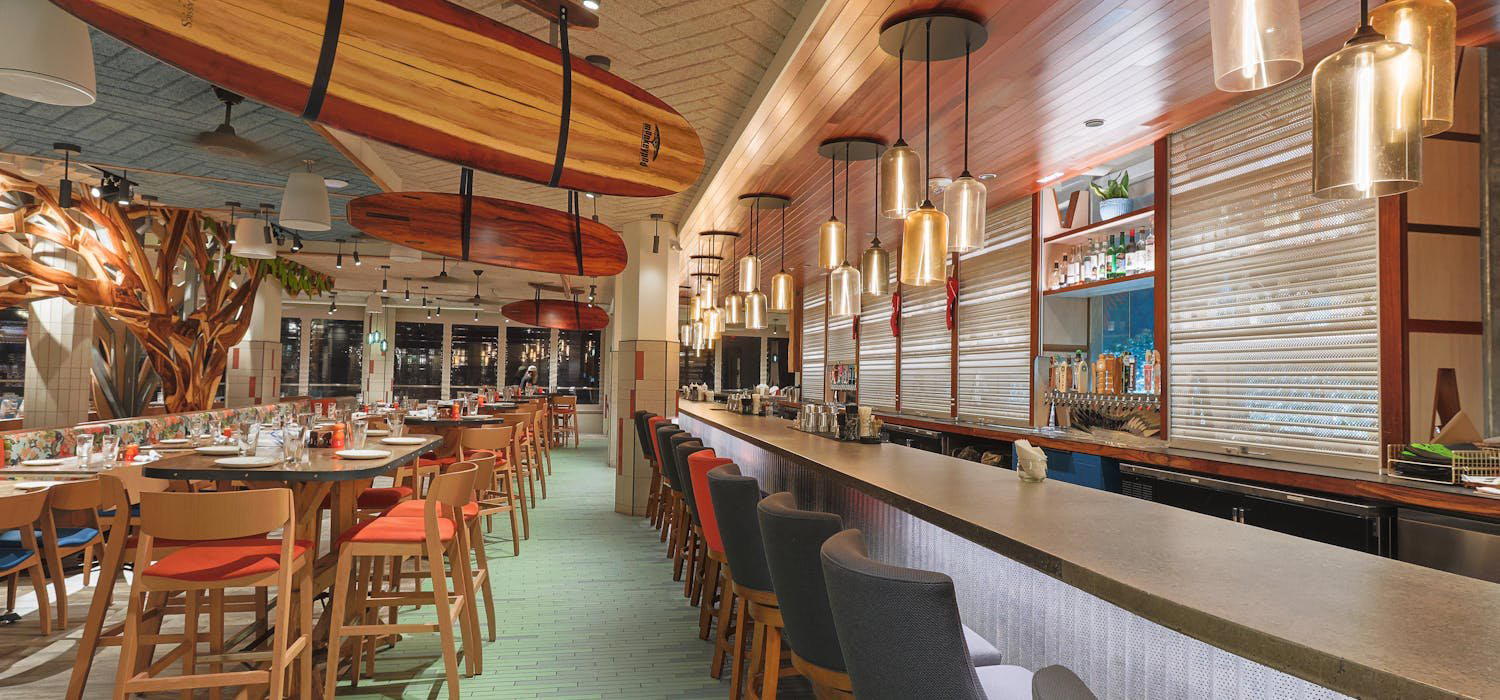
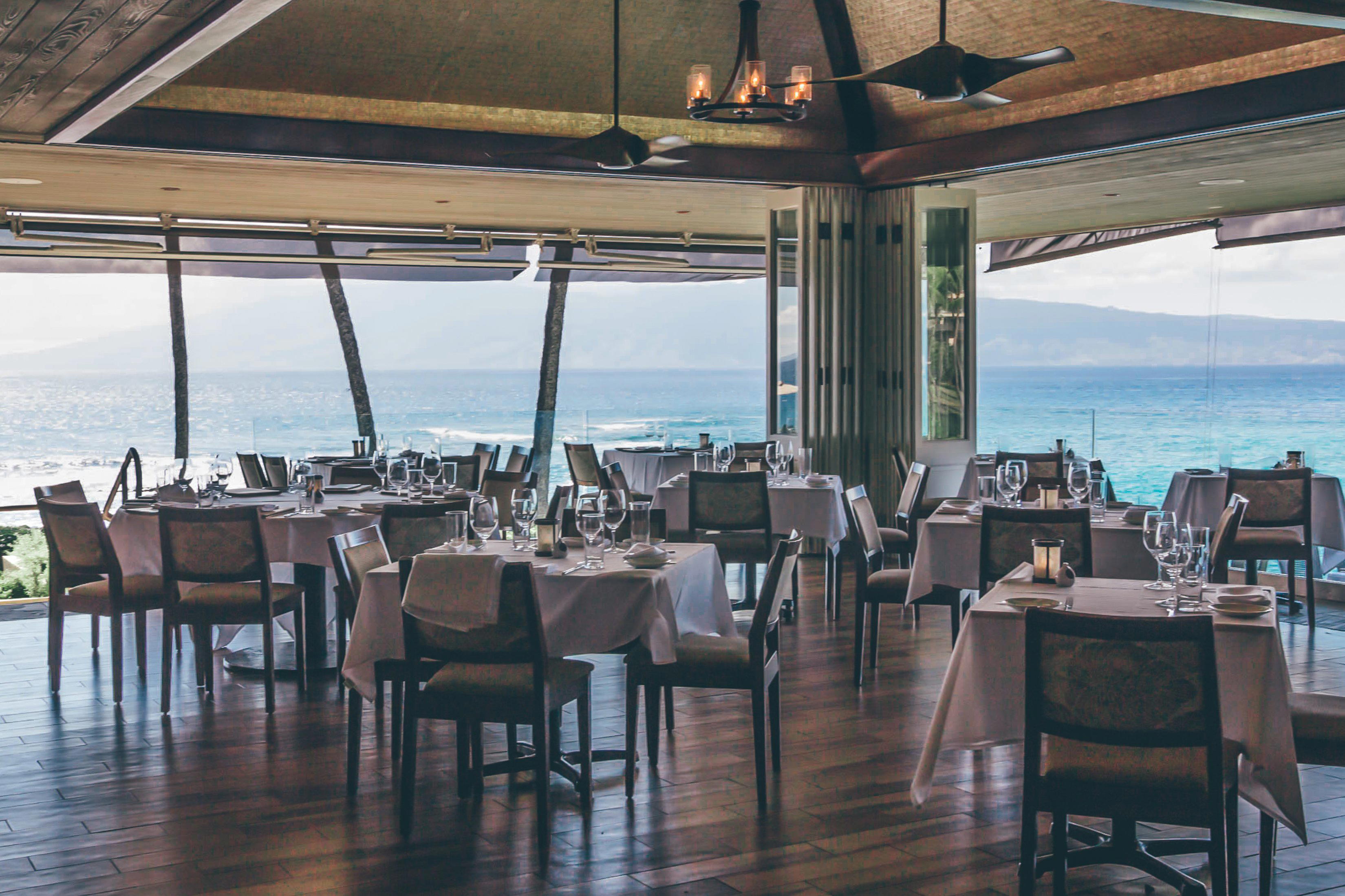
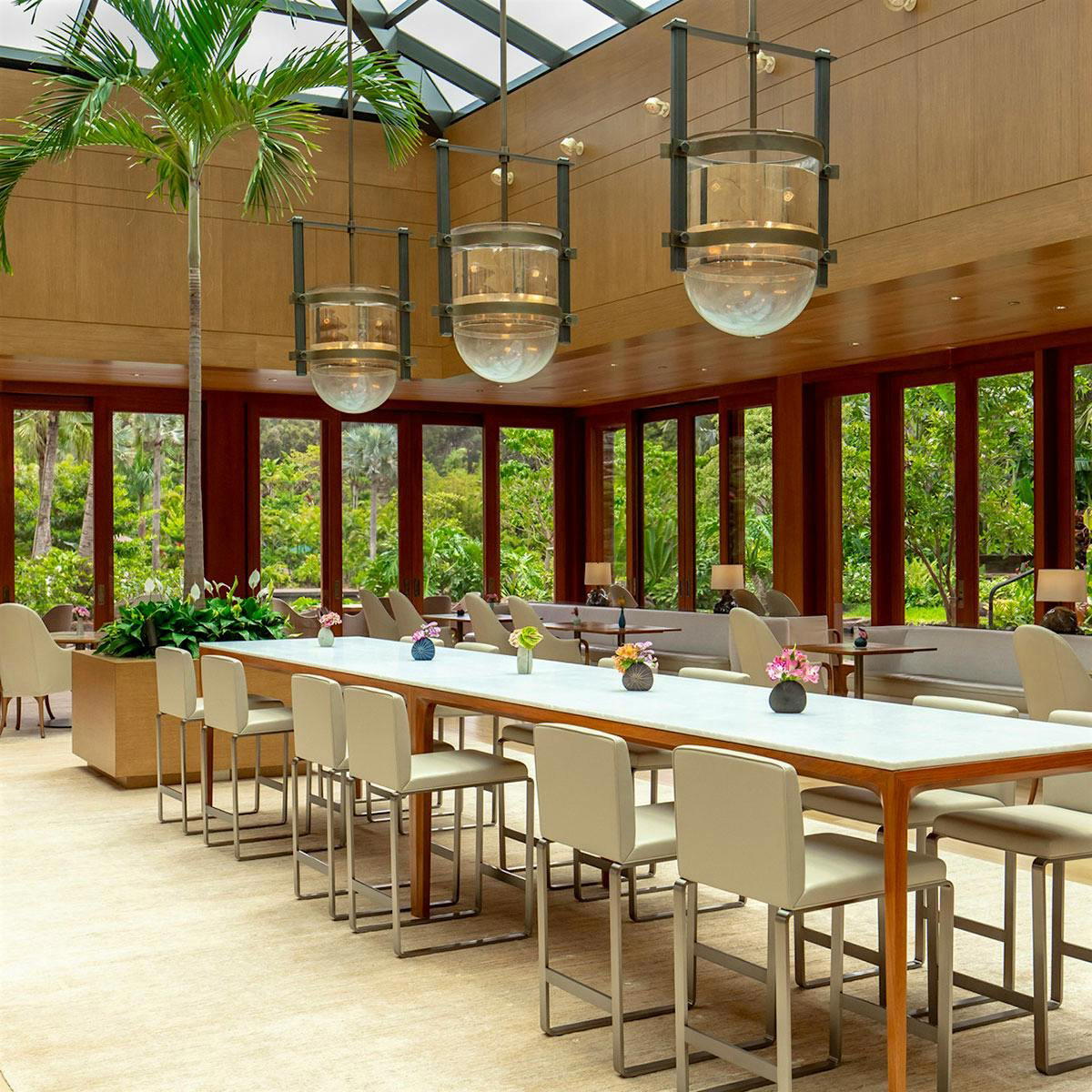
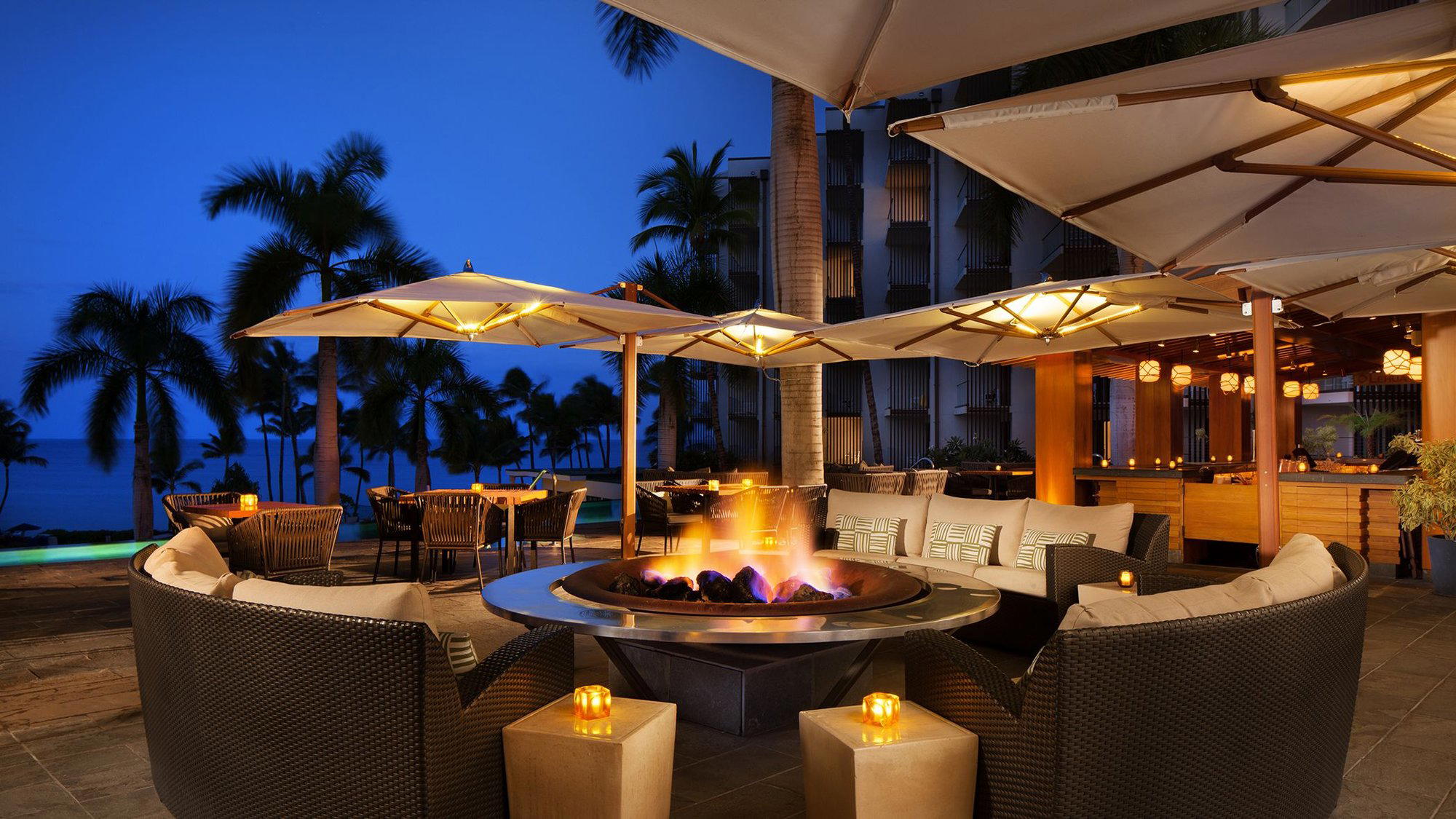
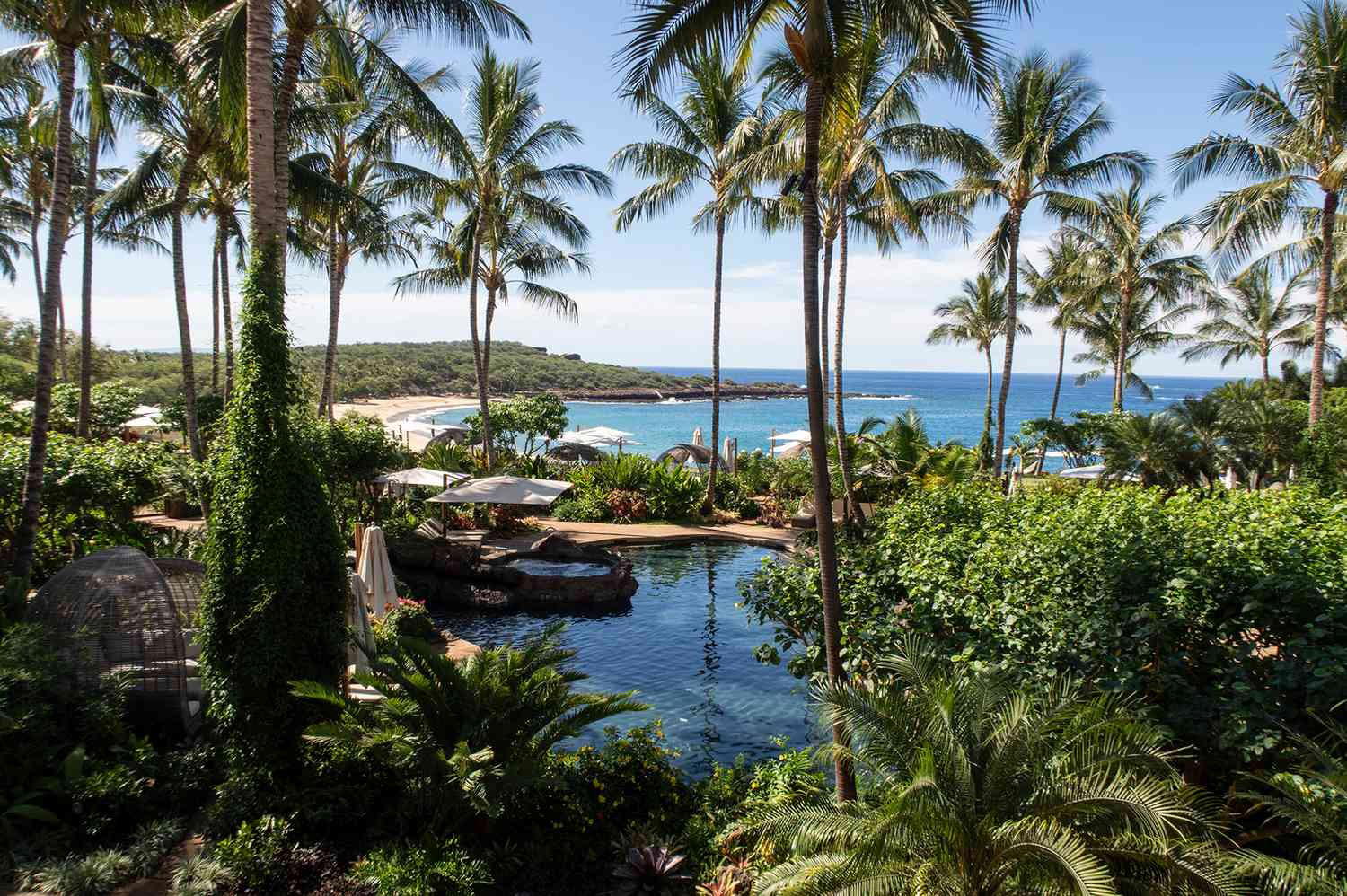
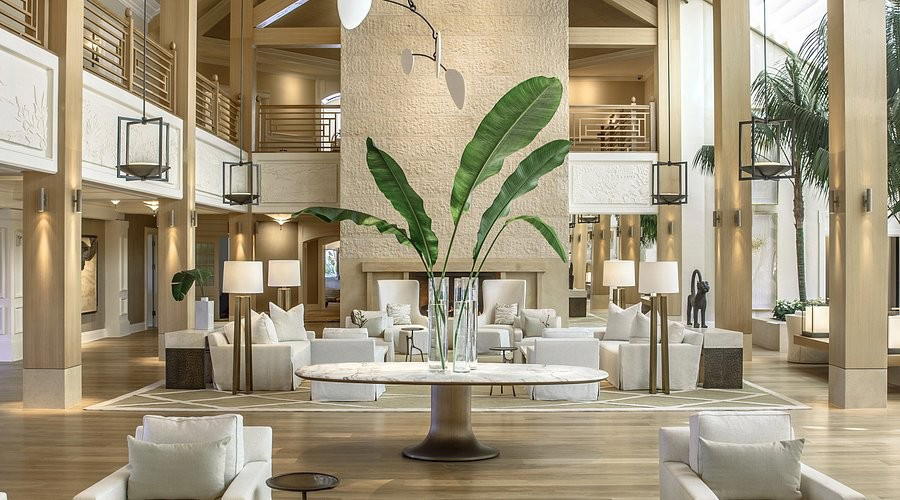
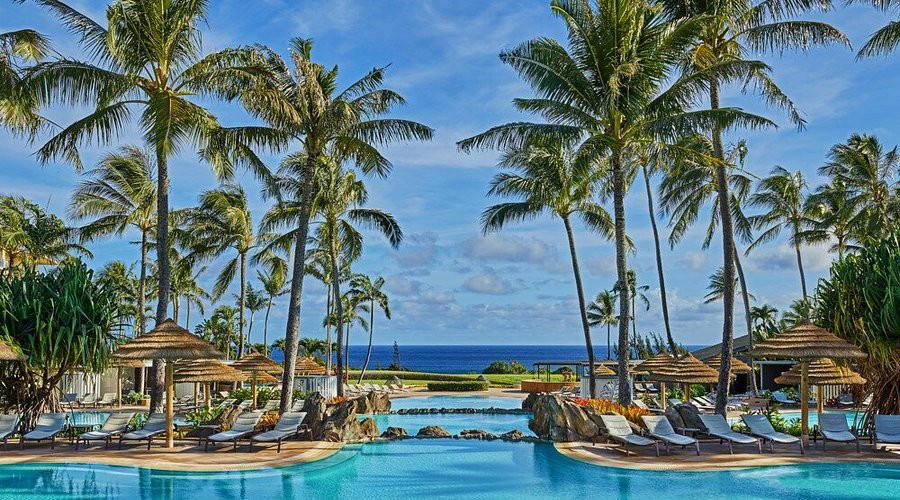
Open-air setting with sweeping ocean views, casual yet refined atmosphere centered on high-quality ingredients and interactive dining.