ONE FORTY
ONE FORTY sits at Manele Bay on the island of Lana'i, operating within one of Hawaii's most remote luxury resort settings. The restaurant draws from the broader tradition of Pacific Rim fine dining, where ingredient provenance and pacing define the experience as much as the food itself. For visitors arriving on an island with a handful of dining options, it anchors the upper tier of the local scene.
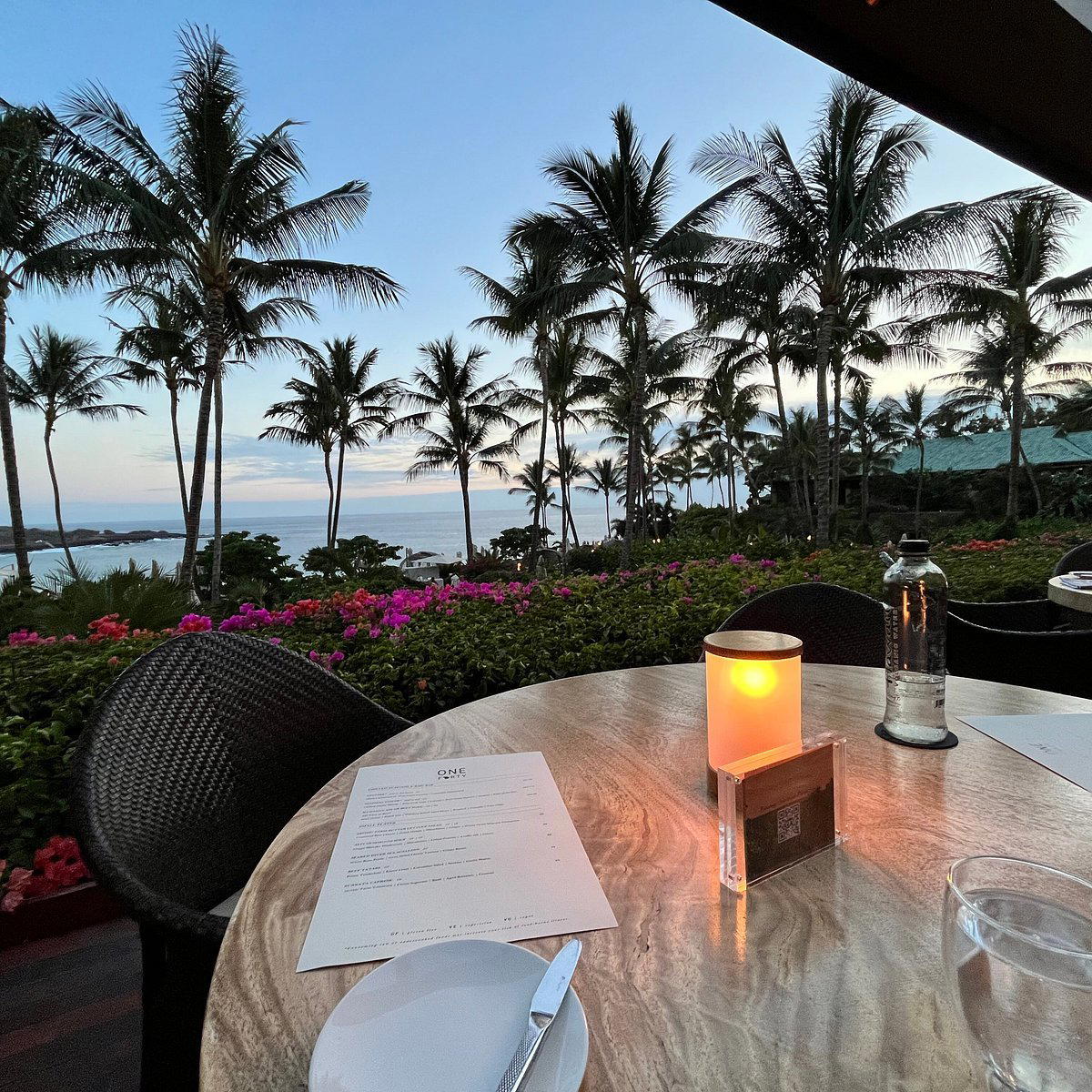
Dining at the Edge of the Pacific
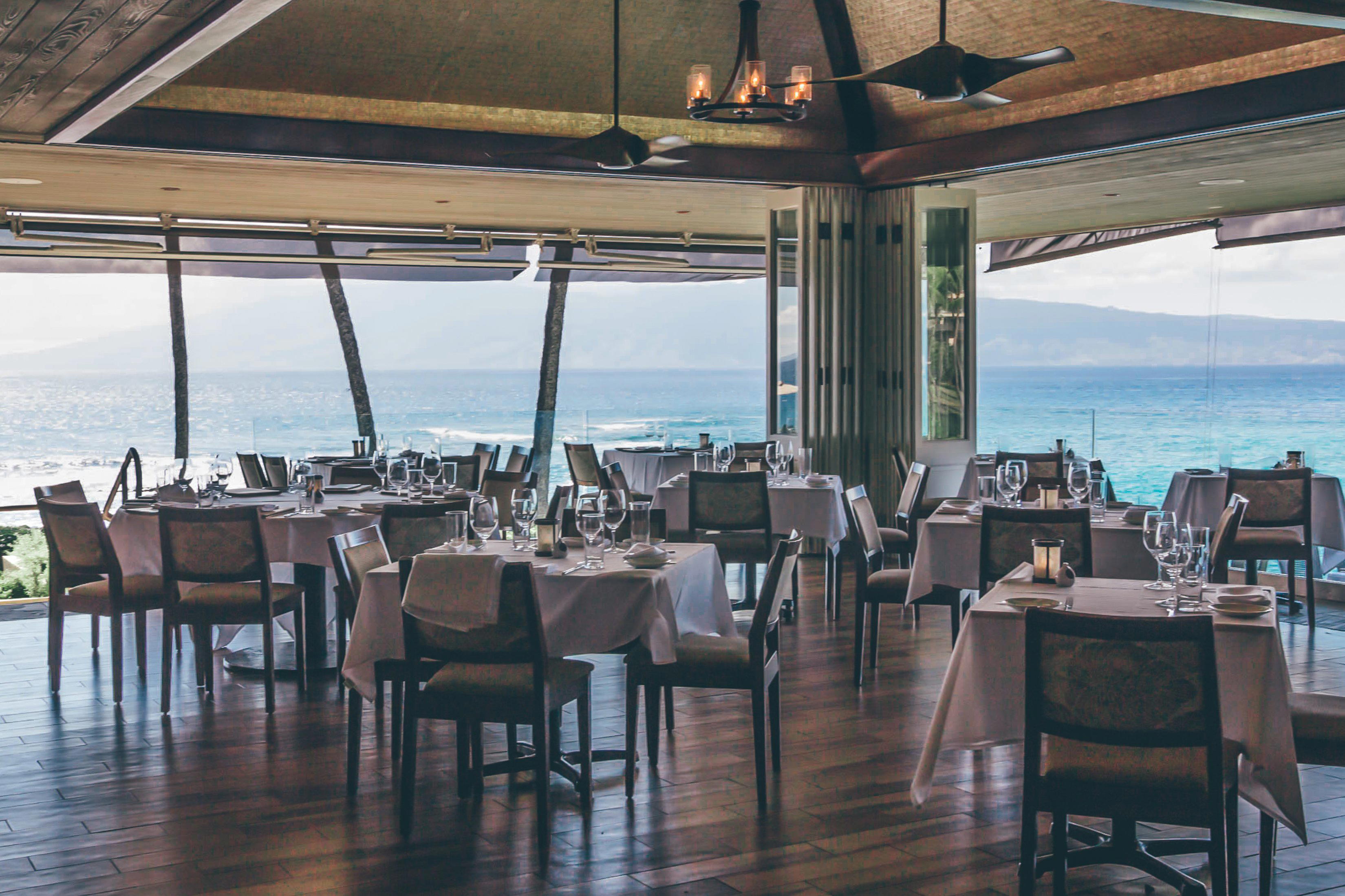
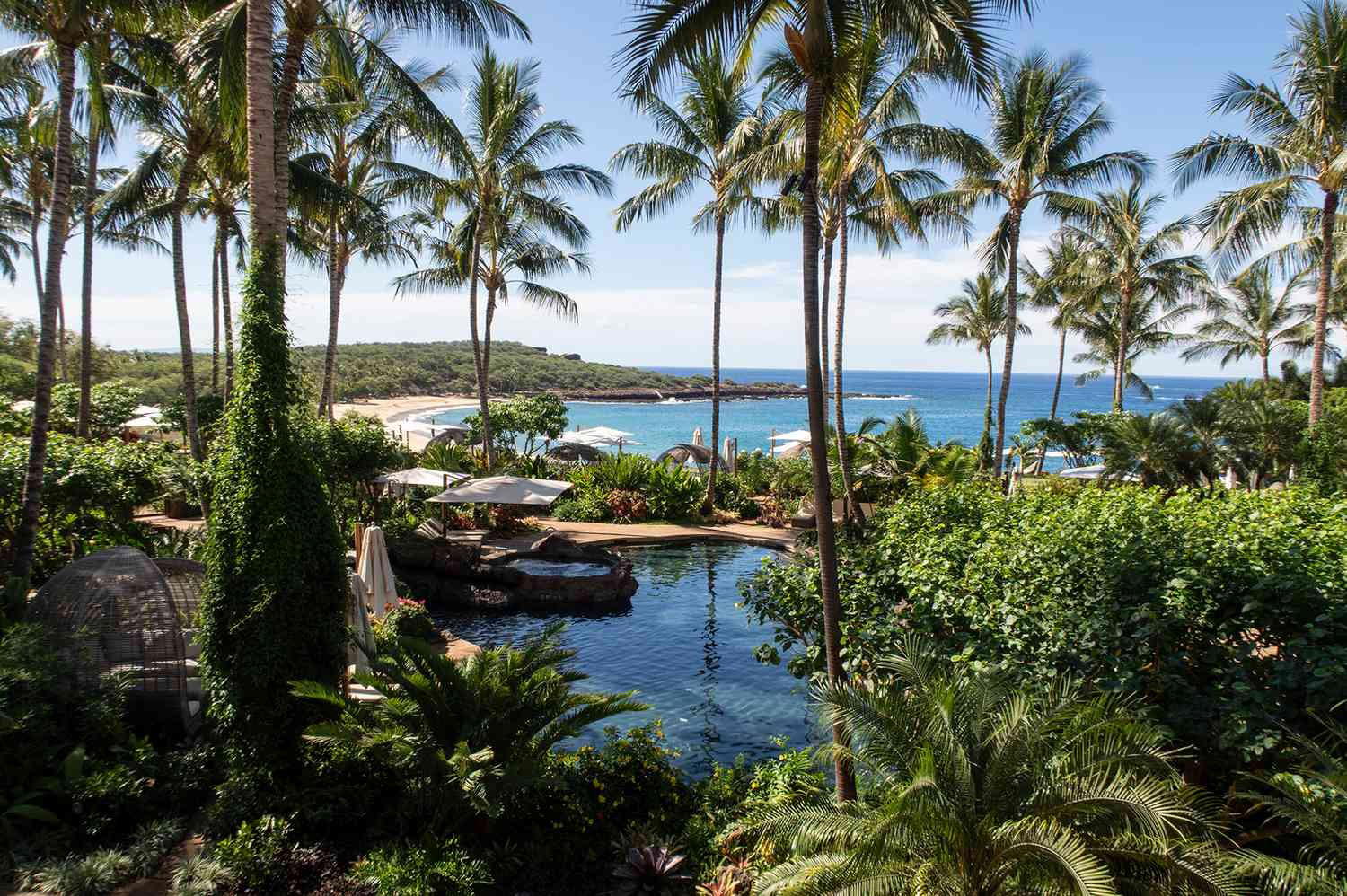
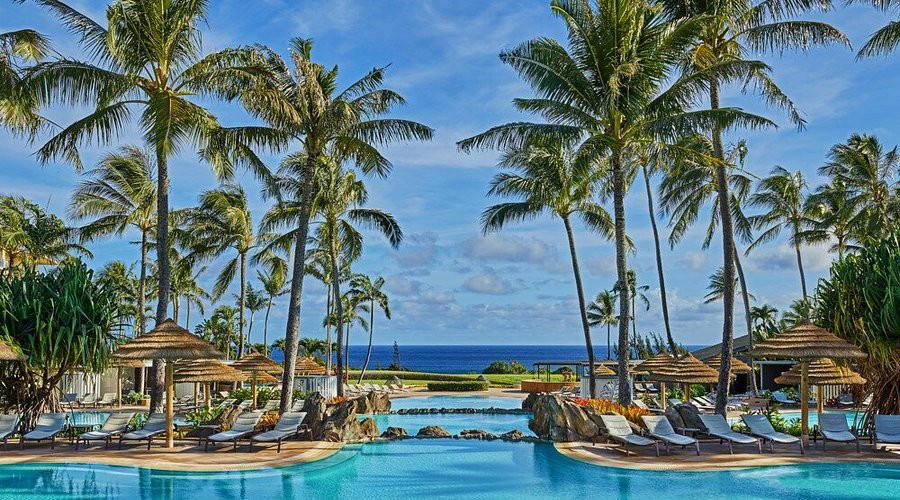
ONE FORTY is a restaurant at 1 Manele Bay Rd, Lanai City, HI 96763. Manele Bay occupies the southern coast of Lana'i, a shoreline that faces open ocean with almost nothing between the terrace and the horizon. Arriving at ONE FORTY, guests pass through grounds where the surrounding landscape shifts from the dry interior scrub of Lana'i City to the salt-edged calm of a protected bay. The physical transition is part of the meal's pacing before a dish arrives, the setting has already done considerable work. That relationship between place and plate is not incidental on a remote island like Lana'i; it is the foundational condition of dining here.
Lana'i's dining scene is small by design. That scarcity gives the restaurants that do operate here an unusual weight. When the number of serious dinner options on an entire island can be counted on one hand, the choices matter more. ONE FORTY sits at the formal end of that short list, alongside options like Nobu Lanai, which applies Japanese-Peruvian technique in the same resort complex, and VIEWS at Manele Golf, which trades on the panoramic draw of the course. Elsewhere on the island, Lana'i City Grille and Pele's Other Garden serve the town itself with a more casual register. The restaurant occupies a different tier: resort fine dining calibrated to guests for whom the meal is as deliberate a choice as the destination.
The Ritual of a Remote Fine Dining Meal
Fine dining on a remote island operates by a different clock than its urban counterparts. On Lana'i, the rhythm of a dinner at the restaurant is shaped partly by the island's own pace. There is no quick taxi ride to a late bar afterward, no competing reservation pulling guests toward the door. That enforced leisure changes how courses land, how wine is ordered, how long a table lingers. The absence of urban urgency is structural here, built into the geography.
Properties like Single Thread Farm in Healdsburg and Blue Hill at Stone Barns in Tarrytown have demonstrated that pacing itself becomes a feature when the setting is removed from a city's competing stimuli. The meal is not interrupted; it accumulates. The restaurant operates in a similar framework, where the evening is long by design, not by accident.
Hawaiian fine dining has developed its own set of ritual conventions over the past two decades. Locally sourced proteins, particularly fish from surrounding Pacific waters, frequently anchor menus. The logic is both gastronomic and geographical: the ocean is immediately present, the supply chain is short, and guests arrive already oriented toward a Pacific context. How a kitchen handles that material, the technique it applies and the degree to which it defers to or departs from continental American fine dining tradition, defines where it sits within the broader category.
Positioning Within American Fine Dining
American fine dining has fragmented considerably in the past decade. A tier of destination restaurants with formal tasting menus and significant critical attention, places like Alinea in Chicago, The French Laundry in Napa, or Le Bernardin in New York City, anchors one end of the spectrum. Below that, but still operating with full formal service and multi-course structure, are resort and hotel dining rooms that position themselves as flagship food experiences within a broader property. Addison in San Diego and The Inn at Little Washington represent cases where the hotel dining room has crossed into destination-restaurant territory in its own right.
The restaurant belongs to a cohort whose competitive set is defined partly by isolation. For a guest spending several nights on Lana'i, the restaurant does not compete with a city's full dining options; it competes with the alternatives on the island itself and against the memory of meals taken at properties like this elsewhere. That shifts the evaluation criteria. Technical precision matters, but so does atmosphere, service continuity across a multi-day stay, and the degree to which the menu reflects the specific place rather than generic luxury hotel fare. Restaurants like Providence in Los Angeles or Lazy Bear in San Francisco operate in dense urban markets where the competition sharpens every decision. Resort dining rooms on remote islands answer to a different set of pressures, and succeed or disappoint on different terms.
What to Know Before You Go
Lana'i is reached by a short ferry crossing from Maui or by small aircraft, and the island's limited infrastructure means that dining reservations at the resort level tend to be made through the hotel rather than through third-party platforms. Guests staying at the resort property should expect to coordinate dining through the concierge, particularly during peak travel periods when Hawaii's visitor numbers spike between December and April and again around major American holidays. The island's remoteness also means that dietary requirements are leading communicated well in advance; supply logistics on a small island do not allow for the last-minute substitution flexibility that a city kitchen might absorb without difficulty.
Visitors with more than one night on the island will likely want to rotate across multiple options rather than anchor every meal at the resort, particularly given that places like Pele's Other Garden offer a different cadence and price point for lunch or an informal dinner.
For travelers familiar with destination dining in major cities, the technical register at the restaurant may feel more restrained, but restraint on a Pacific island, where the ocean view is doing half the work, is often the correct calibration. Here, the charge comes from the water outside. That is a different kind of authority, but it is authority nonetheless.
Cuisine Lens
Comparable venues nearby, for context on price, style, and recognition.
| Venue | Cuisine | Price | Notes |
|---|---|---|---|
| ONE FORTYThis venue — the venue you are viewing | American Steakhouse with Hawaiian Seafood | $$$ | Not listed |
| Osteria Mozza Lanai | Traditional Italian with Hawaiian Influences | $$$$ | Manele |
| VIEWS at Manele Golf | Modern American Pub with Ocean Views | $$$$ | Manele |
| Lana'i City Grille | New American Island Bistro | $$$ | Lanai City |
| Osteria Mozza Residency | Traditional Italian with Hawaiian Influences | $$$$ | Manele |
| Nobu Lanai | New-Style Japanese with Peruvian Influences | $$$$ | Lanai City |
Continue exploring
More in Lanai
Restaurants in Lanai
Browse all →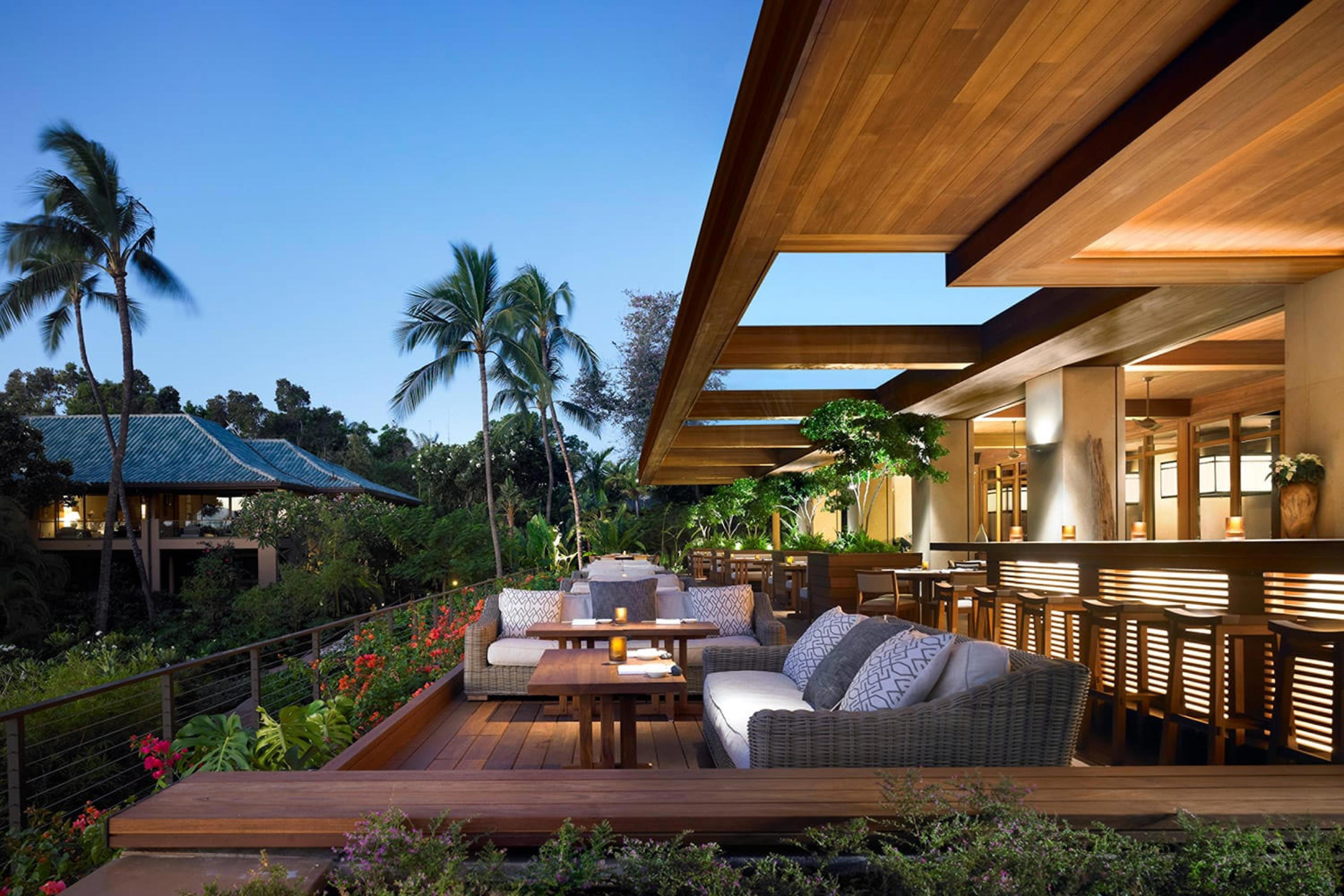
At a Glance
- Elegant
- Sophisticated
- Scenic
- Date Night
- Special Occasion
- Celebration
- Waterfront
- Hotel Restaurant
- Craft Cocktails
- Local Sourcing
- Waterfront
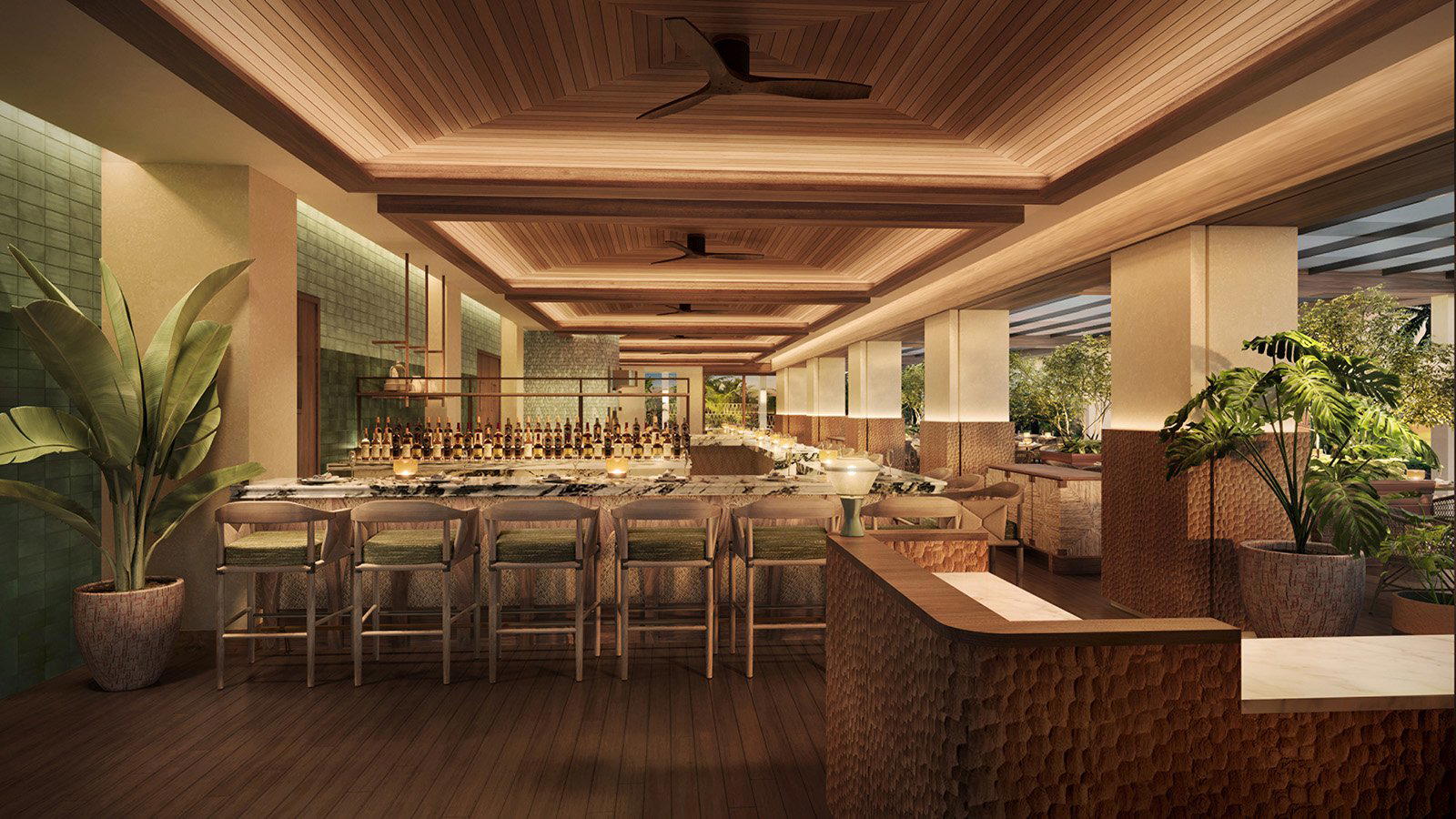
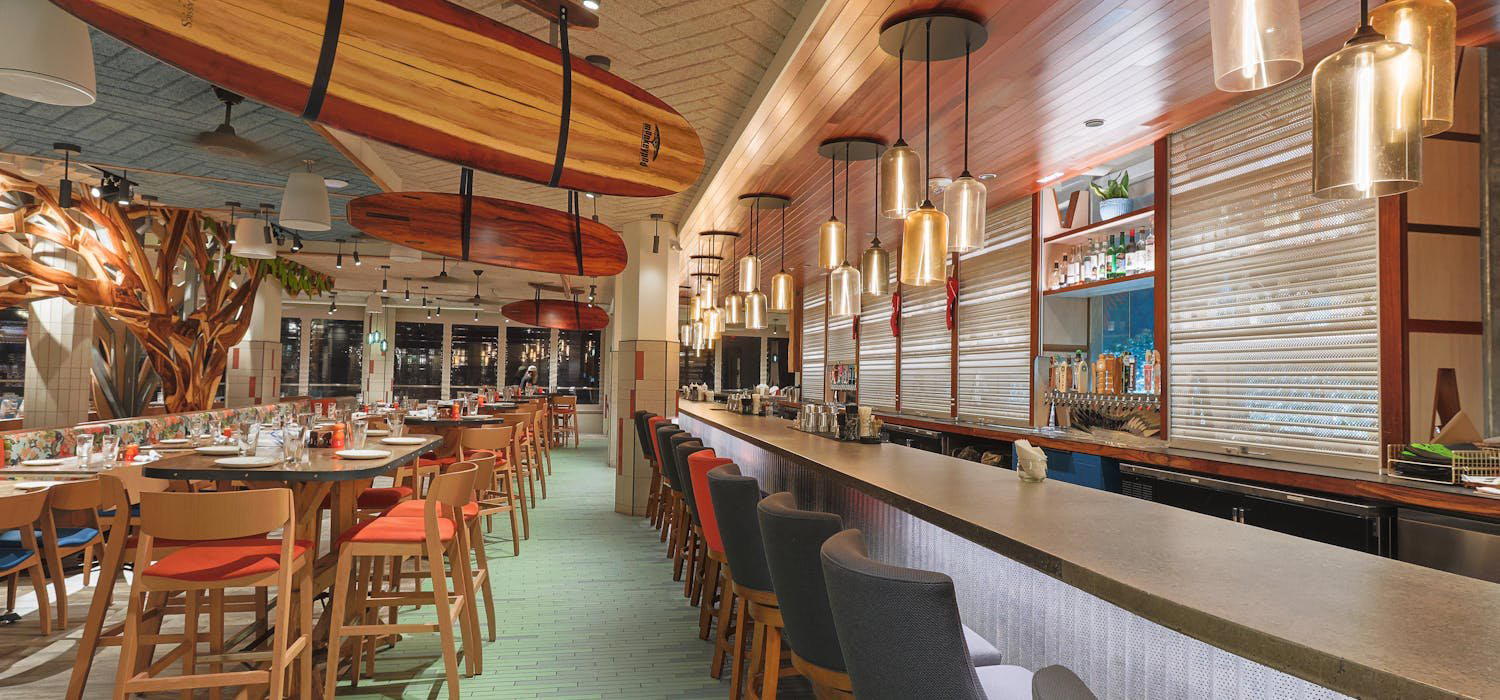
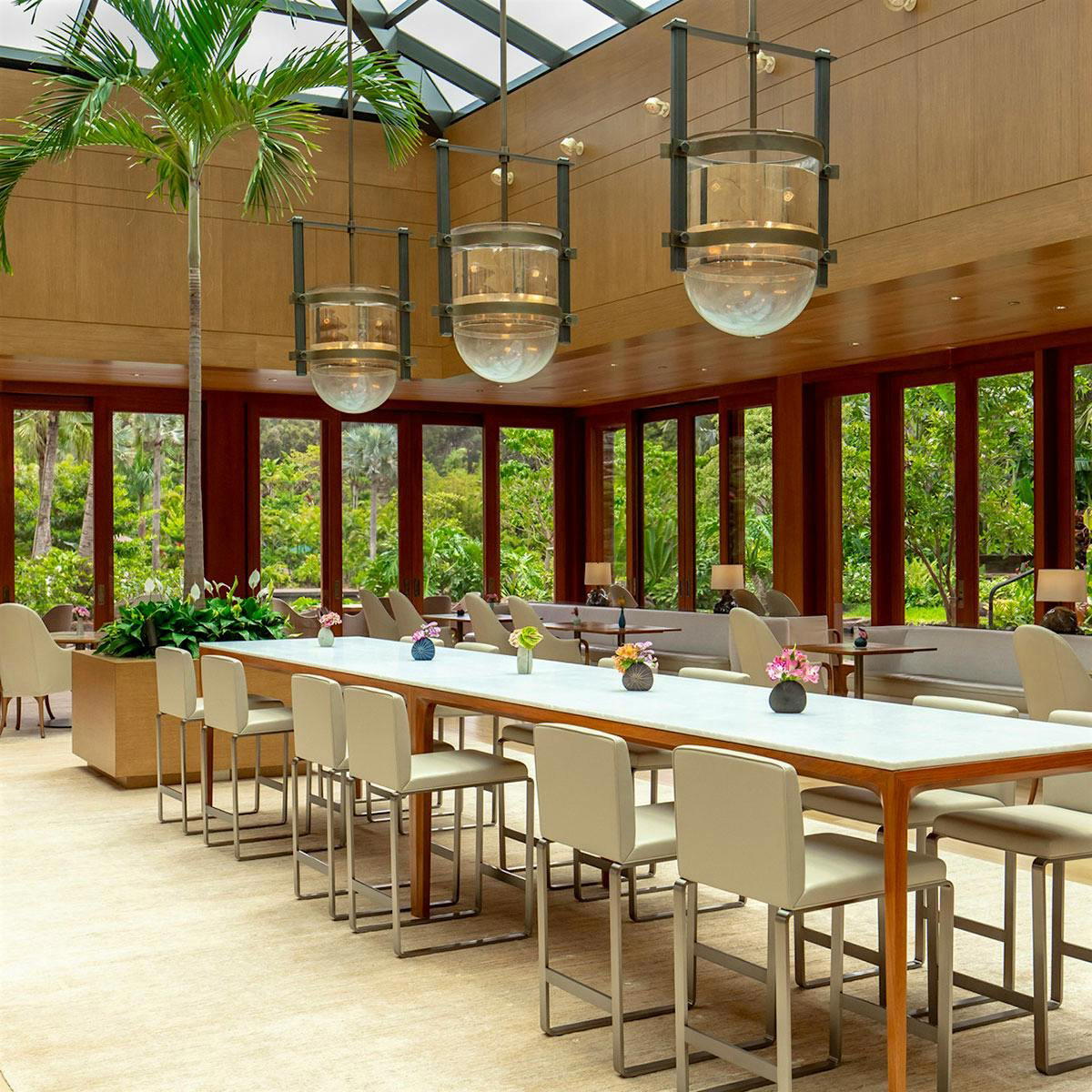
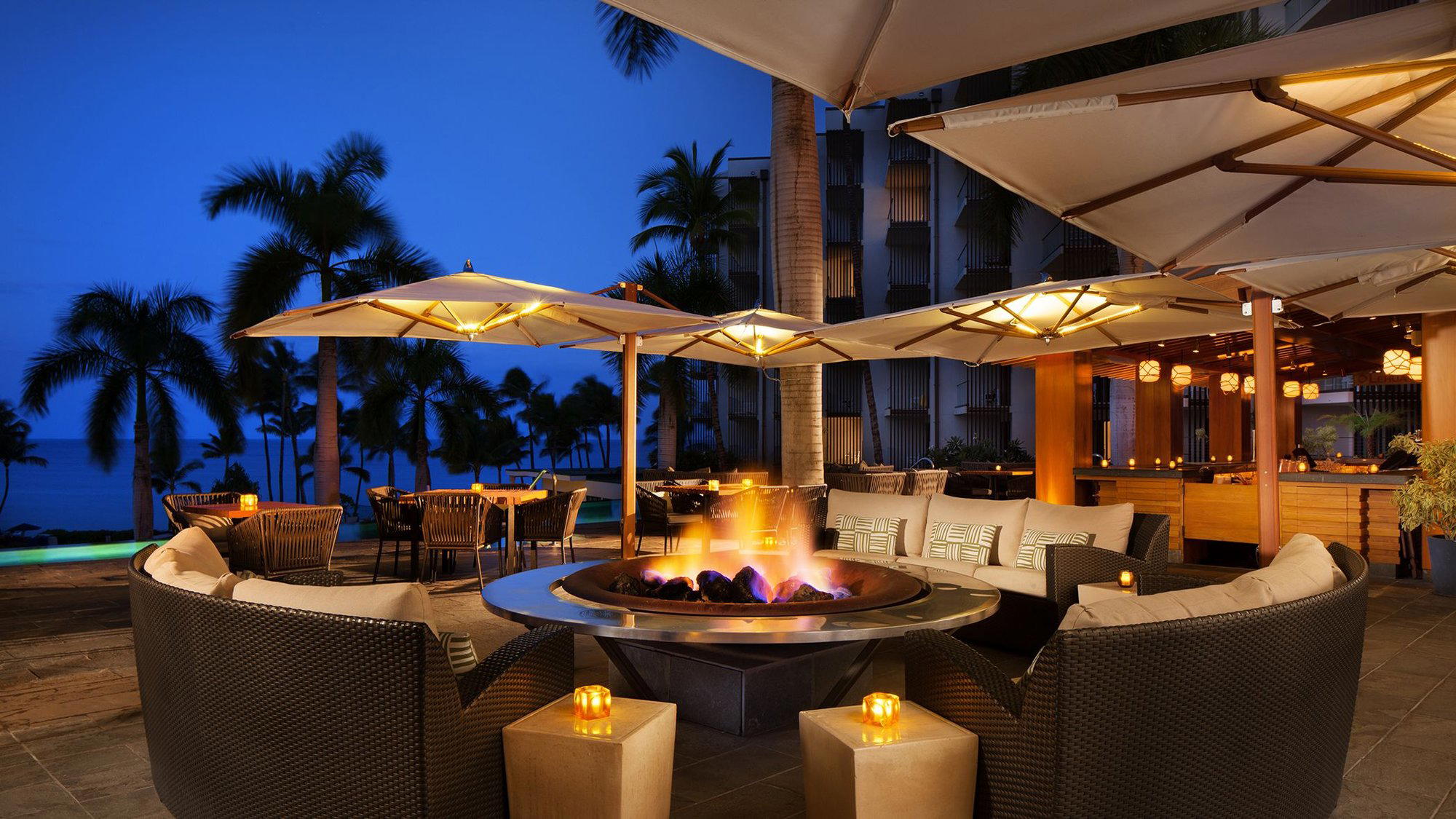
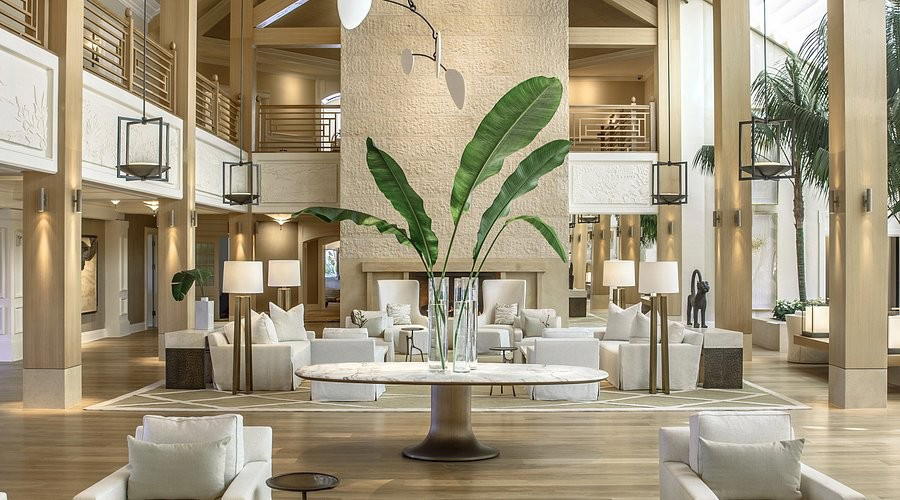
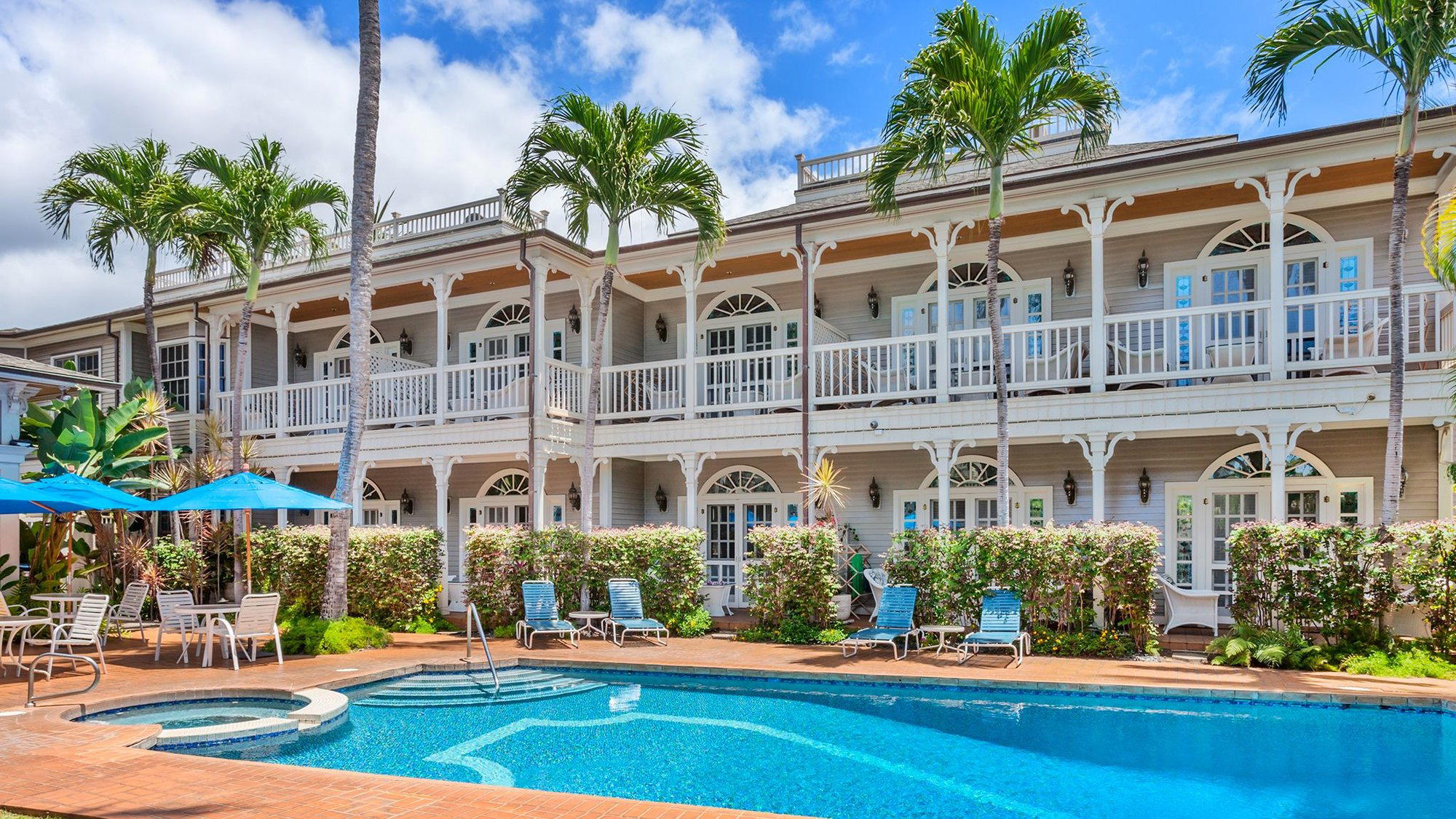
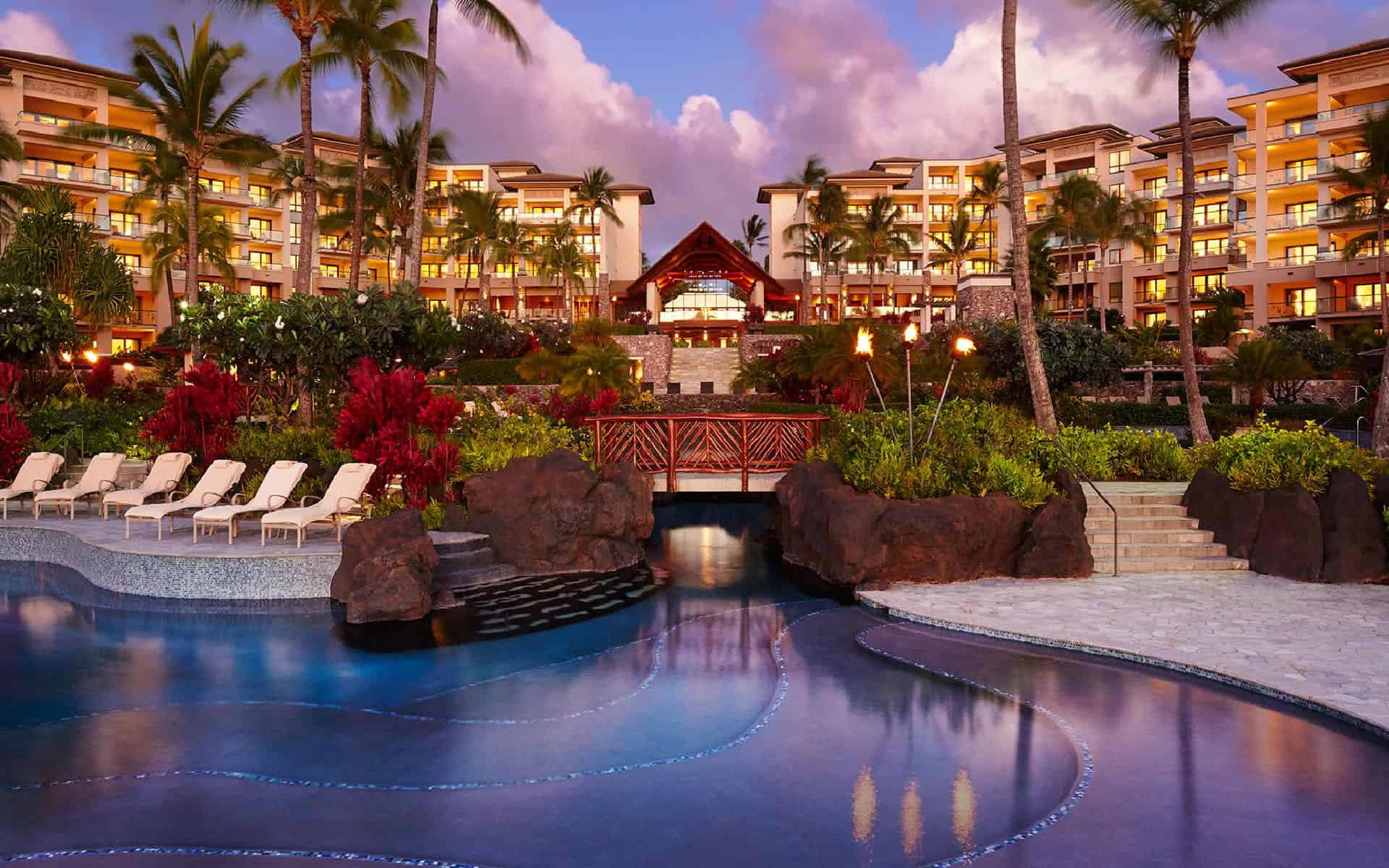
Sophisticated open-air setting with beautiful ocean views, magical lighting, and a refined atmosphere praised in guest reviews.