Nicoletta's Table and Marketplace
Nicoletta's Table and Marketplace occupies a distinct space in Lake Oswego's dining scene, combining a sit-down table format with a marketplace under one roof on South State Street. The dual concept speaks to a broader Pacific Northwest tendency to blur the line between retail sourcing and restaurant service, placing the origin of ingredients at the center of the experience.
Pearl is the En Primeur Club membership app — saves, bookings, and concierge access live there. Same editors, same standards.
- Address
- 333 S State St M, Lake Oswego, OR 97034
- Phone
- +15036992927
- Website
- nicolettastable.com
 Saves & bookings on Pearl
Where the Market and the Meal Share a Roof
In the Pacific Northwest, the relationship between a market and a restaurant has never been purely transactional. The region's most committed food producers, small farms in the Willamette Valley, coastal fishers supplying Portland's wholesale docks, family-run cheesemakers operating out of the Coast Range foothills, have consistently found their leading audience not in the grocery chain aisle but in the independent neighborhood shop. Nicoletta's Table and Marketplace is a restaurant in Lake Oswego at 333 S State Street, with an estimated price per person of about $35. It belongs to that tradition. The combination of a sit-down dining table alongside a marketplace is a structural argument: that the sourcing of food and the eating of food are not separate acts, and that a guest who can see, buy, and taste from the same supply chain is a more informed one.
Lake Oswego sits roughly ten miles southwest of Portland, and its dining scene reflects the tension that most prosperous suburb-adjacent communities manage between convenience-driven demand and the kind of ingredient-forward cooking that has defined the Portland metro area's food identity for the past two decades. The town supports a range of formats, from the established American grill anchored at Oswego Grill - Kruse Way to the Italian-focused room at Riccardo's Ristorante and the neighborhood bar model at Tavern on Kruse. Within that comparable set, Nicoletta's occupies a different category entirely, one that is less about cuisine type and more about the philosophy that a marketplace and a table can do something together that neither does alone.
The Sourcing Argument in Suburban Dining
The farm-to-table framework has become so common in American restaurant language that it risks losing specific meaning. But the marketplace-and-table model is a more direct form of the same commitment. When a dining concept includes a retail floor, the supply chain is no longer implied, it is visible. Guests can read producer labels, handle the same ingredients that move into the kitchen, and make purchasing decisions based on what they have just eaten. This format has worked in urban contexts for some time: think of the wine bar with an attached bottle shop, or the charcuterie counter that sells retail cuts alongside plated boards. Nicoletta's applies this logic at the neighborhood scale in Lake Oswego, which is a less common but arguably more useful location for it.
The Pacific Northwest's ingredient culture gives this format particular substance. Oregon's agricultural output, Dungeness crab from the Pacific coast, hazelnuts from the mid-valley, Pinot-adjacent cheesemaking in Tillamook County, heritage grain mills operating east of the Cascades, creates a genuinely local supply chain that a marketplace concept can draw from in ways that a conventional restaurant cannot easily communicate. At venues like Single Thread Farm in Healdsburg or Blue Hill at Stone Barns in Tarrytown, the sourcing conversation is built into the tasting menu format, where provenance is narrated course by course. The marketplace model takes a different approach, placing the sourcing conversation in the hands of the guest rather than the server, which suits a more casual, community-facing format.
What the Dual Format Signals About the Dining Category
American dining has developed several distinct formats for ingredient-forward eating over the past decade. At the high end, farm-sourcing is embedded into tasting menus at places like The French Laundry in Napa, Alinea in Chicago, or Providence in Los Angeles, where the sourcing narrative is part of the table experience but the retail dimension is absent. At the accessible end, farmers markets have long served as both a purchasing venue and a community food conversation. The marketplace-plus-table format sits between these two poles, combining the social legibility of a retail space with the prepared-food pleasure of a restaurant. This is not a format that scales well to high-volume covers, which is precisely why it functions as a neighborhood anchor rather than a destination draw.
For Lake Oswego specifically, this format is a reasonable response to what the local dining market underserves. The town's restaurant options tend toward reliable execution in established categories. A concept that foregrounds ingredients and allows guests to take those ingredients home addresses a different appetite, one for engagement with food culture beyond the plate.
Context in the Regional and National Picture
The Pacific Northwest is not alone in developing this kind of hybrid format, but it has particular advantages in doing so. The density of independent producers within a short sourcing radius from the Portland metro area means a marketplace can rotate stock meaningfully with the seasons. Spring brings Oregon morels and Walla Walla onions. Summer opens access to Willamette berry farms and Pacific albacore. Fall carries the region's hazelnut harvest and the beginning of the Dungeness season. A marketplace that tracks these cycles gives guests a live index of what the region's agricultural calendar looks like, which is a different kind of value from the fixed menus at high-commitment venues like Bacchanalia in Atlanta or Addison in San Diego.
Internationally, the format has precedents in the Italian mercato tradition, where a vendor's table attached to a market stall is a common structure, particularly in northern regions. The name Nicoletta carries Italian resonance, and if the marketplace format draws on that tradition, food retail and food service as a unified act, it connects to a model with deep cultural grounding rather than a contemporary trend. Compare this to venues operating in purely tasting-menu format, such as Atomix in New York City or 8 1/2 Otto e Mezzo Bombana in Hong Kong, where the sourcing is equally serious but the retail dimension does not exist.
Planning Your Visit
Nicoletta's Table and Marketplace is located at 333 S State Street, Suite M, in Lake Oswego, Oregon. The South State Street address places it within easy reach of Lake Oswego's walkable commercial core, accessible by car from Portland in roughly twenty minutes depending on traffic.
Comparable Venues
Comparable venues nearby, for context on price, style, and recognition.
| Venue | Cuisine | Price | Awards | Notes |
|---|---|---|---|---|
| Nicoletta's Table and MarketplaceThis venue — the venue you are viewing | Authentic Italian Trattoria | $$$ | , | |
| Tavern on Kruse | Northwest Farm-to-Table American | $$$ | , | Kruse Way |
| Riccardo's Ristorante | Traditional Italian Ristorante | $$$ | , | Lake Grove |
| Oswego Grill - Kruse Way | Pacific Northwest Steakhouse | $$ | , | Lake Oswego |
| Domaine Serene Wine Lounge Lake Oswego | Wine-Inspired American Fine Dining | $$$$ | Lake Oswego | |
| Luce | Seasonal Italian | $$$ | , | Kerns |
Continue exploring
More in Lake Oswego
Restaurants in Lake Oswego
Browse all →
Bars in Lake Oswego
Browse all →
Hotels in Lake Oswego
Browse all →

At a Glance
- Cozy
- Elegant
- Casual
- Date Night
- Family
- Group Dining
- Casual Hangout
- Open Kitchen
- Private Dining
- Terrace
- Live Music
- Craft Cocktails
- Extensive Wine List
- Local Sourcing
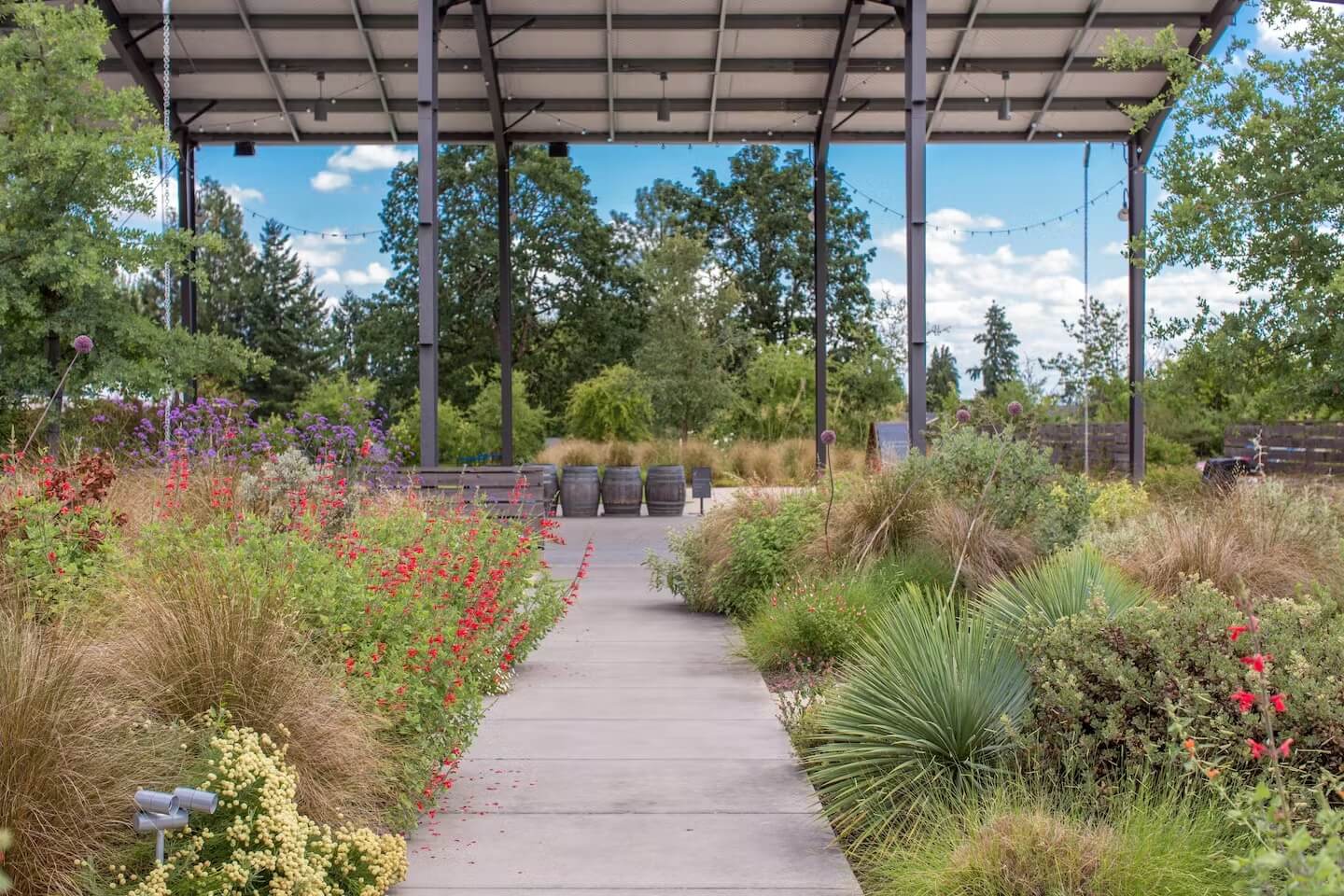
Casual yet elegant dining experience with cozy atmosphere, live music on select evenings, and a lovely back patio amid plants.