



1 Michelin Star · New York Times Best Restaurants in San Francisco
Our verdict
Nari holds a Michelin star and an Opinionated About Dining ranking among North America's top 250 restaurants in 2025, placing it at the sharper end of San Francisco's Thai dining tier. Chef Meghan Clark works from a Post Street address in Japantown, running a dinner-only format that treats the aromatics of central Thai cooking, galangal, kaffir lime, lemongrass, as structural, not decorative.

Pearl is the En Primeur Club membership app, where members save venues, book tables and use the concierge.
The menu
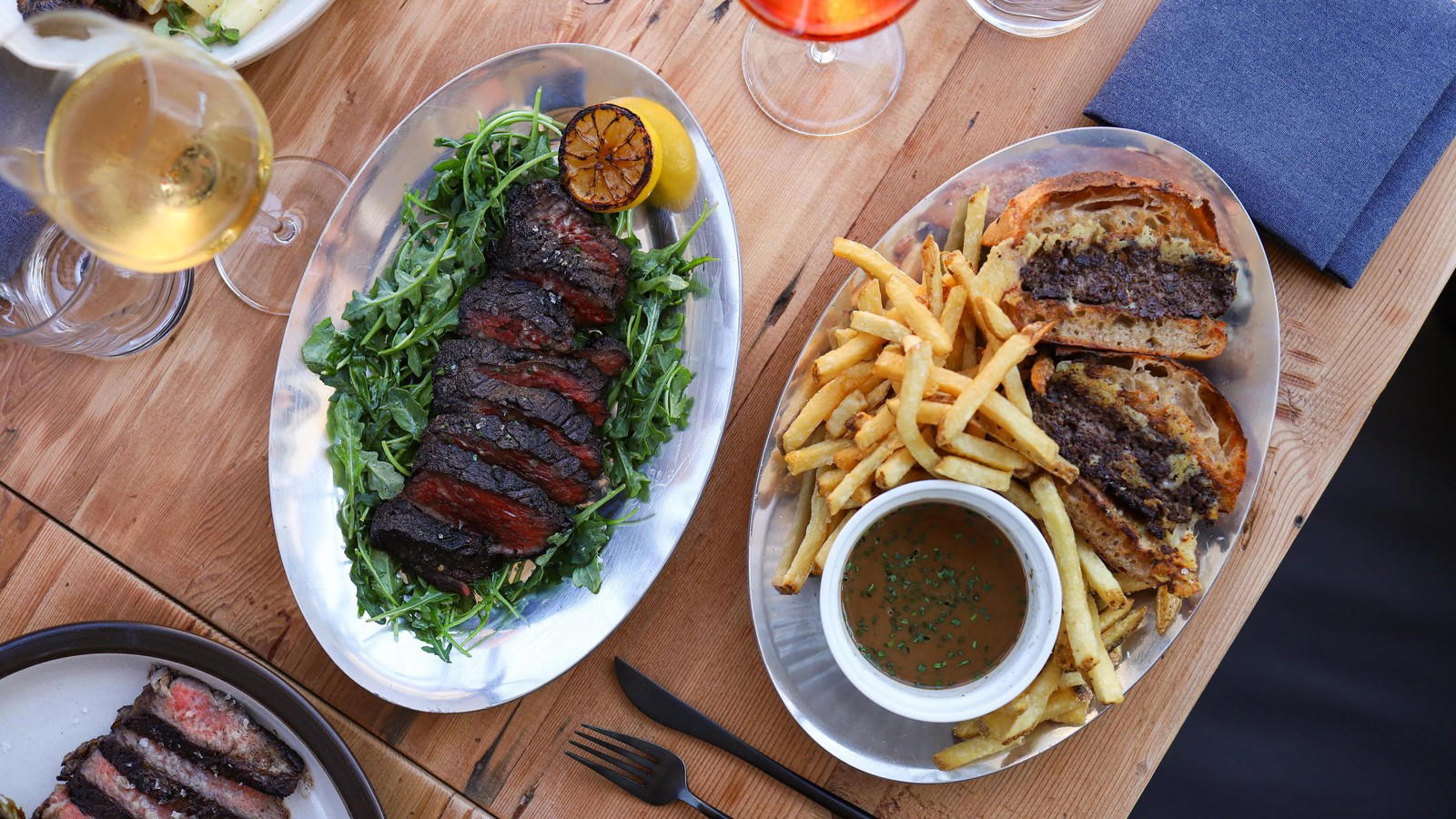
What to order
- Grilled Monterey squid with pork jowl
- Massaman curry
- Bumbai curry
Where Japantown's Evening Light Meets Aromatic Thai Cooking
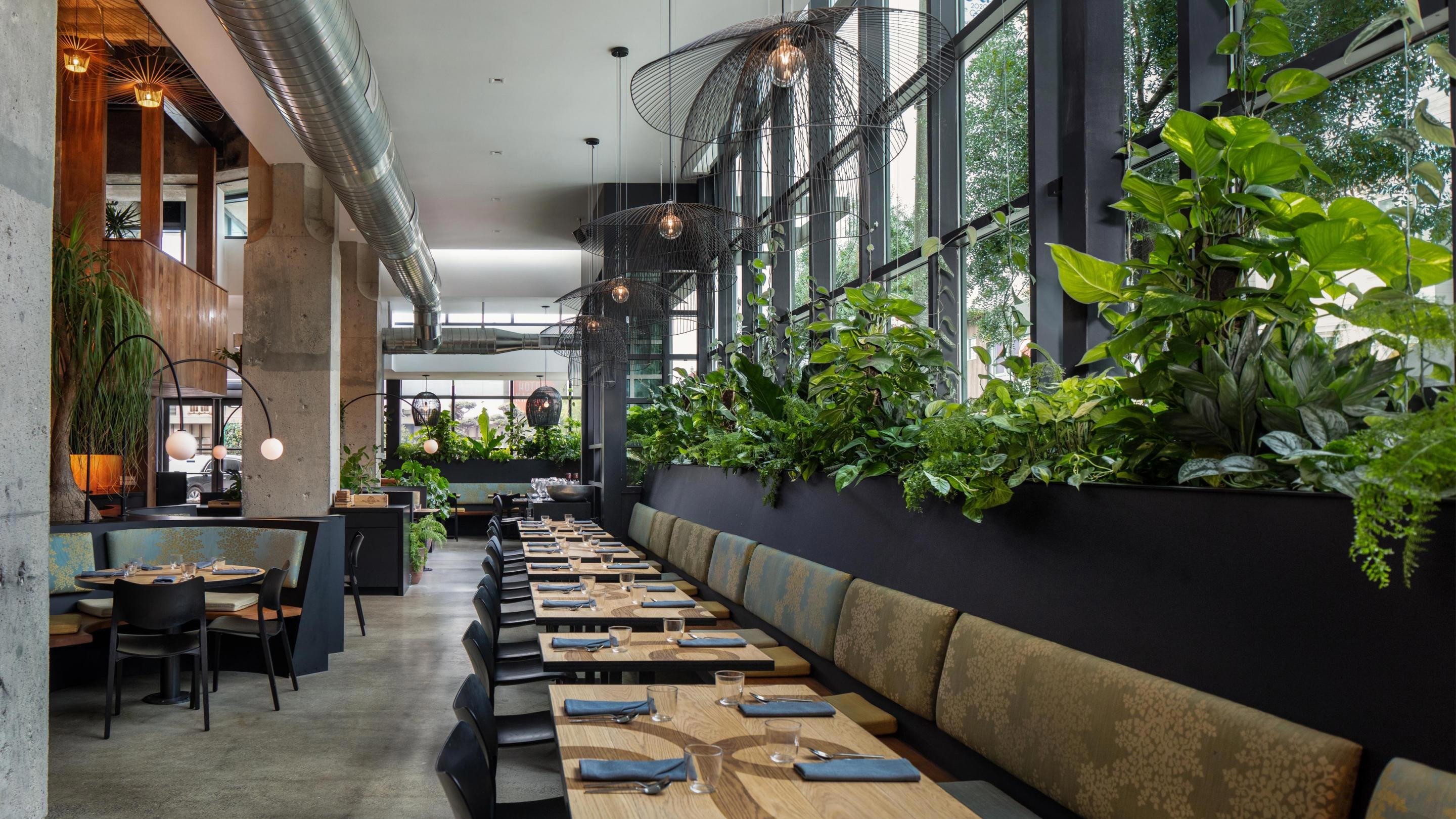
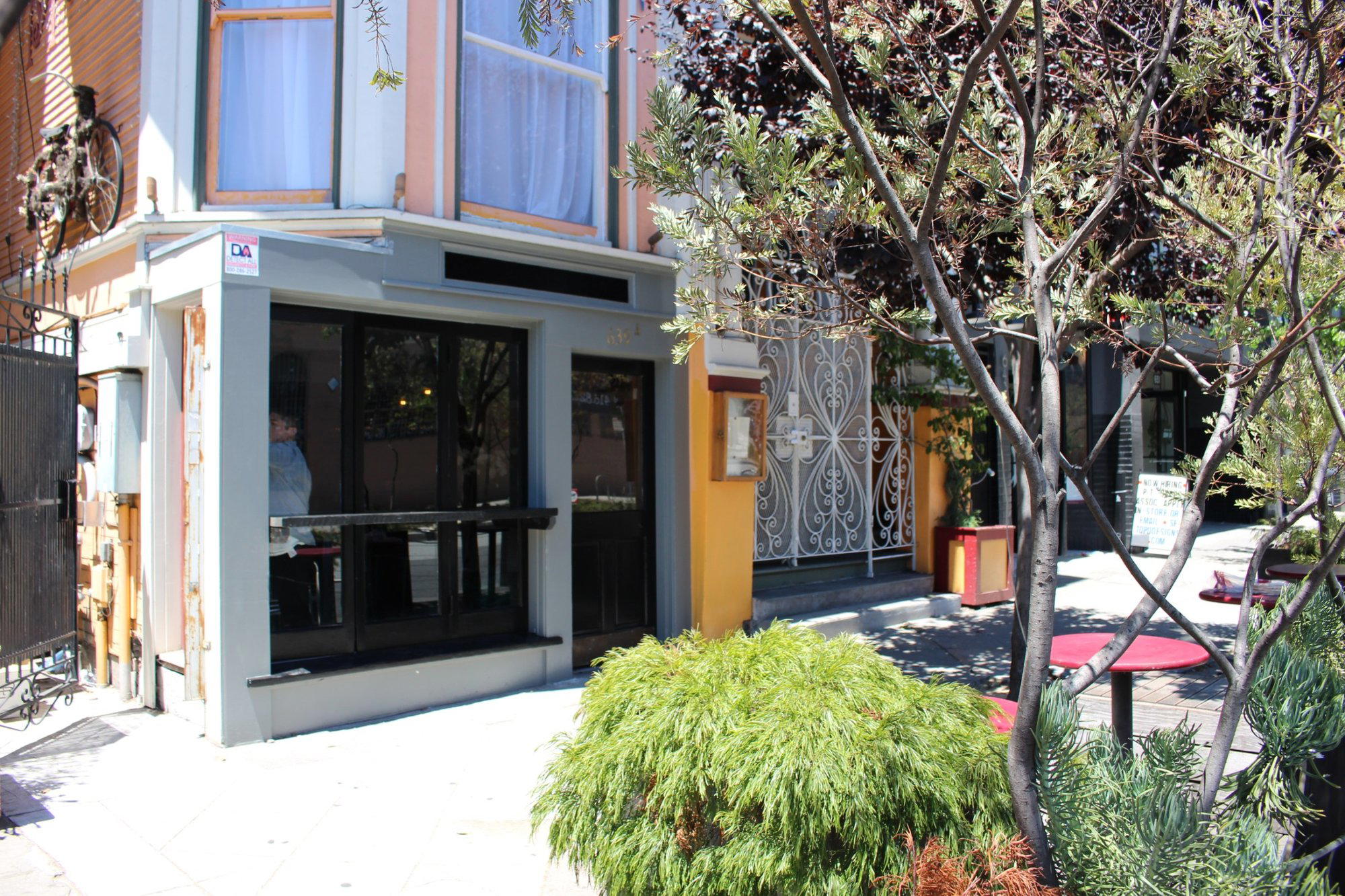
Post Street at dusk has a particular quality in San Francisco's Japantown district: the block shifts from retail foot traffic to something quieter, more deliberate, as the neighbourhood's restaurants begin service. Nari sits in this transitional hour with a dinner-only format that opens at 5:30 pm across all seven days of the week, and the timing feels considered. The room doesn't demand your attention before you arrive, it earns it once you're inside, settling into what has become one of the city's more discussed Thai kitchens.
Thai cooking in San Francisco has moved considerably over the past decade. The city's Thai restaurants once split fairly cleanly between neighbourhood staples serving affordable pad thai and curry plates, and a small number of more ambitious operators. That middle tier has grown and stratified. Today you can draw a line from accessible, honest cooking at places like Bird & Buffalo through more technically minded menus at Kin Khao and Funky Elephant, and on up to Nari's Michelin-starred position at the category's formal apex in this city.
The Aromatics Are the Architecture
In central Thai cooking, the backbone of nearly every dish is built from a small cluster of aromatics: lemongrass, galangal, kaffir lime leaf, Thai basil, and fresh turmeric. These aren't garnishes or finishing touches. They are structural, the way mirepoix is structural in French cooking, or the way dashi defines a Japanese broth. A cook who treats them as decorative produces food that tastes flat at its core regardless of how refined the technique around it becomes. A cook who understands their role produces food with a coherence that registers even before you can identify individual flavors.
Nari's kitchen operates from that second position. The galangal in Thai cooking is not a substitute for ginger, it has a sharper, more piney quality, with less heat and more camphor. Kaffir lime leaf adds a floral citrus note that fresh lime juice cannot replicate. Lemongrass contributes a brightness that reads as clean rather than acidic. Used together in the proportions that central Thai tradition requires, these aromatics create a register of flavor that is immediately identifiable and difficult to achieve without sourcing them fresh and using them generously. This is the standard against which any serious Thai kitchen is measured, and it is the standard Nari has been evaluated against since earning Michelin recognition in 2024.
For comparison, the Thai kitchens that have reached comparable formal recognition internationally, Nahm in Bangkok and Samrub Samrub Thai, operate from within the tradition, building menus around the same aromatic logic but with direct access to markets that make sourcing trivially easy. Doing the same work in San Francisco, under the constraints of ingredient availability and a dining public that may not always have a reference point for the real thing, is a different kind of achievement.
Chef Meghan Clark and the Michelin Context
Chef Meghan Clark leads the kitchen at Nari, and her presence here is worth contextualizing against the broader San Francisco fine dining scene. The city's starred restaurants cluster heavily in the $$$$ tier: Alinea-style tasting-menu formats, the multi-star gravity of places like The French Laundry in Napa and Single Thread Farm in Healdsburg, or the contemporary Californian and French-adjacent menus that define Lazy Bear, Benu, Atelier Crenn, Quince, and Saison. Nari occupies a different position: a single Michelin star at the $$$ price point, which places it in a more accessible bracket than its starred peers without reducing the seriousness of the kitchen's intent.
That positioning matters. The $$$ tier in San Francisco is contested and broad. Nari's back-to-back Michelin stars in 2024 and 2025, combined with an Opinionated About Dining ranking that improved from #289 in 2024 to #249 in 2025, suggests a kitchen that is tightening its output rather than resting on early recognition. OAD rankings are built from a dining community of serious eaters rather than from institutional reviews alone, so movement up that list reflects accumulated critical experience rather than a single inspector's judgment.
The consistency signal is worth noting. Many restaurants earn a first Michelin star and then spend the following year in a kind of limbo, uncertain whether the recognition was a high-water mark or a new baseline. Nari's 2025 retention and ranking improvement suggest the latter.
The Post Street Address and Its Neighbourhood Logic
1625 Post Street places Nari in Japantown, a neighbourhood that has its own culinary density and its own hospitality logic. The area is not primarily known as a Thai dining destination, the surrounding blocks are defined by Japanese restaurants, izakayas, and the Japantown Center complex. This makes Nari's position slightly counterintuitive geographically, but it also means the restaurant operates without the diluting effect of a Thai restaurant cluster. There's no immediate comparator on the same block, which forces the kitchen to establish its own register rather than positioning against a neighbor.
For visitors planning around Nari specifically, the Japantown location is direct to reach from central San Francisco, and the surrounding area offers pre-dinner options that align with the neighbourhood's Japanese character rather than competing with the meal ahead. Those extending their San Francisco dining beyond a single night will find context in our full San Francisco restaurants guide, and the city's bar and hotel options are mapped in our San Francisco bars guide and our San Francisco hotels guide.
Where Nari Sits in the Wider Thai Dining Conversation
San Francisco's Thai restaurant range now covers enough ground that placing Nari requires some specificity. Hed 11 and Jo's Modern Thai occupy different positions in the market, whether by format, price, or the specific regional traditions they draw from. The more useful frame is aromatic seriousness: does the kitchen treat lemongrass and galangal as structural ingredients or as background notes? At Nari, the evidence from two years of sustained critical recognition suggests the former.
Nationally, Thai cooking at this formal tier remains a small category. Compare the number of Michelin-starred Thai restaurants in the United States against starred Italian, French, or Japanese kitchens, and the disproportion is significant. That scarcity reflects both the difficulty of the cuisine at high execution levels and the persistent tendency of institutional recognition to weight European and Japanese culinary traditions more heavily. Nari's standing in that narrow field carries more weight because of that context. For readers who have eaten at Le Bernardin in New York, Emeril's in New Orleans, or Providence in Los Angeles, and who are looking for a comparably serious dining register in a different culinary tradition, Nari fits that brief. Those exploring what the Bay Area specifically offers should also consult our San Francisco wineries guide and our San Francisco experiences guide for the fuller picture.
What Should I Eat at Nari?
What the awards record and critical positioning do confirm is that the kitchen's strength lies in its treatment of central Thai aromatics: galangal, lemongrass, kaffir lime, and Thai basil as primary structural flavors rather than decorative additions. Given Chef Meghan Clark's consistent recognition across two full review cycles, the safest guidance is to order from the full menu rather than editing it down. At this price point and format, the kitchen's range is the point.
Know Before You Go
- Address: 1625 Post St, San Francisco, CA 94115
- Price Range: $$$
- Hours: Monday–Thursday 5:30–9:00 pm | Friday–Saturday 5:30–9:15 pm | Sunday 5:30–9:00 pm
- Awards: Michelin 1 Star (2024, 2025); Opinionated About Dining Leading Restaurants in North America #249 (2025)
- Booking: Booking method not confirmed in, check the restaurant's own channels directly
- Dress Code: Not specified
Comparable Spots
| Venue | Cuisine | Price | Awards | Notes |
|---|---|---|---|---|
| NariThis venue (the venue you are viewing) | Modern Thai | $50–100 | 1 Michelin Star · New York Times Best Restaurants in San Francisco | Not listed |
| Lazy Bear | Modern American Tasting Menu | Not listed | 2 Michelin Stars · World's 50 Best #25 | Progressive American, Contemporary |
| Benu | Modern Asian Fusion Fine Dining | $150–200 | 3 Michelin Stars · World's 50 Best #33 | French - Chinese, Asian |
| Atelier Crenn | Contemporary French Fine Dining | $300–500 | 3 Michelin Stars · World's 50 Best #44 | Modern French, Contemporary |
| Quince | Modern French Fine Dining | $300–500 | 3 Michelin Stars · World's 50 Best #48 | Italian, Contemporary |
| Saison | Modern French-Italian | Not listed | Michelin Plate | Progressive American, Californian |
Recognition history
Dated appearances from independent guides and award organizations, with the underlying list record or original source where available.
Michelin 1 Star
Michelin
New York Times Best Restaurants in San Francisco
New York Times
Opinionated About Dining Top Restaurants in North America Recommended
Opinionated About Dining
San Francisco Chronicle Top 100 Bay Area Restaurants #45
San Francisco Chronicle
Full recognition history (9 entries)
Michelin 1 Star
Michelin
Opinionated About Dining Top Restaurants in North America Ranked #249
Opinionated About Dining
Michelin 1 Star
Michelin
Opinionated About Dining Top Restaurants in North America Ranked #289
Opinionated About Dining
Opinionated About Dining Top Restaurants in North America Highly Recommended
Opinionated About Dining
Continue exploring
More in San Francisco
Restaurants in San Francisco
All restaurants in San Francisco →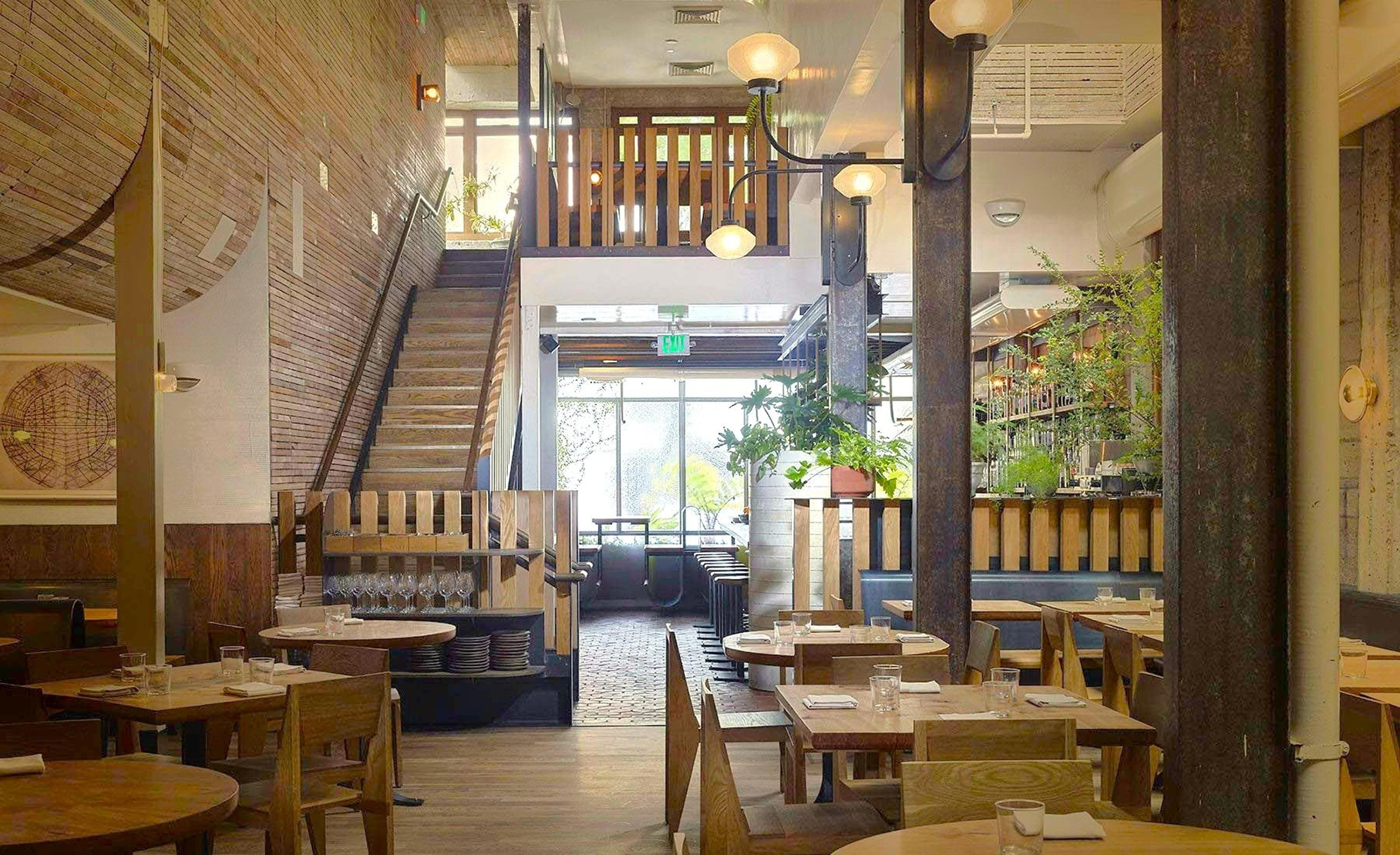
Bars in San Francisco
All bars in San Francisco →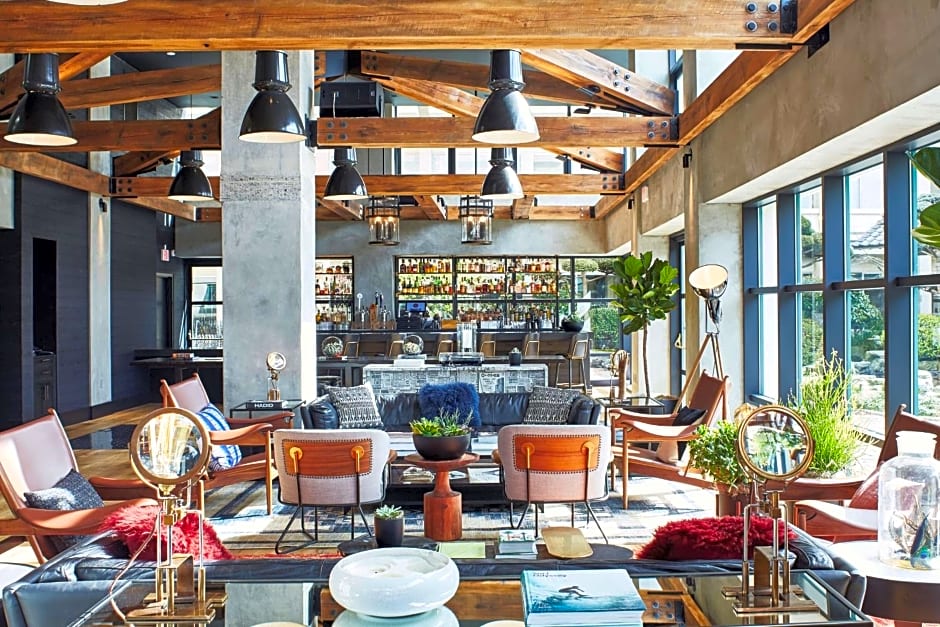






Details
- Elegant
- Modern
- Sophisticated
- Intimate
- Date Night
- Special Occasion
- Hotel Restaurant
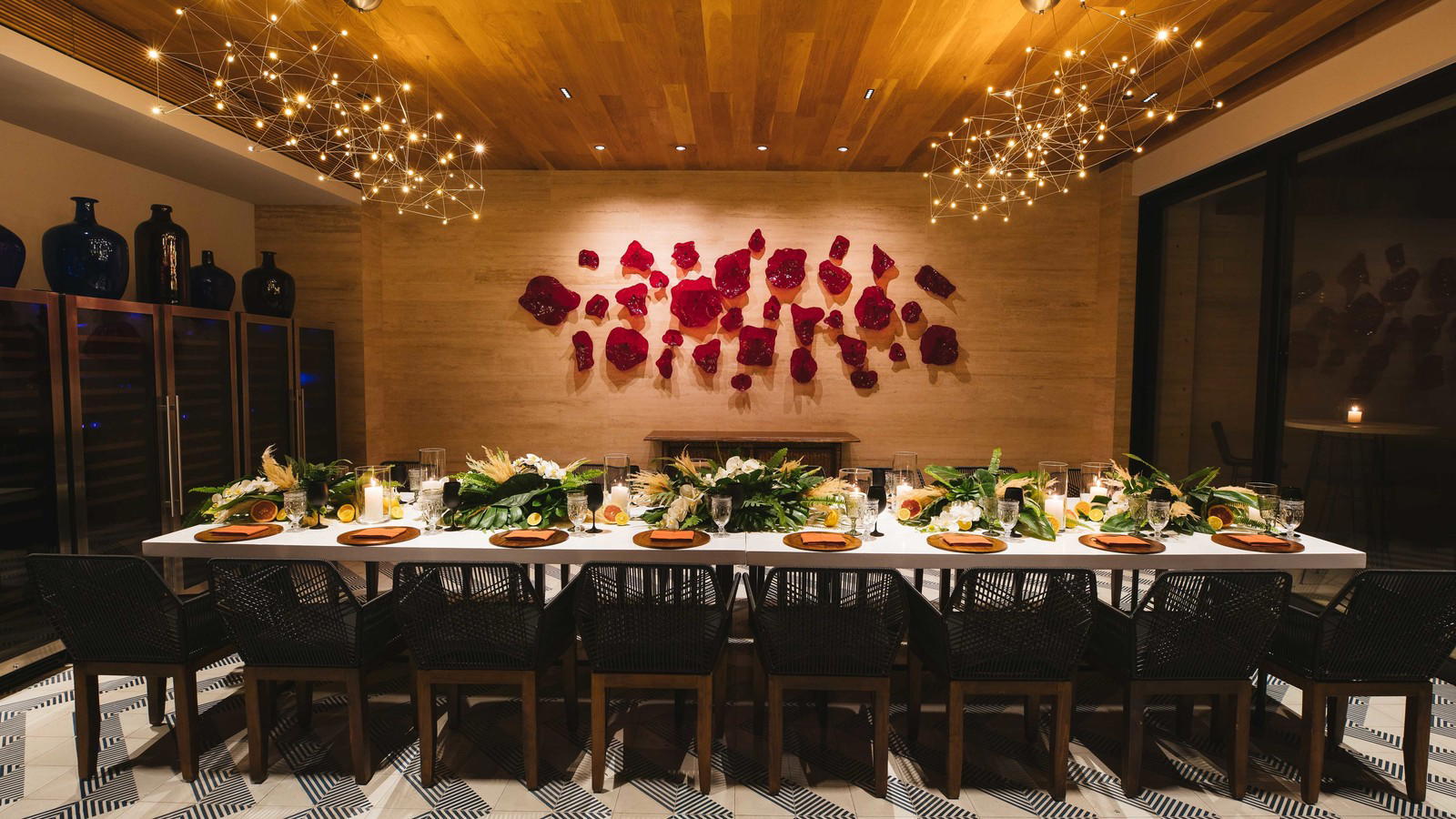
- Private Dining
- Craft Cocktails
- Local Sourcing
- Family Style
- Tasting Menu
- Cocktails
- Wine
Current opening hours
- Monday
- 5:30–9 PM
- Tuesday
- 5:30–9 PM
- Wednesday
- 5:30–9 PM
- Thursday
- 5:30–9 PM
- Friday
- 5:30–9:15 PM
- Saturday
- 5:30–9:15 PM
- Sunday
- 5:30–9 PM
Hours can change for holidays and private events. Hours as of .
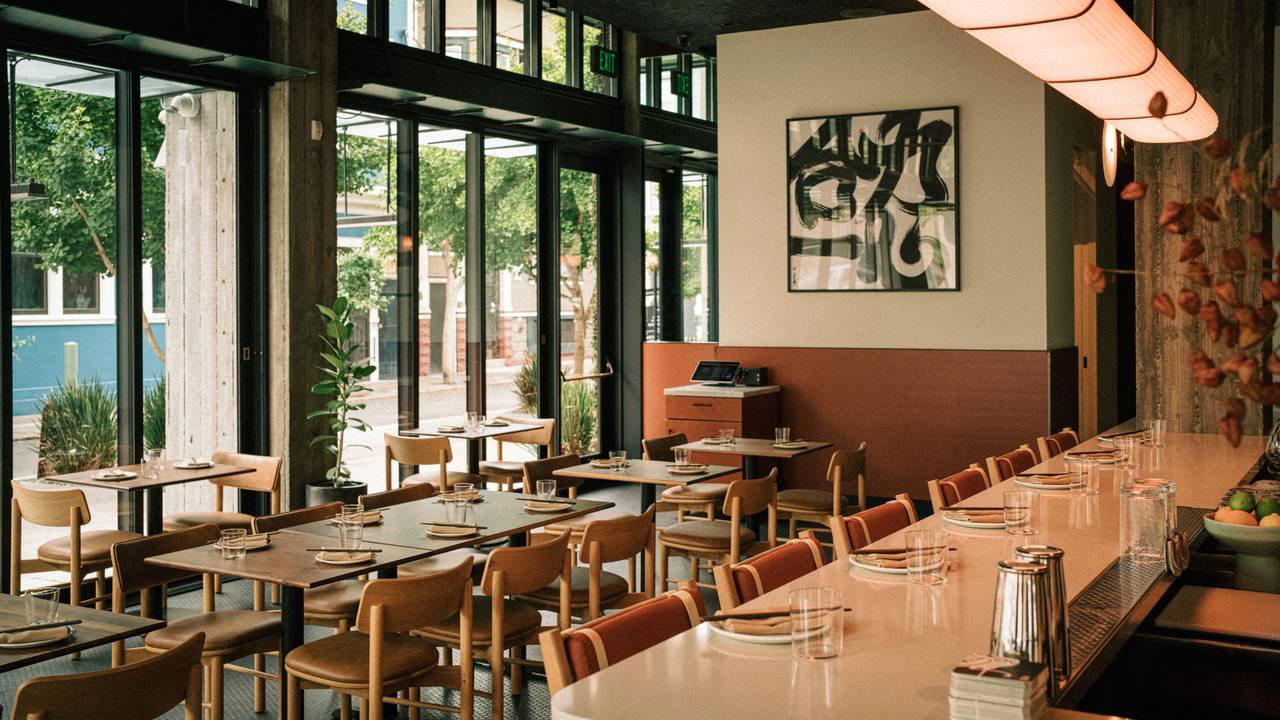
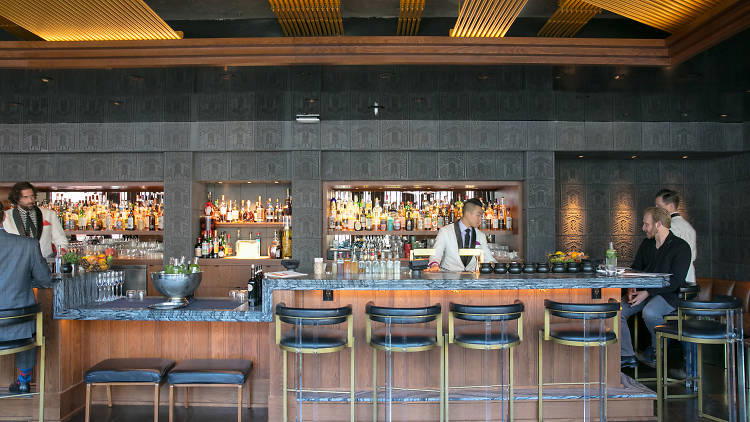
Sleek, airy dining room with a dramatic setting and lovely atmosphere underpinned by finesse and friendliness.