
Tabelog 100 #37
Our verdict
Hata Zen sits in Aomori’s serious izakaya tier, where seafood sourcing and sake compatibility matter more than decorative theatrics. Its Tabelog 100 Izakaya EAST selections in 2024 and 2025, plus earlier Japanese cuisine recognition, place it among the region’s more closely watched counters for fish-led drinking food.

Pearl is the En Primeur Club membership app, where members save venues, book tables and use the concierge.
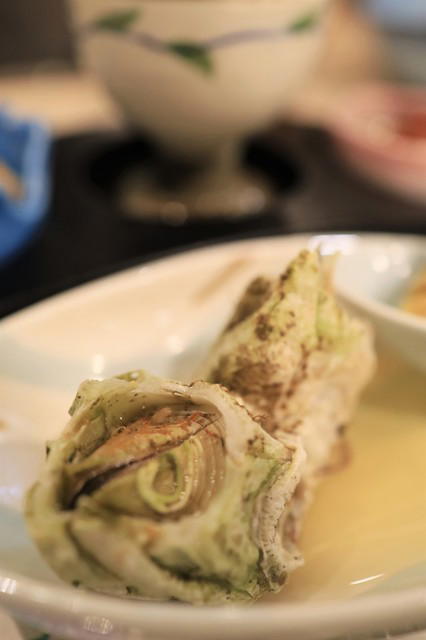
The menu
What to order
- Tsugaru Strait tuna sashimi
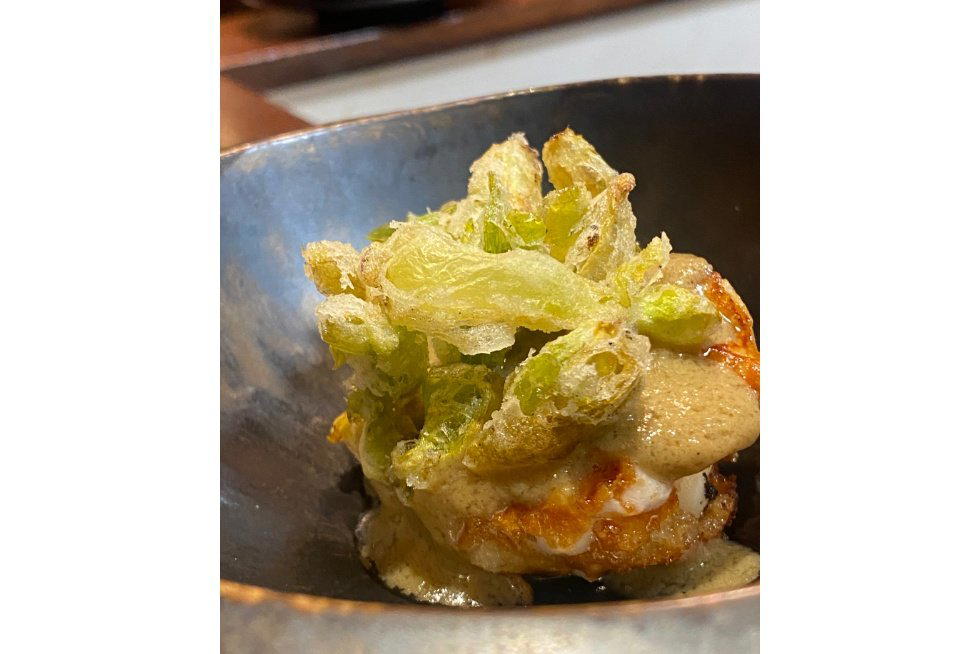
- Assorted fresh local seafood
- Hakkoda beef dishes
- Seasonal Aomori produce dishes
Read Hata Zen as an Aomori izakaya, not a catch-all luxury restaurant, and its purpose comes into focus. The cooking is seafood-led, and the appeal sits in the Japanese tavern format rather than in a formal fine-dining script. In Aomori, the useful way to read the restaurant is through its listed category and recognition: izakaya, seafood, and a 2025 Tabelog Hyakumeiten signal.
Hata Zen belongs to the group of Aomori restaurants where seafood and the tavern format matter. Aomori dining can be approached through several registers, from casual local meals to more planned dinners, and Hata Zen sits clearly in the izakaya and seafood lane. Its 2025 Tabelog Hyakumeiten recognition is a useful signal because international guidebook coverage does not always explain how local Japanese diners read a city’s restaurant field. Local Japanese platforms can carry real weight here.
Fish-led izakaya cooking is the argument, not decoration
The category is the point. Hata Zen is listed as an izakaya and seafood restaurant, a pairing that matters for how to plan the meal. The izakaya form frames the evening around Japanese-style tavern dining, while the seafood emphasis gives the restaurant a clearer identity than a generic Japanese restaurant listing. The venue’s listing places it in the Japanese-style tavern and seafood register, exactly where it should be understood.
That makes it a different choice from a formal regional kappo such as Tsugaru Kappou Mirai, where the structure may read more as special occasion. It also differs from other seafood-drinking rooms such as Sushi Izakaya Taru, where the mood and value proposition may feel different. Hata Zen occupies the tighter middle: serious enough to merit advance thought, compact in spirit, and local enough that seafood is the premise, not a slogan.
Aomori rewards choosing by format rather than assuming every good meal must look like fine dining. Its restaurant scene includes several kinds of meals, and Hata Zen is best read through the rhythm of an izakaya. That is why the category is revealing here. A room built around seafood and the rhythm of a tavern meal can say more about the city than a broader label imported from elsewhere.
The room suits drinking-food pacing rather than grand dining ritual
The format points toward a close-range meal rather than a grand dining ritual. That matters because an izakaya lives or dies by pacing. The appeal is not showpiece parade but the sequence of seafood, seasoning and conversation across an evening. For travellers used to Japan’s rigid restaurant taxonomy, the lesson is useful: an izakaya can be casual in form and serious in standards at once.
The award pattern supports that reading. Tabelog Hyakumeiten recognition is not a Michelin star and should not be read as one. It says something narrower and more relevant: the restaurant has been recognised within a Japanese platform’s category field, where consistency, fit with the tavern format and ingredient handling can matter. In Aomori, that is a stronger clue than imported luxury language.
Against broader Aomori dining, the restaurant sits where seafood and adult dining culture overlap. Travellers building a city itinerary can use Our full Aomori restaurants guide for the wider spread, then map this meal against other registers: other Aomori dining rooms, casual local eating, dessert-led stops, and different special-occasion formats. The comparison sharpens the point: Hata Zen is the seafood-led izakaya choice, not the all-purpose answer.
How to place it in an Aomori trip
The planning logic is simple: make it the seafood anchor of an Aomori evening, not a quick afterthought. Its listed dinner budget sits at JPY 10,000 - JPY 14,999, which places it above a casual snack stop and below the most elaborate destination-meal planning. The Tabelog score of 3.67 and 2025 Hyakumeiten signal make advance consideration sensible for travellers who care about where a single dinner lands in the city.
The stated public listing gives the restaurant’s phone as +81-17-773-0241 and its budget as Dinner: JPY 10,000 - JPY 14,999; Lunch: -. In smaller Japanese cities, checking current details before going can be the difference between a smooth evening and a last-minute change of plan. The category also matters: Hata Zen should be approached as an izakaya and seafood restaurant rather than as a generic Japanese restaurant.
For travellers turning Aomori into a broader northern Japan itinerary, the editorial map matters as much as one dinner. Use Our full Aomori hotels guide for where to sleep, Our full Aomori bars guide for a later drink, Our full Aomori wineries guide for regional bottles, and Our full Aomori experiences guide for context beyond the table. Readers comparing Japanese dining formats elsewhere can also look generically at other dining rooms across Japan and beyond, but Hata Zen’s usefulness is clearest inside Aomori itself.
The editorial case for Hata Zen is strongest for travellers who care about the category implied by the plate. Aomori seafood does not need luxury framing; it needs a restaurant format that lets seafood and conversation carry the evening. This regional izakaya helps explain why Japanese tavern restaurants can be as revealing as formal dining rooms.
Frequently asked questions
Is Hata Zen child-friendly?
Hata Zen is an izakaya and seafood restaurant in Aomori, so travellers should confirm practical details directly before visiting with children.
What is the atmosphere like at Hata Zen?
Hata Zen is best understood as a seafood-led izakaya in Aomori rather than a grand fine-dining room. Its listed dinner price range is JPY 10,000 - JPY 14,999.
What's the pricing like at Hata Zen?
Pricing at Hata Zen is listed as JPY 10,000 - JPY 14,999 View spending breakdown.
What is Hata Zen known for?
Hata Zen is known as an Aomori izakaya and seafood restaurant with 2025 Tabelog Hyakumeiten recognition and a listed score of 3.67.
At-a-Glance Comparison
Comparable venues by cuisine and price in the same metro.
| Venue | Cuisine | Price | Awards | Notes |
|---|---|---|---|---|
| Hata ZenThis venue (the venue you are viewing) | Aomori seafood-focused Japanese izakaya | $50–100 | Tabelog 100 #37 | Not listed |
| Nano Hana | Japanese Regional Fine Dining | $100–150 | Tabelog 100 #11 | Honcho |
| Kaikyo So | Traditional Japanese Seafood | Not listed | Tabelog 100 #91 | Oma Town |
| Sushi Izakaya Taru | Sushi Izakaya & Seafood Tavern | $50–100 | Tabelog 100 #90 | Shimmachi |
| Ikeda Farm | Takko wagyu yakiniku restaurant & butcher | $20–30 | Tabelog 100 #65 | Takko |
| Tsugaru Kappou Mirai | Tsugaru kappo / kaiseki using local Aomori ingredients | $100–150 | Tabelog 100 #58 | Aomori City |
Recognition history
Dated appearances from independent guides and award organizations, with the underlying list record or original source where available.
Tabelog 100 #37 · No. 37
Tabelog · Tabelog 100 - Izakaya - EAST - 2025
Continue exploring
More in Aomori
Restaurants in Aomori
All restaurants in Aomori →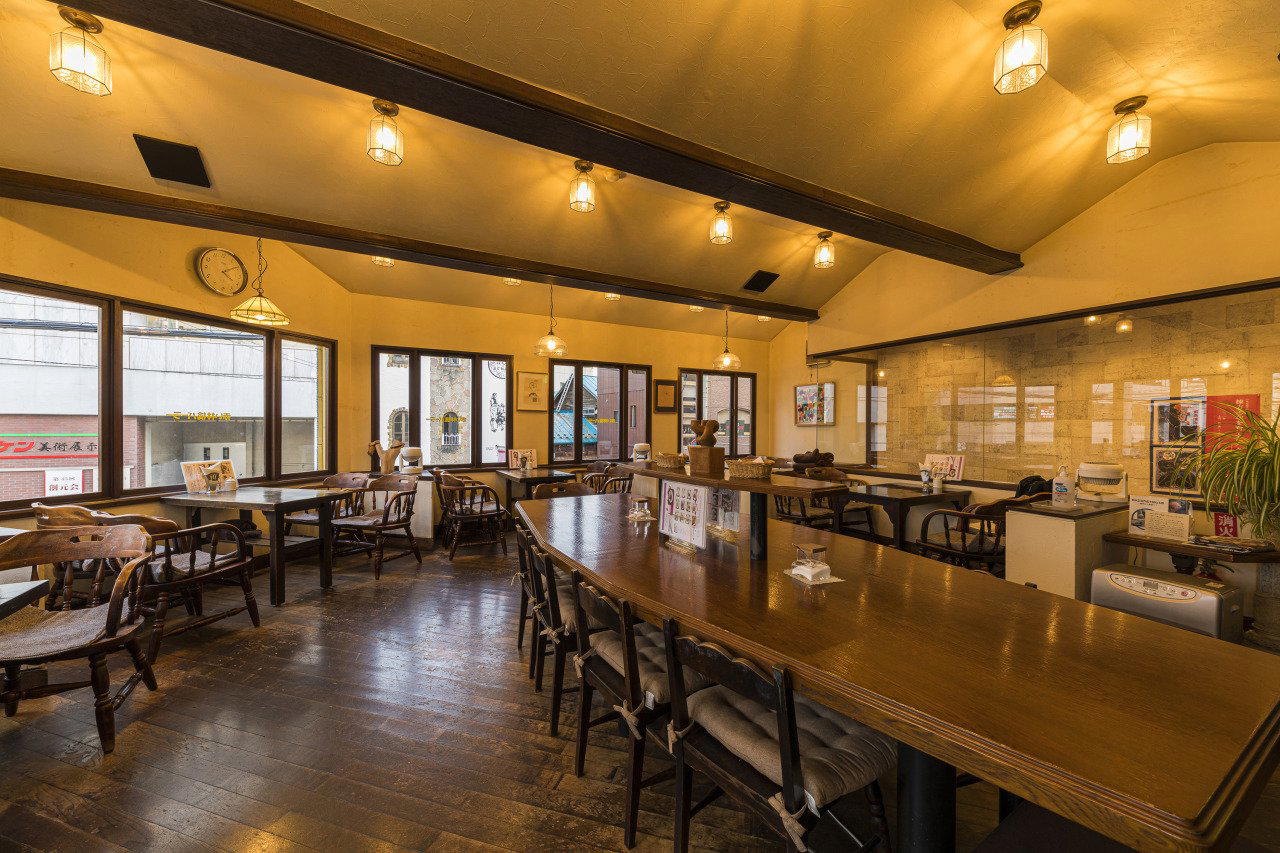
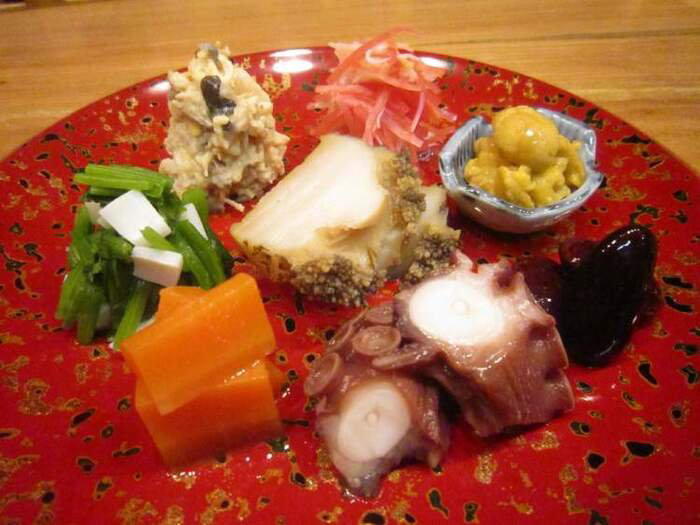
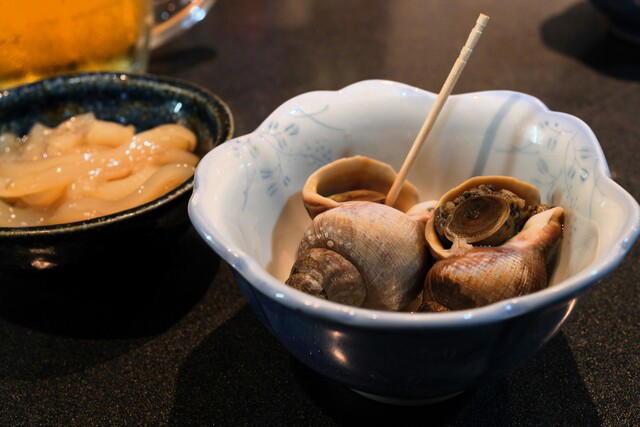
Bars in Aomori
Browse all →
Details
- Cozy
- Classic
- Intimate
- Date Night
- Group Dining
- Solo
- Celebration
- After Work
- Special Occasion
- Private Dining
- Standalone
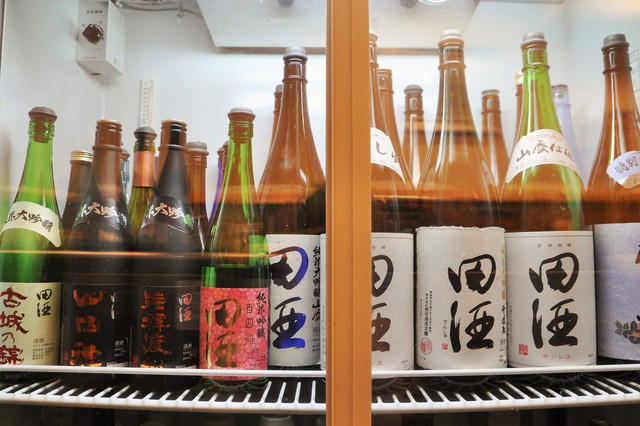
- Sake Program
- Beer Program
- Local Sourcing
- A La Carte
- Set Menu
- Counter Dining
- Sake
- Beer
- Whisky
- Pescatarian Friendly
Current opening hours
- Monday
- 5:30–11 PM
- Tuesday
- 5:30–11 PM
- Wednesday
- 5:30–11 PM
- Thursday
- 5:30–11 PM
- Friday
- 5:30–11 PM
- Saturday
- 5:30–11 PM
- Sunday
- Closed
Hours can change for holidays and private events. Last verified .
Traditional Japanese izakaya atmosphere on the first floor of a residential building near Utou Shrine, with a relaxed, intimate feel; counter seats where solo diners can unwind, plus small private rooms and a larger tatami-style room suitable for groups, creating a warm, neighborhood-local vibe rather than a formal setting.