Namak

Washingtonian 100 Very Best Restaurants #98
Our verdict
Namak adds another data point to Washington, D.C.’s increasingly layered dining map: a Columbia Road NW restaurant recognized at No. 98 on Washingtonian’s 100 Very Best Restaurants 2026. Its importance is less about spectacle than placement, showing how neighborhood dining in the city now shares space with nationally legible lists, immigrant food traditions, and a more demanding local audience.

Pearl is the En Primeur Club membership app, where members save venues, book tables and use the concierge.
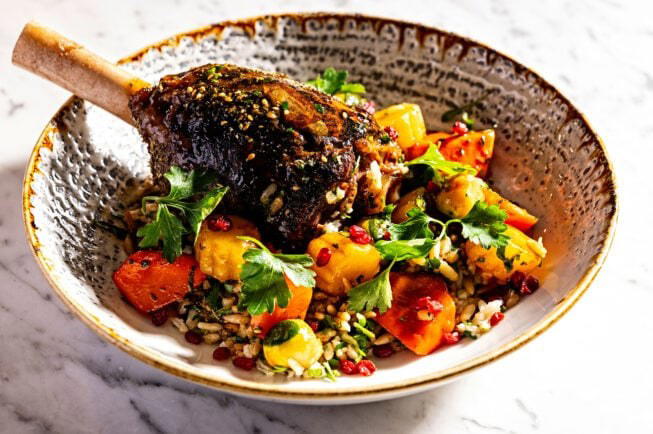
The menu
What to order
- Lahmacun
- Adana kebab
- Feta saganaki
- Borani laboo beet dip
- Künefe
Washington, D.C. has always carried more than one dining rhythm. Away from the city’s most formal expense-account corridors, the restaurant conversation can feel local before it is theatrical: regular diners, practical reservations, and the sense that dinner is part of an everyday circuit rather than a destination staged only for visitors. In that setting, Namak reads as part of a broader Washington pattern, where individual restaurants increasingly carry the cultural work once expected from larger, more formal dining rooms.
The useful way to read the restaurant is through context, not hype. Washington’s dining identity has widened beyond old power-room assumptions and tasting-menu ambition into a city where many kinds of restaurants compete for serious attention. The same diner who once measured the city only through formal rooms or familiar local standbys is now also weighing restaurants that carry a clear point of view with less ceremony. Namak’s appearance on Washingtonian’s 100 Very Best Restaurants 2026 places it inside that local critical conversation, a useful signal in a city where recognition often follows consistency more than novelty.
Washington, D.C. dining and the city's shift away from formality
Washington, D.C. has become more interesting as its serious dining has dispersed. The strongest meals are no longer concentrated around downtown hotels, government-adjacent rooms, or the corridors built for expense-account schedules. Local restaurants now carry a larger share of the city’s identity, particularly in places where dinner is shaped by residents, repeat guests, and smaller-scale hospitality rather than destination choreography.
Namak fits that movement because its Washington, D.C. setting places it within the city’s broader restaurant map rather than a single old idea of prestige dining. That context matters in a broad sense. A restaurant here does not need to announce itself with grandeur; it has to earn attention against habit, proximity, and a diner base that can be both loyal and unforgiving.
The comparison set in Washington is broad. Lapis shows how cultural specificity can become part of the city’s mainstream dining conversation without sanding down identity. Perry’s represents another strand of the same pattern: restaurants that endure because they give Washington a culinary vocabulary beyond the usual prestige markers. Namak’s recognition belongs in that local frame, alongside places whose value is measured by how they expand the city’s appetite rather than how loudly they perform ambition.
Why local recognition matters in a crowded restaurant city
A place on Washingtonian’s 100 Very Best Restaurants 2026 is not a minor footnote. In Washington, that list functions as a local temperature check, especially for restaurants outside the national-awards circuit. It rewards restaurants that matter to the city’s own dining conversation, not only those built for traveling diners or tasting-menu collectors. For a Washington, D.C. restaurant, the placement indicates that Namak has moved from local notice into a wider D.C. frame.
That distinction is useful for planning. National lists tend to pull attention toward a narrow band of rooms, often with higher prices, longer booking windows, and a more formal service script. Washingtonian’s annual list captures a different layer: restaurants that shape how locals actually eat across price points, styles, and parts of the city. Namak’s presence there suggests relevance in the city’s working restaurant culture, where repeatability and point of view matter more than spectacle.
For readers mapping a D.C. trip, the better question is not whether one restaurant can summarize the city. It cannot. The smarter approach is to build contrast: one formal room, one local institution, one bar-led evening, and one restaurant that reflects the city’s everyday dining fabric. EP Club’s broader Washington coverage helps with that spread, from Our full Washington, D.C. restaurants guide to Our full Washington, D.C. bars guide, Our full Washington, D.C. hotels guide, Our full Washington, D.C. wineries guide, and Our full Washington, D.C. experiences guide.
How to place Namak on a Washington dining itinerary
The editorial case for Namak is strongest when it is treated as part of a locally grounded evening rather than a trophy reservation. Washington rewards that style of planning. A dinner here can sit comfortably in a trip that also looks at other local finds across the city. The through-line is not sameness; it is the way D.C. dining has become less dependent on a single prestige district.
For travelers who track food culture across cities, Namak also belongs to a larger national pattern: restaurants with clear points of view gaining attention in city settings rather than only in polished downtown formats. That same planning logic applies across EP Club’s broader U.S. coverage, where the most useful comparisons are often by role rather than by menu. The point is comparison by function: restaurants that make a city more legible through local scale, a defined perspective, and local critical attention.
The practical verdict is restrained but clear. Namak is not the place to chase grand dining theater; it is the kind of Washington restaurant that helps explain where the city has moved in 2026. Its Washington, D.C. setting, local-list recognition, and place within a more distributed dining map make it useful for diners who want D.C. beyond monuments, hotel lobbies, and expense-account rooms.
Frequently asked questions
Where exactly is Namak?
Washington, D.C.
What's the best way to book Namak?
Confirm reservations through Namak’s direct booking channel before heading out. Its recognition on Washingtonian’s 100 Very Best Restaurants 2026 suggests it belongs on the local reservation radar. Check the venue's official channels for the latest details.
What is Namak known for?
Namak is a Washington, D.C. restaurant whose clearest public credential is its placement on Washingtonian’s 100 Very Best Restaurants 2026. That recognition is the main public signal for how it sits in the city’s dining scene.
Is Namak allergy-friendly?
Check the venue's official channels for the latest details, and contact Namak directly about allergy accommodations before booking.
Budget Reality Check
Comparable venues by cuisine and price in the same metro.
| Venue | Cuisine | Price | Awards | Notes |
|---|---|---|---|---|
| NamakThis venue (the venue you are viewing) | Eastern Mediterranean (Iranian–Turkish) | $50–100 | Washingtonian 100 Very Best Restaurants #98 | Not listed |
| The Grill From Ipanema | Authentic Brazilian Grill | $30–50 | Not listed | Not listed |
| Perry's | Traditional Japanese Sushi & Rooftop | Not listed | James Beard Award Emerging Chef · RAMMYS Upscale Casual Restaurant of the Year | Japanese |
| Maison | Modern French Tasting Menu | Not listed | Michelin Plate | Not listed |
| Lapis | Afghan | $50–100 | Michelin Bib Gourmand · Washingtonian 100 Very Best Restaurants #38 | Not listed |
Recognition history
Dated appearances from independent guides and award organizations, with the underlying list record or original source where available.
Washingtonian 100 Very Best Restaurants #98
Washingtonian
Continue exploring
More in Washington DC
Restaurants in Washington DC
All restaurants in Washington DC →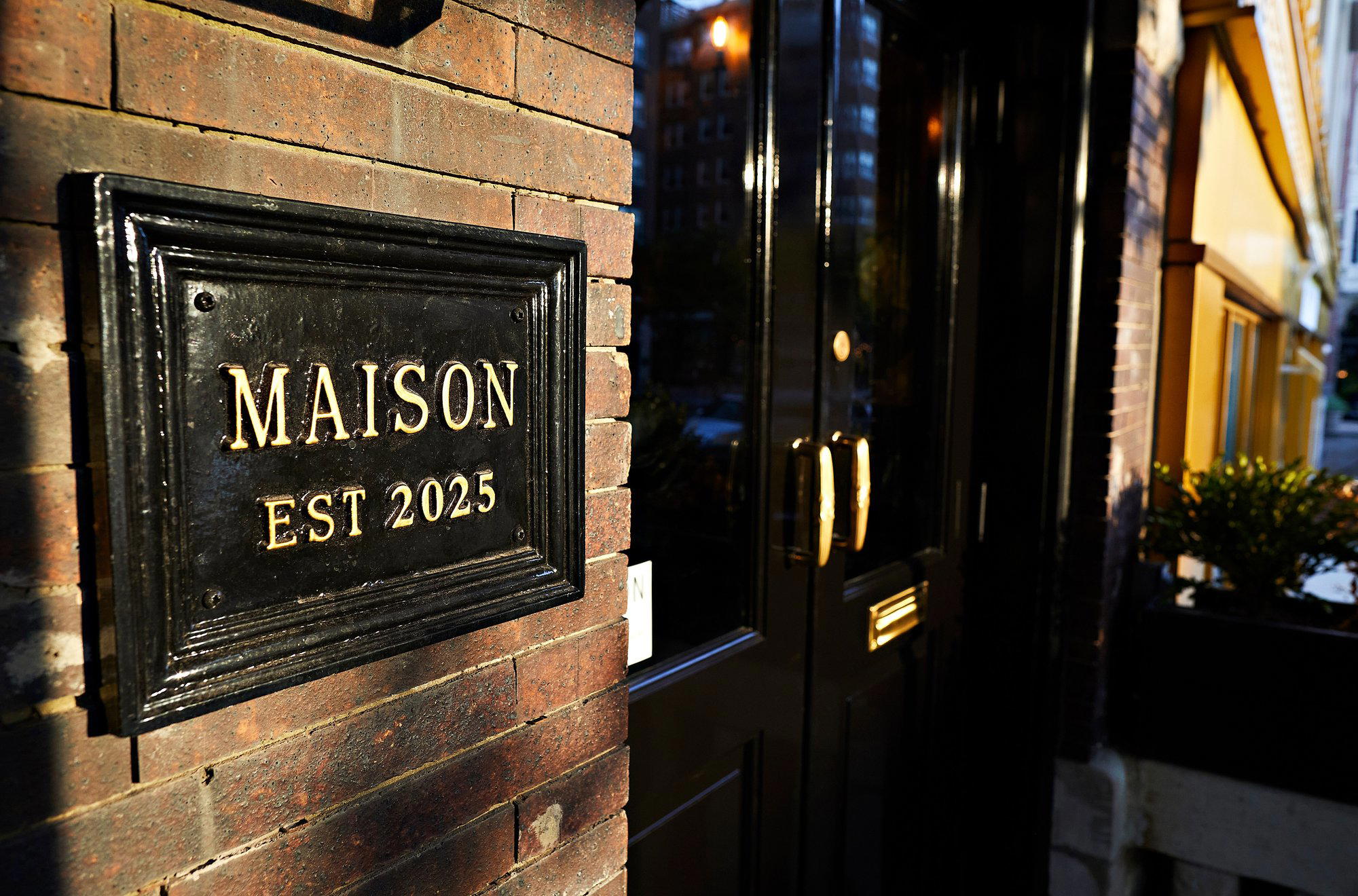
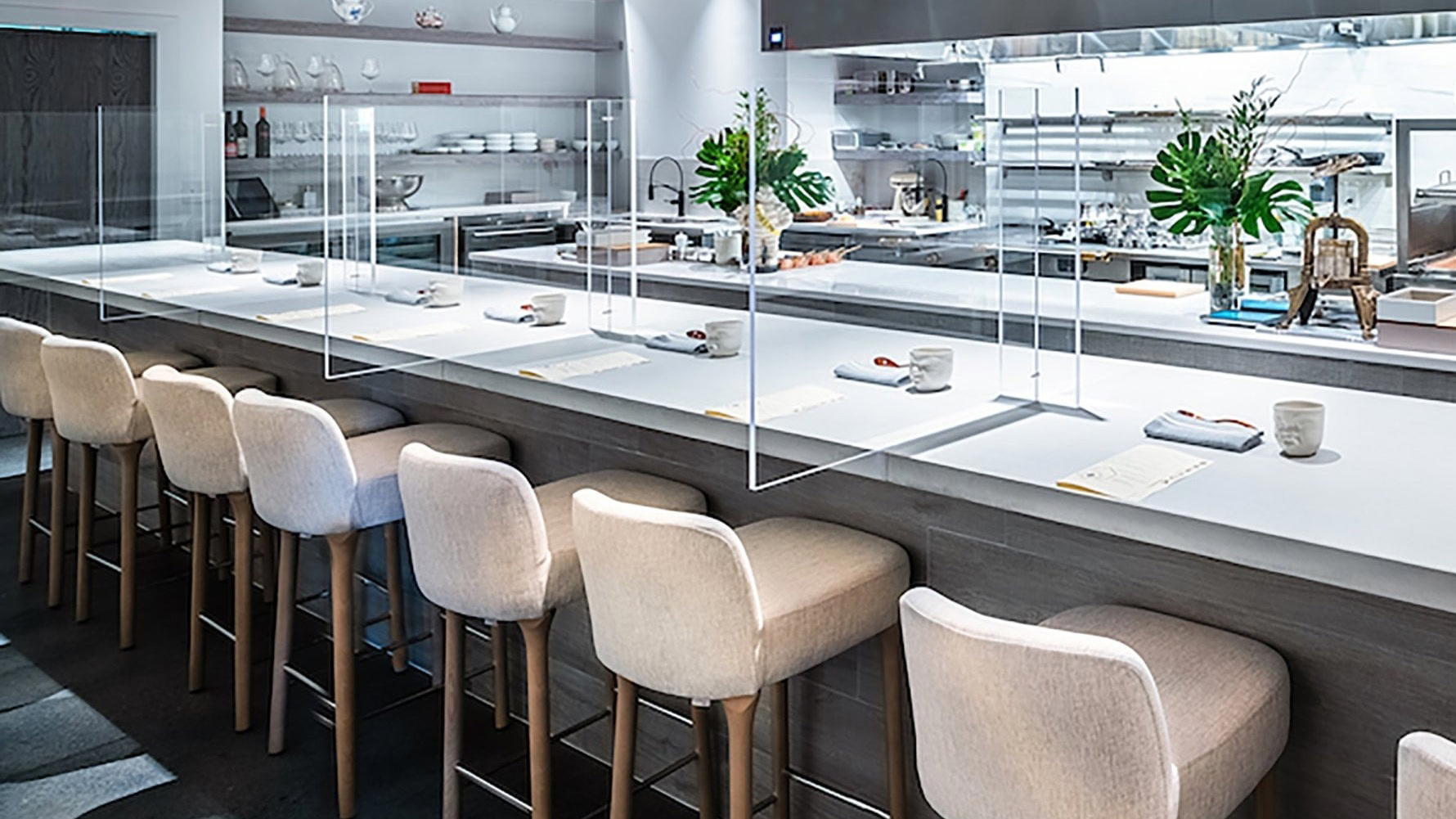
Bars in Washington DC
All bars in Washington DC →

Details
- Cozy
- Elegant
- Trendy
- Romantic
- Intimate
- Date Night
- Group Dining
- Celebration
- Casual Hangout
- After Work
- Design Destination
- Standalone
- Craft Cocktails
- Zero Proof
- Street Scene
- A La Carte
- Small Plates
- Craft Cocktails
- Zero Proof Drinks
- Vegetarian Friendly
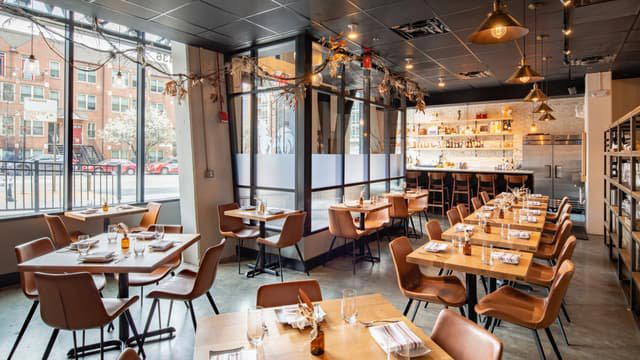
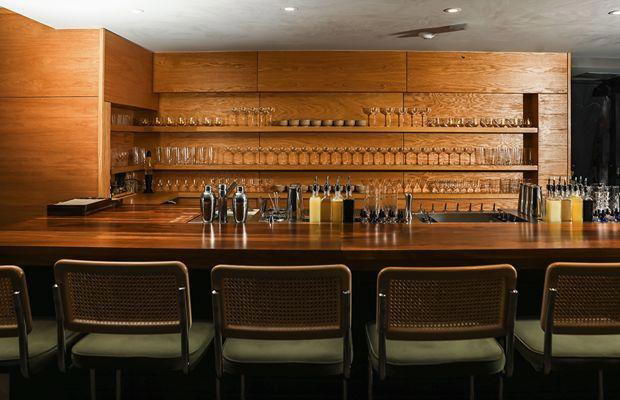
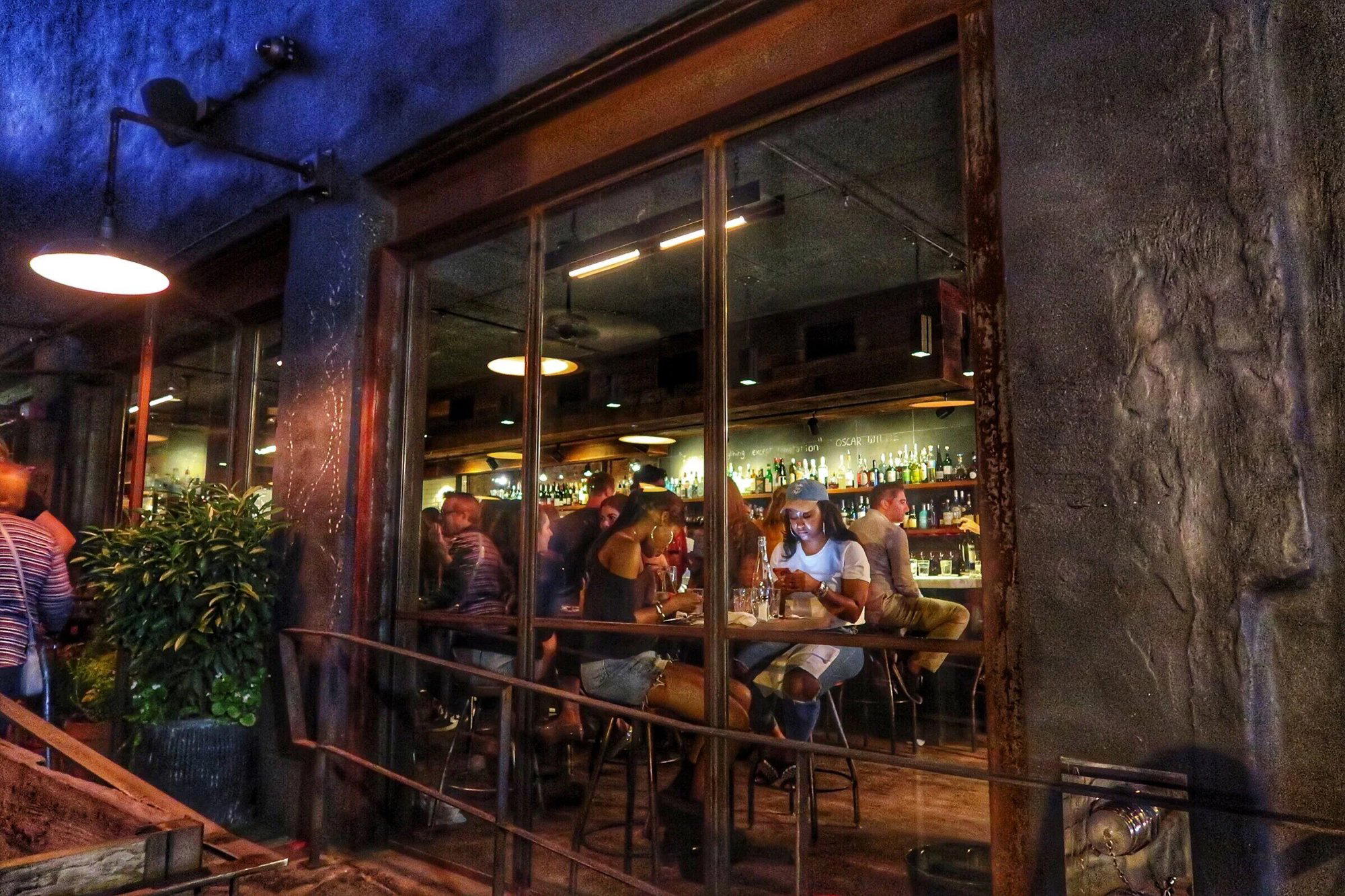
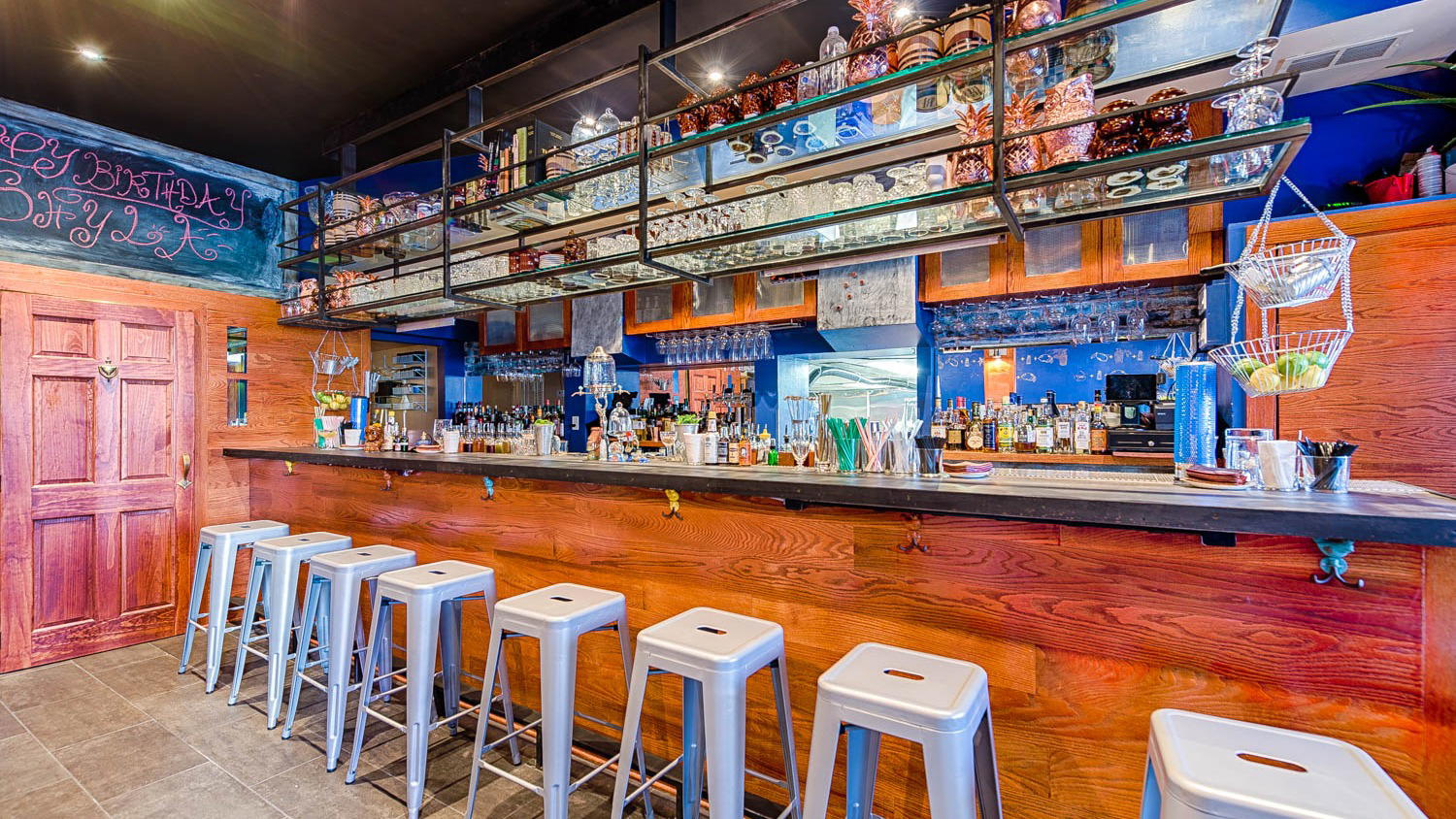
Warm, softly lit space with lanterns, colorful jars of fermented vegetables on the walls, and a chic, cozy dining room that feels lively and upscale yet relaxed.