
The Good Food Guide GFG Good
Our verdict
A neighbourhood bistro on Mumbles Road, Môr channels Welsh coastal produce into a concise, seasonally driven menu. Pembrokeshire oysters, Swansea smoked salmon, and mangalitza pork from Penlan Heritage Breeds anchor a kitchen that keeps faith with its original sourcing commitments despite a change of ownership. Café-style informality and a conservative wine list make this a reliable local resource rather than a destination event.

Pearl is the En Primeur Club membership app — saves, bookings, and concierge access live there. Same editors, same standards.
- Address
- 620 Mumbles Rd, Mumbles, Swansea SA3 4EA, United Kingdom
- Phone
- +44 7932 385217
- Hours
- Mon–Wed ClosedThu–Fri 5:30–11 PMSat 12:30–4:30 PM, 5:30–11 PMSun 12:30–4:30 PM
- Website
- mor-mumbles.co.uk
- Directions
- Get directions
- Booking
- Book on the venue's website
The menu
What to order
- Beef fillet
- Monkfish wellington
- Pembrokeshire oysters
Mumbles and the Welsh Bistro Tradition
The stretch of coast between Swansea Bay and the Gower Peninsula has a particular relationship with informal, produce-led eating. Mumbles, the village that anchors its eastern edge, has long operated as a social extension of the city, drawing residents out along the seafront for unhurried meals without the formality of town-centre dining. The leading neighbourhood restaurants here tend to reflect that sensibility: they exist to serve a local clientele consistently rather than to court destination traffic. Môr, at 620 Mumbles Road, fits precisely into that pattern.
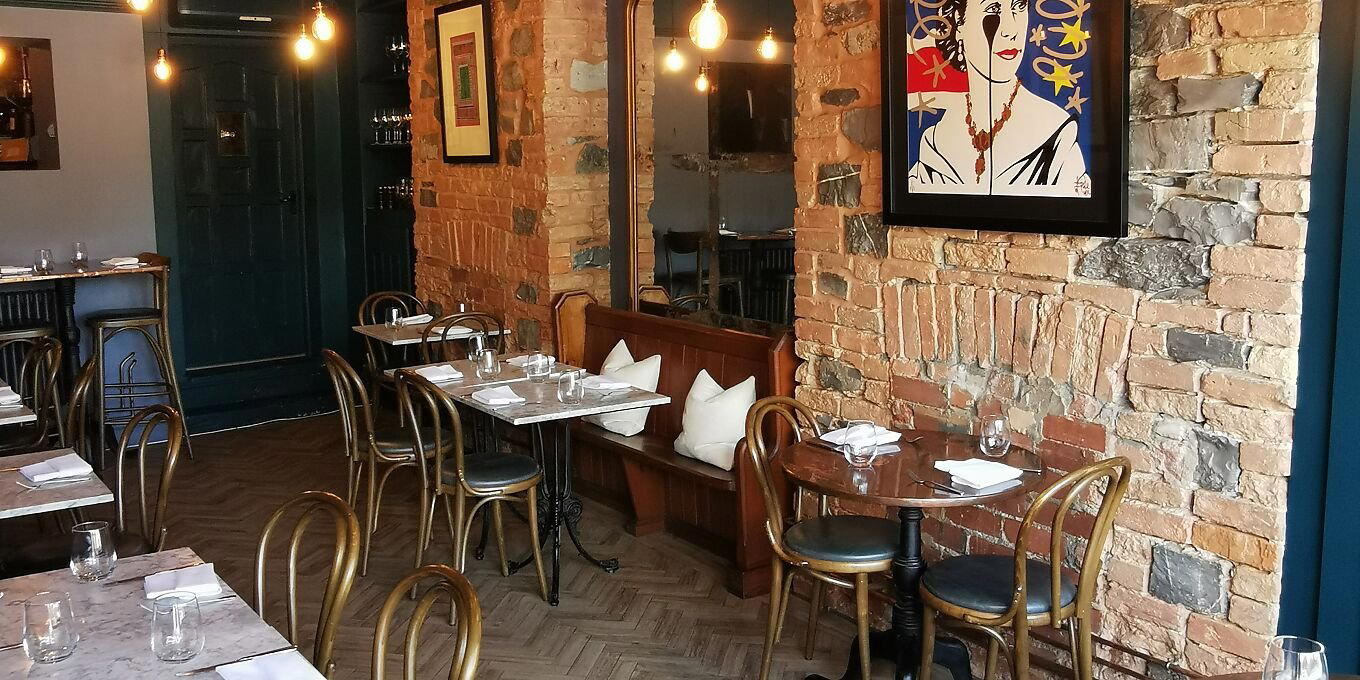
Approaching from the seafront, the bistro reads as a working local. Inside, parquet floors, café-style furnishings, and bold Pop Art prints hung on exposed brickwork signal a room that prioritises comfort over considered interior design. There is nothing in the physical environment that tries too hard, which, in a coastal village with this kind of character, tends to feel correct.
Welsh Produce as the Kitchen's Argument
The cultural context for a restaurant like Môr is worth pausing on. Welsh food production has undergone a sustained period of reappraisal over the past decade. Artisan cheesemakers, heritage breed farmers, and coastal suppliers have built a regional pantry that serious kitchens in Cardiff, Aberystwyth, and Swansea increasingly reference as a point of identity. The Gower Peninsula alone, classified as Britain's first Area of Outstanding Natural Beauty, has generated genuine agricultural and fishing heritage that distinguishes its produce from generic British sourcing.
Môr works within this context without making a performance of it. The kitchen draws on Pembrokeshire oysters, Swansea smoked salmon, and mangalitza pork from Penlan Heritage Breeds. These are not decorative local references; they constitute the structural argument of the menu. Mangalitza, a heritage breed with Hungarian origins but increasingly reared by specialist Welsh farmers for its marbled fat content, represents the kind of supply relationship that defines a kitchen's sourcing integrity. That commitment has remained consistent through a change of ownership, which is the more meaningful signal here: the cooking has stayed true to its original remit rather than drifting toward easier, less specific supply chains.
For those interested in how Welsh produce-led kitchens sit within the broader British regional dining picture, it is instructive to consider what distinguishes them from equivalent programs at places like Moor Hall in Aughton or L'Enclume in Cartmel. Both of those operations have invested heavily in sourcing as a formal tasting-menu proposition. Môr operates in a different register entirely: the same sourcing rigour applied to a bistro format, without the ceremony or the price point those northern English rooms command.
What the Menu Reveals
The kitchen's beef tartare has developed a reputation as the dish that leading demonstrates what the cooking here can do. A soy-cured egg yolk, beef fat cream, and grilled sourdough add layered depth to the meat rather than relying on the cut alone to carry the plate. It is the kind of preparation that requires technical confidence and good product in equal measure.
The seafood section reflects coastal proximity without defaulting to safe execution. Scallops dressed with generous pesto and Pembrokeshire oysters served tempura-style with apricot ketchup both show a willingness to apply technique and flavour contrast to ingredients that lesser kitchens would serve too simply. The apricot ketchup alongside tempura oysters is a pairing worth noting: acidity and sweetness against the batter, with the brine of the oyster pulling through underneath.
Main courses have varied more in consistency. Sea bass with fennel rémoulade and asparagus has delivered clarity and season-appropriate freshness. A duck dish, however, has shown the kitchen's limits: the smoked, barbecued breast component worked well, but a poorly executed battered leg, cooked in a style more suited to a fast-food counter than a bistro with these ambitions, undermined the plate. That kind of technical misfire is worth naming, because it reflects the gap that neighbourhood bistros at this price level sometimes experience between strong ideas and consistent execution across all components of a dish.
Desserts operate on a lighter register: an Eton mess layered with strawberries, meringue, and shortbread in a glass, though the promised basil element was absent in at least one instance, and an orange posset with poppyseed sablé that rounds off the meal with precision. The wine list is conservative, with a limited selection by the glass. It functions as a complement rather than a program in its own right.
Where Môr Sits in Swansea's Dining Picture
Within Swansea's current restaurant scene, different formats occupy different roles. Slice, operating in the modern British mode at a higher price point, pulls from a similar produce-conscious philosophy but with more formal presentation. The Shed works in the traditional British register at a more accessible price tier. Hanson at the Chelsea occupies yet another position in the city's offer. Môr sits closest to the neighbourhood bistro category: informal in atmosphere, seasonally grounded in sourcing, and priced to function as a regular local rather than an occasion restaurant.
That positioning is also what distinguishes it from the Welsh outpost of destination British dining. Restaurants like Waterside Inn in Bray, Le Manoir aux Quat' Saisons in Great Milton, or Gidleigh Park in Chagford occupy a formal, destination-driven tier with the booking requirements and price architecture to match. Môr makes no argument to compete in that space. What it offers instead is something harder to replicate at scale: a sense of place, Welsh coastal ingredients handled with genuine commitment, and a room that feels like a community resource rather than a curated event.
Planning a Visit
Môr is located at 620 Mumbles Road in the Mumbles village area of Swansea, within easy reach of the seafront and accessible from central Swansea by bus or car along the bay. Given that the restaurant functions as a valued local resource with consistent regulars, booking ahead is advisable, particularly on weekend evenings when Mumbles draws visitors from across the city. The informal room and bistro format mean no dress code applies in any meaningful sense. The wine list, though conservative. Those planning a wider Swansea visit can consult, and our Swansea experiences guide for broader planning context.
Frequently asked questions
What part of town is Môr in?
Môr is located at 620 Mumbles Rd, Mumbles, Swansea SA3 4EA, United Kingdom, Swansea.
What's the signature dish at Môr?
The beef tartare is the kitchen's most discussed plate, built with a soy-cured egg yolk, beef fat cream, and grilled sourdough that adds considerable depth to the meat. Among seafood options, Pembrokeshire oysters served tempura-style with apricot ketchup represent the same produce-led approach.
What's the best way to book Môr?
Môr operates as a neighbourhood bistro at 620 Mumbles Road in the coastal village of Mumbles, and weekend demand reflects how well the format has been received locally. Booking ahead — particularly for Friday and Saturday evenings — is the practical move; contact details are best sourced directly from current listings, as they are not published here.
What's the signature at Môr?
The kitchen's defining argument is its sourcing: mangalitza pork from Penlan Heritage Breeds, Swansea smoked salmon, and Pembrokeshire oysters underpin most of the menu. The beef tartare with soy-cured egg yolk and beef fat cream has consistently drawn the most attention as the dish that makes that argument most clearly.
Budget Reality Check
Comparable venues nearby, for context on price, style, and recognition.
| Venue | Cuisine | Price | Awards | Notes |
|---|---|---|---|---|
| MôrThis venue — the venue you are viewing | Modern European Bistro | $50–100 | The Good Food Guide GFG Good | Not listed |
| Hanson at the Chelsea | Classical French Seafood Bistro | $50–100 | The Good Food Guide GFG Good | Wind Street, Swansea city centre, Classical French Seafood Bistro |
| The Shed | Traditional British Nose-to-Tail | $30–50 | Michelin Plate · SquareMeal UK Top 100 Restaurants #39 | Swansea Marina, Traditional British Nose-to-Tail |
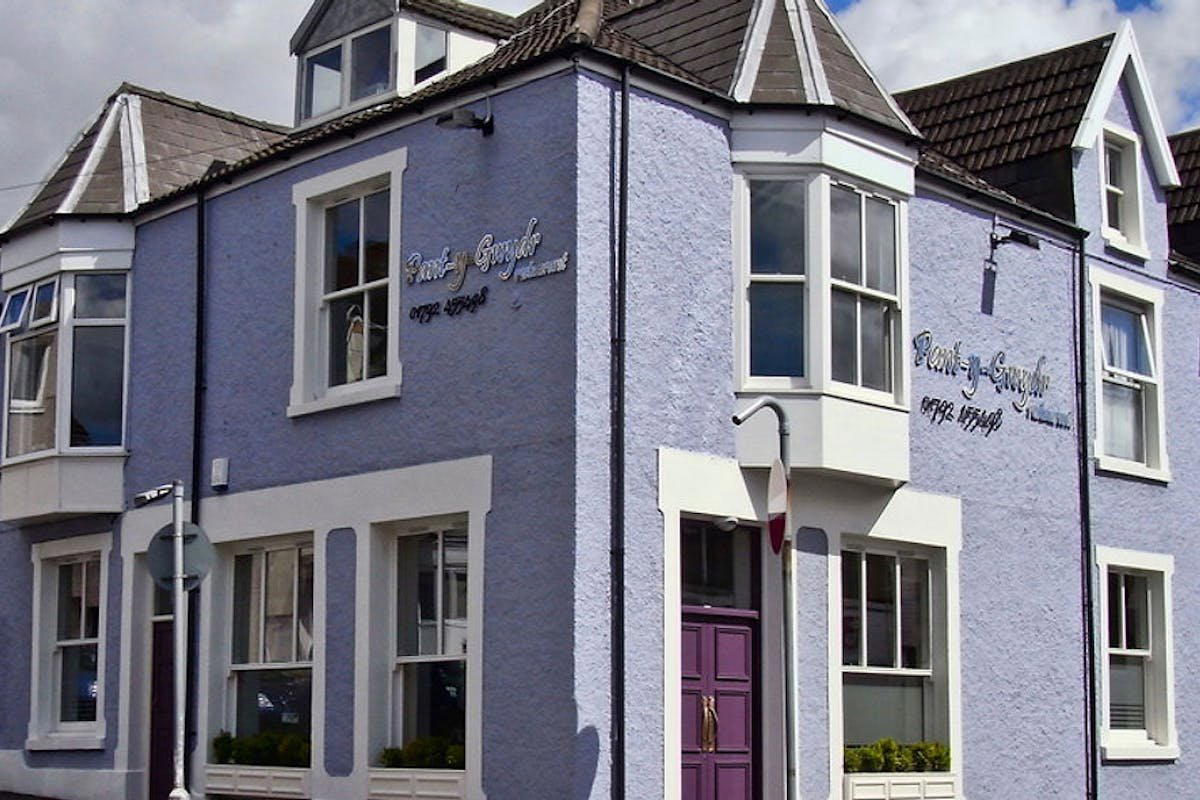
| Pant-y-Gwydr restaurant | Classic French with Vegan | $30–50 | Not listed | city centre, Classic French with Vegan |
| Nok Nok Authentic Thai Restaurant Mumbles | Authentic Thai | $20–30 | Not listed | Mumbles, Authentic Thai |
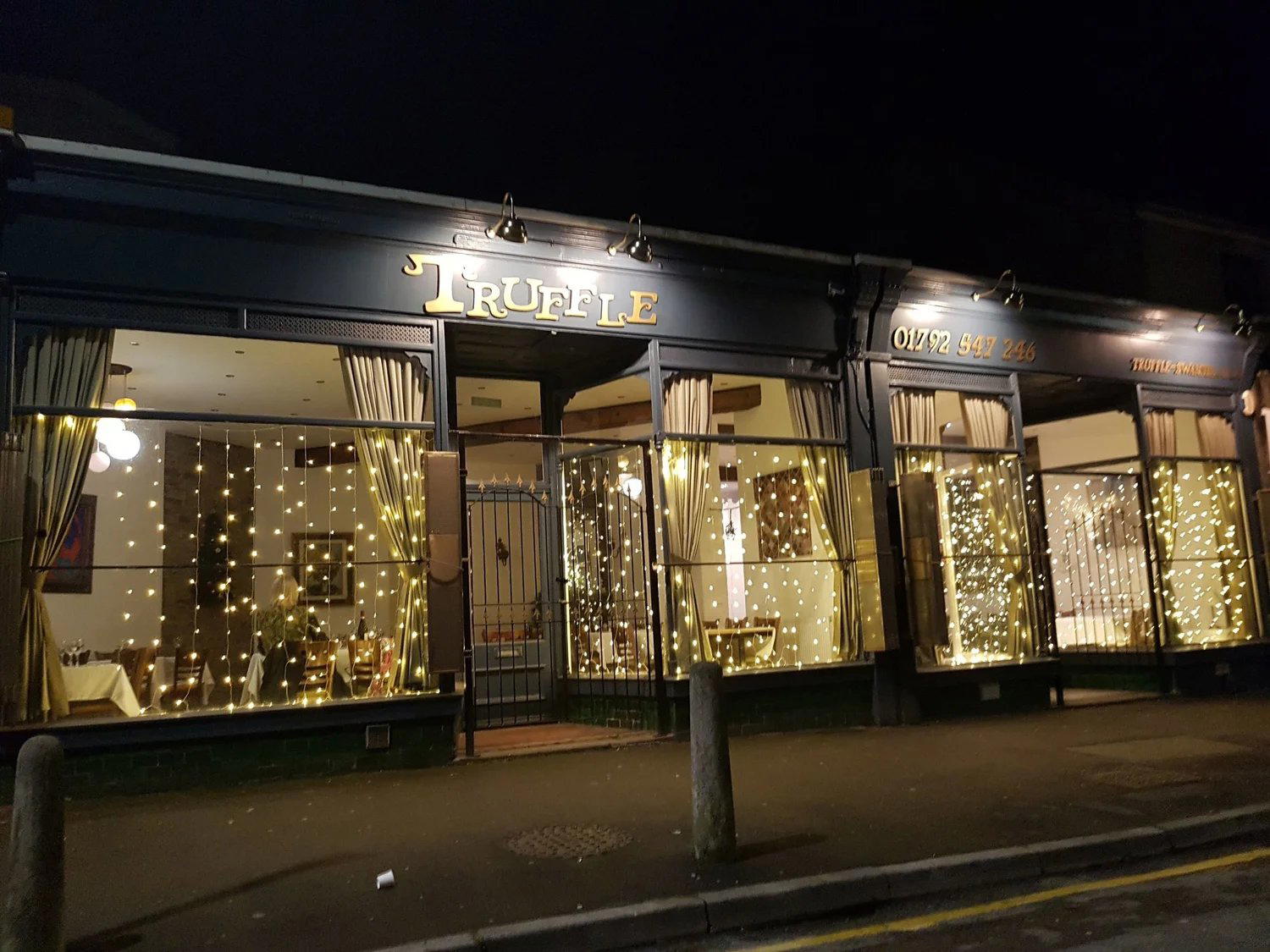
| Truffle | French Contemporary Bistro | $20–30 | Not listed | Brynmill, French Contemporary Bistro |
Recognition history
Dated appearances from independent guides and award organizations, with the underlying list record or original source where available.
The Good Food Guide GFG Good
The Good Food Guide
Continue exploring
More in Swansea
Restaurants in Swansea
Browse all →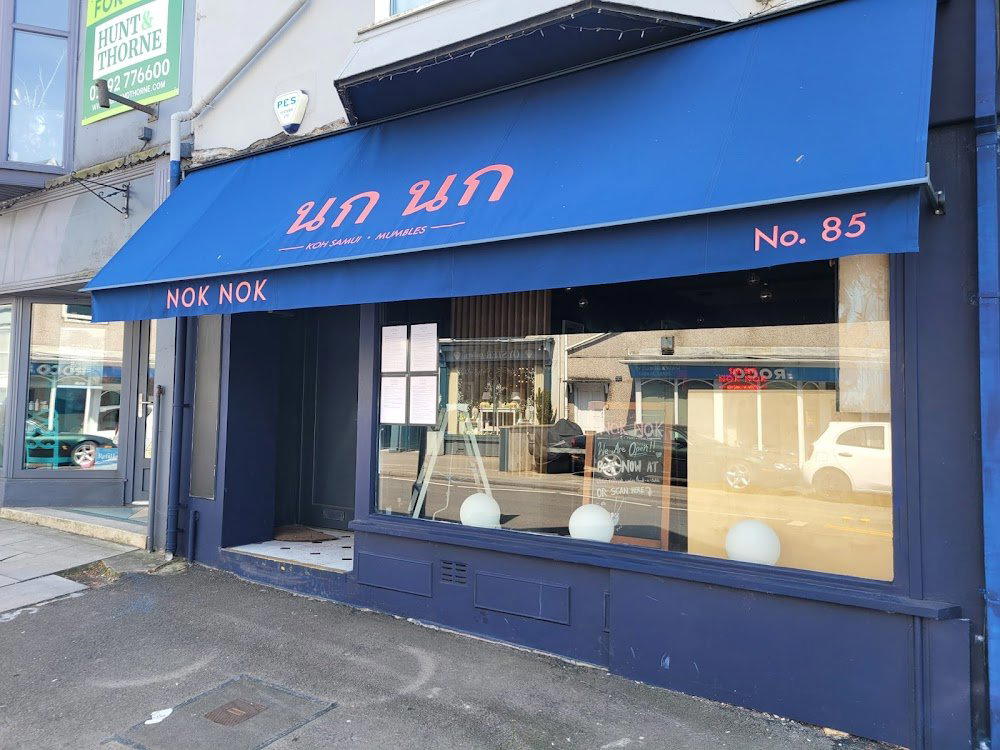
Bars in Swansea
Browse all →
Hotels in Swansea
Browse all →

Details
- Cozy
- Elegant
- Intimate
- Modern
- Date Night
- Special Occasion
- Standalone
- Extensive Wine List
- Local Sourcing
- Waterfront
- Street Scene
- A La Carte
- Small Plates
- Vegetarian Friendly
- Allergy Accommodating
Current opening hours
- Monday
- Closed
- Tuesday
- Closed
- Wednesday
- Closed
- Thursday
- 5:30–11 PM
- Friday
- 5:30–11 PM
- Saturday
- 12:30–4:30 PM, 5:30–11 PM
- Sunday
- 12:30–4:30 PM
Hours can change for holidays and private events. Last verified .
Cosy and chic interior with banquette seating, exposed brickwork, and shades of salmon and teal, creating an intimate bistro atmosphere.