Our verdict
Mozzarella sits within Brest's modest but evolving dining scene, offering a point of reference for those tracing how Italian-inflected concepts are taking root in western Belarus. The address places it in the city's central postal zone, putting it within reach of Brest's main commercial and cultural corridors. It operates in a market where Italian naming conventions increasingly signal a casual, approachable register distinct from the city's more formal European dining options.

Pearl is the En Primeur Club membership app, where members save venues, book tables and use the concierge.
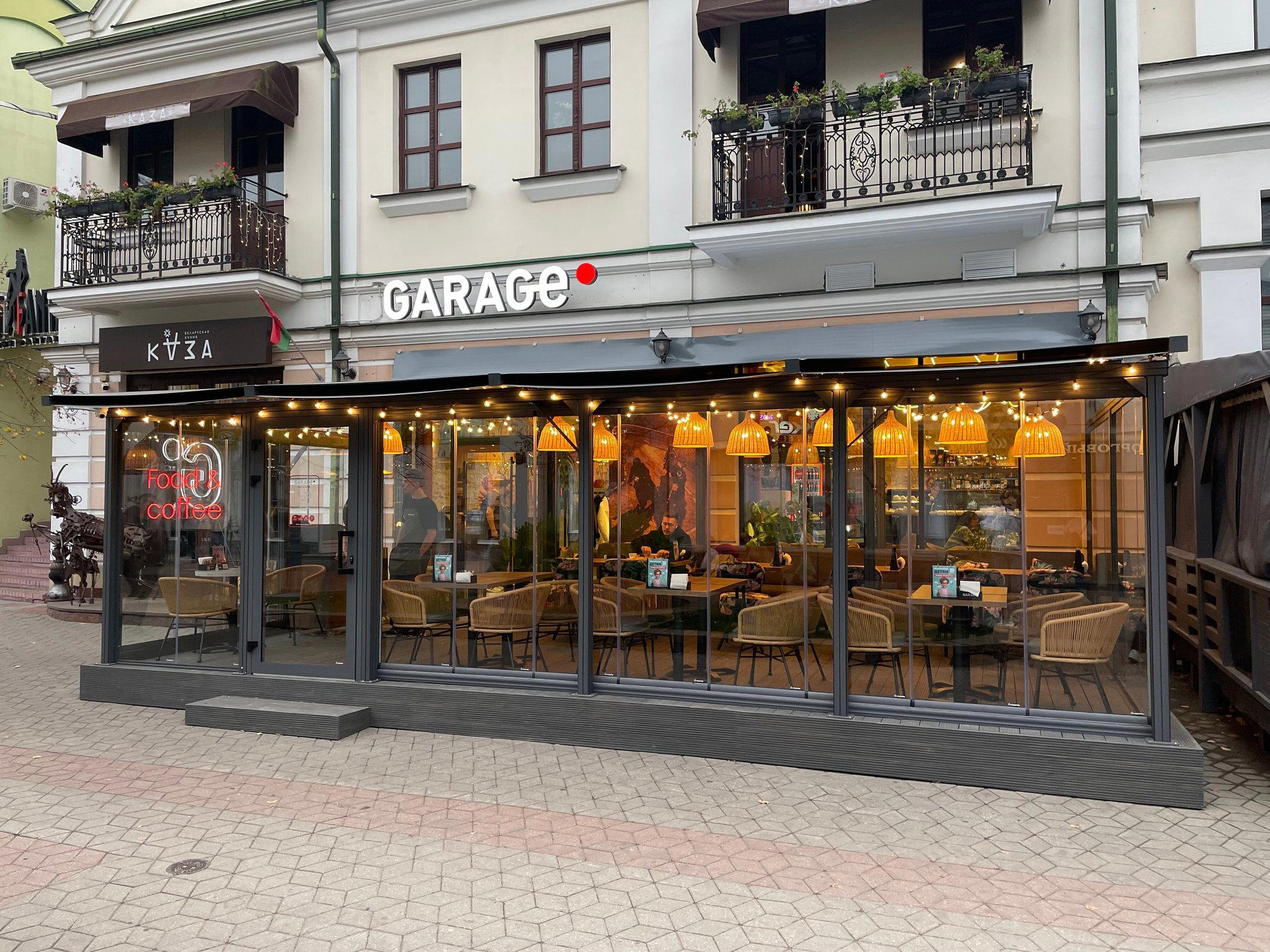
Italian Naming in a Belarusian Context: What the Signage Signals
Across post-Soviet cities, the proliferation of Italian-named restaurants over the past two decades tracks a specific consumer shift: a turn toward European dining codes that read as accessible rather than ceremonial. Brest, situated on Belarus's western edge close to the Polish border, has absorbed that shift perhaps more visibly than Minsk or Hrodna, partly because of its geographic proximity to EU eating culture and partly because cross-border movement has historically shaped the city's commercial tastes. A name like Mozzarella, in this context, is less a culinary declaration than a positioning statement: informal, recognisable, priced for return visits rather than occasions.
That positioning matters when you are reading Brest's dining map. The city supports a small tier of more formal European addresses, including L'Embrun (Modern Cuisine), which operates at the €€€ price point with a modern cuisine framework, and Hinoki (Japanese), which sits at €€€€ and represents the city's most expensive dining register. Below that tier, the scene shifts toward venues that serve neighbourhood functions: reliable, unpretentious, oriented around pizza, pasta, and shared plates that translate well across Belarusian and Russian dining habits.
The Neighbourhood Frame: Central Brest, Postal Zone 224005
The address, Brest, 224005, corresponds to the city's central district, which covers the area around Lenin Street and the pedestrianised sections that run toward the historic fortress. This is not a neighbourhood that rewards aimless wandering in the way that, say, a European old town might; Brest's central zone is compact and functional, with Soviet-era apartment blocks sitting alongside newer commercial fit-outs. But it is walkable, and the concentration of cafes, small restaurants, and informal dining spots in this zone reflects a local habit of eating close to work and transit routes rather than making destination journeys across the city.
For visitors arriving by train, Brest Central station is one of the main entry points from Warsaw and Moscow, the 224005 zone is often the first dining territory they encounter. That foot-traffic logic shapes what restaurants in this area tend to offer: menus broad enough to serve groups with different appetites, formats that accommodate a quick lunch or a slower evening, and price points that do not require planning in the way that Brest's higher-end addresses do. Kafe Gagarin operates in a comparable neighbourhood register, and L'arôme antique serves a similar central-Brest audience with a different flavour profile. Désordre rounds out a small cluster of independently minded addresses that together give the central zone more texture than its Soviet-grid streetscape might suggest.
Italian Concepts in the Belarusian Interior: A Wider Pattern
Belarus's dining scene has developed its Italian-leaning venues largely outside the fine-dining framework that, in Western Europe, would connect Italian cuisine to regional specificity and producer relationships. In cities like Brest and Babruysk, Italian restaurant names tend to anchor a more generalised European-casual offer: pizza by the slice or whole, pasta in cream and tomato variations, salads that borrow from the Mediterranean canon without strict adherence to it. This is not a criticism of the format; it reflects a pragmatic adaptation of recognisable culinary codes to a market where ingredient sourcing and food cost structures are fundamentally different from those in Italy or Western Europe.
Fornello in Мінск operates in a similar Italian-coded space at the Belarusian capital level, offering a useful comparison point for how the category scales between cities. At the other end of the global Italian dining spectrum, venues like 8 1/2 Otto e Mezzo Bombana in Hong Kong or Alléno Paris au Pavillon Ledoyen in Paris represent what the Italian and European fine-dining ceiling looks like in major international markets. The distance between those reference points and a neighbourhood Italian in Brest is instructive: it clarifies what the Mozzarella format is actually doing and for whom.
For those mapping the broader Belarus dining context, Dön Kebab in Брэст and HookahPlace by Smokkin in Hrodna illustrate how the city's casual dining tier encompasses a range of culinary references beyond Italian, with kebab and shisha-lounge formats occupying comparable price and informality registers. Kofeynya Pravda in Babruysk shows how the coffee-and-light-bites format functions in smaller Belarusian cities, another point on the same accessibility spectrum.
Planning a Visit: What to Expect and What to Verify
The central Brest location means that the venue sits within easy reach of the city's main sights, including the Brest Fortress memorial complex and the city's railway museum, making it a practical stop rather than a destination that requires planning around. Venues in this district and price tier in Belarusian cities typically operate without advance reservations for most services, though group bookings may benefit from a call ahead.
That is consistent with the casual neighbourhood tier across Belarusian cities, where Michelin and comparable European award bodies do not currently operate, and where local recognition tends to surface through word-of-mouth and domestic review platforms rather than international guides. For a broader map of what Brest's dining scene offers across formats and price points, our full Brest restaurants guide covers the city's range from formal to casual.
Internationally minded travellers using Brest as a transit point between Poland and Belarus, or as a base for visiting the Belovezhskaya Pushcha national park, will find the central dining zone compact enough to survey quickly. The Italian-casual format, if Mozzarella delivers on the promise of its name, serves that transit function adequately. For a more considered meal in Brest, the €€€ tier at L'Embrun or the Japanese-format experience at Hinoki represent the city's more deliberate dining options. For global reference points at the formal end of the restaurant spectrum, Le Bernardin in New York City, Atomix, Alinea in Chicago, Lazy Bear in San Francisco, Emeril's in New Orleans, and Alain Ducasse at Louis XV in Monte Carlo illustrate the range of what the global dining conversation encompasses beyond the Belarusian context.
Frequently asked questions
Where is Mozzarella located?
Mozzarella is located at Brest, 224005, Brest.
Is Mozzarella in Brest part of a wider restaurant group or a standalone venue?
No group affiliation or ownership data is recorded for Mozzarella in Brest's central 224005 district. Across Belarusian cities, Italian-named restaurants have emerged primarily as independent or small-group operations rather than franchise chains, though that pattern varies. To confirm whether Mozzarella operates as a standalone venue or under a wider brand, the most direct route is to contact the restaurant or consult a current local business directory for Brest.
What do people recommend at Mozzarella?
Cross-referencing recent visitor reviews on local platforms will give you the most current picture.
How far ahead should I plan for Mozzarella?
Restaurants operating in the central 224005 district of Brest vary considerably in demand, particularly on weekends and public holidays. Contacting the venue directly, or arriving during off-peak hours mid-week, is the most practical approach until booking details are confirmed.
What's the standout thing about Mozzarella?
The most notable aspect is contextual: an Italian-named concept operating in Brest, Belarus, sits within a post-Soviet dining shift toward European-style casual formats that has gathered pace across Belarusian cities over the past two decades. That framing shapes what the restaurant likely represents for its local audience, proximity to a European dining vocabulary that remains less common in this region than in Warsaw or Vilnius.
Is Mozzarella good for vegetarians?
Italian-concept restaurants in this category generally carry some vegetable-led pasta and pizza options, but that should not be taken as confirmed. Checking directly with the restaurant before visiting is the reliable step, particularly for dietary requirements.
Just the Basics
A quick peer reference to anchor this venue in its category.
| Venue | Cuisine | Price | Awards | Notes |
|---|---|---|---|---|
| MozzarellaThis venue (the venue you are viewing) | Italian Pizzeria | Not listed | Not listed | Not listed |
| L'Embrun | Modern French Fine Dining | $50–100 | 1 Michelin Star | Modern Cuisine |
| Peck & Co | Modern French Farm-to-Table | $30–50 | Michelin Bib Gourmand | Farm to table |
| Hinoki | Japanese-Breton Fusion Omakase | $100–150 | Michelin Plate · Wine Spectator Best of Award of Excellence | Japanese |
| La Tentation des Mets | Modern French Bistro with Breton influences | $30–50 | Michelin Plate | Not listed |
| Désordre | French Market Bistro | $20–30 | Not listed | Not listed |
Continue exploring
More in Brest
Restaurants in Brest
All restaurants in Brest →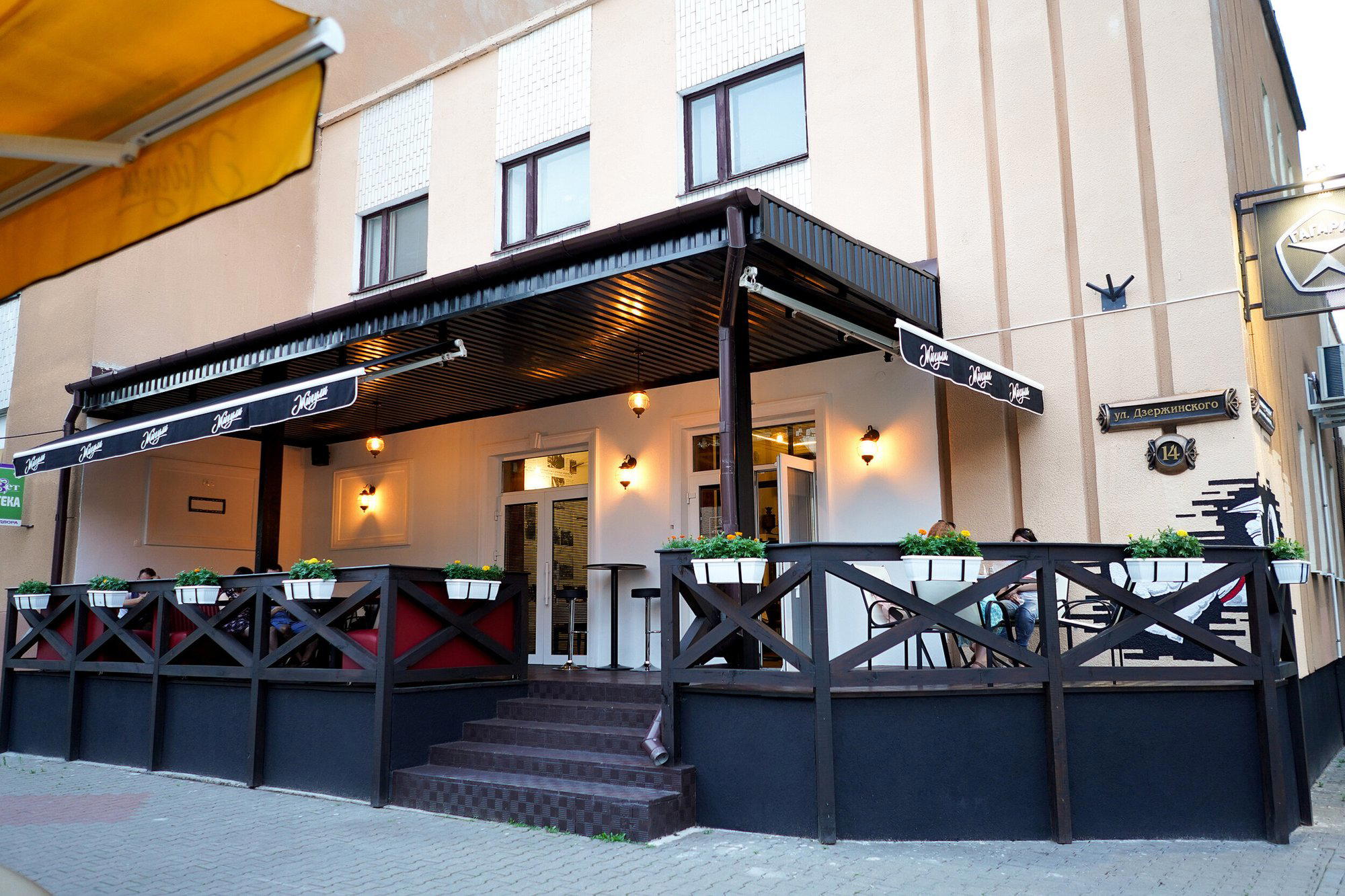
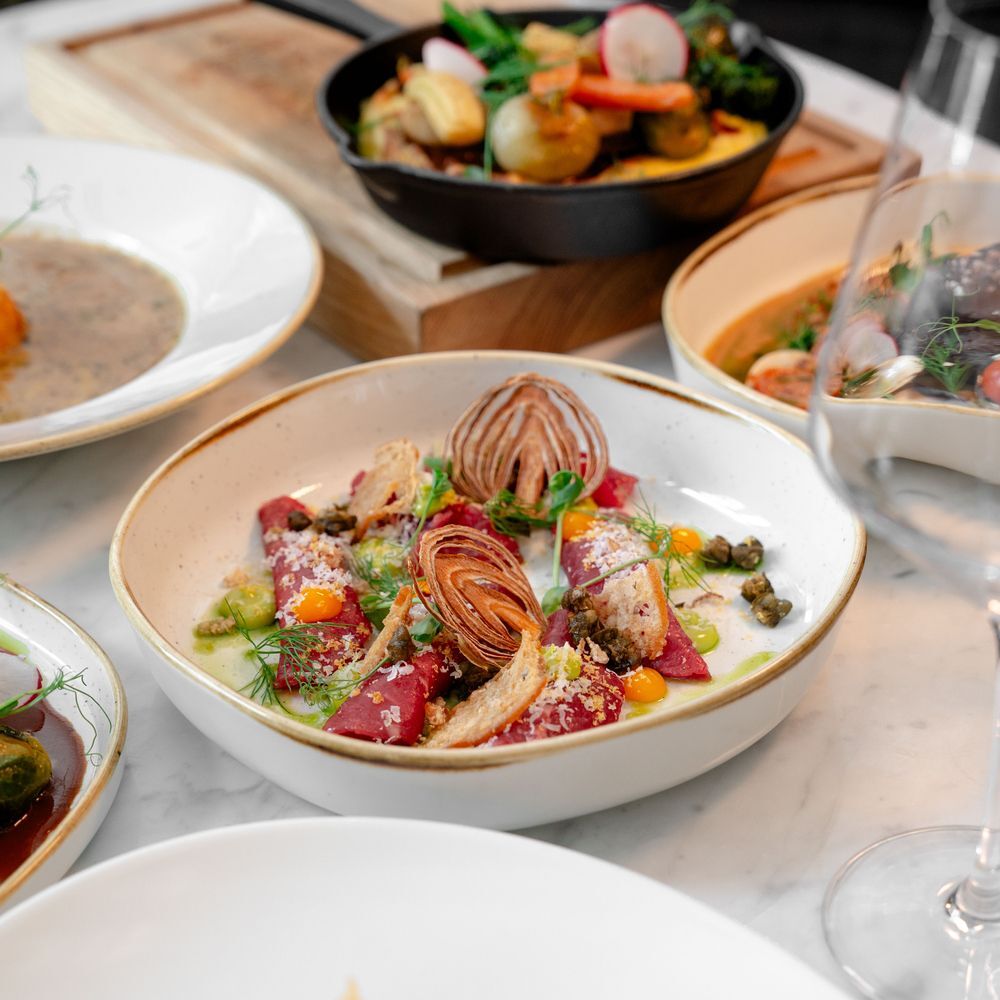
Details
- Cozy
- Warm
- Casual Hangout
- Terrace
- A La Carte
- Vegetarian Friendly
Warm and relaxed atmosphere with hospitable staff.