Moya
Our verdict
Moya occupies a modest address on St Clement's Street, placing it squarely in east Oxford's neighbourhood dining circuit rather than the city-centre tourist corridor. The venue sits in a part of the city where restaurants earn loyalty through consistency rather than location, making it a reliable reference point for residents seeking something beyond the obvious. Check availability directly and visit early in the week for the easiest access.

Pearl is the En Primeur Club membership app — saves, bookings, and concierge access live there. Same editors, same standards.
- Address
- 97 St Clement's St, Oxford OX4 1AR, United Kingdom
- Phone
- +441865200111
- Hours
- Mon ClosedTue–Sat 5:30–10 PMSun Closed
- Website
- moya-oxford.co.uk
- Directions
- Get directions
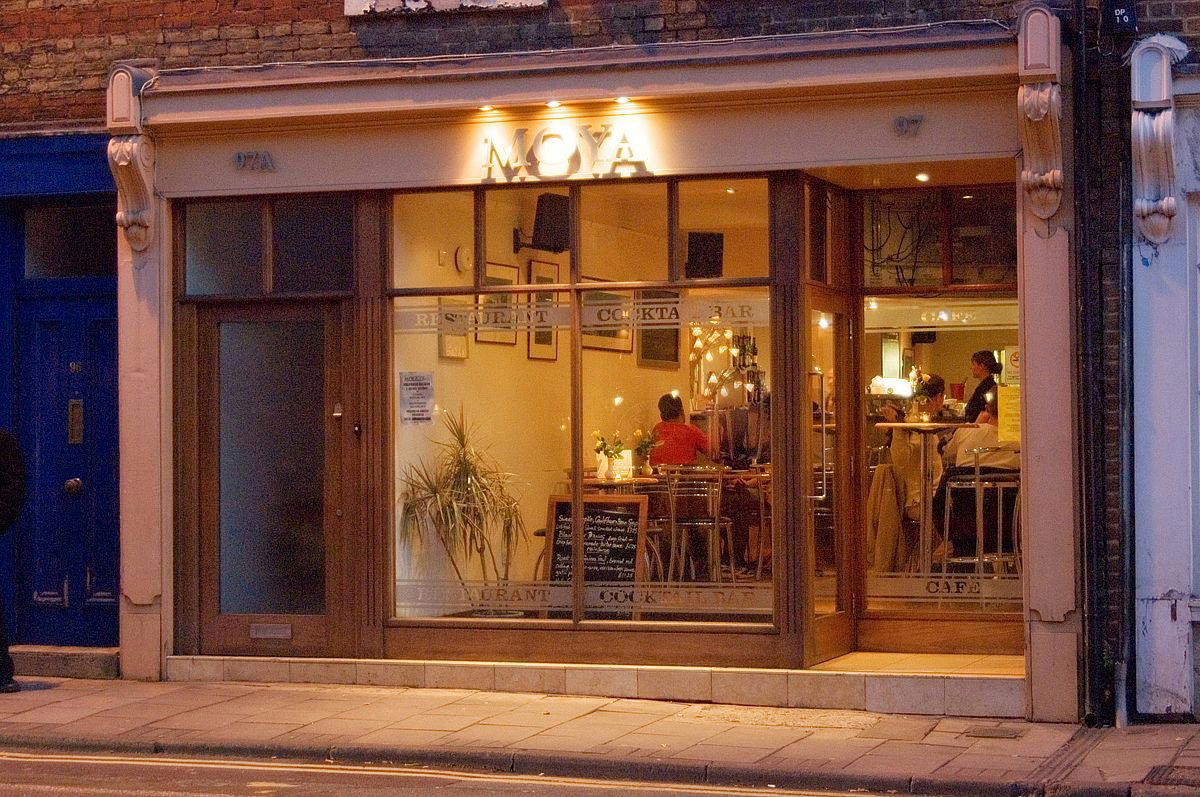
East Oxford's Dining Register: Where St Clement's Street Fits
Oxford's restaurant scene divides more sharply by neighbourhood than most comparably sized UK cities. The historic centre attracts visitors, colleges, and the kind of all-day traffic that keeps brasseries and chain operators solvent. East Oxford, anchored by the Cowley Road corridor and its tributaries including St Clement's Street, operates on a different logic: a resident-first dining culture where word of mouth carries more weight than guidebook placement, and where a venue's longevity is itself a signal of quality. Moya, at 97 St Clement's Street, occupies this zone.
The address places it outside the gravitational pull of the city's most-discussed tables. Le Manoir aux Quat'Saisons draws destination diners to Great Milton, a different category entirely. Closer to the centre, spots like Arbequina and Branca compete for the post-theatre and university crowd. St Clement's sits between those poles: accessible enough to draw from across the city, residential enough to reward the kind of regular who returns rather than the visitor ticking destinations off a list.
Reading the Room on Arrival
Approaching along St Clement's Street from Magdalen Bridge, the scale of the neighbourhood asserts itself quickly. This is a street of independent businesses, Victorian terraces, and the occasional Georgian remnant, rather than the sandstone grandeur that defines Oxford's core. Moya's position here signals intent before a menu is consulted: this is a venue that has chosen its community over its postcode cachet.
The physical environment sets expectations that are then either confirmed or complicated by what arrives at the table. In east Oxford specifically, restaurants that survive the first few years tend to do so because the room works as well for a Tuesday solo dinner as it does for a Saturday group. That versatility is harder to engineer than it sounds, and it shapes how menus get built in this part of the city.
Menu Architecture: What the Structure Reveals
The editorial angle most useful when thinking about Moya is not which dishes appear but what the organisation of a menu communicates about a kitchen's priorities. In a neighbourhood restaurant operating outside the fine-dining tier, menu architecture is a direct expression of resource management, kitchen confidence, and the kind of diner the venue is trying to retain.
East Oxford's restaurant mix has historically leaned toward cuisines that are structurally generous: Middle Eastern, South Asian, and Eastern European traditions that build menus around shared plates, meze formats, and dishes designed to accommodate groups with varying appetites. A venue with a name like Moya, positioned on this street, sits in a city where that structural generosity is both expected and competitively useful. Menus in this neighbourhood tend to avoid the rigid starter-main-dessert formality that still governs more aspirational Oxford addresses, in favour of formats that allow the table to calibrate its own pacing.
Where a kitchen chooses to concentrate its effort within that format is the telling detail. Some neighbourhood restaurants use a flexible structure to mask limited range; others use it to demonstrate depth across multiple traditions. The distinction shows in portion logic, in how condiments and sides are priced and presented, and in whether the menu reads as a coherent point of view or a collection of individually defensible items.
Compared to the tasting-menu rigidity of destination restaurants like Midsummer House in Cambridge or the structured precision of CORE by Clare Smyth in London, a neighbourhood address on St Clement's Street operates with entirely different constraints and freedoms. The absence of a tasting menu is not a shortcoming; it is a different set of editorial choices made at the menu-design stage. Similarly, venues like Hand and Flowers in Marlow or L'Enclume in Cartmel operate in destination registers where the menu is an orchestrated sequence. Moya's context asks different questions of its kitchen and answers them differently.
The Neighbourhood Competitive Set
Cherwell Boathouse, with its long-standing Thames-side positioning, and Ajax Diner represent different expressions of the same underlying market: residents who want a reliable room, food that does not require explanation, and pricing that does not demand occasion-level justification.
UK regional dining outside London has matured considerably in the past decade. Restaurants like Opheem in Birmingham, Moor Hall in Aughton, and Restaurant Andrew Fairlie in Auchterarder have established that serious cooking is no longer a London-centric proposition. That broader shift has raised the floor of expectation even in neighbourhood segments: diners who have eaten at Gidleigh Park in Chagford or Waterside Inn in Bray bring calibrated expectations to a Tuesday neighbourhood dinner. The restaurants that meet those expectations without pretending to be something they are not tend to hold their audiences longest.
Internationally, the structural question of what a neighbourhood restaurant owes its community has been answered in varied ways. Le Bernardin in New York City and Atomix in New York City represent the destination pole; the neighbourhood independent is their structural opposite, and the tension between ambition and accessibility is where the most interesting cooking in that segment tends to happen. Hide and Fox in Saltwood offers a useful UK regional parallel: a smaller-scale, resident-serving address that has found a specific register and stayed in it.
Planning a Visit
St Clement's Street is a ten-minute walk from Oxford city centre via Magdalen Bridge, or a short bus ride on routes serving the Cowley Road corridor. Parking in this part of east Oxford is limited and subject to residential permit restrictions during evenings, so arriving on foot or by public transport is the practical default for most visitors. For those using our full Oxford restaurants guide, Moya is worth mapping alongside other east Oxford addresses to make the most of an evening in this part of the city. Booking directly through the venue is advisable for weekend visits; mid-week tends to offer more flexibility across the neighbourhood's independent restaurant tier.
Frequently asked questions
What kind of setting is Moya?
Moya sits at 97 St Clement's Street in East Oxford, a corridor of independent businesses that runs east from Magdalen Bridge. The street has a residential, local character quite distinct from the tourist-facing restaurants of the historic centre. That address places Moya squarely in the bracket of neighbourhood independents rather than destination dining rooms.
Where do I go for Moya?
Moya is located at 97 St Clement's St, Oxford OX4 1AR, United Kingdom, Oxford.
Is Moya Oxford suitable for a casual weeknight dinner rather than a special occasion?
The address — a ten-minute walk from Oxford city centre — is more consistent with an accessible local dining room than a reservation-required destination. That said, confirming the format directly with the restaurant will give the clearest steer on occasion fit.
What's the best thing to order at Moya?
For the most accurate picture of what's on, checking directly with the restaurant before visiting is the practical approach. The neighbourhood context suggests a kitchen pitched at regular local trade rather than a rotating tasting format.
Recognition, Side-by-Side
Comparable venues nearby, for context on price, style, and recognition.
| Venue | Cuisine | Price | Awards | Notes |
|---|---|---|---|---|
| MoyaThis venue — the venue you are viewing | Authentic Slovak | $20–30 | Not listed | Not listed |
| Table 13 | Plant-Based Fine Dining Tasting Menu | Not listed | We're Smart World 3 Radishes | Wheatley |
| Oli's Thai | Modern Thai | $10–20 | Not listed | East Oxford |
| Thaikhun | Thai Street Food | $20–30 | Not listed | Oxford City Centre |
| Turtle Bay Oxford | Caribbean Jerk Restaurant | $20–30 | Not listed | Oxford Central |





Details
- Cozy
- Group Dining
- Casual Hangout
- Standalone
- Craft Cocktails
- A La Carte
- Craft Cocktails
- Vegetarian Friendly
- Gluten Free Options
Current opening hours
- Monday
- Closed
- Tuesday
- 5:30–10 PM
- Wednesday
- 5:30–10 PM
- Thursday
- 5:30–10 PM
- Friday
- 5:30–10 PM
- Saturday
- 5:30–10 PM
- Sunday
- Closed
Hours can change for holidays and private events. Last verified .
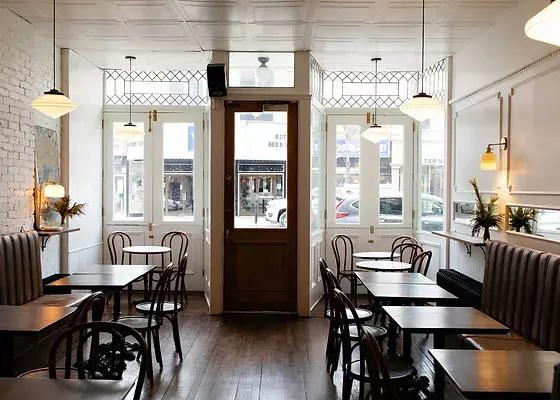
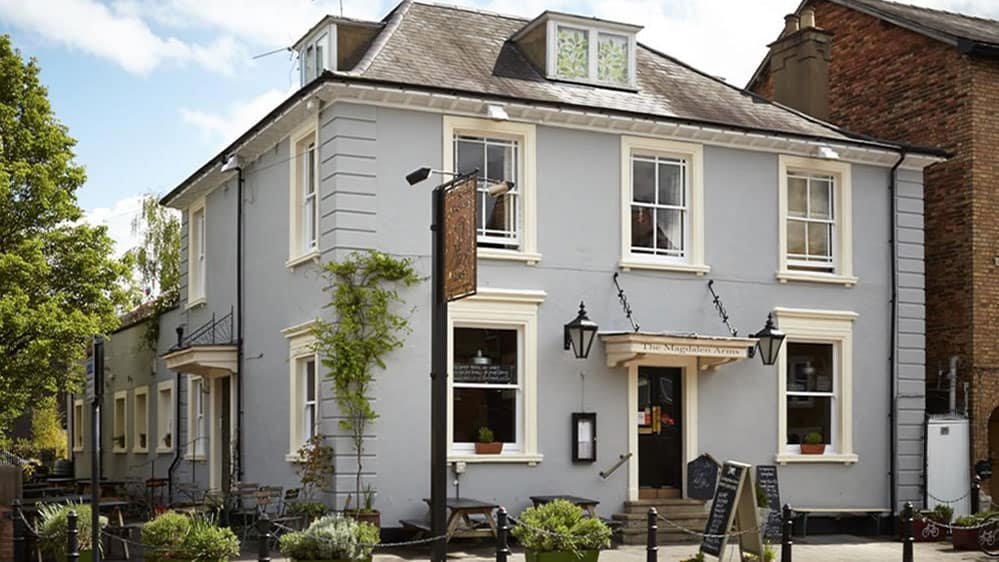
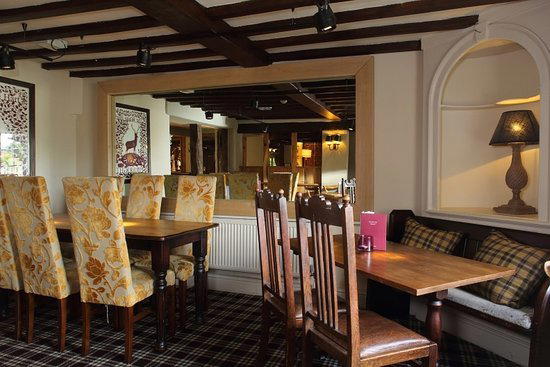
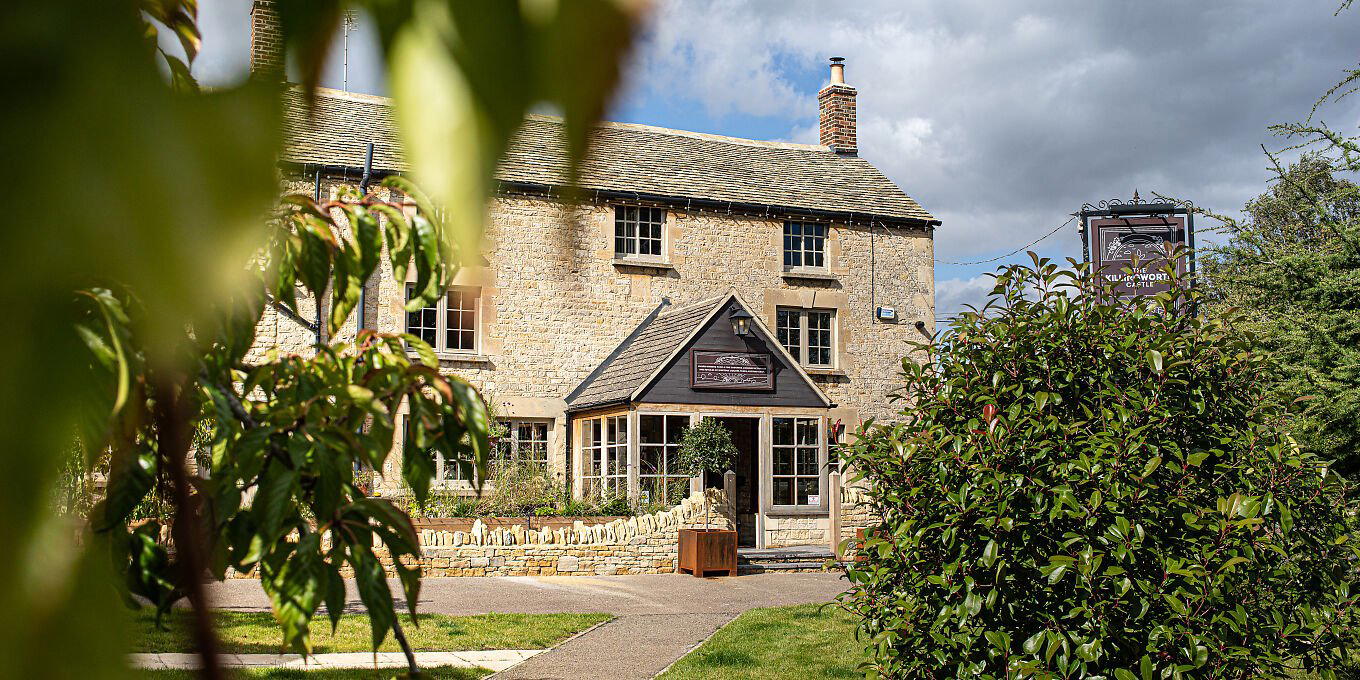
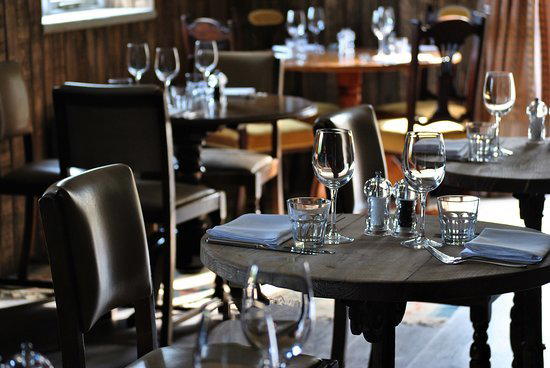
Friendly and low-key atmosphere with pared-back decor and cheery whitewashed interior.