Our verdict
Earning a Michelin star in its first year of operation, Mosu arrived on the San Francisco dining scene with a precision and confidence that few debut restaurants manage. Chef Sung Anh drew on formative years at The French Laundry, Benu, and Aziza to develop a tasting-menu format that moved fluidly between Korean, Japanese, and Chinese culinary traditions without anchoring itself to any single one. The result was a contemporary kaiseki-adjacent progression that critics flagged as a serious contender well before the Michelin announcement confirmed it. The room at 1552 Fillmore Street held roughly 18 seats, with white walls, wood dividers, and a deliberate quiet that kept attention on the plate. Reservations were required, and the format was tasting menu only, priced at approximately $195 per person. Dishes reported by reviewers included grilled burdock bark, black sesame tofu filled with uni, and foie gras mochi, a menu that signalled Anh's interest in texture and contrast over decorative flourish. The Fillmore District address placed Mosu in a stretch of the Western Addition that also houses State Bird Provisions and The Progress, though Mosu operated at a different register of formality than either. Mosu subsequently closed its San Francisco location and relocated to Seoul, which means the Fillmore Street chapter is a fixed point in the city's recent dining history rather than an ongoing concern. What it represented during its San Francisco run was a particular moment in the city's fine-dining conversation: a small, reservation-only counter where a chef with classical American fine-dining credentials applied that training to an Asian-inflected framework and earned immediate institutional recognition for doing so. For anyone tracing the lineage of contemporary Korean-influenced tasting-menu cooking in the United States, Mosu's San Francisco years remain a reference point.

Pearl is the En Primeur Club membership app, where members save venues, book tables and use the concierge.

The menu
What to order
- Burdock bark
- Hairy crab chawanmushi
- Abalone taco
Earning a Michelin star in its first year of operation, Mosu arrived on the San Francisco dining scene with a precision and confidence that few debut restaurants manage. Chef Sung Anh drew on formative years at The French Laundry, Benu, and Aziza to develop a tasting-menu format that moved fluidly between Korean, Japanese, and Chinese culinary traditions without anchoring itself to any single one. The result was a contemporary kaiseki-adjacent progression that critics flagged as a serious contender well before the Michelin announcement confirmed it.
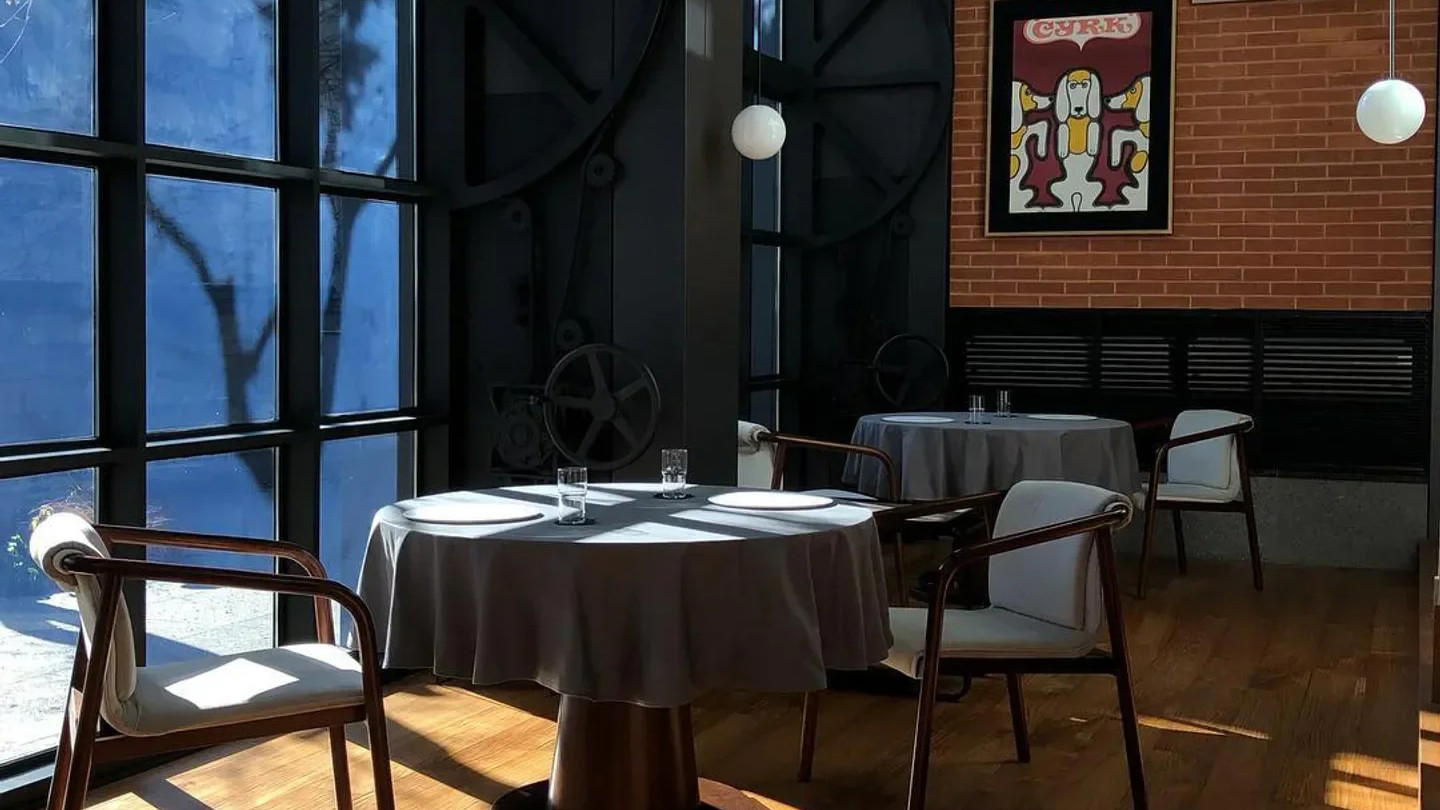
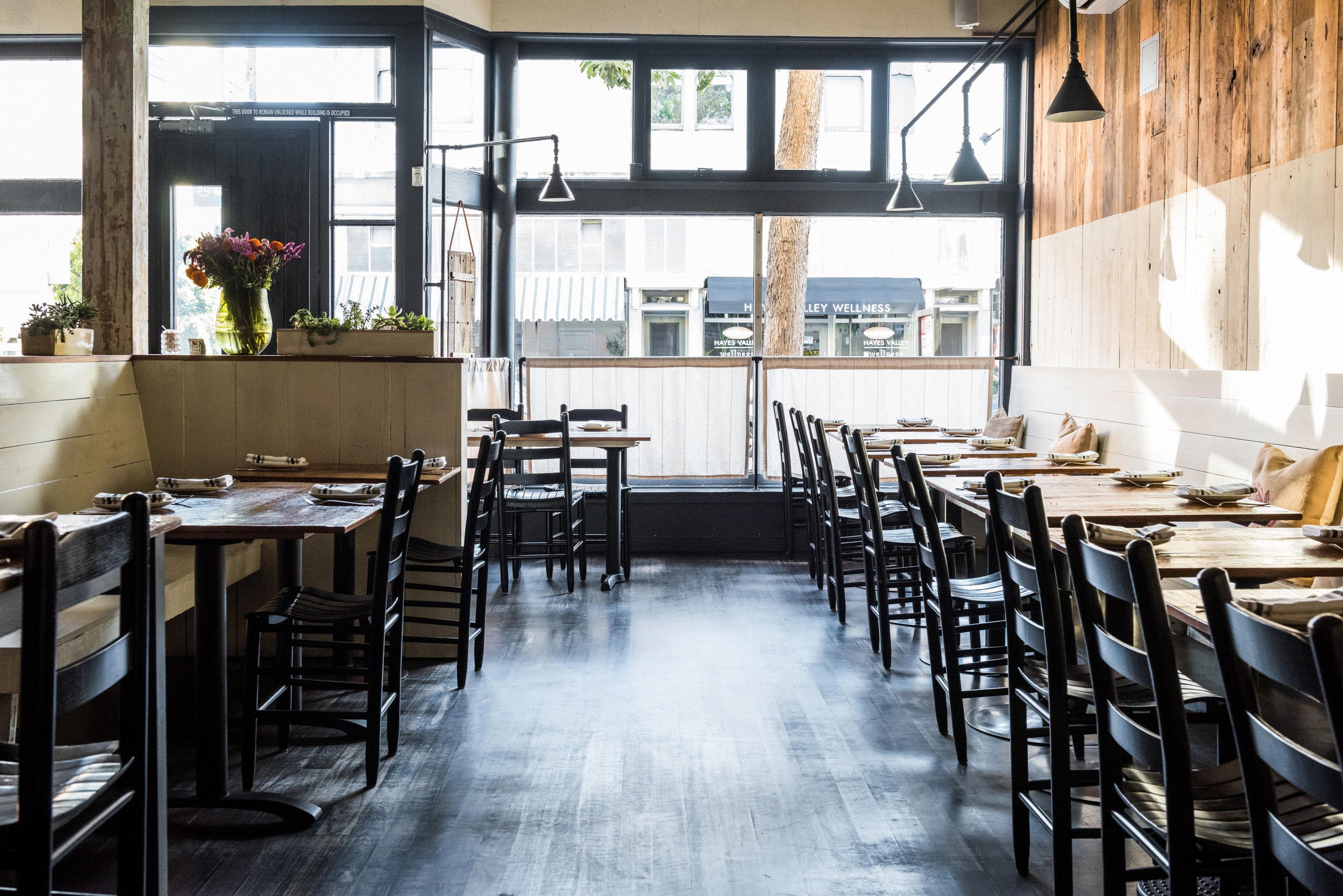
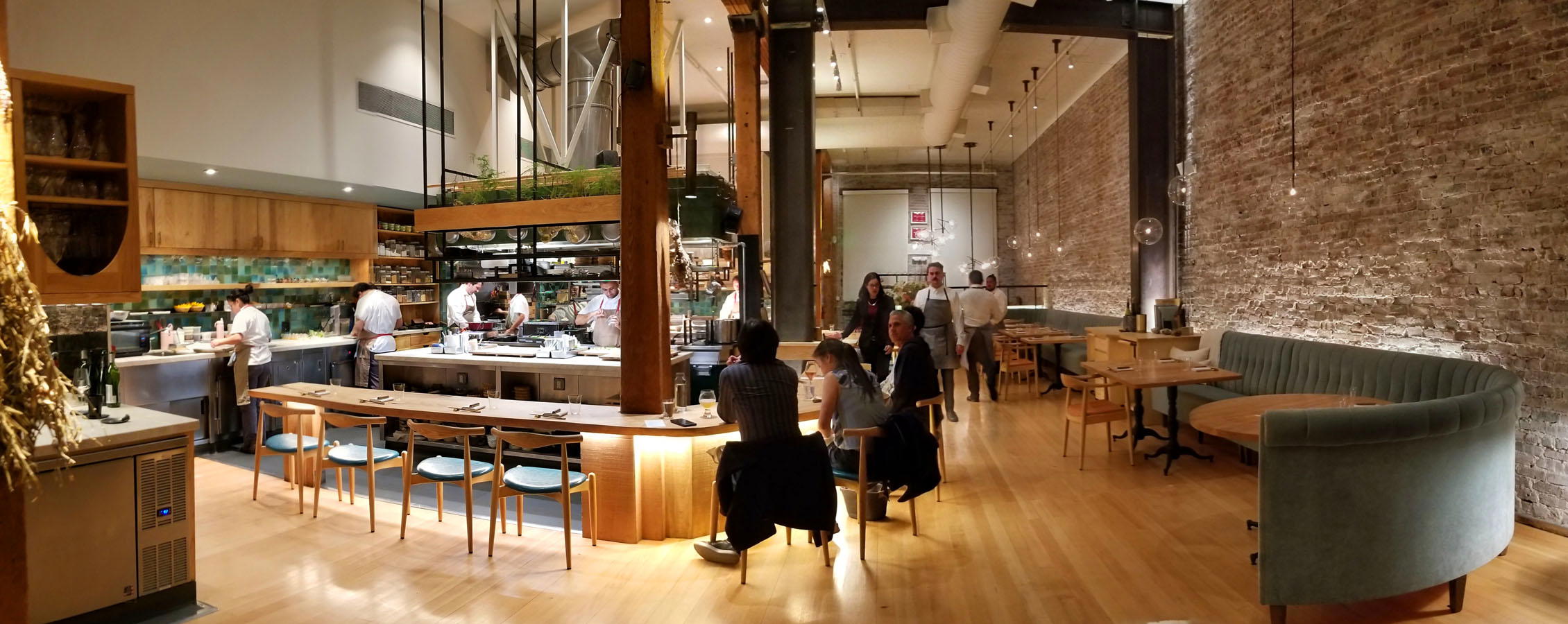
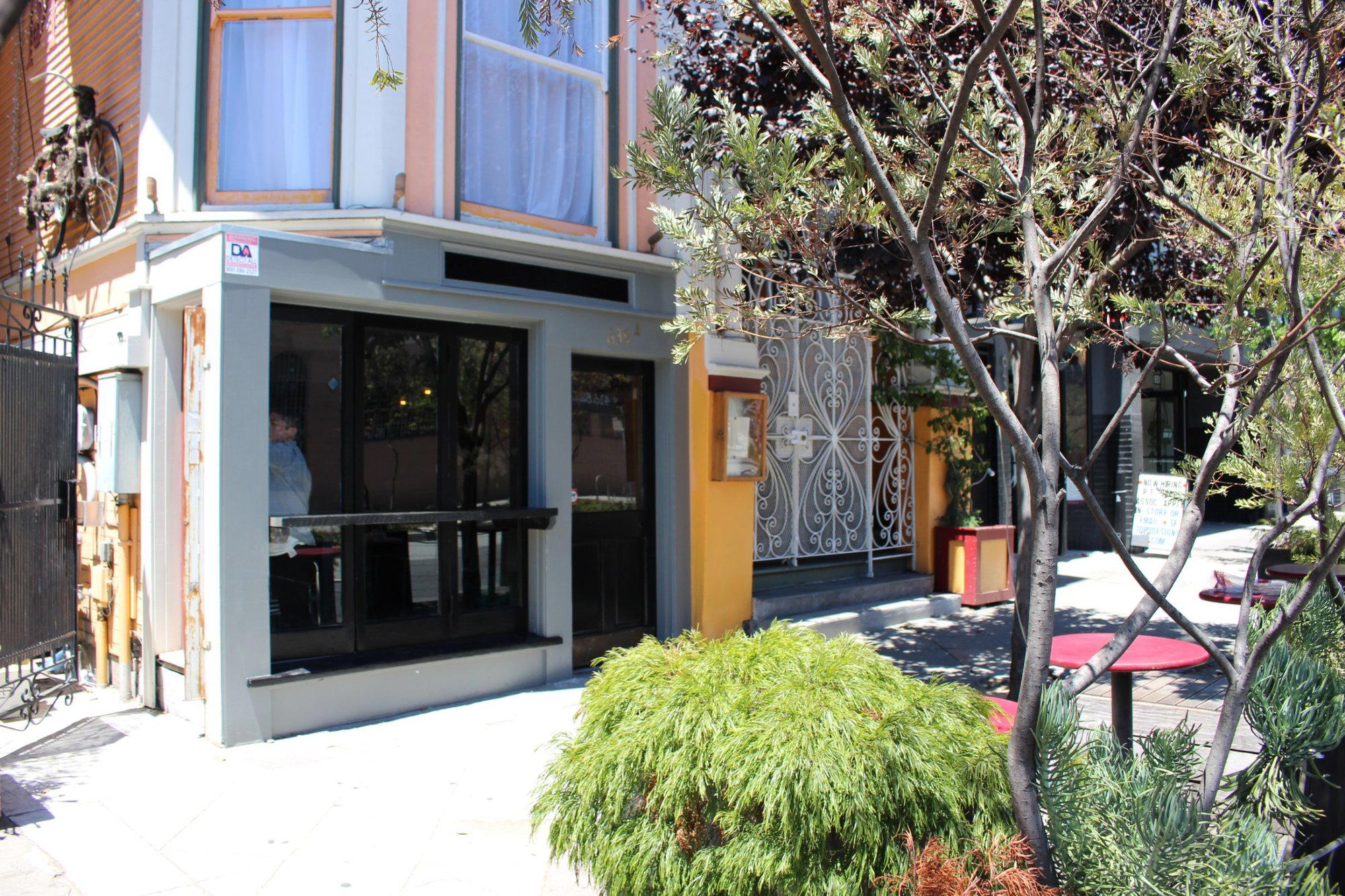
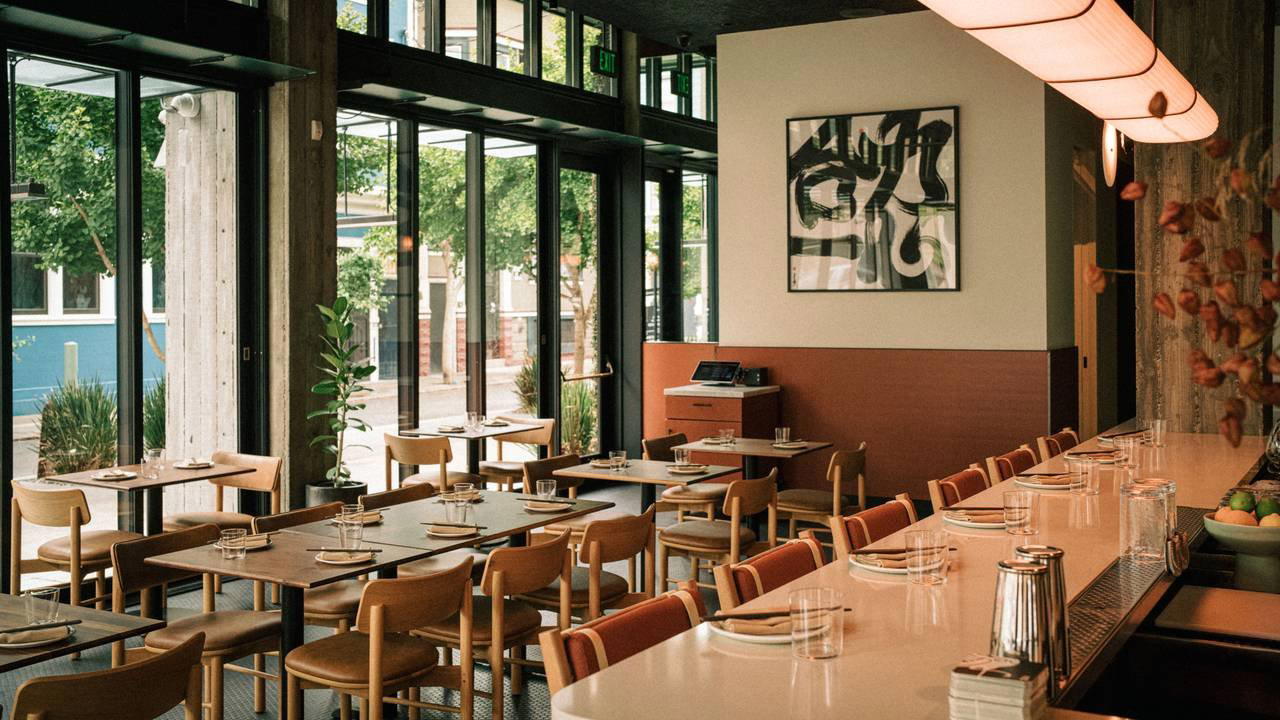
The room at 1552 Fillmore Street held roughly 18 seats, with white walls, wood dividers, and a deliberate quiet that kept attention on the plate. Reservations were required, and the format was tasting menu only, priced at approximately $195 per person. Dishes reported by reviewers included grilled burdock bark, black sesame tofu filled with uni, and foie gras mochi, a menu that signalled Anh's interest in texture and contrast over decorative flourish. The Fillmore District address placed Mosu in a stretch of the Western Addition that also houses State Bird Provisions and The Progress, though Mosu operated at a different register of formality than either.
Mosu subsequently closed its San Francisco location and relocated to Seoul, which means the Fillmore Street chapter is a fixed point in the city's recent dining history rather than an ongoing concern. What it represented during its San Francisco run was a particular moment in the city's fine-dining conversation: a small, reservation-only counter where a chef with classical American fine-dining credentials applied that training to an Asian-inflected framework and earned immediate institutional recognition for doing so. For anyone tracing the lineage of contemporary Korean-influenced tasting-menu cooking in the United States, Mosu's San Francisco years remain a reference point.
Reputation & Price
Comparable venues nearby, for context on price, style, and recognition.
| Venue | Cuisine | Price | Awards | Notes |
|---|---|---|---|---|
| MosuThis venue (the venue you are viewing) | Modern Kaiseki with Korean Influences | $150–200 | Not listed | Not listed |
| ABSteak by Chef Akira Back | Modern Korean Steakhouse | $50–100 | Not listed | Tenderloin, Modern Korean Steakhouse |
| JouJou | French Brasserie with Californian Seafood | Not listed | Not listed | Mission Bay, French Brasserie with Californian Seafood |
| Um. Ma | Korean | $20–30 | Not listed | Inner Sunset, Korean |
| Daeho Kalbijim & Beef Soup | Traditional Korean Braised Short Ribs & Beef Soup | $50–100 | New York Times Best Restaurants in San Francisco | Japantown, Traditional Korean Braised Short Ribs & Beef Soup |
| Meski | Ethiopian-Dominican Fusion | Not listed | Not listed | Nob Hill, Ethiopian-Dominican Fusion |
Mosu
Featured Guides
Continue exploring
More in San Francisco
Restaurants in San Francisco
All restaurants in San Francisco →
Bars in San Francisco
All bars in San Francisco →
Details
- Intimate
- Quiet
- Elegant
- Modern
- Sophisticated
- Date Night
- Special Occasion
- Celebration
- Open Kitchen
- Chefs Counter
- Design Destination
- Tasting Menu
- Set Menu
Minimalist Asian-inspired interior with no music, creating an intimate and quiet atmosphere focused entirely on the dining experience.