Mosaic


We're Smart World 4 Radishes
Our verdict
Mosaic at The Orient Hotel was one of Pretoria's most decorated destination restaurants, built around Chef Chantel Dartnall's classical French training and a commitment to organic, seasonal produce. Dartnall's recognition as Chef of the Year placed Mosaic firmly within South Africa's small tier of internationally recognised fine dining. The restaurant has since permanently closed, but its influence on the country's fine dining conversation endures.
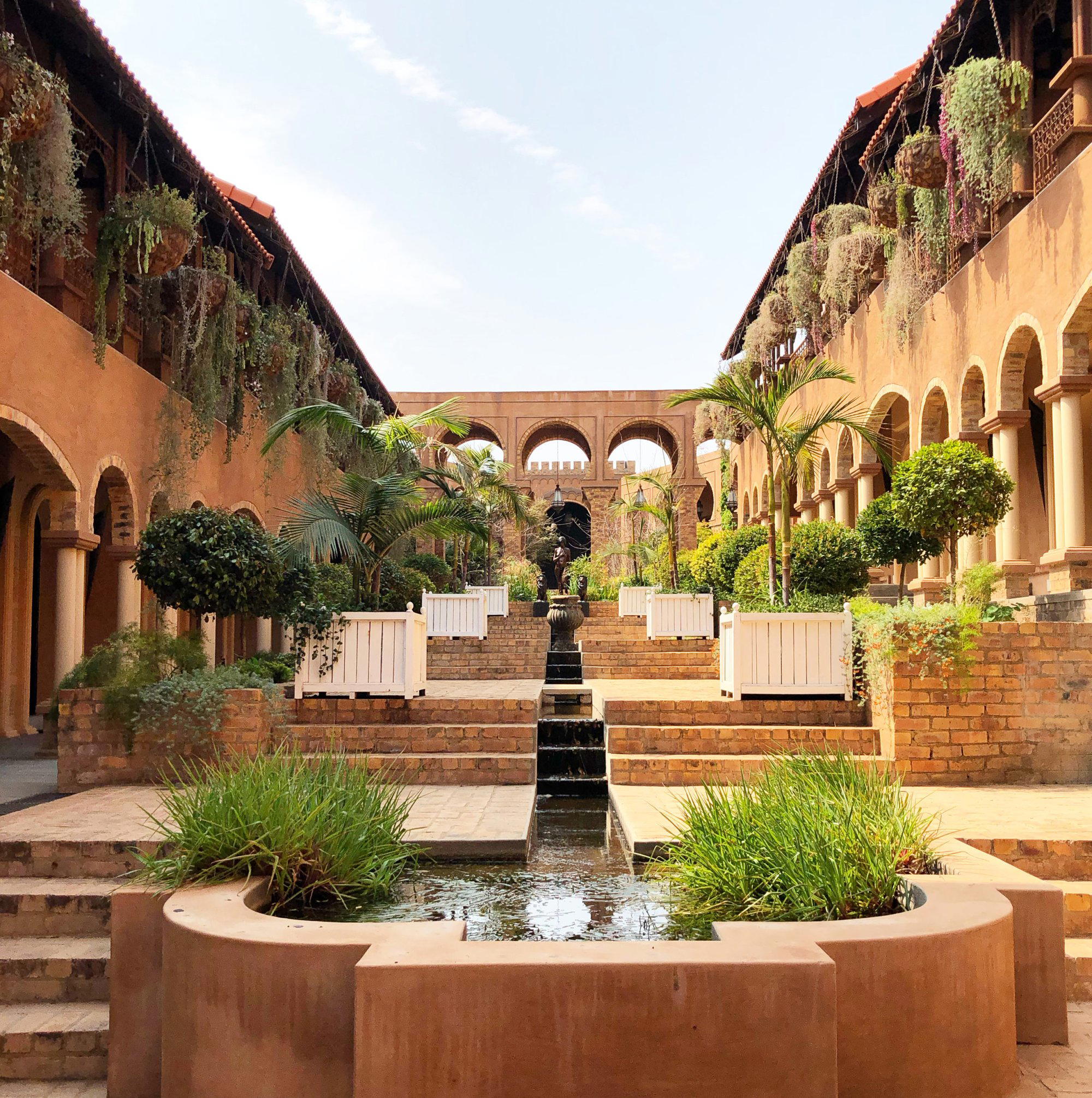
A Benchmark That Shaped Pretoria's Fine Dining Identity
Pretoria has never been the first city South African fine dining conversations reach for. Cape Town and the Winelands dominate that narrative, with restaurants like Fyn in Cape Town and Le Quartier Français in Franschhoek anchoring the country's external reputation. That it operated from a private hotel on the semi-rural eastern edge of the city, surrounded by farmland rather than a fashionable neighbourhood, made its profile all the more specific.
The physical setting mattered. Arriving at The Orient Hotel on Francolin Avenue in Elandsfontein meant leaving the urban grid behind entirely. The early-1900s aesthetic, created by Impressionist artists and interior decorators commissioned specifically for the space, produced a room that was deliberately romantic rather than contemporary-minimalist. Booth-style seating and two private dining rooms gave the space an intimate scale that larger destination restaurants rarely achieve. The design registered as a considered position, not a stylistic accident.
Critical Standing and the Chef of the Year Recognition
South Africa's fine dining tier is smaller and more contested than the country's general hospitality reputation suggests. When Chantel Dartnall was awarded Chef of the Year, the recognition placed Mosaic inside a very short list of South African restaurants operating at a level that drew international critical attention. The award was framed explicitly in terms of South Africa's standing as an international gastronomic destination, not merely national achievement.
Dartnall's training credentials were directly relevant to that positioning. Her formation under Nico Ladenis in London and Michael Caines in Devon gave her technique a lineage that placed Mosaic within a specific European classical tradition. In the same way that Le Bernardin in New York City carries the credibility of French technique transplanted and adapted, Mosaic carried a French classical foundation that was then refracted through South African ingredients and organic sourcing. The combination was legible to international critics in a way that purely regional cooking sometimes is not.
The cooking's distinguishing characteristic, as documented in critical assessments, was the prominence of vegetable elements alongside luxury proteins. Preparations like Norway lobster with white peach, risotto, wild mushrooms and black truffle, or Mauritania sea bass with a citrus and caper velouté, placed produce at structural parity with the centrepiece ingredient rather than as garnish. This was not a common position in South African fine dining a decade ago, and it aligned Mosaic more closely with European fine dining's shift toward produce-driven menus than with the protein-forward traditions dominant in South African restaurant culture.
Where Mosaic Sat in the South African Fine Dining Map
South Africa's top-tier restaurant geography has historically clustered around the Western Cape. Properties like Delaire Graff Lodges and Spa in Helshoogte Pass, Wolfgat in Paternoster, Dusk in Stellenbosch, and Ellerman House in Bantry Bay reflect a regional concentration that benefits from wine country proximity, international tourism infrastructure, and a dining culture that developed earlier and more visibly than in Gauteng. Mosaic occupied an outlier position within that national picture: a Pretoria destination competing on critical terms with Western Cape peers despite operating without their structural advantages.
Within Pretoria itself, the restaurant occupied a tier that had few direct comparators. The city's broader fine dining circuit includes addresses like Brasserie de Paris, Capito, Caraffa, Forti Too, and Ivory Manor Boutique Hotel, each operating at a more accessible register. Mosaic's destination-hotel model, tasting-menu format, and internationally trained kitchen placed it in a different competitive bracket entirely, closer to the top end of the national restaurant conversation than to Pretoria's everyday dining market.
The Destination Hotel Format and What It Signals
The decision to operate as a destination restaurant within a private hotel rather than as a standalone urban address carries strategic implications. It commits the kitchen to a captive audience format where the full experience, arrival, setting, room, and meal, forms the product. This structure is common at the international level; it describes properties like Emeril's in New Orleans in an adjacent sense, where the restaurant's identity is inseparable from its host environment. At Mosaic, the early-1900s aesthetic and the rural approach road were not incidental details but structural elements of what the restaurant was offering: a removed, occasion-specific dining experience that required a decision to travel rather than a spontaneous booking.
This format tends to reward advance planning. Guests visiting Pretoria for the first time would have found it worth consulting our full Pretoria restaurants guide, alongside the Pretoria hotels guide, to understand how Mosaic sat within the broader hospitality picture. The Pretoria bars guide, Pretoria wineries guide, and Pretoria experiences guide complete a picture of a city that, despite its reputation as primarily administrative, supports a more considered dining and hospitality circuit than is commonly assumed.
Mosaic Has Permanently Closed
Mosaic at The Orient Hotel is no longer operating. The restaurant closed permanently, ending a run that had produced some of the most significant critical recognition in South African fine dining history. Its closure removes a specific kind of address from the national map: the formally trained, produce-led, destination-format restaurant operating outside the Western Cape's gravitational pull. Whether that gap is filled, and by whom, remains an open question for Pretoria's dining identity.
Frequently asked questions
Is Mosaic okay with children?
Mosaic's formal classical kitchen, multi-course tasting menu format, and occasion-led atmosphere placed it firmly in the adult dining category. The intimate booth seating and private dining rooms were designed for romantic or corporate occasions rather than family meals. Note that Mosaic has permanently closed and is no longer accepting reservations.
How would you describe the vibe at Mosaic?
Deliberately romantic and removed from Pretoria's urban centre, both geographically and atmospherically. Impressionist artists and interior decorators designed the space to evoke the early 1900s, with booth-type seating and two private dining rooms that kept the dining room intimate even at full capacity. The destination-hotel format at The Orient reinforced the sense of occasion rather than spontaneity.
What's Mosaic known for in terms of accolades?
Mosaic has received recognition including: Restaurant permantly closed By becoming Chef of the Year, Chantel Dartnall has made a significant contribution to strengthening South Africa's role as an international gastronomic destination. She was trained by three-star chefs such as Nic….
What should I eat at Mosaic?
Mosaic operated a tasting menu format built around classical French technique and organic seasonal produce, the kitchen Chantel Dartnall developed after training under three-star chefs Nico Ladenis and Michael Caines. Documented preparations combined luxury proteins with assertive vegetable elements, including Norway lobster with white peach risotto and black truffle. The restaurant has permanently closed, so the menu no longer exists in active form.
What part of town is Mosaic in?
Mosaic is located at Francolin Avenue, The Orient Hotel, Elandsfontein, 0186 Pretoria, South Africa, Pretoria.
Side-by-Side Snapshot
| Venue | Cuisine | Price | Awards |
|---|---|---|---|
| MosaicThis venue (the venue you are viewing) | Modern Fine Dining Fusion | Not listed | We're Smart World 4 Radishes |
| Brasserie de Paris | Classic French Brasserie | Not listed | Star Wine List |
| Capito | Traditional Italian | $20–30 | Star Wine List |
| Caraffa | Authentic Italian Pizzeria | $20–30 | Star Wine List |
| Forti Too | Contemporary Italian Grill | Not listed | Star Wine List |
| Ivory Manor Boutique Hotel | Fine Dining South African | Not listed | Star Wine List |
Recognition history
Dated appearances from independent guides and award organizations, with the underlying list record or original source where available.
We're Smart World 4 Radishes
We're Smart World
World's Best Wine Lists Awards WBWL Champions League
World's Best Wine Lists Awards
Continue exploring
More in Pretoria
Restaurants in Pretoria
All restaurants in Pretoria →
Bars in Pretoria
All bars in Pretoria →
Hotels in Pretoria
All hotels in Pretoria →
Wineries in Pretoria
All wineries in Pretoria →
Mosaic
The wine
- Wine program
- Deep wine list
- Extensive wine list
- Sommelier-led
Details
- Elegant
- Sophisticated
- Intimate
- Ornate
- Date Night
- Special Occasion
- Celebration
- Open Kitchen
- Extensive Wine List
- Sommelier Led
- Garden
- Tasting Menu
Elegant and luxurious with meticulous attention to detail, rich decor, and a peaceful sophisticated atmosphere.