Moqueca Brazilian Restaurant
Our verdict
Moqueca Brazilian Restaurant on East Thousand Oaks Boulevard brings one of Brazil's most ceremonial seafood traditions to the Conejo Valley. The moqueca format, slow-cooked in clay pots with coconut milk and dendê oil, demands patience from kitchen and diner alike, setting it apart from the faster-paced casual dining that dominates this stretch of suburban Los Angeles. For Thousand Oaks, it represents a genuinely distinct entry in a restaurant scene otherwise weighted toward American and Italian formats.

Pearl is the En Primeur Club membership app — saves, bookings, and concierge access live there. Same editors, same standards.
- Address
- 1610 E Thousand Oaks Blvd, Thousand Oaks, CA 91360
- Phone
- (805) 230-3585
- Hours
- Mon ClosedTue–Thu 5–9 PMFri 5–9:30 PMSat–Sun 12–8:30 PM
- Website
- moquecarestaurant.com
- Directions
- Get directions
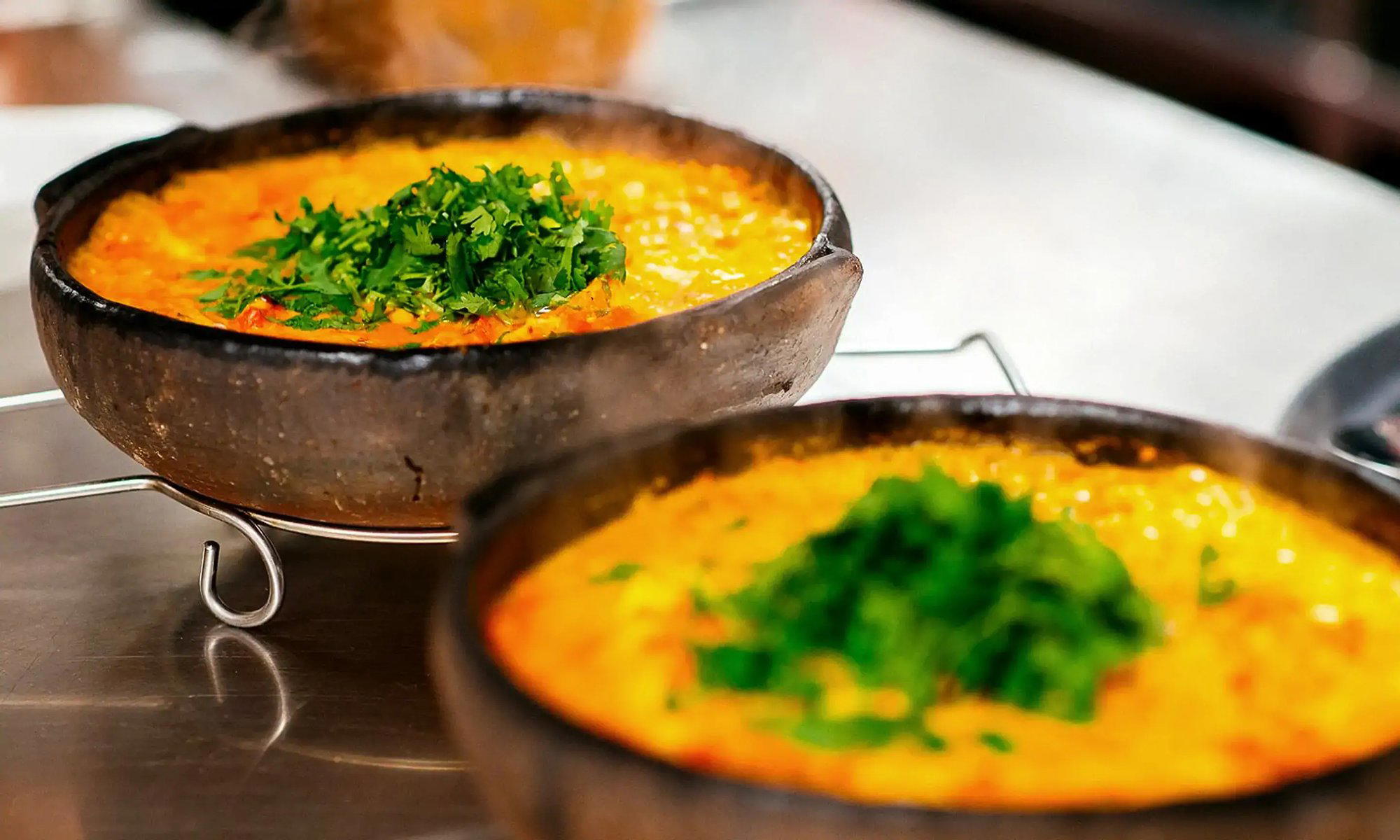
The menu
What to order
- Moqueca capixaba
- Feijoada
- Picanha Grelhada
The Ritual Before the Meal
In Brazilian coastal cooking, the clay pot is not a serving vessel — it is the cooking environment, and the distinction matters. Moqueca, the centuries-old stew that defines the cuisine of Bahia and Espírito Santo, is built around long, unhurried heat. Dendê oil — the reddish-orange West African palm oil that arrived in Brazil through the slave trade, fuses with coconut milk and fresh seafood into something that cannot be replicated in a sauté pan or rushed through a shortened ticket time. The dish carries its history in its fat. When Moqueca Brazilian Restaurant on East Thousand Oaks Boulevard serves this tradition to the Conejo Valley, it is asking diners in a suburban California corridor to slow down in ways that most restaurants along this stretch of road do not.
Thousand Oaks sits roughly 35 miles northwest of downtown Los Angeles, a commuter city whose restaurant scene trends heavily toward familiar formats: American steakhouses like Holdren's Steaks & Seafood, Italian red-sauce rooms like Marcello Ristorante, and the national chains that fill suburban boulevards everywhere. Against that context, a restaurant built around a ceremonial Brazilian seafood stew is a meaningful departure. See our full Thousand Oaks restaurants guide for how it positions within the broader local scene.
What Moqueca Actually Is
The dish has two principal regional identities in Brazil. Moqueca Baiana, from the state of Bahia, leans on dendê oil and coconut milk, producing a stew with deeper color and fat richness. Moqueca Capixaba, from Espírito Santo, strips those additions back and relies on urucum (annatto) and olive oil, arriving lighter and more acidic. Both versions are cooked in a terracotta pot sealed with a clay lid, capixaba pots are famously made from a specific dark clay found only in Espírito Santo, and served directly from that vessel at the table. The presentation is part of the ritual: the lid comes off tableside, releasing steam, and the portion is typically sized for two or more.
That communal sizing is not incidental. Moqueca historically is a shared dish, and the pacing of a proper moqueca meal, rice, farofa (toasted cassava flour), pirão (a fish-broth porridge thickened with manioc), and the stew itself arriving in sequence, is closer to a Brazilian family Sunday than a weeknight dinner order. The format asks something of the table: conversation, patience, a willingness to linger. This is not the dining register of a fast-casual suburb, which is precisely what makes it interesting.
Where Thousand Oaks Fits
California's Brazilian restaurant scene concentrates most heavily in the Bay Area and in pockets of greater Los Angeles, where community density supports specialty cuisine. The Conejo Valley has historically had limited exposure to this tradition, which means Moqueca Brazilian Restaurant is addressing genuine category scarcity rather than competing in a crowded field. That scarcity cuts both ways: there is clear demand unmet by existing options, but there is also less of a reference frame for diners encountering moqueca for the first time.
The wider American fine-dining conversation has moved hard toward tasting menus and precision formats. Restaurants like Lazy Bear in San Francisco, Alinea in Chicago, and Atomix in New York City represent the far end of that controlled, sequenced dining experience. Moqueca sits at a different axis: it is communal and informal in structure, but the cuisine itself is as technically rooted as anything on a tasting menu, it simply expresses that technique through a shared pot rather than a parade of individual courses. Comparable depth of tradition, different mode of delivery. The same argument applies when you look at how Providence in Los Angeles handles seafood at the high end versus how a moqueca kitchen handles it through accumulated generational technique rather than modernist intervention.
Brazilian cuisine broadly remains underrepresented in American fine-dining discourse. Publications that cover Le Bernardin in New York City, The French Laundry in Napa, or Single Thread Farm in Healdsburg rarely train the same critical attention on Brazilian regional cooking, even though dishes like moqueca have documented culinary histories reaching back several centuries. That critical gap has slowly begun to close, with Brazilian chefs gaining visibility at events like the World's 50 Best and through international press coverage of São Paulo's dining scene. The Conejo Valley is not São Paulo, but the underlying cuisine being served shares that heritage.
The Order of the Meal
For a diner approaching moqueca for the first time, the sequencing matters. The stew itself is typically ordered as the centerpiece, and the accompaniments, rice, farofa, pirão, are not optional extras but structural components that balance the richness of the dendê oil and coconut milk. Eating moqueca without farofa is roughly equivalent to eating a tagine without bread: technically possible, experientially incomplete. The cassava flour absorbs the broth and adds texture that the stew alone does not provide.
Timing expectations should be calibrated accordingly. A moqueca does not arrive in eight minutes. The clay pot format requires sufficient heat-through time, and a kitchen producing this dish correctly is not cutting corners on that process. This is a meal that rewards ordering a starter, allowing conversation to develop, and not watching the clock. Diners who approach it with the pacing instincts of a fast-casual order will find themselves frustrated; diners who treat it as a two-hour project will find themselves satisfied.
For planning purposes, Moqueca Brazilian Restaurant is located at 1610 E Thousand Oaks Blvd, Thousand Oaks, CA 91360, accessible from the 101 Freeway via the Thousand Oaks Boulevard exit. Given the specialty nature of the cuisine and limited Brazilian dining alternatives in the corridor, confirming hours and availability ahead of a visit is advisable, particularly for larger groups where the communal format requires the kitchen to pace multiple pots simultaneously.
The Broader Suburban Specialty Dining Pattern
Suburban specialty restaurants across the American West operate differently from their urban counterparts. They tend to serve a more geographically diverse clientele, people who drive twenty minutes rather than walk three blocks, and they often carry more educational weight than a city restaurant does, functioning as a primary introduction to a cuisine rather than one option among dozens. Restaurants like Addison in San Diego, Bacchanalia in Atlanta, and Blue Hill at Stone Barns in Tarrytown have each demonstrated that serious regional or specialty cooking can find a committed audience outside dense urban cores. The model works when the cuisine has genuine depth and the kitchen commits to the tradition rather than softening it for suburban palatability.
That commitment to tradition is what distinguishes moqueca from Brazilian steakhouse formats that have become more familiar to American diners. The churrascaria model, tableside meat service, high volume, theatrical abundance, is well established in the United States. Moqueca represents a quieter, slower, more regionally specific tradition, and a restaurant built around it is betting on a diner's curiosity rather than their familiarity. For Thousand Oaks, that bet is worth taking. Also worth tracking: how Brazilian regional cooking develops further in the greater LA corridor, following the same trajectory that Peruvian and Korean cuisines took from ethnic-community anchors toward broader critical recognition, as seen with venues like Causa in Washington, D.C. and Brutø in Denver representing the upward mobility of non-European culinary traditions in American fine dining.
Frequently asked questions
Is Moqueca Brazilian Restaurant good for families?
Brazilian moqueca is a communal-format dish by tradition, built around shared clay-pot portions that work well for groups eating together. The Thousand Oaks location on East Thousand Oaks Blvd sits in a suburban corridor familiar with family dining rather than destination-only crowds. The format is low-pressure and approachable for mixed-age groups.
Is Moqueca Brazilian Restaurant better for a quiet night or a lively one?
Suburban specialty restaurants in California's Conejo Valley tend to draw a geographically committed clientele rather than walk-in bar traffic, which typically keeps the tone measured rather than high-energy. A meal here is more likely to resemble a considered dinner than a scene-driven evening.
Does Moqueca Brazilian Restaurant in Thousand Oaks serve authentic regional Brazilian cooking or an Americanized version?
The restaurant takes its name directly from one of Brazil's most regionally specific dishes, a clay-pot stew with distinct Bahian and Capixaban traditions defined by ingredients like dendê oil, coconut milk, and fresh seafood. Operating in Thousand Oaks, outside the denser Brazilian community pockets of the Bay Area or central Los Angeles, it occupies a position where sourcing fidelity and regional specificity are the clearest markers of authenticity.
What should I order at Moqueca Brazilian Restaurant?
The restaurant's name signals the anchor of the menu: moqueca, the Brazilian clay-pot fish or seafood stew. In Brazilian tradition, the stew is the centerpiece and arrives with rice, farofa, and pirão as standard accompaniments. First-time diners are best served by ordering the moqueca as the main event and letting the sides build around it rather than treating them as separate dishes.
Where is Moqueca Brazilian Restaurant in Thousand Oaks?
Moqueca Brazilian Restaurant is located at 1610 E Thousand Oaks Blvd, Thousand Oaks, CA 91360, Thousand Oaks.
Category Peers
Comparable venues nearby, for context on price, style, and recognition.
| Venue | Cuisine | Price | Notes |
|---|---|---|---|
| Moqueca Brazilian RestaurantThis venue — the venue you are viewing | Authentic Brazilian Seafood Moqueca | $20–30 | Not listed |
| Holdren's Steaks & Seafood | Steakhouse & Seafood | $50–100 | Newbury Park |
| Marcello Ristorante | Authentic Italian Trattoria | $30–50 | Thousand Oaks |
Continue exploring
More in Thousand Oaks
Restaurants in Thousand Oaks
Browse all →
Bars in Thousand Oaks
Browse all →



Details
- Cozy
- Classic
- Family
- Casual Hangout
- Open Kitchen
- A La Carte
- Vegetarian Friendly
- Gluten Free Options
Current opening hours
- Monday
- Closed
- Tuesday
- 5–9 PM
- Wednesday
- 5–9 PM
- Thursday
- 5–9 PM
- Friday
- 5–9:30 PM
- Saturday
- 12–8:30 PM
- Sunday
- 12–8:30 PM
Hours can change for holidays and private events. Last verified .
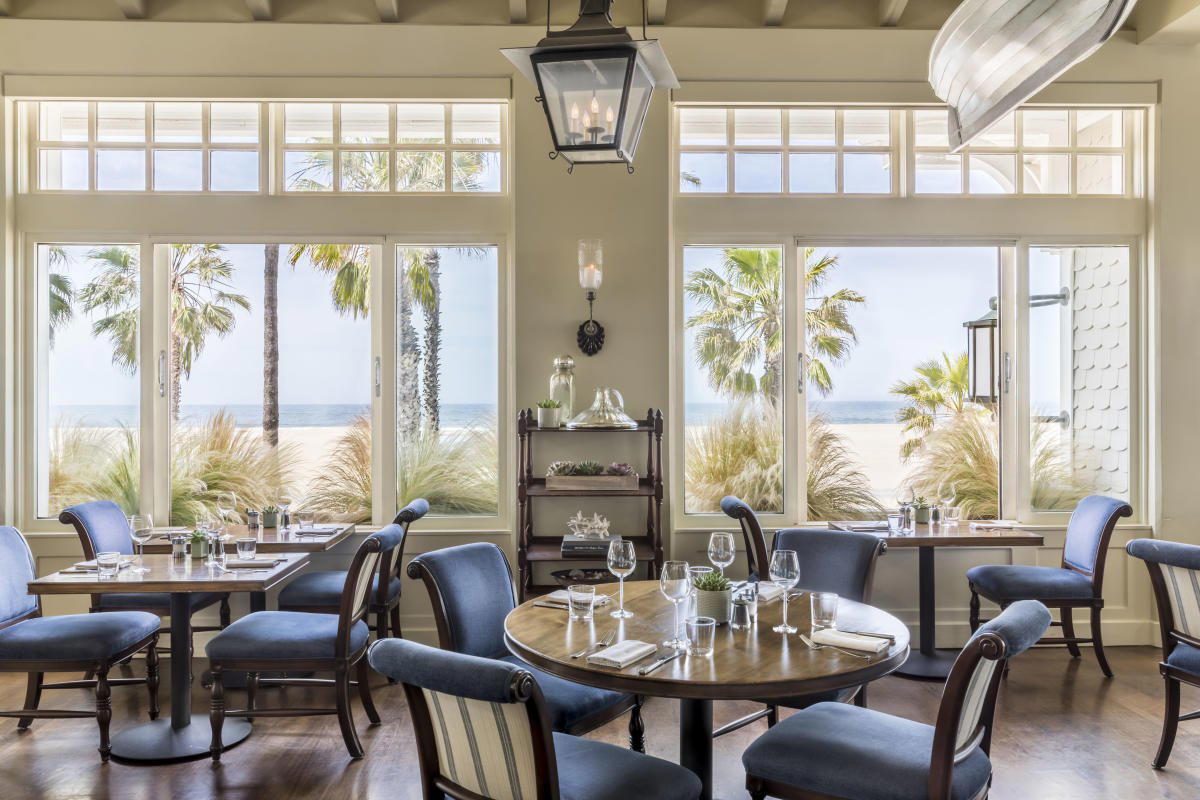
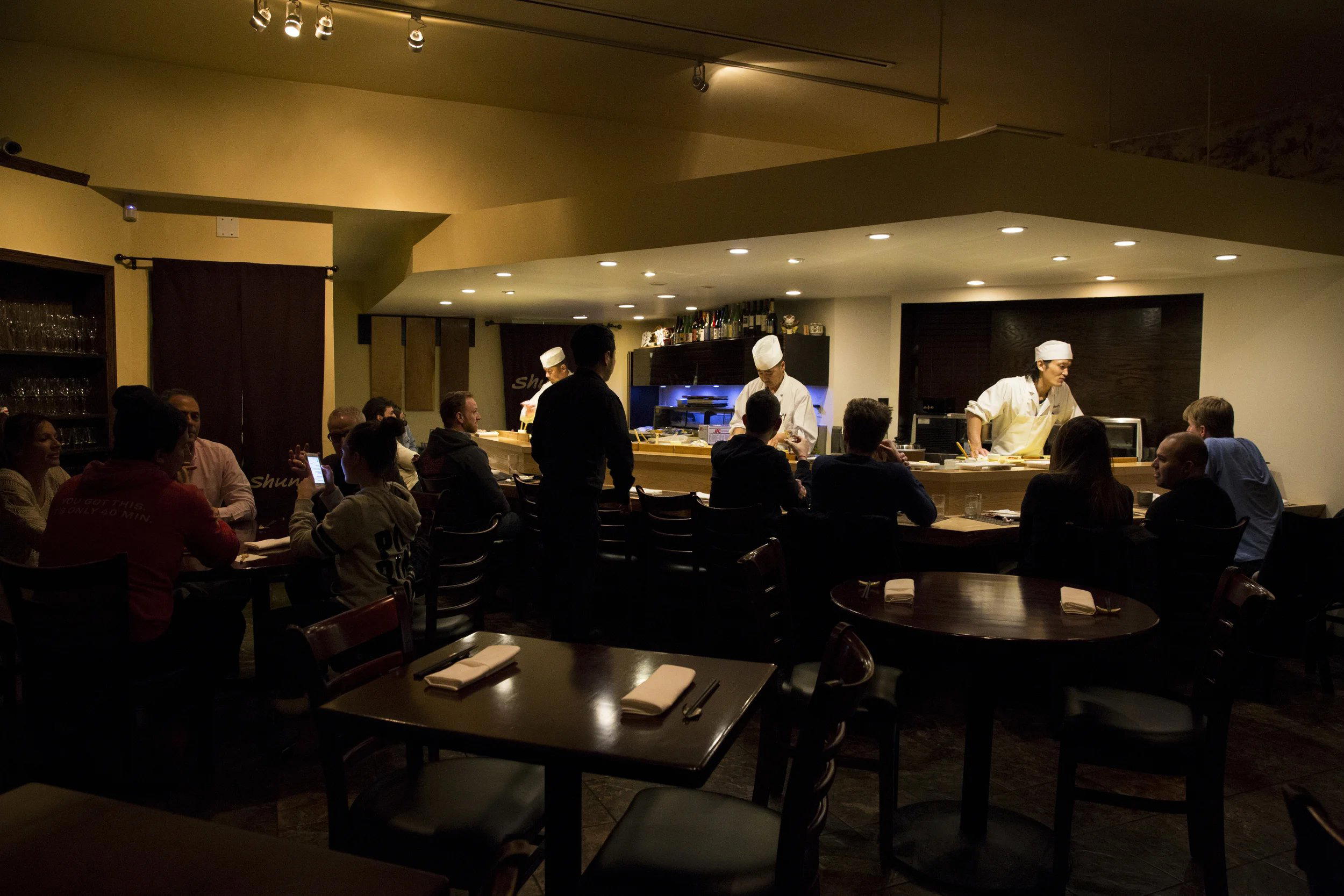
Warm and hospitable Brazilian atmosphere with focus on family traditions and fresh ingredients.