
1 Michelin Star
Our verdict
On the first floor of the historic Dior boutique at 32 avenue Montaigne, Monsieur Dior by Yannick Alléno translates the language of haute couture into a focused menu of refined French dishes. The dining room, dressed in Dior tableware, sits within one of Paris's most recognisable fashion addresses, open since 1946. The result is a rare convergence of two distinct Parisian traditions: couture and classical French cooking.

Pearl is the En Primeur Club membership app, where members save venues, book tables and use the concierge.
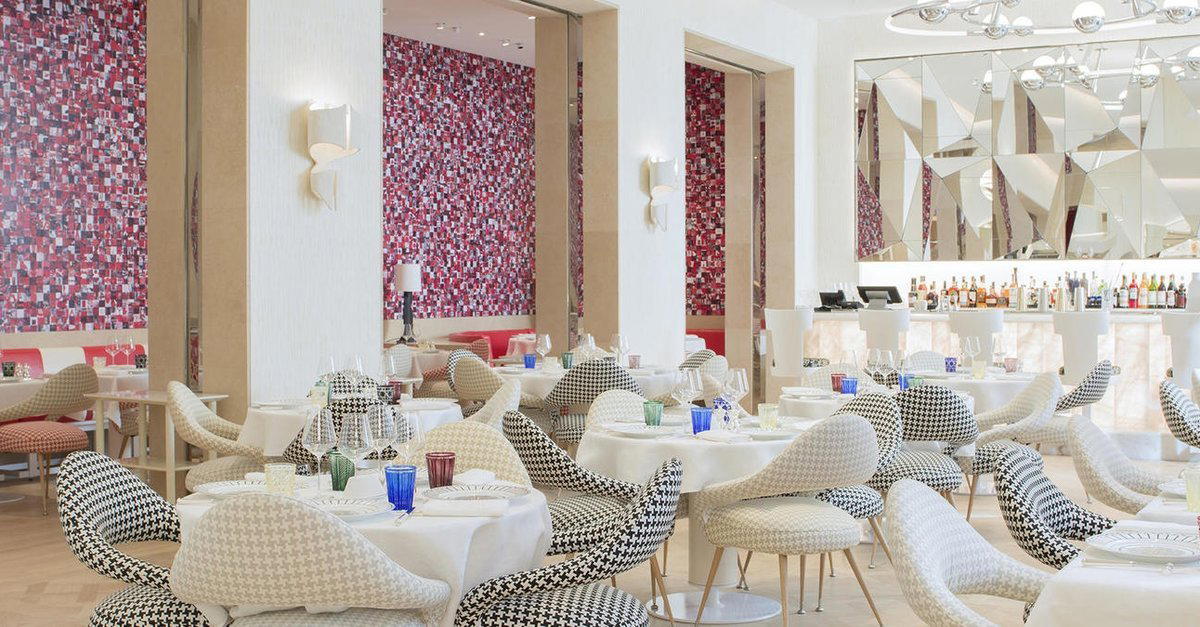
Where Fashion and the French Table Converge
Avenue Montaigne operates as a kind of condensed argument for the Parisian idea of luxury. The street runs a short distance from the Seine to the Champs-Élysées, and its address list reads as a who's-who of the haute couture houses that rebuilt French fashion prestige after the Second World War. At number 32, the Dior boutique has occupied its corner since Christian Dior founded it here in 1946, making it one of the longest-standing anchors of the avenue's identity. The decision to place a serious restaurant on the building's first floor, rather than a café or a pop-up, signals something about how the house now understands hospitality: not as an amenity, but as an extension of the same standard applied to everything else in the building.
Paris has a particular tradition of luxury-institutional dining, where the room itself carries weight before a plate arrives. Le Cinq at the Four Seasons Hôtel George V operates in the same register, as does the formal dining proposition at any of the city's palace hotels. What Monsieur Dior by Yannick Alléno adds to this tradition is a sharper conceptual frame: the menu has been constructed using the vocabulary of couture itself, with dishes named after Dior signatures and techniques drawn from the atelier rather than the garde-manger. It is an experiment in whether two crafts, cutting fabric and cooking protein, share enough structural logic to speak the same language at the table. The answer, based on the menu architecture, is that they share more than most visitors would expect.
The Arc of the Menu
The progression through a meal at Monsieur Dior by Yannick Alléno is designed to move the way a collection moves: from opening gesture to statement piece to refined close. Each course carries a reference to couture either in name, construction, or presentation logic. The 'New Look' draped sea bass invokes Dior's 1947 silhouette directly, with the fish arranged in layered folds that echo the drape techniques the house codified in that foundational collection. For a diner who knows the reference, it reorders the experience; for one who does not, it still works as a composed fish course from a kitchen operating at a high register.
The Christian Dior egg, combining Paris ham and caviar, sits in the mid-progression position where a menu needs to shift register without losing momentum. This is a classically French construction, eggs as a luxury vehicle have appeared on Parisian menus since at least the belle époque, and the caviar placement here aligns the dish with the city's haute cuisine tradition rather than departing from it. L'Ambroisie on Place des Vosges, perhaps the most austere expression of classical French cooking currently operating in Paris, uses similar logic: luxury ingredients positioned to consolidate a trajectory rather than interrupt it.
Poached sole with white butter sauce and shellfish is the most purely classical course in the sequence. Beurre blanc and sole is a Loire Valley pairing that arrived in Parisian haute cuisine through the grandes maisons of the mid-twentieth century, and its presence here is not nostalgia but positioning: this is a kitchen that knows where it sits in the French culinary canon and is not uncomfortable about it. The final main, 'hand-stitched' poultry with black truffle macaroni, closes the savoury arc with a dish that references both the atelier metaphor and the truffle-macaroni preparations that have been a marker of serious French cooking since the era of Escoffier. Alléno, whose three-Michelin-star work at Alléno Paris au Pavillon Ledoyen on the Champs-Élysées grounds has made him one of the most decorated French chefs currently working, brings to Monsieur Dior a condensed version of that technical ambition, scaled to the intimacy the room demands.
The Room as Context
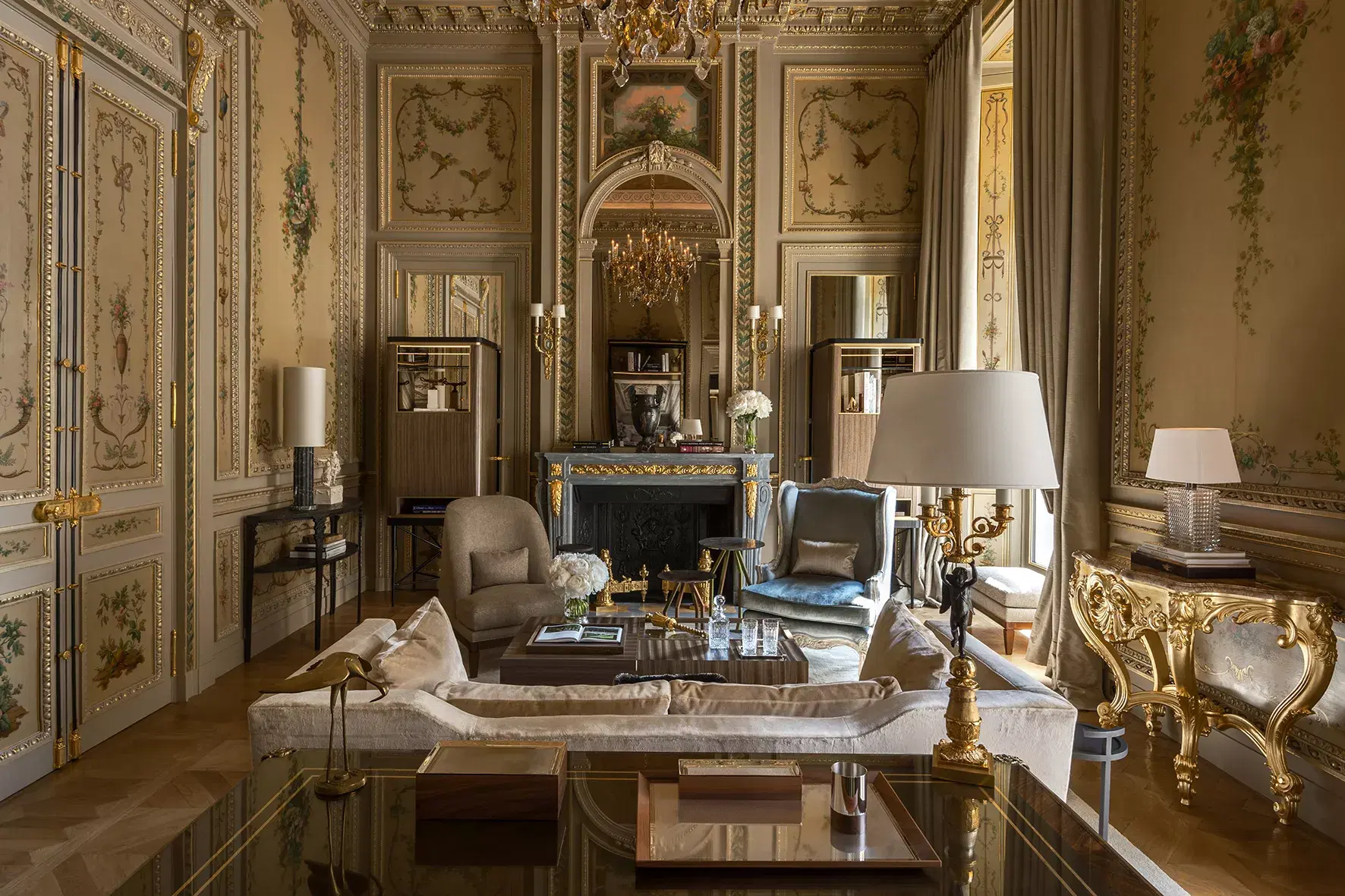
Dining room on the first floor reads as an extension of the boutique's visual logic rather than a departure from it. Dior tableware is laid throughout, which means every surface that carries food or wine has been considered as an object in its own right. This is not unusual in Paris's top tier: Arpège has its own specific material philosophy, and Kei on Rue Coq-Héron deploys a distinctive table aesthetic that reinforces its Franco-Japanese proposition. What the Dior room has that most restaurant interiors do not is a heritage address whose identity is already fully formed before the first guest sits down. The room does not need to construct authority; it inherits it.
Brightness is a notable quality: the first-floor position on avenue Montaigne means natural light from one of Paris's most photogenic streets, softened through the building's period architecture. The effect is warm rather than stark, which matters for a meal structured around the pleasures of classical French cooking rather than the theatre of modernist plating.
Paris's Broader Table at This Level
To place Monsieur Dior by Yannick Alléno accurately within Paris's restaurant hierarchy, it helps to map the tier it occupies. The city's highest-price, highest-credential French restaurants divide broadly into two groups: the autonomous fine dining institutions with their own identities built over decades, and the embedded luxury addresses where a fashion house, hotel, or cultural institution provides the envelope. Le Cinq belongs to the second category, as does Monsieur Dior. Both compete less on the basis of independent culinary identity than on the coherence of the total proposition: architecture, service register, address weight, and kitchen quality working as a system. At the level Alléno operates, the kitchen quality is not in question. The question a prospective visitor weighs is whether the frame adds or distracts, and at 32 avenue Montaigne, the frame is among the most considered in the city.
France's broader fine dining canon extends well beyond Paris, from Mirazur in Menton to Troisgros in Ouches, Bras in Laguiole, Auberge de l'Ill in Illhaeusern, Flocons de Sel in Megève, and the landmark Paul Bocuse in Collonges-au-Mont-d'Or. Internationally, the classical French tradition that Monsieur Dior represents has shaped kitchens as far removed as Le Bernardin in New York and Emeril's in New Orleans. Within Paris specifically, the full range of current options is surveyed in our Paris restaurants guide.
Planning a Visit
The address at 32 avenue Montaigne puts the restaurant within easy reach of the George V and Franklin D. Roosevelt Métro stations, placing it centrally for anyone staying along the 8th arrondissement corridor or the right bank palace hotels. Given the positioning of the address and the level of Alléno's involvement, reservations should be treated as requiring advance planning rather than walk-in availability. The rhythm of avenue Montaigne means the room will be busiest during Paris Fashion Week in January, March, and October, when the street itself operates at full intensity. Visiting outside those windows offers a quieter version of the same experience. For hotels, bars, and other experiences in the area, our Paris hotels guide, bars guide, wineries guide, and experiences guide cover the full range.
Frequently asked questions
What should I eat at Monsieur Dior by Yannick Alléno?
The menu is structured as a couture-referencing progression, with each course named after or built around a Dior signature. The standout architectural sequence runs from the 'New Look' draped sea bass through the Christian Dior egg with Paris ham and caviar, to the poached sole with white butter sauce and shellfish, closing with 'hand-stitched' poultry and black truffle macaroni. Given Alléno's technical background, which includes three Michelin stars at Alléno Paris au Pavillon Ledoyen, the classical French preparations carry the most authority and reward full tasting progression rather than selective ordering.
How far ahead should I plan for Monsieur Dior by Yannick Alléno?
For a restaurant embedded in one of Paris's most visited fashion addresses on avenue Montaigne, and tied to one of France's most decorated chefs, demand will track both the fashion calendar and Paris's general peak travel periods. Reservations during or adjacent to Fashion Week in January, March, and October require more lead time than mid-summer or autumn shoulder months. As a general orientation, the approach used for comparable Paris fine dining addresses, typically two to four weeks minimum outside peak periods and six to eight weeks or more during fashion calendar events, is a reasonable starting point. Confirm current availability directly through the Dior boutique reservation channel.
Comparable Spots
Comparable venues nearby, for context on price, style, and recognition.
| Venue | Cuisine | Price | Awards | Notes |
|---|---|---|---|---|
| Monsieur Dior by Yannick AllénoThis venue (the venue you are viewing) | Modern French Fine Dining | $200–300 | 1 Michelin Star | Not listed |
| Prévelle | Modern Plant-Centric French | $150–200 | 1 Michelin Star | 7th arrondissement |
| La Borie | Farm-to-Table French Fine Dining | Not listed | Michelin Plate | 15th arrondissement |
| Geoélia | Modern French Seafood | $150–200 | 1 Michelin Star | 16th arrondissement (Passy) |
| Magma | Modern French with Japanese Influences | $50–100 | Michelin Plate | Oberkampf |
| Cédric Grolet Opéra | Contemporary French Pâtisserie | Not listed | Not listed | Opéra |
Recognition history
Dated appearances from independent guides and award organizations, with the underlying list record or original source where available.
Michelin 1 Star
Michelin
Continue exploring
More in Paris
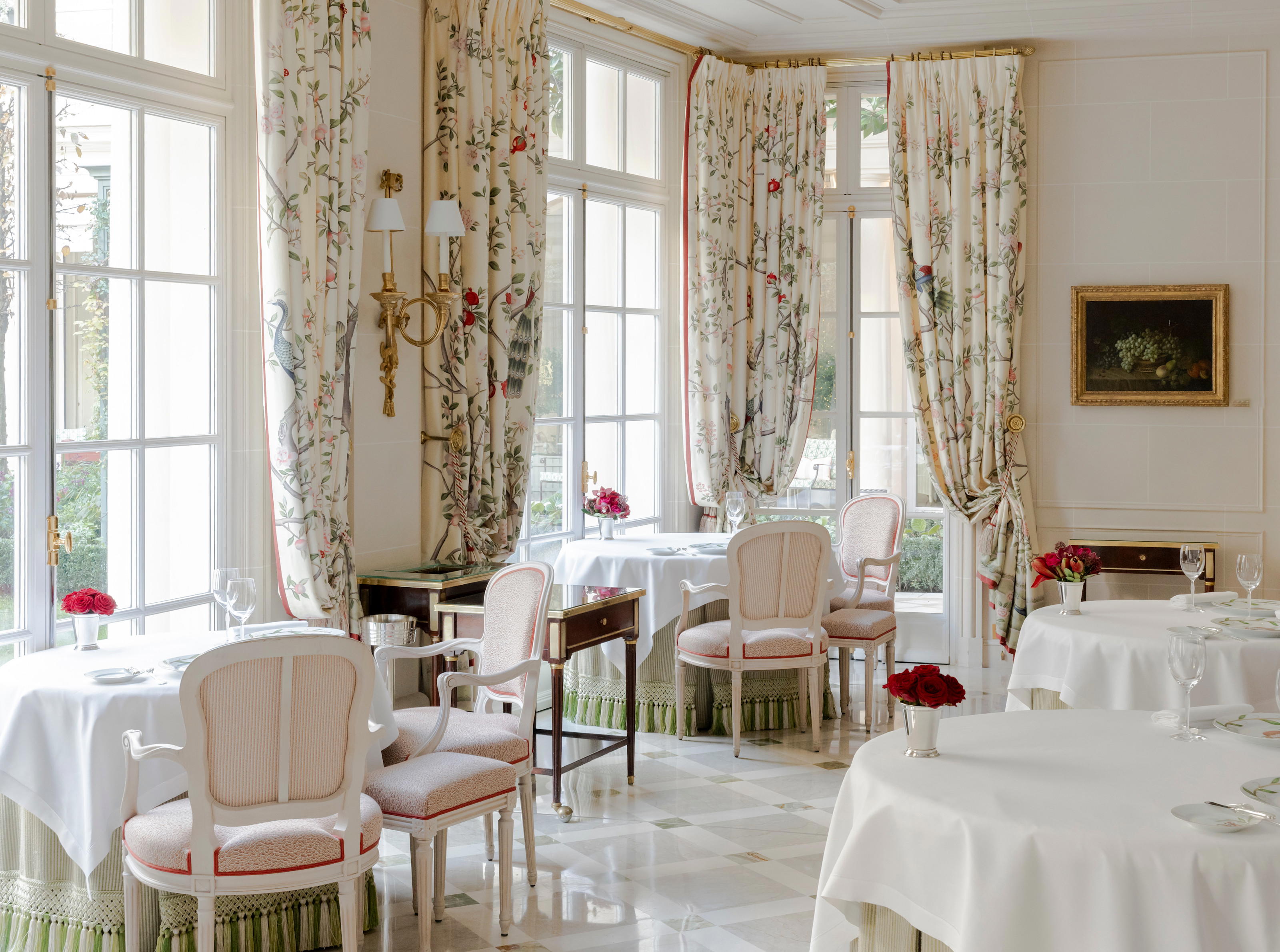
Restaurants in Paris
All restaurants in Paris →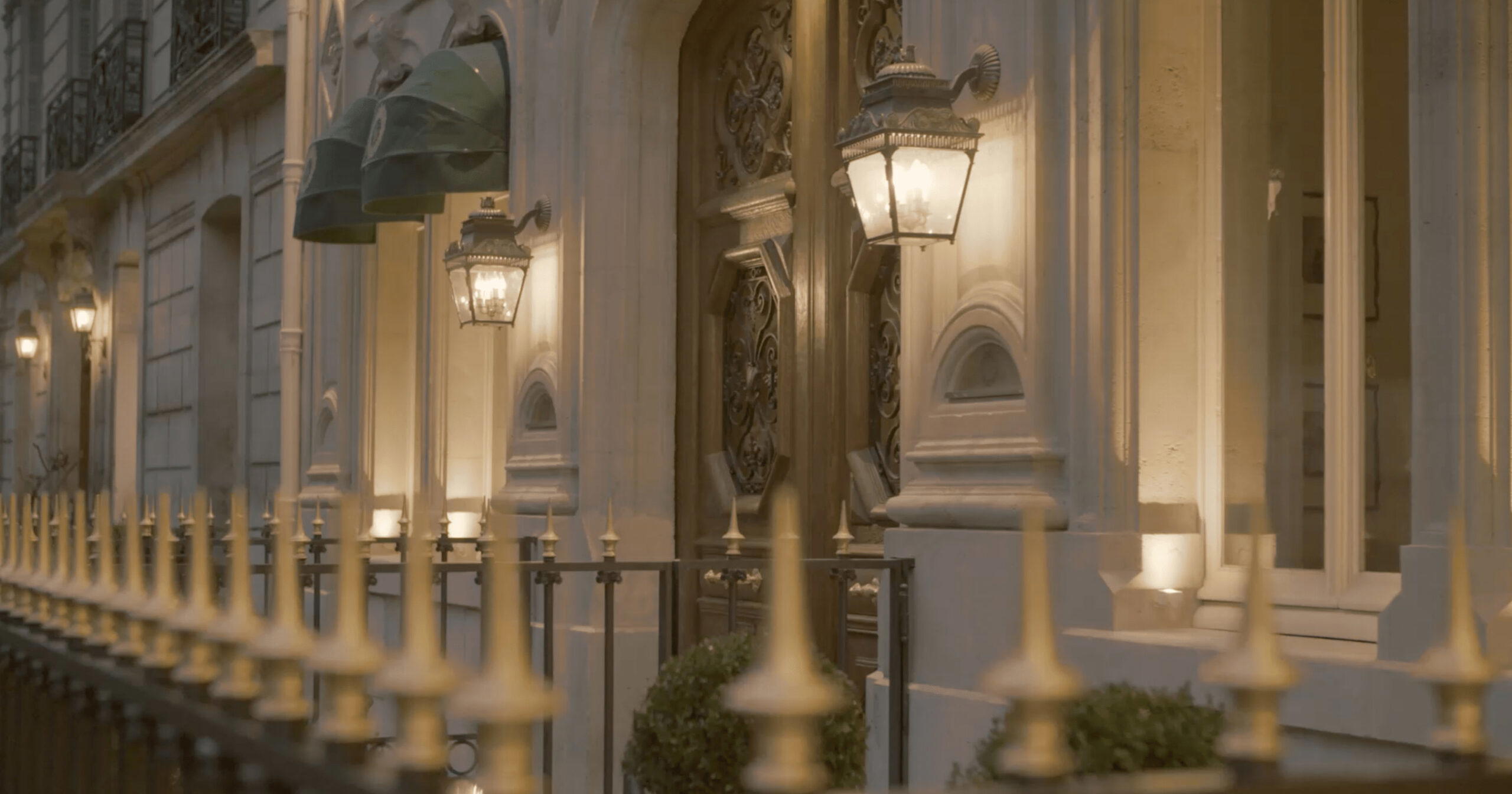
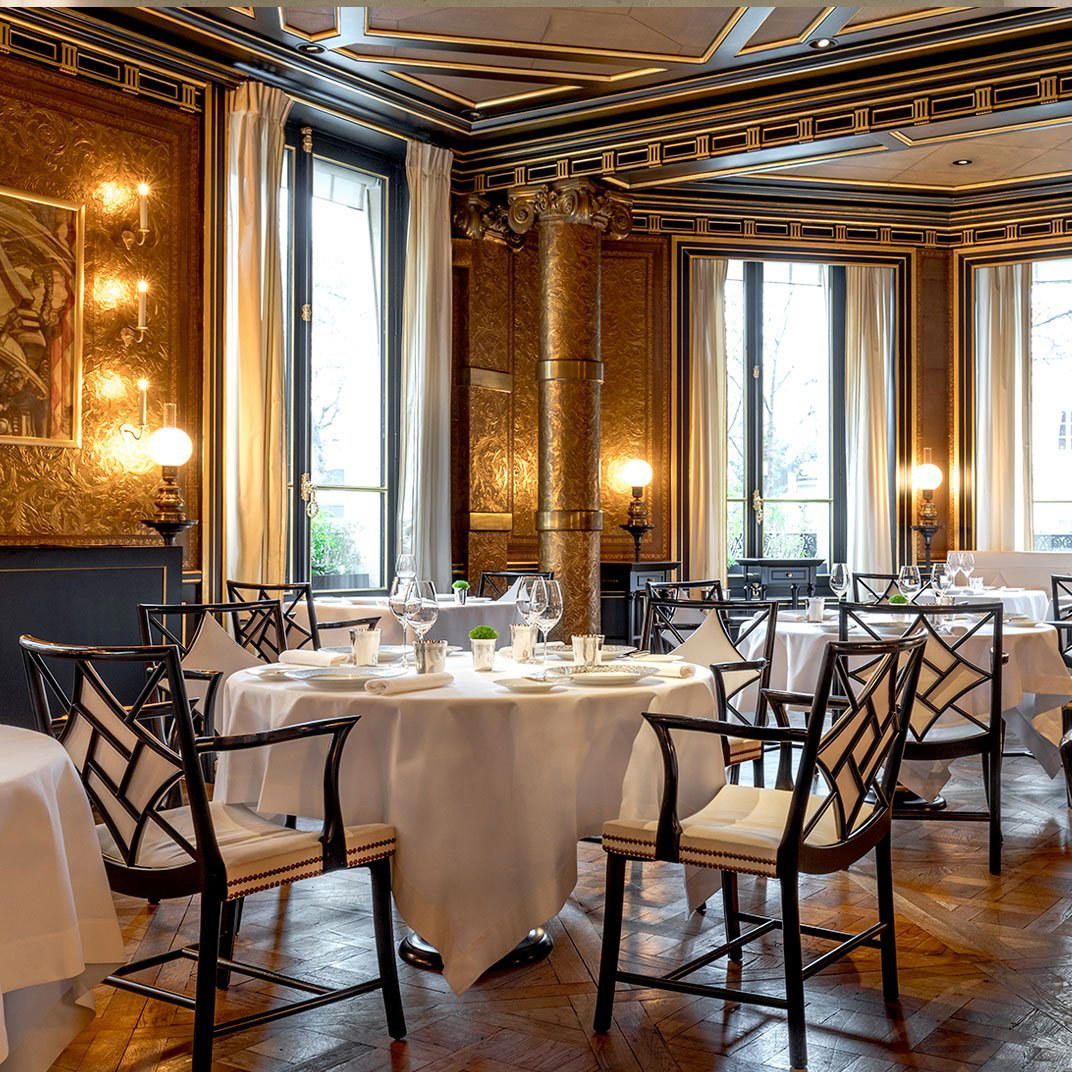
Bars in Paris
All bars in Paris →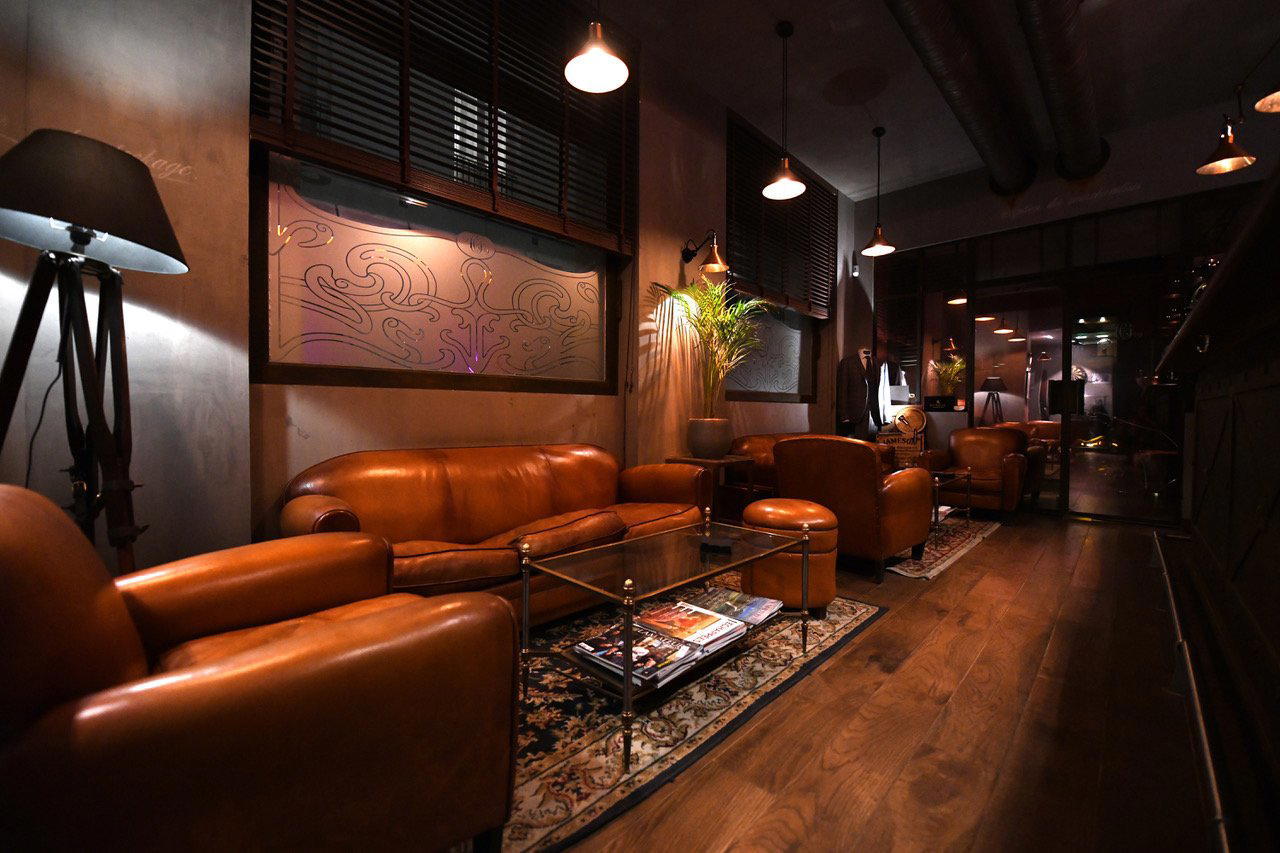
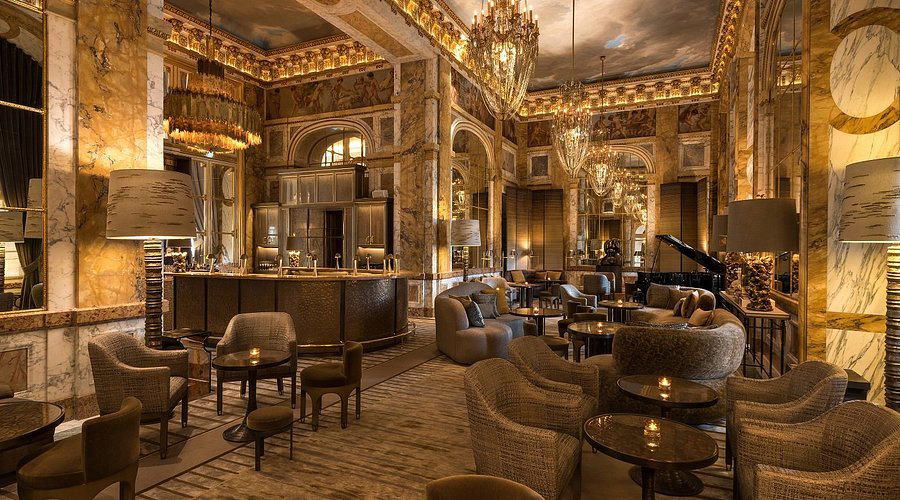
Hotels in Paris
All hotels in Paris →



Monsieur Dior by Yannick Alléno
The wine
- Extensive wine list
- Sommelier-led
Details
- Elegant
- Sophisticated
- Modern
- Ornate
- Date Night
- Special Occasion
- Hotel Restaurant
- Design Destination
- Extensive Wine List
- Sommelier Led
- A La Carte
- Tasting Menu
- Allergy Accommodating
Current opening hours
- Monday
- 11:45 AM–7:30 PM
- Tuesday
- 11:45 AM–7:30 PM
- Wednesday
- 11:45 AM–7:30 PM
- Thursday
- 11:45 AM–7:30 PM
- Friday
- 11:45 AM–7:30 PM
- Saturday
- 11:45 AM–7:30 PM
- Sunday
- 11:45 AM–7 PM
Hours can change for holidays and private events. Hours as of .
Subtly modern mise-en-scène with parquet floors, houndstooth chairs, and a scarlet pixelated wall of Dior archives, creating an elegant and lively atmosphere.