màna
Our verdict
màna occupies a distinct position among La Grange's dining options, bringing an ingredient-focused approach to a suburb better known for casual neighbourhood fare. Located at 88 LaGrange Rd, the restaurant draws comparisons to a broader American movement that prizes sourcing transparency over spectacle. For diners who track where their food originates, màna offers a considered alternative to the area's more conventional tables.

Pearl is the En Primeur Club membership app, where members save venues, book tables and use the concierge.
The menu
What to order
- Chicken a la Dimitri
- Saganaki
- Baked Feta with Meli
- Charred Meatballs
- Grilled Octopus
Where La Grange Meets Ingredient-Led Dining
The western suburbs of Chicago have historically deferred to the city proper for serious dining. That dynamic has been shifting, and La Grange sits at a point in that shift worth paying attention to. A cluster of independently operated restaurants on and around LaGrange Road has moved the area beyond its reputation as a convenient commuter stop, and màna, at 88 LaGrange Rd, represents one of the more considered entries in that local evolution. Approaching the address, the context is residential-commercial Chicago suburb: brick storefronts, modest signage, the quiet particular to a town that still measures itself by its train station rather than its restaurant count. That understatement, in this category of American dining, is frequently a signal rather than a limitation.
The Sourcing Argument in Suburban Fine Dining
Across American restaurant culture, the argument for ingredient provenance has moved from niche positioning to baseline expectation at the upper end of the market. Restaurants like Blue Hill at Stone Barns in Tarrytown and Single Thread Farm in Healdsburg built their reputations almost entirely on the chain from land to plate, treating the farm relationship as the primary editorial statement and the kitchen technique as secondary evidence. That model has filtered outward from destination dining into metropolitan suburbs, where a smaller but attentive dining public is willing to pay for transparency about what they are eating and where it came from.
In Chicago's own fine dining tier, venues like Alinea have pursued a different axis entirely, prioritising technique and conceptual invention over sourcing legibility. The ingredient-led approach sits at the opposite pole: the cook's job is to make the provenance of a carrot or a heritage-breed protein the central subject of the plate, not to transform it beyond recognition.
What Ingredient Focus Looks Like at the Neighbourhood Scale
Ingredient-led dining at the suburban scale carries specific constraints that city-centre venues rarely face. Supply chains that a restaurant in Chicago's West Loop can access through daily market relationships require more deliberate logistics when the kitchen is operating fifteen miles out. Chefs in this tier often cultivate more direct farm partnerships precisely because they cannot rely on the proximity that dense urban food districts provide. The result, when it works, is a menu that reflects regional seasonality more honestly than a city restaurant whose sourcing can slip toward convenience.
The Midwest's agricultural calendar is demanding: a genuinely seasonal menu in northern Illinois runs hard into the limitations of a cold-weather growing season for roughly five months of the year. Restaurants that commit to this framework are forced to engage with preservation, fermentation, and root-vegetable cookery in ways that warmer-climate venues can sidestep. That constraint, for diners who understand it, reads as creative discipline rather than limitation. It is the same logic that makes The French Laundry in Napa and Providence in Los Angeles readable as products of their specific geographies, even when their techniques are cosmopolitan.
La Grange's Dining Context
La Grange is not a restaurant destination in the way that a River North block or a West Loop corridor functions. Dining here is built around neighbourhood loyalty and repeat visitors rather than the reservation-driven tourism that props up city-centre fine dining economics. That shapes what a restaurant like màna can be: it operates in a market where word-of-mouth and local trust matter more than press cycles, and where a regular's familiarity with the menu is an asset rather than a liability.
The town's other independently operated tables each occupy a different register. Prasino occupies the health-conscious casual tier with a farm-to-table framing that has broad appeal. Kama Bistro works in a different culinary tradition altogether, while Lucca's Pizzeria & Ristorante and The Grapevine anchor the neighbourhood's more casual end. màna sits apart from all of these in its apparent framing, suggesting a diner who is less interested in category comfort and more interested in what the kitchen is actually doing with its raw materials. For a fuller picture of how the town's dining scene fits together, the full La Grange restaurants guide maps the range.
Placing màna in a Wider Conversation
The broader American movement toward ingredient transparency has produced some of the country's most closely watched restaurant projects. Bacchanalia in Atlanta built two decades of reputation on direct farm relationships in the American South. Addison in San Diego and The Inn at Little Washington each pursue sourcing specificity within their respective regional contexts. Even venues with strong technique signatures, like Le Bernardin in New York City, have built supplier relationships that are now part of their documented identity. The through-line is a belief that the origin of an ingredient is not a marketing footnote but a culinary argument.
màna participates in that argument at the neighbourhood scale. The venue is not positioned against Lazy Bear in San Francisco or Atomix in New York City in any direct competitive sense. But the framework it operates within is continuous with those venues' values, which is what makes it legible to a diner who moves between city dining and suburban options without wanting to downgrade the intellectual register of what they are eating.
Planning a Visit
màna is located at 88 LaGrange Rd, La Grange, IL 60525, accessible from downtown Chicago via the BNSF Metra line to the La Grange Road stop, which places the address within a short walk. For current hours, reservation availability, and menu details, visiting the restaurant directly is the most reliable approach, as operational specifics at this scale can shift without broad press coverage. Diners with specific dietary requirements are leading served by contacting the kitchen ahead of time, a standard practice at ingredient-focused venues where the menu rotates with supply and season. The same applies to questions about pricing and format: venues in this tier tend to adjust their offering in response to what the season and their suppliers make available, which means that a phone call or direct inquiry will be more accurate than any third-party listing.
Frequently asked questions
How do I find màna?
màna is located at 88 LaGrange Rd, La Grange, IL 60525, La Grange.
How does màna's location in La Grange compare to dining in Chicago proper, and is it worth the commute?
màna sits at 88 LaGrange Rd, La Grange, IL 60525, reachable from downtown Chicago via the BNSF Metra line to the La Grange Road stop, a commute that places it roughly 30 minutes from the Loop. The western suburbs have historically sat outside Chicago's serious dining conversation, but restaurants like màna are part of a shift that makes the trip defensible for diners willing to look beyond River North or the West Loop. Whether the journey is worthwhile depends on execution, which is the argument ingredient-led dining in this zip code has to make every service.
What dish is màna famous for?
The restaurant's identity at 88 LaGrange Rd centres on ingredient sourcing and provenance rather than a fixed showpiece dish, which suggests the menu shifts with supply and season. Contacting the venue directly is the most reliable way to understand what is currently being served.
Is màna reservation-only?
Given màna's positioning as a serious dining destination in La Grange, a suburb where walk-in dining culture dominates, booking ahead is a reasonable precaution. Checking directly with the restaurant at 88 LaGrange Rd is advisable before visiting.
What has màna built its reputation on?
màna has built its standing in La Grange, IL on ingredient-led cooking at a moment when the western suburbs of Chicago are producing more credible fine dining options. The restaurant operates in a neighbourhood context where supply-chain discipline and sourcing transparency are harder to maintain than in the city, which gives its approach a distinct credibility. That positioning places it within a broader American movement toward provenance-focused restaurant projects.
Can màna adjust for dietary needs?
Restaurants operating with ingredient-led, frequently changing menus often have more flexibility than fixed-format venues, but this varies by kitchen and service model. Reaching out to màna at 88 LaGrange Rd before your visit is the most direct way to confirm what adjustments are possible.
Is màna overpriced or worth every penny?
For context, ingredient-focused restaurants in suburban Chicago markets typically sit in a mid-to-upper price band relative to their neighbourhood, reflecting sourcing costs that city-centre venues spread across higher volume. Whether that represents value depends on how the execution holds up to the sourcing premise, something best judged after checking current menu pricing directly with the restaurant.
How It Stacks Up
Comparable venues nearby, for context on price, style, and recognition.
| Venue | Cuisine | Price | Notes |
|---|---|---|---|
| mànaThis venue (the venue you are viewing) | Authentic Greek | $20–30 | Not listed |
| Prasino | Contemporary American with Global Touches | Not listed | La Grange |
| The Grapevine | Greek Mediterranean | $20–30 | downtown |
| Lucca's Pizzeria & Ristorante | Italian Pizza & Ristorante | $20–30 | downtown La Grange |
| Kama Bistro | Modern Indian Bistro | $20–30 | downtown La Grange |
| THASSOS GREEK RESTAURANT | Authentic Greek Fine Dining | $30–50 | Clarendon Hills |
Continue exploring
More in La Grange
Restaurants in La Grange
All restaurants in La Grange →
Bars in La Grange
Browse all →


Details
- Cozy
- Rustic
- Elegant
- Sophisticated
- Date Night
- Group Dining
- Family
- Celebration
- Brunch
- Open Kitchen
- Private Dining
- Local Sourcing
- A La Carte
- Small Plates
- Vegetarian Friendly
Current opening hours
- Monday
- Closed
- Tuesday
- 4–9 PM
- Wednesday
- 4–9 PM
- Thursday
- 4–9 PM
- Friday
- 4–10 PM
- Saturday
- 3–10 PM
- Sunday
- 3–8 PM
Hours can change for holidays and private events. Last verified .
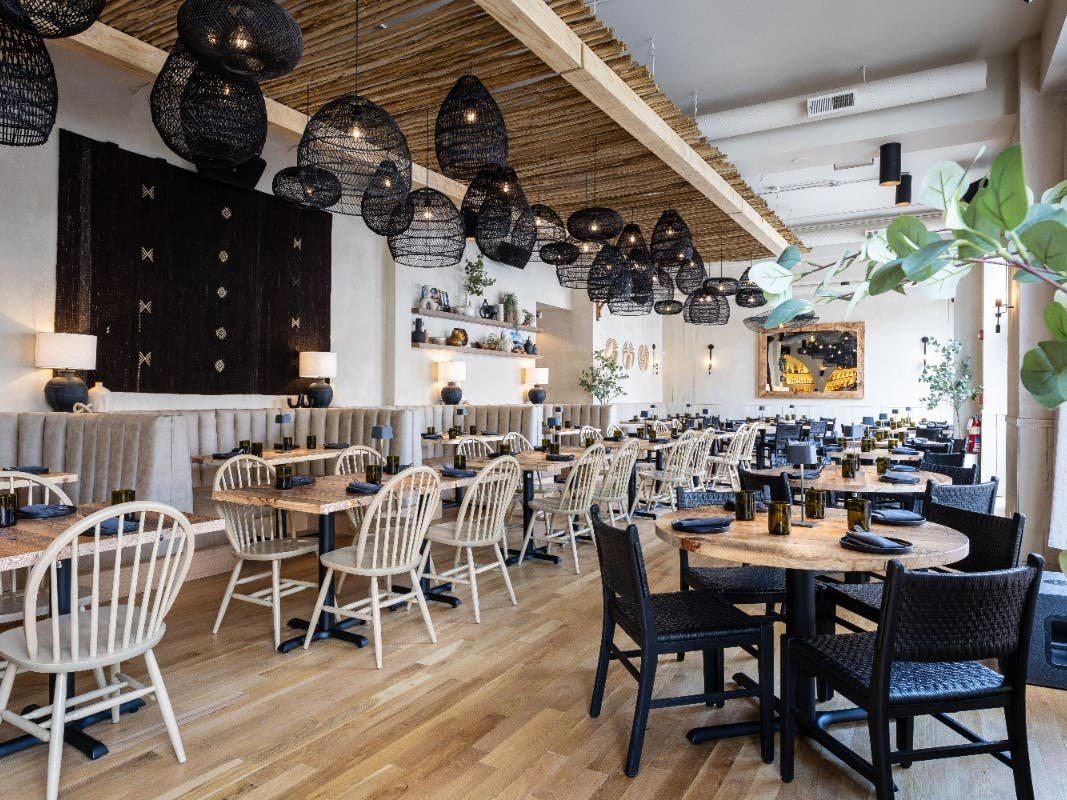
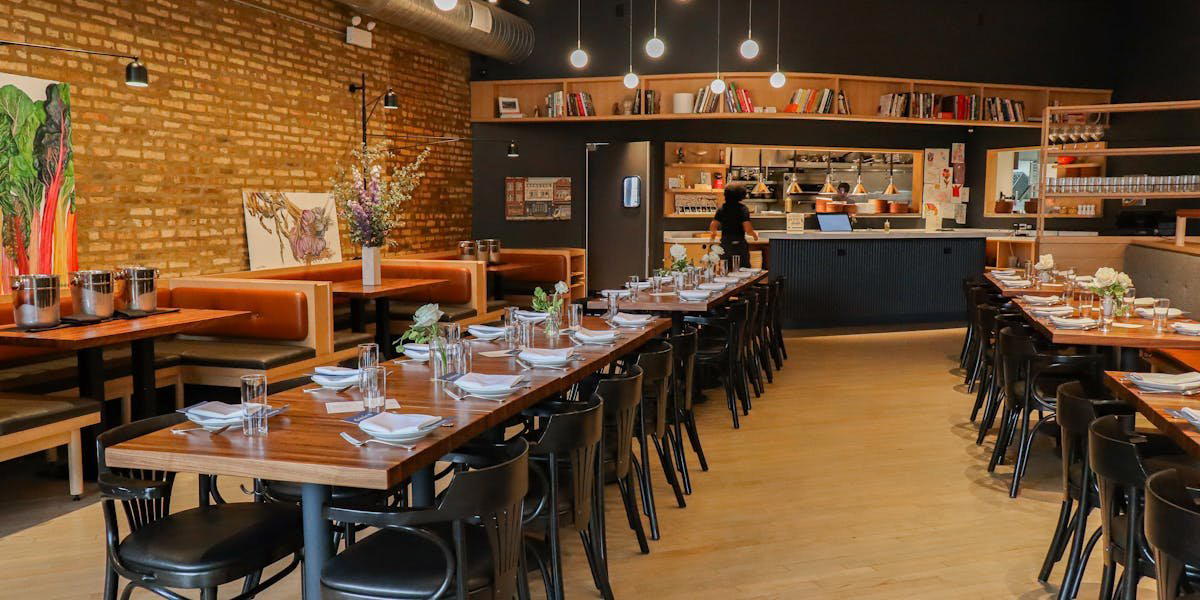
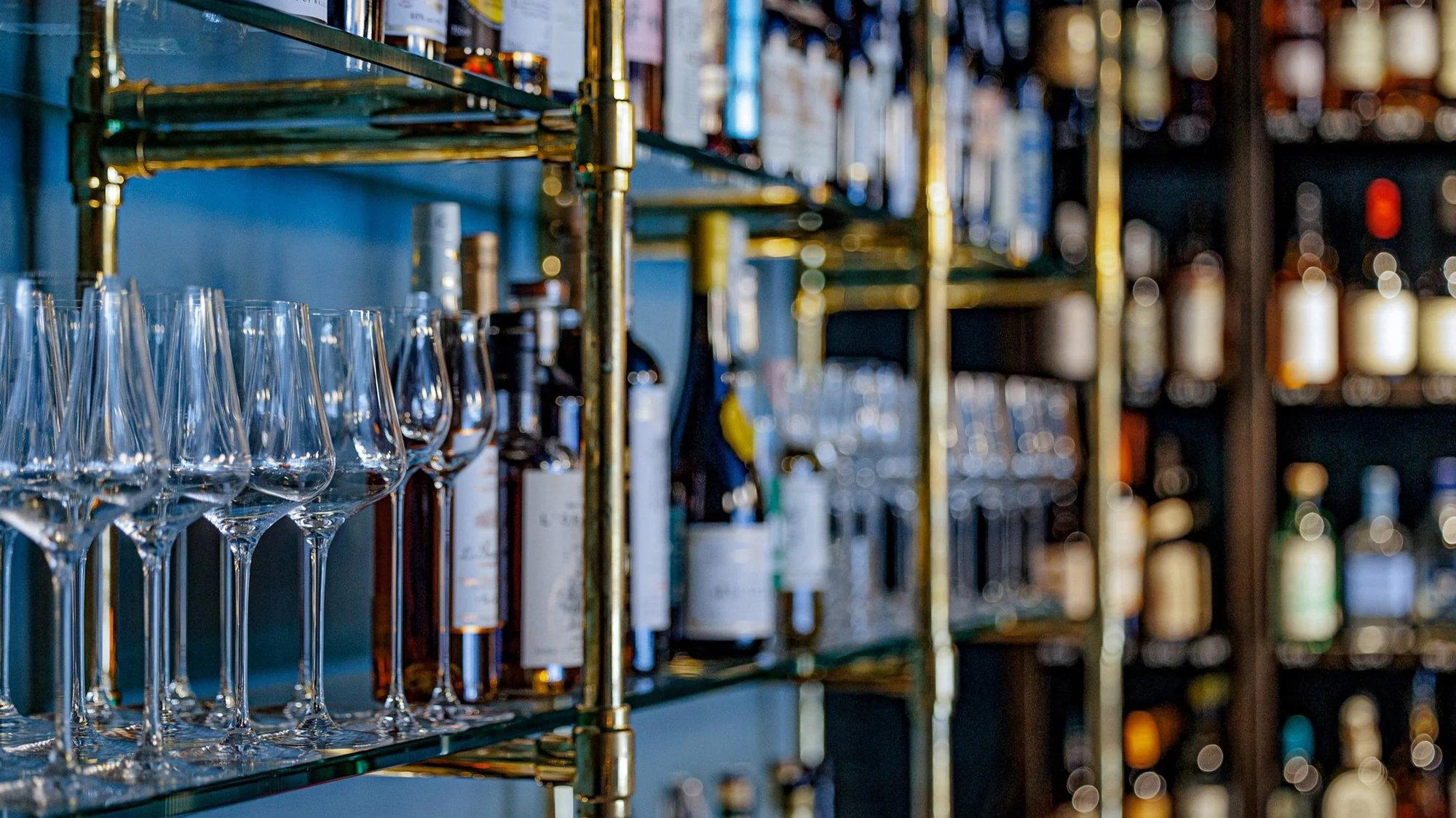
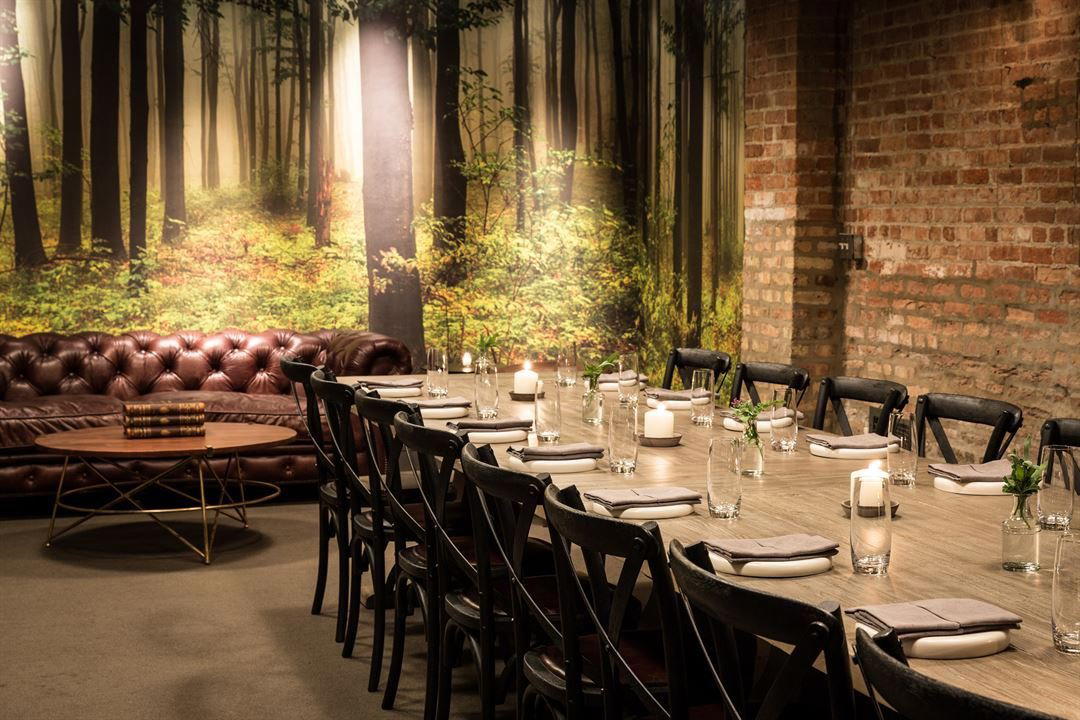
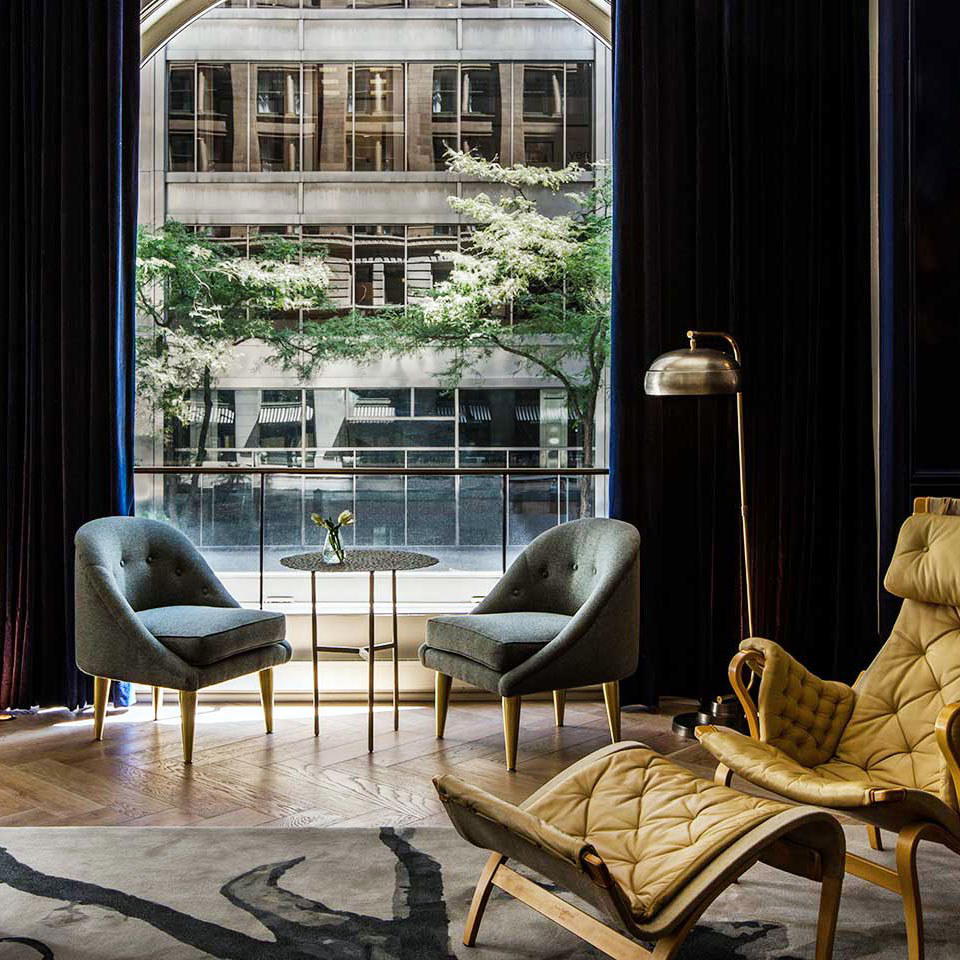
Warm and inviting with earthy elegance, neutral tones, rustic charm, and understated sophistication evoking traditional craftsmanship.