
Miyazaki on Evergreen Street operates at the creative end of Cork's restaurant scene, where head chef Mike McGrath applies Japanese technique to Irish produce with deliberate unpredictability. Kombu-roasted fish heads, Beamish-and-chocolate ice cream sandos, and reimagined Cork tripe-and-drisheen sit alongside refined lemon ramen in a room with only a handful of stools. Booking ahead is essential.
Pearl is the En Primeur Club membership app — saves, bookings, and concierge access live there. Same editors, same standards.
- Address
- 1A Evergreen St, Ballyphehane, Cork, T12 E034, Ireland
- Phone
- +353 21 431 2716
- Website
- facebook.com
- Directions
- Get directions
 Saves & bookings on Pearl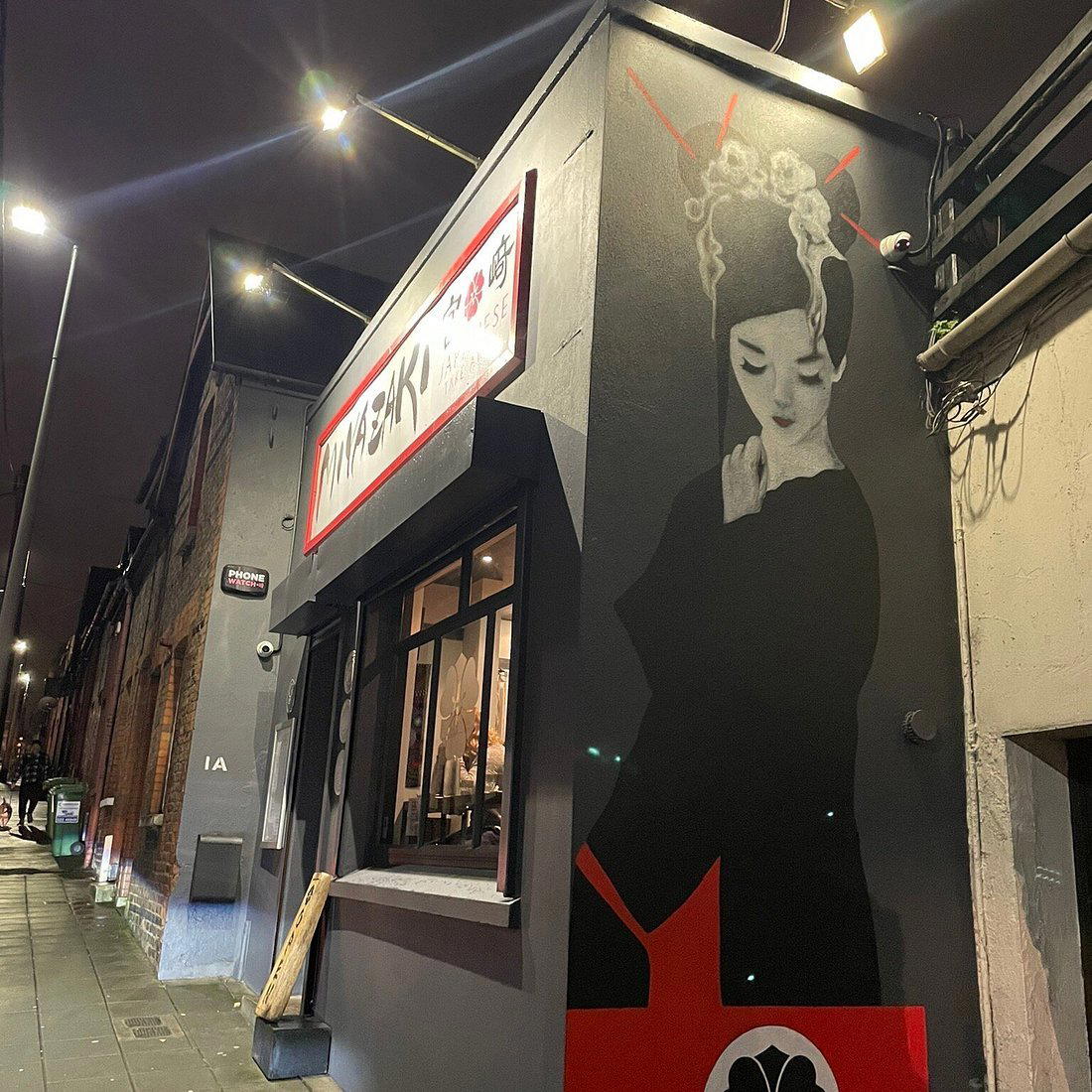
A Small Room With Serious Intent
Evergreen Street runs south through Ballyphehane, a residential neighbourhood that sits outside Cork city's central dining corridors. Most visitors arrive on foot or by cab, often without quite knowing what to expect from a street-level room at 1A Evergreen St. What they find at Miyazaki Cork restaurant is a counter-style space with a handful of stools, no architectural flourish, and a kitchen that has developed a distinctive creative identity in the Irish dining scene. The room is deliberately modest; the cooking is not.
Cork has built a serious restaurant culture over the past decade, with venues across the city exploring the intersection of Irish produce and international technique. That shift is visible in places like Goldie, which applies rigour to seafood, or da Mirco, which grounds Italian craft in local ingredients. Miyazaki operates in a different register: it uses Japanese culinary frameworks as a lens, then pushes those frameworks until they absorb local ingredients, local traditions, and in some cases local nostalgia. The result sits in a narrow comparable set that has few comparators in Ireland outside of Liath in Blackrock or Aniar in Galway in terms of creative ambition relative to scale.
What Happens on the Plate
The editorial description of Miyazaki published in its awards record is worth quoting for precision: head chef Mike McGrath likes kombu-roasted heads of bream, sweet pickled kumquat ice cream, and will reinvent Cork's traditional tripe and drisheen dish, or pivot to a Beamish-and-chocolate ice cream sando, apparently with equal enthusiasm. That range is not eccentricity for its own sake. It reflects a kitchen that has found genuine confidence in how far Japanese technique can stretch toward Irish material.
Dishes like lemon ramen or tatsuta don appear on the menu as starting points rather than fixed references. McGrath's team applies their own framing to each, which means returning visitors encounter something that has shifted slightly from the previous visit. This is a meaningful operational choice at a small counter restaurant with limited seats.
The Irish dining scene more broadly has seen this confidence emerge in different forms. Terre in Castlemartyr and Bastion in Kinsale both represent kitchens that have internalized international technique and then rebuilt menus around local identity. Miyazaki does something related but more restless: there is no settled house style, only a disposition toward reinvention. In that sense it has more in common with the evolving tasting-menu format at Chapter One by Mickael Viljanen in Dublin than with a neighbourhood Japanese restaurant.
Cork and the Counter-Restaurant Format
Small-counter dining has spread across European cities as a format that concentrates quality into fewer seats and removes the margin pressure of large dining rooms. In Cork, this format has taken hold in specific pockets: the English Market area, MacCurtain Street, and now, through Miyazaki, the south side. The few-stools model at Evergreen Street places Miyazaki in a tier where the cooking can be genuinely experimental without the financial exposure of a fifty-cover restaurant trying the same thing.
Internationally, the counter model has produced particularly discussed cooking of the past decade, from Le Bernardin in New York City at the formal end to the omakase-influenced formats that have shaped how diners in Seoul and Tokyo engage with small kitchens. In New York, venues like Atomix have demonstrated that Korean-influenced counter dining can hold serious critical attention. Miyazaki's model is less formal and more spontaneous, but the underlying logic is similar: reduce seat count, increase kitchen freedom, price for quality.
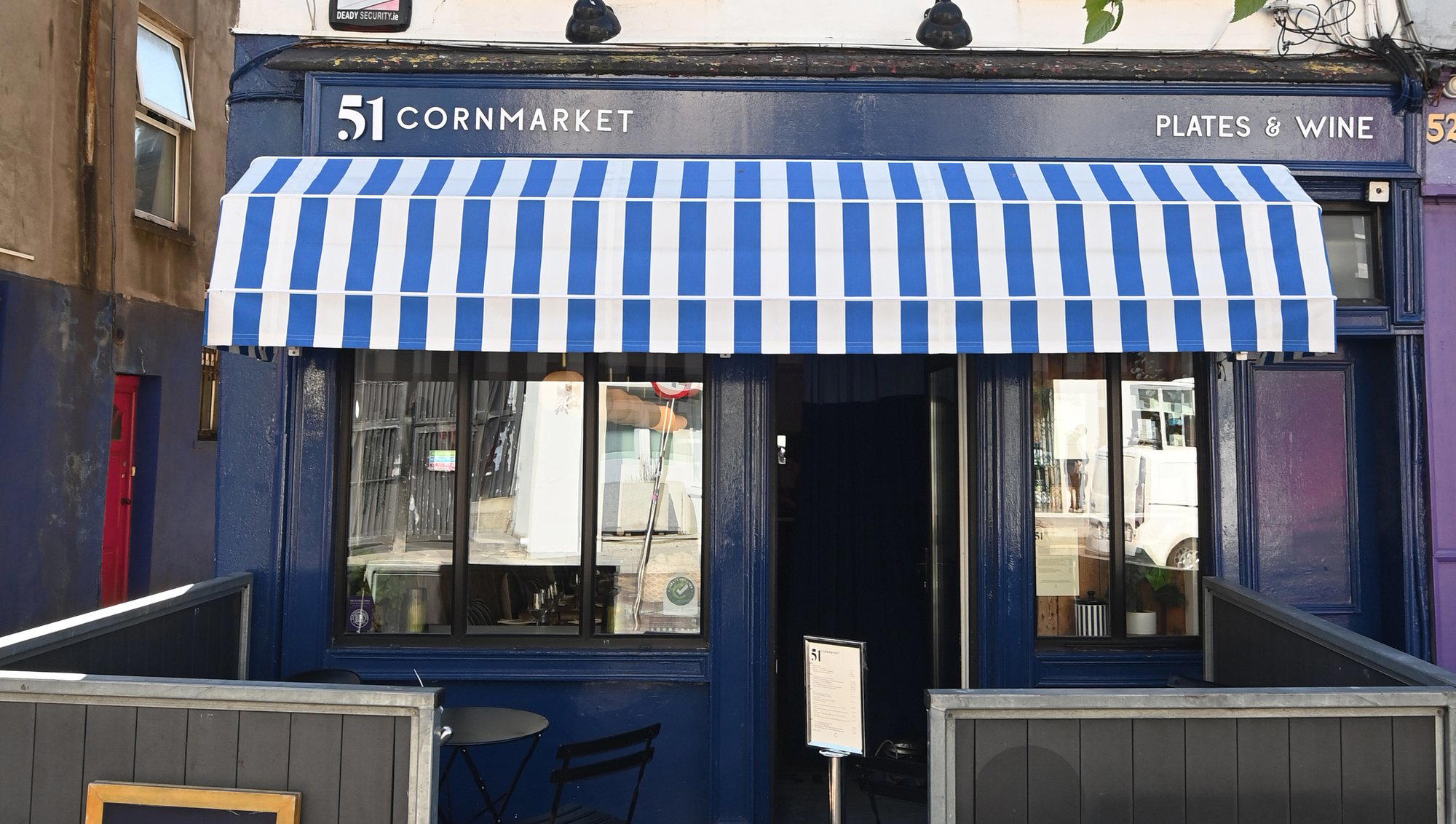
For Cork specifically, the Miyazaki format also serves a function in how the city presents itself to visitors arriving from elsewhere in Ireland or from abroad. The restaurant sits alongside Gallaghers, Good Day Deli, and 51 Cornmarket as part of a wider city dining scene that has moved well past the expectation that serious food only happens inside hotel dining rooms.
For those planning further afield, dede in Baltimore represents another West Cork kitchen operating at an equally personal and ambitious frequency, and is worth combining with a Miyazaki visit on a multi-day trip.
Planning a Visit: What to Know Before You Go
The seat count at Miyazaki is small, with only a handful of stools. In practical terms, that means turning up without a reservation and expecting a table is rarely a realistic option, particularly on weekend evenings. The approach here mirrors that of other small restaurants in Ireland: plan ahead and secure a booking.
Miyazaki sits on Evergreen Street in Ballyphehane, south of the city centre. It is reachable on foot from the city centre in around fifteen to twenty minutes, or by a short cab ride. The neighbourhood itself is residential and quiet; there is no parking theatre or grand arrival experience. You walk in from the street and you're at the counter. Dress code is informal. The atmosphere, as the kitchen's output suggests, is engaged rather than ceremonious.
At about $20 per person, Miyazaki sits in the accessible end of Cork's independent restaurant market, comparable in positioning to Goldie or da Mirco rather than the fine-dining price points of a multi-course tasting menu. Go with curiosity and a willingness to order things you haven't ordered before. That is, functionally, the entire brief.
Cost Snapshot
Comparable venues nearby, for context on price, style, and recognition.
| Venue | Cuisine | Price | Awards | Notes |
|---|---|---|---|---|
| MiyazakiThis venue — the venue you are viewing | South Gate B, Authentic Japanese | $$ | Not listed | Not listed |
| Izz Café | South Gate A, Authentic Palestinian | $$ | Not listed | Not listed |
| Quinlan's Seafood | Centre A, Fresh Irish Seafood | $$ | Not listed | Not listed |
| The Ivory Tower | Centre A, Irish Fusion Fine Dining | $$$ | Not listed | Not listed |
| da Mirco | Not listed | $$ | Michelin Plate | St. PATRICK'S A, Authentic Italian Osteria |
| Rocket Man | Centre A, Healthy Salads & Juices | $$ | Not listed | Not listed |
Recognition history
Dated appearances from independent guides and award organizations, with the underlying list record or original source where available.
The Sunday Times Ireland’s 100 Best Restaurants
The Sunday Times
Continue exploring
More in Cork
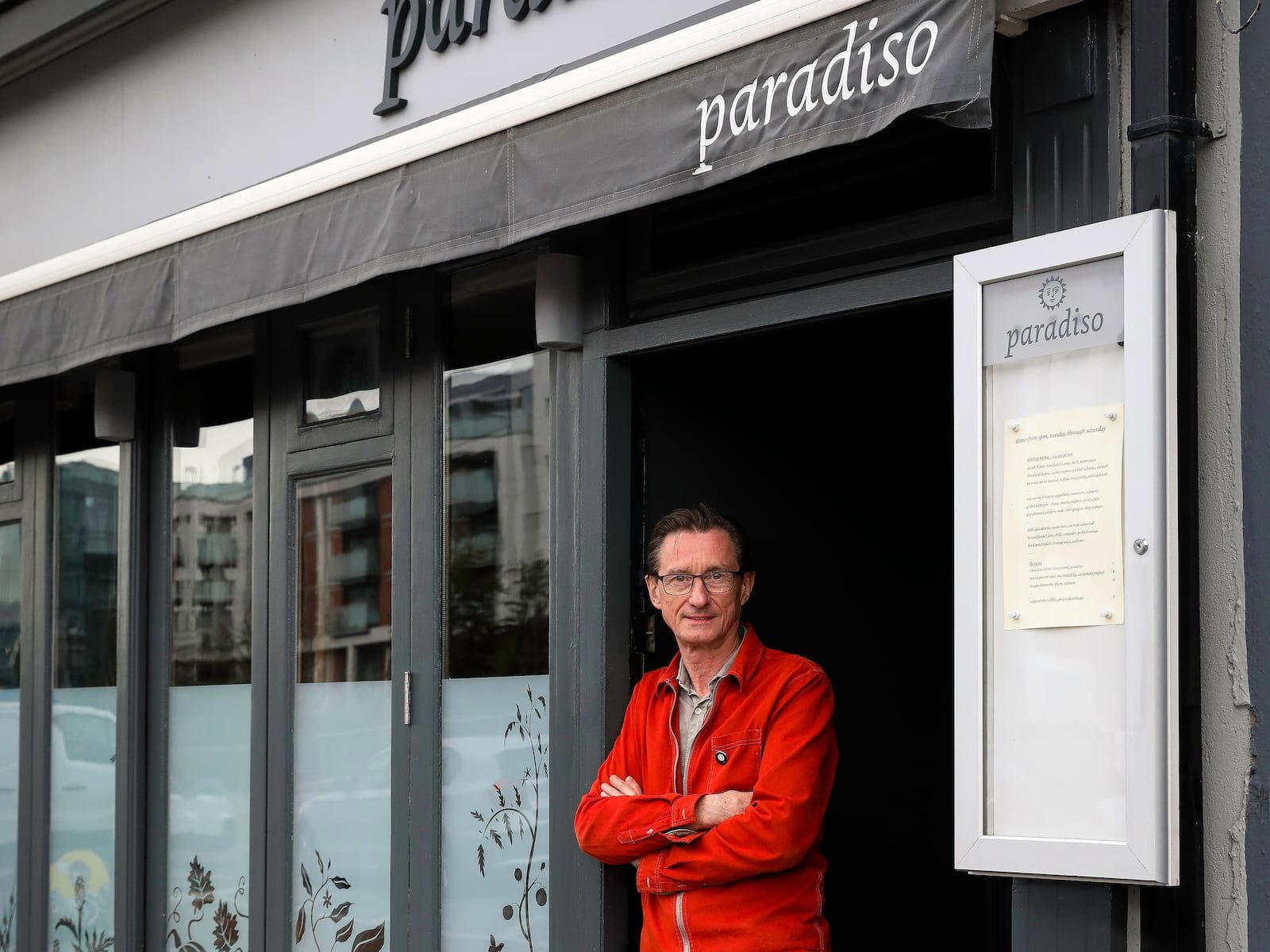
Restaurants in Cork
Browse all →
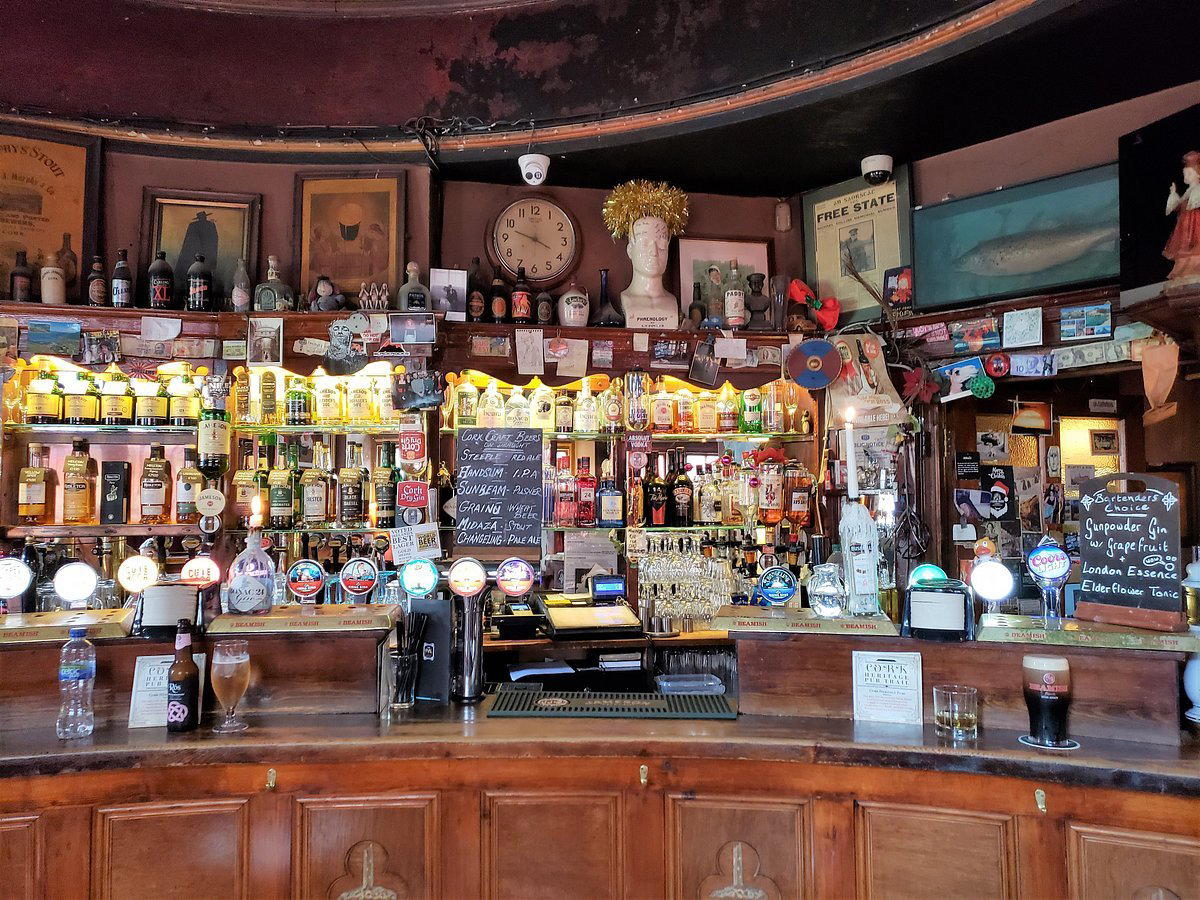
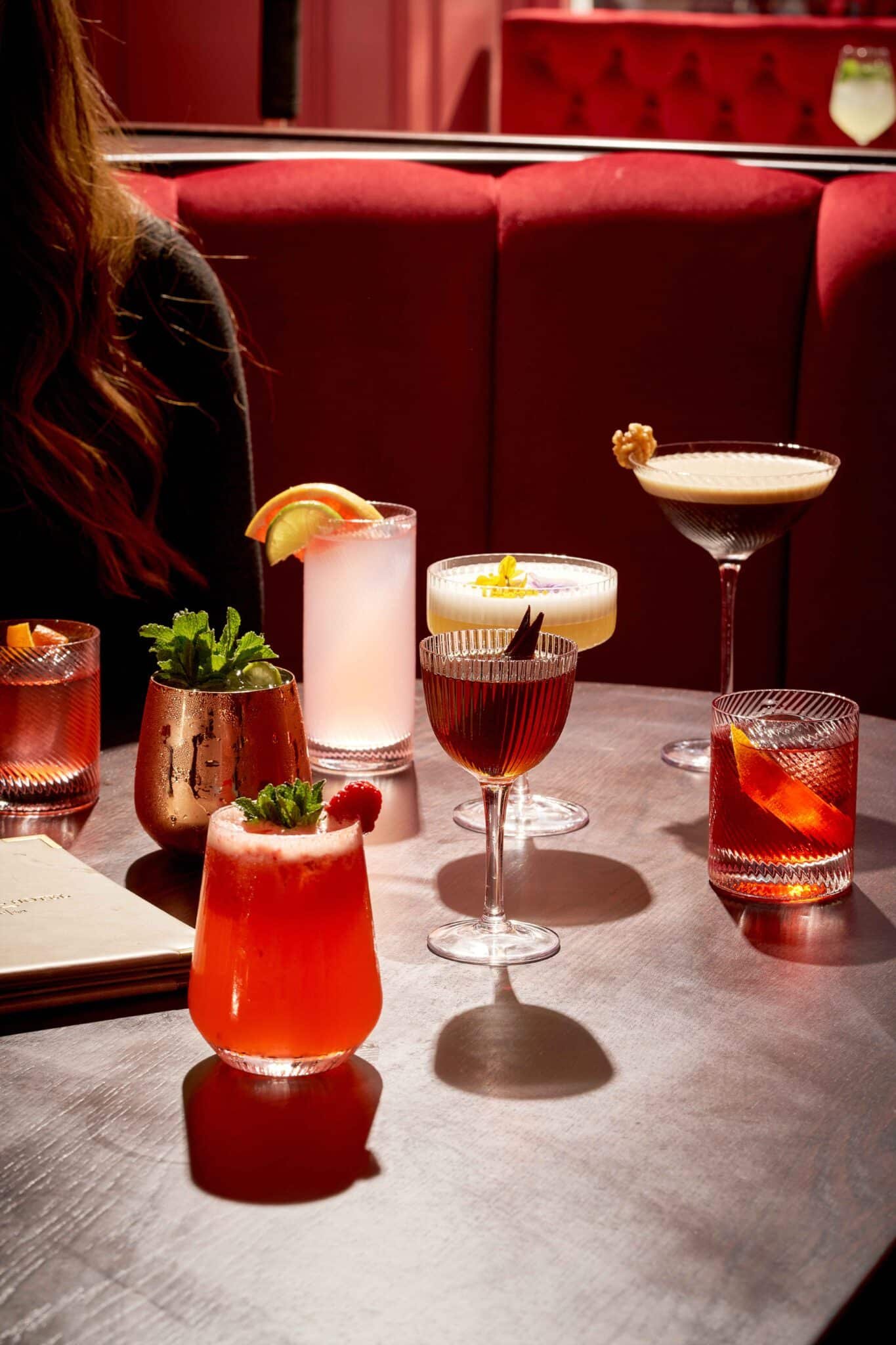
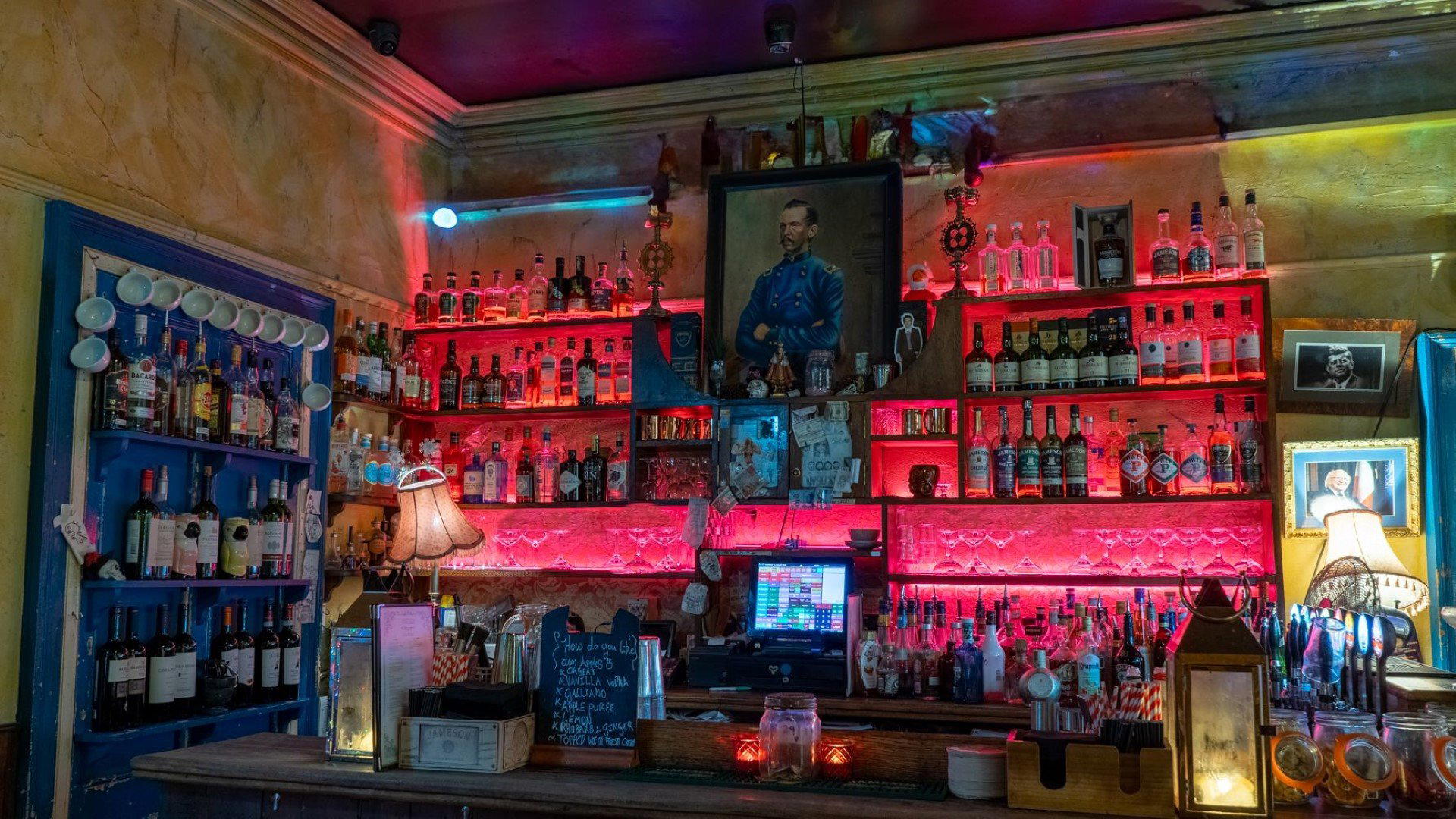
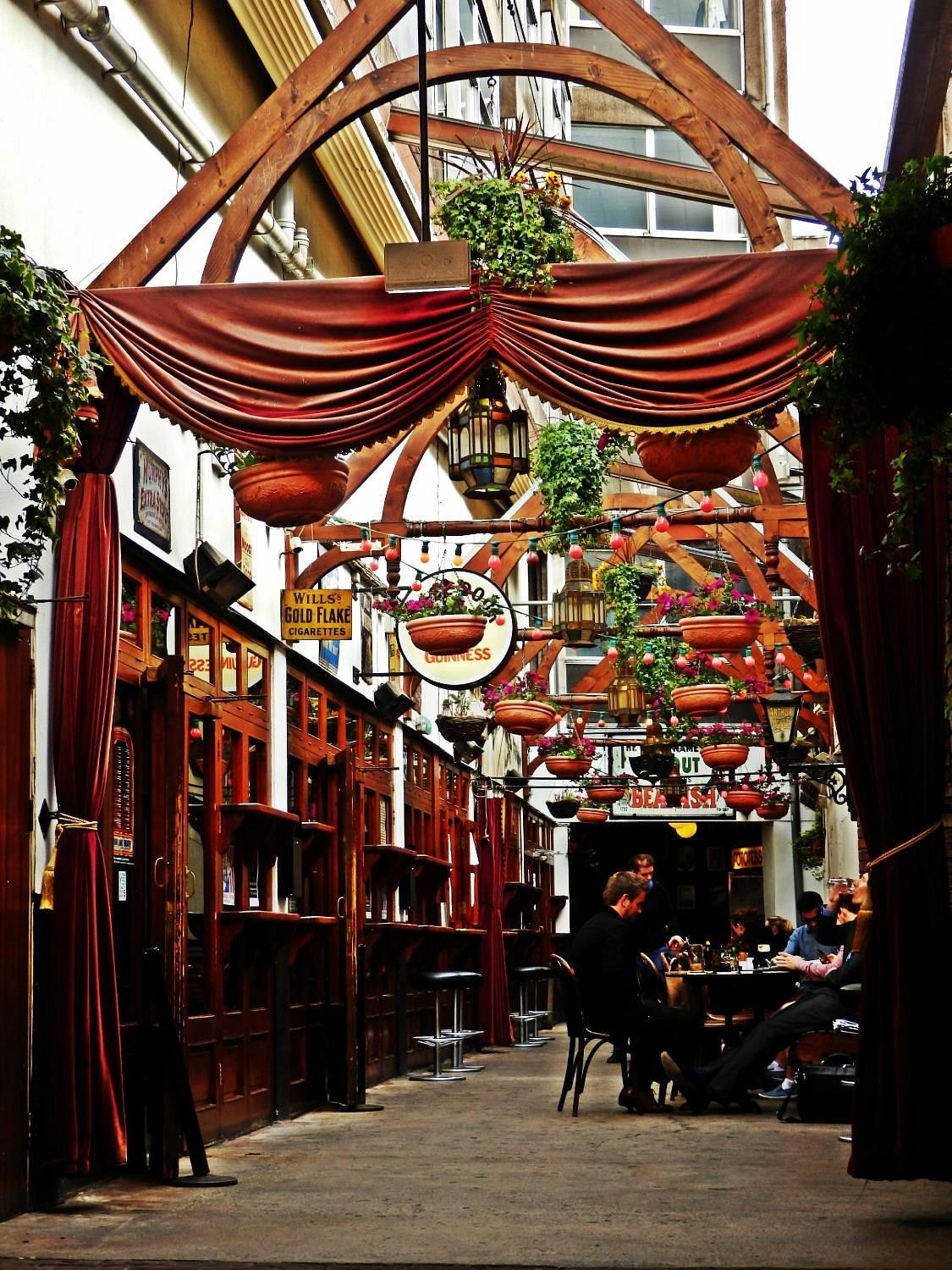
Bars in Cork
Browse all →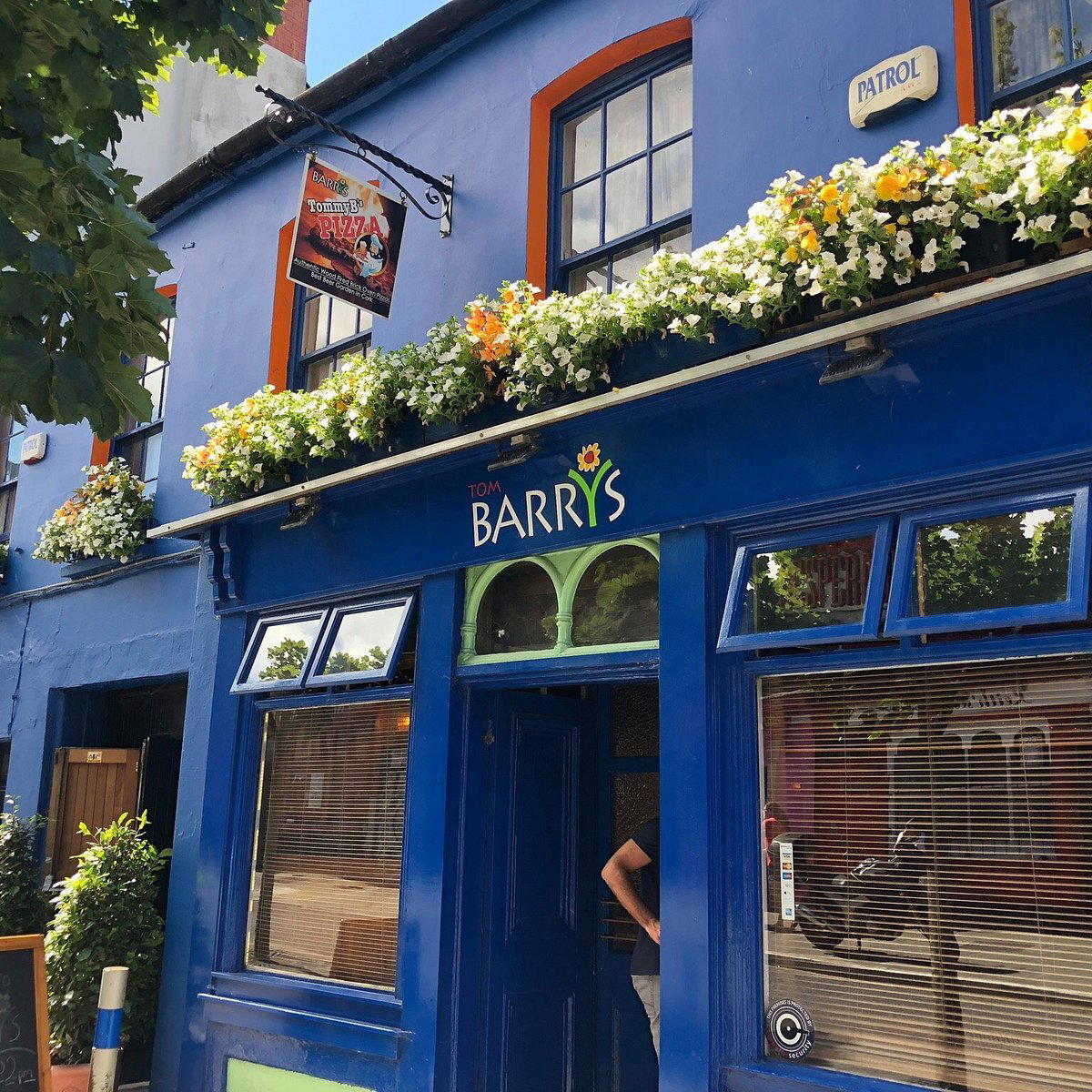
Hotels in Cork
Browse all →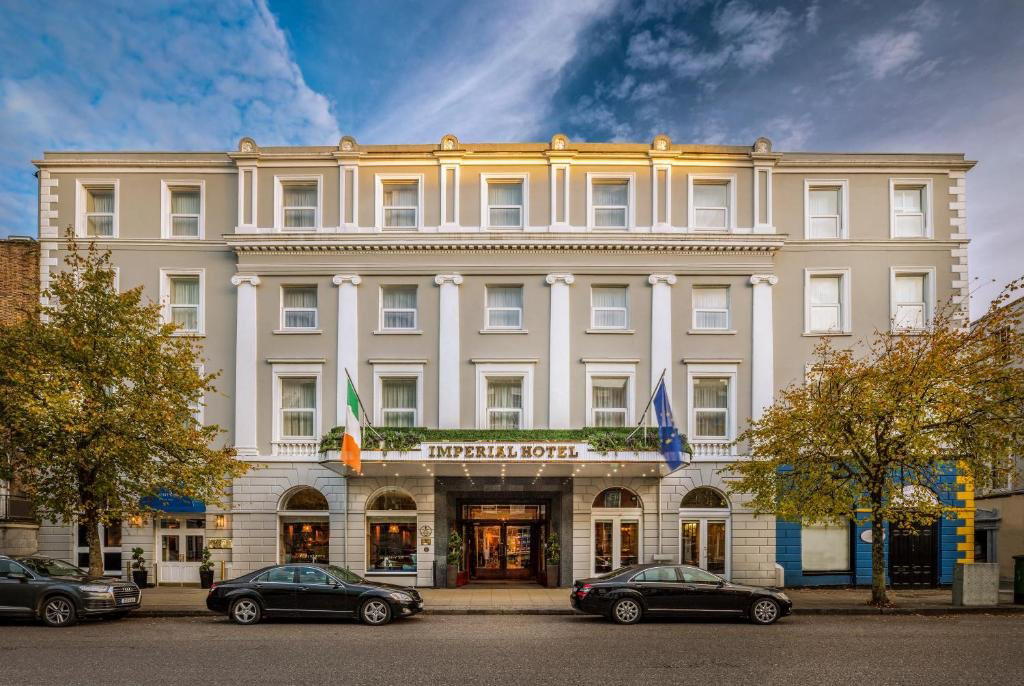

At a Glance
- Minimalist
- Cozy
- Casual Hangout
- Open Kitchen
- Sake Program
- Local Sourcing
- Street Scene
Current opening hours
- Monday
- Closed
- Tuesday
- 1–3:15 PM, 5–8:45 PM
- Wednesday
- 1–3:15 PM, 5–8:45 PM
- Thursday
- 1–3:15 PM, 5–8:45 PM
- Friday
- 1–3:15 PM, 5–8:45 PM
- Saturday
- 1–3:15 PM, 5–8:45 PM
- Sunday
- 1–3:15 PM, 5–8:45 PM
Hours can change for holidays and private events. Last verified .
Modest minimalist space with a narrow shelf and counter seating overlooking a busy junction, creating a casual busy atmosphere.