MIURA

Michelin Bib Gourmand
Our verdict
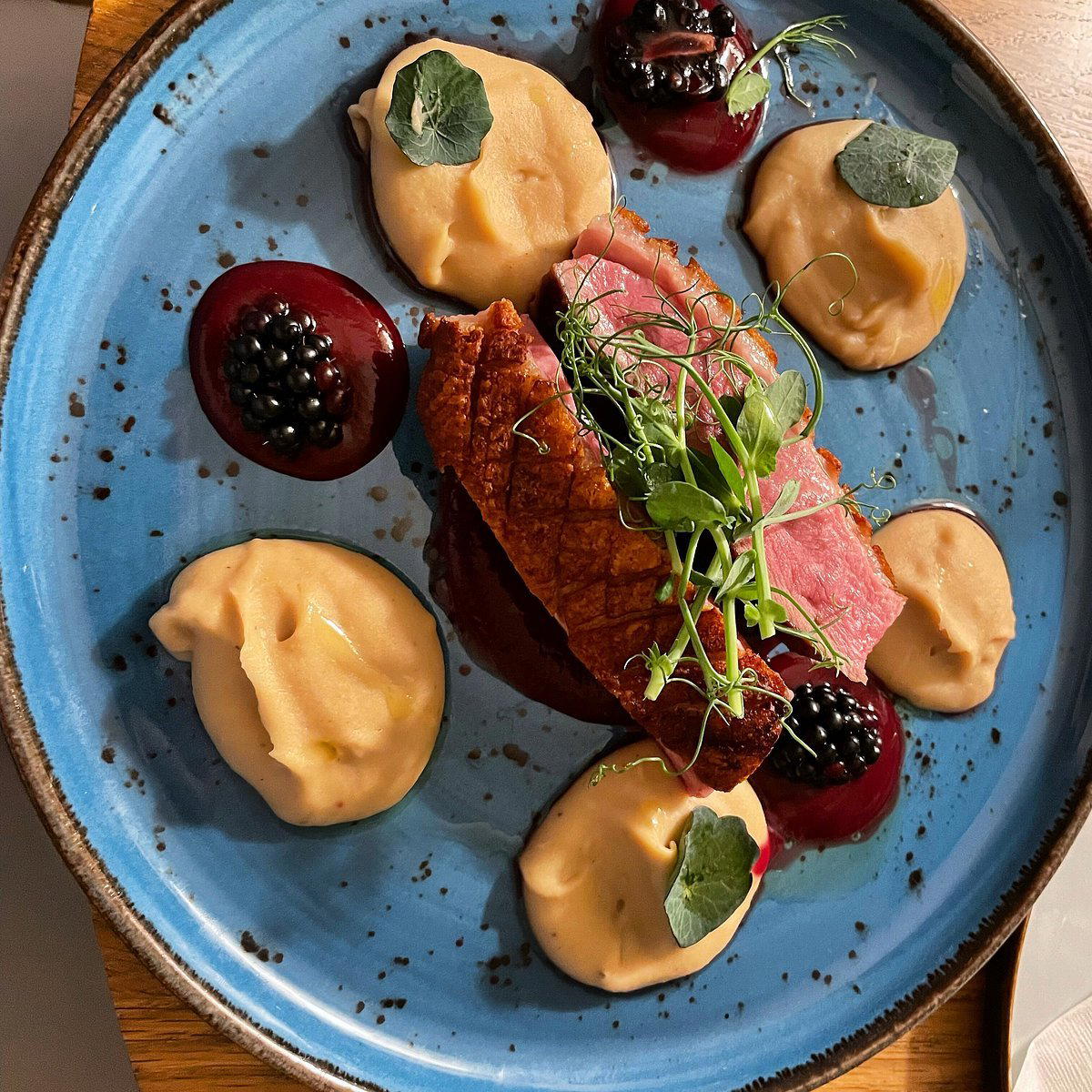
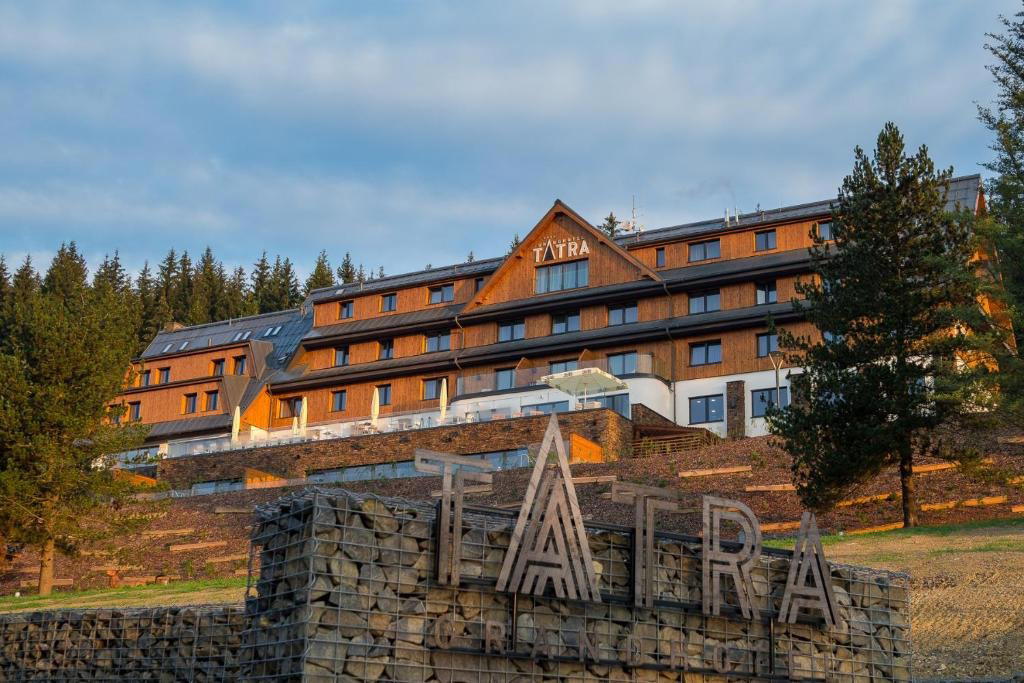
MIURA occupies the first floor of a contemporary hotel in Čeladná, the Beskydy resort corridor of Moravia-Silesia, with floor-to-ceiling windows framing open countryside and a sleek interior that signals ambition. The kitchen works across regional Czech and international registers, offering both à la carte and a tasting menu format. Depth of flavour and technical confidence distinguish the cooking from typical resort dining.

Pearl is the En Primeur Club membership app — saves, bookings, and concierge access live there. Same editors, same standards.
- Address
- Čeladná 887, 739 12 Čeladná, Czechia
- Phone
- +420 558 761 100
- Website
- miura.cz
- Directions
- Get directions
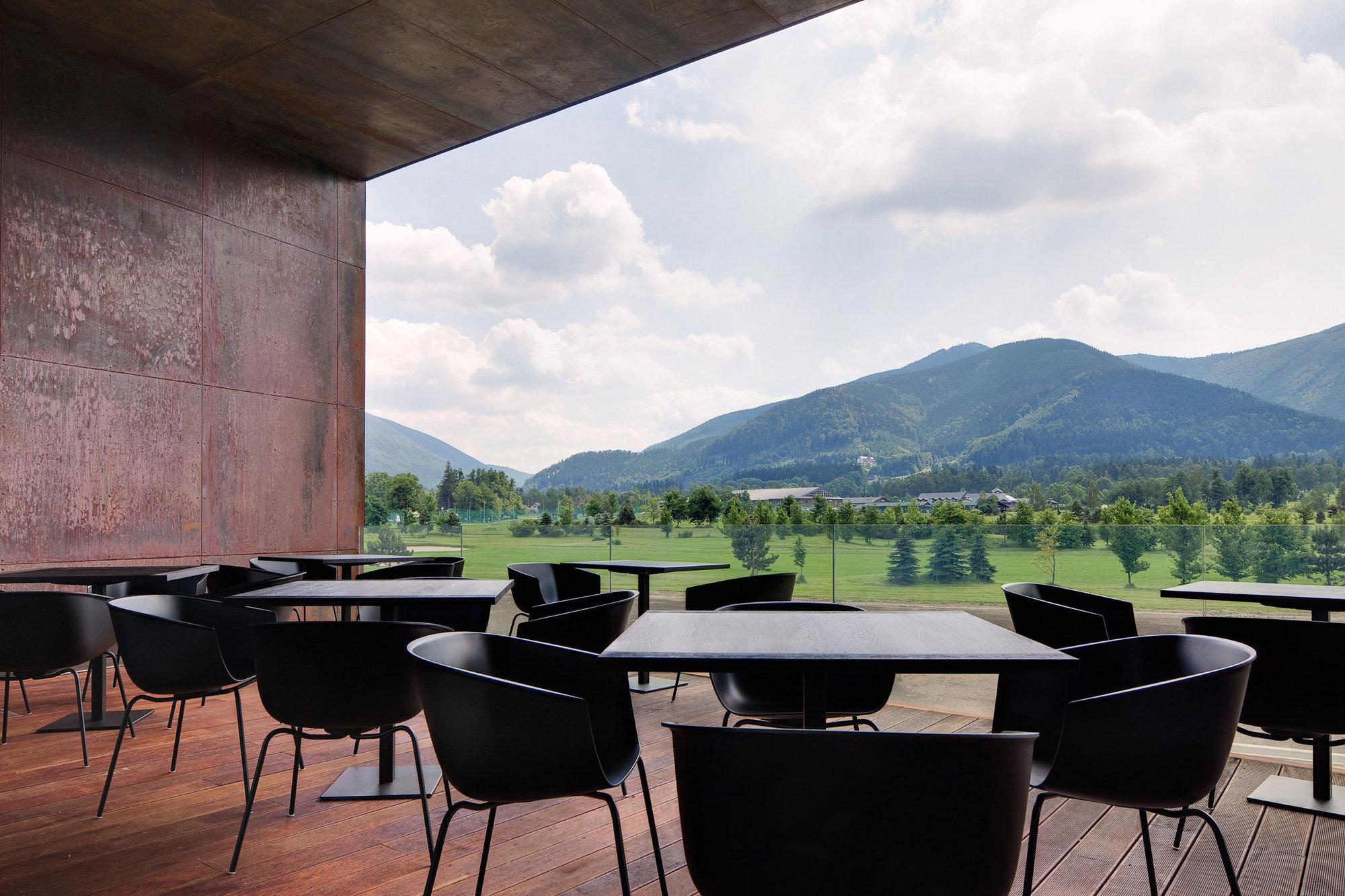
Where the Beskydy Come Indoors
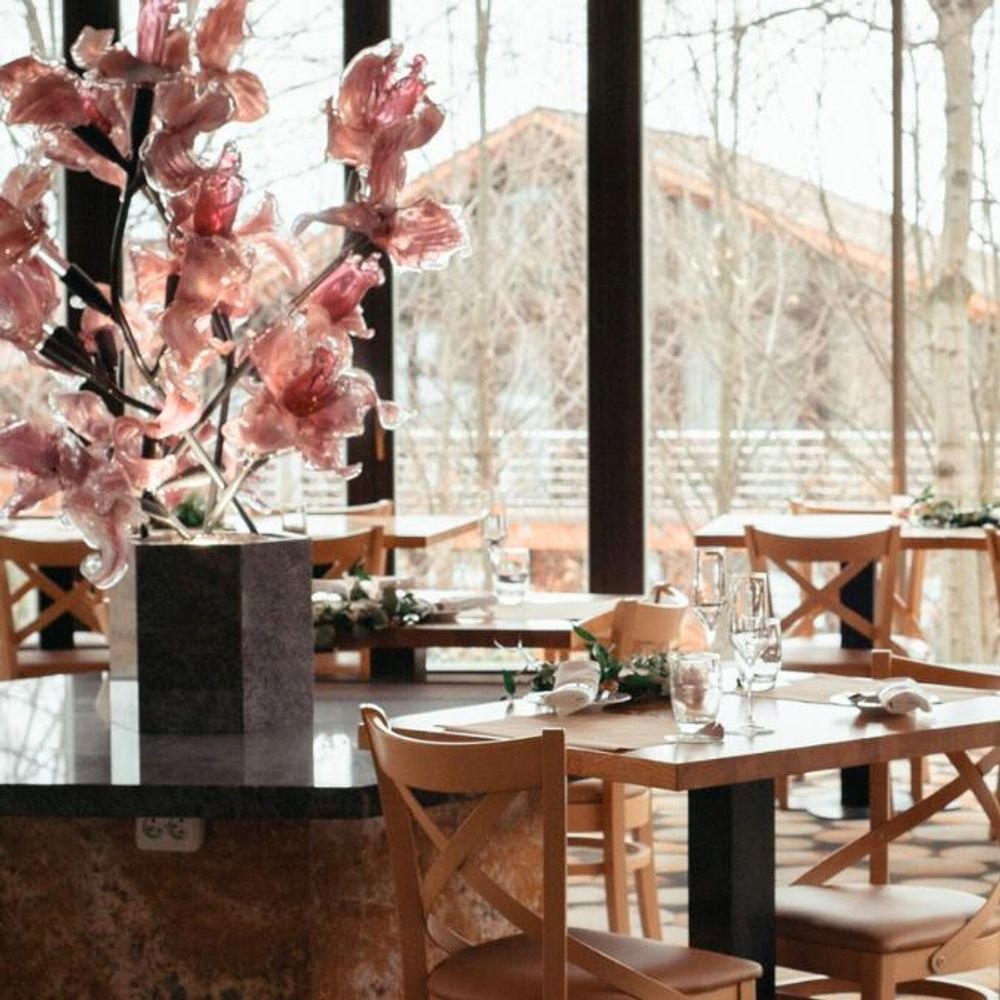
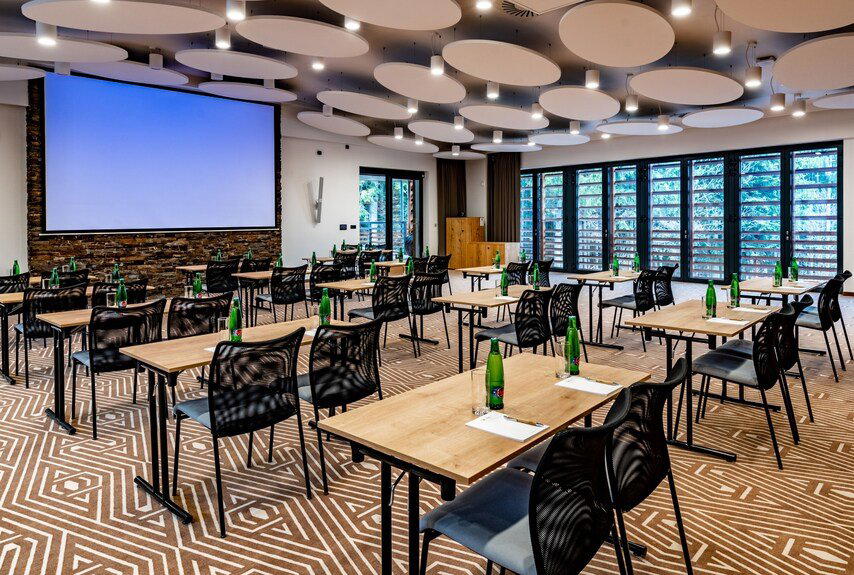
Resort dining in Central Europe occupies a wide spectrum, from buffet-led convenience to rooms that take the kitchen seriously enough to earn a place in any city. MIURA, set on the first floor of its host hotel in Čeladná, sits toward the serious end of that range. The interior reads as deliberately modern: high ceilings, designer pendant lighting, and floor-to-ceiling windows that frame the surrounding Beskydy countryside rather than competing with it. Before a single dish arrives, the room positions itself as a counterpoint to the generic alpine-lodge aesthetic that dominates Moravian resort hospitality.
Čeladná itself sits in the foothills of the Beskydy mountain range, a stretch of rolling upland that forms the Czech-Slovak border country. The area draws weekend visitors from Ostrava and Brno, and its hotel restaurants have historically pitched to that leisure crowd with comfort cooking and little editorial intent. MIURA's clean-lined room and controlled format represent a shift in that expectation, bringing the kind of design language you associate with Prague's newer openings into a village address. For context on what else the area offers, our full Čeladná restaurants guide maps the broader scene.
The Cultural Thread: Regional and International at the Same Table
The tension between regional tradition and international technique defines a generation of Czech serious restaurants. La Degustation Bohême Bourgeoise in Prague built its entire identity on that negotiation, drawing forgotten Bohemian ingredients into a French tasting-menu structure. The question in resort contexts is whether the same ambition survives without the metropolitan audience to demand it. At MIURA, the menu runs both directions simultaneously: regional Czech references and international classics appear as genuine alternatives, not a hierarchy where one legitimises the other.
This dual register is common in destination hotel restaurants across Central Europe, where the kitchen must serve a guest who wants roast duck with knedlíky alongside a guest who prefers a tasting menu with more conceptual scaffolding. What separates the rooms that manage this from those that don't is kitchen discipline: the ability to cook the traditional dish as well as the contemporary one, without either reading as an afterthought. The descriptions available for MIURA's output point toward that discipline, noting flavour depth and consistency across the range. Czech resort restaurants rarely earn that kind of qualified acknowledgement, which places MIURA in a smaller peer group than its postcode might suggest.
For comparison, the Czech restaurant scene outside Prague has developed its own strand of technically ambitious cooking, visible in places like Entrée in Olomouc and ARRIGŌ in Děčín. Both operate in mid-sized cities with limited dining audiences and demonstrate that sustained kitchen quality outside the capital is achievable rather than anomalous. MIURA fits that broader provincial ambition, with the added variable of a resort context that brings both a captive audience and the risk of complacency that captive audiences can encourage.
What the Kitchen Is Doing
MIURA offers both à la carte and a tasting menu, which immediately signals a kitchen that has chosen to work in two modes rather than defaulting entirely to one. Tasting menus in Czech resort hotels are unusual enough to be an editorial statement on their own: they require ingredient planning, pace control, and a kitchen team with enough depth to execute across multiple courses without collapse. The format places MIURA in a different conversation from comfort-led resort dining, closer to destination restaurants in small European towns that function as local anchors for serious eating regardless of the broader tourist infrastructure around them.
The regional dimension of the menu draws on Moravian-Silesian food culture, which sits in interesting proximity to Slovak and Polish cooking traditions. Smoked meats, game from the surrounding forests, freshwater fish from upland streams, and dairy from Beskydy farms all form part of the regional palette. International references at this latitude typically mean French classical technique applied to Central European ingredients, a format that has worked well in contexts like Chapelle in Písek and Bohém in Litomyšl.
The Room as Argument
The design of the space makes its own case. Sleek interiors and strong natural light in a resort context have a specific effect: they signal that the room was not designed primarily for après-ski relaxation or family buffet service. The high-ceiling volume and pendant lighting read as considered hospitality design, the kind of brief that a hotel commissions when it wants the restaurant to operate as a draw in its own right rather than an amenity for in-house guests. For visitors arriving specifically to eat, the room reinforces the expectation; for guests staying in the hotel who hadn't planned to dine seriously, it raises it.
Czech design-led hotel restaurants operate within a recognisable tradition that has accelerated since the mid-2010s, when new properties in Prague and Brno began treating the restaurant floor as a genuine editorial extension of the hotel identity. MIURA's interior sits within that trend, applied to a mountain resort setting where the countryside views through those floor-to-ceiling windows add a specific regional identity that no urban equivalent can replicate.
Planning a Visit
Čeladná is reachable from Ostrava in under an hour by road, and from Brno in approximately two hours. The hotel context means that booking the restaurant is advisable, particularly on weekends when the resort draws day and overnight visitors from both cities. Guests staying at the hotel have direct access, but the restaurant operates as a dining destination independent of room occupancy. For those planning a wider trip, our full Čeladná hotels guide, bars guide, and experiences guide cover the broader options in the area. Nearby restaurants worth considering include Cattaleya, which operates in the same Čeladná corridor. Further afield across the Czech republic, ATELIER bar & bistro in Brno, Goldie in Tábor, Dvůr Perlová voda in Budyně nad Ohří, Babiččina zahrada in Průhonice, and ESSENS in Hlohovec each represent the provincial serious-dining category that MIURA belongs to. For those drawing international comparisons, the commitment to tasting-menu format alongside à la carte service echoes approaches at very different scales — from Atomix in New York City to Le Bernardin in New York City — where format discipline has always been part of the identity signal, regardless of category or price tier.
Frequently asked questions
Would MIURA be comfortable with kids?
The room is designed for focus: high ceilings, floor-to-ceiling windows, and a tasting menu format that moves at the kitchen's pace rather than a family one. Older children who are comfortable sitting through a multi-course sequence will manage fine; it is not the environment for younger children who need flexibility or noise tolerance from the room.
Is MIURA formal or casual?
The interior leans sleek and contemporary, with designer pendant lighting and a deliberate design sensibility that signals intention without demanding black tie. The dual format, à la carte alongside a tasting menu, suggests the room accommodates a range of occasions, though the overall register sits closer to dressed up than dropped in.
What kind of recognition has MIURA received?
MIURA has received recognition including: The interior design of this restaurant is sleek and modern, in keeping with the futuristic look of the hotel that houses it on its first floor. Diners sit in an airy, high-ceilinged room lit by chic designer pendant lamps – large floor-to-c….
What's the signature dish at MIURA?
No single dish is confirmed in available documentation, but the kitchen operates across both regional Czech and international registers with noted depth of flavour, which points to a tasting menu built around that dual identity. The Beskydy region itself, with its Moravian-Silesian larder, shapes the regional half of that equation.
Where do I go for MIURA?
MIURA is located at Čeladná 887, 739 12 Čeladná, Czechia, Čeladná.
Booking and Cost Snapshot
Comparable venues nearby, for context on price, style, and recognition.
| Venue | Cuisine | Price | Awards | Notes |
|---|---|---|---|---|
| MIURAThis venue — the venue you are viewing | Modern Regional Beskydy Cuisine | $50–100 | Michelin Bib Gourmand | Not listed |
| Cattaleya | Modern Czech Cuisine | $50–100 | Michelin Plate | Čeladná, Modern Czech Cuisine |
| Perk Restaurant | Modern Central European | $20–30 | Michelin Bib Gourmand | Šumperk, Modern Central European with Seasonal Wallachian Influences |
| ELEMENT | Modern European Fusion | $30–50 | Michelin Plate | city center, Modern European Fusion |
| Tsurī sushi & fusion | Sushi & Asian Fusion | $20–30 | Not listed | Poruba, Japanese Sushi & Fusion |
| La Finestra in Cucina | Modern Italian Fine Dining | $50–100 | Michelin Plate · Star Wine List | Josefov, Modern Italian Fine Dining |
Recognition history
Dated appearances from independent guides and award organizations, with the underlying list record or original source where available.
Michelin Bib Gourmand
Michelin
Details
- Modern
- Elegant
- Scenic
- Date Night
- Special Occasion
- Open Kitchen
- Hotel Restaurant
- Panoramic View
- Extensive Wine List
- Local Sourcing
- Mountain
- A La Carte
- Tasting Menu
- Vegetarian Friendly
- Vegan Options
Sleek, modern interior with high ceilings, chic designer lighting, and large floor-to-ceiling windows offering magnificent countryside views.