Miseria e Nobiltà

Michelin Plate
Our verdict
Set inside a late-18th-century palazzo on Via Sant'Antonio Abate, Miseria e Nobiltà holds a Michelin Plate (2025) for cooking that draws directly from Molise's peasant larder: hand-made pastas, seasonal black and white truffles, and meat dishes that treat regional tradition as a living practice rather than a museum piece. Entry-level pricing makes it one of Campobasso's most accessible addresses for serious regional cooking.

Pearl is the En Primeur Club membership app — saves, bookings, and concierge access live there. Same editors, same standards.
- Address
- Via Sant'Antonio Abate, 16, 86100 Campobasso CB, Italy
- Phone
- +39 0874 94268
- Hours
- Mon ClosedTue–Fri 8–10 PMSat 1–2 PM, 8–10 PMSun 1–2 PM
- Website
- facebook.com
- Directions
- Get directions
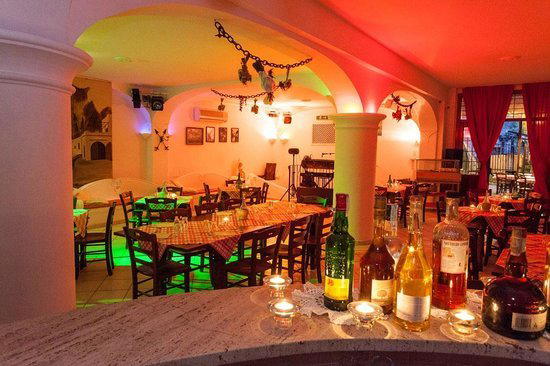
The menu
What to order
- Pasta fatta in casa
- Coniglio disossato con porri e mele annurche
A Palazzo, a Principle, and the Peasant Kitchen of Molise
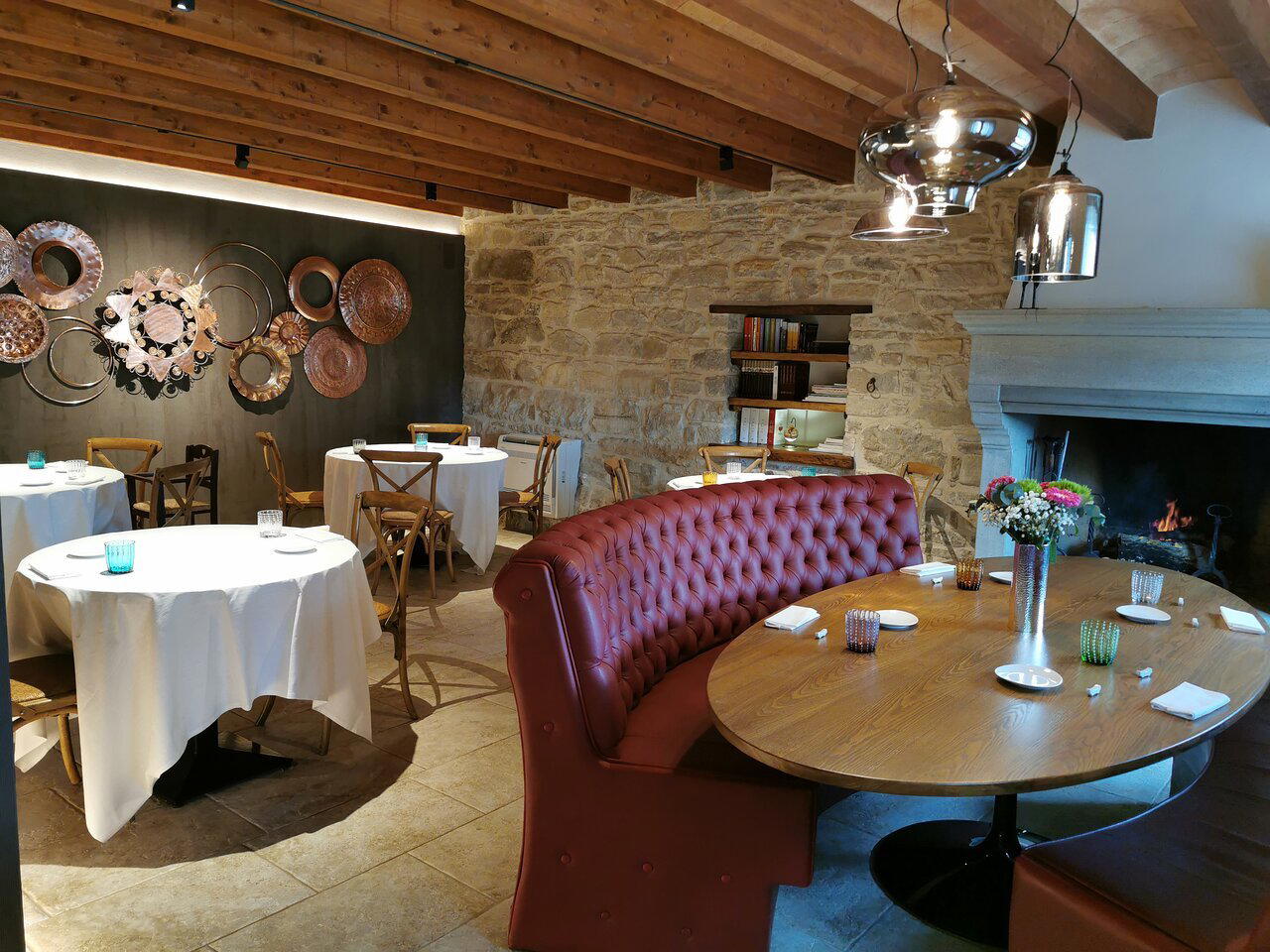
The late-18th-century palazzo on Via Sant'Antonio Abate announces something before a single dish arrives. Original flooring laid across two centuries of foot traffic, Murano glass chandeliers overhead, and walls that absorbed generations of domestic life in one of Italy's least-visited regional capitals: the room frames the cooking before the menu does. In Campobasso, where the culinary conversation has historically moved at its own unhurried pace, a dining room with this kind of architectural weight carries editorial authority that newer fitouts in larger Italian cities spend years trying to manufacture.
The restaurant's name supplies the thesis. Miseria e nobiltà — poverty and nobility — is a pairing drawn from Neapolitan theatrical tradition, but in the kitchen at Via Sant'Antonio Abate it functions as a culinary manifesto. The miseria side of the ledger refers to the peasant traditions that shaped Molise's food culture across centuries of agricultural hardship: preserved vegetables, offal, foraged fungi, hand-rolled pastas stretched from hard-grain flours. The nobiltà is what the kitchen does with that inheritance, shaping it into dishes that have earned a Michelin Plate in both 2024 and 2025, a recognition that signals consistent technical execution and culinary identity rather than spectacle.
Molise's Culinary Tradition and What It Actually Means on the Plate
Molise occupies a curious position in Italian food culture. It is the country's second-smallest region by area and population, frequently omitted from the standard Italian gastronomy narrative that runs through Emilia-Romagna, Piedmont, Tuscany, and Campania. That omission has a preservative effect: regional cooking here has not been commercialised into a tourist-facing product at the same rate as, say, a pasta shape from Bologna or a wine zone from Chianti. The ingredients remain rooted in the territory. Black and white truffles from the Molise hills appear in season. Vegetables come from a tradition that treated them as the main event rather than accompaniment. Meat cookery reflects a transhumance culture, the seasonal movement of livestock between lowland and highland pastures, that shaped which cuts were used and how.
At addresses like Miseria e Nobiltà, home-made pasta is not a marketing signal but a structural commitment. In regions where dried industrial pasta has competed with fresh for decades, the choice to produce pasta in-house represents an alignment with the older model, one that requires more labour and produces a different textural result in the bowl. Dishes such as boned rabbit with leeks and Annurca apples sit squarely in this tradition: the Annurca apple is itself a southern Italian ingredient with Protected Geographical Indication status, connecting a single dish to a specific agricultural geography.
Where Miseria e Nobiltà Sits in the Italian Restaurant Picture
Italy's Michelin-recognised restaurants span a range from three-star institutions, Osteria Francescana in Modena, Dal Pescatore in Runate, Enoteca Pinchiorri in Florence, Le Calandre in Rubano, down through bib gourmands and Michelin Plates that recognise kitchens operating with clear identity at more accessible price points. The Plate designation, awarded here in both 2024 and 2025, sits in that lower tier not as a consolation but as a specific kind of recognition: good cooking, a defined point of view, no obligation to the tasting-menu arms race that characterises the starred tier.
The price bracket here (single euro sign) places it far from the €€€€ tier occupied by Atelier Moessmer Norbert Niederkofler in Brunico, Enrico Bartolini in Milan, or Uliassi in Senigallia. That gap is not a quality indicator in either direction; it reflects a different set of priorities. The kitchen at Via Sant'Antonio Abate prices against the local Campobasso market and the regional tradition it is drawing from, not against the destination-dining circuit. For comparison within the regional-cooking category in other parts of Italy and Europe, see Reale in Castel di Sangro, Fahr in Künten-Sulz, or Gannerhof in Innervillgraten, each operating in a similar territory-first mode, each calibrated to its own local economy and ingredient pool.
Within Campobasso itself, Aciniello represents the traditional cuisine side of the city's dining offer. The two addresses are not in direct competition so much as in parallel, mapping different approaches to the same regional inheritance.
Planning a Visit
Frequently asked questions
Is Miseria e Nobiltà good for families?
The price bracket (€) keeps the bill manageable for a table of mixed ages, and the menu's grounding in straightforward Molise traditions — home-made pastas, vegetable dishes, meat mains — means there is something recognisable for most palates. The late-18th-century palazzo setting, with its original flooring and Murano glass chandeliers, adds atmosphere without the formality that can make younger guests uncomfortable.
Is Miseria e Nobiltà better for a quiet night or a lively one?
A palazzo dining room with period flooring and Murano glass chandeliers sets a tone that favours conversation over noise. This is a considered dinner rather than a social occasion built around volume — well-suited to a long mid-week meal or a table where the food, including seasonal Molise truffles and boned rabbit with leeks and Annurca apples, is the point.
Is Miseria e Nobiltà award-winning?
Miseria e Nobiltà has received recognition including: The name of this restaurant occupying a late-18C palazzo with attractive flooring and Murano glass chandeliers alludes to the peasant traditions that influence its cuisine (miseria) and the creative, elegant dishes served here (nobiltà). Th….
What's the best thing to order at Miseria e Nobiltà?
The Michelin Plate recognition specifically calls out the home-made pastas as a strength, placing them alongside the seasonal use of white and black truffles from Molise — a regional product that rarely travels far from its source. When truffles are in season, that combination is the clearest expression of what the kitchen does: peasant-tradition ingredients handled with enough craft to earn consecutive Michelin recognition in 2024 and 2025.
Cost and Credentials
| Venue | Cuisine | Price | Awards | Notes |
|---|---|---|---|---|
| Miseria e NobiltàThis venue — the venue you are viewing | Modern Molisano Italian | $30–50 | Michelin Plate | Not listed |
| Atelier Moessmer Norbert Niederkofler | Italian, Creative | Not listed | Michelin 3 Star | Not listed |
| Dal Pescatore | Italian, Italian Contemporary | Not listed | Michelin 3 Star | Not listed |
| Enoteca Pinchiorri | Contemporary Italian Fine Dining | $200–300 | 3 Michelin Stars · World's 50 Best #32 | Italian - French, Italian Contemporary |
| Enrico Bartolini | Creative | Not listed | Michelin 3 Star | Not listed |
| Osteria Francescana | Avant-Garde Italian Contemporary | $300–500 | 3 Michelin Stars · World's 50 Best #1 | Progressive Italian, Creative |
Recognition history
Dated appearances from independent guides and award organizations, with the underlying list record or original source where available.
Michelin Plate
Michelin
Full recognition history (3 entries)
Michelin Plate
Michelin
Michelin Plate
Michelin
Continue exploring
More in Campobasso
Restaurants in Campobasso
Browse all →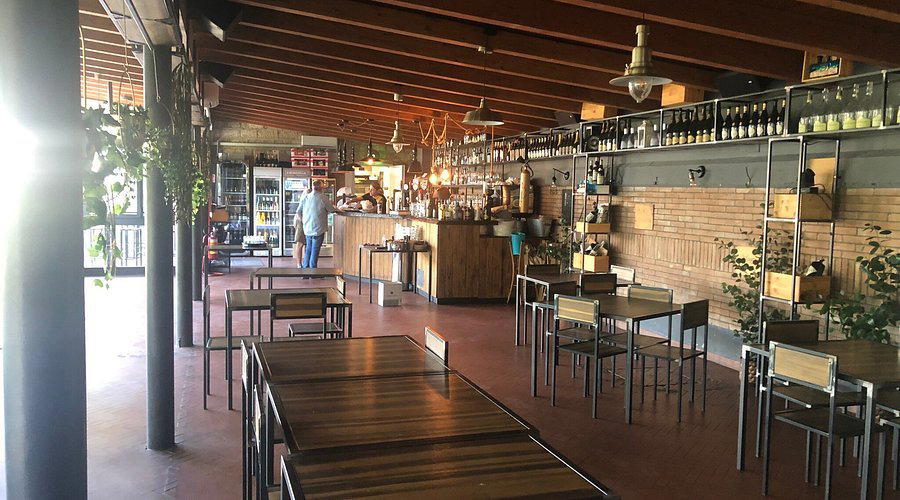
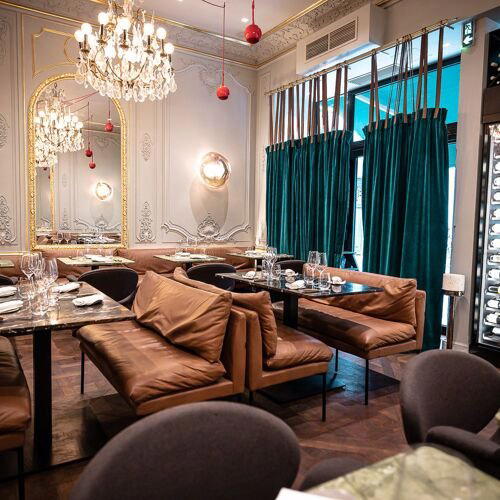
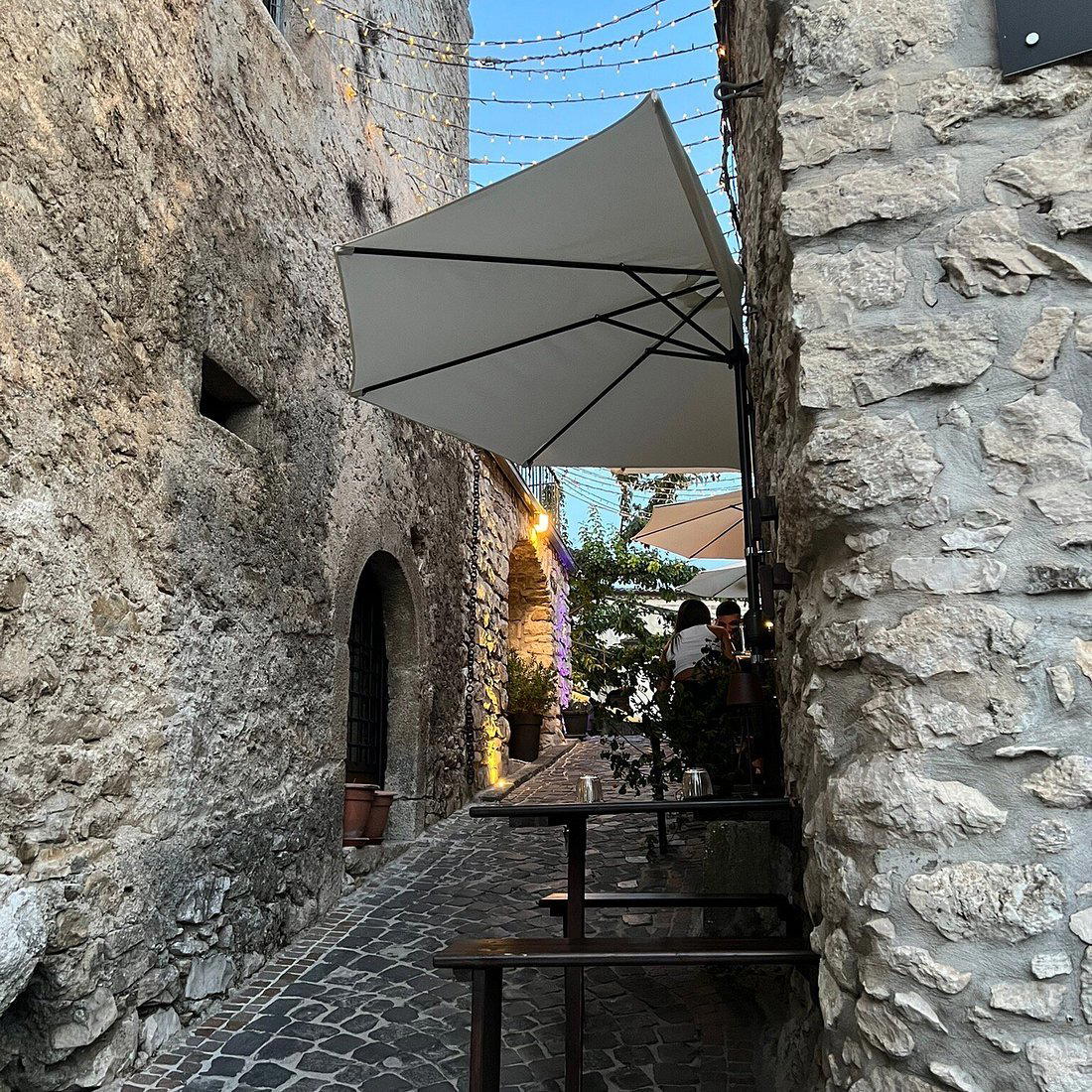
Hotels in Campobasso
Browse all →

Miseria e Nobiltà
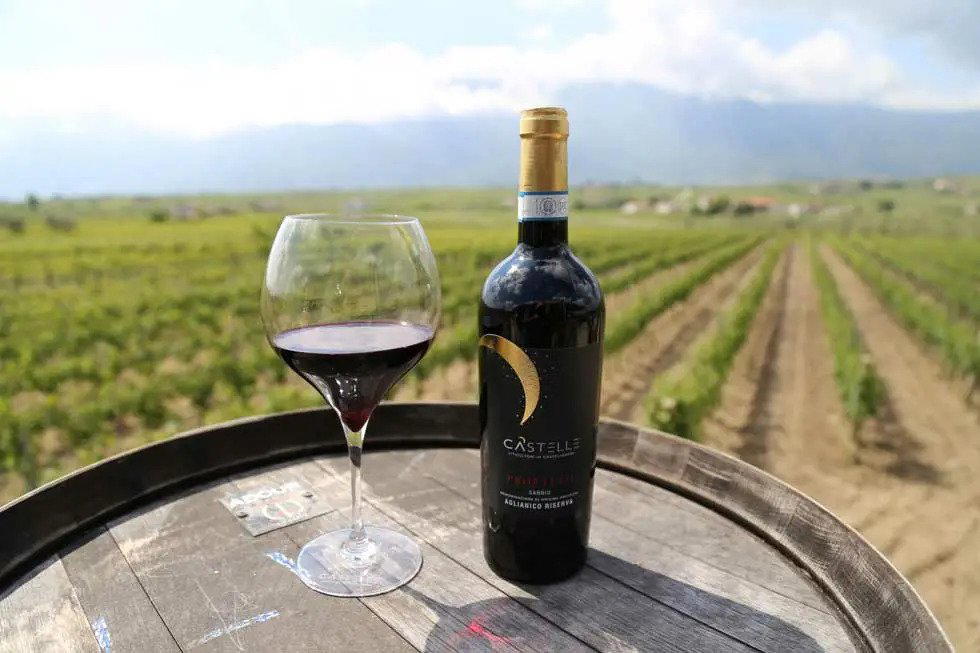
The wine
- Wine program
- Curated wine list
- Extensive wine list
Details
- Romantic
- Cozy
- Elegant
- Intimate
- Classic
- Date Night
- Special Occasion
- Celebration
- Historic Building
- Extensive Wine List
- Local Sourcing
- A La Carte
- Regional Wines
- Vegetarian Friendly
- Vegan Options
- Gluten Free Options
Current opening hours
- Monday
- Closed
- Tuesday
- 8–10 PM
- Wednesday
- 8–10 PM
- Thursday
- 8–10 PM
- Friday
- 8–10 PM
- Saturday
- 1–2 PM, 8–10 PM
- Sunday
- 1–2 PM
Hours can change for holidays and private events. Last verified .
Cozy and intimate historic palazzo setting with elegant Murano chandeliers, pleasant flooring, and a warm welcoming atmosphere.