Miro's Restaurant
On South Palm Canyon Drive, Miro's Restaurant occupies a quietly considered space in a city better known for poolside spectacle than serious cooking. The kitchen works at the intersection of technique-forward preparation and the desert Southwest's growing pantry of local produce, positioning it as a neighbourhood fixture with ambitions that read against the grain of Palm Springs' resort-casual default.
Pearl is the En Primeur Club membership app — saves, bookings, and concierge access live there. Same editors, same standards.
- Address
- 1555 S Palm Canyon Dr ste h-101, Palm Springs, CA 92264
- Phone
- +17603235199
- Website
- mirospalmsprings.com
- Directions
- Get directions
 Saves & bookings on Pearl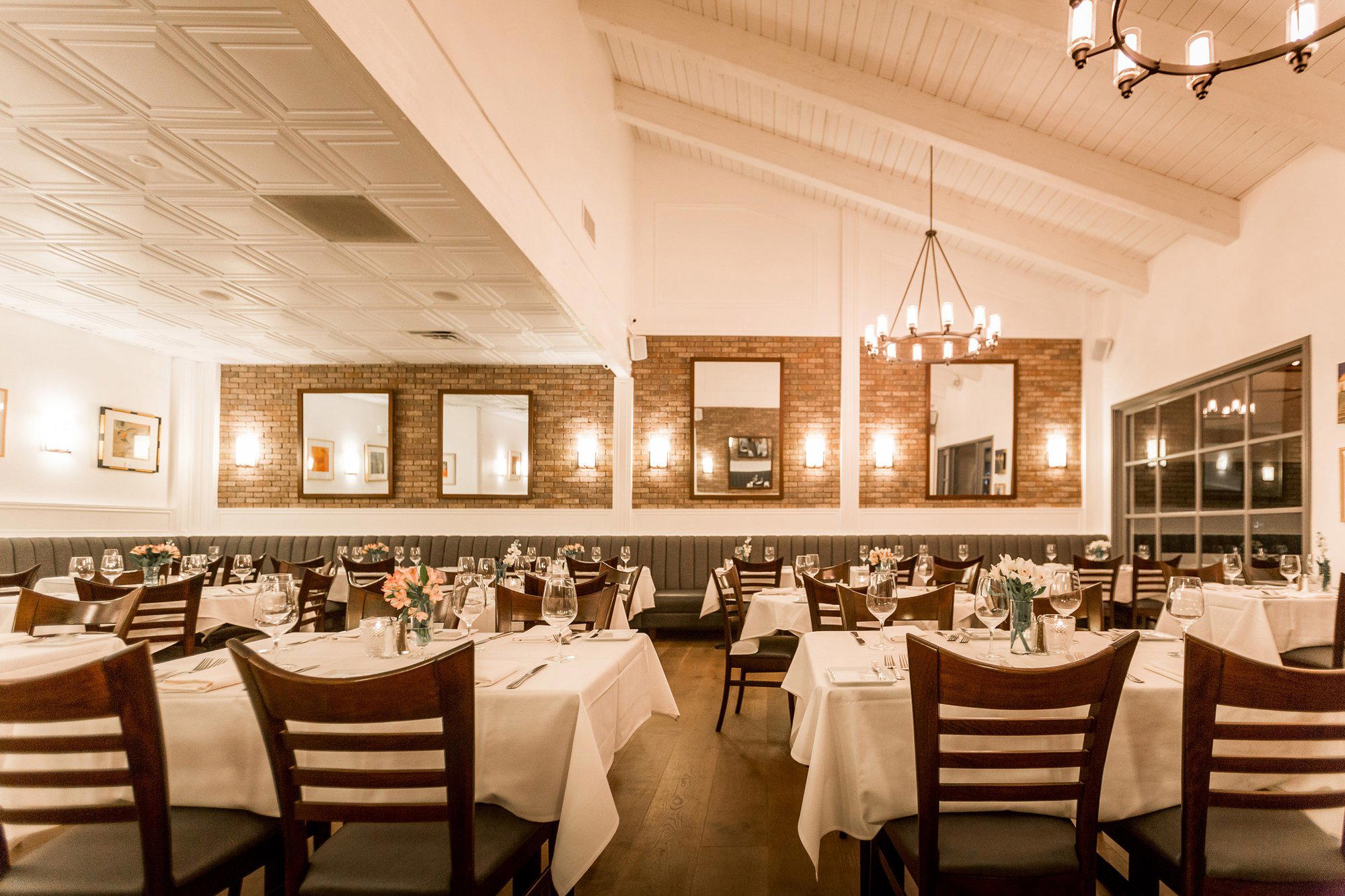
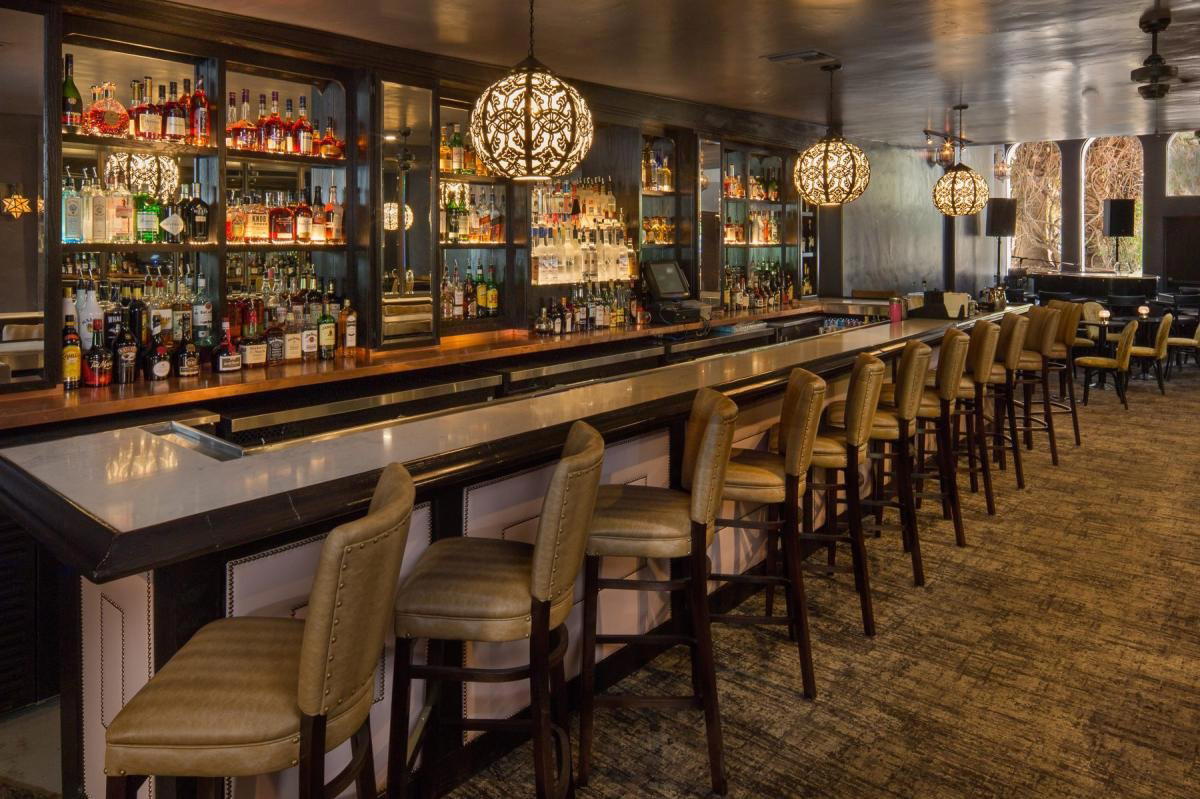
Miro's Restaurant is a restaurant in Palm Springs, California, with. South Palm Canyon Drive runs through a stretch of Palm Springs that exists slightly apart from the Uptown Design District's gallery traffic and the main strip's resort-bar energy. The addresses here tend toward the practical: strip-centre suites, neighbourhood services, the occasional restaurant that earns its audience through consistency rather than scenery. Miro's Restaurant, at suite H-101, is that kind of place. You arrive through a modest exterior, and the room does its work quietly, without the design theatrics that Palm Springs' midcentury aesthetic often encourages in newer openings.
Desert Produce, Imported Discipline
The broader story of cooking in California's desert communities is one of delayed maturation. For years, the Coachella Valley's agricultural identity, among the more productive growing regions in the United States, existed in a strange disconnect from the food served to the tourists who visited it. Date farms and citrus groves lined the roads east of the city, yet resort menus defaulted to the same generic California-continental format that could have been dropped in from any Marriott kitchen. The shift toward actually cooking with what the valley produces has been gradual and uneven, but it has produced a cohort of independent restaurants willing to treat local sourcing as a structural commitment rather than a marketing note.
Miro's sits in that current. The culinary tradition it draws from is the long-standing California practice of grounding European or global technique in whatever the surrounding land offers at a given moment. This is not a novel framework: kitchens like Single Thread Farm in Healdsburg have built James Beard-level reputations on the principle, and the farm-driven model has filtered down from reference points like Blue Hill at Stone Barns in Tarrytown into an increasingly wide range of independent operators. What makes the desert context different is the climate constraint: the growing calendar here skews toward winter and early spring, and summer heat compresses or eliminates certain produce windows entirely. A kitchen that takes the valley's agricultural calendar seriously has to plan around that reality, which tends to produce more disciplined, less improvisational menus than coastal California equivalents.
Where Miro's Sits in the Palm Springs Picture
Palm Springs' restaurant market has stratified noticeably over the past decade. The upper tier now includes multi-course formats and serious wine programs at places like Bar Cecil, which prices against a destination-dining standard rather than a neighbourhood-casual one. At the mid-range, operations like 4 Saints and Al dente have built steady local followings by focusing on consistent execution within defined culinary lanes. Alice B. and Ash & Vine Restaurant occupy adjacent positions in the city's growing cohort of serious independent kitchens.
Miro's address on South Palm Canyon places it outside the heaviest tourist concentration, which shapes its audience. The clientele skews toward residents and returning visitors who have moved past the novelty phase of Palm Springs dining, people less interested in the destination cachet of a hotel restaurant and more focused on the plate. This dynamic, common in cities with strong resort economies, tends to produce a particular kind of kitchen discipline: you cannot rely on the ambient spectacle of a pool deck or a mountain view to carry the experience, so the food has to do more of the work.
Compared to reference-level California restaurants, Miro's operates in a different tier and a different register. Kitchens like Providence in Los Angeles or The French Laundry in Napa define what stronger examples from the state's dining hierarchy looks like, just as Lazy Bear in San Francisco and Addison in San Diego mark the ambition ceiling of their respective cities. The context matters: Miro's is not trying to compete with that tier, and it should not be evaluated against it. The relevant comparison set is the independent, neighbourhood-anchored restaurant that serves a local market well while maintaining a point of view about what it cooks and why.
Technique as the Through Line
The culinary traditions that tend to produce this kind of restaurant, California-inflected but technically grounded in European or international frameworks, have a long domestic lineage. Le Bernardin in New York City and Alinea in Chicago represent the extreme precision end of that tradition, where imported technique becomes the entire premise. At the other end, more relaxed operators have used the same foundation to build menus that feel accessible rather than austere. Emeril's in New Orleans spent decades demonstrating how imported classical training could be deployed in a distinctly American context without losing either warmth or rigour. Atomix in New York City and 8 1/2 Otto e Mezzo Bombana in Hong Kong show how that same logic plays internationally, with indigenous ingredients filtered through rigorous classical method.
The intersection of imported methods and local product is, in the end, what distinguishes the more considered operators from the competent but generic ones. In the desert Southwest, that means understanding what the Coachella Valley actually grows, how date-palm cultivation and citrus farming shape what is available and when, and how to build cooking around those rhythms rather than defaulting to year-round commodity sourcing. Restaurants that make that choice tend to produce more coherent and interesting menus than those that do not, regardless of their price point or their award status.
Planning Your Visit
Miro's is located at 1555 S Palm Canyon Drive, suite H-101, in a part of the city that is most easily reached by car or rideshare. The strip-centre setting means parking is generally available on-site. The restaurant sits south of the main Uptown corridor, so if you are staying in one of the central resort properties, allow ten to fifteen minutes by car. For the broader context of what Palm Springs' dining scene offers at different price points and formats, the full Palm Springs restaurants guide maps out the key options across the city. Checking current hours directly before visiting is advisable, as desert-market restaurants tend to calibrate their schedules to seasonal demand.
Peers in This Market
Comparable venues nearby, for context on price, style, and recognition.
| Venue | Cuisine | Price | Notes |
|---|---|---|---|
| Miro's RestaurantThis venue — the venue you are viewing | Yugoslavian & Mediterranean | $$$ | Not listed |
| Riccio's Steak & Seafood | Classic Steak & Seafood with Italian Influences | $$$ | downtown |
| Trio Restaurant | Modern California Cuisine | $$$ | Uptown Design District |
| Pomme Frite | Belgian & French Bistro | $$ | Downtown Palm Springs |
| Blue Coyote Grill | Authentic Mexican & Southwestern Grill | $$ | Downtown Palm Springs |
| Counter Reformation | Wine Bar Small Plates | $$$ | Palm Springs |
Continue exploring
More in Palm Springs
Restaurants in Palm Springs
Browse all →
Bars in Palm Springs
Browse all →
At a Glance
- Cozy
- Intimate
- Date Night
- Special Occasion
- Group Dining
- Standalone
Current opening hours
- Monday
- Closed
- Tuesday
- 5–9 PM
- Wednesday
- 5–9 PM
- Thursday
- 5–9 PM
- Friday
- 5–9 PM
- Saturday
- 5–9 PM
- Sunday
- 5–9 PM
Hours can change for holidays and private events. Last verified .
Cozy and welcoming with warm hospitality and home-style cooking atmosphere.