Mirko Al Mare
Our verdict
Mirko Al Mare serves Italian seafood and pizza on a waterfront terrace, with local sourcing and sustainable seafood shaping lunch or dinner plans.

Pearl is the En Primeur Club membership app, where members save venues, book tables and use the concierge.
The menu
What to order
- Linguine alle vongole
- Pizza
- Tortiglioni di marta
Where the Atlantic Defines What Ends Up on the Plate
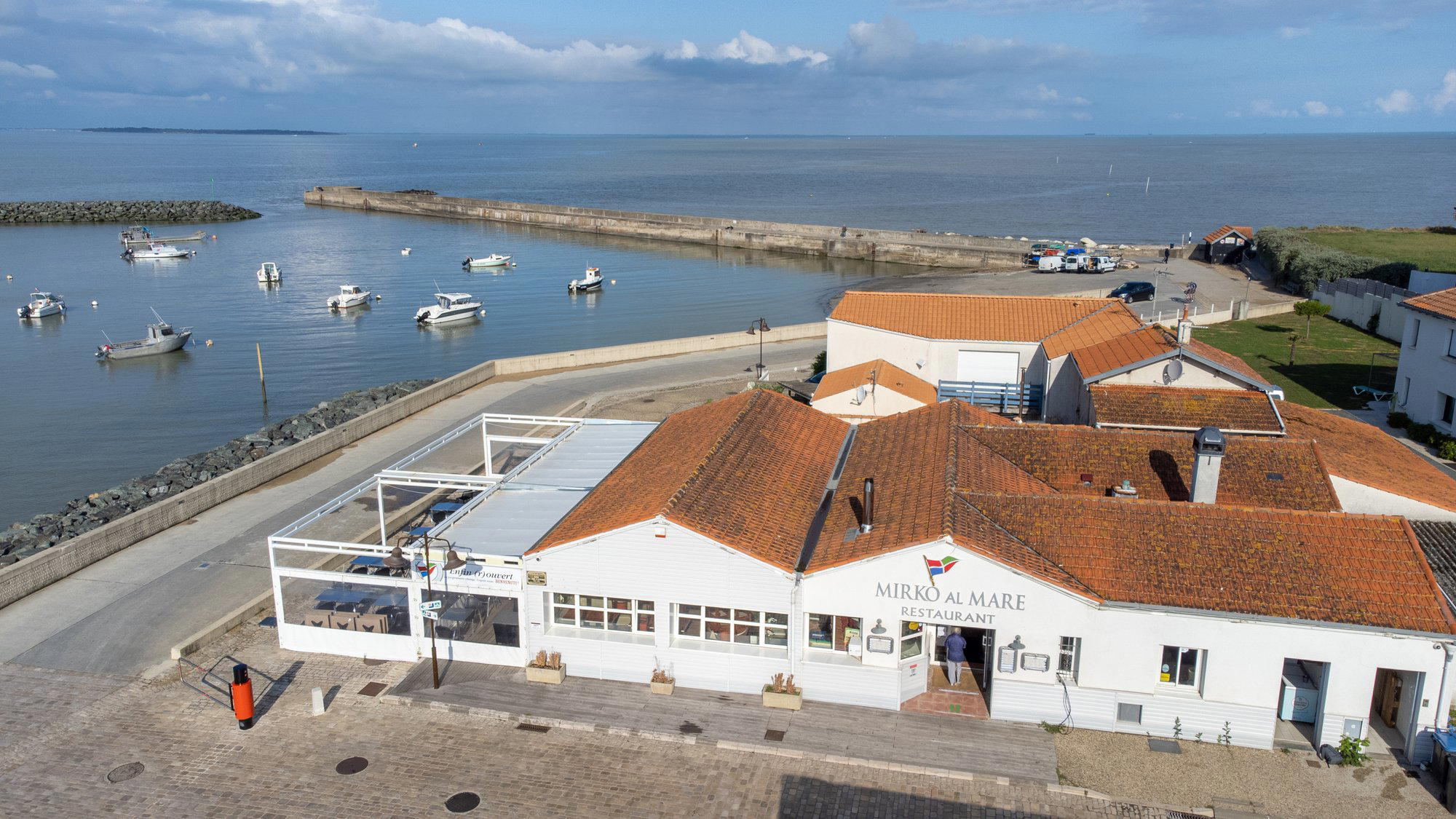
Châtelaillon-Plage sits on a strip of the Charente-Maritime coast that most visitors pass through on the way to La Rochelle, eleven kilometres to the north. That oversight works in the town's favour: the beach is long, the pace is unhurried, and the fishing boats that work the Pertuis d'Antioche bring in shellfish and flat fish that go from net to kitchen with a directness that is harder to maintain in a larger port city. Mirko Al Mare, at 56 Avenue de l'Abbé Guichard, occupies that coastal geography directly. The name announces the positioning plainly enough: the sea is the point.
Approaching from the avenue, the Atlantic air arrives before the building does. Châtelaillon-Plage is low-rise by design, and the salt wind off the bay moves through the town without obstruction. Restaurants on this stretch of the Charente-Maritime coast have always organised themselves around what the water provides rather than what a kitchen might import, and that logic shapes the dining offer here more than any single chef or proprietor decision. The Charentais coastline has one of France's most productive shellfish beds, and the oysters farmed in the nearby Marennes-Oléron basin carry an AOC designation that places them among the most closely regulated bivalves in the country.
The Sourcing Logic of the Charente-Maritime
Understanding what makes coastal dining in this part of France substantively different from, say, a seafood restaurant in Paris or Lyon requires a brief consideration of geography. The Marennes-Oléron basin, which extends southward from the Charente estuary, produces oysters finished in claires: shallow, algae-rich ponds that impart a green tinge and a distinctive mineral quality to the meat. Restaurants within direct reach of those beds operate at a sourcing advantage that is structural rather than aspirational. The distance between harvest and service is measured in kilometres rather than in the refrigerated logistics chains that supply inland kitchens.
That same proximity extends to the fin fish and crustaceans that define this coastline's repertoire. Sole, sea bass, and turbot are caught in the waters of the Bay of Biscay and the Pertuis Breton. Langoustines and crab follow seasonal patterns that any kitchen working at this latitude learns to track over time. The editorial point here is not that any single address in Châtelaillon-Plage is executing at the level of Christopher Coutanceau in La Rochelle, which holds two Michelin stars and represents the region's technical ceiling for seafood cuisine; it is that the raw ingredient supply across this coastal strip is genuinely strong, and a kitchen that respects that supply does not need to work very hard to produce honest, direct food.
For comparison, consider what it costs to access equivalent sourcing in Paris. Alléno Paris au Pavillon Ledoyen and the creative tier of the capital's dining scene pay a significant premium to have Breton and Charentais seafood transported inland. The ingredient quality that arrives as a logistical achievement in a Paris dining room is simply the baseline here.
Châtelaillon-Plage in Context
The town itself is a modest resort with a population that swells considerably between June and September. Outside of the summer season, Châtelaillon-Plage operates at a quieter register: the beach empties, the restaurants thin out, and the local fishing and oyster trade reasserts itself as the economic foundation. This seasonal rhythm matters for anyone planning a visit outside peak summer. Restaurants on the Charentais coast tend to adjust their hours and sometimes their menus between October and April, and confirming opening days before travelling is direct prudence rather than optional due diligence.
Within the town's dining offer, Mirko Al Mare sits alongside Les Flots and the more ambitious Gaya - Cuisine de Bords de Mer par Pierre Gagnaire as part of a small cluster of addresses that make the town worth considering as a dining destination rather than simply a beach stop. Gagnaire's presence in Châtelaillon-Plage is itself an indication that the local ingredient base is taken seriously at a high level; the chef's broader body of work, represented elsewhere in France by restaurants such as Mirazur in Menton and the regional traditions documented at addresses like Bras in Laguiole and Auberge de l'Ill in Illhaeusern, reflects a French culinary culture that takes terroir sourcing seriously across every price point and format.
The Case for Coastal Simplicity
There is a tendency, when writing about French coastal dining, to frame straightforwardness as a compromise relative to the technical ambition on display at, for instance, Flocons de Sel in Megève or the three-Michelin-star registers of Troisgros or Paul Bocuse. That framing misreads what coastal France does well. The leading meals on this stretch of the Atlantic coast are not failures of ambition; they are exercises in restraint that depend entirely on the quality of what the water provides that morning. A properly grilled line-caught sea bass served with local butter and a glass of Muscadet or Charentais white is not a lesser experience than a composed twelve-course tasting menu. It is a different argument about what cooking is for.
At the international seafood end of the spectrum, a similar philosophy governs some of the most decorated dining rooms in the world: Le Bernardin in New York City has built a reputation on letting fish speak rather than obscuring it, and AM par Alexandre Mazzia in Marseille works the Mediterranean's coastal produce into tightly controlled creative formats. The Charente-Maritime operates without that level of technical apparatus, but the raw material premise is consistent: proximity to the source is the starting point for everything.
Planning a Visit
Châtelaillon-Plage is accessible from La Rochelle by local bus or a short taxi ride, and the train from Paris Montparnasse reaches La Rochelle in just over three hours. For those combining a meal here with the wider regional offer, our full Châtelaillon-Plage restaurants guide maps the town's dining across formats and price points. Summer reservations at coastal addresses in the area fill quickly, particularly in July and August, when the town's population multiplies. Arriving in late May or September gives access to the same sourcing with considerably less competition for tables. The Marennes-Oléron oyster season runs through the cooler months, making autumn and winter visits genuinely productive for shellfish-focused eating rather than simply quieter by default. For broader context on how this region sits within French fine dining more generally, the Assiette Champenoise, Au Crocodile, Auberge du Vieux Puits, and Georges Blanc represent the range of formats and regional anchors that define French restaurant culture at its most committed. Atomix in New York offers a useful international counterpoint for understanding how tightly sourced, place-specific cooking reads across different culinary traditions.
Frequently asked questions
Is Mirko Al Mare a family-friendly restaurant?
Châtelaillon-Plage is a seasonal resort town whose population rises sharply between June and September, and the dining scene there reflects that demographic mix. Mirko Al Mare sits on the avenue de l'Abbé Guichard in a town where the beach is the main draw for families.
What is the atmosphere like at Mirko Al Mare?
The address on avenue de l'Abbé Guichard places the restaurant within the modest resort fabric of Châtelaillon-Plage, a town defined by its proximity to the Atlantic and its seasonal character. Coastal restaurants in this part of the Charente-Maritime tend toward relaxed, tide-table rhythms rather than formal service structures.
Is Mirko Al Mare worth visiting as a day trip from La Rochelle?
Châtelaillon-Plage is approximately eleven kilometres south of La Rochelle, reachable by local bus or a short taxi ride, which makes a meal at Mirko Al Mare a practical extension of a day in the city rather than a dedicated journey. The Charente-Maritime coast at this point offers a quieter alternative to La Rochelle's busier quayside restaurant strip. Travellers arriving by rail reach La Rochelle from Paris Montparnasse in around three hours on the TGV.
What should I order at Mirko Al Mare?
The Charente-Maritime is one of France's primary oyster-producing zones, and the coastline around Châtelaillon-Plage has direct access to catch from the Marennes-Oléron basin as well as day-boat Atlantic fish. Coastal restaurants in this corridor typically build their menus around what arrived that morning rather than a fixed card.
What's the address for Mirko Al Mare?
Mirko Al Mare is located at 56 Av. de l'Abbé Guichard, 17340 Châtelaillon-Plage, France, Châtelaillon-Plage.
A Quick Peer Check
Comparable venues nearby, for context on price, style, and recognition.
| Venue | Cuisine | Price | Awards | Notes |
|---|---|---|---|---|
| Mirko Al MareThis venue (the venue you are viewing) | Italian Seafood Pizza | $20–30 | Not listed | Not listed |
| Les Flots | Modern French Seafood | $50–100 | Michelin Plate | Châtelaillon-Plage |
| Gaya - Cuisine de Bords de Mer par Pierre Gagnaire | Creative French Seafood by Pierre Gagnaire | $150–200 | Michelin Plate · Star Wine List | Châtelaillon-Plage |
| Fimmina - Pizzeria Paris 9 | Artisanal Italian Pizzeria & Wine Bar | $30–50 | 50 Top Pizza Europe #42 · Gambero Rosso 2 Spicchi | 9th arrondissement |
| Bucado | Franco‑Brazilian modern cuisine | $50–100 | Michelin Plate | Castellane |
| Anna | Italian Wine Bar | Not listed | Gambero Rosso 2 Bottiglie | Haut Marais (Paris 3) |
Continue exploring
More in Châtelaillon-Plage
Restaurants in Châtelaillon-Plage
All restaurants in Châtelaillon-Plage →

Details
- Scenic
- Elegant
- Date Night
- Family
- Terrace
- Waterfront
- Local Sourcing
- Sustainable Seafood
- Waterfront
- A La Carte
- Vegetarian Friendly
Current opening hours
- Monday
- Closed
- Tuesday
- Closed
- Wednesday
- 12–2 PM, 7–9:30 PM
- Thursday
- 12–2 PM, 7–9:30 PM
- Friday
- 12–2 PM, 7–10 PM
- Saturday
- 12–2 PM, 7–10 PM
- Sunday
- 12–2 PM, 7–9 PM
Hours can change for holidays and private events. Hours as of .
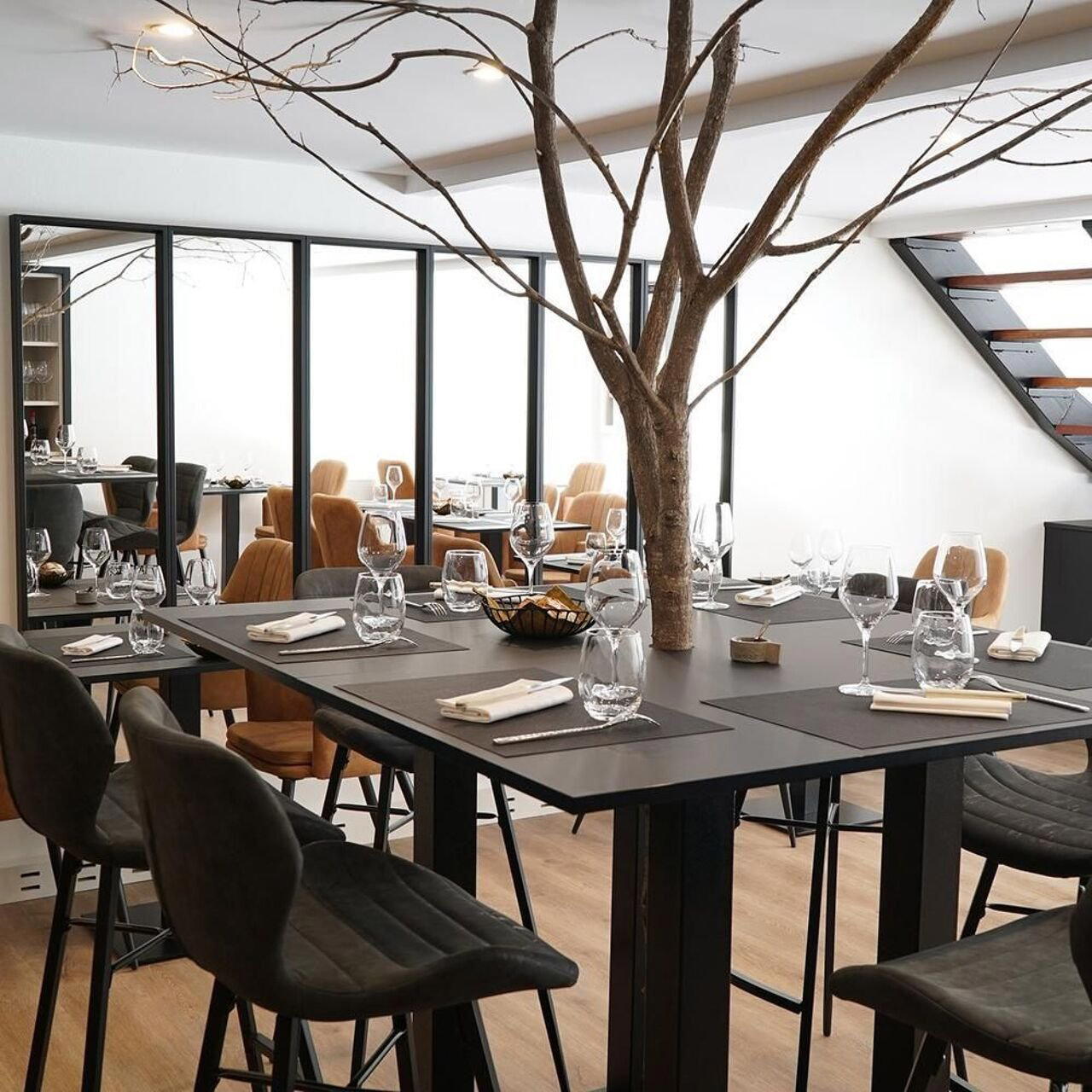
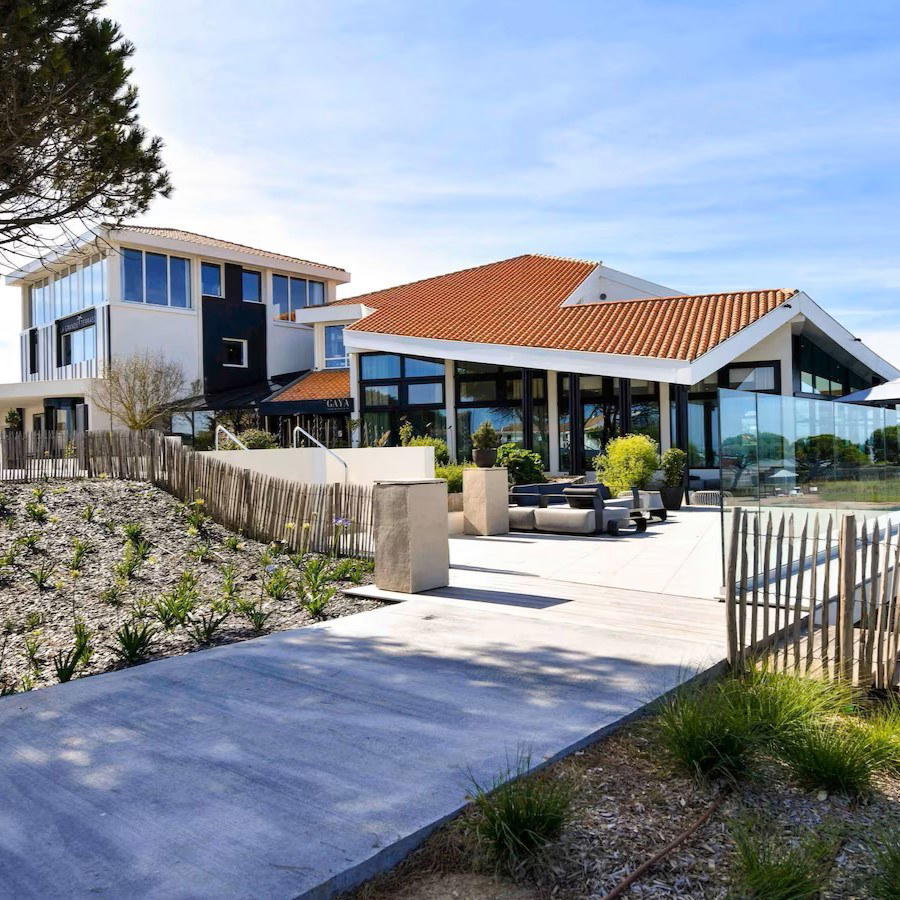
Pleasant terrace atmosphere with superb marine views over the bay, offering a relaxed yet elegant dining experience.