Minnie Bell's Soul Movement
Minnie Bell's Soul Movement operates out of Kiosk 15 at the Bay Street Emeryville mall, serving Southern-rooted fried chicken and soul food to a largely takeout-focused crowd in one of the East Bay's more unlikely dining destinations. The format is counter-service and casual, placing it squarely in the accessible end of Emeryville's food scene alongside neighbors like Denny's and Good To Eat.
- Address
- 5959 Shellmound St Kiosk 15, Emeryville, CA 94608, USA
- Phone
- +1 510 879 7199
- Website
- minniebellssoul.com
- Directions
- Get directions
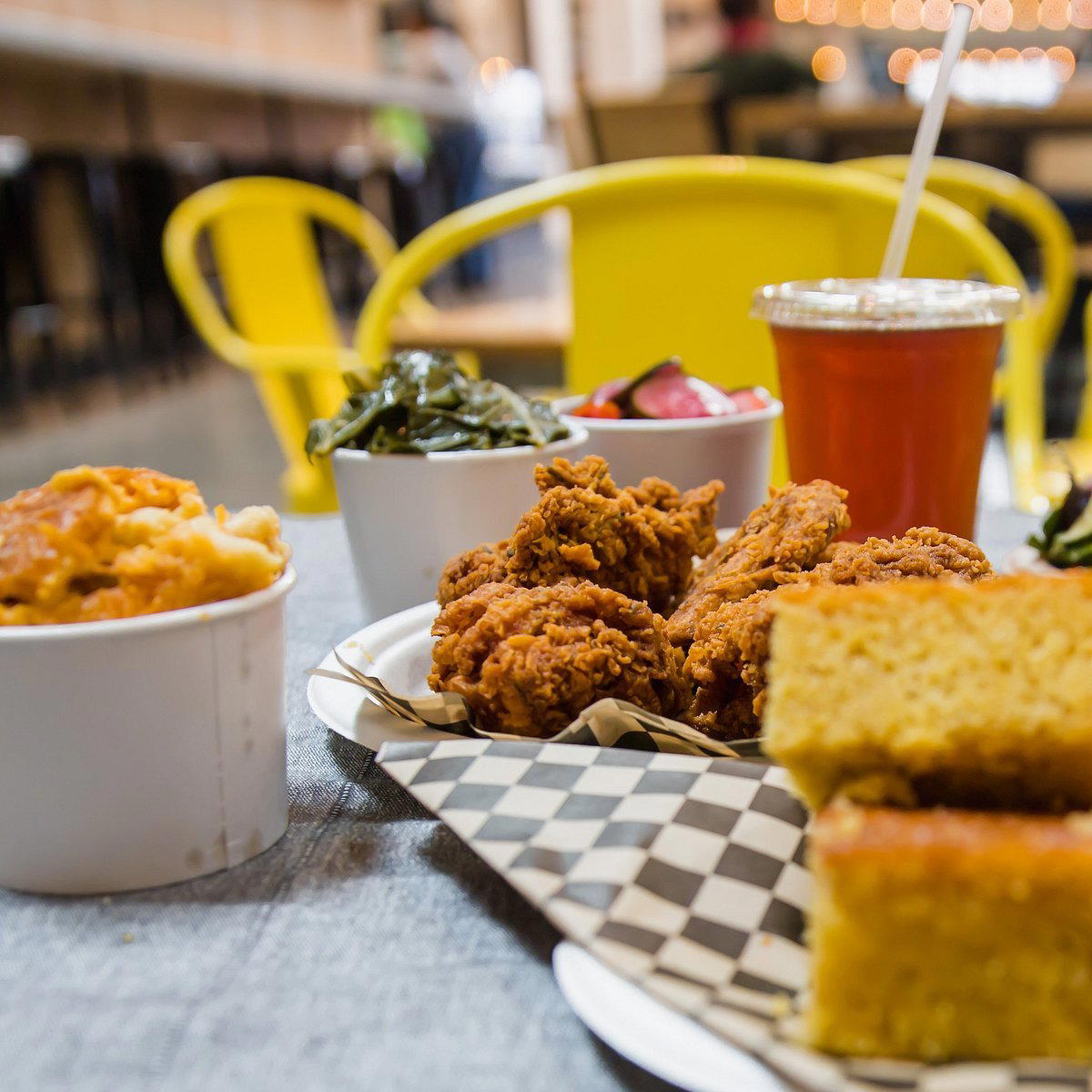
Soul Food in a Shopping Mall, and Why That Context Matters
The Bay Street Emeryville mall is not where most food critics would expect to find a soul food operation worth writing about. Kiosk formats in American retail centers have a reputation built on chain pretzel stands and fast-casual mediocrity, which is precisely what makes Minnie Bell's Soul Movement worth examining on its own terms. Soul food as a category has spent the past decade navigating a complicated set of pressures: gentrification-driven rebranding, the farm-to-table vocabulary grafted awkwardly onto dishes with deep working-class roots, and the constant temptation to sand off the edges for a broader audience. The kiosk at 5959 Shellmound St Kiosk 15, Emeryville, operates against all of that as a counter-service spot where the food and its sourcing do the arguing.
Emeryville sits between Oakland and Berkeley in a corridor that has transformed rapidly over the past two decades, shifting from industrial warehousing toward retail, biotech campuses, and mid-density residential. Its dining scene reflects that patchwork: you have dim sum institutions like Hong Kong East Ocean and Hong Kong East Ocean Seafood Restaurant drawing weekend crowds from across the East Bay, casual all-day spots like Denny's, and newer entrants like Flores Emeryville and Good To Eat filling the mid-tier. Minnie Bell's slots into none of those categories cleanly, which is part of its identity.
The Ingredient Question in Soul Food
Soul food's relationship to ingredient sourcing is one of the more contested conversations in American regional cooking. The cuisine evolved from scarcity, from using what was available and what was affordable, and a certain strain of contemporary restaurateur has tried to reconcile that history with premium sourcing as a way of honoring the tradition. Critics of that approach argue it misses the point entirely. The more honest version of the conversation acknowledges that the quality of the fat, the chicken, and the seasoning always mattered within the constraints of what cooks could access, and that closing the sourcing gap is not a reinvention but a long-overdue correction.
Minnie Bell's has built its reputation in the Bay Area around fried chicken that signals care at the ingredient level. The Bay Area's proximity to Northern California's agricultural infrastructure, including Sonoma and the Central Valley, gives operators here access to supply chains that kiosk concepts in other regions cannot replicate. That sourcing proximity matters more in fried chicken than in almost any other preparation: the quality of the bird, the buttermilk used in the brine, and the fat used in the fry all show up directly in the finished plate in ways that seasoning alone cannot compensate for. This is the same logic that drives farm-sourcing commitments at restaurants operating at different price points, from Single Thread Farm in Healdsburg to Blue Hill at Stone Barns in Tarrytown, even if the format and price point at those venues sit in an entirely different tier from a shopping mall kiosk.
The counter-service format at Minnie Bell's means that what you are paying for lands entirely in the food itself. There is no room experience to price in, no sommelier, no long tasting menu. That compression of value into the plate is its own discipline, and it is one the Bay Area's serious casual operators have become increasingly good at. The comparison set here is not The French Laundry in Napa or Le Bernardin in New York City. It is the broader universe of American regional cooking done honestly at accessible price points, a category with its own standards and its own practitioners worth tracking.
Where Minnie Bell's Sits in the Bay Area Soul Food Picture
Soul food has never had a deep institutional footprint in the Bay Area the way it does in Atlanta, Houston, or New Orleans, where restaurants like Emeril's anchor a much denser regional tradition. The East Bay has historically been the Bay Area's center of gravity for African American food culture, with Oakland in particular carrying that history, and Minnie Bell's draws on that geography even while operating in the slightly sterile retail environment of Emeryville's mall strip.
The kiosk format itself carries a practical logic. Overheads at full-service restaurant spaces in the East Bay have risen sharply, and the kiosk or food-hall model has allowed a number of operators to run tight, quality-focused menus without the exposure of a full dining room lease. The same structural shift has played out in cities across the country, and it has proven particularly useful for operators whose strength is in a small number of dishes executed at a high level. Minnie Bell's falls into that category: the focus is narrow and the execution is the argument.
For visitors building an East Bay itinerary, Minnie Bell's works as a standalone lunch or early dinner stop rather than a destination in itself. Shoppers at Bay Street already in the area will find it one food-forward option in the immediate vicinity. Those driving from San Francisco or the peninsula specifically for the food should weigh it against Oakland's denser soul food and Southern-inflected options a few minutes east.
Planning Your Visit
Minnie Bell's operates as a kiosk at 5959 Shellmound Street, Kiosk 15, within the Bay Street Emeryville mall. Counter service means no reservation is required, and the format is walk-up and order.
How It Stacks Up
Comparable venues nearby, for context on price, style, and recognition.
| Venue | Cuisine | Price | Notes |
|---|---|---|---|
| Minnie Bell's Soul MovementThis venue — the venue you are viewing | Southern Soul Food | $$ | Not listed |
| Denny's | Classic American Diner | $ | Emeryville |
| Flores Emeryville | Traditional Mexican | $$ | Emeryville |
| Rubio's | Baja-Style Mexican Coastal Grill | $$ | Emeryville |
| KoJa Kitchen | Korean-Japanese Fusion | $ | Emeryville Public Market |
| Hong Kong East Ocean | Cantonese Seafood and Dim Sum | $$ | Emeryville Marina |
Continue exploring
More in Emeryville
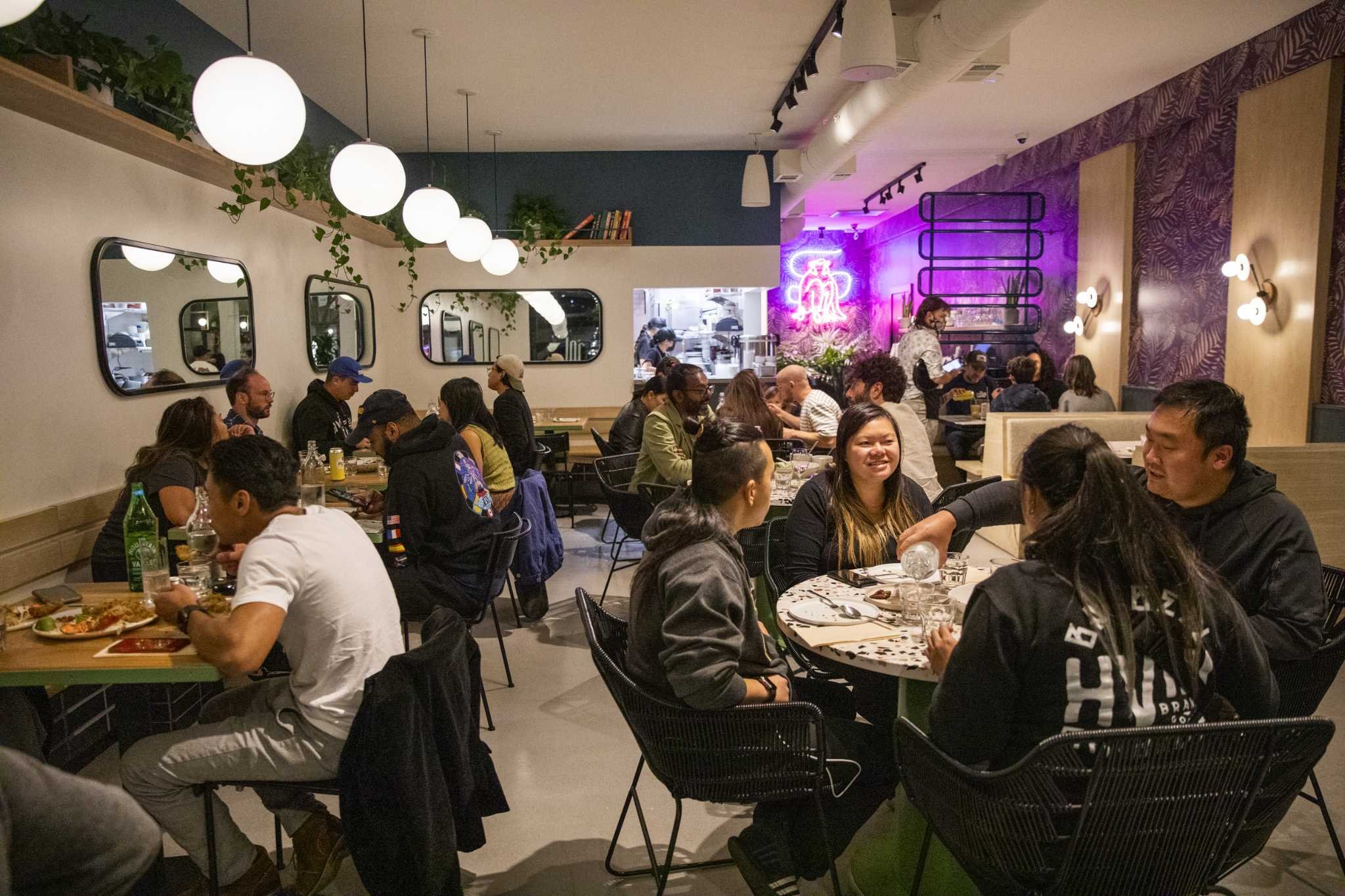
Restaurants in Emeryville
Browse all →
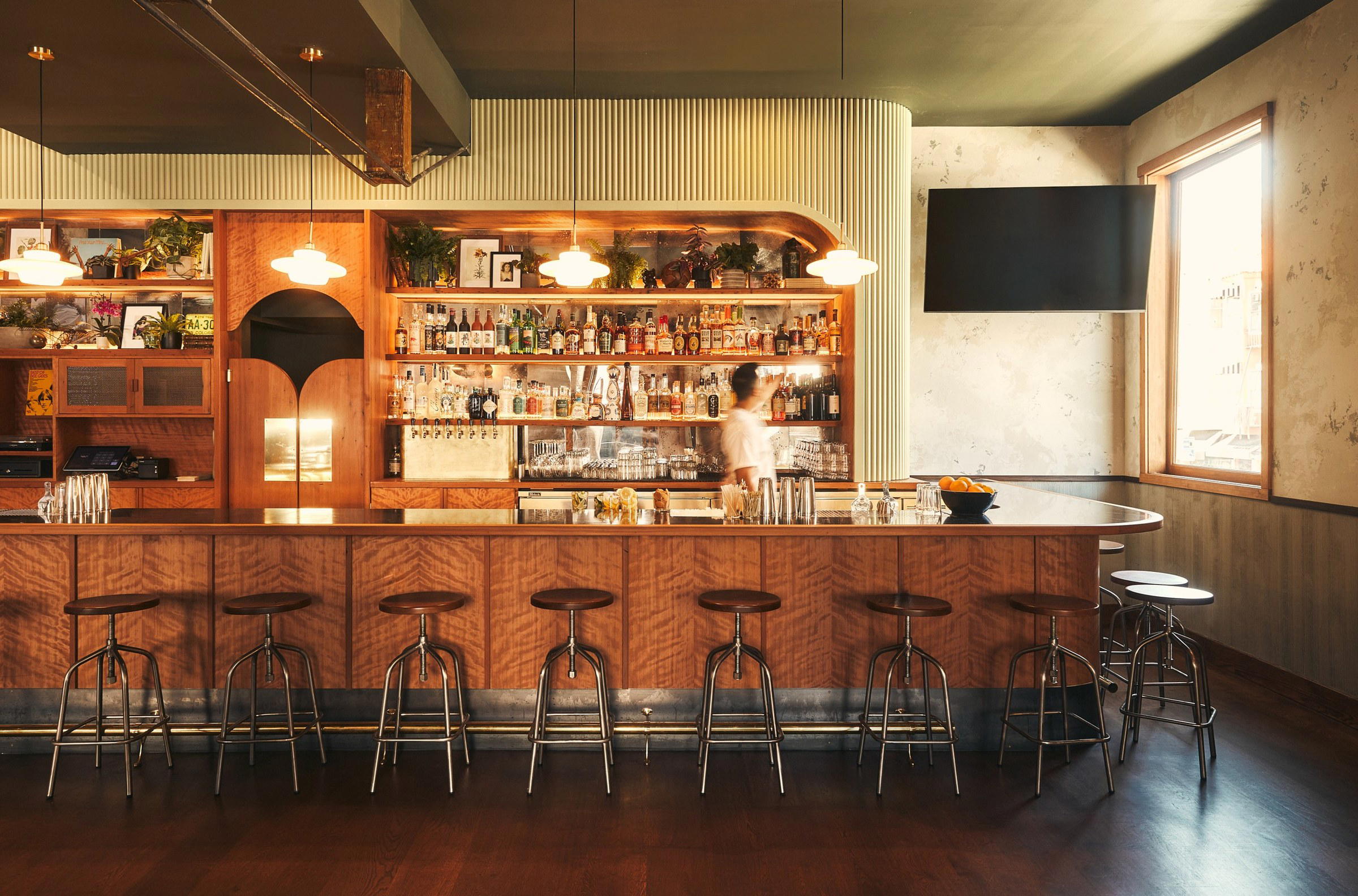
Bars in Emeryville
Browse all →
Hotels in Emeryville
Browse all →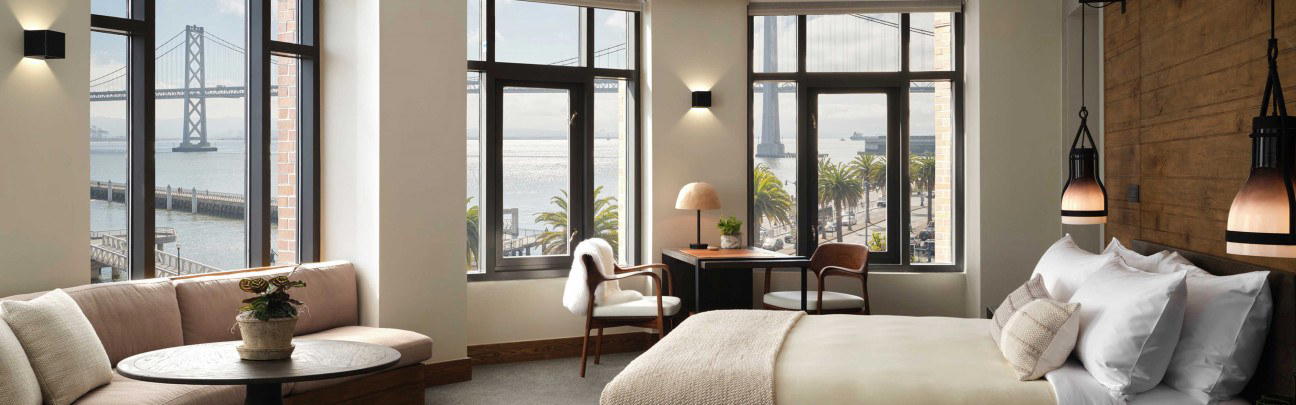




At a Glance
- Cozy
- Lively
- Casual Hangout
- Family
- Open Kitchen
Comfortable counter-service spot offering warm, family-inspired Southern flavors in a casual market setting.