Mimo
Our verdict
On Telephone Road in Houston's Eastside, Mimo occupies a stretch of the city where Latin American culinary traditions run deep and unpretentious. The address places it squarely within a corridor that has shaped Houston's working-class Mexican and Central American food culture for decades. For readers exploring the city's most culturally grounded dining, Mimo belongs on the itinerary alongside the neighborhood's longer-standing institutions.

Pearl is the En Primeur Club membership app — saves, bookings, and concierge access live there. Same editors, same standards.
- Address
- 736 1/2 Telephone Rd, Houston, TX 77023
- Phone
- (713) 705-4426
- Hours
- Mon ClosedTue–Thu 5–9:30 PMFri–Sat 5–10 PMSun 5–9 PM
- Website
- mimohtx.com
- Directions
- Get directions
- Booking
- Book on Resy
The menu
What to order
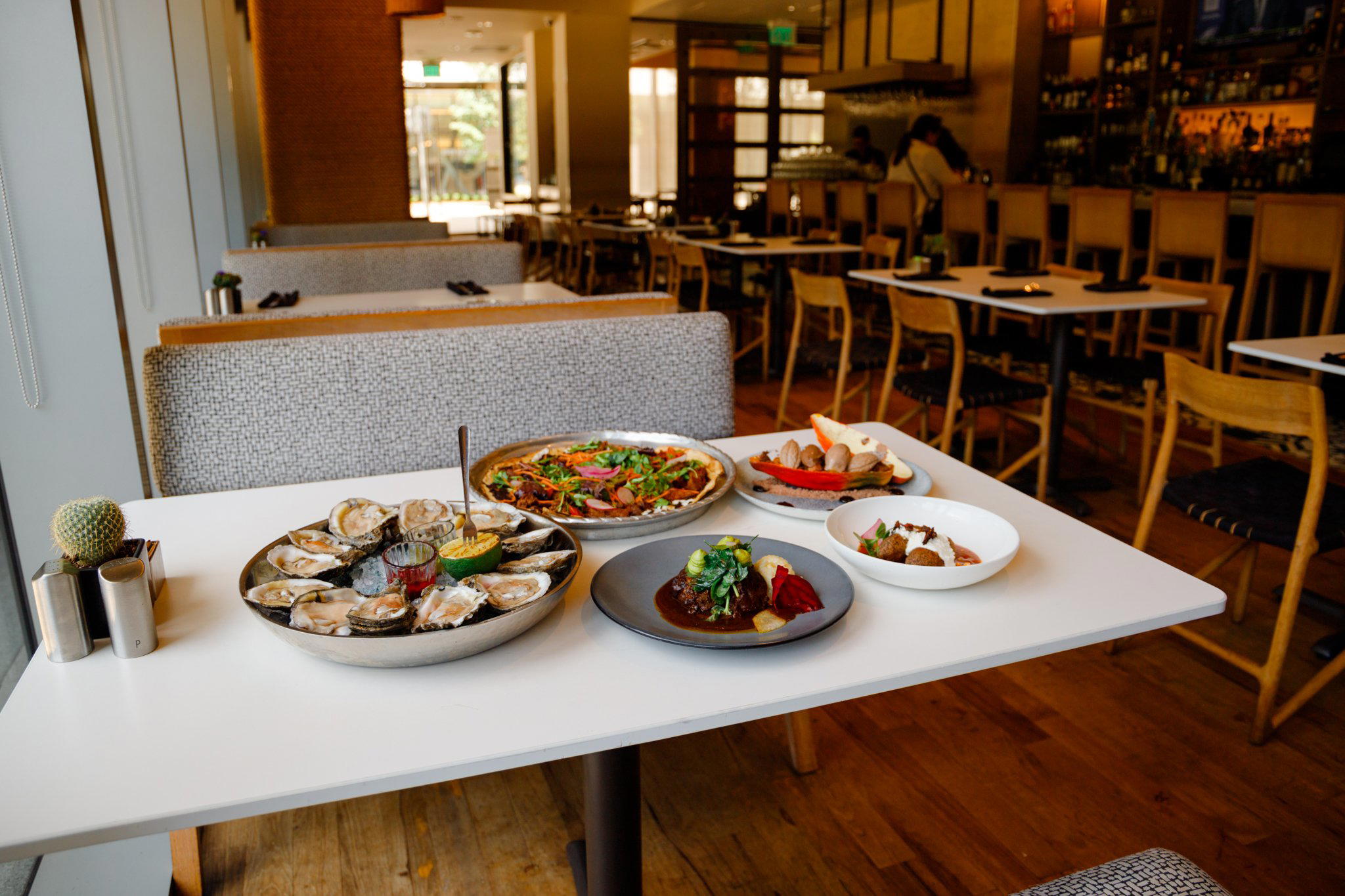
- Pillowy gnocchi with ricotta, saffron sauce, and lemon
- Lumache with Castelvetrano olive pesto
Telephone Road and the Eastside: Where Houston's Latin Food Culture Took Root
Houston's food reputation often leads with its trophy addresses: the Michelin-recognized counters, the white-tablecloth rooms in Uptown, the chef-driven tasting menus in Midtown. But the city's most durable culinary identity was built further east, along corridors like Telephone Road, where Latin American immigrants established restaurants, bakeries, and markets that catered to their own communities long before food media paid attention. Mimo, at 736½ Telephone Road in the 77023 zip code, operates in that tradition — a neighborhood address on a street that has been feeding Houston's Eastside for generations.
That address is the first piece of context worth holding onto. The Eastside of Houston is not a dining district engineered for out-of-neighborhood visitors. It is a residential and commercial area with a high concentration of Mexican and Central American households, and its restaurants tend to reflect that: practical, specific, and rooted in the food cultures of the communities they serve. This is a different register than what you find at March, where the format is Venetian and the price point is $$$$, or at Musaafer, where Indian cooking is framed through a high-design lens. Telephone Road restaurants don't typically compete on those terms. They compete on authenticity of technique, on the specificity of regional recipes, and on the trust of a local customer base that knows the difference.
The Cultural Weight of a Neighborhood Address
To understand why an address like Mimo's matters, it helps to understand what Telephone Road represents in Houston's food geography. The corridor runs through communities that absorbed large waves of Mexican immigration throughout the twentieth century, followed by Salvadoran, Honduran, and Guatemalan arrivals in the 1980s and 1990s. The result is a stretch of the city where Latin American food cultures overlap and sometimes fuse, producing a street-level diversity of cuisines that no single dining district elsewhere in Houston replicates at the same density.
This is the context in which places like Mimo exist — not as curated entries in a food tourism itinerary, but as neighborhood institutions whose primary relationship is with local residents. That distinction changes how you read the food: dishes that might read as simple in a reviewed restaurant context often carry the weight of specific regional traditions when they appear in this kind of setting. The tortilla, the tamale, the stew, these are not simplified for outside audiences. They are made the way they are made because that is how they are made.
For comparison, Houston's more formally recognized dining scene offers a different kind of cultural specificity. Tatemó approaches Mexican cuisine through a masa-focused lens with clear culinary ambition, while BCN Taste & Tradition frames Spanish cooking through a premium, technique-driven format. Both are legitimate representations of their respective traditions, but they operate in a different register than the Eastside neighborhood restaurant. Neither replaces the other; they answer different questions about what a cuisine can be in a given city.
Placing Mimo in Houston's Broader Dining Conversation
Houston's restaurant scene has attracted sustained national attention over the past decade, with critics at publications including the New York Times and Bon Appétit consistently listing it among American cities with the most culturally diverse and technically serious dining. That reputation rests partly on fine-dining addresses like Le Jardinier Houston, partly on chef-driven rooms, and partly on the sheer density of immigrant-community cooking that the city's demographics produce. The Eastside contributes to the last of those pillars.
Nationally, the restaurants that draw the most sustained critical attention for depth of craft tend to operate in either the high-investment tasting-menu format or the deeply rooted neighborhood format. You see this at Smyth in Chicago, where the format is intensely chef-driven; at Blue Hill at Stone Barns in Tarrytown, where the agricultural context is the story; and at Atomix in New York City, where Korean culinary tradition is reframed through a highly composed tasting format. In each case, what earns critical respect is specificity and commitment to a point of view. Neighborhood restaurants on streets like Telephone Road operate through a different kind of specificity, one that is less mediated by formal dining convention and more directly tied to community cooking traditions.
The same principle holds for restaurants in other American cities. Emeril's in New Orleans built its reputation on a particular reading of Louisiana tradition; Providence in Los Angeles interprets Pacific seafood with fine-dining rigor; Le Bernardin in New York City has made classical French technique its singular discipline. Each claims authority through commitment to a tradition. On Telephone Road, that authority comes from proximity to and participation in living community food culture rather than from formal culinary credentials.
What to Know Before You Go
Mimo's address, 736½ Telephone Road, places it on a stretch of the street that is not oriented toward visitors arriving from the Galleria or Midtown. The Eastside is leading reached by car, and parking along Telephone Road is generally available at street level. The neighborhood's restaurants tend toward counter-service or casual table-service formats with limited advance booking infrastructure, though specific details about Mimo's reservation policy, hours, and current menu are best confirmed directly before visiting, as this information is not currently published in a centralized format.
For readers building a Houston itinerary that covers the city's range, Telephone Road makes sense alongside rather than instead of the city's more prominent dining addresses. A meal at Le Jardinier Houston or an evening at March gives you one reading of Houston's ambition; an afternoon on the Eastside gives you another. The city's dining strength has always rested on its capacity to hold both at once. Our full Houston restaurants guide maps both tiers in detail.
Seasonal timing matters along Telephone Road in ways that differ from downtown dining calendars. Community-oriented restaurants in this corridor tend to be busiest on weekends, particularly around midday, when families from the surrounding neighborhoods eat together. Weekday visits often mean shorter waits and more direct interaction with the kitchen's rhythm. If you are visiting Houston between October and March, when temperatures drop to a range that Houstonians consider genuinely cold, the warm-stew and masa-heavy preparations common in this cooking tradition hit with particular clarity.
Frequently asked questions
What dish is Mimo famous for?
Is Mimo reservation-only?
What makes Mimo different from Houston's other Latin American restaurants?
Comparable Options
| Venue | Cuisine | Price | Awards | Notes |
|---|---|---|---|---|
| MimoThis venue — the venue you are viewing | Rustic Italian | $50–100 | Not listed | Not listed |
| Musaafer | Modern Indian Fine Dining | $100–150 | 1 Michelin Star | Indian |
| March | Modern Mediterranean Tasting | $200–300 | 1 Michelin Star · Star Wine List | Venetian |
| Nancy's Hustle | Modern American Bistro | $50–100 | Michelin Bib Gourmand | New American, Contemporary |
| Theodore Rex | Modern American Small Plates | $50–100 | Michelin Bib Gourmand · Resy Best of the Hit List | New American, Contemporary |
| Hidden Omakase | Modern Japanese Omakase | $150–200 | Michelin Plate | Sushi |
Continue exploring
More in Houston
Restaurants in Houston
Browse all →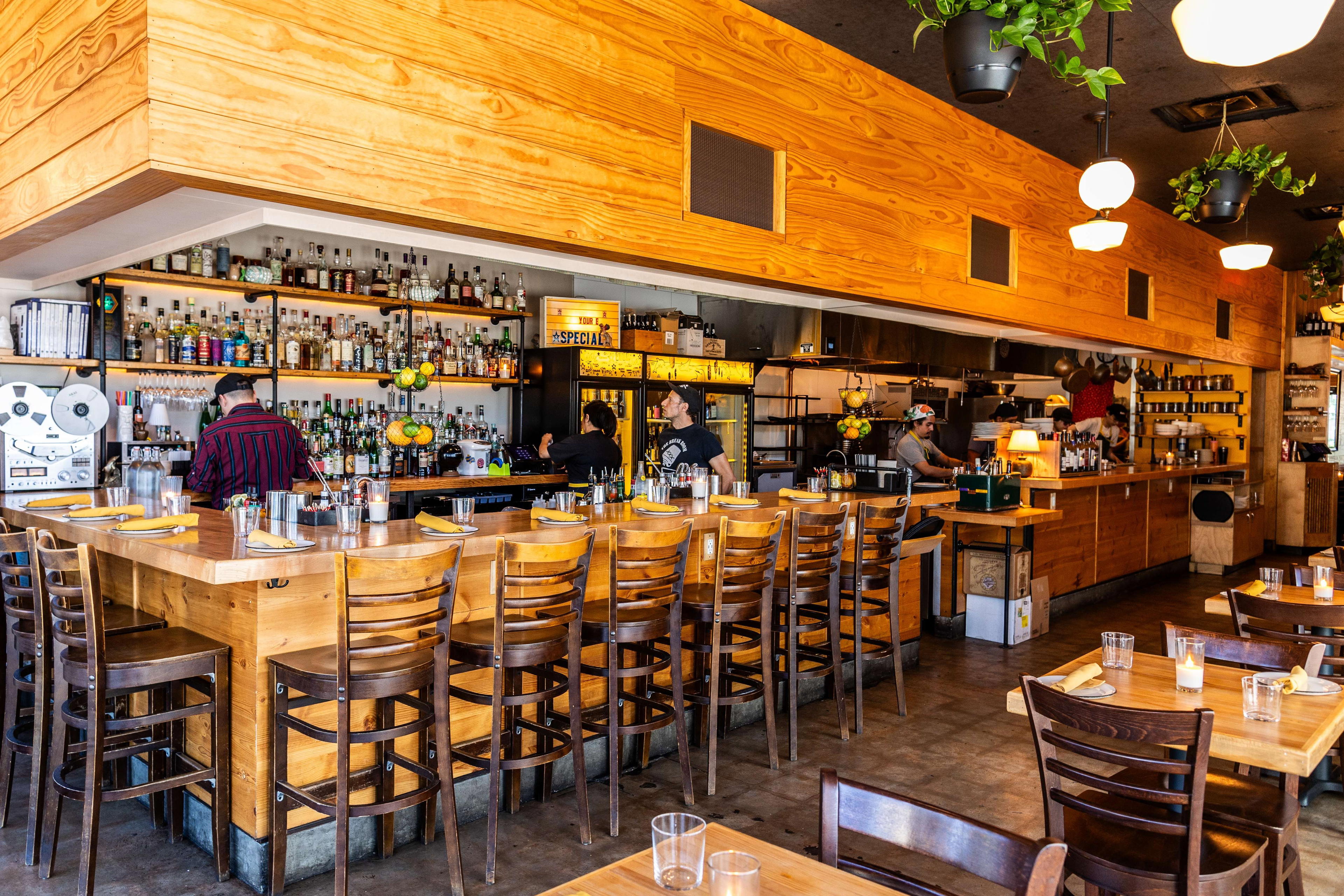
Bars in Houston
Browse all →

Hotels in Houston
Browse all →

Details
- Rustic
- Cozy
- Intimate
- Minimalist
- Date Night
- Special Occasion
- Standalone
- Extensive Wine List
- Local Sourcing
- A La Carte
- Small Plates
- Wine
- Vegetarian Friendly
Current opening hours
- Monday
- Closed
- Tuesday
- 5–9:30 PM
- Wednesday
- 5–9:30 PM
- Thursday
- 5–9:30 PM
- Friday
- 5–10 PM
- Saturday
- 5–10 PM
- Sunday
- 5–9 PM
Hours can change for holidays and private events. Last verified .
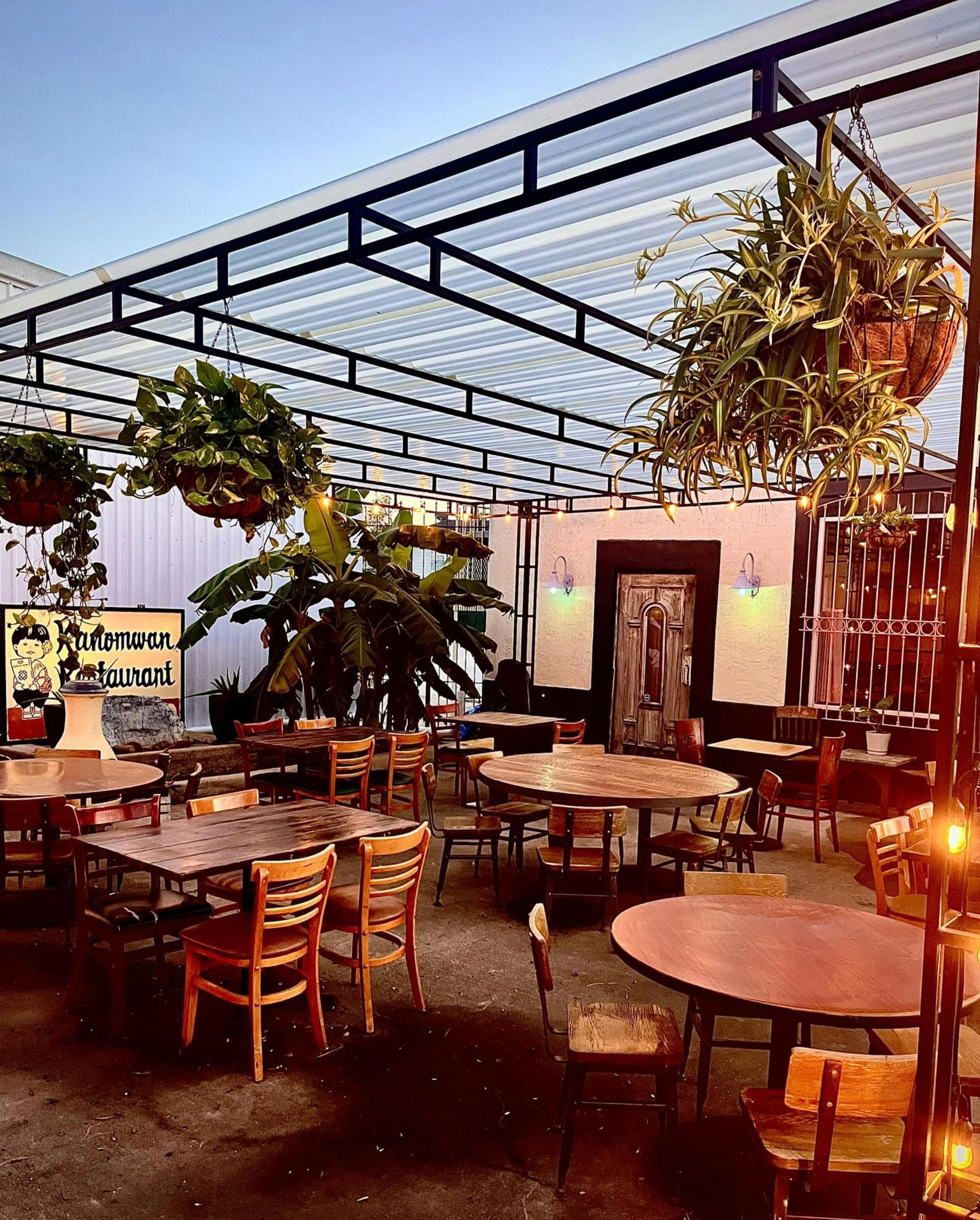
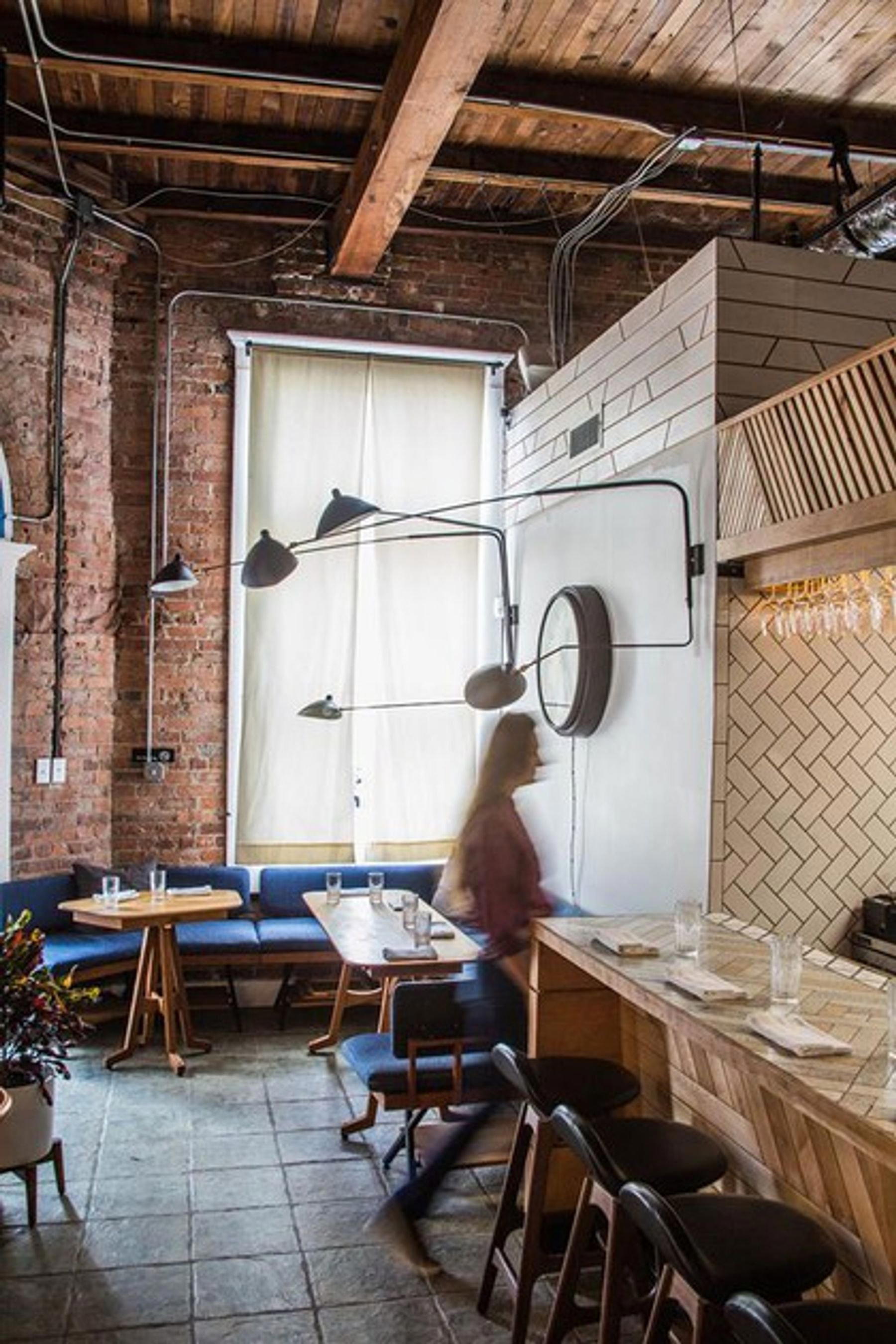
Cozy and charming ambiance reminiscent of a Tuscan farmhouse with warm, intimate lighting and welcoming atmosphere.