
Tabelog 100
Our verdict
Milonga Nuova belongs to Jimbōchō’s old coffeehouse culture: part kissaten, part pub, part café, with tango as a defining cue rather than background decoration. Its Tabelog 100 Kissaten 2022 selection, 49-seat room, and modest JPY 1,000–1,999 spend place it in Tokyo’s low-cost specialist tier, where atmosphere and category discipline matter more than luxury signals.

Pearl is the En Primeur Club membership app — saves, bookings, and concierge access live there. Same editors, same standards.
The menu
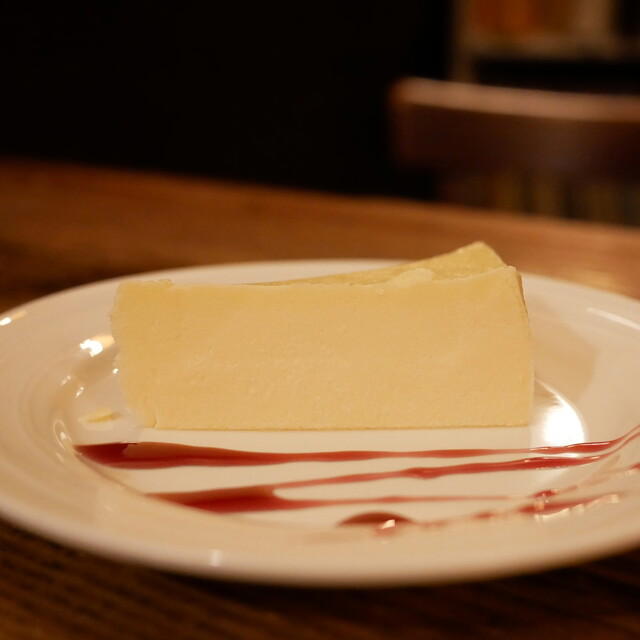
What to order
- Japanese-style dry curry
- House pizza
- Smoky coffee
- World/imported beers
Tokyo makes cafés feel like reading rooms with a bar tab. Around bookshops, offices, and everyday city routes, the kissaten tradition favours duration over speed: a coffee, a conversation, and a pause that can run longer than planned. Milonga Nuova fits that grammar as a kissa, pub, and café, with the slower habits of a city shaped by regulars, repeat visits, and casual social rooms.
Read it not as a chef-led restaurant, but as a format holding several Tokyo traditions together. Listed as a kissa, pub, and café, it reflects an older hospitality model: coffee shops as social rooms, with pub elements extending the day into evening without becoming formal dining. Its Tabelog 100 Kissaten 2022 recognition gives this hybrid a trust signal in a category where atmosphere, consistency, and local memory matter.
A Tokyo kissaten format built around coffeehouse time and pub-café habits
Tokyo kissaten culture is not one style. Some rooms lean into coffee and light café use; others into older room habits, conversation, and the feeling of another era. The city rewards places where people sit, read, talk, and return. Milonga Nuova is closer to that durable urban room than to a new-wave café. Its kissa, pub, and café categorisation gives it a broader identity than a simple coffee stop.
That structure explains why it sits comfortably beside other Tokyo names in the same spending band. LADRIO, Tea House TAKANO, Sumatra Curry Kyoei Do, and Ishigama Bake Bread Sabo Tamutamu all show how the JPY 1,000–1,999 bracket can still carry cultural weight. Kanda Brazil works in the same broader everyday-café conversation. Together they show Tokyo preserving a democratic form of specialist dining and drinking: modest prices, specific rooms, and identities built through repeated use rather than spectacle.
The atmosphere gives the café a legible rhythm without theme-park nostalgia. Tokyo has many rooms where décor, routine, and the pace of service shape the visit, and the better ones use atmosphere as structure, not ornament. Here, the appeal is the expectation of lingering, separating Milonga Nuova from utilitarian cafés where the category may look similar but the social contract is different.
The menu reads as a category map, not a chef manifesto
The strongest editorial signal is the venue architecture. A kissa-pub-café listing means café use first, social use around it, and evening flexibility without claiming the formality of a restaurant built around a named chef. This is neither Tokyo fine-dining tasting-menu logic nor the single-product discipline of a specialist counter. It is a multi-use room, which is precisely the point.
For travellers, Milonga Nuova is more useful as a cultural stop than a destination meal. It belongs in an itinerary that also accounts for Tokyo’s sharper contrasts across unnamed dining rooms, cafés, counters, and casual stops. In that spread, it offers a different lesson: how a Tokyo café functions as a social institution while keeping the bill low and accessible.
The Tabelog score of 3.67 adds another useful signal, not as a universal quality measure but as a local platform marker where fine-dining awards rarely apply. The 2022 Tabelog 100 Kissaten selection matters more than a broad café list because it identifies Milonga Nuova within a Japanese coffeehouse tradition, not just as another casual stop. The listed categories also matter: kissa, pub, and café together define a room whose social character is broader than any single label.
Practical details matter, but the confirmed essentials are simple. For current hours, access, payment, smoking, and reservation details, use the venue’s official channels or a live local listing before going.
Where it fits in a Tokyo itinerary
Milonga Nuova is strongest as a Tokyo café chapter, not a stand-alone trophy booking. Pair it with book browsing, another casual meal, or an afternoon built around older city rituals. Its value is in showing how Tokyo’s older café culture survives in ordinary price bands while premium dining elsewhere moves toward reservation systems, counter formats, and higher average spends.
For broader planning, Our full Tokyo restaurants guide gives the citywide dining frame, while Our full Tokyo bars guide helps place its pub side against more drink-led rooms. Travellers building a fuller city stay can also use Our full Tokyo hotels guide, Our full Tokyo experiences guide, and Our full Tokyo wineries guide. Nearby and wider-region contrasts are best treated generically here: other Tokyo dining rooms, casual cafés, curry shops, bars, and everyday stops can frame Milonga Nuova without distracting from its own low-key role.
The editorial case is clear: in a city often judged by sushi counters, kaiseki rooms, and cocktail labs, Milonga Nuova reminds us that Tokyo’s everyday institutions can be just as revealing. It is a low-spend, award-recognised kissaten-pub-café hybrid in a city that knows how to use such rooms. Go for the format, tempo, and Tokyo context, not for a chef narrative or luxury performance.
Pricing, Compared
Comparable venues to place this listing in its category.
| Venue | Cuisine | Price | Awards | Notes |
|---|---|---|---|---|
| Milonga NuovaThis venue (the venue you are viewing) | Retro Japanese kissaten & café with beer and curry | $10–20 | Tabelog 100 | Not listed |
| Rose Bakery Marunouchi | Chiyoda, British-influenced bakery cafe | $10–20 | Tabelog 100 #61 | Not listed |
| Ginza no Ginger Ginza honten | Ginger-focused café & dessert shop | $10–20 | Tabelog 100 #49 | Chūō, Ginger-focused café & dessert shop |
| Levain Tomigaya ten | Natural-yeast bakery & café | $10–20 | Tabelog 100 #63 | Shibuya, Natural-yeast bakery & café |
| CAFÉ FAÇON Nakameguro honten | Meguro, Specialty coffee & sweets café | $10–20 | Tabelog 100 #37 | Not listed |
| Bondy Chiyoda kanda jinbou honten | European-style Japanese curry house | $10–20 | Tabelog 100 #32 | Chiyoda, European-style Japanese curry house |
Recognition history
Dated appearances from independent guides and award organizations, with the underlying list record or original source where available.
Tabelog 100
Tabelog · Tabelog 100 - Kissaten - 2026
Full recognition history (2 entries)
Tabelog 100 #82 · No. 82
Tabelog · Tabelog 100 - Kissaten - 2022
Continue exploring
More in Tokyo
Restaurants in Tokyo
All restaurants in Tokyo →







Details
- Classic
- Cozy
- Well Known
- Intimate
- Solo
- Casual Hangout
- After Work
- Family
- Late Night
- Live Music
- Historic Building
- Design Destination
- Standalone
- Beer Program
- Craft Cocktails
- Street Scene
- A La Carte
- Coffee
- Beer
- Cocktails
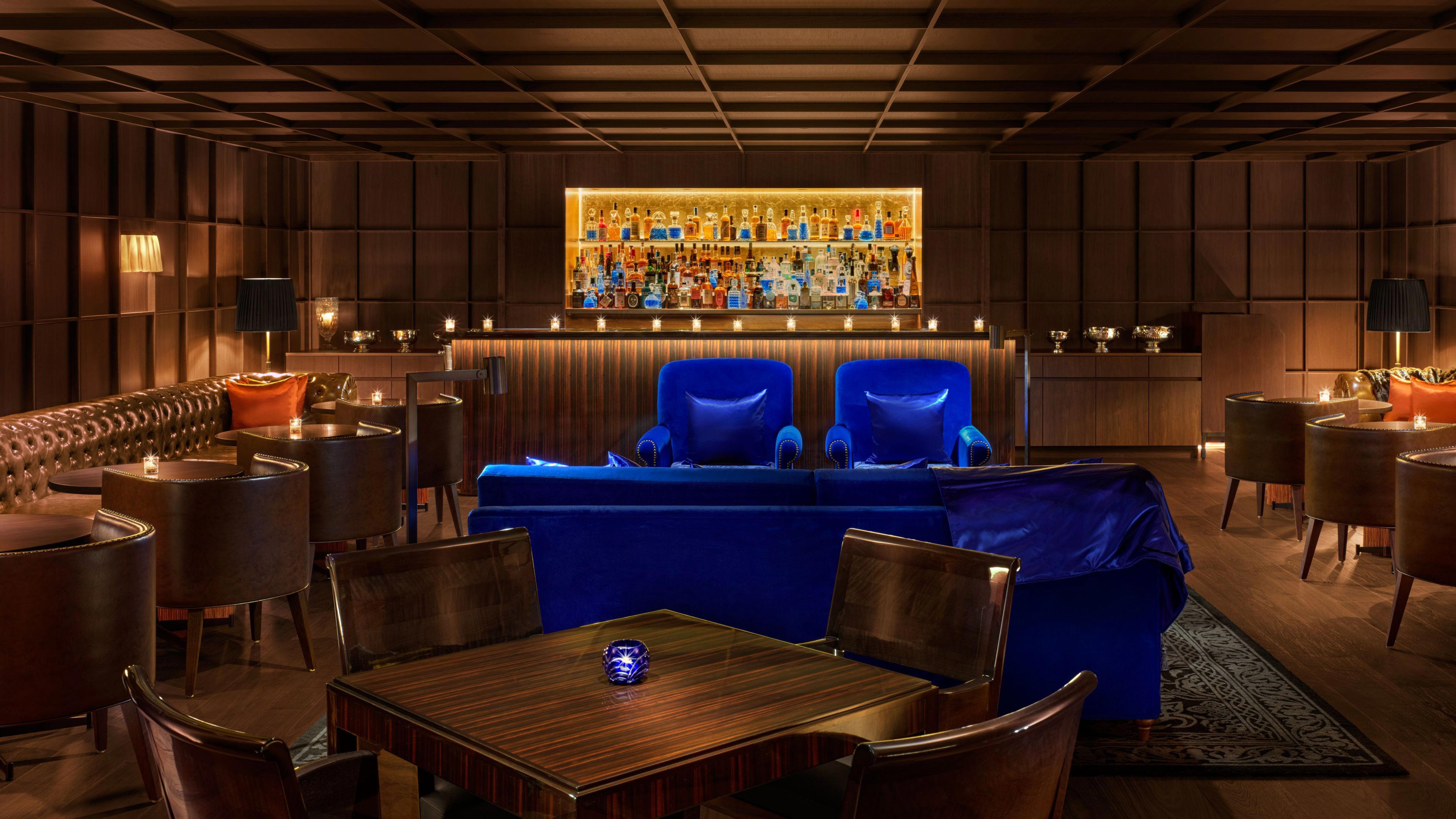
Classic, dim and slightly smoky kissaten atmosphere with a strong retro feel; Argentine tango and other music play continuously, guests linger over coffee, beer, and simple café fare in a nostalgic, relaxed space that feels like a time capsule despite its newer building.