Milly's Dominican Kitchen
Dominican home cooking holds a specific place in Cape Coral's Latin dining scene, and Milly's Dominican Kitchen on Del Prado Boulevard represents that tradition at neighborhood scale. The kitchen draws on Caribbean pantry staples and slow-cooked technique, offering a counter to the seafood-forward dining that dominates this canal city. For those tracking where Southwest Florida's immigrant food cultures leave their clearest mark, this address is worth noting.
Pearl is the En Primeur Club membership app — saves, bookings, and concierge access live there. Same editors, same standards.
- Address
- 601 Del Prado Blvd N #3, Cape Coral, FL 33909
- Phone
- +12397105676
- Website
- millysdominicankitchen.com
- Directions
- Get directions
 Saves & bookings on Pearl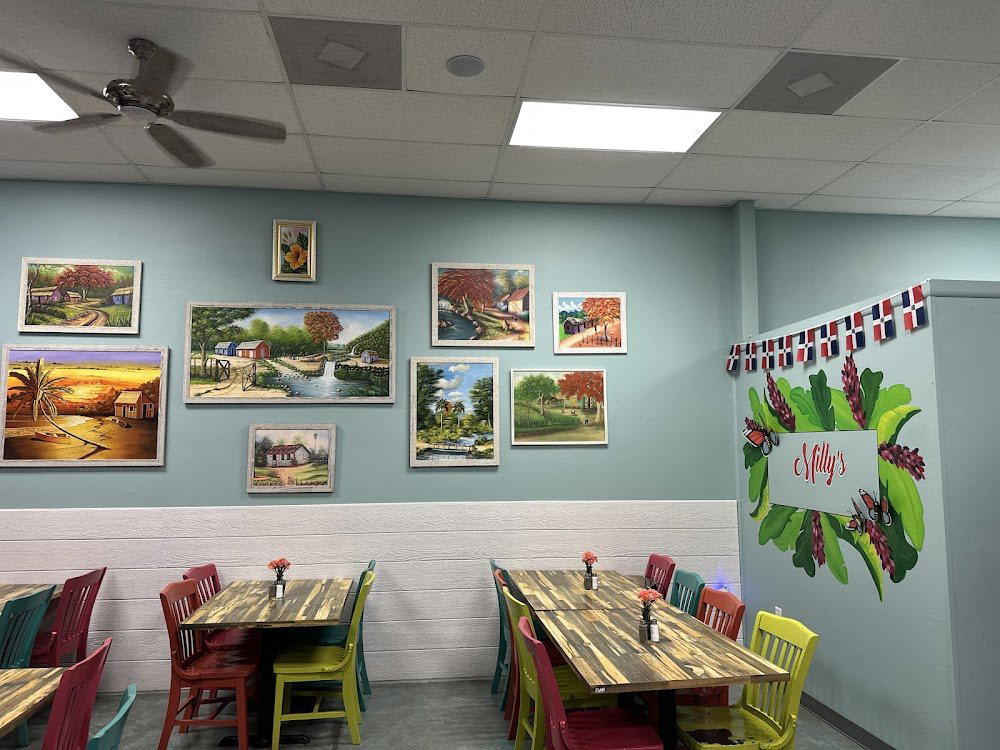
Where Caribbean Pantry Cooking Lands in Cape Coral
Milly's Dominican Kitchen is an authentic Dominican restaurant in Cape Coral, FL, at 601 Del Prado Blvd N #3. Dominican restaurants in the United States rarely arrive through fine-dining channels. They arrive the way Milly's does: in practical, neighborhood-facing rooms where the measure of quality is in the pot, not the presentation. Del Prado Boulevard is Cape Coral's commercial spine, a long arterial corridor where Latin grocery stores, Caribbean bakeries, and family-run dining rooms have gradually assembled a food culture that sits largely outside the waterfront restaurant circuit that most visitors follow. Milly's Dominican Kitchen belongs to this quieter geography.
The city's dining identity remains heavily shaped by its waterfront access. Places like Rumrunners and Slipaway Food Truck Park and Marina anchor the canal-facing, seafood-and-sunset end of the market. Next Door represents the city's newer American neighborhood-bistro format. Dominican home cooking occupies a different category entirely, one grounded in land-based pantry ingredients, long-cooked proteins, and the starch-centered plate architecture that defines the Dominican cocina.
The Ingredient Logic of Dominican Cooking
Dominican cuisine operates through a specific and coherent sourcing logic that predates the farm-to-table framing now common across American dining. The foundation is the sofrito, a cooked base of aromatics, tomato, and herbs that anchors most savory preparations. Rice and beans are not sides in the incidental sense but structural components, cooked separately and combined on the plate with intention. Plantains appear at multiple stages of ripeness, each version carrying a different textural and flavor register: green tostones fried twice for density and crunch, ripe maduros softened into something close to caramel.
The proteins that define the Dominican table, whether stewed goat, braised oxtail, fried pork chicharrón, or slow-cooked chicken, are typically built around time rather than precision temperature. This is a cuisine where the ingredient transformation happens over extended heat, where collagen breaks down and fat renders into the braising liquid, and where the pantry staples, garlic, oregano, cumin, citrus, and recao, do the complexity work that imported specialty products do elsewhere. The sourcing, in other words, is domestic and traditional rather than artisanal and curated, but no less considered for that.
This is the category of ingredient philosophy that American fine dining occasionally re-discovers and frames as revelation. At Blue Hill at Stone Barns in Tarrytown or Single Thread Farm in Healdsburg, the provenance of ingredients is a central curatorial statement. At a Dominican kitchen like Milly's, the same provenance logic applies at a different economic register: the ingredients matter because generations of Dominican cooks have understood which combinations and which techniques produce the result. The knowledge is embedded in the cooking tradition rather than displayed on a tasting menu.
The Dining Room and What to Expect
Dominican neighborhood restaurants in Florida tend toward informal, counter-service or table-service formats in modest commercial spaces. The dining room is rarely a destination in itself; the room is functional and the focus is on the food arriving at the table hot and complete. This positions Milly's at the opposite end of the experience spectrum from, say, Le Bernardin in New York City, Alinea in Chicago, or The French Laundry in Napa, but the comparison is less about quality than about register and purpose. The neighborhood Dominican lunch counter and the multi-course tasting room are both doing something coherent; they are just doing it for different readers of the meal.
Cape Coral's Latin dining options are scattered across a city built primarily for residential sprawl rather than walkable neighborhood density, which means that finding a specific cuisine type requires some navigation. The Del Prado corridor is one reliable stretch for Latin and Caribbean dining in the city, and the atmosphere at a place like Milly's reflects the practical character of that area: regulars who know the menu, familiar orders, and a room calibrated for lunch crowds and family dinners rather than long tasting-menu evenings.
Planning Your Visit
Milly's Dominican Kitchen sits at 601 Del Prado Blvd N, Suite 3, in Cape Coral. The Del Prado address is accessible by car from most parts of the city, and the strip mall format means parking is direct. The restaurant is open Wednesday and Thursday from 11 AM to 10 PM, Friday and Saturday from 11 AM to 12 AM, and closed Monday, Tuesday, and Sunday. Walk-in capacity at informal, neighborhood-scale spots in this category tends to be the norm rather than the exception, but timing to avoid the peak lunch window reduces waiting.
Price point for Dominican neighborhood cooking in Southwest Florida sits at the affordable end of the dining spectrum, generally well below the waterfront and bistro-category restaurants that set the ceiling for Cape Coral dining. This makes the address practical for families with children, where the direct plate format, familiar proteins, and starch-forward structure of Dominican food tends to work across age ranges without accommodation. The dress code is casual, and the restaurant is walk-in friendly. The cuisine is not delicate or precious, and the room is unlikely to require dress code compliance or a lengthy commitment to the table.
For those whose dining interests run toward the sourced-ingredient, technique-driven end of American restaurant culture, Milly's represents the other side of the same conversation: a cooking tradition where the ingredients have been understood for generations, where the technique is accumulated and oral rather than documented and published, and where the plate reflects the Caribbean pantry in direct, practical terms. It is a different kind of literacy, and Cape Coral's Del Prado corridor is one of the more accessible places in Southwest Florida to find it.
Fast Comparison
Comparable venues nearby, for context on price, style, and recognition.
| Venue | Cuisine | Price | Notes |
|---|---|---|---|
| Milly's Dominican KitchenThis venue — the venue you are viewing | Authentic Dominican | $ | Not listed |
| Rumrunners | Waterfront Seafood and Steaks | $$ | Cape Harbour |
| Next Door | Modern Italian Pasta | $$$ | Tarpon Point |
| Slipaway Food Truck Park & Marina | Dining | $$ | Cape Coral Parkway |
Continue exploring
More in Cape Coral
Restaurants in Cape Coral
Browse all →

Bars in Cape Coral
Browse all →

At a Glance
- Casual Hangout
Current opening hours
- Monday
- Closed
- Tuesday
- Closed
- Wednesday
- 11 AM–10 PM
- Thursday
- 11 AM–10 PM
- Friday
- 11 AM–12 AM
- Saturday
- 11 AM–12 AM
- Sunday
- Closed
Hours can change for holidays and private events. Last verified .