Mi Ranchito
Mi Ranchito serves Authentic Mexican in University City at 887 Kingsland Ave, with casual service, standard pacing, and a lively room for lunch or dinner.
Pearl is the En Primeur Club membership app — saves, bookings, and concierge access live there. Same editors, same standards.
- Address
- 887 Kingsland Ave, St. Louis, MO 63130
- Phone
- +13148631880
- Website
- mi-ranchito-stl.com
- Directions
- Get directions
 Saves & bookings on Pearl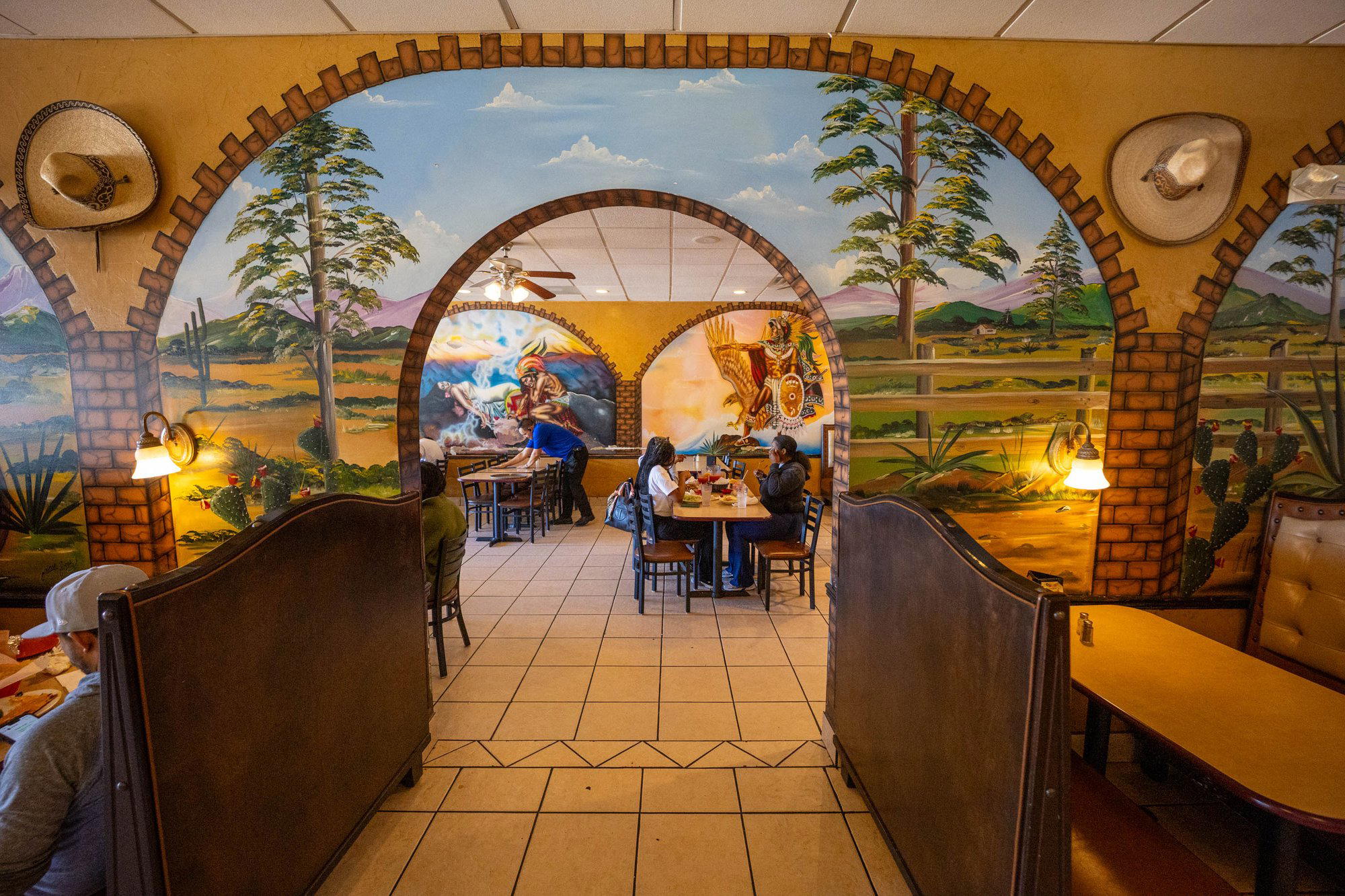
Kingsland Avenue and the Rhythm of a Mexican Meal
On Kingsland Avenue in University City, the block settles into a particular cadence by early evening. The storefronts carry the accumulated character of a neighborhood that has always valued function alongside flavor, and Mi Ranchito fits that register without apology. This is a room that earns its place over the course of a meal, through the logic of a dining ritual that Mexican regional cooking has refined over generations. The tortillas arrive warm. The salsas come to the table without ceremony but with intent. The pacing asks you to slow down, and the room rewards that accommodation.
University City's dining corridor has long operated as a counterpoint to downtown St. Louis, prioritizing neighborhood regulars over destination traffic. Mi Ranchito sits inside that tradition, alongside peers like Blue Ocean, Fitz's Delmar, Lu Lu Seafood & Dim Sum, Salt + Smoke, and Winslow's Home, each anchoring a different culinary tradition in the same few walkable miles. What Mi Ranchito brings to that mix is a dining format rooted in the customs of Mexican table culture: shared plates, sequential progression from lighter antojitos toward heartier mains, and the implicit social contract that no one is in a hurry.
The Dining Ritual as the Main Event
Mexican restaurant culture in the United States has split into at least three distinct tiers over the past two decades. At one end sit the fast-casual operations where assembly-line efficiency governs the experience. At the other end, a smaller cohort of chef-driven Mexican fine dining rooms has emerged in major markets, drawing comparisons to the kind of conceptual ambition found at destination restaurants like Alinea in Chicago or Lazy Bear in San Francisco. The middle tier, which is where most neighborhood Mexican restaurants live, is defined less by spectacle and more by the integrity of the ritual: how the meal is paced, how the table is managed, and whether the fundamentals of the cuisine arrive with any fidelity to their origins.
That middle tier is where the evaluation of a place like Mi Ranchito becomes most useful. The dining customs of central Mexican cooking place emphasis on a particular sequence: small bites or soups to open, followed by the heavier protein and sauce combinations, with fresh tortillas serving as both utensil and palate reset throughout. When a neighborhood restaurant respects that sequence rather than collapsing it into a single undifferentiated plateful, the meal develops genuine texture. The sauces matter in relation to one another, the heat builds across courses rather than arriving all at once, and the tortilla functions as it was intended to: as a structural element of the meal, not a side item.
Across the broader American dining scene, technically demanding cooking is concentrated at destinations like Le Bernardin in New York City, The French Laundry in Napa, or Single Thread Farm in Healdsburg. But the dining ritual at a neighborhood Mexican table carries its own discipline, one that is less about innovation and more about consistency, hospitality, and the accumulated knowledge of a cuisine that predates most culinary institutions by several centuries.
University City as a Dining Context
University City's restaurant culture has always been shaped by proximity to Washington University's campus and the demographics that academic neighborhoods tend to produce: a range of income levels, high tolerance for ethnic diversity in dining, and a preference for places that feel inhabited rather than staged. That context rewards restaurants that are absorbed into the rhythm of the neighborhood rather than positioned against it. The Delmar Loop corridor, which runs through the heart of the district, has supported a variety of cuisines simultaneously, which means any individual restaurant competes less on category exclusivity and more on execution and consistency.
For Mexican cooking in this context, the competitive pressure comes partly from the wider availability of Mexican food across the St. Louis metropolitan area, and partly from the refined expectations that an educated, well-traveled neighborhood population brings to any cuisine they consider familiar. These diners have often eaten in Mexico City or Oaxaca, or at minimum have a reference point beyond Tex-Mex approximations. That shifts what matters: authenticity of technique becomes more important than breadth of menu, and the integrity of core preparations carries more weight than novelty.
The broader American conversation about Mexican regional cuisine has expanded significantly, with chefs in cities like Los Angeles, New York, and Chicago making regional distinctions between Oaxacan mole traditions, Yucatecan slow-cooking methods, and the street food canon of the central valleys. That conversation has reached St. Louis in fragments, and neighborhood restaurants in University City have been part of how it arrives locally. Relative to the destination-tier ambition of restaurants like Providence in Los Angeles or Addison in San Diego, the restaurant operates in a fundamentally different register, but it answers a different question: what does reliable, ritual-respecting Mexican cooking look like on a weeknight in a Midwestern university neighborhood?
For readers building a broader sense of the area's dining options, the neighborhood's range runs from the dim sum format at Lu Lu Seafood & Dim Sum to the smoked meat focus of Salt + Smoke. The restaurant occupies a distinct position in that range, one defined by a cuisine with deep ritual structure rather than by any particular price tier or format innovation.
Planning a Visit
The restaurant is located at 887 Kingsland Ave, St. Louis, MO 63130, in the University City district. The Kingsland address places it within walking distance of the broader Loop dining corridor, making it a practical choice before or after visits to neighboring venues. The restaurant is walk-in friendly, and weekday evenings tend to offer one settled dining pace. The address is accessible from several Metro bus lines serving the Delmar Loop area.
Cuisine and Awards Snapshot
Comparable venues nearby, for context on price, style, and recognition.
| Venue | Cuisine | Price | Notes |
|---|---|---|---|
| Mi RanchitoThis venue — the venue you are viewing | Authentic Mexican | $$ | Not listed |
| Fitz's Delmar | Classic American Diner with Craft Sodas | $$ | Delmar Loop |
| Blue Ocean | Japanese Sushi and Ramen | $$ | University City |
| Salt + Smoke | St. Louis-Style BBQ | $$ | University City |
| Lu Lu Seafood & Dim Sum | Cantonese Dim Sum & Seafood | $$ | University City |
| Winslow's Home | Farm-to-Table American Cafe | $$ | University City |
Continue exploring
More in University City
Restaurants in University City
Browse all →
Bars in University City
Browse all →
At a Glance
- Lively
- Cozy
- Rustic
- Casual Hangout
- Family
Current opening hours
- Monday
- 11 AM–10 PM
- Tuesday
- 11 AM–10 PM
- Wednesday
- 11 AM–10 PM
- Thursday
- 11 AM–10 PM
- Friday
- 11 AM–10:30 PM
- Saturday
- 11 AM–10:30 PM
- Sunday
- Closed
Hours can change for holidays and private events. Last verified .
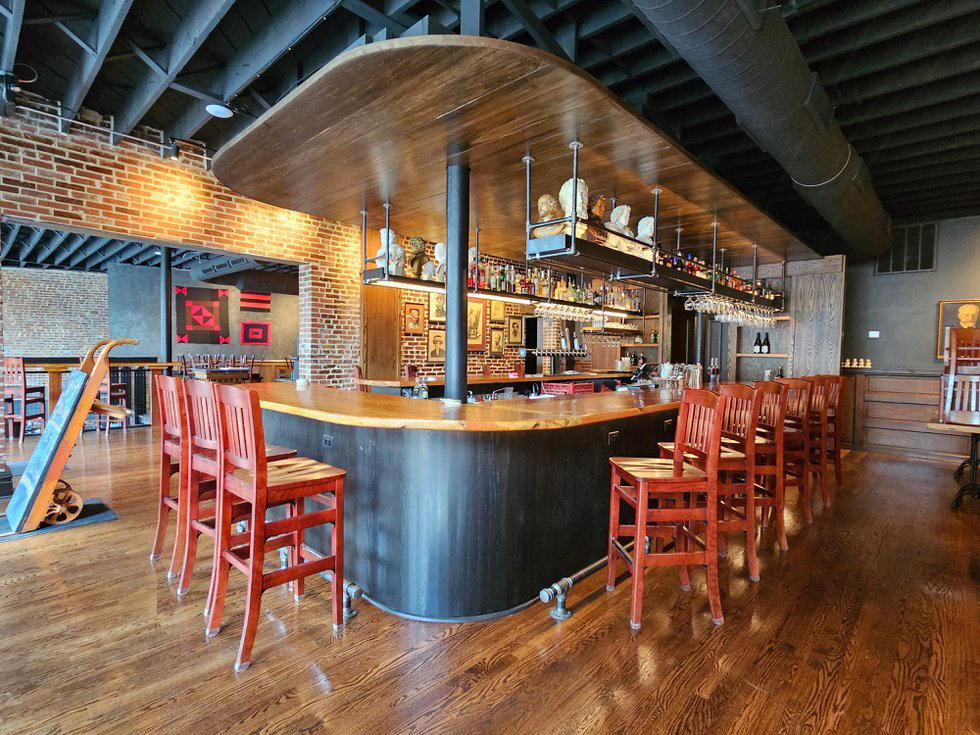
Folksy decor with a lively, welcoming atmosphere.