Mi Cocina
Our verdict
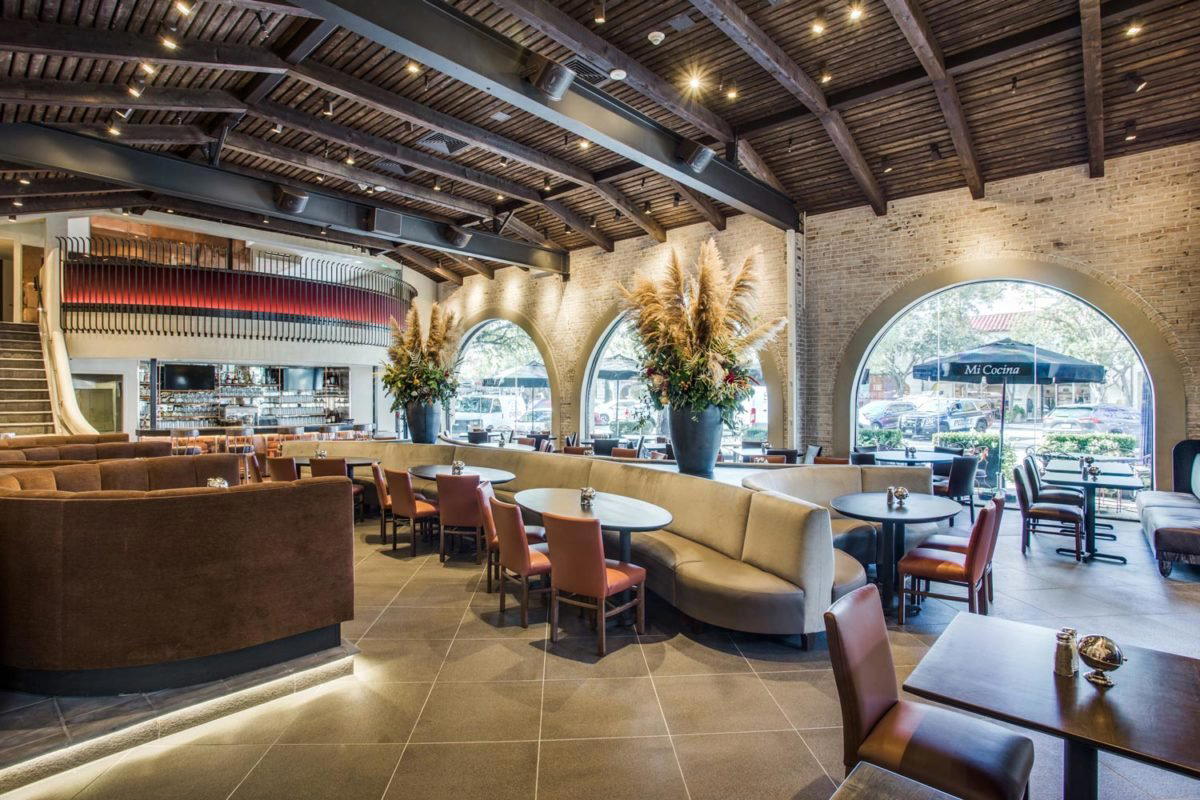
Mi Cocina occupies a prime address at Highland Park Village, one of Dallas's most storied retail and dining destinations. The restaurant draws on Mexican culinary tradition in a neighbourhood where that tradition sits alongside some of the city's most established dining names. Advance planning is advisable for peak sittings, particularly at weekends.

Pearl is the En Primeur Club membership app — saves, bookings, and concierge access live there. Same editors, same standards.
- Address
- 77 Highland Park Village, Dallas, TX 75205
- Phone
- (214) 521-6426
- Hours
- Mon–Thu 11 AM–10 PMFri–Sat 11 AM–11 PMSun 10:30 AM–10 PM
- Website
- micocina.com
- Directions
- Get directions
The menu
What to order
- Mambo Taxis
- Brisket tacos
- Hand-dipped enchiladas
Highland Park Village and the Place of Mexican Cooking in Dallas
Highland Park Village is not a casual shopping centre. Built in 1931 and listed on the National Register of Historic Places, it is the oldest planned shopping centre in the United States, and its tenant mix has always leaned toward established names rather than experimental arrivals. A restaurant at 77 Highland Park Village is, by definition, operating inside one of Dallas's most loaded addresses, one where the surrounding context sets the tone as much as the kitchen does. Mi Cocina holds that address, and what that means in practice is a room where the expectations of the neighbourhood — groomed, confident, loyal to its own traditions — meet a cuisine with its own deep roots in Mexican cooking as it has been interpreted in Texas for generations. To see how Highland Park Village shapes its dining tenants is to understand why this particular restaurant has endured here.
Dallas has a complicated relationship with Mexican food. The city sits far enough from the border that its Mexican-American culinary tradition developed its own character, one shaped by Tex-Mex conventions, by waves of migration from different Mexican states, and by a restaurant culture that has, over the decades, separated sharply between fast-casual formats and sit-down establishments that treat the cuisine as something worth dressing for. Mi Cocina operates in that second tier, inside a neighbourhood where its neighbours include polished American and European formats rather than taqueria-style operations. That positioning is itself a statement about how the city's dining culture has evolved.
What the Cuisine Is Actually Doing
Mexican cooking in the United States occupies a contested space. On one side sits the fast-casual sector, which has commodified the format to the point of abstraction. On the other sits a smaller group of restaurants attempting to hold the cuisine to a higher standard of sourcing, preparation, and presentation, without abandoning the accessibility that makes the food culturally resonant. The better restaurants in this second group understand that Mexican cooking at its core is a sophisticated culinary tradition, one encompassing mole sauces requiring dozens of ingredients and days of preparation, ceviches built on precise acid balance, and regional breadth that runs from Oaxacan to Veracruz to Yucatecan cooking, each with distinct technique and ingredient logic.
Compared to the formal tasting-menu format found at places like Le Bernardin in New York City or the hyper-seasonal progressive American approach at Lazy Bear in San Francisco, a Mexican-tradition restaurant in Dallas is operating in a different register entirely. The peer comparison is less about per-course price and more about commitment: how rigorously is the kitchen engaging with source material? That question is the right one to bring to any restaurant in this category, including this one.
Across the wider American dining scene, venues occupying the middle tier between casual and fine-dining have faced the sharpest pressure over the past decade. The restaurants that have held ground are those with a clearly defined point of view, a loyal neighbourhood following, and a format that translates well across occasions. Within the Dallas context, that means a room capable of handling business lunches, family dinners, and post-event sittings without losing coherence. The location at Highland Park Village situates Mi Cocina inside a foot-traffic pattern that rewards exactly this kind of flexible format.
The Neighbourhood and Its Dining Character
Highland Park itself is one of the wealthier enclaves in Texas, a small municipality entirely surrounded by Dallas. Its restaurant culture tends toward the established and the recognisable rather than the experimental. That does not mean it is static: Abigail's American Bistro represents the kind of confident neighbourhood American cooking that has found a home here, and the Village's overall tenant mix reflects a preference for quality over novelty. For a Mexican-tradition restaurant, this neighbourhood dynamic cuts both ways. The customer base is sophisticated and returning, which supports investment in quality. But the same base tends to have fixed preferences, which can slow the kind of menu evolution that defines the most ambitious kitchens elsewhere.
For reference, the range of ambition in American dining right now is considerable. Restaurants like Smyth in Chicago, Single Thread Farm in Healdsburg, or Blue Hill at Stone Barns in Tarrytown operate at the furthest edge of what a dining experience can attempt in the United States. At the other end, neighbourhood stalwarts with strong local followings and a stable format fill a different but entirely legitimate role. Mi Cocina fits the latter category, operating as an anchor tenant in one of Dallas's most established retail-dining nodes rather than as a destination competing for the attention of traveling food critics.
The wider Texas dining scene provides useful context. Cities like Houston and Austin have both developed more experimental Mexican and Mexican-adjacent cooking in recent years, with chefs drawing on a broader range of regional Mexican traditions and combining them with contemporary technique. Dallas has been slower to develop that tier, which means the mid-market Mexican-tradition restaurant still carries more of the representational load in the city than it might in, say, San Antonio. That places additional weight on restaurants like Mi Cocina to hold the standard in a neighbourhood where alternatives are limited.
Planning a Visit
Highland Park Village is accessible from central Dallas by car, with parking available within the complex. For those cross-referencing options across the city, our full Highland Park restaurants guide maps the dining character of the neighbourhood in more detail. Weekends at the Village draw significant foot traffic from across the Dallas metropolitan area, and the dining establishments here tend to fill quickly on Friday and Saturday evenings. Visitors planning to eat here alongside a shopping visit should account for that demand. Midweek sittings are more reliably available and allow a less pressured experience of the room.
For those building a broader Texas or American dining itinerary, the comparison set worth considering runs from casual regional to high-commitment tasting formats. Venues like ITAMAE in Miami or Atomix in New York City represent what happens when a non-European culinary tradition is taken to its formal limit in an American city. Mi Cocina is not in that conversation, nor does it appear to want to be. Its context is Highland Park, its audience is the neighbourhood, and its measure of success is repeat loyalty rather than critical destination status. Within those terms, the address at Highland Park Village is a credential in itself.
Frequently asked questions
What's Mi Cocina's location?
Mi Cocina is located at 77 Highland Park Village, Dallas, TX 75205, Highland Park.
Is Mi Cocina at Highland Park Village suitable for a business lunch in Dallas?
Highland Park is one of the wealthiest municipalities in Texas, and its restaurant culture reflects that: the area draws a clientele that expects composed settings rather than casual formats. Mi Cocina sits within Highland Park Village, a National Register of Historic Places landmark built in 1931, which gives the dining environment a grounded architectural character that suits midday business meals. Dallas's Mexican dining scene at this address tier tends toward sit-down service rather than counter formats.
What's the signature dish at Mi Cocina?
What the Highland Park Village location does reflect, given its address at the oldest planned shopping centre in the United States, is a dining context where operators tend to run refined, consistent programmes rather than rotating seasonal experiments.
Should I book Mi Cocina in advance?
Highland Park Village draws consistent traffic from both Dallas residents and visitors, and the complex's dining establishments fill quickly on weekends. The address at 77 Highland Park Village places Mi Cocina within a concentrated retail-dining footprint where walk-in availability is not guaranteed. Booking ahead, particularly for Friday and Saturday evenings, is the practical approach.
Pricing, Compared
| Venue | Cuisine | Price | Awards | Notes |
|---|---|---|---|---|
| Mi CocinaThis venue — the venue you are viewing | Tex-Mex | $20–30 | Not listed | Not listed |
| Le Bernardin | French Seafood Fine Dining | $300–500 | 3 Michelin Stars · World's 50 Best #13 | French, Seafood |
| Lazy Bear | Modern American Tasting Menu | Not listed | 2 Michelin Stars · World's 50 Best #25 | Progressive American, Contemporary |
| Atomix | Modern Korean Tasting Menu | $300–500 | 2 Michelin Stars · World's 50 Best #7 | Modern Korean, Korean |
| Per Se | French Fine Dining Tasting Menu | $300–500 | 3 Michelin Stars · World's 50 Best #40 | French, Contemporary |
| Masa | Traditional Japanese Omakase | $500+ | 2 Michelin Stars · World's 50 Best #27 | Sushi, Japanese |
Continue exploring
More in Highland Park
Restaurants in Highland Park
Browse all →
Bars in Highland Park
Browse all →
Details
- Lively
- Trendy
- Elegant
- Brunch
- Group Dining
- Craft Cocktails
- A La Carte
- Margaritas
- Vegetarian Friendly
- Vegan Options
- Gluten Free Options
Current opening hours
- Monday
- 11 AM–10 PM
- Tuesday
- 11 AM–10 PM
- Wednesday
- 11 AM–10 PM
- Thursday
- 11 AM–10 PM
- Friday
- 11 AM–11 PM
- Saturday
- 11 AM–11 PM
- Sunday
- 10:30 AM–10 PM
Hours can change for holidays and private events. Last verified .
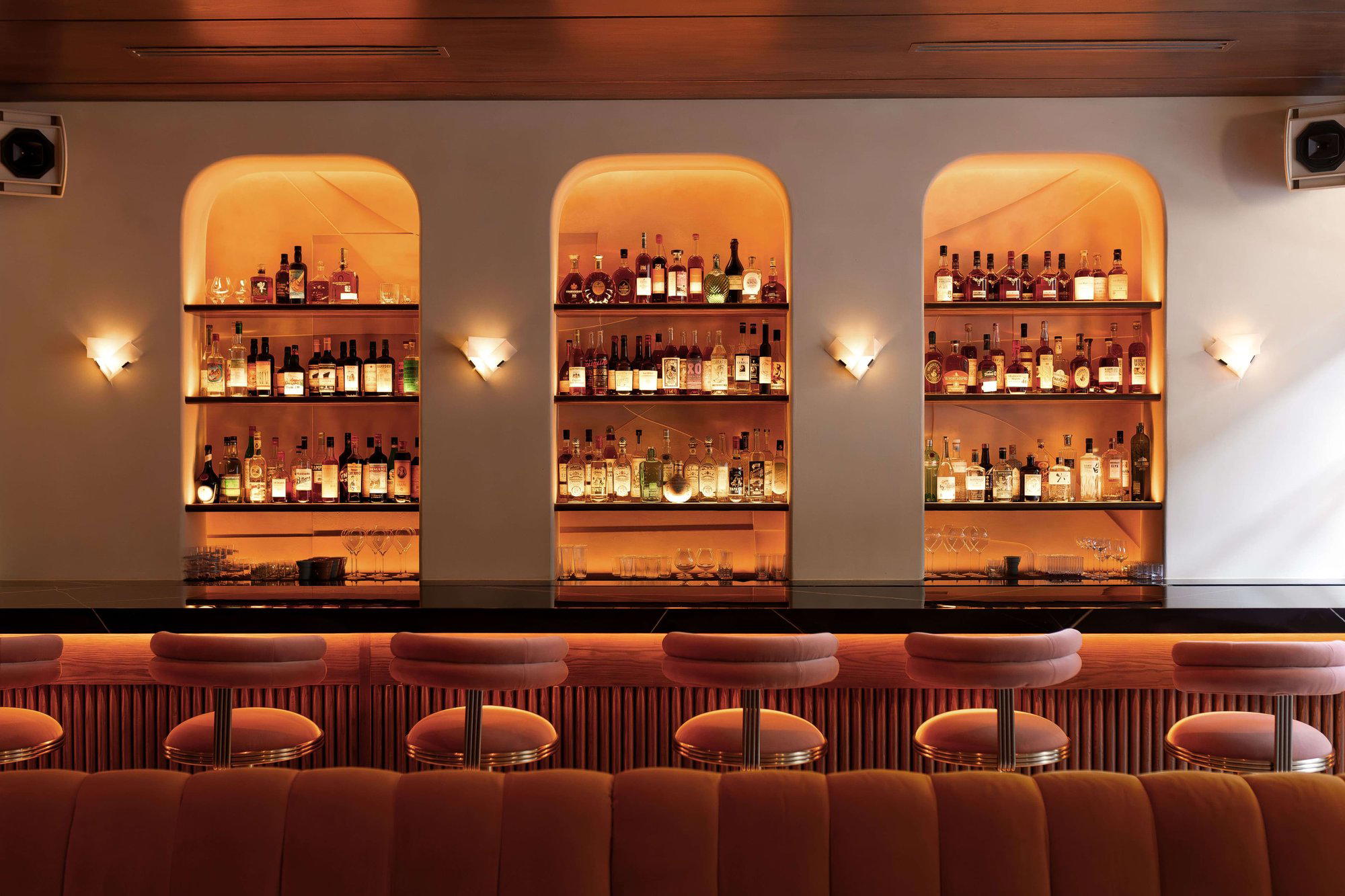
Comfortable stylish surroundings with a sleek, sexy atmosphere fitting the upscale shopping village vibe.