

Michelin Plate · White Guide Baltic Restaurants - Very Fine Level
Our verdict
Moon sits in Tallinn's Telliskivi creative district, earning consecutive Michelin Plate recognition in 2024 and 2025 for its approach to traditional Estonian cuisine. At the €€ price point, it occupies a practical but credentialed position in a city where the gap between casual dining and multi-course tasting menus is widening.

Pearl is the En Primeur Club membership app, where members save venues, book tables and use the concierge.
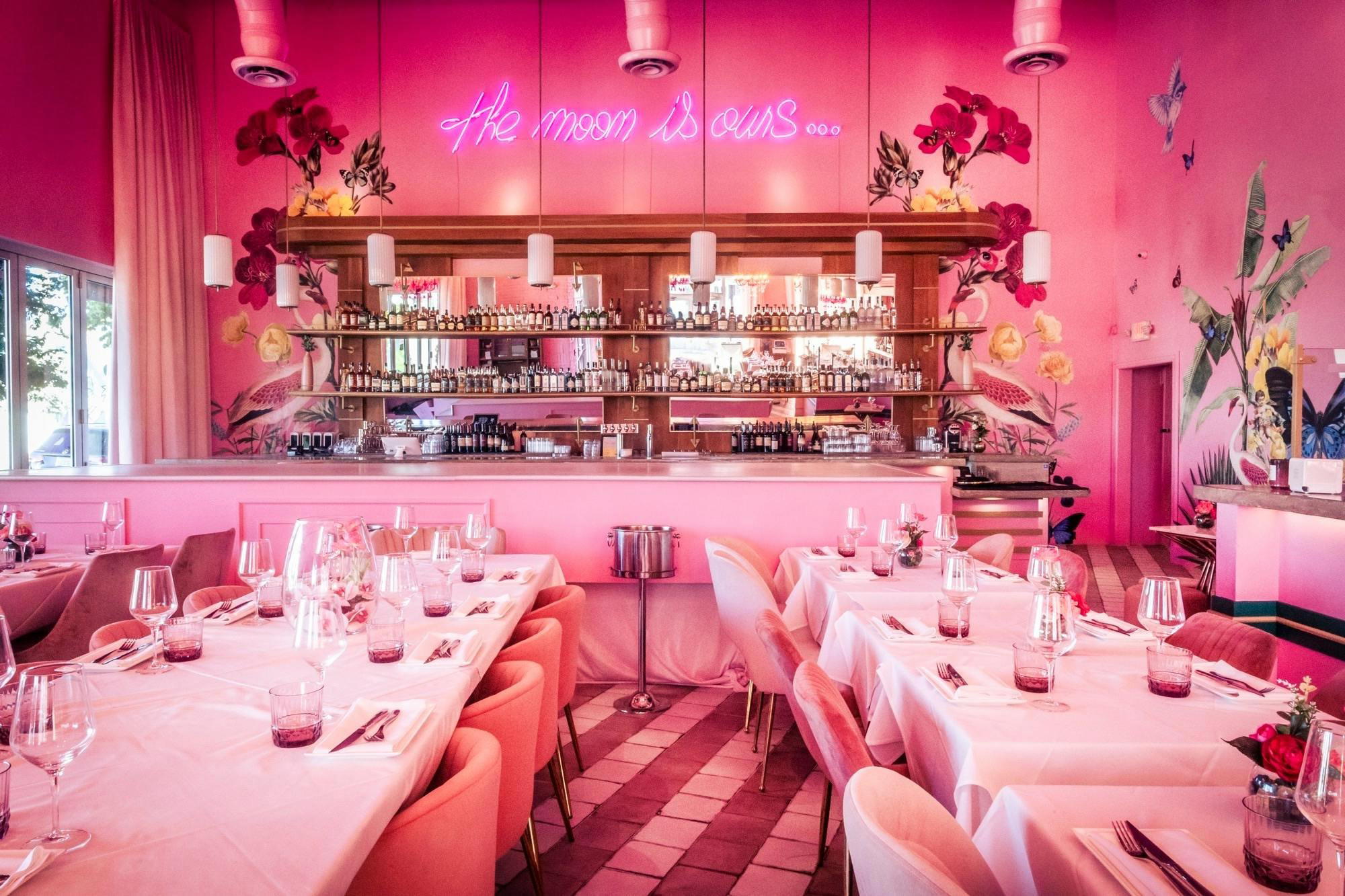
Where Tallinn's Traditional Table Finds Its Current Form
Telliskivi, the converted industrial district that runs along the edge of Tallinn's Kalamaja neighbourhood, has become the clearest indicator of how the city's dining scene has matured. What started as a cluster of independent shops and pop-up kitchens has settled into something more considered: mid-range restaurants with real culinary ambition, operating at price points that don't require a special occasion to justify. Moon, at Telliskivi tn 60-4, occupies this zone precisely. The address places it inside a creative complex where the architecture still reads as warehouse and the clientele tends toward the locally rooted rather than the tourist-facing.
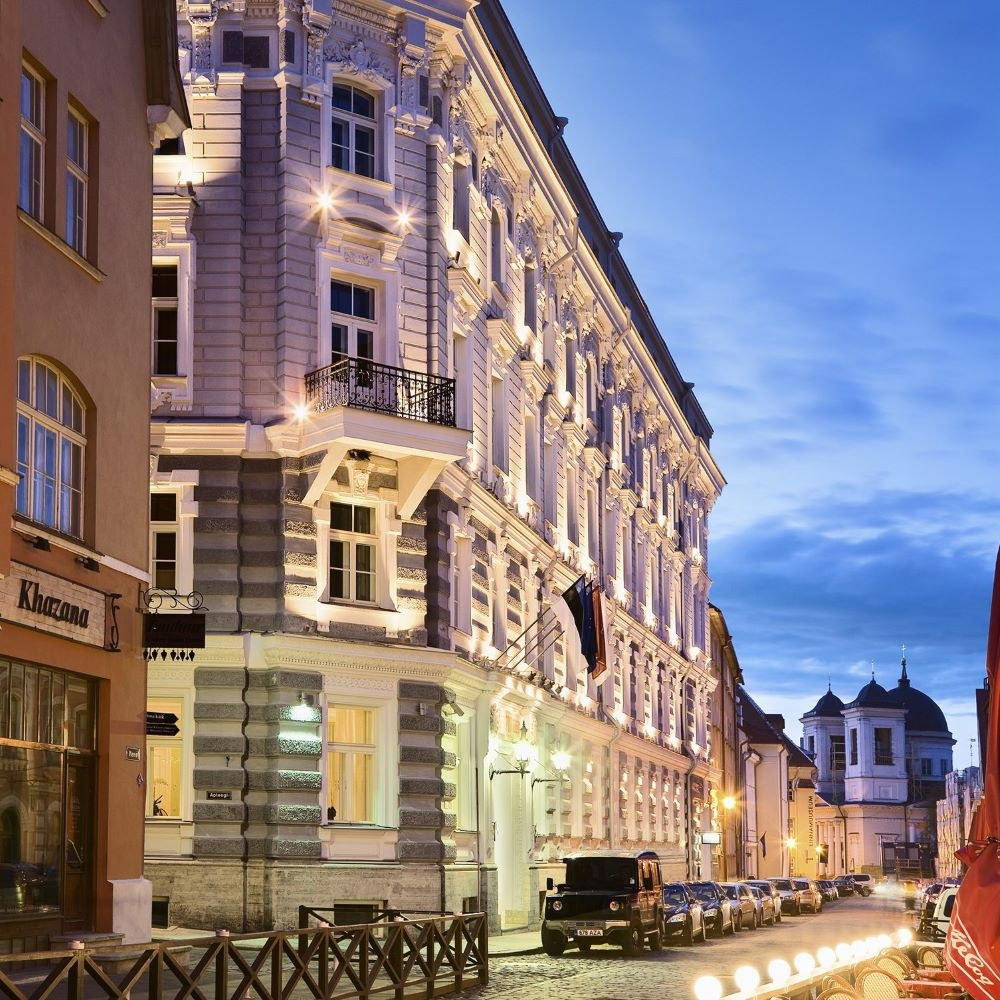
Approaching the area on foot, the shift from Tallinn's medieval Old Town is immediate. The cobblestones give way to railway-adjacent streets, the amber glow of UNESCO-listed towers replaced by the cooler, more diffuse light of repurposed brick buildings. Moon's positioning within this context is a deliberate statement about where contemporary Estonian dining is heading: away from the heritage-tourism register and toward something that speaks to how Estonians actually eat and think about their food traditions.
The Logic of Traditional Cuisine at This Moment
Across Northern Europe, the category of "traditional cuisine" has undergone a significant reappraisal over the past decade. In Estonia specifically, the conversation around native ingredients, fermentation, preserved proteins, and root vegetables has moved from niche provocation to a coherent culinary framework. Moon works within that framework, positioned as a traditional cuisine address rather than a Nordic-fusion laboratory or a tasting-menu showcase. The distinction matters. Where venues like NOA Chef's Hall and 180° by Matthias Diether operate at the €€€€ tier with extended creative formats, Moon's €€ price point signals a different intention: honest, grounded cooking that draws on the same larder but without the apparatus of fine dining ceremony.
Michelin's Plate designation, awarded consecutively in 2024 and 2025, functions as a useful coordinate here. The Plate sits below Bib Gourmand and star level in Michelin's hierarchy, but its two consecutive appearances confirm that the kitchen is cooking with care and consistency rather than coasting. In a city where Michelin coverage remains selective, the recognition carries weight as a signal of sustained quality rather than a one-season anomaly.
Reading the Meal as Sequence
At a traditional cuisine address in this bracket, the narrative arc of a meal tends to follow the Estonian seasonal calendar rather than a chef's purely personal vision. The logic of the table moves from preserved and pickled elements in cooler months toward fresher, lighter preparations as the year opens up. This seasonal sequencing is not ornamental; it reflects genuine supply constraints and a culinary culture that built its pantry around necessity. The smoked, the cured, the fermented: these are not affectations borrowed from Scandinavian fine dining but techniques that predate the current fashion for them by generations.
A meal at Moon, read as a progression, would typically open in the register of acidity and salt, the preserved notes that prepare the palate for heavier grain or protein courses. Mid-meal, the cooking tends toward root vegetables and slower preparations, the kind of dishes where technique is measured in hours of cooking rather than minutes of plating. Closer to the finish, the Estonian sweet tradition leans on rye, berry, and dairy combinations rather than the chocolate-heavy endings common in Central European cooking.
Moon Inside Tallinn's Broader Restaurant Set
Tallinn's Michelin-recognised restaurant tier now spans a meaningful range of formats and prices. At the upper end, Art Priori and 38 operate in the creative modern cuisine register. Bocca holds its position as a longer-established Estonian cuisine reference. Moon occupies the accessible end of the recognised tier, which makes it a practical entry point for visitors trying to understand what traditional Estonian cooking looks like before scaling up to the city's more elaborate formats.
The comparison to Bocca is instructive. Both work within an Estonian culinary frame, but Bocca carries a different history and a longer institutional presence in the city. Moon's Telliskivi location places it in a younger, less heritage-coded context, which tends to attract a different dining public and a kitchen that may operate with fewer expectations tied to historical prestige.
For those building a broader picture of Estonian dining beyond Tallinn, the traditional cuisine thread runs through several regional addresses. Alexander in Pädaste and Hiis in Manniva both engage with the same local larder in very different geographic and atmospheric registers. Hõlm in Tartu, Fellin in Viljandi, Kolm Sõsarat in Lüllemäe, and Lahepere Villa in Kloogaranna extend the map further into regional Estonian cooking. Moon sits at the urban, accessible node of this network.
For international context, the category of traditional cuisine at the Michelin Plate level is a format that recurs across Europe in places where local identity and affordability coexist. Auberge Grand'Maison in Mûr-de-Bretagne and Auga in Gijón operate within analogous frameworks in their respective regional contexts, where rooted technique and local sourcing define the proposition more than innovation for its own sake.
Planning a Visit
Moon is located at Telliskivi tn 60-4, 10412 Tallinn, in the Telliskivi Creative City complex. The Kalamaja district is walkable from the Old Town in around 15 to 20 minutes, and the area is well-served by tram from the city centre. The €€ price point means a full meal, including drinks, is likely to sit comfortably below the cost of comparable tasting-menu formats elsewhere in the city.
For a fuller picture of what Tallinn offers across every category, see our complete Tallinn restaurants guide, alongside dedicated coverage of Tallinn hotels, Tallinn bars, Tallinn wineries, and Tallinn experiences.
Frequently asked questions
Is Moon expensive?
Pricing at Moon is listed as €€.
Quick Comparison
| Venue | Cuisine | Price | Awards | Notes |
|---|---|---|---|---|
| MoonThis venue (the venue you are viewing) | Modern Russian/Slavic | $30–50 | Michelin Plate · White Guide Baltic Restaurants - Very Fine Level | Not listed |
| NOA | Modern International | $50–100 | Michelin Bib Gourmand · White Guide Baltic Restaurants - Very Fine Level | Not listed |
| 180° by Matthias Diether | Modern Creative Fine Dining | $300–500 | 2 Michelin Stars · La Liste Top Restaurants | Estonian Fusion |
| NOA Chef’s Hall | Modern European Fine Dining | $150–200 | 1 Michelin Star · La Liste Top Restaurants | Creative |
| Fotografiska | Progressive Sustainable Food & Drink | Not listed | Michelin Bib Gourmand · Star Wine List | Not listed |
| Härg | Modern Chargrilled Steakhouse | $50–100 | Michelin Plate · White Guide Baltic Restaurants - Very Fine Level | Not listed |
Recognition history
Dated appearances from independent guides and award organizations, with the underlying list record or original source where available.
Michelin Plate
Michelin
White Guide Baltic Restaurants - Very Fine Level
White Guide
Full recognition history (4 entries)
Michelin Plate
Michelin
Michelin Plate
Michelin
Continue exploring
More in Tallinn
Restaurants in Tallinn
All restaurants in Tallinn →
Bars in Tallinn
All bars in Tallinn →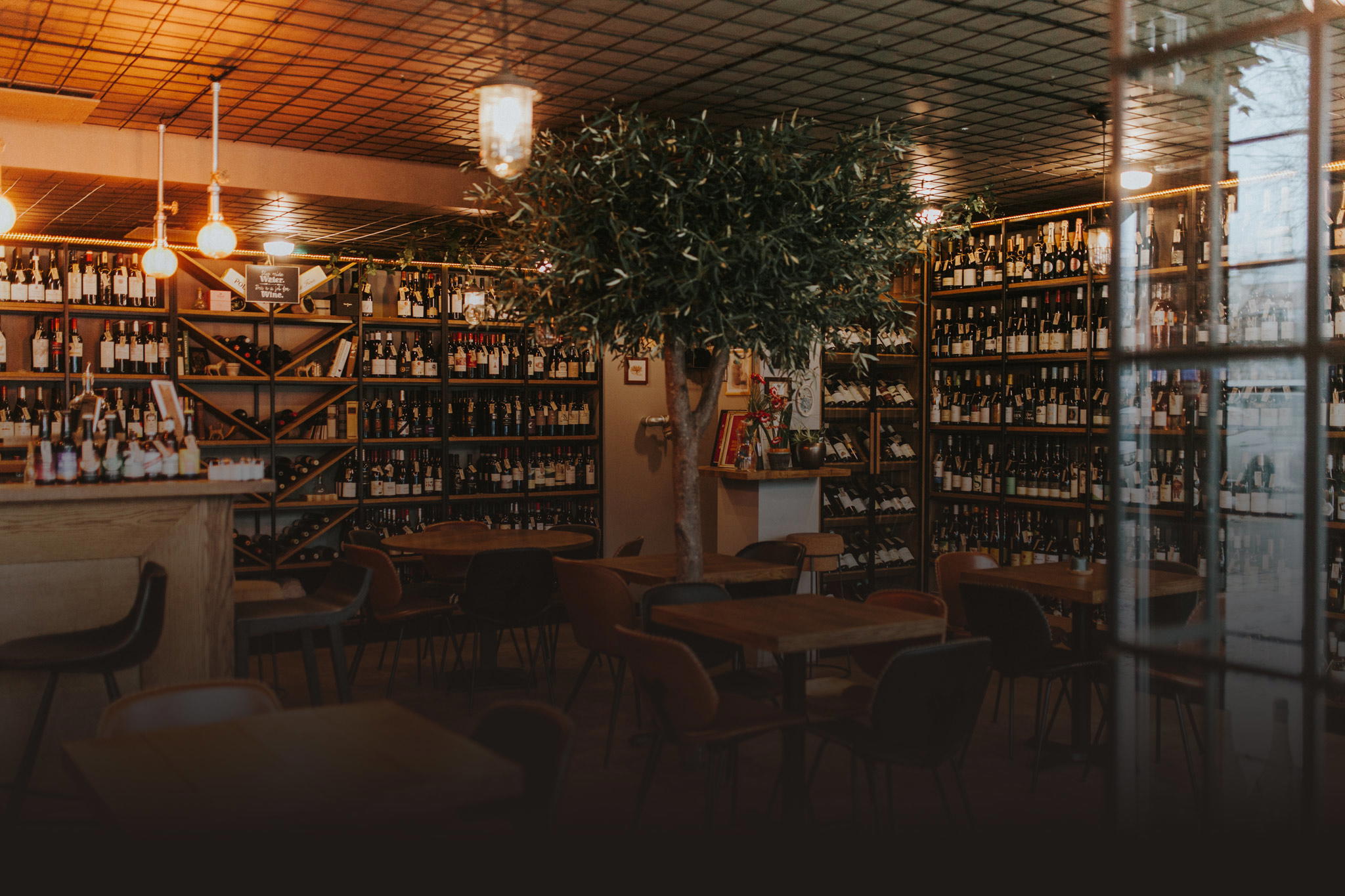
Details
- Cozy
- Intimate
- Modern
- Rustic
- Date Night
- Special Occasion
- Historic Building
- Extensive Wine List
- Local Sourcing
- A La Carte
- Vegetarian Friendly
- Vegan Options
- Gluten Free Options
Current opening hours
- Monday
- 12–11 p.m.
- Tuesday
- 12–11 p.m.
- Wednesday
- 12–11 p.m.
- Thursday
- 12–11 p.m.
- Friday
- 12 p.m.–12 a.m.
- Saturday
- 12 p.m.–12 a.m.
- Sunday
- 1–9 p.m.
Hours can change for holidays and private events. Hours as of .
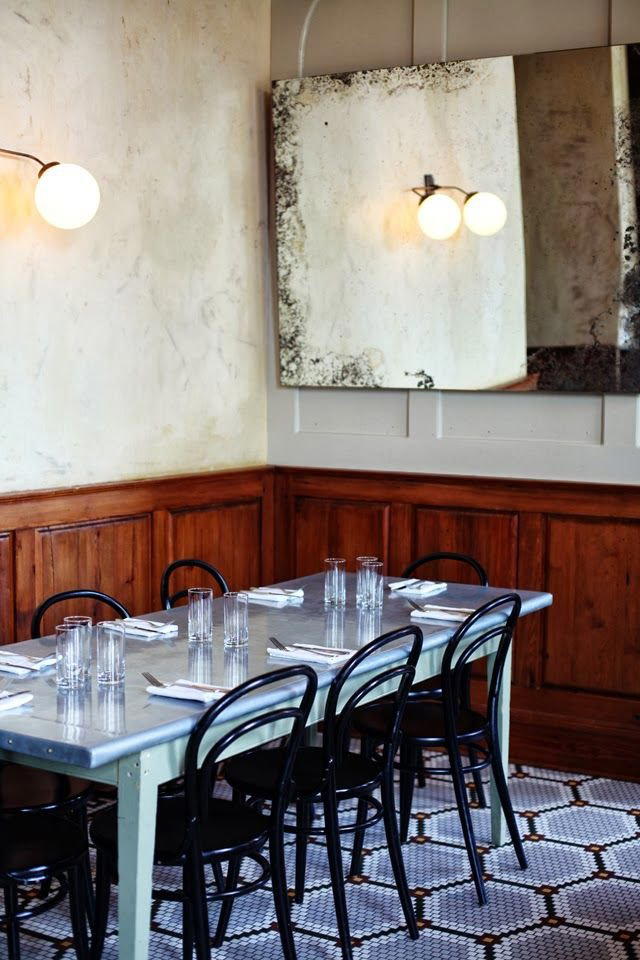
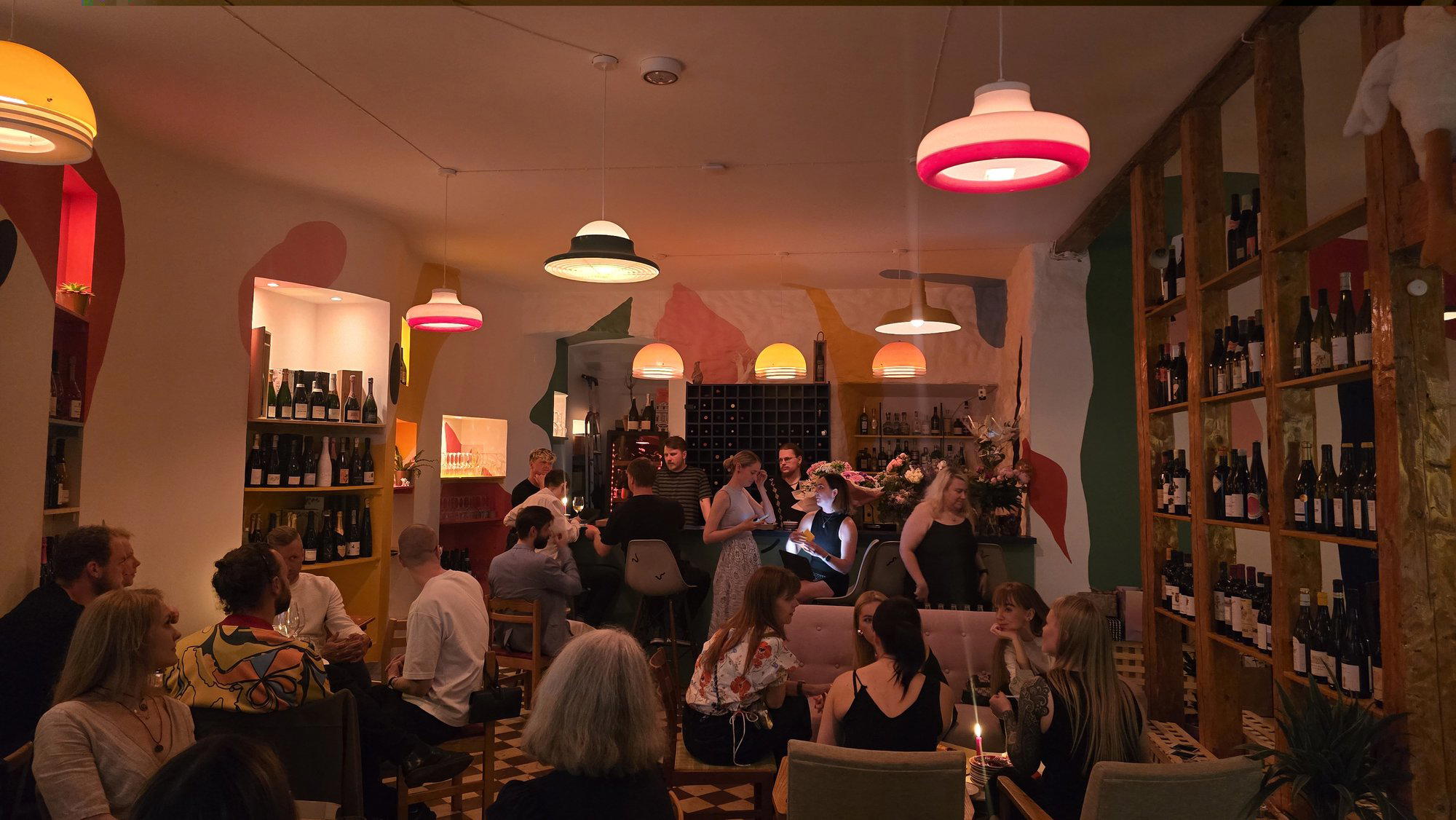
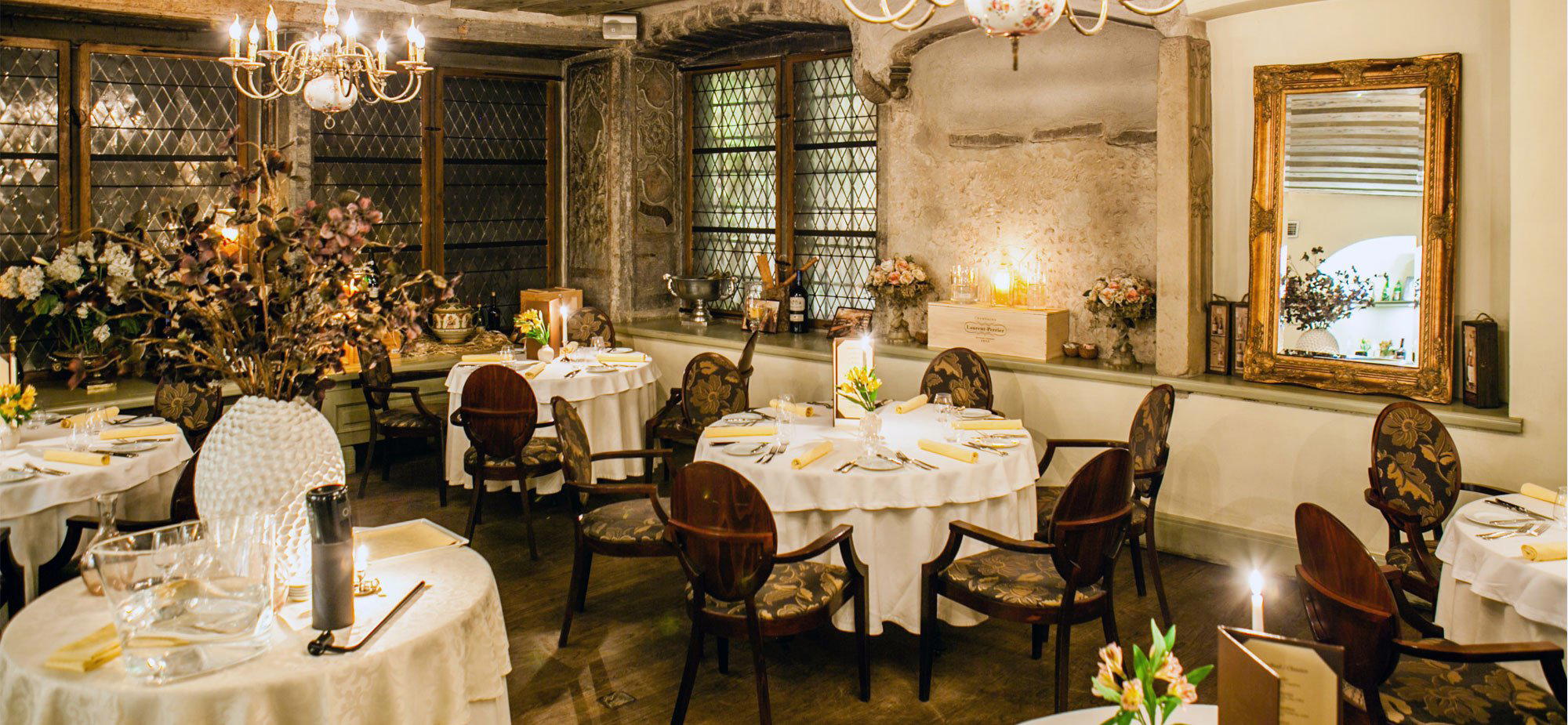
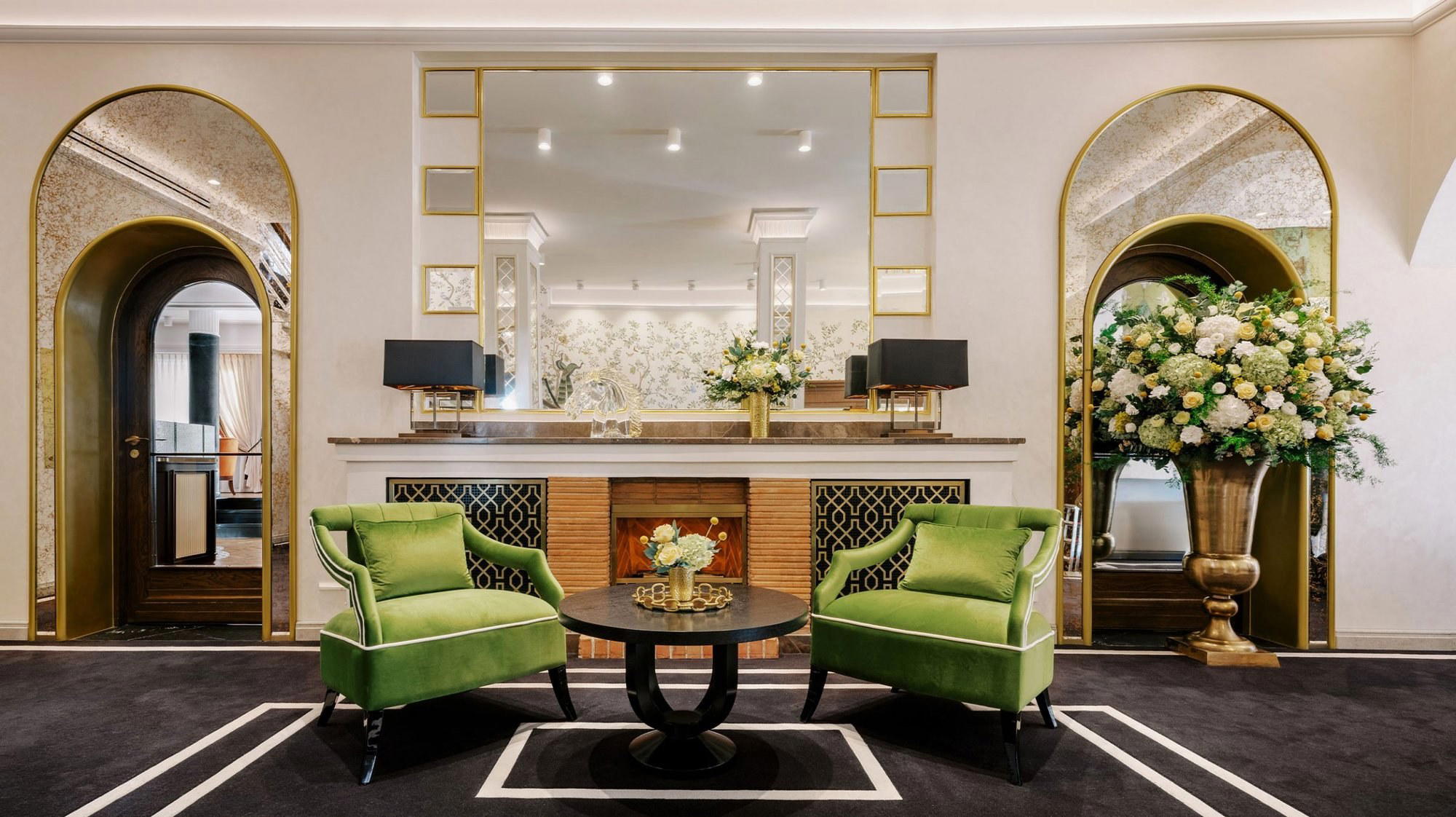
Cozy and stylish with light wood, dark blue wallpaper, bright decor, and a teacup chandelier, creating a warm, unpretentious atmosphere.