Mel's Diner
Our verdict
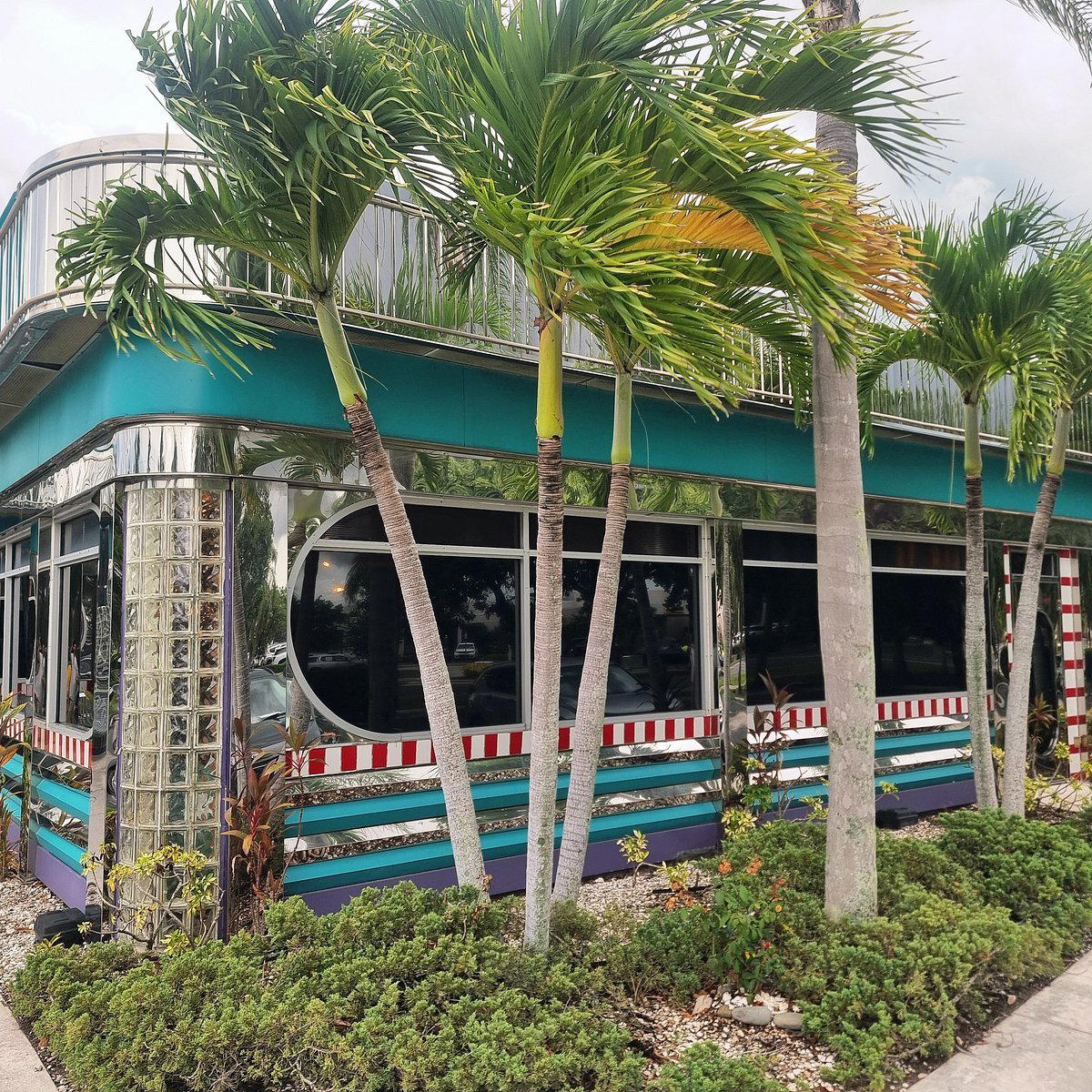
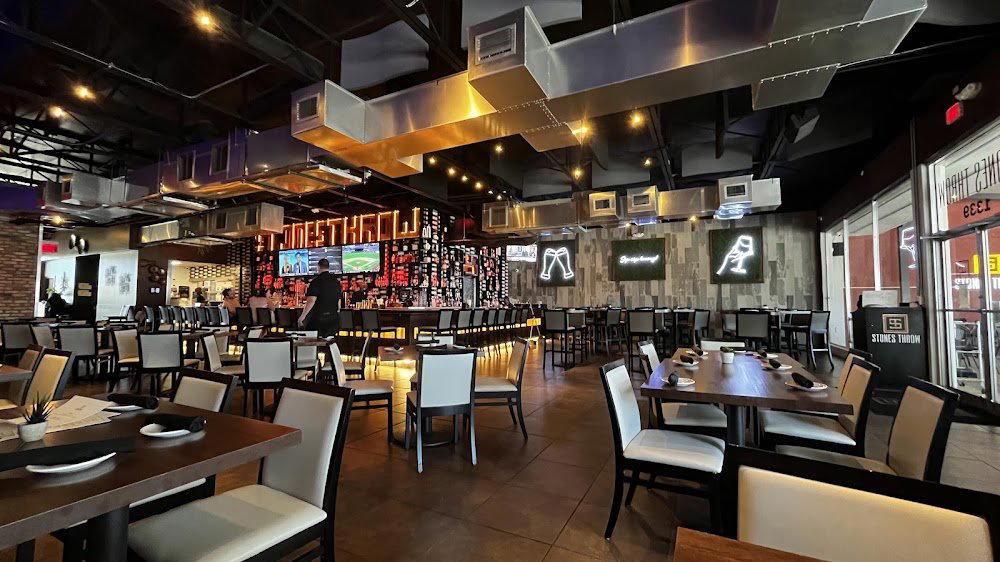
A classic American diner on Tamiami Trail in Naples, Florida, Mel's Diner occupies the casual end of a dining scene that otherwise skews toward upscale Italian and contemporary tasting menus. The format is familiar: counter stools, booths, all-day breakfast, and plates that arrive without ceremony. In a city where dining out often means a reservation and a dress code, Mel's operates on a different register entirely.

Pearl is the En Primeur Club membership app, where members save venues, book tables and use the concierge.
The menu
What to order
- Egg Father Skillet
- Signature Omelettes
- Biscuits and Gravy
Diner Culture in a City That Prefers White Tablecloths
Naples, Florida has built its dining identity around two poles: the kind of contemporary Italian that mirrors the city's demographic roots, and the polished American fine dining that serves its wealth bracket. George Restaurant operates at the top of that contemporary tier, while Veritas anchors a more Campanian tradition. Against that backdrop, a classic American diner on Tamiami Trail reads almost as counterculture. Mel's Diner, at 3650 Tamiami Trail N, sits in a city where the median dining expectation runs considerably higher than a laminated menu and a coffee refill, which is precisely what makes the format interesting.
The American diner is one of the most codified formats in the country's food culture. The physical grammar is near-universal: vinyl seating, a counter facing an open short-order kitchen, a menu that covers breakfast through dinner without apology, and a price point calibrated so that a full meal lands well under twenty dollars. That consistency is not an accident. It reflects a sourcing and production model built around commoditized staples, eggs, bacon, white bread, hash browns, pie from a rotating case, that travel well and hold across high-volume service. In the broader American dining ecosystem, operations like Blue Hill at Stone Barns have made the argument that ingredient provenance and farming relationships should define what ends up on the plate. The diner operates on an entirely different thesis: that accessibility, speed, and familiarity are themselves a form of hospitality.
What the Tamiami Trail Address Tells You
Location within Naples carries its own set of signals. Tamiami Trail North is a commercial corridor rather than a destination dining strip, and addresses along it tend to serve daily-use needs rather than occasion dining. That context positions Mel's as a neighborhood fixture rather than a draw from across the city. The regulars at a diner like this are, by definition, people who live or work nearby, the contractor starting early, the retiree who has claimed the same stool for a decade, the family that treats Sunday breakfast as a ritual rather than an event. That audience shapes the format as much as any kitchen decision does.
By contrast, the Italian restaurants that define Naples' culinary reputation, from the wood-fired pizza model of 1947 Pizza Fritta to the creative Italian of 12 Morsi and the contemporary ambition of 177 Toledo, draw from a much wider catchment. Those venues make their arguments through sourcing, technique, and the storytelling that accompanies both. A diner makes its argument through presence and repetition. You know what you are getting before you sit down, and that reliability is the product.
The Ingredient Question at the Diner End of the Market
Any serious look at American diners has to reckon with sourcing, and the picture is complicated. The format's economics depend on purchasing at scale. Eggs come by the flat, not the farm box. Sausage arrives pre-linked. Potatoes are consistent-grade commodity product. That is not a criticism, it is a description of how a diner sustains the price point that defines it. The counter-argument, made most effectively by farm-to-table operators like Single Thread Farm in Healdsburg or the hyper-sourced programs at The French Laundry in Napa, is that where food comes from is inseparable from what it tastes like and what its production means. Those venues spend considerable effort making that argument visible on the plate. The diner format makes the opposite choice: invisibility of sourcing in service of consistency and price.
In a Florida context, that trade-off has specific texture. The state's agricultural output, citrus, tomatoes, sugarcane, seafood along both coasts, creates opportunities for regionally sourced ingredients that some operators take seriously and others ignore entirely. What the format does confirm is that the menu's appeal rests on execution of familiar items rather than provenance of raw materials. That is a defensible position. Most of the country's daily eating happens on exactly those terms.
Where the Diner Format Fits in a National Context
American diners occupy a specific and durable category in the country's food culture, one that fine dining's expansion over the past three decades has not displaced. Restaurants like Alinea in Chicago, Atomix in New York City, or Le Bernardin in New York City represent the ceiling of American dining ambition, tightly controlled sourcing, multi-course formats, and price points that require planning. At Addison in San Diego and The Inn at Little Washington, the argument for premium American dining rests on product and craft. The diner sits at the opposite end of that spectrum and is entirely comfortable there. Emeril's in New Orleans and Providence in Los Angeles occupy middle and upper-middle tiers where sourcing narrative matters. None of that pressure applies at the diner counter.
What the diner offers instead is something that the upper tiers structurally cannot: zero friction. No reservation window, no tasting menu commitment, no price-per-head calculation before you walk in. The decision to eat at a diner is made in real time, on the way somewhere else, or because the coffee is good and the booth is open. That accessibility is its own form of value, and in a city like Naples, where a significant portion of the restaurant offer requires some degree of advance planning and financial commitment, it fills a real gap in the local ecosystem.
Planning a Visit
Mel's Diner is located at 3650 Tamiami Trail N in Naples, Florida 34103, on a commercial stretch that is accessible by car without difficulty. No reservations are required or expected at this type of operation. For the full range of what Naples offers across price tiers and cuisine types, the EP Club Naples restaurants guide covers the city's dining scene in detail, from casual neighborhood options to the contemporary fine dining represented by venues like George Restaurant. For those cross-referencing against the international dining tier, the 8 1/2 Otto e Mezzo Bombana in Hong Kong and Lazy Bear in San Francisco illustrate how far the format spectrum extends in the other direction.
Frequently asked questions
Is Mel's Diner good for families?
The diner format is inherently family-practical: counter seating and booth-style layouts accommodate groups without reservation pressure, and the American diner menu typically spans a wide enough range that younger diners are not an afterthought. Mel's sits on Tamiami Trail North in Naples, a car-accessible commercial corridor rather than a pedestrian dining district, so arriving by vehicle is the straightforward approach. In a city where much of the sit-down dining skews toward formal Italian and contemporary fine dining, a diner of this type fills a different role entirely.
What's the overall feel of Mel's Diner?
Mel's occupies the working end of the Naples dining spectrum, positioned on Tamiami Trail North rather than in the white-tablecloth corridors closer to the waterfront. The address signals a neighborhood-functional diner rather than a destination restaurant, which is the point: this is a place built around regulars, counter culture, and consistency over occasion dining. Naples has relatively few venues that operate in this register, making the format more notable locally than it would be in a city with a deeper diner tradition.
Is Mel's Diner one of the few traditional American diners in Naples, FL?
Naples, Florida has built its restaurant identity predominantly around upscale Italian and contemporary fine dining, which makes a traditional American diner on the Tamiami Trail corridor a relatively scarce format in the city. Mel's Diner at 3650 Tamiami Trail N sits outside the high-end dining corridors that define much of Naples, positioning it as a functionally distinct option for residents and visitors looking for diner-format meals rather than occasion dining. Whether it holds the only such position in the city is worth confirming locally, but the format itself runs against the grain of Naples' dominant dining culture.
What should I order at Mel's Diner?
What the American diner format reliably centers on is breakfast served across extended hours, griddle-based plates, and short-order lunch items, the categories that have defined the format nationally for decades. Checking directly with the restaurant on arrival, or reviewing any current posted menu, will give you the most accurate picture of what's available.
What part of town is Mel's Diner in?
Mel's Diner is located at 3650 Tamiami Trl N, Naples, FL 34103, Naples.
Fast Comparison
Comparable venues nearby, for context on price, style, and recognition.
| Venue | Cuisine | Price | Awards | Notes |
|---|---|---|---|---|
| Mel's DinerThis venue (the venue you are viewing) | Classic American Diner | $10–20 | Not listed | Not listed |
| Cafe Normandie | Authentic French Bistro | $30–50 | Not listed | Park Shore |
| Capri Fish House | Fresh Gulf Seafood | $20–30 | Not listed | Isles of Capri |
| Bicyclette Cookshop | Modern New American with Gulf Seafood | $30–50 | Michelin Plate · James Beard Award Semi Finalist | Vanderbilt Beach Road / Pavilion Shopping Center |
| Bleu Provence | Authentic French Provençal Cuisine | $50–100 | Wine Spectator Grand Award | Old Naples |
| Chops City Grill | American Steakhouse with Wagyu & Sushi | $50–100 | Not listed | Old Naples |
Continue exploring
More in Naples
Restaurants in Naples
All restaurants in Naples →
Bars in Naples
Browse all →

Details
- Classic
- Cozy
- Family
- Brunch
- Casual Hangout
- Standalone
- Local Sourcing
- A La Carte
- Vegetarian Friendly
- Gluten Free Options
- Vegan Options
Current opening hours
- Monday
- 8 AM–9 PM
- Tuesday
- 8 AM–9 PM
- Wednesday
- 8 AM–9 PM
- Thursday
- 8 AM–9 PM
- Friday
- 8 AM–9 PM
- Saturday
- 8 AM–9 PM
- Sunday
- 8 AM–9 PM
Hours can change for holidays and private events. Hours as of .
Cozy and welcoming classic diner atmosphere with a focus on comfort food.