


Positioned between the beaches of Seixeliño and Area da Cruz on Galicia's Rías Baixas coast, Meloxeira Praia operates as a gourmet chiringuito with direct views across the water to the island of Ons. The kitchen focuses on traditional Galician cooking with a modern register, anchored by open-grill preparations, a dedicated rice and fideuá section, and a glass-fronted dining room that brings the Atlantic inside.
Pearl is the En Primeur Club membership app — saves, bookings, and concierge access live there. Same editors, same standards.
- Address
- Carretera San Vicente Do Mar 1100, O Grove, 36989, Spain
- Directions
- Get directions
 Saves & bookings on Pearl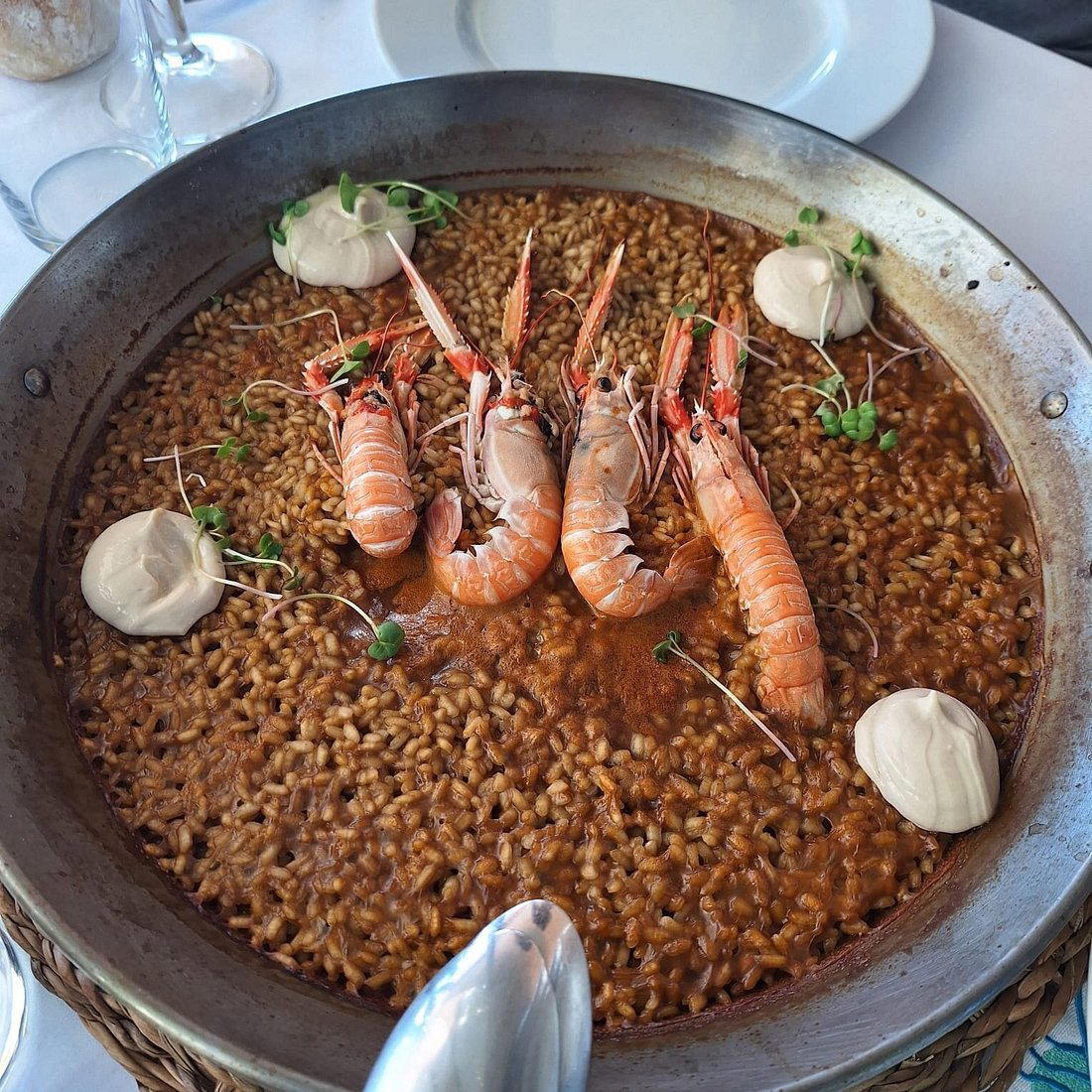
Where the Atlantic Sets the Agenda
The stretch of coastline between the beaches of Seixeliño and Area da Cruz, just outside O Grove on the Galician ría, is the kind of location that clarifies what coastal dining is actually supposed to mean. The water is close enough to matter, the island of Ons sits on the horizon as a fixed reference point, and the light across the Ría de Arousa shifts through the afternoon in ways that make the hour you arrived feel like a different meal by the time you leave. Meloxeira Praia occupies this corridor as a gourmet chiringuito, a format that in Spain has moved well beyond its origins as a beach snack bar. The better examples now operate as serious restaurants that happen to face the sea, and this one on the road to San Vicente do Mar holds that position on the O Grove coast.
The chiringuito category matters as context. Along Spain's Atlantic and Mediterranean coasts, the format has split between high-volume operations with laminated menus and a smaller tier where the seafood sourcing and kitchen discipline match the address. O Grove's restaurant scene sits inside a region, the Rías Baixas, where the raw material arriving at the kitchen door is serious enough to justify serious treatment. Meloxeira Praia belongs in that second tier: the setting earns it, and the kitchen responds accordingly.
The View as Architecture
At many coastal restaurants, the sea view is decorative, a backdrop glimpsed through a window between courses. Here, it functions more like a structural element. The glass-fronted dining room is designed to keep the Atlantic present throughout the meal, and the terraces extend that further, placing diners directly in the coastal air. The address on the Carretera San Vicente do Mar puts the building in direct conversation with both beach stretches that frame it, with no intervening infrastructure to interrupt the sightline to Ons. That island, part of the Parque Nacional Marítimo-Terrestre das Illas Atlánticas de Galicia, sits roughly 20 kilometres offshore and is visible on clear days as a low silhouette. Its presence on the horizon is a useful reminder that this stretch of Galician coast has protected status for a reason: the water quality and marine ecosystem are the foundation on which every dish at a restaurant like this depends.
For practical planning, the terrace options mean that timing your reservation around weather and season matters more here than at an enclosed restaurant. Summer and early autumn on the Rías Baixas coast offer the most reliable conditions for outdoor dining, with the Galician microclimate producing warm afternoons that extend the terrace season relative to the region's interior. The glass-fronted room serves as a reliable fallback when the Atlantic decides otherwise.
The Kitchen's Position in O Grove's Dining Tier
O Grove supports a range of dining formats, from market-price seafood at the simpler end to the Culler de Pau model of progressive Spanish cooking at the upper bracket. Meloxeira Praia sits between those poles, operating as a venue where traditional Galician cooking receives a modern register without becoming a tasting-menu exercise. That middle tier is where most visitors to the town will find their meals, and it rewards attention to format differences. Beiramar anchors the direct seafood end of the O Grove market; Brasería Sansibar offers a grill-focused alternative. Meloxeira Praia's distinction within this set is its beach position and the combination of open-grill cookery with a dedicated rice and fideuá programme.
The rice and fideuá section deserves specific mention because it signals a different culinary tradition within Galicia's predominantly seafood-centric identity. Rice and fideuá (the noodle-based cousin of paella) draw from the broader Spanish coastal canon rather than from strictly regional Galician practice. Including a dedicated section for these dishes alongside traditional Galician preparations creates a menu that reads across Spain's Atlantic coast rather than being strictly localised. For visitors to the Rías Baixas region who are building a week's eating around the coast, this positioning gives Meloxeira Praia a distinct role relative to the more exclusively Galician-focused options in the area.
The open grill adds another register. Wood and charcoal cookery at coastal Spanish restaurants tends to serve one of two functions: it either handles the larger fish whole, reading the flesh temperature by touch and timing rather than equipment, or it works the secondary cuts and vegetables that benefit from direct heat and smoke. Either approach produces food that is difficult to replicate indoors, and the grill's presence on the menu at a beach-facing chiringuito is a considered choice rather than a novelty feature.
O Grove and the Rías Baixas Coastal Circuit
O Grove sits on a peninsula at the southern end of the Ría de Arousa, one of the four main rías that define the Rías Baixas coastline. The town's identity is built around shellfish cultivation, particularly the bateas, the floating mussel platforms visible across the ría from the peninsula. This marine agriculture is the economic and culinary foundation of the area, and any serious coastal restaurant in O Grove operates in direct reference to that supply chain. The Rías Baixas is also the production zone for Albariño, the white wine that has become Spain's most recognised Atlantic variety and the default pairing for the seafood coming out of these waters.
For those assembling a broader Galician itinerary, the peninsula connects to the pilgrimage city of Santiago de Compostela roughly 30 kilometres to the northeast, making O Grove a natural coastal complement to a visit centred on the city. The beaches that bracket Meloxeira Praia are accessible by car or bicycle from the town centre, with the Carretera San Vicente do Mar running south along the coast from O Grove.
Spain's fine dining circuit extends well beyond this stretch of coast. Visitors comparing the Galician scene to other Spanish reference points might look at Arzak in San Sebastián, El Celler de Can Roca in Girona, or Disfrutar in Barcelona for the country's technical upper tier. For coastal Spanish cooking with a different regional character, Aponiente in El Puerto de Santa María and Quique Dacosta in Dénia offer instructive contrasts to Galicia's approach. At the international level, Le Bernardin in New York City remains the reference point for what serious seafood cooking looks like in a formal urban context, a useful benchmark for understanding how different the chiringuito model is as a format. Other notable names in the Spanish firmament include DiverXO in Madrid, Azurmendi in Larrabetzu, and Martin Berasategui in Lasarte-Oria. Beyond Spanish shores, Atomix in New York City illustrates how coastal-adjacent ingredient sourcing operates in an entirely different culinary tradition.
Planning Your Visit
Meloxeira Praia is located at Carretera San Vicente do Mar 1100, O Grove, Pontevedra, on the road that runs south along the peninsula toward San Vicente do Mar. The coastal position means that a visit pairs naturally with time on either of the adjacent beaches, and the glass-fronted dining room and terraces give the venue flexibility across weather conditions. For those building a fuller picture of eating and staying in the area, EP Club's guides to O Grove hotels, O Grove bars, O Grove wineries, and O Grove experiences cover the wider peninsula. Booking ahead, particularly in summer months when the terrace tables are in demand, is the practical approach for a venue at this address.
How Meloxeira Praia O Grove compares with similar nearby venues.
| Venue | Cuisine | Price | Awards |
|---|---|---|---|
| Meloxeira Praia | Not listed | Not listed | Guía Repsol 1 Sol (2026); Michelin Plate (2026) |
| Brasería Sansibar | Grills | €€€ | Not listed |
| Culler de Pau | Progressive Spanish, Creative | €€€€ | Not listed |
| D ’Berto | Marisqueria | €€€€ | Not listed |
| Beiramar | Seafood | €€ | Not listed |
Recognition history
Dated appearances from independent guides and award organizations, with the underlying list record or original source where available.
Guía Repsol 1 Sol
Guía Repsol
Macarfi 7.8 Food Rating
Macarfi
Michelin Plate
Michelin
Continue exploring
More in O Grove
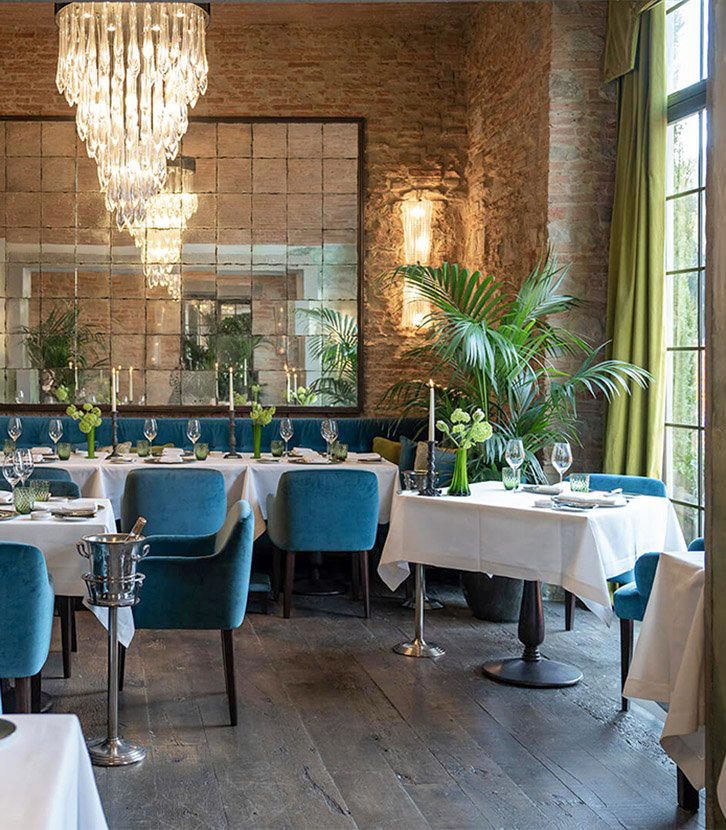
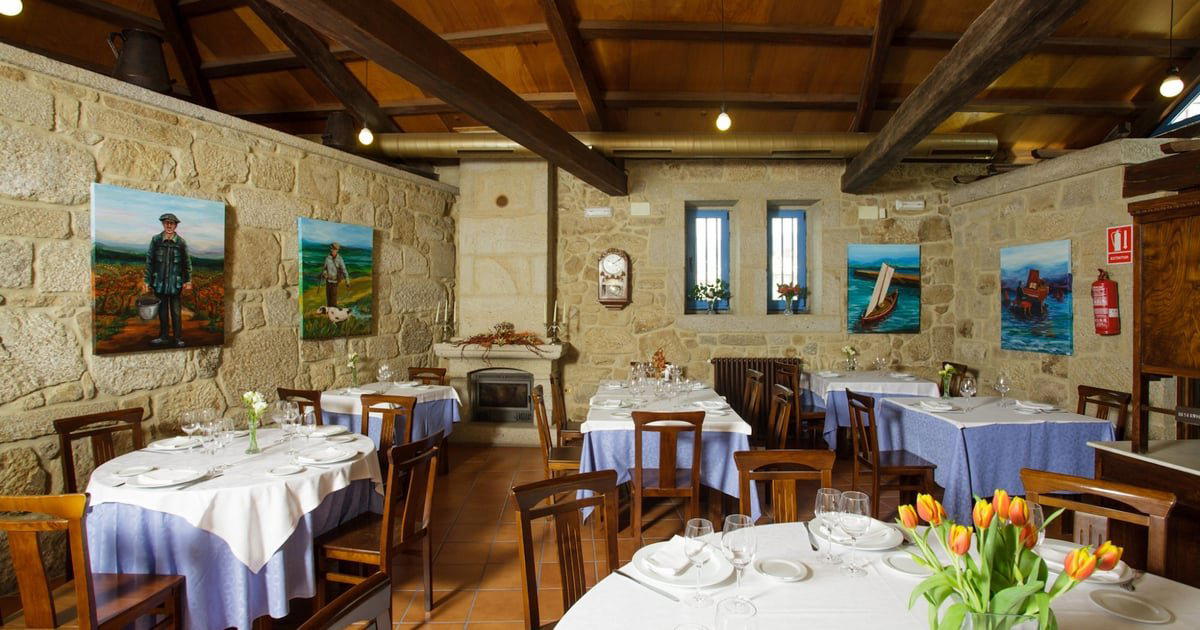
Restaurants in O Grove
Browse all →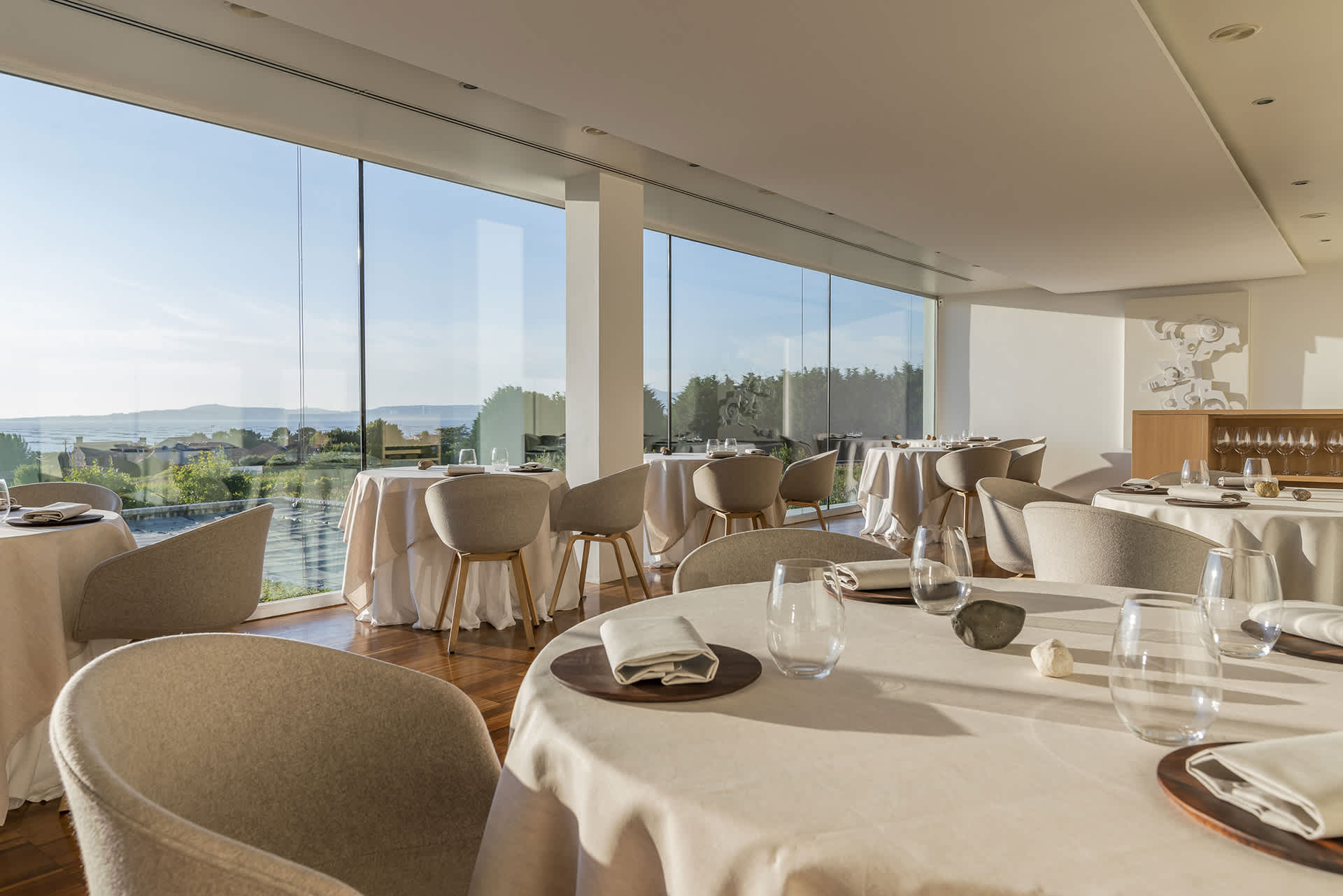
Bars in O Grove
Browse all →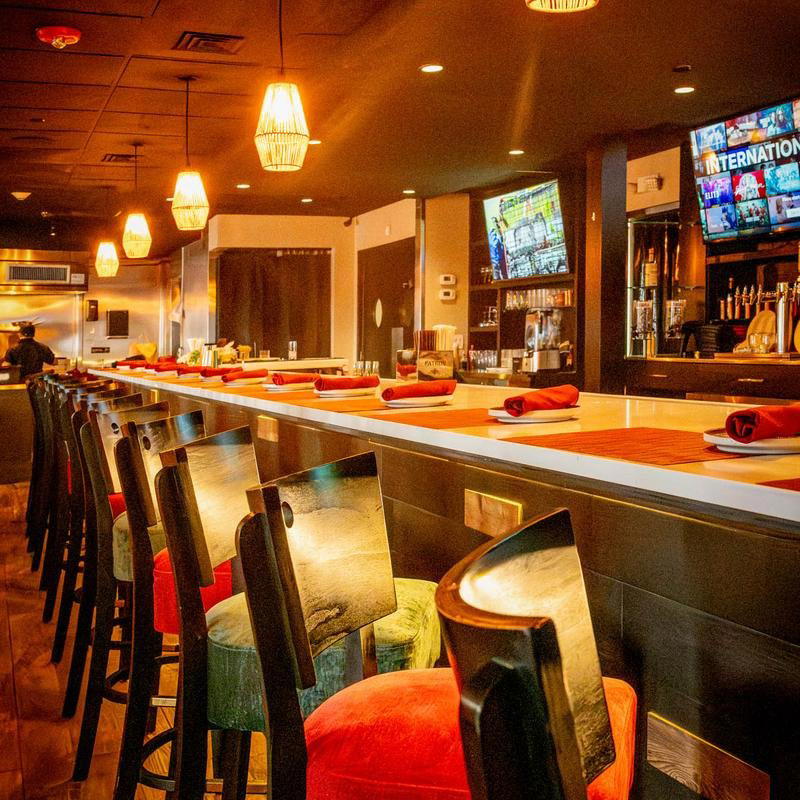
Hotels in O Grove
Browse all →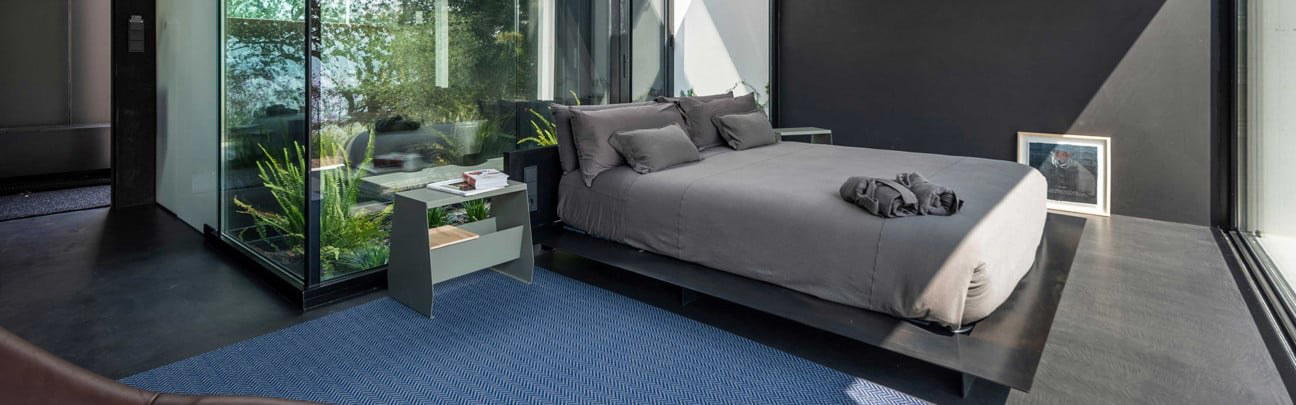


At a Glance
- Scenic
- Rustic
- Elegant
- Date Night
- Family
- Celebration
- Waterfront
- Terrace
- Open Kitchen
- Local Sourcing
- Sustainable Seafood
- Waterfront
Current opening hours
- Monday
- 1:30–4:30 PM
- Tuesday
- Closed
- Wednesday
- Closed
- Thursday
- 1:30–5 PM, 8:30–10:15 PM
- Friday
- 1:30–4:30 PM, 8:30–10 PM
- Saturday
- 1:30–4:30 PM
- Sunday
- 1:30–4:30 PM
Hours can change for holidays and private events. Last verified .
Attractively furnished glass-fronted dining room and delightful terraces with beachfront sea views, creating a relaxed yet sophisticated coastal atmosphere.