Meatologia occupies a fourth-floor address on Krucza 41 in central Warsaw, positioning itself within the city's serious meat-forward dining tier. The format reads as deliberate rather than casual, with a name that signals focus over breadth. For Warsaw diners weighing committed, concept-led restaurants against more generalist menus, this address carries a specific kind of intent.
Pearl is the En Primeur Club membership app — saves, bookings, and concierge access live there. Same editors, same standards.
- Address
- Krucza 41/m.4, 00-525 Warszawa, Poland
- Phone
- +48797763767
- Website
- meatologia.pl
- Directions
- Get directions
 Saves & bookings on Pearl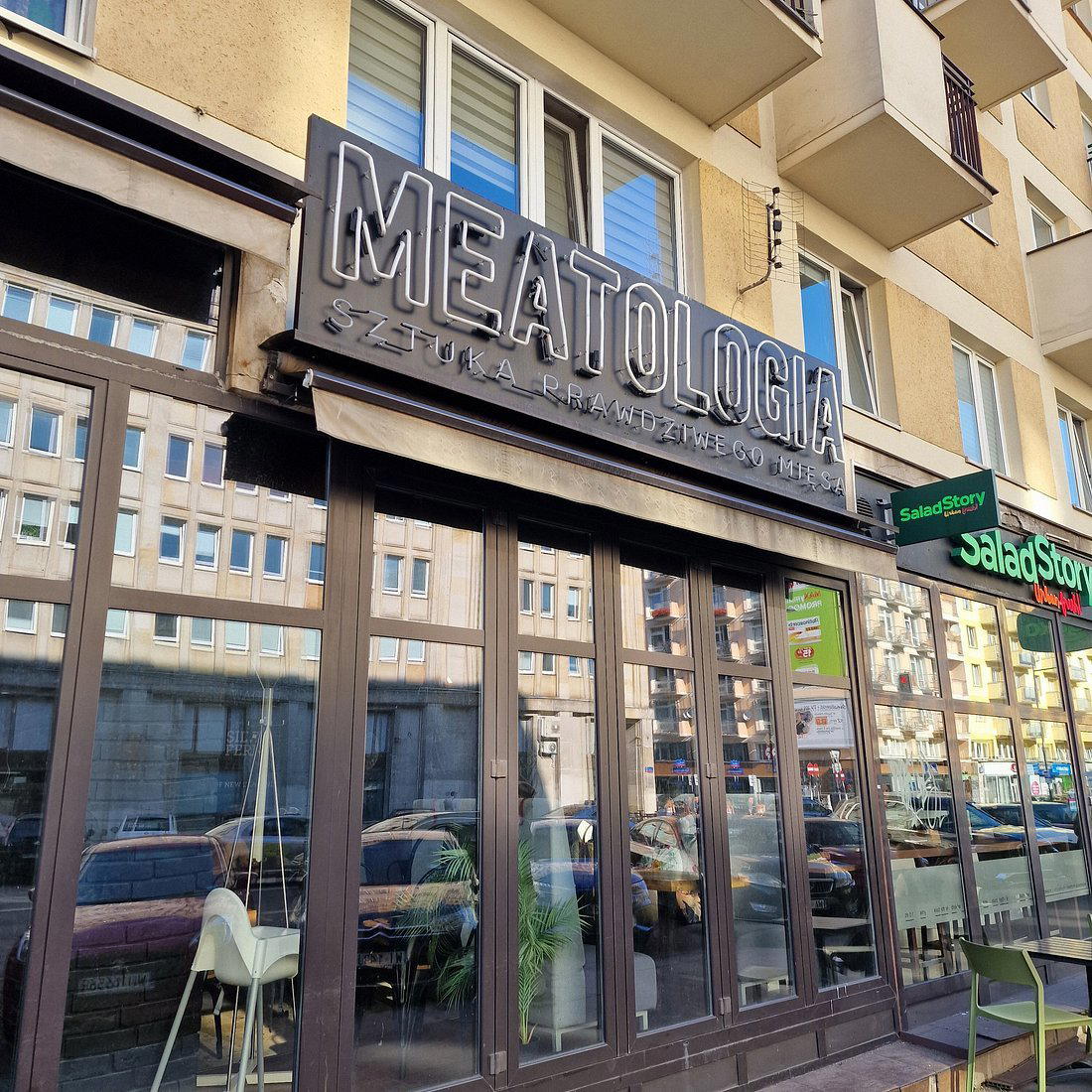
Krucza Street and Warsaw's Concept-Led Dining Tier
Warsaw's central dining scene has, over the past decade, divided into two recognisable camps: broad-appeal modern European rooms that serve the corporate lunch and the anniversary dinner with equal comfort, and smaller, concept-defined addresses that stake a claim on a single ingredient, tradition, or technique. The second camp is harder to sustain and, when it works, produces the more interesting meals. Meatologia is a restaurant in Warsaw, Poland, known for premium steakhouse and street food cooking. Meatologia, on the fourth floor of Krucza 41, belongs firmly to the second group. The address places it in Warsaw's Śródmieście district, a neighbourhood where the density of office towers and pre-war apartment buildings creates a particular kind of diner: time-pressed on weekdays, more deliberate at weekends, and generally resistant to novelty for its own sake.
The name itself is a position statement. Where restaurants like NUTA work across a creative contemporary register and hub.praga pursues a broader modern cuisine remit, Meatologia narrows its focus to a single protein category and treats that narrowness as a virtue rather than a limitation. Across European dining, this model of radical specificity has proven durable: the leading meat-forward restaurants in cities from Lyon to Buenos Aires succeed not by offering everything but by knowing one thing with unusual depth.
The Room and What It Tells You Before You Order
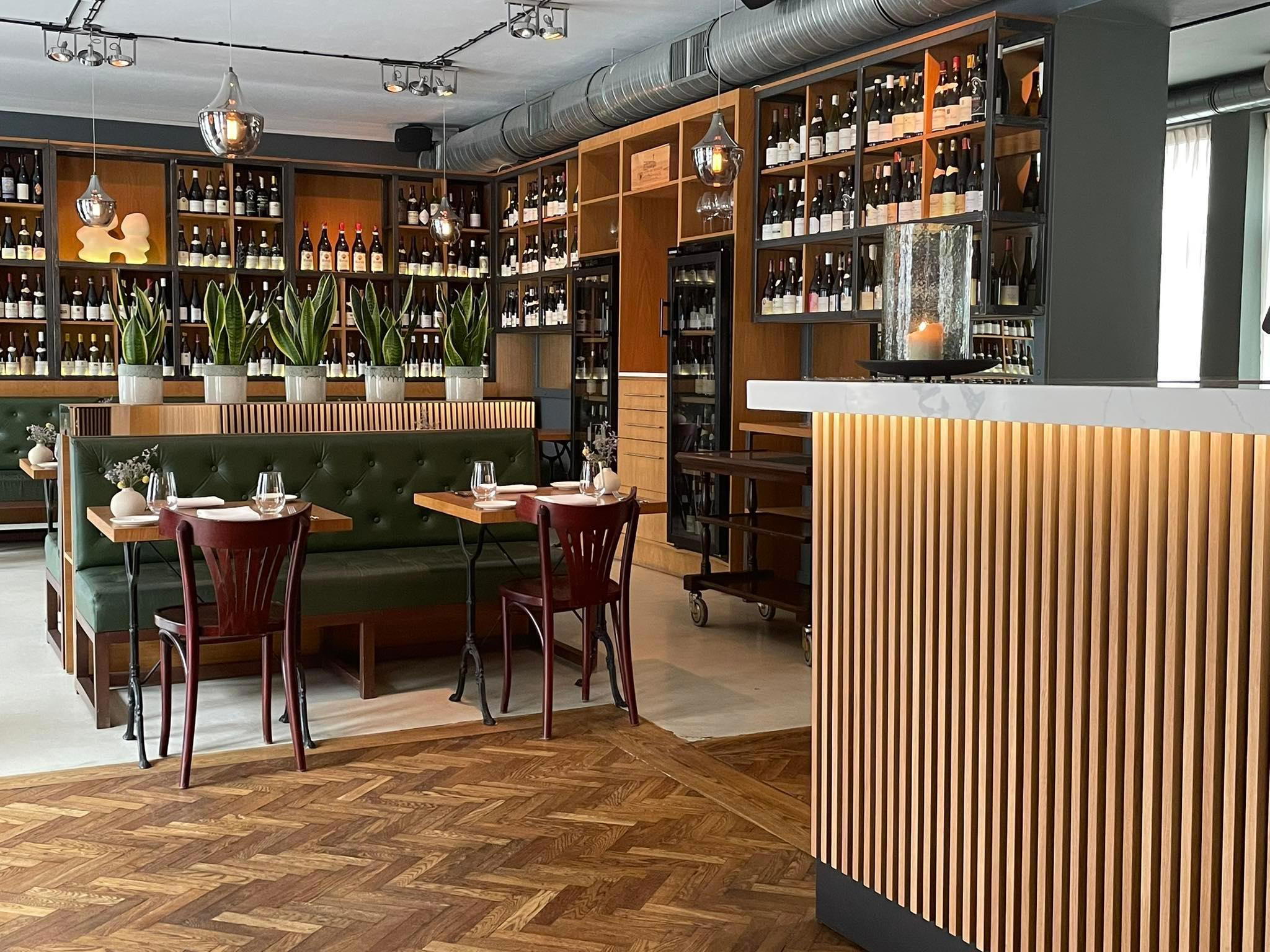
Arriving at a fourth-floor restaurant on Krucza requires a deliberate act of navigation, and that small friction is part of the experience's character. Venues that sit above street level, away from passing foot traffic, tend to attract a more decided clientele: people who have made a booking, thought about where they are going, and arrived with some expectation of what awaits. The physical climb also means the room operates at a remove from street noise, which changes how a dining room feels. In Warsaw's denser central streets, that separation carries real value.
The format and atmosphere at Meatologia read as focused rather than theatrical. Warsaw's meat-centred dining operates across a wide register, from the bistro model represented by venues like Baken to the more refined approach at Rozbrat 20, where Modern European technique frames the protein work. Meatologia sits in this broader conversation but with a name that implies even greater specificity of purpose.
Collaboration as the Kitchen's Architecture
In restaurants defined by a single ingredient category, the coordination between kitchen, floor, and the drinks program matters more than in generalist rooms. A focused meat menu demands that the front-of-house team understands not just service mechanics but the actual logic of what is being served: the difference between cuts, the reasoning behind a particular preparation, and the way a wine or pairing decision changes the experience of a plate. Where that coordination is absent, a concept-led restaurant collapses into a gimmick. Where it holds, the single-subject format produces meals that feel more considered than the sum of their parts.
This is the editorial argument for paying attention to team dynamics in places like Meatologia. Warsaw's more serious dining addresses, including alewino on the modern Polish and traditional cuisine side, have demonstrated that the floor team's fluency with the menu is often what separates a good evening from an inert one. In a small, concept-led room, the sommelier or lead server carries a disproportionate share of the interpretive work, translating the kitchen's decisions into language that helps a table make better choices.
Poland's broader restaurant culture has moved significantly in this direction over the past several years. The generation of front-of-house professionals now working Warsaw's better rooms has, in many cases, trained across European cities or worked alongside chefs with international backgrounds. That cross-pollination shows in the quality of recommendations, the understanding of technique, and the willingness to have an actual point of view on the menu rather than reciting it. For context on what the Polish fine dining tier looks like at its outer edge, Bottiglieria 1881 in Kraków and Arco by Paco Pérez in Gdańsk both illustrate how service and kitchen collaboration shape concept-led restaurants at the country's higher price points.
Warsaw's Meat Dining: Where Meatologia Fits
Warsaw has a long and not particularly subtle relationship with meat. The city's traditional cooking leans heavily on pork, game, and offal, and that foundation has given contemporary chefs both a larder and a set of expectations to work with or against. The current generation of Warsaw restaurants has split on how to handle this inheritance: some embrace it directly, others reframe it through modern technique, and a few attempt to transcend it entirely by treating Polish protein traditions as raw material for something more international in outlook.
Meatologia's name suggests it is working in the first or second mode rather than the third. The suffix implies study and seriousness, which in dining terms usually means attention to sourcing, preparation method, and the logic of the menu's construction. Across Poland, venues that have taken this approach to a single product category include Muga in Poznań and, at the more artisanal end, Giewont in Kościelisko, both of which demonstrate that Polish regional ingredients can anchor a serious dining proposition when the team's knowledge is deep enough.
Meatologia's Krucza address is walkable from most central accommodation, which makes it a practical evening option rather than a destination requiring planning around transport.
Planning a Visit
For broader context on Polish dining at a national level, addresses like Kwestia Czasu in Białystok and Cudne Manowce in Olsztyn illustrate the geographic spread of serious Polish cooking beyond the capital.
Fast Comparison
Comparable venues nearby, for context on price, style, and recognition.
| Venue | Cuisine | Price | Notes |
|---|---|---|---|
| MeatologiaThis venue — the venue you are viewing | Premium Steakhouse & Street Food | $$ | Not listed |
| Trân Trân | Traditional Vietnamese | $$ | Ujazdow |
| Piccola Italia | Classic Italian Ristorante Pizzeria | $$ | Rakow |
| Woda Ognista | Modern Polish Tapas & Cocktails | $$ | Ujazdow |
| Mięsny | Polish Steakhouse Bistro | $$$ | Saska Kepa |
| Hoża | Argentine Steakhouse | $$$ | Ujazdow |
At a Glance
- Industrial
- Modern
- Trendy
- Casual
- Casual Hangout
- Group Dining
- After Work
- Open Kitchen
- Standalone
- Beer Program
- Local Sourcing
Current opening hours
- Monday
- 12–9 PM
- Tuesday
- 12–9 PM
- Wednesday
- 12–9 PM
- Thursday
- 12–9 PM
- Friday
- 12–11 PM
- Saturday
- 12–11 PM
- Sunday
- 12–9 PM
Hours can change for holidays and private events. Last verified .
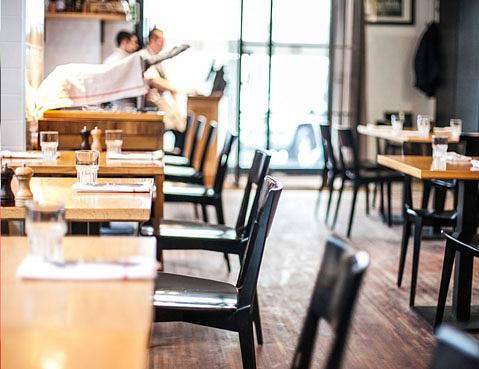
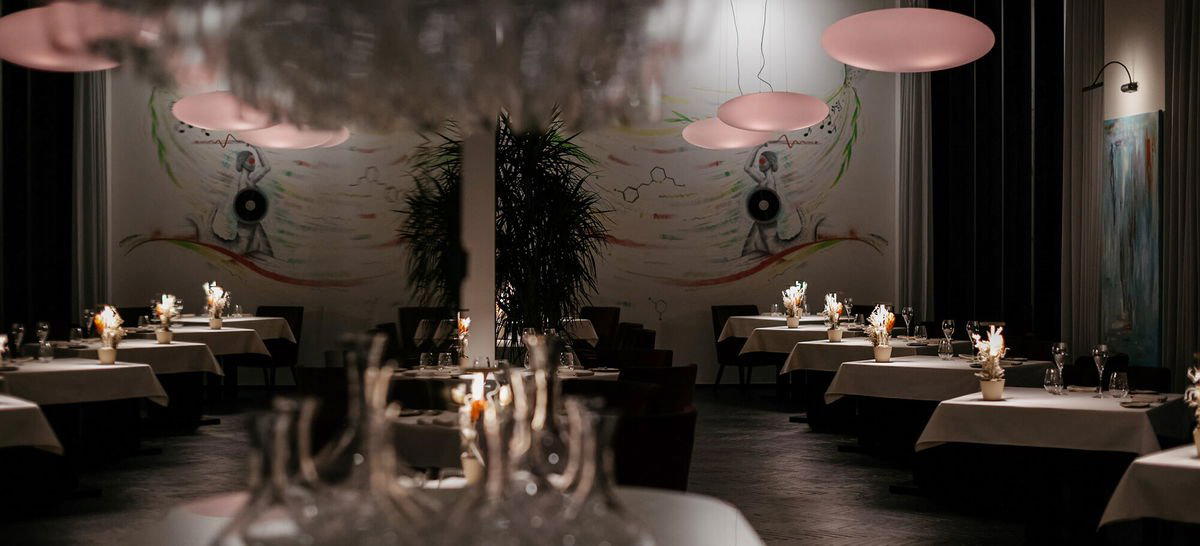
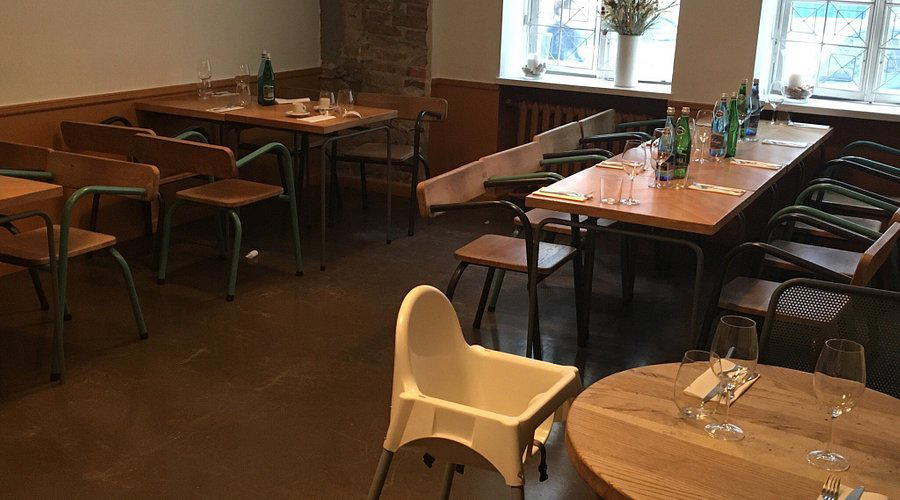
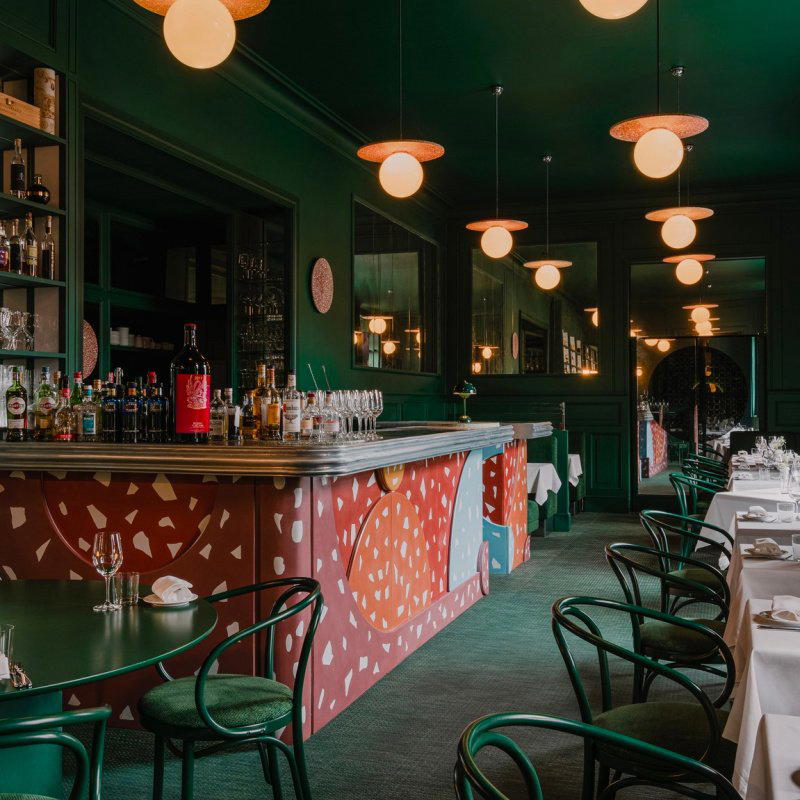
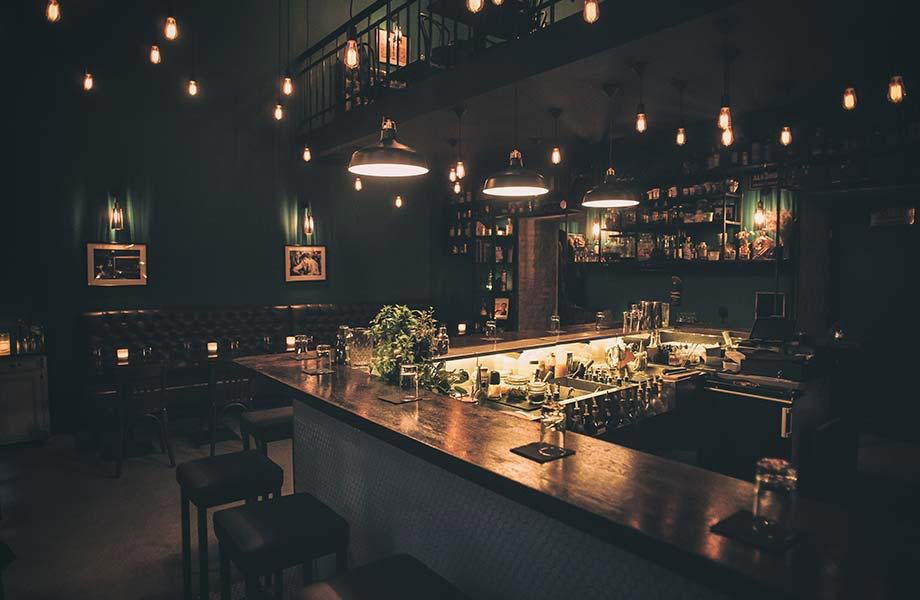
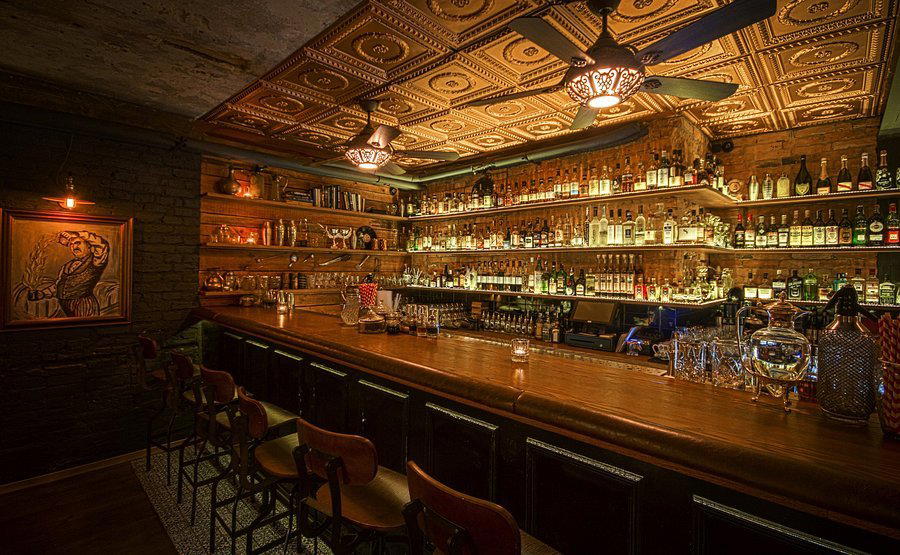
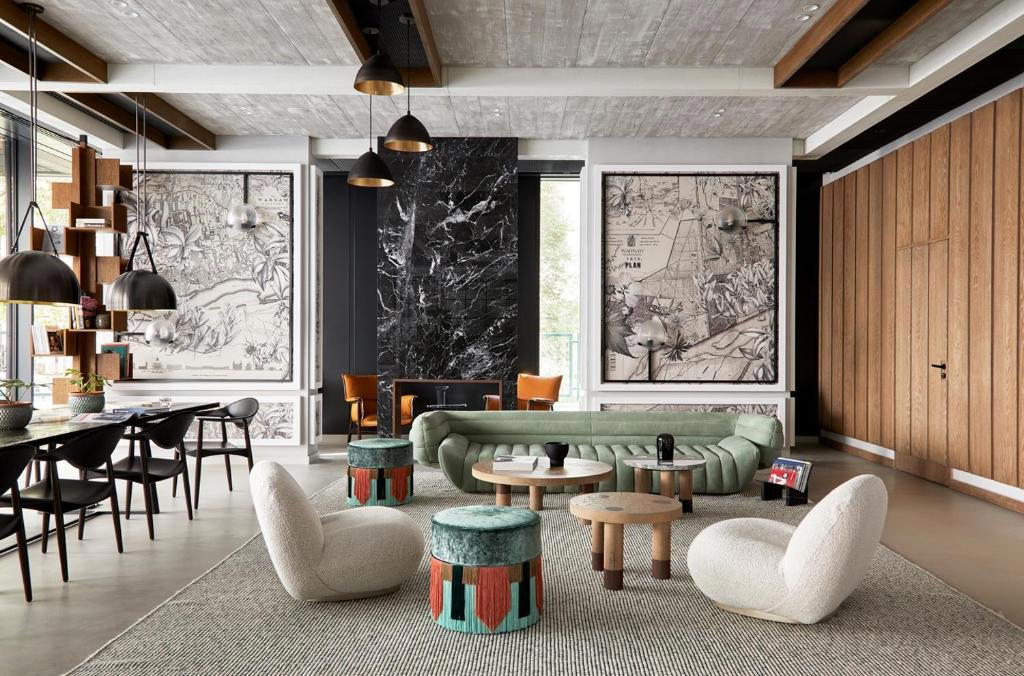
Bold, industrial space with soaring ceilings and raw textures; modern, energetic atmosphere with casual but attentive service; clean, contemporary design with a hip vibe.