Mazi
.png)
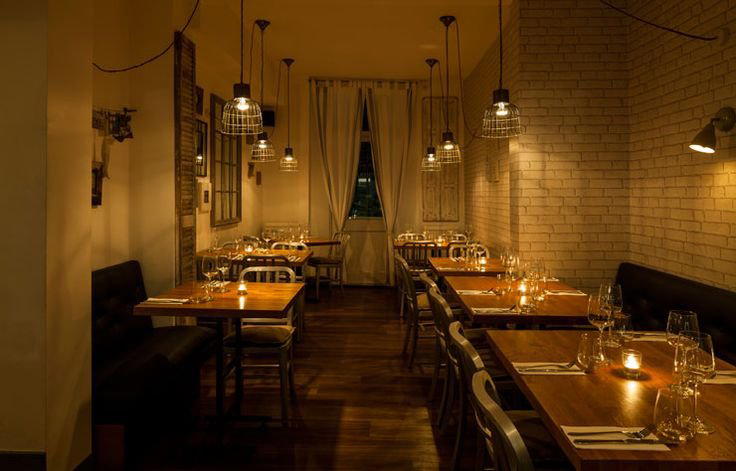
A Michelin Plate holder on a quiet Notting Hill street, Mazi brings a sharing-focused Greek menu to one of London's most residential dining corners. The kitchen leans into spiced meats, loukoumades, and a wine list guided by the front-of-house team, who steer guests toward lesser-known Greek producers with genuine conviction. Two terraces extend the room when the weather cooperates.
 Discover on Pearl
Pearl is the En Primeur Club membership app — saves, bookings, and concierge access live there. Same editors, same standards.
- Address
- 12-14 Hillgate St, London W8 7SR, United Kingdom
- Phone
- +44 20 7229 3794
- Website
- mazi.co.uk
Greek Dining in London: What Mazi Represents
London's relationship with Greek cuisine has historically been uneven. For decades, the city's Greek restaurants occupied a narrow band: taverna-style rooms in Camden or Palmers Green, built around mezedes and retsina, serving diaspora communities rather than courting a broader audience. The shift toward more considered, produce-led Greek cooking arrived later here than in Paris or New York, and it has been driven by a small group of restaurants that treat the Aegean canon as a serious culinary tradition rather than a vehicle for nostalgia. Mazi, on Hillgate Street in Notting Hill, is a Modern Greek restaurant in London, priced at about £50 per person. Its recognition places it in a defined peer tier: not a destination tasting-menu operation, but a neighbourhood restaurant where the cooking is good enough to warrant the inspector's attention.
For broader context on London's Greek dining scene, OMA, AGORA, and Krokodilos each occupy different positions in the same tradition, and taken together they show how much range now exists within a single cuisine category in one city.
The Cultural Weight of Sharing at the Table
Greek cuisine is architecturally social. The sharing format is not a modern restaurant trend applied to a traditional menu; it is the tradition. Mezedes exist precisely because Greek hospitality is premised on abundance and generosity at the table, on dishes arriving in waves rather than sequences, on a meal that extends rather than concludes. When Mazi structures its menu around sharing, it is following a logic embedded in the cuisine itself, not borrowing from the small-plates trend that swept London dining post-2010.
That distinction matters for how you approach the room. Ordering conservatively defeats the format. The team, described by Michelin's own notes as passionate and engaging, positions itself to help guests read the menu well, pointing toward favoured dishes and Greek wines that many tables would not have encountered elsewhere. This kind of front-of-house involvement, where the staff carry genuine knowledge rather than recite a script, is rarer than it should be in London at this price tier, and it is part of what gives a neighbourhood restaurant its particular character.
The spiced lamb rump, singled out in Michelin's assessment as terrifically tender, represents the kitchen's confidence with meat cookery in a tradition that prizes slow preparation and spice layering. Greek lamb dishes draw on a lineage stretching from Byzantine-era roasting techniques through Ottoman-influenced spice use to the contemporary island kitchens of Crete and the Peloponnese. A dish that lands in that conversation is doing more than filling a plate.
Notting Hill as a Dining Context
Hillgate Street sits on the quieter residential edge of Notting Hill, away from the main Portobello Road tourist corridor. The neighbourhood supports a dining culture oriented around locals and repeat visitors rather than footfall from passing trade. This is the natural habitat for the kind of restaurant Mazi represents: one where the room develops regulars, where the terrace matters because guests come back in different seasons, and where the front-of-house team has time to build the kind of fluency with their wine list that only comes from genuine conversation with returning customers.
The £££ price tier occupied by Mazi positions it above the casual end of the market. At this tier, the expectation is serious cooking delivered without ceremony, and that is a reasonable description of what Michelin's inspectors found here.
Terraces, Seasons, and What They Change
The restaurant has two outdoor spaces: a small front terrace and a larger rear one. In London's dining geography, outdoor seating at a Greek restaurant carries a specific charge. The association between Greek food and outdoor eating is deeply cultural, tied to the taverna tradition of tables set under vines or beside the sea, meals that extend into the evening as the heat of the day subsides. When the rear terrace at Mazi works, the Michelin note puts it plainly: you can pretend you're in Athens. That is not hyperbole as a selling point; it is a description of what the right combination of setting, food, and service can briefly produce.
Seasonality matters here in a practical sense. The terrace extends the restaurant's appeal through the warmer months, and Greek wine lists naturally follow seasonal logic, with lighter, mineral-driven whites from Santorini or the Ionian islands suiting summer tables, and richer reds from Naoussa or Nemea shifting the register as the year turns. A front-of-house team that knows its Greek producers well is a genuine asset in that context.
Loukoumades and the Logic of Dessert
Michelin's own write-up closes with the loukoumades, the honey-drenched fried dough balls that appear across Greek, Turkish, and wider Eastern Mediterranean traditions under various names. Their presence on a dessert menu is not a novelty gesture; it is a commitment to a specific register of sweetness, one rooted in street food and festival eating rather than patisserie. The fact that the Michelin note describes it as hard to look past suggests a kitchen confident enough in the execution to let a simple preparation carry the end of the meal. That confidence is more interesting than a technically elaborate dessert would be.
For comparison with how Greek cooking translates to other European capitals, Mavrommatis in Paris operates in the same tradition, and Akra in Athens provides a direct reference point for what the source culture produces at a comparable level.
Where Mazi Sits in the Wider London Picture
London's dining scene at the £££ tier is large and competitive. The city's Michelin Plate holders in this bracket span dozens of cuisines and neighbourhoods, and the recognition signals cooking quality without implying destination-level complexity. Mazi earns its place in that tier by doing something specific well: Greek food, served in the social format the cuisine requires, in a neighbourhood room that rewards regulars. That is a defined proposition, and it is more durable than the kind of restaurant that chases trends or formats from outside its own tradition.
Know Before You Go
- Address: 12-14 Hillgate St, London W8 7SR
- Price tier: £££ (mid-to-upper; below the city's tasting-menu tier)
- Recognition: Michelin Plate
- Google rating: 4.5 from 937 reviews
- Format: Sharing menu; order a broad selection rather than individual plates
- Outdoor seating: Small front terrace and larger rear terrace; prioritise the rear in warm weather
- Wine approach: Greek-focused list; defer to the front-of-house team for guidance on producers
- Neighbourhood: Residential Notting Hill; quieter than the Portobello Road corridor
Accolades, Compared
Comparable venues nearby, for context on price, style, and recognition.
| Venue | Cuisine | Price | Awards |
|---|---|---|---|
| MaziThis venue — the venue you are viewing | Greek | £££ | |
| The Ledbury | Modern European, Modern Cuisine | ££££ | Michelin 3 Star |
| Sketch, The Lecture Room and Library | Modern French | ££££ | Michelin 3 Star |
| CORE by Clare Smyth | Modern British | ££££ | Michelin 3 Star |
| Restaurant Gordon Ramsay | Contemporary European, French | ££££ | Michelin 3 Star |
| Dinner by Heston Blumenthal | Modern British, Traditional British | ££££ | Michelin 2 Star |
Continue exploring
More in London
Restaurants in London
Browse all →
Bars in London
Browse all →
Hotels in London
Browse all →

At a Glance
- Cozy
- Intimate
- Lively
- Trendy
- Modern
- Date Night
- Group Dining
- Special Occasion
- Open Kitchen
- Terrace
- Extensive Wine List
Cosy and intimate with unfussy decor, light and airy atmosphere, buzzing energy, and a hidden garden terrace evoking Greece.