Mayur Cuisine of India
On East Coast Highway in Corona Del Mar, Mayur Cuisine of India occupies a stretch of coastside California that rarely associates itself with the subcontinent's cooking traditions. The restaurant sits in a dining corridor where New American and European formats dominate, making its presence as an Indian kitchen a point of genuine distinction in the local scene.
Pearl is the En Primeur Club membership app — saves, bookings, and concierge access live there. Same editors, same standards.
- Address
- 2931 East Coast Hwy, Corona Del Mar, CA 92625
- Phone
- +19496756622
- Website
- mayuroc.com
- Directions
- Get directions
 Saves & bookings on Pearl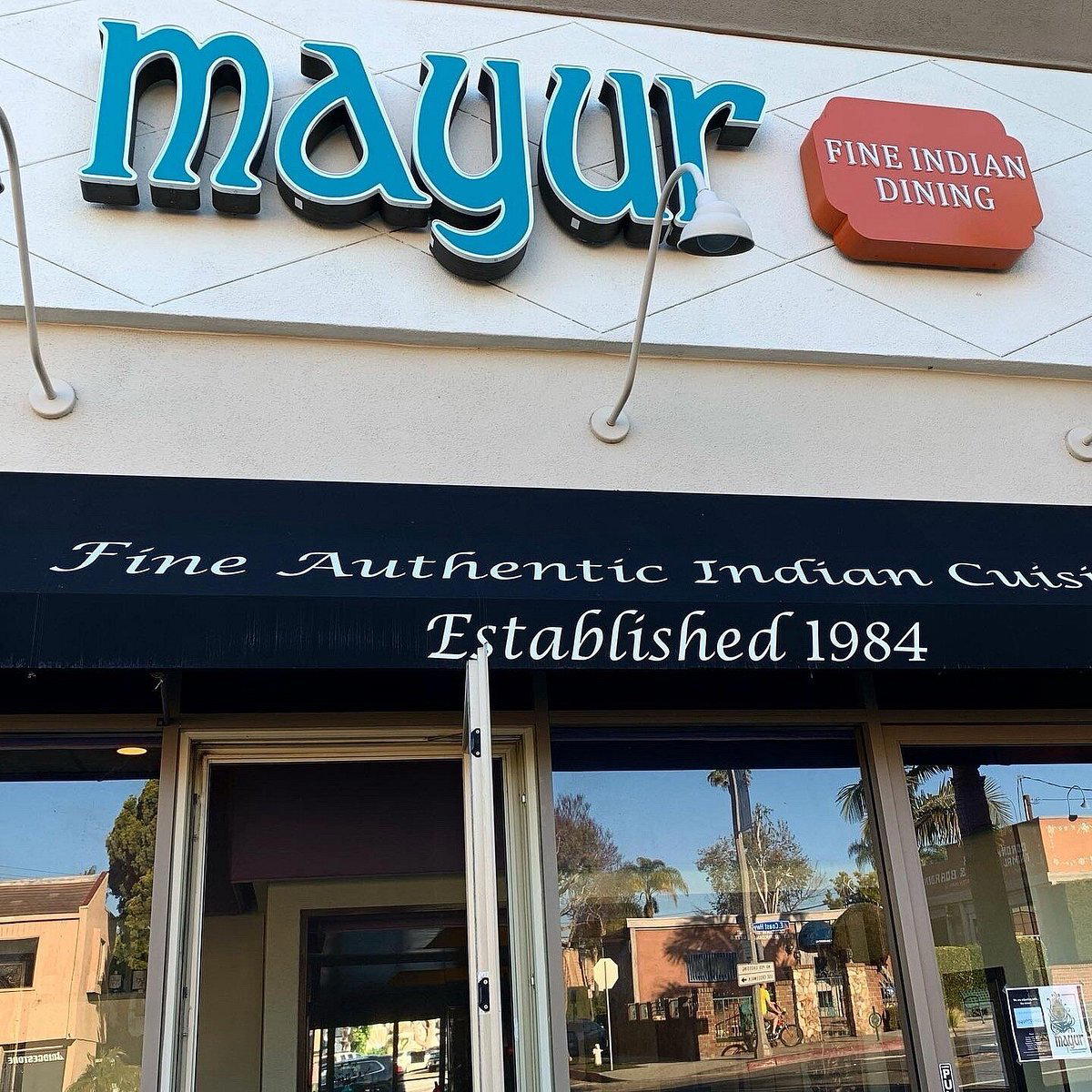
Indian Cooking on the California Coast: What Mayur Represents
East Coast Highway in Corona Del Mar runs through one of Southern California's more composed dining corridors, where the restaurants tend toward New American formats, European bistro sensibility, and the kind of wine-forward menus that pair naturally with ocean proximity. Against that backdrop, an Indian kitchen operating on the same stretch carries a particular editorial significance. Mayur Cuisine of India holds a position that few restaurants in this zip code occupy: a cuisine tradition rooted in spice complexity, slow cooking, and regionally differentiated technique, planted firmly in a neighborhood better known for its proximity to the Pacific than to the subcontinent's cooking culture.
That contrast matters because Corona Del Mar's dining scene has developed primarily around its geography. The coastal California restaurant model prioritizes ingredient immediacy, local fish, seasonal produce from inland valleys, and the kind of supply chain transparency that restaurants like Farmhouse at Rogers Gardens have made central to their identity. What's less often examined is how Indian cuisine, at its most considered, operates from a similar sourcing logic: spice blends tied to specific regional origins, lentils and legumes sourced by variety and provenance, and dairy traditions, ghee, paneer, yogurt, that shift in character depending on where and how the milk is produced.
Sourcing as Structure: Why Ingredient Origin Defines Indian Cooking
Indian cuisine is, in its underlying architecture, an ingredient-driven tradition as much as any farm-to-table New American kitchen. The difference is that the sourcing conversation in Indian cooking tends to happen at the level of spice rather than protein. Cumin from Rajasthan carries different aromatic properties than its Turkish or Mexican counterparts. Kashmiri chilli contributes color and mild heat in a ratio distinct from other dried varieties. Cardamom from Kerala's high-altitude cardamom hills is a categorically different ingredient from cheaper equivalents. These distinctions matter in the same way that the provenance of butter matters at Le Bernardin in New York City or that the grain source matters at Single Thread Farm in Healdsburg, where ingredient provenance is treated as foundational rather than incidental.
A kitchen that takes these distinctions seriously produces food that reads differently from one that treats Indian spicing as a generic category. The former produces layers of flavor that unfold over the course of a dish; the latter produces dishes that taste generically warm and vaguely complex. Corona Del Mar diners accustomed to the sourcing discipline of venues like Five Crowns or Foretti's are increasingly primed to ask the same provenance questions of their Indian meal that they'd ask of their California lamb chop.
The Corona Del Mar Context: A Neighborhood That Rewards Specificity
Corona Del Mar's restaurant scene is smaller and more concentrated than its proximity to Newport Beach might suggest. The dining strip along East Coast Highway functions almost like a village high street, where repeat visitors form genuine relationships with specific rooms. That dynamic rewards restaurants that have a legible identity rather than a broad, catch-all menu designed to please everyone on first visit. The Quiet Woman has held its position in that corridor for decades by being exactly one thing with consistency. The same logic applies to any Indian kitchen that commits to a regional identity rather than attempting to represent the entirety of a cuisine that spans more than a billion people and dozens of distinct culinary traditions.
The restaurants that have built durable reputations in ingredient-forward cooking, from Blue Hill at Stone Barns in Tarrytown to Providence in Los Angeles, tend to share a commitment to narrowing their focus rather than broadening it. In Indian cooking, that narrowing might mean committing to a specific regional tradition: the cream-forward Mughlai cooking of the north, the tamarind-bright preparations of Tamil Nadu, the coastal coconut milk sauces of Kerala, or the tandoor-centric format that has become especially internationally recognized face of Indian restaurant cuisine. Each tradition has its own sourcing logic and its own standards of execution.
What to Order and How to Approach the Menu
What can be said with confidence is that a reliable way to read any Indian restaurant's sourcing ambition is through its bread program and its spice work. Bread, particularly naan and paratha, requires tandoor temperature control and dough technique that shortcuts quickly when quality pressure is low. Spice work reveals itself in the layering of a curry: a dish built on properly bloomed whole spices, then ground aromatics, then finishing spices reads in sequence rather than as a single undifferentiated note. These are the markers worth attending to regardless of which specific dishes are ordered.
Visitors familiar with the benchmark Indian kitchens that have pushed fine-dining conversations, operations like Atomix in New York City (Korean, but relevant as an Asian-heritage fine dining comparator) or the sourcing discipline visible at Addison in San Diego, will recognize when an Indian kitchen is operating at a comparable level of ingredient intentionality. The gap between the leading Indian cooking and its more casual iterations is as wide as the gap between a serious French kitchen and a brasserie chain, a point that American dining culture has been slow to fully absorb.
Planning Your Visit
Mayur Cuisine of India is located at 2931 East Coast Highway, Corona Del Mar, CA 92625, on the primary dining stretch that connects most of the neighborhood's restaurants within walkable distance. The East Coast Highway corridor is accessible from Newport Beach and Laguna Beach by surface road, making it a natural stop for anyone building a broader Orange County dining itinerary.
How It Stacks Up
Comparable venues nearby, for context on price, style, and recognition.
| Venue | Cuisine | Price | Notes |
|---|---|---|---|
| Mayur Cuisine of IndiaThis venue — the venue you are viewing | Northern Indian | $$ | Not listed |
| Foretti's | Authentic Neapolitan Pizza & Italian Cuisine | $$$ | Corona del Mar |
| Farmhouse at Rogers Gardens | Seasonal Farm-to-Table American | $$$ | Corona del Mar |
| The Quiet Woman | Classic American Steakhouse | $$$ | Corona del Mar |
| Five Crowns | Classic English-Inspired Steakhouse | $$$$ | Corona del Mar |
| All India Cafe | Authentic All India Cuisine | $$ | Old Pasadena |
Continue exploring
More in Corona Del Mar
Restaurants in Corona Del Mar
Browse all →
Bars in Corona Del Mar
Browse all →
Hotels in Corona Del Mar
Browse all →



Wineries in Corona Del Mar
Browse all →
At a Glance
- Cozy
- Romantic
- Classic
- Date Night
- Family
- Casual Hangout
- Open Kitchen
- Extensive Wine List
Current opening hours
- Monday
- 4:30–9:30 PM
- Tuesday
- 4:30–9:30 PM
- Wednesday
- 4:30–9:30 PM
- Thursday
- 4:30–9:30 PM
- Friday
- 11:30 AM–2:30 PM, 4:30–10 PM
- Saturday
- 11:30 AM–2:30 PM, 4:30–10 PM
- Sunday
- 11:30 AM–2:30 PM, 4:30–9:30 PM
Hours can change for holidays and private events. Last verified .
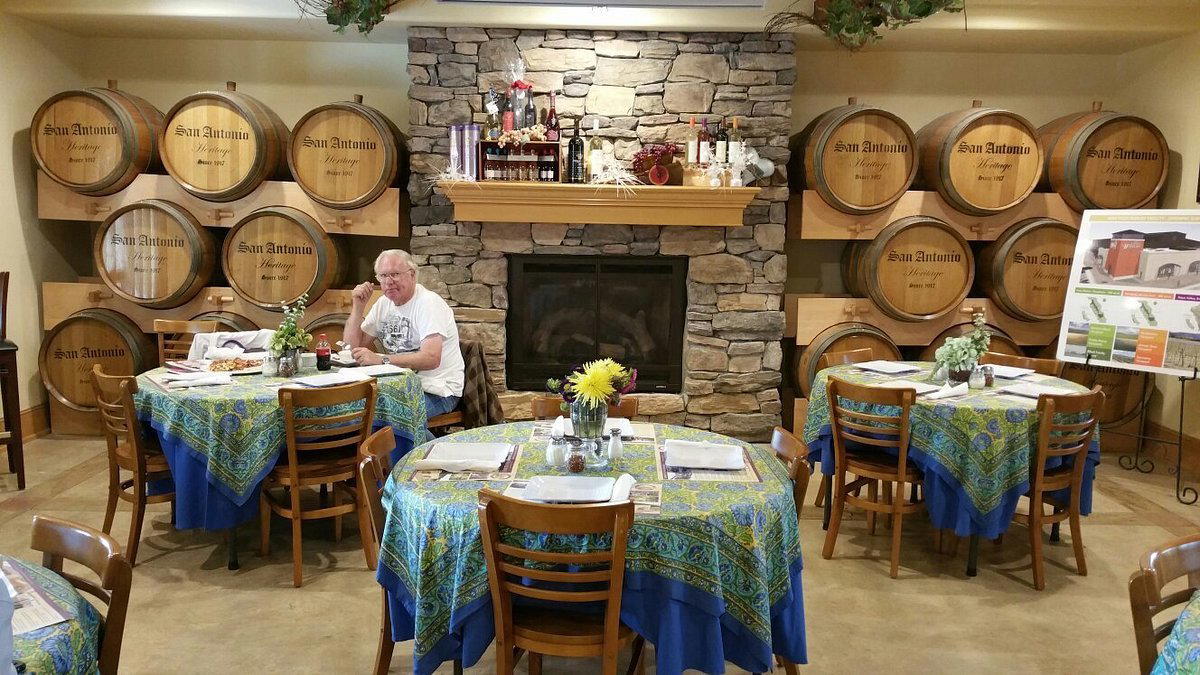
Charming and quaint setting with classy decor, well-suited for cozy get-togethers or romantic evenings.