Matsumoto Shave Ice
On Oahu's North Shore, Matsumoto Shave Ice has operated from its Kamehameha Highway address in Haleiwa long enough to become a reference point for Hawaiian shave ice culture rather than merely a participant in it. The shop sits at the intersection of plantation-era food tradition and the beach-town casualness that defines the North Shore's broader eating scene, drawing visitors and locals who treat the stop as a fixed point on any coastal drive.
 Discover on Pearl
Pearl is the En Primeur Club membership app — saves, bookings, and concierge access live there. Same editors, same standards.
- Address
- 66-111 Kamehameha Hwy #605, Haleiwa, HI 96712
- Phone
- +18086374827
- Website
- matsumotoshaveice.com
Where the North Shore Road Slows Down
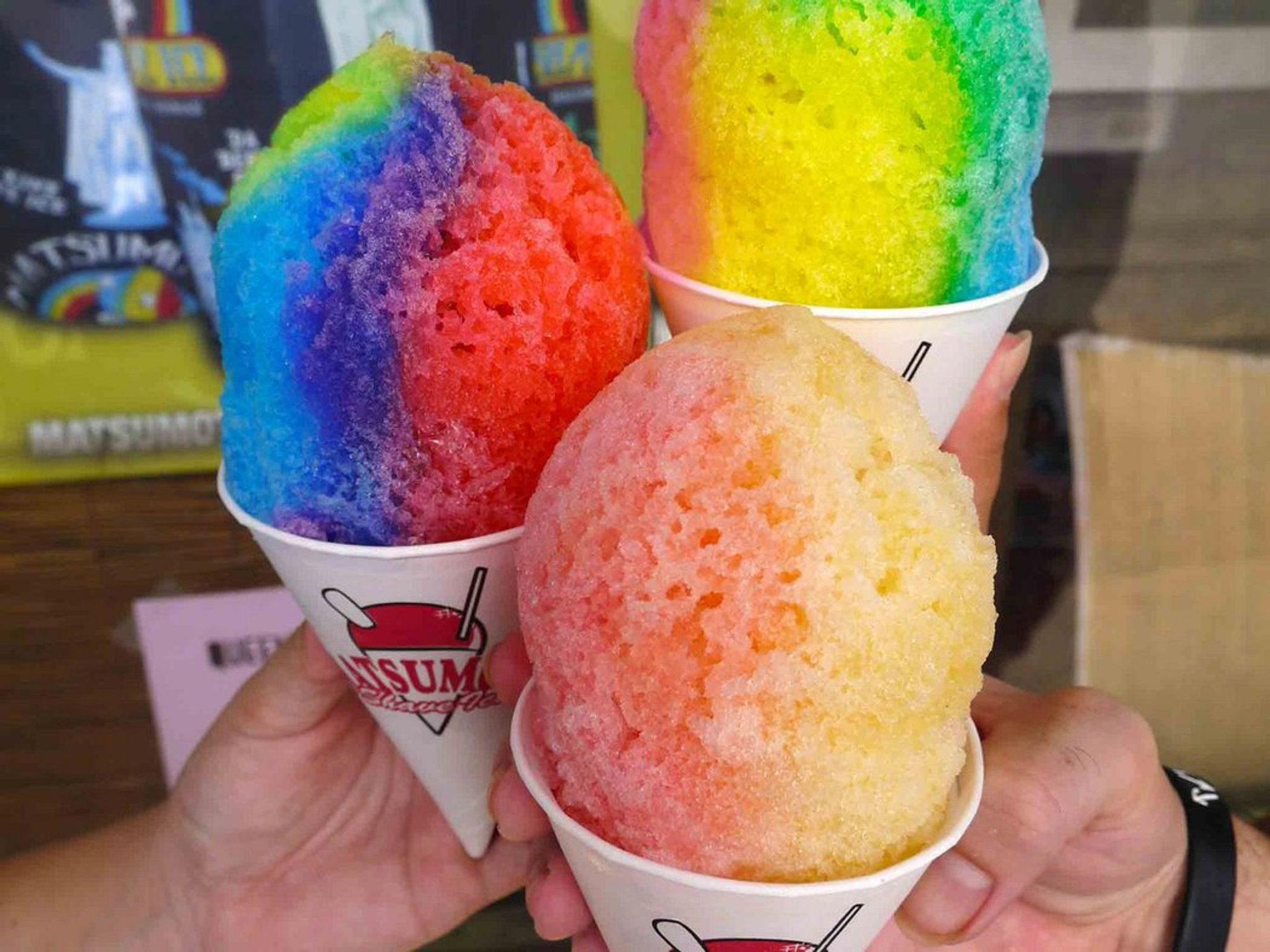
Kamehameha Highway through Haleiwa is the kind of road where the pace drops involuntarily. The canopy thickens, the ocean appears in flashes between storefronts, and the town's low-slung commercial strip invites you to stop rather than pass through. On that strip, at 66-111 Kamehameha Hwy, Matsumoto Shave Ice occupies a position that goes beyond geography. The line outside, a reliable fixture on warm mornings, is one of the more visible markers of where Hawaiian shave ice sits in the broader American food consciousness. It has crossed from local staple to cultural landmark without losing the approachable format that made it worth noticing in the first place.
Haleiwa itself functions as the informal capital of the North Shore, a town whose food identity runs from the legendary garlic shrimp plates at Giovanni's Shrimp Truck to the acai formats at Haleʻiwa Bowls, the breakfast crowd at Kono's Northshore, the burger institution at Kua Aina Sandwich, and the local-leaning dinner room at Uncle Bo's Haleiwa. Within that roster, Matsumoto occupies a singular category: it is neither a full meal nor an afterthought, but a specific ritual that shapes how the rest of the day is organized around it.
The Tradition Behind the Ice
Hawaiian shave ice is frequently misread as a snowcone, a comparison that flattens a meaningful distinction. Where a snowcone is crushed ice, coarse, crystalline, resistant, shave ice is planed from a block with a blade, producing a texture closer to fresh powder snow than to ice chips. That texture changes the way syrup behaves: it absorbs rather than pools at the bottom, distributing flavor through the entire serving rather than concentrating it in the last sip. The technique arrived in Hawaii through Japanese plantation workers in the late nineteenth and early twentieth centuries, adapted from the kakigori tradition that had existed in Japan for centuries. It took root on the islands and evolved with local ingredients, local flavor preferences, and local rhythms of outdoor life.
In that lineage, Matsumoto is among the most frequently cited names in the continental United States when shave ice is discussed as a regional food tradition rather than a novelty. That position reflects longevity and consistency more than any single innovation. The shop's presence on a well-traveled tourist corridor has given it cultural visibility, but the repeat business from North Shore residents suggests the product itself holds up independent of reputation.
A shave ice counter operates by entirely different logic. There is no reservation, no dress consideration, no arc of courses. The value proposition is immediacy, simplicity, and the specific pleasure of eating something cold outdoors in a warm climate. That plainness is not a compromise; it is the format.
What the Stop Actually Involves
Arriving mid-morning on a weekend typically means a wait. The line moves steadily, and the ordering process is direct: choose a size, choose from a range of syrups, and decide whether to add the foundations that distinguish a serious shave ice order from a basic one. In Hawaii, shave ice served over a base of vanilla ice cream or mochi is a recognized variation, not an upsell. Azuki beans, the sweetened red beans carried over from Japanese kakigori tradition, are another addition with genuine cultural grounding, not an affectation. These layers are worth knowing before you reach the counter.
The syrup range at a North Shore shave ice shop typically includes both synthetic-style flavors in the brighter, more American register and locally inflected options drawing on fruits common in Hawaii. Li hing mui, a dried salted plum powder with a sharp, fermented edge, appears as both a flavoring and a rim treatment, and its presence signals how far the Hawaiian shave ice tradition has traveled from both its Japanese origins and from mainland snowcone conventions. If you are eating shave ice in Hawaii for the first time, li hing mui is the detail most likely to reframe what you thought the food was.
The practical mechanics are simple. No booking, no table assignment, no dress consideration. The format is counter service, and the product is consumed on the premises or while walking. Matsumoto fits cleanly as either a morning or afternoon interval. The stop is self-contained once the line clears.
Haleiwa in the Broader Eating Conversation
Oahu's North Shore occupies an unusual position in American food geography. It sits far from the cities that generate most of the country's restaurant discourse, from the ambitious kitchens of Single Thread Farm in Healdsburg, the precision programs of The French Laundry in Napa, the contemporary Korean formats of Atomix in New York City, or the Gulf Coast cooking at Emeril's in New Orleans, yet it has a food culture that is coherent and specific on its own terms. Shave ice, plate lunch, shrimp trucks: these are not approximations of something more sophisticated. They are their own category, with their own internal standards and their own criteria for what constitutes a good version.
Matsumoto is frequently the entry point through which visitors first encounter that category seriously. That function is worth noting without over-reading it. The shop does not carry Michelin recognition. Its authority is of a different order: cultural longevity, category leadership within a specific regional food tradition, and the kind of consistency that produces multi-generational loyalty rather than critical cycles of enthusiasm and reassessment.
For anyone building time on Oahu's North Shore, the stop is less a decision than a default. The question is how to sequence it within the rest of a day in Haleiwa, and which syrup combinations reward the latitude to order without second-guessing.
Planning Your Visit
Matsumoto Shave Ice is located at 66-111 Kamehameha Hwy #605 in Haleiwa on Oahu's North Shore. No reservation is required or possible, the format is walk-in counter service. Weekends and midday windows on weekdays produce the longest queues; arriving before 10am or later in the afternoon reduces wait time meaningfully. No dress code applies. The drive from Honolulu along the H-2 takes approximately 45 to 55 minutes depending on traffic, placing the shop within comfortable day-trip range from Waikiki or the airport corridor.
Budget Reality Check
Comparable venues nearby, for context on price, style, and recognition.
| Venue | Cuisine | Price | Awards | Notes |
|---|---|---|---|---|
| Matsumoto Shave IceThis venue — the venue you are viewing | Haleiwa, Hawaiian Shave Ice | $ | , | |
| Kua Aina Sandwich | $$ | , | Haleiwa, Hawaiian-Style Burgers & Sandwiches | |
| Giovanni's Shrimp Truck | Haleiwa, Hawaiian Garlic Shrimp Truck | $ | , | |
| Haleʻiwa Bowls | Haleiwa, Acai Bowls | $ | , | |
| Kono's Northshore - Haleiwa | Haleiwa, Hawaiian Plate Lunch | $$ | , | |
| Uncle Bo's Haleiwa | Haleiwa, American Grill & Pupus | $$ | , |
At a Glance
- Iconic
- Trendy
- Lively
- Casual Hangout
- Family
- Standalone
- Street Scene
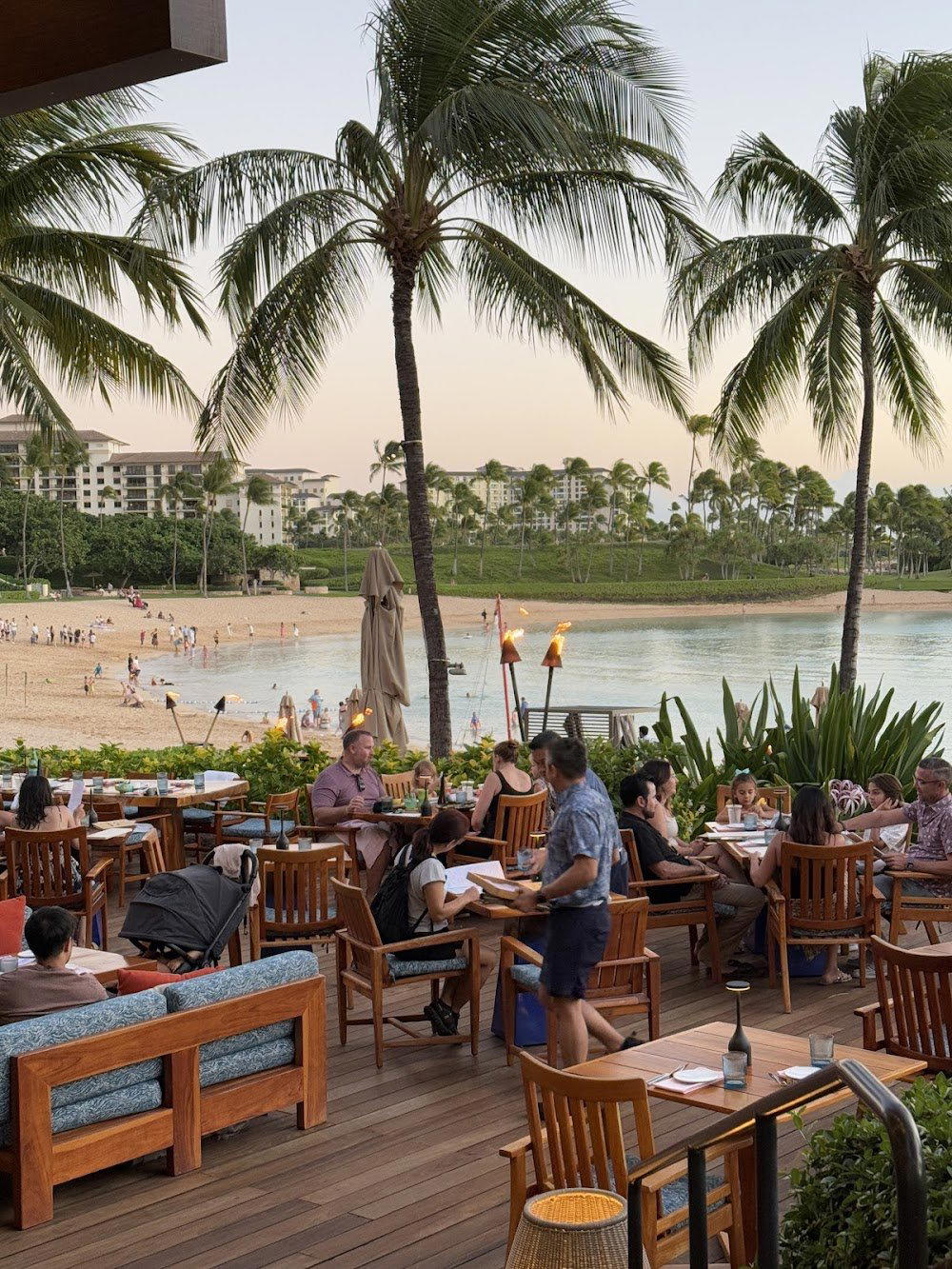
Casual lively outdoor atmosphere with quick service and nostalgic Hawaiian shave ice vibes.