
Tabelog 100 #24
Our verdict
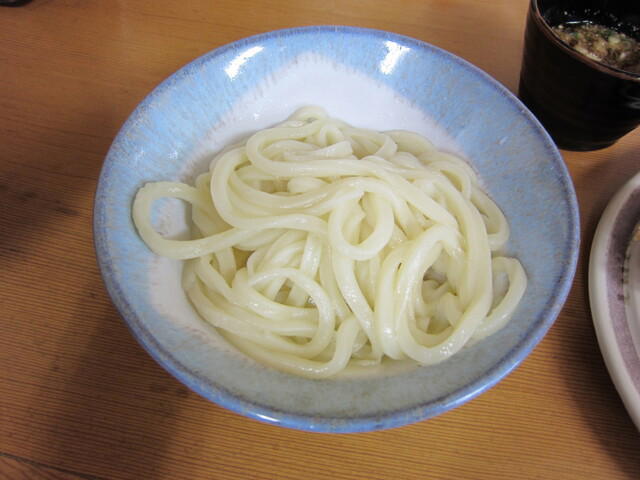
Matsubara belongs to Takamatsu’s disciplined Sanuki udon circuit, where the meal is quick, inexpensive, and judged by texture as much as broth. Its 2024 Tabelog 100 Udon Kagawa selection and 3.74 Tabelog score place it among the prefecture’s closely watched noodle addresses, with a format suited to solo diners, families, and travellers reading the city through its everyday food rituals.

Pearl is the En Primeur Club membership app, where members save venues, book tables and use the concierge.
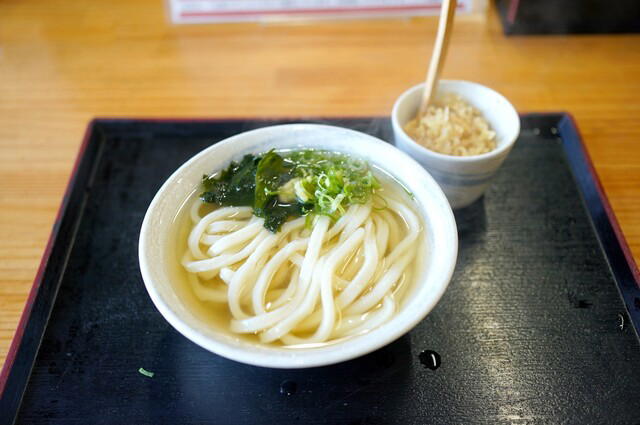
Approaching a serious udon shop in Takamatsu rarely feels ceremonial in the luxury-dining sense. The ritual is plainer and sharper: arrive with a decision already half-made, read the room, move with the queue, eat while the noodles are at their point, and give the table back. Matsubara sits inside that local grammar, where the performance is not theatre but timing, texture, and local fluency.
Takamatsu’s udon culture rewards repetition. Visitors often arrive expecting a single destination meal, but the better way to read the city is as a circuit of small variations: noodle firmness, broth register, self-service rhythm, family pacing, counter turnover, and the balance between neighbourhood utility and destination credibility. Matsubara’s 2024 Tabelog recognition matters because the listing is category-specific; it places the shop inside a competitive field where technical differences are narrow but heavily scrutinised.
Udon as a fast, exacting dining ritual
Udon is not built around lingering. The pleasure is in a compact exchange between kitchen pace and diner attention. In Takamatsu, an udon meal can be shorter than a coffee break, yet the judgement can be severe: noodles need elasticity without heaviness, broth needs clarity without thinness, and toppings should not pull focus from the wheat. This is why udon shops can look casual while operating inside a demanding local standard.
Matsubara fits the low-cost, high-frequency end of Japanese dining rather than the reservation-led counter model associated with more formal genres. That distinction is useful for travellers. The meal is not about extended service choreography; it is about catching the shop in its working rhythm and understanding that speed is part of the form. The room’s appeal is practical rather than theatrical, equally plausible for a quick solo bowl or a local stop folded into the day.
The local comparison set is tight. Udon no Den, Marutani Seimen, Teuchi Udon Shimizuya, Nakanishi Udon, and Teuchi Udon Ueda all occupy the same broad Takamatsu udon economy, where price alone does not separate the serious from the ordinary. Instead, reputation is built through repeat custom, noodle consistency, and how well a shop performs under lunch pressure. Matsubara’s Tabelog recognition gives it a public marker inside that crowded field without turning the experience into a formal restaurant occasion.
What the recognition says about Takamatsu's noodle hierarchy
Tabelog’s 2024 recognition is the clearest external signal here, supported by a 3.74 score. In a city where udon is not a novelty but daily infrastructure, that kind of category recognition functions differently from a national fine-dining award. It tells the reader that the shop has crossed a local credibility threshold in a cuisine where regulars compare details with little patience for decorative claims.
That credibility also helps explain why Matsubara is better understood through the city than through chef biography. There is no need to build a mythology around an individual when the stronger story is Takamatsu’s collective noodle literacy. The city’s udon shops are judged in relation to one another, and the format leaves little room for distraction. A bowl arrives, the noodle texture does the arguing, and the room moves on.
For a broader Takamatsu read, place Matsubara mentally among other local dining rooms rather than treating it as an isolated pilgrimage. Other udon counters and everyday restaurants help map the city’s range, while unnamed casual stops show another side of Takamatsu’s daily dining. For wider planning, use Our full Takamatsu restaurants guide alongside Our full Takamatsu hotels guide, Our full Takamatsu bars guide, Our full Takamatsu wineries guide, and Our full Takamatsu experiences guide.
How to place it in a Japan food itinerary
The useful comparison for travellers is not only within Takamatsu. Japan’s casual specialist dining is full of rooms that look modest but depend on disciplined repetition. Across the country, specialist counters, compact noodle rooms, and everyday urban dining stops all belong to a broader culture where format tells the diner how to behave. Matsubara’s format is simply more compressed: order, eat, assess the noodle, leave space for the next customer.
That makes it a strong counterpoint to longer meals elsewhere in Japan. Other regional specialists point to categories shaped by local habits, from compact city counters to places built around one repeated staple. Even outside Japan, Japanese food formats can travel, but Takamatsu udon remains tied to place in a way that is hard to export fully.
The editorial case is simple. Matsubara is not a long lunch address for diners seeking ceremony; it is a precise stop inside Takamatsu’s noodle culture, backed by 2024 Tabelog recognition and a local dining format that rewards decisiveness. For travellers, the value lies in treating the meal as Takamatsu residents do: not as spectacle, but as a quick test of wheat, broth, pacing, and local standards.
Frequently asked questions
What's the address for Matsubara?
Takamatsu.
How much does it cost to eat at Matsubara?
Pricing at Matsubara is listed as - JPY 999 - JPY 999 View spending breakdown.
What time does Matsubara open and close?
Specific opening hours are not provided in the verified venue details; check directly with Matsubara before travelling.
What do critics highlight about Matsubara?
The clearest critical signal is Tabelog’s 2024 recognition, alongside a 3.74 score. It is listed in the udon category in Takamatsu, which suits the compact udon format.
Can Matsubara adjust for dietary needs?
The verified listing confirms that Matsubara serves udon in Takamatsu, but it does not spell out dietary accommodations. Because udon is wheat-based, guests with gluten restrictions should approach with caution.
Cuisine and Awards Snapshot
Comparable venues by cuisine and price in the same metro.
| Venue | Cuisine | Price | Awards | Notes |
|---|---|---|---|---|
| MatsubaraThis venue (the venue you are viewing) | Japanese Udon Noodle Bar | $1–10 | Tabelog 100 #24 | Not listed |
| Marutani Seimen | Traditional Sanuki udon shop | $1–10 | Tabelog 100 #32 | Takamatsu |
| Udon Ippuku | Traditional Sanuki Udon Shop | $1–10 | Tabelog 100 #43 | Takamatsu |
| Azuma | Traditional Kagawa Udon | $1–10 | Tabelog 100 #100 | Takamatsu |
| Mensho Kusugami | Creative Sanuki udon & chuka soba | $10–20 | Tabelog 100 #89 | Takamatsu |
| Utsumi Udon | Sanuki Udon | $1–10 | Tabelog 100 #41 | Takamatsu |
Recognition history
Dated appearances from independent guides and award organizations, with the underlying list record or original source where available.
Tabelog 100 #24 · No. 24
Tabelog · Tabelog 100 - Udon - KAGAWA - 2024
Continue exploring
More in Takamatsu
Restaurants in Takamatsu
All restaurants in Takamatsu →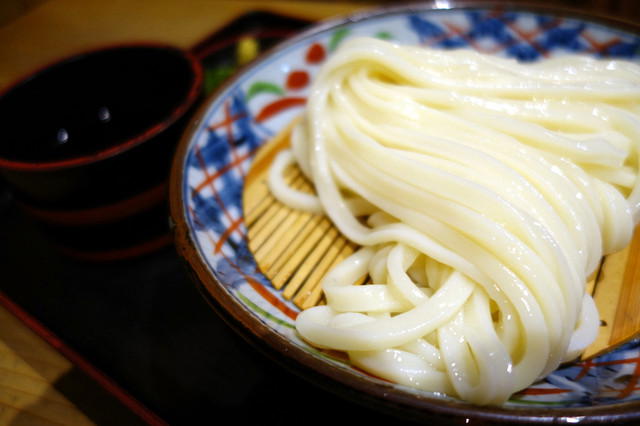
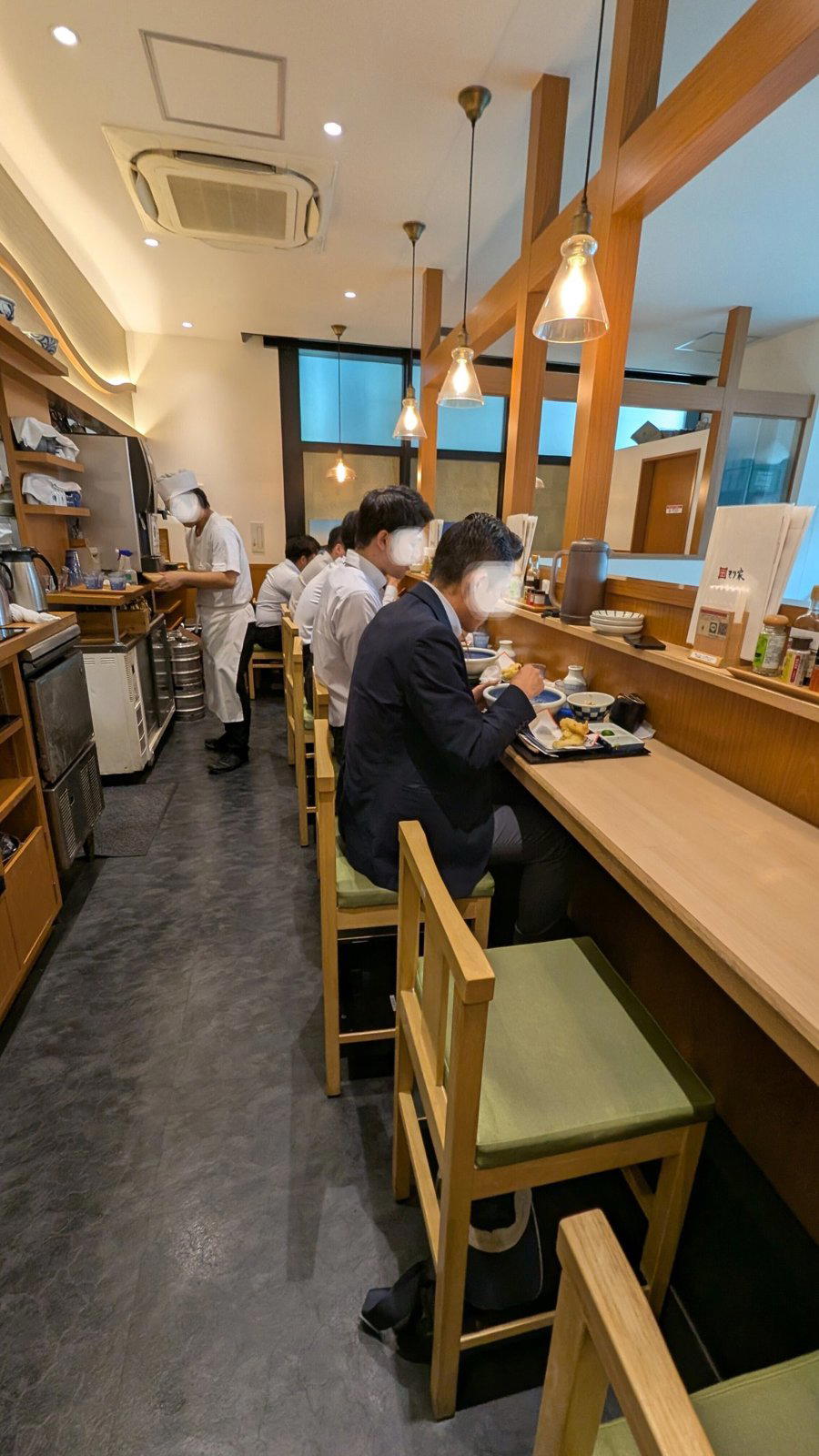
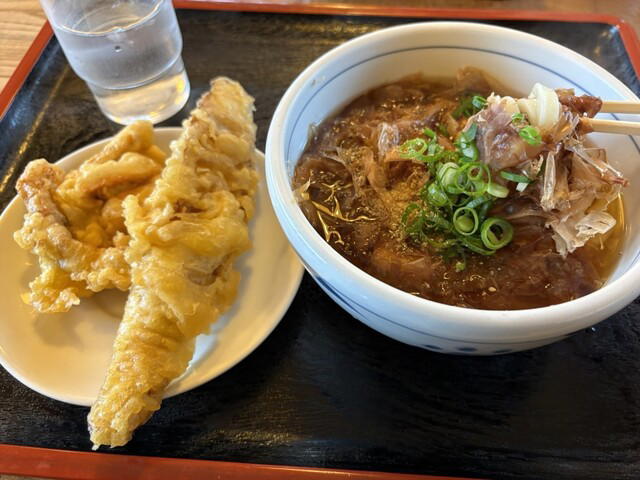
Bars in Takamatsu
Browse all →

Details
- Casual
- Classic
- Solo
- Family
- Casual Hangout
- Standalone
- Beer Program
- A La Carte
- Counter Dining
- Beer
Current opening hours
- Monday
- 10 AM–3 PM
- Tuesday
- 10 AM–3 PM
- Wednesday
- 10 AM–3 PM
- Thursday
- 10 AM–3 PM
- Friday
- Closed
- Saturday
- 10 AM–3 PM
- Sunday
- 10 AM–3 PM
Hours can change for holidays and private events. Hours as of .
Simple, casual, homey local noodle shop atmosphere.